

 admin
adminApple’s Struggle to Sell iPhone 16 in Indonesia Due to Local Content Rules
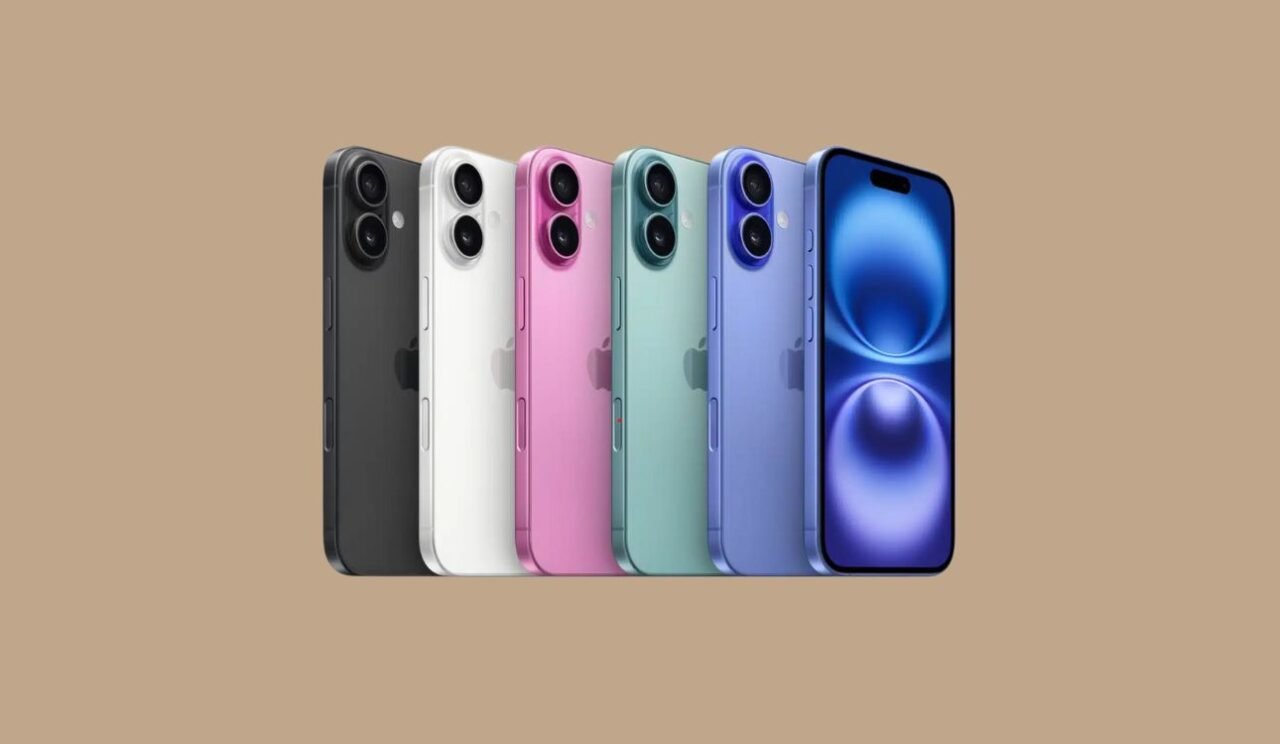
Despite securing a deal to build a local production facility in Indonesia, Apple is still unable to sell its iPhone 16 in the country due to non-compliance with local content regulations. The Indonesian industry minister, Agus Gumiwang Kartasasmita, confirmed this on Wednesday, stating that the company has not met the requirement for smartphones sold domestically to include at least 35% locally-produced components.
The ban on iPhone 16 sales was imposed last year after Apple failed to meet the domestic content rule. Although Apple reached an agreement to set up a facility on Batam Island, an area near Singapore dedicated to producing its Air-tag tracking device, this move does not satisfy the regulations for locally-made iPhone parts.
Minister Kartasasmita clarified that the facility’s production of Air-tags is unrelated to iPhone manufacturing, meaning it doesn’t fulfill the requirements for the local content certification. This certification is necessary for Apple to receive approval to sell the iPhone 16 in Indonesia.
On Tuesday, Indonesia’s investment minister revealed that the new factory, valued at $1 billion, is expected to begin operations next year. While Apple has no manufacturing plants in Indonesia, the tech giant has established application developer academies in the country since 2018, underscoring its continued interest in the region.

