
Author: admin

admin6 November 2024
News-No-1-1280x723.jpg

2min23080
In recent months, Nigeria witnessed an alarming incident where several minors found themselves facing severe charges and high bail amounts, following their involvement in protests over economic challenges. Among those detained were teenagers aged 14 to 17, many of whom were unable to afford bail set as high as 10 million naira, a sum far beyond the reach of most families in the nation. This situation has ignited widespread concern, drawing attention to the critical need for reforms in Nigeria’s juvenile justice and education systems. Human rights advocates have spoken out, highlighting how these young individuals are often products of under-resourced communities, where access to quality education and mentorship opportunities remains scarce. In these environments, young people may lack the support and constructive outlets needed to navigate life’s challenges, making them vulnerable to involvement in social unrest. This episode is a stark reminder of the role that a robust education system could play in redirecting at-risk youth. Research shows that schools providing strong social support networks, life skills training, and mental health resources can help students develop resilience and make informed choices. A focus on educational programs tailored to empower and support youth. particularly those in marginalized areas. could reduce instances of juvenile detention and help young people pursue positive paths. Education experts and advocacy groups are now urging Nigerian policymakers to invest in community-based educational initiatives, such as after-school programs and vocational training, that provide young people with meaningful skills and opportunities. By enhancing educational resources, the nation can work toward a future where its youth are supported, empowered, and equipped to lead productive lives. This incident underscores a call to action: building an education system that fosters resilience, empathy, and hope is essential for Nigeria’s future. As the nation grapples with this crisis, it is clear that the path to positive change lies in education and support for its young people.


admin16 October 2024
Article-No-4-1280x720.jpg

3min8970
As the educational landscape in Nigeria evolves, it is crucial to recognize and support students with learning differences. These diverse learners require tailored approaches to thrive academically and socially. Here are five key strategies to enhance their educational experience: Early Identification and Assessment Identifying learning differences early is essential for effective intervention. Schools should implement regular assessments and screenings to recognize students who may need additional support. This proactive approach enables timely interventions, helping students receive the assistance they require to succeed. Inclusive Teaching Strategies Adopting inclusive teaching methods can significantly benefit students with learning differences. Educators should employ differentiated instruction, using a variety of teaching techniques to accommodate diverse learning styles. This may include visual aids, hands-on activities, and collaborative projects that engage all students. Training for Educators Providing professional development for teachers is vital. Training sessions on understanding learning differences, classroom management techniques, and the use of assistive technology can equip educators with the skills needed to support diverse learners effectively. Well-informed teachers can create a more inclusive and responsive classroom environment. Collaboration with Parents and Specialists Building strong partnerships with parents and learning specialists is crucial. Regular communication with families about their child’s progress fosters a supportive home environment. Additionally, collaborating with special education professionals can provide teachers with valuable insights and resources tailored to individual student needs. Creating Supportive Environments Schools should strive to create safe and supportive environments that celebrate diversity. Encouraging peer support programs and promoting empathy among students can reduce stigma and foster a sense of belonging. When students feel accepted, they are more likely to engage and thrive academically. Conclusion Supporting students with learning differences is essential for building an inclusive educational system in Nigeria. By implementing these key strategies, educators and schools can empower all students to reach their full potential, creating a brighter future for the nation as a whole.

admin16 October 2024
Article-No-3-1280x720.jpg

4min6120
In an increasingly competitive and stressful world, mental health has emerged as a crucial aspect of overall well-being, particularly among students. In Nigeria, where academic pressures and societal expectations are high, it is essential to prioritize mental health awareness within the education system. This article explores the current landscape of mental health in Nigerian schools and the importance of creating supportive environments for students. The Growing Need for Mental Health Awareness Recent studies indicate a rise in mental health issues among young people globally, and Nigeria is no exception. Factors such as academic pressure, family expectations, and social media influence contribute to increased stress and anxiety levels among students. According to a 2021 report by the World Health Organization, approximately 10-20% of children and adolescents experience mental disorders, highlighting the urgent need for intervention. The Impact of Mental Health on Academic Performance Mental health issues can significantly affect students’ academic performance and overall quality of life. Students struggling with anxiety or depression may find it difficult to concentrate, participate in class, or complete assignments. The consequences can lead to poor academic results, increased dropout rates, and long-term challenges in personal and professional lives. Breaking the Stigma: Why Mental Health Awareness Matters Creating Supportive Environments: By promoting mental health awareness, schools can foster environments where students feel safe discussing their struggles. This can help break the stigma surrounding mental health issues, encouraging students to seek help without fear of Early Intervention: Raising awareness can lead to early identification of mental health issues. Training teachers to recognize signs of distress in students can enable timely intervention, preventing more severe issues from developing. Empowering Students: Educating students about mental health empowers them to take charge of their well-being. Workshops and programs focused on stress management, coping strategies, and self-care can equip students with essential skills for navigating life’s challenges. Initiatives Promoting Mental Health in Nigerian Schools School Counseling Programs: Some schools in Nigeria are beginning to implement counseling programs to provide students with access to mental health These programs help students cope with academic pressures and personal issues, creating a support network within the school community. Mental Health Awareness Campaigns: NGOs and local organizations are launching campaigns to raise awareness about mental health issues in schools. By organizing workshops, seminars, and community outreach, these initiatives aim to educate students, parents, and educators about the importance of mental well-being. Integration into the Curriculum: Schools can integrate mental health education into their curricula, teaching students about emotional intelligence, resilience, and healthy coping mechanisms. This proactive approach can help foster a culture of mental health awareness from an early age. Conclusion: A Collective Responsibility As Nigeria navigates the complexities of modern education, prioritizing mental health awareness in schools is vital for the well-being of students. By creating supportive environments, breaking the stigma surrounding mental health, and implementing proactive initiatives, educators and policymakers can ensure that students thrive both academically and personally. The future of Nigeria depends on nurturing not only intelligent minds but also resilient and healthy individuals ready to tackle the challenges of tomorrow.

admin16 October 2024
Teacher-Autonomy-1280x744.jpg

4min7130
In Nigeria, many teachers face the challenge of adhering to rigid curricula that often do not account for the diverse backgrounds and needs of their students. This lack of flexibility can hinder effective teaching and learning. However, there is a growing movement advocating for greater teacher autonomy, which can significantly enhance the educational experience. The phrase “teaching with fidelity” often creates tension among educators. Many teachers find that rigid curriculum mandates limit their ability to connect with students and address their unique needs. As we strive for educational excellence, it’s crucial to emphasize the importance of teacher autonomy—the freedom for educators to adapt their lessons and teaching styles based on their students’ specific circumstances. Understanding Teacher Autonomy Teacher autonomy allows educators to make independent decisions regarding their teaching methods, classroom management, and curriculum implementation. While standardized curricula aim to provide quality education for all Nigerian students, these rigid structures can hinder teachers from tailoring lessons to fit their students’ diverse backgrounds, learning styles, and interests. Why Autonomy Matters Diverse Learning Needs: Nigerian classrooms are incredibly diverse, with students from various cultural backgrounds and differing levels of When teachers have the freedom to adapt lessons, they can create more relevant and engaging learning experiences. For example, a lesson on Nigerian history can include local cultures and traditions, making the subject more relatable and interesting for students. Building Relationships: Teachers who can adjust their teaching methods are better equipped to foster strong relationships with their students. Understanding each student’s unique context helps build trust and encourages open communication. When students feel valued and understood, they are more likely to engage actively in their learning. Enhancing Creativity: Autonomy empowers teachers to be creative in their lesson This creativity can lead to innovative teaching strategies that inspire students and make learning enjoyable. For instance, a science teacher might incorporate local environmental issues into their curriculum, making lessons more relevant and motivating for students. Case Studies in Urban Areas Particularly notable are the case studies conducted in urban areas such as Ogun State, where TFN teachers’ approaches have led to significant improvements in not only academic performance but also the social and emotional development of students. These studies demonstrate that when teachers are granted the freedom to adapt their instruction, they can create an engaging and responsive learning environment that benefits students holistically. This reinforces the idea that autonomy in teaching is not just beneficial for educators but is essential for nurturing well-rounded learners. The Path Forward As we advocate for educational reforms in Nigeria, it is crucial to consider the experiences of teachers who thrive when given the freedom to modify their curricula. The success stories from programs like TFN and the positive outcomes observed in Ogun State serve as compelling evidence that empowering teachers can lead to transformative changes in the classroom.

admin16 October 2024
Article-No-1-1280x720.jpg

2min9430
Lagos was buzzing with excitement on October 10, 2024, as SI Global Nigeria hosted the groundbreaking Global Study Conference 2024 at the prestigious Metropolitan Club. The event, themed “Innovating Education for the Future,” wasn’t just another academic gathering, it was a gateway for Nigerian students to explore new academic frontiers and career opportunities on a global scale. This was not just about listening to speeches; it was about reshaping the way Nigerian students think about their future. Attendees were treated to dynamic discussions on the ever-evolving education landscape, featuring keynotes from international university representatives and leading educators. They tackled the tough questions: How can Nigerian students compete globally? What new skills are crucial for a tech-driven world? For many, the highlight was the exclusive opportunities to network with representatives from renowned institutions across the globe. Students, educators, and policymakers left with fresh perspectives on emerging career trends and the practical steps to secure spots in top universities abroad. But why should this matter to you? This event signals a pivotal shift—no longer are the doors to global education locked tight for Nigerian students. With SI Global Nigeria’s efforts, the pathway is clearer than ever. The conference delivered more than just information; it was a call to action for students ready to take their education beyond borders. For readers of Edupreneur, this is a wake-up call. If you’re a student, educator, or simply a parent looking to open new horizons for your children, the Global Study Conference 2024 showed that the world is truly within reach. It’s time to think bigger, aim higher, and seize the global opportunities that are knocking at Nigeria’s door.

admin16 October 2024
News-No-4-1280x720.jpg

1min6460
In September 2024, Nigeria’s inflation rate rose to 32.70%, up from 32.15% in August, marking the first increase in three months. This upward trend signals significant economic challenges that threaten the stability of households nationwide. As prices for essential goods and services continue to soar, many families struggle to afford basic necessities, impacting their ability to invest in education. Parents may find it increasingly difficult to pay school fees or purchase necessary supplies, raising concerns about student enrollment and retention rates. Education stakeholders warn that prolonged inflation could exacerbate existing inequalities in access to education, especially for low-income families. This situation emphasizes the urgent need for government intervention to stabilize the economy and prioritize educational funding. Investing in education is crucial for ensuring the future success of Nigeria’s youth and the nation’s overall development. As the inflation rate continues to rise, its effects ripple through various sectors, highlighting the interconnectedness of economic stability and educational access.

admin16 October 2024
News-No-3.jpeg

2min12790
A catastrophic tanker explosion in Jigawa State has claimed the lives of at least 90 individuals and left around 50 others injured. The tragic incident occurred on October 16, 2024, in Majiya Town, specifically in the Taura Local Government Area, as a petrol tanker lost control and crashed near Khadija University. Eyewitness accounts reveal that local residents gathered around the tanker to collect spilled fuel, leading to a devastating fire that engulfed the area Police spokesperson Shi’isu Adam reported that most of the fatalities occurred because people surrounded the scene, ignoring safety warnings to keep their distance from such hazardous situations. The tanker was en route from Kano to Nguru in Yobe State when the accident took place late at night In the wake of this disaster, community leaders and authorities have expressed deep sorrow, urging the public to prioritize safety and refrain from gathering around fuel spills to prevent future tragedies. A mass burial for the victims is scheduled for later today, reflecting the profound impact this incident has had on the local community This tragic event highlights ongoing concerns about road safety regulations and the risks associated with fuel tanker accidents in Nigeria, where similar incidents have resulted in significant loss of life in the past. Emergency services are currently providing care to the injured at Ringim General Hospital.

admin16 October 2024
News-No-2-1280x720.jpg

2min9020
The Nigerian Governors’ Forum (NGF) hosted its first International Conference on Girl Child Education from October 10 to 11, 2024, at the Banquet Hall of the Presidential Villa in Abuja. This conference, themed “Girl Child Empowerment Through Quality Education,” brought together all 36 state governors, educational experts, and stakeholders to address the pressing issue of out-of-school children and the challenges faced by girls in accessing quality education. A key outcome of the conference was the commitment by the governors to allocate at least 15% of their annual budgets to the education sector. This decision aims to meet international benchmarks and improve Nigeria’s educational infrastructure, targeting challenges like overcrowded classrooms and teacher shortages. The NGF’s Chairman, Governor AbdulRahman AbdulRazaq of Kwara State, emphasized the urgency of investing in education, particularly for girls, as a path to social and economic development. The event also marked the launch of the Girl Child Education Volunteers’ Advocates (GICEVA) initiative, aimed at recruiting over 774,000 volunteers to promote girl-child education at local levels. This initiative is part of a broader effort to reintegrate out-of-school children, especially girls, and ensure they receive the necessary support for continuous learning. The conference concluded with the signing of a declaration by state education commissioners, reinforcing the commitment to improving educational outcomes for girls across Nigeria. The federal government also announced plans to start a nationwide drive from October 15 to bring out- of-school children back into the classroom, with a focus on empowering mothers to support their children’s education. These steps signal a significant shift towards prioritizing education financing and targeting the systemic issues that have hindered access to quality education in Nigeria.

admin16 October 2024
News-No-1.jpg

2min6230
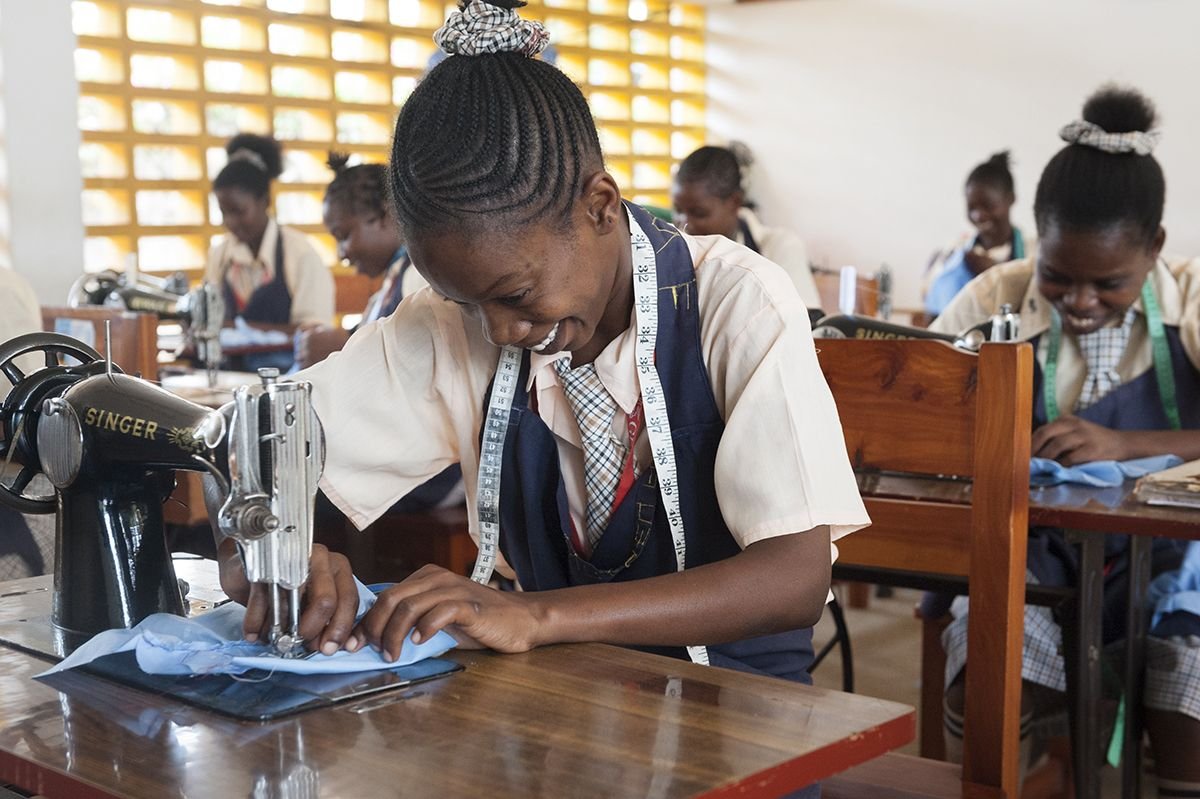
In a landmark decision, Nigeria’s Federal Ministry of Education has announced that starting January 2025, schools will implement a comprehensive curriculum that includes essential vocational skills training. This move aims to address the critical skills gap in the nation’s workforce and equip students with practical abilities for the modern job market. The new curriculum will introduce 15 vocational subjects, including plumbing, tiling, hair styling, makeup artistry, GSM repairs, and the installation of satellite and CCTV systems. These subjects are designed to provide students with hands-on training, fostering entrepreneurship and self-reliance. Minister of Education Professor Tahir Mamman emphasized that this initiative is a crucial step toward enhancing employability and combating the learning crisis currently plaguing the education system. By focusing on skills that meet market demands, the government aims to prepare Nigerian youth for competitive global job opportunities. Dr. Garba Gandu, Director of Curriculum at the Nigerian Educational Research and Development Council (NERDC), highlighted that the new curriculum will not only boost students’ employability but also equip them with 21st-century skills necessary for success in various trades. As the education sector gears up for this transformative shift, stakeholders are optimistic about the long-term benefits. By bridging the gap between education and employment, Nigeria is taking significant strides toward a future where its youth can thrive economically and socially.