Author: admin

admin7 November 2024
Event-No-3-1280x720.jpg

1min13200
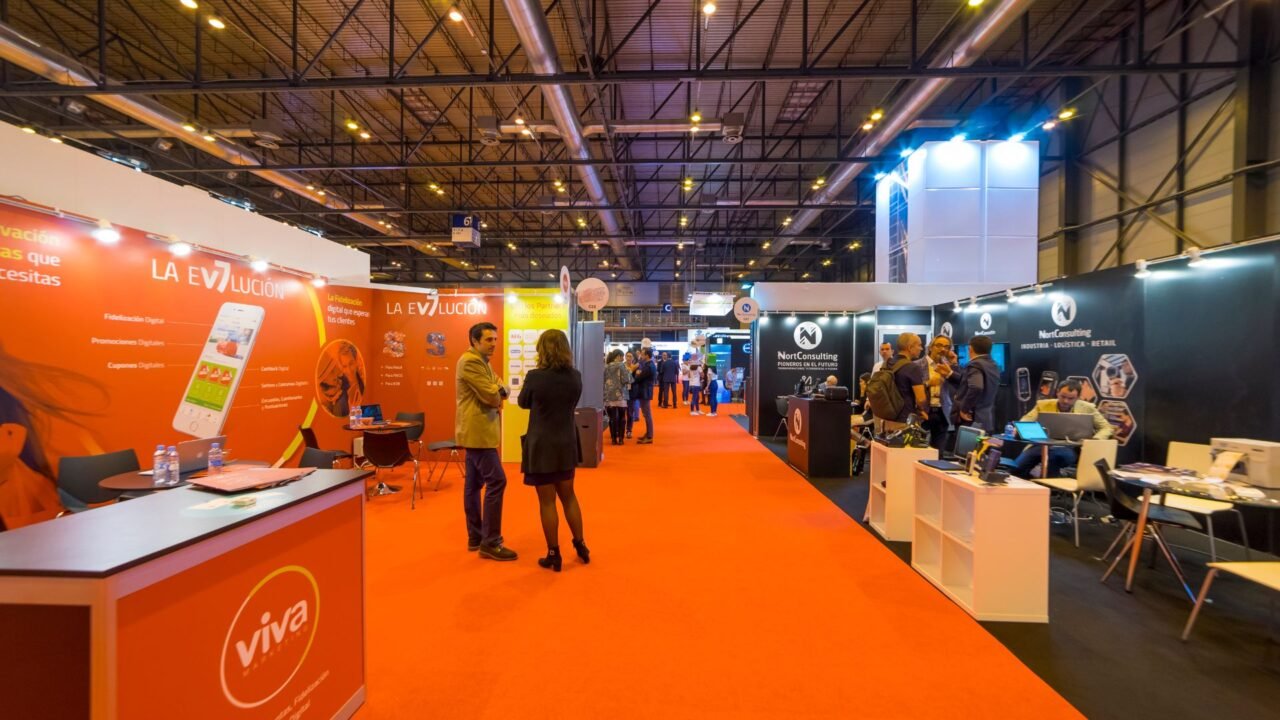
📅 Date: February 1, 2025 📍 Location: Lagos Marriott Hotel, Ikeja. Description: The Lagos Mainland International Education Fair is one of Nigeria’s most anticipated events for students interested in studying abroad. This fair connects students with representatives from universities worldwide, offering unique insights into academic programs, scholarships, and application processes.   Highlights of the Event: Meet Representatives from International Universities: Gain direct access to information on available courses, campus facilities, and international study life. Explore Financial Aid and Scholarships: Find out about scholarships specifically for Nigerian students and how to apply. Application Guidance: Learn about admissions and visa processes to ease the path toward studying abroad.   Ideal for students looking to pursue undergraduate and postgraduate programs, this event opens doors to global educational opportunities. For more information, visit Education Fair Nigeria.

admin6 November 2024
Event-NO-2-1-1280x720.jpg

2min24990
Date: November 7, 2024 📍 Location: Abuja, Nigeria. Description: The Worldview Education Fair is a premier event for students considering higher education opportunities around the globe. This one- day fair brings together representatives from top universities and educational institutions from various countries, offering Nigerian students a chance to explore diverse study options, scholarship opportunities, and pathway programs. Why Attend? Meet Directly with University Representatives: Get firsthand insights into admission requirements, available courses, and campus life. Explore Scholarships and Financial Aid: Learn about scholarship programs and financial aid options that can help make studying abroad more affordable. Discover New Academic Programs: Explore unique and specialized programs that may not be available locally. Get Guidance on Application Processes: University representatives will be available to answer questions on applications, visa processes, and other essential requirements. This event is ideal for students in senior secondary school, recent graduates, and those considering postgraduate studies abroad. Don’t miss the chance to explore a world of educational possibilities and start planning your academic journey! Note: Admission to the event may be free, but early registration is often recommended due to high interest. Visit Worldview Events for more details.

admin6 November 2024
Event-1.jpg

2min8750
Date: November 6, 2024 Location: Cape Town, South Africa. About the Earthshot Prize The Earthshot Prize, founded by Prince William, is a global environmental award dedicated to identifying and scaling impactful solutions to our planet’s most pressing environmental challenges. Each year, five innovative projects are awarded £1 million to support their mission to repair and regenerate the earth. The Earthshot Prize celebrates creativity, resilience, and commitment to change—qualities that resonate with educators and students alike. Why This Matters for Education The Earthshot Prize provides a unique opportunity for educators and students to explore real-world environmental solutions and learn about groundbreaking innovations. Schools can use Earthshot projects as case studies, integrating topics such as climate action, ecosystem restoration, clean energy, and sustainable design into their curriculum. These projects inspire students to think critically about global challenges and consider the role they can play in shaping a sustainable future. How to Participate and Watch Join us in celebrating the Earthshot Prize 2024 by watching the awards ceremony, which will be streamed live across multiple platforms, including YouTube and BBC iPlayer. This event will offer insight into the projects and the passionate individuals driving them, making it an ideal learning experience for students and teachers alike. Watch the Earthshot Prize on YouTube

admin6 November 2024
Article-No-4-1280x723.jpg

4min6390
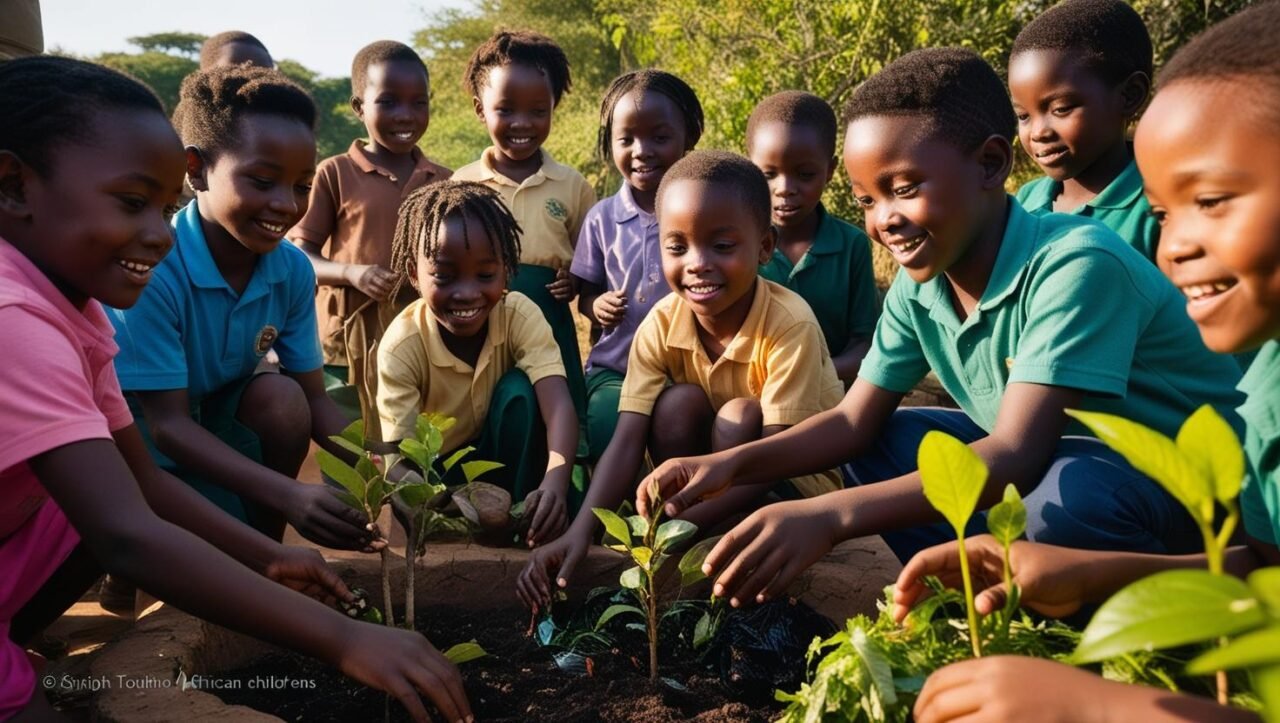
As environmental challenges like climate change and resource depletion become more pressing, teaching children about sustainability is more important than ever. Early environmental education instills lifelong habits that help students understand and protect the world they live in. Here’s why it matters and how educators can promote sustainable practices in the classroom. Why Environmental Education Matters Builds Awareness and Responsibility Learning about environmental issues from a young age fosters a sense of When students understand the impact of their actions on the planet, they’re more likely to make choices that benefit the environment. Promotes Lifelong Sustainable Habits Kids who are taught sustainable practices like recycling, conserving water, or reducing waste, they carry these habits into adulthood, positively influencing their families and communities. Encourages Critical Thinking Environmental education encourages students to think critically about global issues, like pollution and They learn to ask questions, analyze solutions, and consider how their actions affect the environment. Prepares Students for Future Careers Sustainability is becoming a priority in many Teaching students about environmental issues prepares them for careers in fields like renewable energy, conservation, and sustainable agriculture.   Practical Tips for Teaching Sustainability Introduce Eco-Friendly Habits Early Teach young children simple actions like turning off lights, conserving water, and reusing These small steps make environmental responsibility relatable and manageable. Incorporate Nature in Learning Outdoor learning activities help students connect with nature. Nature walks, gardening, and studying plants and animals foster appreciation for the environment and teach students about ecosystems. Create a Recycling Program in the Classroom Set up recycling bins for paper, plastic, and Explain how recycling reduces waste and teach students what items can be recycled. Involve them by assigning “recycling monitors” to encourage participation. Use Hands-On Sustainability Projects Practical projects, like building a compost bin or creating art from recyclable materials, engage students and show them how sustainability can be fun. Composting, for example, teaches kids about natural cycles and reducing waste. Teach Energy Conservation Discuss ways to conserve energy, like turning off electronic devices and using natural light. Explain how reducing energy use helps the environment by saving resources and lowering pollution. Involve Families and Communities Encourage students to share what they learn with their families. Host eco-friendly events, such as community clean-ups or “green days” where students bring in recyclable materials from home. Celebrate Earth Day and Other Environmental Events Use Earth Day as an opportunity for themed lessons and activities on environmental topics. Activities like tree planting, recycling drives, or creating “Earth Day promises” promote active participation.   Creating a Sustainable Mindset When students learn about sustainability early on, they gain the knowledge and motivation to make a positive impact on their world. By fostering environmental awareness, educators can guide students toward a future where they actively contribute to conserving resources, reducing waste, and protecting the environment.

admin6 November 2024
Article-N0-3-1280x720.jpg

2min5350
Education isn’t just about textbooks; it’s about preparing students for life. From nursery to university, here are essential life skills that help students grow into well-rounded, capable individuals. Critical Thinking and Problem-Solving Early Years: Use simple puzzles and fun problem-solving games. Primary to Secondary: Group challenges encourage teamwork and creative solutions. University: Case studies and real-world projects sharpen independent thinking. Communication Skills Early Years: Encourage storytelling and sharing to build confidence. Primary to Secondary: Debates and presentations help students articulate ideas. University: Public speaking and peer reviews build clear, persuasive communication. Financial Literacy Primary: Teach basic budgeting with points or tokens for classroom activities. Secondary: Introduce budgeting exercises, such as planning a small event. University: Budgeting workshops and real-life finance exercises prepare students for managing personal finances. 4.   Emotional Intelligence (EI) Early Years: Teach empathy through storytelling and sharing. Primary to Secondary: Use group activities to build empathy and understanding. University: Workshops on self-awareness and resilience help students manage stress and relationships. Digital Literacy Primary: Basic computer skills and safe internet use. Secondary: Teach online research skills and digital projects. University: Advanced digital tools and responsible digital communication for professional life. Teaching these skills makes education relevant and empowering, preparing students at every stage to succeed in life beyond the classroom.

admin6 November 2024
Article-No-2-1280x720.jpg

3min28840
The recent tragic event at Obada Grammar School in Ogun State, Nigeria, where a student named Monday Arijo lost his life after severe corporal punishment by a teacher, has highlighted the critical need for emotional intelligence in education. This heartbreaking incident shows how a lack of empathy and self-regulation can lead to devastating outcomes, underscoring why emotional intelligence (EI) is an essential skill for every educator. Understanding Emotional Intelligence in Teaching Emotional intelligence refers to the ability to understand and manage one’s emotions and to empathize with others. For educators, EI enables them to connect with students, foster a safe learning environment, and handle challenges constructively. Here’s how it plays a vital role: Empathy: By seeing things from a student’s perspective, educators can build trust and respond more compassionately, avoiding punitive measures that may harm a child. Self-Regulation: Managing emotions helps teachers remain calm under pressure, reducing the likelihood of harsh or harmful disciplinary actions. Effective Communication:  Clear,  empathetic  communication  allows educators to address misbehavior constructively without resorting to physical punishment. Developing Emotional Intelligence as an Educator To prevent future tragedies and create positive learning environments, educators can work on building their emotional intelligence through these simple practices: Practice Active Listening:  By  listening  fully,  educators  can  better understand student needs, which helps build empathy and reduces frustration. Reflect on Emotional Triggers: Recognize and reflect on moments when emotions run high to handle future situations more Engage in EI Training: Many professional development programs now include training on emotional intelligence, providing valuable tools for managing classroom Developing Emotional Intelligence as an Educator To prevent future tragedies and foster positive learning environments, educators can build their emotional intelligence through these practices: Practice Active Listening: By listening fully, educators can better understand students’ needs, which helps build empathy and reduces frustration. Reflect on Emotional Triggers: Recognize and reflect on moments when emotions run high to handle future situations more calmly. Engage in EI Training: Programs like TheSchoolLead offer emotional intelligence training specifically designed for educators, equipping them with tools for managing classroom challenges with empathy and self-regulation. Such programs support educators in developing the skills necessary to create safe, nurturing learning environments.

admin6 November 2024
Article-No-1-1280x720.jpg

4min4430
Across Nigeria, young people are stepping up to create solutions for pressing issues in their communities. Driven by innovation and a commitment to bettering society, these entrepreneurs are turning challenges into opportunities, particularly in waste management. Here are some standout stories of young Nigerians who are making a difference, proving that age is no barrier to impactful change. Mariam Lawani – Turning Waste into Wealth with GreenHill Recycling Mariam Lawani, a visionary in environmental sustainability,    founded GreenHill Recycling Limited to combat pollution and transform waste into economic Her enterprise offers users a rewards-based recycling system where they can earn cash or incentives for recyclable materials. This initiative not only reduces waste but also provides an economic boost to communities by creating value from items that would otherwise be discarded. Since receiving support from the Orange Corners Innovation Fund, GreenHill Recycling has grown significantly, showing the potential of Mariam’s model to expand nationwide. Her story demonstrates the power of innovation in addressing environmental issues while also empowering people financially.  Bilikiss Adebiyi-Abiola – The Trailblazer Behind WeCyclers In 2012, Bilikiss Adebiyi-Abiola co-founded WeCyclers, a social enterprise that uses low-cost cargo bicycles to make recycling accessible in low- income communities in Lagos. Through WeCyclers, families can exchange recyclable waste like plastic bottles and cans for points, which can be redeemed for household items. This simple but effective model promotes environmental awareness while helping communities reduce waste. By partnering with the Lagos Waste Management Authority, WeCyclers collects and sells recyclable materials to manufacturers, creating a sustainable business cycle that benefits both the community and the environment. Bilikiss’s work has inspired a movement towards community- driven recycling solutions across Nigeria. Chioma Ukonu – Rewarding Communities with RecyclePoints As the co-founder and COO of RecyclePoints, Chioma Ukonu has created one of Nigeria’s leading waste recycling platforms. RecyclePoints encourages individuals and communities to recycle by offering incentives, transforming everyday waste into value. Participants can trade in recyclables, like plastic and metal, for points that can be redeemed for cash or household items. Chioma’s initiative  promotes  responsible  waste  disposal  while  also creating economic opportunities. Through her dedication to environmental sustainability, RecyclePoints has become a model for recycling ventures in Nigeria, fostering a culture of recycling and social impact.   Ifedolapo Runsewe – Innovation through Freetown Waste Management Ifedolapo Runsewe founded    Freetown    Waste      Management    Recycle Limited, a company that tackles the environmental problem of waste By transforming discarded vehicle tyres into reusable products, Ifedolapo has found a creative way to reduce pollution and generate income. Her approach addresses both environmental challenges and the demand for repurposed materials, showing how waste can be a valuable resource. Ifedolapo’s work highlights the economic potential in recycling, illustrating how business can play a role in environmental conservation. Her journey has inspired many to rethink waste and consider sustainable solutions to Nigeria’s environmental challenges.   These inspiring young entrepreneurs are proof that even the most daunting issues can be addressed with creativity and commitment. They’re showing Nigeria—and the world—that young people can lead change, drive innovation, and create sustainable solutions that benefit both the economy and the environment. As they expand their initiatives, they serve as a reminder that every challenge presents an opportunity for impactful change. Are you inspired by these stories? Join us in celebrating the next generation of Nigerian changemakers who are redefining possibilities and making a difference!

admin6 November 2024
News-No-4-1280x720.jpg

4min11420
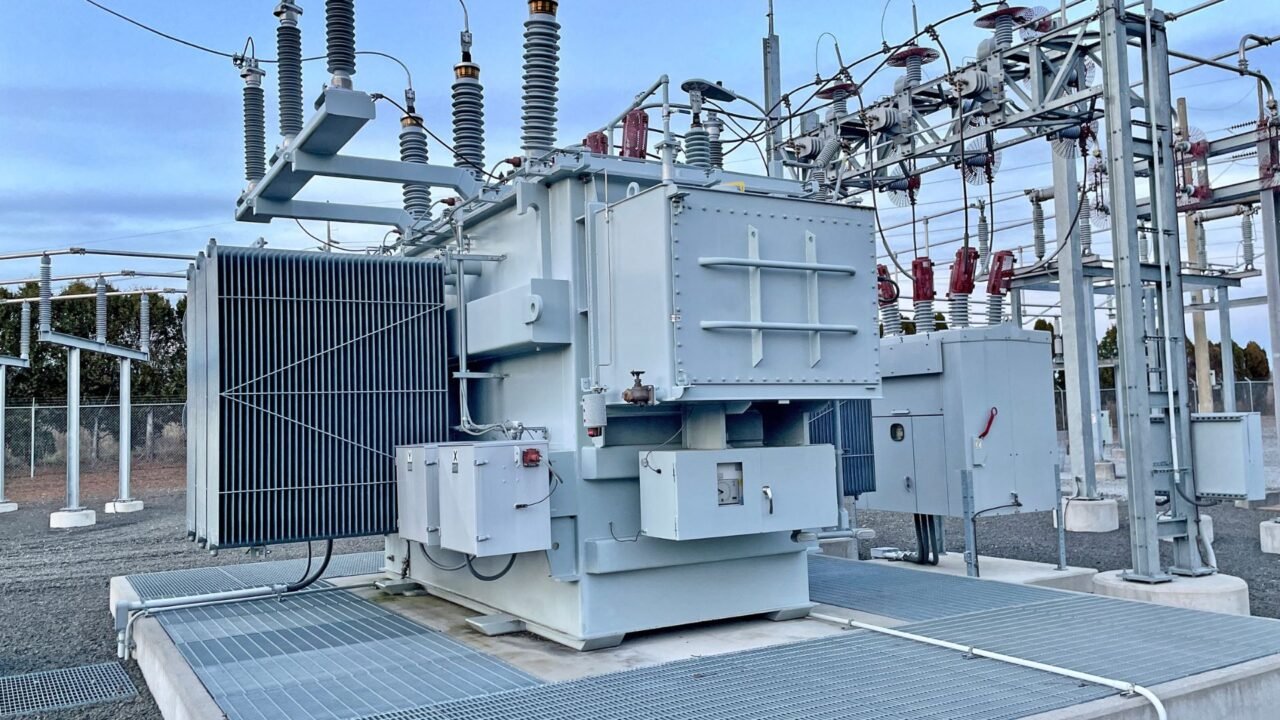
On November 5, 2024, Nigeria’s national power grid experienced yet another partial collapse, resulting in extensive blackouts across the country. This marks the ninth instance of a grid failure this year, a worrying pattern that has left millions of Nigerians in the dark and brought attention to the persistent issues within the nation’s energy infrastructure. Background and Impact: The repeated collapses of Nigeria’s power grid underscore a long-standing problem in the country’s electricity sector. The blackouts have affected households, businesses, and essential services, disrupting daily life and economic activity. For many Nigerians, power outages are a common occurrence, but the frequency and scale of these recent failures have heightened concerns. Many regions are left without reliable electricity for days, pushing citizens and businesses to rely heavily on expensive and environmentally taxing generators. Causes of the Grid Failures: Industry experts attribute the grid’s instability to several factors, including underinvestment in infrastructure, outdated equipment, and a lack of consistent maintenance. The energy infrastructure, much of which dates back decades, struggles to handle the current demand, which has surged as Nigeria’s population and economy grow. Frequent equipment malfunctions, fuel supply issues, and occasional attacks on energy infrastructure further complicate the situation. Government Response and Future Plans: The Nigerian government has acknowledged the issues plaguing the power sector, pledging reforms aimed at improving grid stability and energy distribution. Recently, the Federal Ministry of Power announced plans to upgrade aging infrastructure and introduce more reliable energy sources, such as renewable power. However, these projects are in their early stages, and many Nigerians remain skeptical about when they will see tangible improvements. Economic Implications: Frequent power outages are not just an inconvenience; they carry significant economic consequences. Industries relying on continuous power, such as manufacturing and technology, face increased operational costs due to reliance on alternative power sources like diesel generators. This increased cost of doing business deters investment, reduces productivity, and hampers economic growth. Small businesses, in particular, bear the brunt, as they often lack the resources to maintain backup power sources, leading to disrupted operations and reduced profitability. The Path Forward: To address the crisis, experts suggest a multi-pronged approach involving increased government funding, private sector involvement, and a strategic shift toward renewable energy sources. While Nigeria has abundant resources for solar and wind energy, the transition to renewables has been slow. Expanding these resources could provide a sustainable solution to the grid’s instability, easing reliance on conventional power sources. Public Reaction: Public frustration has been mounting, with Nigerians taking to social media to express their dissatisfaction with the repeated power outages. Many citizens are calling for immediate action and greater transparency from the government on its plans to address the crisis. In a country with Africa’s largest economy, the current state of electricity infrastructure remains a critical issue that the government must prioritize. Conclusion: The ongoing power grid challenges in Nigeria highlight the urgent need for comprehensive reforms in the energy sector. As the country continues to grow, addressing these issues will be crucial not only for improving citizens’ quality of life but also for supporting economic stability and attracting investment. Until meaningful improvements are made, Nigerians are left navigating the difficulties of an unreliable power supply, impacting every facet of daily life and business.


admin6 November 2024
News-No-3-1280x723.jpg

4min6690
Angeline Murimirwa, the CEO of the Campaign for Female Education (Camfed), has been honored with the Africa Education Medal for 2024, a prestigious award recognizing her unwavering commitment to advancing girls’ education and gender equality across Africa. Camfed, a non-profit organization founded to support girls’ education in rural Africa, operates in five countries, aiming to break the cycles of poverty and inequality through access to quality education. Murimirwa’s work with Camfed has been transformative for countless young women who otherwise might have lacked educational opportunities. By providing essential resources such as scholarships, mentoring, and skills training, Camfed empowers girls to complete their education and pursue economic independence. Murimirwa’s leadership has set an inspiring example, showing how targeted efforts to support female education can transform communities and drive sustainable development across Africa. Camfed operates in Ghana, Malawi, Tanzania, Zambia, and Zimbabwe, working directly with schools and communities to support vulnerable girls. Their approach involves engaging local leaders, educators, and community members to address the specific challenges facing girls in each region, including early marriage, poverty, and cultural barriers. Through this holistic model, Camfed ensures that girls not only enter but also complete school, opening pathways to further education and employment. Murimirwa herself was among the first young women to benefit from Camfed’s support. Growing up in rural Zimbabwe, she experienced firsthand the transformative power of education. Her personal journey fuels her dedication, and under her leadership, Camfed has expanded its programs and partnerships, impacting the lives of over 5 million children across sub-Saharan Africa. Murimirwa emphasizes that educating girls is more than just an individual benefit; it is a community-wide investment in health, economic growth, and resilience. While Camfed’s achievements are remarkable, many challenges remain in advancing girls’ education across the continent. Cultural norms, economic hardship, and limited infrastructure continue to hinder educational access for girls in many areas. Murimirwa and Camfed remain committed to addressing these challenges, advocating for greater investment in inclusive education systems and urging stakeholders to view girls’ education as a pathway to sustainable development. Murimirwa’s award serves as a reminder of the importance of collaboration, innovation, and investment in education. Her work with Camfed highlights how, through dedicated support, young women can overcome systemic barriers and build a brighter future for themselves and their communities. As Africa strives to build resilient and inclusive education systems, leaders like Murimirwa inspire a vision of empowerment and progress The recognition of Angeline Murimirwa with the Africa Education Medal underscores the powerful impact of investing in girls’ education. Her journey from a Camfed beneficiary to CEO is a testament to the potential that lies within every young woman when given the chance to learn and grow. As we celebrate her achievements, we also look forward to a future where every girl across Africa has the opportunity to thrive.

admin6 November 2024
News-No-2-1280x720.jpg

3min22410
Ukrainian EdTech startup Headway is making waves in the digital education market by harnessing artificial intelligence to supercharge its advertising and user engagement strategies. The company has reported remarkable results, particularly from the use of AI tools like ChatGPT, Midjourney, and HeyGen, which have become integral to its marketing efforts. Through these advanced technologies, Headway has achieved a notable 40% increase in returns from video advertisements, while also reaching a staggering 3.3 billion ad impressions within just the first half of 2024. This leap in visibility and engagement marks a significant milestone for the startup, which is focused on delivering quick, digestible summaries of non- fiction books to an international audience. AI-driven content creation has been central to Headway’s approach. With AI-generated ad copy, visuals, and even voiceovers, the company can rapidly produce compelling, customized marketing materials tailored to diverse audiences. These materials have been essential for expanding Headway’s user base, especially in competitive markets where relevance and engagement are key. The inclusion of AI doesn’t stop at advertising; Headway has taken it a step further by leveraging AI for ad localization and translation, significantly cutting down costs and enabling the brand to reach new global audiences effectively. This capability has helped the company sidestep the challenges of traditional translation, maintaining a native touch in each market they serve, which is particularly important for education-related content. Moreover, Headway’s integration of AI extends into its actual product offerings. The Headway app now includes an AI assistant designed to enhance the user experience, personalizing content suggestions, assisting with app navigation, and providing real-time recommendations based on user preferences and reading habits. This AI-powered interaction not only improves customer satisfaction but also positions Headway as a forward- thinking player in the digital education sphere, where personalization is increasingly valued. By adopting a proactive approach to AI, Headway has not only optimized its advertising and product offerings but also set a precedent for how EdTech startups can strategically incorporate AI to drive both growth and user engagement. This AI-enabled transformation showcases how innovative use of technology can provide educational value at scale, offering insights and learning tools that are accessible, engaging, and tailored to the individual.