Author: admin

admin20 November 2024
Fuel-Price-Hikes-Nigerians-Grapple-with-Rising-Costs-1280x720.jpg

2min21330
Nigerians are facing intensified economic pressure as petrol prices hit record highs following the federal government’s removal of fuel subsidies. As of November 2024, petrol prices have surged to ₦1,025 per liter in Lagos and ₦1,050 per liter in Abuja. This marks a significant increase from earlier rates of ₦617 per liter, recorded just three months ago. The removal of subsidies was part of the government’s bid to eliminate unsustainable fiscal spending. However, the decision has led to skyrocketing transportation and commodity costs, significantly affecting households and businesses across the country. The price hikes have been attributed to several factors, including higher global oil prices and reliance on imported refined petroleum products, despite local production efforts by the Dangote Refinery. For many Nigerians, the rising cost of fuel has exacerbated existing challenges, including inflation, stagnant wages, and unemployment. Public transportation costs have doubled in some regions, and the cost of basic food items continues to rise. These developments have reignited debates about the government’s ability to implement policies that shield vulnerable populations while pursuing economic reforms. As the fuel crisis persists, Nigerians are calling for urgent measures to ease the burden, including increased local refining capacity and financial interventions to support low-income households.


admin20 November 2024
UPCOMING-EVENT-NIGERIA-EDUCATION-INNOVATION-SUMMIT-1280x720.jpg

1min15990
Date: November 28, 2024 📍 Location: Lagos, Nigeria Description: The Nigeria Education Innovation Summit brings together educators, policymakers, and innovators to explore groundbreaking practices in education. This event is an opportunity to discuss solutions to challenges in the Nigerian education system and to showcase innovations that are driving impactful change. Why Attend? Learn from Experts: Hear from top educators, policymakers, and innovators about the future of education. Network with Stakeholders: Build connections with key figures in Nigeria’s education sector. Discover Innovations: Explore practical solutions and ideas that are transforming education at all levels. Share Your Perspective: Participate in interactive sessions to contribute your ideas and feedback. Ideal for educators, school administrators, policymakers, and anyone passionate about driving positive change in education, this summit promises to inspire and empower attendees to reimagine learning in Nigeria. Visit Tepcenter for more details.

admin18 November 2024
Stakeholders-Push-for-Strengthened-TVET-to-Boost-Nigerias-Economy-1280x744.jpg

3min27270
Abuja, Nigeria — Educational stakeholders in Nigeria are advocating for stronger public-private partnerships to revitalize Technical and Vocational Education and Training (TVET). Speaking at a recent forum on workforce development, experts emphasized the critical role of TVET in addressing skill shortages and driving industrial growth across the country. TVET has been identified as a key solution to Nigeria’s youth unemployment crisis and a pathway to creating a skilled workforce capable of supporting the nation’s economic transformation. However, stakeholders warned that underfunding, outdated infrastructure, and a disconnect between industry needs and training programs are hindering its effectiveness. Stakeholders highlighted the importance of collaboration between the government and private sector to improve TVET. They proposed the following initiatives: Increased investment in modernizing training facilities and resources. Industry-led curriculum design to ensure students graduate with relevant skills. Expanding apprenticeship programs to provide practical, hands-on experience. Promoting the use of cutting-edge technology in training centers. “The private sector has a critical role to play in ensuring that TVET graduates are employable and equipped with 21st- century skills,” one speaker remarked. Challenges to Overcome Despite its potential, TVET in Nigeria faces significant hurdles: Inadequate Funding: Many training centers operate with obsolete equipment. Social Perception: Vocational education is often viewed as a less prestigious option compared to university education. Mismatch with Industry Needs: Graduates often lack the skills required in the labor market. Stakeholders are urging the government to implement reforms that will make TVET more attractive and accessible while incentivizing private sector participation. A Skilled Workforce: Nigeria’s Economic Future With over 70% of Nigeria’s population under the age of 30, the need for job creation and skill development is urgent. Stakeholders believe that investing in TVET will not only reduce unemployment but also foster innovation, attract investment, and promote economic diversification. “This is not just about education; it’s about securing Nigeria’s economic future,” a representative said. “We must equip our youth with the skills they need to thrive in today’s global economy.” Looking Ahead: The call for stronger TVET programs aligns with Nigeria’s broader goals of industrialization and economic stability. As stakeholders continue to push for reforms, all eyes are on policymakers to prioritize vocational education as a catalyst for growth.

admin18 November 2024
African-Children-Urge-Climate-Action-to-Protect-Education-1280x744.png

3min11900
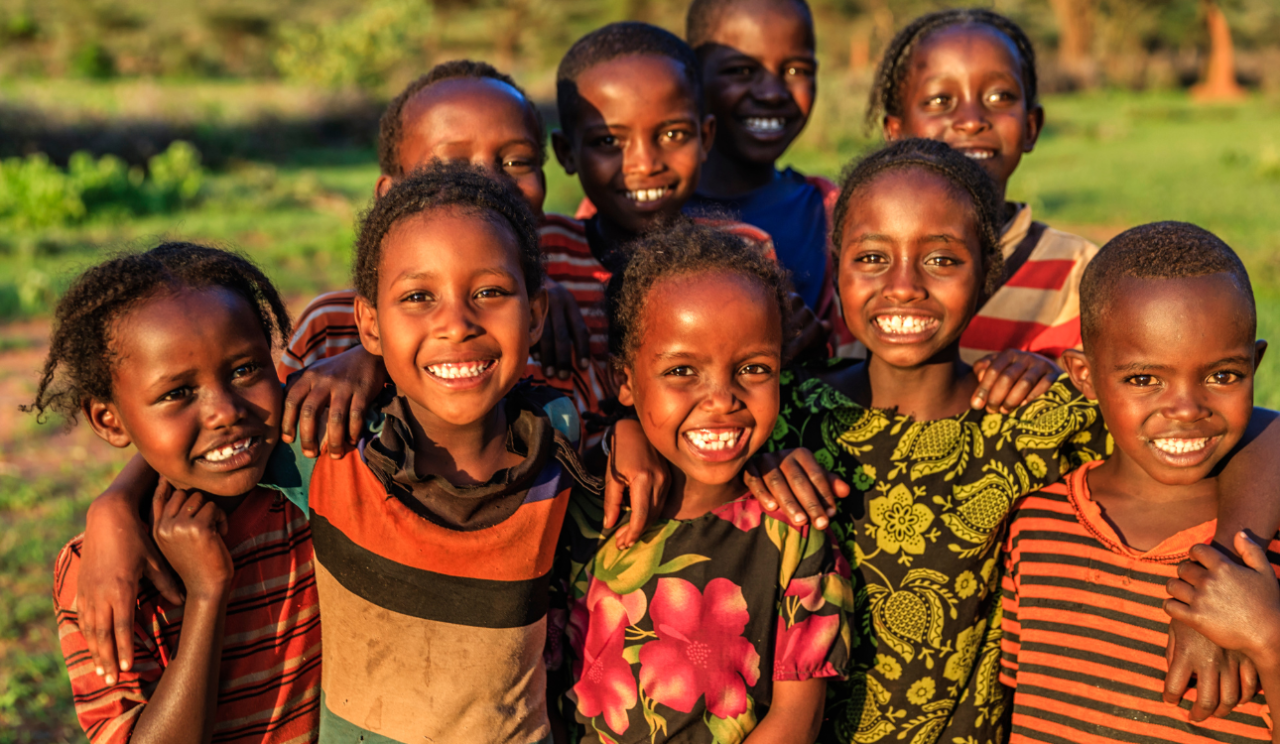
At the COP29 climate summit in Baku, Azerbaijan, a powerful message was delivered by some of the youngest voices from East Africa. Children from countries such as South Sudan and Somalia have called on world leaders to take urgent climate action, highlighting how extreme weather events are severely disrupting their education. From scorching heatwaves to devastating floods, the changing climate is jeopardizing access to education for thousands of children across the region. With schools often ill-equipped to handle such conditions, many young learners are forced to miss classes or drop out entirely. Extreme weather events are increasingly interfering with the ability of children to attend and thrive in school. In some areas, soaring temperatures have made classrooms unbearable, leading to temporary school closures. In others, floods have displaced families, destroyed infrastructure, and interrupted schooling for weeks or months. For many families, climate-related disasters also create economic pressures that force children to abandon their education and support household survival efforts. This is particularly true in regions where farming and other climate- sensitive livelihoods are primary sources of income. At COP29, these young advocates are urging leaders to prioritize education in their climate agendas. They demand investments in: Climate-resilient schools with proper infrastructure   to withstand extreme weather. Cooling systems or renewable energy sources in heat- affected areas. Support for families to ensure children can remain in school despite climate challenges. Their message is clear: education must not be overlooked in the global fight against climate change. Schools should be safe spaces where children can learn and prepare for the future, not casualties of an unstable environment. As these young voices remind us, the consequences of inaction extend beyond environmental degradation to the very future of an entire generation. Education is not only a right but also a critical tool for building resilient communities that can adapt to the changing climate. With the urgency of climate change growing, the stakes have never been higher. The world must listen, not just for the planet’s sake, but for the millions of children whose dreams and futures are hanging in the balance.

admin18 November 2024
Colombia-Ends-Child-Marriage-A-Historic-Milestone-in-Protecting-Childrens-Rights-1280x744.jpg

3min19890
In a groundbreaking decision that has resonated globally, Colombia has officially banned child marriage, marking a pivotal moment in the fight to safeguard children’s rights. After nearly two decades of advocacy and relentless campaigning, the South American nation has closed a 137-year-old legal loophole that allowed minors to be married under certain conditions. The new legislation, aptly titled “They are Girls, Not Wives,” aims to put an end to the harmful practice of child marriage, which has long deprived young girls of their childhoods, education, and opportunities for personal development. This monumental decision reflects Colombia’s commitment to upholding the rights of its youngest citizens and protecting them from exploitation. Why This Law Matters Child marriage has been a contentious issue in Colombia, as it is in many parts of the world. Although Colombia had established 18 as the legal age for marriage, exceptions allowed children as young as 14 to marry with parental consent. This loophole exposed countless young girls to vulnerabilities, including poverty, domestic abuse, and the loss of access to education. Statistics reveal the grim reality: thousands of girls in Colombia were married off before reaching adulthood, often robbing them of the chance to pursue their dreams and lead independent lives. Child marriage perpetuates cycles of inequality, reinforcing outdated gender norms that prioritize girls’ roles as wives and mothers over their rights to education and self-determination. With this new law, Colombia has sent a powerful message: the nation will no longer tolerate practices that jeopardize the futures of its children. The journey to this landmark decision was not easy. Advocacy groups, including child rights organizations and feminist collectives, spent 17 years lobbying for change. Their efforts focused on raising awareness about the devastating impact of child marriage on young girls’ mental, physical, and emotional well-being. Grassroots campaigns amplified the voices of survivors, drawing attention to the hidden realities of child marriage. Through education and relentless activism, these groups gained the support of policymakers who finally recognized the urgent need for reform. The passage of the “They are Girls, Not Wives” law is not just a victory for Colombia. it sets an inspiring precedent for other nations grappling with similar issues.

admin13 November 2024
Reviving-Nigerias-Reading-Culture-Opening-Doors-to-New-Worlds-1280x744.jpg

4min24370
Can We Bring Back the Reading Culture? In Nigeria, books were once central to how we learned, grew, and connected with the world around us. Reading was more than just a pastime; it was a powerful journey through stories, perspectives, and lives different from our own. However, in today’s fast-paced digital age, this reading culture has faded, with smartphones, social media, and streaming platforms competing for attention. Even so, the timeless allure of books as “doors to new worlds” remains just as potent. Why Has the Reading Culture Declined? The cost of books has become a significant barrier in Nigeria, where many families struggle to afford basic necessities, let alone spend on literature. Additionally, the prevalence of digital distractions means that reading books often takes a back seat. Libraries, once vital resources in our communities, have diminished in number and access, leaving many without easy avenues to books. Why Books Still Matter Books are not just stories; they’re tools for critical thinking, empathy, and personal development. For young Nigerians, reading African literature offers a chance to see their experiences reflected, as well as to connect with other perspectives across the continent. Reading fosters resilience and creativity, qualities that are invaluable in our society. Revitalizing the Reading Culture in Nigeria Bringing back the reading culture doesn’t mean everyone must buy expensive books. Community-driven initiatives can make a big impact. Schools and local groups can organize book swaps, where people exchange books at no cost. Encouraging digital reading through affordable e-books or subscription platforms can also make literature more accessible. Public-private partnerships could support libraries, helping them bring quality, culturally relevant books to more Nigerians. African Literature that Speaks to Us To make reading enjoyable, it’s crucial to start with engaging and relatable books. Here are some easy-to-read African classics that reflect our own stories and experiences: “The Passport of Mallam Ilia” by Cyprian Ekwensi: A captivating tale of adventure and love, this novel offers a glimpse into Nigeria’s rich heritage. “Purple Hibiscus” by Chimamanda Ngozi Adichie: This modern classic explores family dynamics and identity, resonating with young readers in particular. “So Long a Letter” by Mariama Bâ: This Senegalese novel addresses themes of love, loss, and friendship, bringing African women’s perspectives to life in a relatable way. “Eze Goes to School” by Onuora Nzekwu and Michael Crowder: This fun, relatable story about a young boy’s educational journey is great for children and adults alike, encouraging younger readers to discover the joy of reading. Conclusion: Reopening Doors to New Worlds Reviving Nigeria’s reading culture is not just about books; it is about reigniting curiosity and a sense of possibility. By opening these doors again, we empower future generations to dream, learn, and grow. Let’s make reading a shared experience in our communities, one that young Nigerians can carry forward.

admin12 November 2024
WHO-and-Africa-CDC-Boost-Mpox-Vaccination-Campaign-Across-17-African-Nations-1280x744.jpg

3min41950
In a strong, united response to the spread of mpox, the World Health Organization (WHO) and Africa Centres for Disease Control and Prevention (Africa CDC) are launching enhanced vaccination efforts across Nigeria and 16 other African countries. This initiative, which kicked off in early November, is focused on developing effective, targeted vaccination plans to maximize the impact of the limited vaccine doses available. Between November 5 and 7, 2024, health experts and officials from 17 African countries gathered in Brazzaville, Congo, to devise strategies tailored to the specific needs of each region. Representatives from WHO, Africa CDC, and major partners, including Gavi, the Vaccine Alliance, UNICEF, and the U.S. Centers for Disease Control and Prevention, engaged in discussions to ensure the vaccination campaigns are directed towards those most at risk. This effort aims to reduce the spread of the virus through efficient, focused vaccine deployment in areas with significant mpox cases. Dr. Matshidiso Moeti, WHO Regional Director for Africa, emphasized the urgency of these vaccination campaigns, noting that traditional public health measures have proven challenging in containing the virus. Dr. Moeti highlighted the importance of preparing and implementing swift, efficient vaccination plans to protect vulnerable communities and prevent further transmission. The targeted countries include Burundi, Cameroon, Central African Republic, Côte d’Ivoire, Democratic Republic of the Congo, Gabon, Ghana, Guinea, Liberia, Kenya, Nigeria, Republic of Congo, South Africa, Tanzania, Uganda, Zambia, and Zimbabwe. Each of these nations has seen a rise in mpox cases, underscoring the need for a coordinated, continent- wide response. This collaborative effort between WHO, Africa CDC, and partner organizations reflects a deep commitment to the health and safety of African communities. By focusing on data- driven vaccination strategies, these campaigns are expected to make a significant impact, curbing the spread of mpox and protecting at-risk populations. As the vaccination plans roll out, public health officials hope this initiative will play a crucial role in managing the outbreak across Africa. Through international collaboration and targeted action, Africa’s health agencies are taking proactive steps to secure a healthier future for the continent.

admin12 November 2024
Former-Minister-Babatunde-Fashola-Urges-Youth-to-Resist-Japa-Syndrome-2-1280x723.jpg

1min19070
At the recent convocation ceremony of Elizade University, former Minister Babatunde Fashola addressed a growing trend among Nigerian youths—seeking opportunities outside the country, widely known as the “Japa Syndrome.” He called on young Nigerians to reconsider the appeal of relocating abroad, emphasizing the importance of staying to contribute to the country’s development and stability. Fashola highlighted the vital role that young people play in Nigeria’s future, stressing that leadership, resilience, and a commitment to the nation are essential qualities for driving change. He encouraged graduates to harness their skills and education for the benefit of their local communities and the wider Nigerian society, urging them to see challenges as opportunities to shape a better future. The former minister’s speech comes amid an era where “Japa Syndrome” has become more prominent, with many Nigerian youths aspiring to relocate in search of better opportunities. Fashola, however, reminded graduates that the nation’s growth depends heavily on the talent and determination of its young citizens. By staying and applying their talents at home, he argued, Nigerian youths can lead transformative changes that will build a stronger, more resilient country for future generations.

admin12 November 2024
British-Council-Strengthens-Support-for-Nigerian-Youth-in-Creative-and-Education-Sectors-1280x744.jpg

3min24690
In a renewed commitment to youth empowerment in Nigeria, the British Council recently launched several initiatives aimed at bolstering opportunities for young people in the creative and educational fields. This reaffirmation of support is evident through recent partnerships and programs in Lagos, designed to offer critical training, capacity-building resources, and global networking opportunities for young Nigerians aged 18 to 35. In March 2024, the British Council, in partnership with Prince’s Trust International and Nerdzfactory Company, introduced the Youth Sustainable Enterprise Challenge Programme. Held in Lagos, this initiative aims to equip young Nigerians with the essential skills needed to thrive in the business world, whether as entrepreneurs or within established enterprises. Through hands-on training sessions, mentorship, and practical resources, the program emphasizes core aspects of entrepreneurship, including financial literacy, branding, and strategic planning. These initiatives support the British Council’s ongoing mission to empower Nigeria’s creative sector, which includes areas like fashion, film, digital media, and more. The Council’s focus on building business acumen in young creatives not only fosters self-sufficiency but also strengthens Nigeria’s growing creative economy. The British Council’s efforts aren’t limited to the creative sector. In August 2024, the organization partnered with NGYouthSDGs to hold a dialogue session in Lagos under the theme “Resourcing Youth Movements and Activists.” This event brought together youth leaders and founders to discuss strategies for accessing resources and navigating the challenges of sustainable development. Through such collaborations, the Council is promoting quality education, international partnerships, and global citizenship. Looking Ahead: Opportunities for Young Nigerians The British Council’s continued dedication to Nigerian youth underscores a broader vision: preparing a skilled, confident, and globally competitive generation of leaders. As these programs unfold, they present valuable opportunities for young Nigerians eager to develop their skills and expand their horizons. This renewed support comes at a time when youth empowerment is critical to Nigeria’s economic and social landscape, offering a pathway to success both locally and internationally. For Nigeria’s young innovators and change-makers, the British Council’s programs serve as stepping stones toward meaningful contributions to society and the world at large.

admin7 November 2024
Event-No-4-1280x720.jpg

1min16720
📅 Date: June 12-13, 2025 📍 Location: Lagos, Nigeria   Description: TOSSE (Total School Support Seminar and Exhibition) is Africa’s largest education trade show and conference, attracting thousands of educators, school administrators, and suppliers of educational materials. This two-day event offers a wide range of seminars, product exhibitions, and networking opportunities, making it a one-stop hub for educational professionals.   Event Highlights: Exhibition of Educational Products: Discover the latest learning materials, digital tools, and educational resources to enhance your school’s curriculum and infrastructure. Expert-Led Seminars: Attend seminars on various topics, from school management to student engagement, conducted by industry experts. Networking and Business Opportunities: Meet manufacturers, suppliers, and key decision-makers, creating valuable partnerships for educational growth.   Ideal for teachers, school owners, and educational entrepreneurs, TOSSE is the perfect opportunity to stay updated on industry trends and improve your institution’s offerings. Find out more at TOSSE.