
Author: admin

admin22 November 2024
UK-Visa-Application-Process-in-Nigeria-Undergoes-Major-Overhaul-1280x720.jpg

4min12380
Nigerians seeking UK visas will now experience a revamped application process following a significant shift in service providers and the establishment of new Visa Application Centres (VACs) across the country. This change, implemented by the UK government, marks a new era in visa applications, promising improved efficiency and accessibility. From TLScontact to VFS Global Effective November 19, 2024, the UK government transitioned its visa application services in Nigeria from TLScontact to VFS Global. The new arrangement aims to streamline the application process while expanding service coverage. VFS Global, a globally recognized visa services provider, has taken over operations, bringing fresh procedures and a broader range of services to applicants in Nigeria. New Visa Application Centres Open for Business To enhance accessibility, the UK government has established new Visa Application Centres in three major locations: Abuja: Located at the Churchgate Plaza in the Central Business District, this centre caters to applicants in the nation’s capital and surrounding regions. Lagos (Ikeja): Conveniently situated on Opebi Link Road, this centre offers services to residents of Lagos Mainland. Lagos (Victoria Island): For those on Lagos Island, the VAC at Churchgate Plaza Tower 2 is now fully operational. These state-of-the-art centres are designed to provide seamless service and ensure a comfortable experience for applicants. A New Approach to Appointments Under the VFS Global system, appointments must now be booked online in advance. Applicants are required to choose their preferred VAC and time slot before submitting their documents. This new process aims to reduce wait times and improve the overall efficiency of the system. Applicants are advised to carefully review the updated requirements and instructions before attending their appointments to avoid delays. Temporary Adjustments for Applicants During the transition period, some applicants may need to submit or collect their documents from different centres. Affected individuals will be notified via email with specific instructions to ensure a smooth transition. Despite these temporary changes, the UK government has assured applicants that the visa decision-making process will remain unaffected. What This Means for Nigerians The overhaul comes as part of the UK government’s broader effort to improve its visa services worldwide. For Nigerians, this change represents an opportunity for a more streamlined and user-friendly application process. However, prospective travelers must stay informed and adapt to the new procedures to ensure their applications are processed efficiently. As the dust settles on these changes, the revamped system promises to make applying for a UK visa a less daunting experience, offering hope to the thousands of Nigerians who apply annually for work, study, or tourism purposes. The new system is a step forward in the evolving relationship between Nigeria and the United Kingdom, underscoring the importance of efficient global mobility.  
admin22 November 2024
UNICEF-Nigeria-Steps-Up-Efforts-to-Protect-Children-Amid-Pressing-Challenges-1280x720.jpg

4min14800
UNICEF Nigeria is making significant strides in addressing critical issues affecting children across the country, from securing justice for detained minors to tackling food poverty and promoting education for marginalized groups. The organization’s recent activities have underscored its commitment to safeguarding the rights and well-being of Nigeria’s youngest citizens. Child Rights Take Center Stage In a landmark move, UNICEF lauded President Bola Ahmed Tinubu for directing the immediate release of all children and young people detained in connection with the #EndBadGovernance protests. The directive, issued earlier this month, is seen as a crucial step toward justice and a testament to the collective advocacy for the protection of children’s rights. UNICEF emphasized the importance of safeguarding children from undue harm and ensuring they are treated with dignity under the law. “This decision reflects the government’s commitment to upholding the rights of minors,” said a spokesperson for UNICEF Nigeria. Advocacy groups hope this move will set a precedent for future policies focused on child welfare. Education for All: A Fight for Equity UNICEF continues to expand its educational initiatives, particularly in northern Nigeria, where school enrollment rates for girls remain alarmingly low. Through its flagship Girls’ Education Project, the organization is providing scholarships, teacher training, and resources to help girls stay in school. These efforts aim to bridge the gap in access to education and empower young women with tools for a brighter future. One of the program’s beneficiaries, 14-year-old Fatima from Katsina, shared her story: “Before this program, I stayed home because my family couldn’t afford school. Now, I’m back in class and hope to become a teacher.” Stories like Fatima’s highlight the transformative impact of these initiatives, as UNICEF works toward reducing gender disparity in education. Confronting Child Food Poverty Despite these successes, UNICEF faces challenges in addressing child malnutrition, a growing crisis in Nigeria. Recent reports revealed that nearly 11 million children under five are living in severe food poverty, making them highly vulnerable to malnutrition and its devastating consequences. UNICEF has been ramping up its nutrition programs to counter this crisis, including community-based interventions and emergency food support. The organization is collaborating with local authorities to provide therapeutic food and promote breastfeeding as a preventive measure. “Every child deserves a healthy start,” noted a UNICEF representative. “We are doubling our efforts to ensure no child is left behind, especially in the most vulnerable communities.” A Call for Collective Action As UNICEF continues its work across these critical areas, the organization is urging stakeholders, including the government, civil society, and international donors, to bolster support for children in Nigeria. “The challenges are immense, but with collective action, they are not insurmountable,” said a representative. UNICEF’s ongoing efforts serve as a beacon of hope for millions of children, proving that targeted interventions and unwavering advocacy can yield tangible results. From justice to education and nutrition, the organization remains at the forefront of the fight to create a safer, healthier, and more equitable future for Nigeria’s children.

admin22 November 2024
House-of-Representatives-Rejects-Six-Year-Single-Term-Proposal-for-President-and-Governors-1280x720.jpg

2min12860
The Nigerian House of Representatives has voted against a proposed constitutional amendment to introduce a single six- year term for the President, State Governors, and Local Government Chairpersons. The proposal, which aimed to replace the current two-term structure with a one-term framework, was decisively rejected during a plenary session. The Proposal’s Objective The single-term initiative was proposed to address concerns about the high cost of elections, electoral violence, and the often-disruptive second-term campaigns. Advocates argued that a single tenure would ensure leaders focus on governance without the distraction of re-election ambitions. Additionally, the proposal included provisions to rotate the presidency among Nigeria’s six geopolitical zones to foster inclusivity and national unity. Legislative Outcome Despite these arguments, the proposal met with widespread opposition from lawmakers, who expressed concerns about its practicality and impact on democratic accountability. Many legislators felt that a single tenure would reduce the incentive for leaders to perform, given the absence of a re-election opportunity. They also highlighted the risks of inadequate time to implement meaningful policies under a fixed one-term arrangement. Implications for Governance The rejection underscores the legislative preference for retaining the current two-term structure, which allows voters to assess a leader’s performance and decide on their continuity. While the debate has reignited discussions on governance reform and equitable power distribution, lawmakers emphasized the need for broader consultations before any constitutional amendments are pursued. This decision maintains the status quo but highlights ongoing efforts to address structural challenges within Nigeria’s political system.

admin22 November 2024
President-Tinubu-Dismisses-UNIZIK-Vice-Chancellor-Amidst-Due-Process-Concerns-1280x720.jpg

2min9880
In a decisive move, President Bola Ahmed Tinubu has terminated the appointment of Professor Bernard Odoh as Vice-Chancellor of Nnamdi Azikiwe University (UNIZIK), Awka, Anambra State. The President also dissolved the university’s Governing Council and removed the Registrar, citing procedural irregularities in their appointments. The announcement, made on November 20, 2024, by Bayo Onanuga, Special Adviser to the President on Information and Strategy, highlighted concerns over the legality of Professor Odoh’s selection. The statement emphasized that the Governing Council had appointed an “unqualified” individual without adhering to established protocols, leading to tensions between the university’s Senate and the Council. Professor Odoh, in response, contested the President’s decision, asserting that his appointment followed due process and that he possesses the requisite qualifications for the role. He stated, “I applied for the position and was appointed. I’m not imposing myself on the institution. The issue of not being a professor is all lies.” He further argued that his removal via a press release was inappropriate, noting that he was not appointed through such a medium. The controversy surrounding Professor Odoh’s appointment has been ongoing. Earlier, the Federal Ministry of Education nullified his selection, citing procedural lapses and the absence of key stakeholders during the appointment process. The university’s management, however, rejected this annulment, maintaining that due process was followed. This development has left UNIZIK without a Vice-Chancellor, Governing Council, and Registrar, raising concerns about the institution’s administrative stability. Professor Odoh expressed apprehension over the potential crisis this situation could precipitate, stating, “By leaving the university without a vice- chancellor, governing council, and registrar, Tinubu has fomented crisis in UNIZIK.” As the university community awaits further directives, the broader implications of this decision on Nigeria’s higher education governance remain to be seen.

admin21 November 2024
COP29-African-Negotiators-Push-for-Climate-Justice-and-Sustainable-Financing-1280x720.jpg

4min14180
As the world convenes for the 29th United Nations Climate Change Conference (COP29), African negotiators are making their voices heard, advocating for urgent action on climate justice and the fulfillment of financial commitments from developed nations. The conference, held in BelĂ©m, Brazil, has set the stage for critical discussions aimed at accelerating global efforts to combat climate change. A Call for Equity in Climate Action Representing the continent most vulnerable to the impacts of climate change, African negotiators are emphasizing the disproportionate burden borne by developing nations. Despite contributing the least to global greenhouse gas emissions, African countries face escalating challenges, including extreme weather events, desertification, and rising sea levels. At the heart of their demands is the call for developed countries to honor their pledge of $100 billion annually in climate finance, a commitment made during COP15 in Copenhagen but yet to be fully realized. The funds are critical for helping vulnerable nations adapt to climate impacts, build resilience, and transition to sustainable energy systems. “Africa cannot wait any longer,” said a lead negotiator from the African Group of Negotiators (AGN). “The time for promises is over. We need actionable support that reflects the urgency of our situation.” Focus on Loss and Damage Building on the momentum of COP27, which established a Loss and Damage Fund to address the irreversible impacts of climate change, African negotiators are pushing for concrete operationalization of the fund. They argue that without swift and adequate contributions, the fund risks becoming another unfulfilled promise. In their proposals, African nations have called for innovative financing mechanisms, including taxes on carbon-intensive industries and financial transactions, to ensure predictable and sustainable funding. These mechanisms aim to bridge the gap between the commitments made and the actual needs of vulnerable populations. Harnessing Africa’s Potential While highlighting the continent’s vulnerabilities, African negotiators are also showcasing its potential as a key player in global climate solutions. Africa boasts vast renewable energy resources, including solar and wind, and serves as a critical hub for carbon sequestration through its extensive forests and wetlands. At COP29, African leaders are advocating for increased investments in renewable energy projects and the inclusion of Africa in global carbon markets. They argue that such initiatives not only benefit the planet but also drive economic development and energy access across the continent. The Push for Accountability African delegations have also called for greater transparency and accountability in climate finance, urging the establishment of clear frameworks to track the disbursement and impact of funds. This approach, they argue, will ensure that resources reach those who need them most and are used effectively. Global Response and Next Steps As negotiations continue, African representatives remain steadfast in their call for solidarity and cooperation. They insist that global climate goals cannot be achieved without addressing the inequities that leave vulnerable nations struggling to cope with the consequences of a warming planet. With COP29 expected to yield pivotal decisions, the focus remains on translating commitments into tangible actions. For Africa, the stakes could not be higher, as the continent seeks to turn the tide on climate impacts while securing a sustainable and equitable future.

admin21 November 2024
Nigeria-Moves-Closer-to-Diaspora-Voting-as-Legislative-Efforts-Advance-1280x720.jpg

3min18830
The Nigerian government is taking significant steps to enfranchise its citizens living abroad, with lawmakers in the House of Representatives pushing forward a bill to establish diaspora voting. The proposed amendment to the 2022 Electoral Act, co-sponsored by Speaker Tajudeen Abbas and Representative Sadiq Abdullahi, aims to allow eligible Nigerians residing outside the country to participate in national elections. The initiative has gained momentum in recent months, reflecting the growing recognition of the Nigerian diaspora’s role in national development. With over 20 million Nigerians living abroad and contributing billions of dollars annually in remittances, proponents of the bill argue that they deserve a voice in shaping the country’s future. The bill has successfully passed its second reading in the House and is currently undergoing review by the Committee on Electoral Matters. If enacted, it would mark a historic milestone in Nigeria’s democratic evolution, enabling its diaspora population to vote in elections as early as 2027. Support for the bill has also come from the Nigerians in Diaspora Commission (NIDCOM), whose chairman, Abike Dabiri-Erewa, has consistently championed the rights of Nigerians abroad. “Diaspora voting is long overdue. These citizens contribute significantly to the country’s economy and development. It’s only fair they have a say in its governance,” Dabiri-Erewa said during a recent briefing. However, the proposal has also faced challenges. Critics argue that logistical and security issues could complicate the implementation of diaspora voting. Questions around voter registration, authentication, and the infrastructure required to facilitate secure and transparent elections for citizens overseas remain unresolved. Despite these concerns, lawmakers remain optimistic about the bill’s prospects. They believe that a phased approach, beginning with major diaspora hubs such as the United States, the United Kingdom, and South Africa, could provide a practical pathway for the rollout. If approved, the bill will proceed to further readings in both legislative chambers and eventually require presidential assent to become law. For many Nigerians living abroad, the progress on this bill is a beacon of hope, signaling that their voices might soon resonate in the country’s political landscape. As the legislative process unfolds, the spotlight remains on the government’s commitment to delivering on this promise of inclusivity. For now, the possibility of diaspora voting represents a bold step toward a more participatory democracy in Nigeria.

admin21 November 2024
Federal-Government-Urges-Benue-Residents-to-Avoid-Rat-Consumption-Amid-Renewed-Lassa-Fever-Concerns-1280x720.jpg

3min21750
In a bid to combat the persistent threat of Lassa fever, the Federal Government has reiterated its call for residents of Benue State to abstain from consuming rats, a delicacy in some communities. The warning comes amidst renewed concerns over the spread of the deadly virus, which has been linked to interactions with infected rodents. Public health officials have emphasized that Lassa fever is transmitted through contact with food or surfaces contaminated by rat urine or feces. The practice of consuming these rodents significantly heightens the risk of infection. With cases continuing to emerge in parts of Benue State, the government is taking proactive steps to educate the public on the dangers of this habit. Beyond public warnings, health authorities are ramping up efforts to curb the importation of live rats into the state, a trade that has been flagged as a contributing factor to the spread of the virus. Traders have reportedly been sourcing live rats from neighboring regions, raising concerns about the potential introduction of infected rodents into local markets. “We are urging residents to rethink their dietary practices and prioritize their health. The risks associated with rat consumption far outweigh any cultural or traditional benefits,” said a government health spokesperson during a recent briefing. The official also highlighted the importance of improved hygiene, safe food storage, and keeping homes rodent-free to prevent further outbreaks. Local communities are being encouraged to adopt preventive measures, such as storing food in sealed containers, disposing of waste properly, and maintaining clean surroundings. In addition, anyone experiencing symptoms such as fever, headache, or fatigue is advised to seek immediate medical attention, as early treatment can significantly improve outcomes. The Federal Government’s call for action is part of a larger strategy to address Lassa fever outbreaks across the country. By working closely with community leaders, health professionals, and the public, authorities aim to create greater awareness and foster behavioral change that could save lives. The message is clear: public cooperation and vigilance are key to stopping the spread of Lassa fever. While cultural practices may take time to adapt, the health and safety of individuals and families must remain the top priority.

admin20 November 2024
Trump-Nominates-Linda-McMahon-as-Secretary-of-Education-1280x720.jpg

3min11810
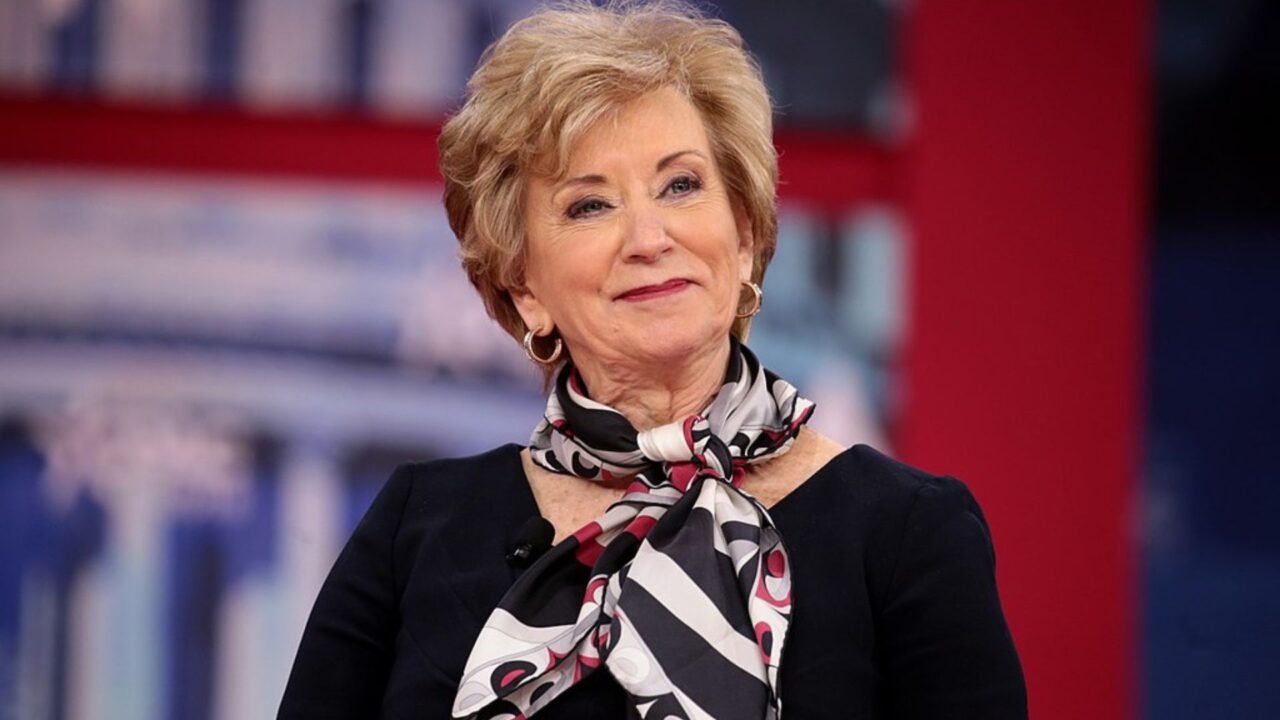
In a move that has sparked widespread debate, President-elect Donald Trump has announced Linda McMahon, former CEO of World Wrestling Entertainment (WWE) and head of the Small Business Administration, as his nominee for Secretary of Education. Known for her business acumen and experience in managing large organizations, McMahon’s nomination signals a potential shift in the direction of U.S. education policy. McMahon is expected to focus on expanding school choice and increasing state control over education, aligning with Trump’s broader vision of reducing federal oversight in favor of empowering local governments and parents. Advocates of school choice see her nomination as a step forward in creating more opportunities for families to select the educational path best suited for their children, including charter schools, voucher programs, and homeschooling options. Supporters of McMahon point to her leadership skills and ability to navigate complex organizational challenges as qualities that could bring much-needed innovation to the education system. Her background in business, they argue, provides her with a unique perspective on efficiency and accountability, which could benefit public schools struggling with bureaucracy and underperformance. However, critics have raised concerns about McMahon’s limited experience in the education sector. Questions about her understanding of the nuanced challenges facing teachers, students, and administrators have led some to worry that her policies might prioritize privatization at the expense of public education. The nomination has also reignited debates about the role of federal funding and oversight in shaping education policy. While proponents of state control believe that local governments are better equipped to address the unique needs of their communities, opponents fear that reduced federal involvement could exacerbate inequalities in education quality across states. McMahon’s confirmation process is expected to be closely watched, with lawmakers from both sides of the aisle scrutinizing her vision for the future of education. As the nation awaits the next steps, her nomination adds to the growing list of appointments that highlight the Trump administration’s focus on unconventional choices aimed at disrupting the status quo.   Credit: Photo by Gage Skidmore, used under CC BY-SA 2.0. Available on Wikimedia Commons

admin20 November 2024
Irish-Teachers-Stage-Nationwide-Protests-Over-Leaving-Certificate-Changes-1280x720.jpg

2min12070
Ireland witnessed a wave of teacher protests recently as approximately 30,000 secondary school educators rallied against the proposed changes to the Leaving Certificate system. The demonstrations, which were widespread across the country, aimed to draw attention to concerns over the rushed implementation of new curriculum rules for senior cycle students. Teachers have expressed their frustration, citing the lack of sufficient resources, inadequate training, and insufficient planning to support the successful introduction of the changes. They argue that the reforms, while intended to modernize the education system and provide a more holistic learning experience for students, risk undermining the quality of education if implemented without adequate preparation. The proposed reforms include a shift towards more continuous assessment and a reduced reliance on final exams, aiming to alleviate stress on students and create a more balanced approach to evaluation. However, educators fear that schools are ill-equipped to manage these changes in their current state. Many have called for the government to delay implementation, emphasizing the need for a phased and well-resourced rollout. Union representatives have stated that the protests are not a rejection of the reforms themselves but rather a call for a more realistic timeline and greater investment in teacher training, infrastructure, and student support services. They argue that without these critical elements, the reforms could create more problems than they solve, potentially widening gaps in education quality across schools. The protests have garnered significant attention from the public, with parents and students expressing mixed reactions. While some support the teachers’ demands for better preparation, others are concerned about the potential disruption to learning caused by the demonstrations. As the government continues discussions with teacher unions, the outcome of these negotiations will likely shape the future of education in Ireland. For now, educators remain resolute in their commitment to ensuring that any changes to the Leaving Certificate system are implemented in a way that benefits both students and teachers.

admin20 November 2024
Nigerian-Army-General-in-Viral-Assault-Video-Sparks-Public-Outrage-1280x720.jpg

1min12170
A shocking video has emerged online showing a Nigerian Army major general and his security escorts brutally assaulting a man for allegedly overtaking their convoy. The incident escalated when the female passenger in the vehicle recorded the confrontation, prompting the officer and his aides to attack her as well. The disturbing footage has drawn widespread condemnation from Nigerians, who are demanding accountability and justice. Many have decried the abuse of power by security personnel, highlighting the need for reform in the conduct of military officers toward civilians. In response, the Nigerian Army has reportedly launched an internal investigation to verify the claims and ensure appropriate disciplinary actions are taken. This incident has further fueled conversations about power dynamics, respect for human rights, and the treatment of civilians by those in authority. As public outcry grows, citizens are calling for transparency in the investigation and stricter measures to prevent such abuses in the future. This case underscores the urgent need for reforms to restore trust between the military and the Nigerian public.