Author: admin

admin26 November 2024
Australia-Warns-Teachers-Against-Using-AI-for-Student-Reports-1280x720.jpg

1min14450
In Australia, the Victorian Information Commissioner’s Office has issued a warning to teachers about using artificial intelligence tools like ChatGPT for drafting student reports. The advisory highlights concerns about data privacy, as student performance information may be stored on foreign servers and retained by AI companies. The growing use of AI in education has sparked a debate over its benefits and risks. While AI can streamline administrative tasks for teachers, critics argue that its use must be carefully regulated to protect sensitive student data. The warning has prompted calls for clearer guidelines and policies to ensure that the adoption of AI in schools does not come at the expense of students’ privacy and safety. This development marks a significant step in the global conversation on balancing technology and ethics in education.

admin26 November 2024
U.S.-College-Enrollment-Faces-Steep-Declines-1280x720.jpg

1min22650
In the United States, college freshman enrollment has dropped by over 5% in 2024, according to new data. Even more concerning is the 6% decline in enrollment among recent high school graduates. Analysts attribute this downward trend to growing skepticism about the value of higher education and delays in federal student aid applications. The issue is particularly pronounced among male students, who have shown a sharper decline in enrollment. Experts suggest that factors such as the perceived lack of ideological diversity on campuses may be contributing to this trend. This shift in higher education patterns is prompting universities to reassess their approaches to recruitment and retention, as concerns grow about the long-term implications for the U.S. labor market and global competitiveness.

admin26 November 2024
South-Africa-Faces-Crisis-of-Gender-Based-Violence-in-Schools-1280x720.jpg

1min13670
A recent report has highlighted the alarming prevalence of gender-based violence in South African schools, despite the existence of legal frameworks designed to address such issues. The report, which documents numerous cases of harassment and violence, has reignited calls for urgent reforms in the country’s educational system. Advocates for change are urging government authorities to prioritize teacher training programs and implement comprehensive child protection policies. These measures, they argue, are critical for creating a safe learning environment for all students. This issue has sparked widespread dialogue across Africa, as many nations grapple with similar challenges in ensuring that education remains accessible, equitable, and safe. The South African case has become a stark reminder of the broader social issues that affect learning environments across the continent.

admin25 November 2024
Fighting-the-Invisible-Enemy-Understanding-and-Combating-Antimicrobial-Resistance-1280x720.jpg

6min22900
Imagine going to the doctor for a simple infection, something antibiotics usually fix in a few days, only to discover that the medicine no longer works. The bacteria causing the infection have become so strong that they have outsmarted our drugs. This is what we call antimicrobial resistance (AMR), and it’s one of the biggest health challenges the world faces today. As we mark the end of World Antimicrobial Awareness Week, it is crucial to spread the word about this growing problem. But don’t worry, we will keep it simple and exciting; because understanding AMR could save lives! What is Antimicrobial Resistance (AMR)? Think of bacteria and other germs like bullies in the body. Antibiotics are the superheroes we call on to fight them. But over time, the bullies are learning new tricks, becoming stronger and smarter. They’re figuring out how to dodge our superheroes, making antibiotics less effective. In plain terms, AMR happens when bacteria, viruses, fungi, and parasites stop responding to the medicines we use to kill them. This doesn’t mean our bodies are resistant, it means the germs are evolving to survive. How Did We Get Here? Overusing Antibiotics: Ever taken antibiotics for a cold? (Spoiler: They don’t work against viruses!) Misusing these drugs gives bacteria more chances to learn how to resist. Incomplete Treatments: Stopping antibiotics halfway through a prescription is like letting the enemy regroup and come back stronger. Mismanagement in Agriculture: Did you know antibiotics are often used in farming to prevent diseases in animals? This can lead to resistant bacteria spreading to humans through food. Why Should You Care? AMR is not just a “science problem”, it is a global health emergency. Without effective antibiotics: Common infections like strep throat or urinary tract infections could become deadly. Surgeries and cancer treatments, which rely on antibiotics to prevent infections, could become riskier. The cost of healthcare will skyrocket as we need more expensive treatments for resistant infections. How Can We All Help? Here’s the exciting part; you don’t need a medical degree to fight AMR! Every single one of us can play a role: For Kids and Students: Learn the difference between bacteria and viruses (Hint: Antibiotics work on bacteria, not viruses like the flu.) Always listen to your parents or teachers when they say you need to complete your medicine. For Parents: Never pressure doctors to prescribe antibiotics if they are not needed. Ensure your family follows proper hygiene. Washing hands is a simple but powerful weapon against infections. For Teachers: Incorporate lessons on germs and medicine into your classroom activities. Use fun experiments like growing “germs” (with harmless substances like yeast) to show how they multiply. For Everyone: Support policies that regulate the sale of antibiotics: no one should get these drugs without proper prescriptions. Spread the word! AMR awareness grows when we share information. What’s Next? Scientists are working hard to develop new medicines and strategies to combat resistant germs. But the real superheroes in this fight? You and me. By being mindful about how we use antibiotics and practicing good hygiene, we can keep these life- saving drugs working for generations. A Fun Experiment to Try at Home Here’s an exciting way to understand germs better: What You Need: A slice of bread, a clean ziplock bag, and dirty hands. What to Do: Touch the bread with dirty hands, seal it in the bag, and leave it for a few days. Watch how mold and germs grow over time! Lesson: Imagine this happening inside your body if you don’t wash your hands! Conclusion Antimicrobial resistance is not just a medical issue, it is a community issue. By spreading awareness and taking small, responsible steps, we can ensure a healthier future for everyone. Let us all become defenders against this invisible enemy because the fight against AMR begins with YOU. Stay aware, stay healthy, and always finish your medicine!  

admin25 November 2024
Nigeria-and-Brazil-Strengthen-Agricultural-Ties-with-Landmark-MoU-1280x720.jpg

3min10690
In a significant step toward agricultural modernization, the Federal Government of Nigeria has entered into a Memorandum of Understanding (MoU) with Brazil’s Fundação Getulio Vargas (FGV), a renowned institution in agricultural development and finance. The partnership is set to revolutionize Nigeria’s agricultural sector, focusing on fertilizer production, hybrid seed technology, and agricultural financing. A Boost to Food Security. The agreement, which aligns with Nigeria’s long-term strategy to achieve food security, is part of the ongoing Green Imperative Project (GIP). This initiative, launched to leverage Brazil’s expertise in tropical agriculture, aims to transform Nigeria’s agricultural landscape. Over the next five years, the GIP will support agribusinesses across all 774 local government areas, providing technical and financial resources to catalyze sustainable development. “This MoU is a game-changer for Nigeria’s agricultural sector. It signals a new era of collaboration and innovation,” remarked Nigeria’s Minister of Agriculture and Food Security during the signing ceremony. Unlocking Private Sector Investments A key highlight of the MoU is its potential to attract $4.3 billion in private sector investments. The collaboration will focus on advancing fertilizer production, developing resilient hybrid seeds, and enhancing access to agricultural financing for farmers and agribusinesses. This multi-faceted approach is expected to address critical challenges in the sector, such as low productivity and limited access to modern inputs. Technology-Driven Solutions Brazil’s extensive experience in tropical agriculture makes it a valuable partner in this venture. The collaboration is set to introduce advanced farming techniques and innovative tools tailored to Nigeria’s unique agricultural needs. These include climate-smart practices, improved irrigation systems, and robust supply chain models to ensure that farmers can access markets efficiently. “This partnership reflects the mutual commitment of Brazil and Nigeria to advancing agricultural innovation and ensuring food security in both nations,” stated a representative of FGV. A Path to Economic Growth The MoU is expected to have a ripple effect on Nigeria’s economy, generating employment opportunities, increasing exports, and reducing dependence on food imports. By empowering local farmers and agribusinesses, the partnership could also enhance rural livelihoods and drive economic diversification. A Shared Vision This collaboration reinforces the longstanding ties between Nigeria and Brazil, rooted in shared economic and cultural interests. Both countries have expressed their commitment to deepening bilateral cooperation beyond agriculture, exploring opportunities in trade, education, and technology. As implementation begins, stakeholders are optimistic that the partnership will serve as a model for sustainable agricultural development in Africa, placing Nigeria on a path toward food security and economic resilience.

admin25 November 2024
Nigerias-Senate-Approves-Tinubus-2.2-Billion-Loan-Request-Amid-Rising-Debt-Concerns-1280x720.jpg

4min12990
The Nigerian Senate has granted approval for President Bola Ahmed Tinubu’s request to secure a $2.2 billion external loan. This significant decision, aimed at addressing the nation’s fiscal deficit in the 2024 budget, has sparked discussions nationwide about its implications for Nigeria’s already substantial debt profile. Purpose of the Loan According to government sources, the loan is earmarked for financing critical projects under the 2024 Appropriation Act. It is expected to cover infrastructure development, enhance service delivery in key sectors, and support other programs targeted at economic recovery. The administration argues that the funds will provide much-needed liquidity for ongoing projects, which are vital to Nigeria’s growth and stability. The government plans to source the loan through diverse financial instruments, including Eurobonds and Sukuk bonds, which are expected to attract international investors at competitive rates. Support and Justifications During the Senate plenary session, Deputy Senate President Jibrin Barau expressed confidence in the administration’s fiscal prudence. “This loan is not just about borrowing; it’s about investing in Nigeria’s future,” he stated, emphasizing that the funds would be utilized strategically to drive development and economic growth. The Senate’s Local and Foreign Debts Committee, which reviewed the proposal, assured Nigerians that due diligence had been conducted to ensure transparency and accountability in how the funds will be used. Opposition Voices Growing Louder Despite the Senate’s approval, dissenting voices have emerged both within and outside the National Assembly. Critics have expressed concerns over Nigeria’s burgeoning debt, which has seen a sharp increase in recent years. Many opposition lawmakers argued that the loan could exacerbate the nation’s debt servicing burden, which already consumes a significant portion of its annual budget. “While development is critical, we must ask ourselves: at what cost? This level of borrowing is unsustainable,” said a vocal opposition senator during the debate. These sentiments have been echoed by civil society organizations, who demand a detailed repayment strategy and robust mechanisms to prevent fund mismanagement. Economic Context and Implications Nigeria’s total debt stock, which exceeded ₦87 trillion earlier this year, remains a point of concern for financial analysts. Although the administration assures that the loan will be used effectively, critics fear that without significant reforms in revenue generation, the country could find itself in a debt trap. Economists have highlighted the potential risks of increased borrowing, including inflationary pressures and a weakened currency. Others, however, argue that if strategically deployed, the loan could stimulate economic activities, attract foreign investments, and build critical infrastructure to support long-term growth. What’s Next? As the funds are disbursed, the focus will be on transparency and accountability. Stakeholders, including civil society groups, the media, and international watchdogs, are expected to closely monitor the government’s management of the loan. Nigerians are keenly watching how this borrowing will translate into tangible benefits for the population, particularly in sectors like healthcare, education, and transportation. This development underscores the ongoing challenge of balancing development needs with fiscal responsibility. While the government is optimistic about the loan’s potential to catalyze progress, the debate on Nigeria’s borrowing habits remains far from settled.


admin22 November 2024
Trump-Nominates-Pam-Bondi-as-Attorney-General-Amidst-Cabinet-Reshuffle-1280x720.jpg

3min15100
In a significant move, President-elect Donald Trump has nominated Pam Bondi, former Florida Attorney General, to lead the U.S. Department of Justice. This decision follows the withdrawal of Matt Gaetz, who stepped aside amid mounting controversies. A Trusted Ally Pam Bondi, who served as Florida’s Attorney General from 2011 to 2019, has been a steadfast supporter of Trump. She played a pivotal role in his defense during the first impeachment trial, showcasing her legal acumen and loyalty. Her nomination is seen as a strategic choice, bringing experience and a proven track record to the Justice Department. Gaetz’s Withdrawal Matt Gaetz, initially nominated for the position, withdrew his candidacy following allegations and insufficient support from Republican senators. His decision to step aside paved the way for Bondi’s nomination, which has been met with approval from various quarters. Implications for the Justice Department Bondi’s appointment signals a potential shift in the Justice Department’s focus. Known for her tough stance on crime and advocacy for conservative policies, she is expected to align the department’s priorities with the administration’s agenda. Her leadership could influence key areas such as criminal justice reform, immigration policies, and federal law enforcement strategies. A Historic Nomination If confirmed, Bondi would become one of the few women to have held the position of U.S. Attorney General, marking a significant milestone. Her extensive legal background and previous tenure as Florida’s top law enforcement officer position her as a formidable candidate for the role. Looking Ahead As the confirmation process unfolds, all eyes will be on Bondi’s plans for the Justice Department. Her nomination reflects the administration’s commitment to appointing experienced and loyal individuals to key positions, aiming to implement its vision for the nation’s legal and justice systems. This development underscores the dynamic nature of the incoming administration’s cabinet selections, with Bondi’s nomination poised to play a crucial role in shaping the future direction of the Department of Justice

admin22 November 2024
Canada-Ends-Study-Permit-Pathway-to-Permanent-Residency-in-Major-Immigration-Policy-Shift-1280x720.jpg

4min12870
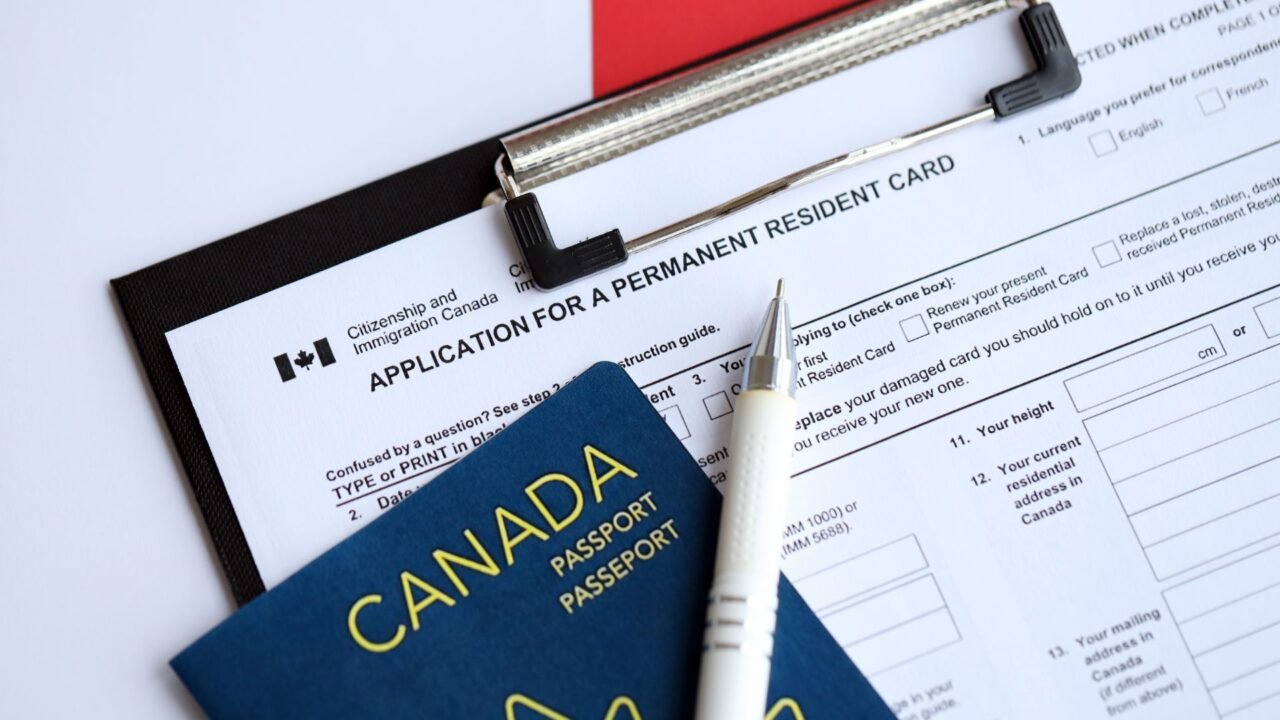
In a groundbreaking move, Canada has announced the closure of the study permit pathway to permanent residency, signaling a major shift in the country’s immigration policy. The decision, unveiled earlier this week, has sparked widespread reactions among international students and immigration stakeholders, many of whom see this as a dramatic change to Canada’s historically inclusive immigration framework. A New Reality for International Students For years, Canada has been a top destination for international students, offering quality education and a clear pathway to permanent residency upon graduation. This combination attracted thousands of students annually, many of whom saw Canada as a place to build long-term careers and lives. However, the new policy means that obtaining a study permit will no longer guarantee a route to permanent residency. International students will now have to explore other immigration streams to secure their status, many of which are highly competitive and restrictive. Why the Change? The Canadian government has cited several reasons for the policy shift, including the rapid increase in international student enrollments, which has strained housing availability and essential services. With the student population growing significantly in recent years, some provinces have reported housing shortages and rising costs, exacerbating the pressure on local infrastructure. “This policy aims to restore balance and ensure that our immigration system continues to meet the needs of Canada while addressing emerging challenges,” said an official from Immigration, Refugees and Citizenship Canada (IRCC). The government has also highlighted concerns about the integrity of the system, with recent cases of fraudulent student applications further complicating the situation. The Impact on Students The announcement has left many international students uncertain about their futures. For those already in Canada, the abrupt policy change means re-evaluating their plans for post- graduation. Many have expressed frustration, noting that they chose Canada based on its previously clear pathway to permanent residency. “This decision feels like a betrayal,” said Anita, an international student in Toronto. “We came here believing in the promises made, and now the rules have changed after we’ve invested so much time, money, and effort.” Protests and Advocacy The policy shift has also triggered protests from international student communities across Canada. Students are calling on the government to reconsider its decision, proposing alternative solutions such as expanded work permits or transitional programs for those already in the country. Advocacy groups have urged the government to implement measures that would protect students caught in the middle of this policy shift. They argue that transitional rules are essential to ensure fairness for those who have already committed to studying in Canada. What’s Next? While the government defends the policy as necessary to address systemic challenges, critics warn that it could deter future international students from choosing Canada as a study destination. The move comes at a time when other countries, such as the United Kingdom and Australia, are actively enhancing their offerings to attract global talent. For now, international students planning to study in Canada are urged to stay informed about these changes and explore alternative pathways for immigration. The new policy represents a turning point in Canada’s immigration system, reshaping the landscape for future international students and their aspirations for permanent residency.

admin22 November 2024
Canada-Battles-Surge-in-Fake-Student-Acceptance-Letter-1280x720.jpg

3min10600
Canada’s reputation as a top destination for international students is under threat due to a growing wave of fraudulent acceptance letters. Immigration, Refugees and Citizenship Canada (IRCC) recently uncovered over 10,000 fake documents, raising alarm about the exploitation of the country’s immigration and education systems. The Fraudulent Scheme These fake acceptance letters are often generated by unscrupulous agents or consultants who deceive prospective international students. Unsuspecting applicants are provided with forged letters from Canadian institutions, which they use to apply for study permits. Many students only discover the deception upon arriving in Canada or during routine immigration checks, leaving them vulnerable to deportation and financial losses. Stricter Measures in Place In response, the IRCC has implemented enhanced verification procedures to safeguard the integrity of the system. Over the past year, the department reviewed nearly half a million student applications and found that while most acceptance letters were authentic, a significant number were fraudulent or linked to canceled admissions. The enhanced checks aim to prevent unqualified individuals from slipping through the cracks. Impact on Students For the students involved, the consequences have been severe. Those unknowingly caught in this scam face the risk of deportation, financial ruin, and emotional distress. Recognizing this, the Canadian government has established a task force to review cases where victims were defrauded and to provide support where possible. Officials have urged prospective students to verify their acceptance letters directly with their institutions and avoid unlicensed agents who might exploit them. Canada’s Commitment to Integrity Canada remains committed to maintaining the integrity of its immigration and education systems. The country’s institutions continue to attract students globally due to their high standards and quality education, but this trust must be protected. By taking swift action against these fraudulent activities, Canada hopes to reassure genuine applicants and ensure that its academic opportunities remain accessible to qualified students. A Warning to Students The situation serves as a wake-up call for prospective students worldwide. Vigilance and due diligence are now more important than ever when navigating the admissions and visa application processes. Students are encouraged to work directly with authorized representatives and to verify all documentation before submission. As Canada continues to tackle this issue, the message is clear: the doors remain open to deserving students, but the fight against fraud will be relentless to preserve the country’s academic reputation and immigration integrity.

admin22 November 2024
Global-Alarm-Over-Antimicrobial-Resistance-The-Silent-Pandemic-1280x720.jpg

4min15750
Antimicrobial resistance (AMR) is emerging as a silent pandemic, posing a grave threat to global health and development. With recent discoveries of new resistance genes, the rise of hypervirulent superbugs, and alarming projections about future mortality rates, experts are calling for urgent action to combat this escalating crisis. A Growing Global Threat Recent data reveals that AMR is responsible for at least one million deaths annually, a figure that has been steadily climbing since 1990. Without decisive interventions, projections estimate that drug-resistant infections could claim over 39 million lives by 2050, equivalent to three deaths every minute. These sobering figures underscore the urgency of tackling AMR on a global scale. Hypervirulent Superbugs on the Rise Adding to the challenge is the emergence of hypervirulent superbugs, such as a strain of Klebsiella pneumoniae recently detected in Brazil. This strain, resistant to all available antibiotics, has now been identified in 16 countries, including the United States, the United Kingdom, and Australia. The World Health Organization has raised alarms over these pathogens, emphasizing the need for enhanced surveillance systems and public awareness campaigns to prevent their spread. Discovery of New Resistance Genes In a recent breakthrough, researchers uncovered a new antibiotic resistance gene named npmC, hidden within the human microbiome. This gene effectively neutralizes aminoglycosides, a class of antibiotics critical for treating severe infections. The discovery has prompted calls for improved genomic monitoring to detect and respond to such threats before they spread widely. Global Commitments to Combat AMR In September 2024, world leaders at the United Nations General Assembly committed to reducing deaths caused by bacterial AMR by 10% by 2030. The political declaration emphasized sustainable national funding and the implementation of action plans in at least 60% of countries. While this represents progress, experts caution that commitments must be backed by tangible actions and accountability to make a significant impact. Public Awareness: The First Line of Defense Health authorities worldwide are urging the public to use antibiotics responsibly. Antibiotics, often misused for treating viral infections like colds and flu, contribute significantly to the rise of AMR. Experts stress that these medications should only be used under professional guidance to avoid rendering them ineffective against future infections. A Call to Action The fight against AMR requires a multifaceted approach, including robust research, investment in new treatments, improved infection control measures, and widespread public education. Governments, healthcare institutions, and individuals all have a role to play in ensuring antibiotics remain effective for future generations. The battle against AMR is far from over, but with coordinated global efforts, there is hope to curb this silent pandemic and safeguard the health of millions. As the world watches, the question remains: will humanity act swiftly enough to outpace this growing threat?