

 admin
adminUNICEF NIGERIA STEPS UP EFFORTS TO PROTECT CHILDREN AMID PRESSING CHALLENGES
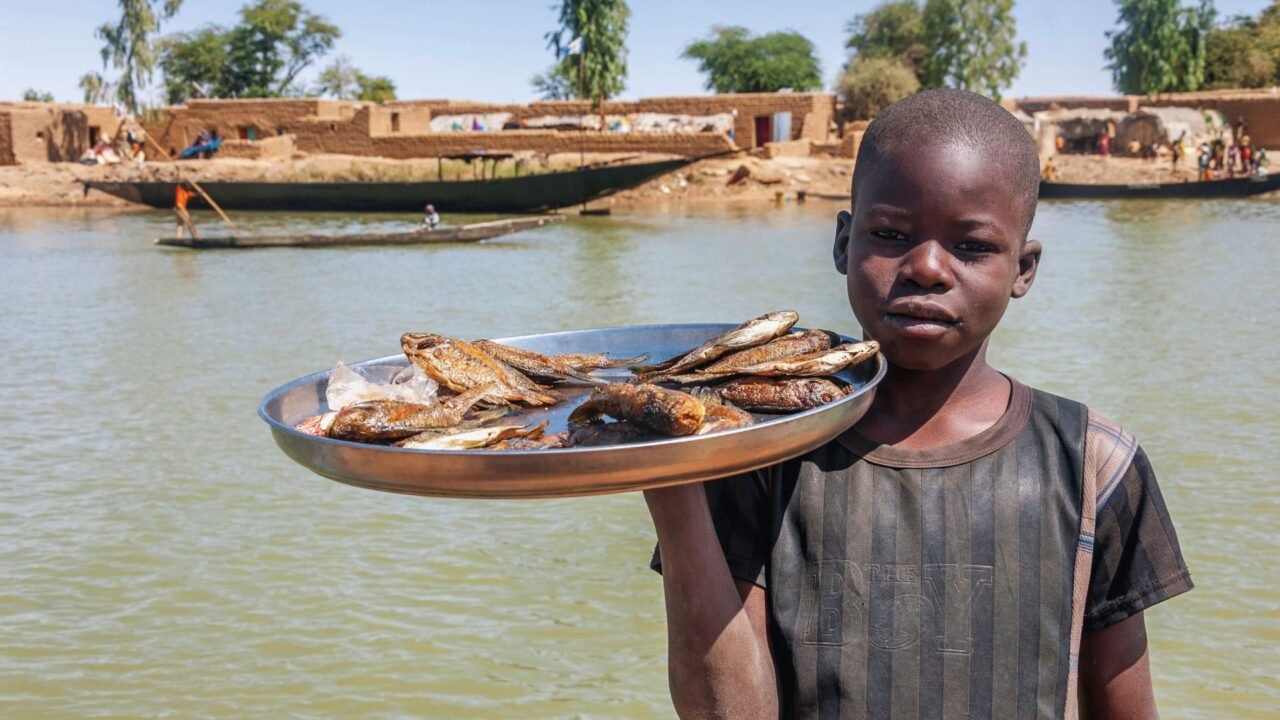
UNICEF Nigeria is making significant strides in addressing critical issues affecting children across the country, from securing justice for detained minors to tackling food poverty and promoting education for marginalized groups. The organization’s recent activities have underscored its commitment to safeguarding the rights and well-being of Nigeria’s youngest citizens.
Child Rights Take Center Stage
In a landmark move, UNICEF lauded President Bola Ahmed Tinubu for directing the immediate release of all children and young people detained in connection with the #EndBadGovernance protests. The directive, issued earlier this month, is seen as a crucial step toward justice and a testament to the collective advocacy for the protection of children’s rights.
UNICEF emphasized the importance of safeguarding children from undue harm and ensuring they are treated with dignity under the law. “This decision reflects the government’s commitment to upholding the rights of minors,” said a spokesperson for UNICEF Nigeria. Advocacy groups hope this move will set a precedent for future policies focused on child welfare.
Education for All: A Fight for Equity
UNICEF continues to expand its educational initiatives, particularly in northern Nigeria, where school enrollment rates for girls remain alarmingly low. Through its flagship Girls’ Education Project, the organization is providing scholarships, teacher training, and resources to help girls stay in school. These efforts aim to bridge the gap in access to education and empower young women with tools for a brighter future.
One of the program’s beneficiaries, 14-year-old Fatima from Katsina, shared her story: “Before this program, I stayed home because my family couldn’t afford school. Now, I’m back in class and hope to become a teacher.” Stories like Fatima’s highlight the transformative impact of these initiatives, as UNICEF works toward reducing gender disparity in education.
Confronting Child Food Poverty
Despite these successes, UNICEF faces challenges in addressing child malnutrition, a growing crisis in Nigeria. Recent reports revealed that nearly 11 million children under five are living in severe food poverty, making them highly vulnerable to malnutrition and its devastating consequences. UNICEF has been ramping up its nutrition programs to counter this crisis, including community-based interventions and emergency food support.
The organization is collaborating with local authorities to provide therapeutic food and promote breastfeeding as a preventive measure. “Every child deserves a healthy start,” noted a UNICEF representative. “We are doubling our efforts to ensure no child is left behind, especially in the most vulnerable communities.”
A Call for Collective Action
As UNICEF continues its work across these critical areas, the organization is urging stakeholders, including the government, civil society, and international donors, to bolster support for children in Nigeria. “The challenges are immense, but with collective action, they are not insurmountable,” said a representative.
UNICEF’s ongoing efforts serve as a beacon of hope for millions of children, proving that targeted interventions and unwavering advocacy can yield tangible results. From justice to education and nutrition, the organization remains at the forefront of the fight to create a safer, healthier, and more equitable future for Nigeria’s children.

