Author: Edupreneur Editorial Team

1-1280x744.png

2min8430
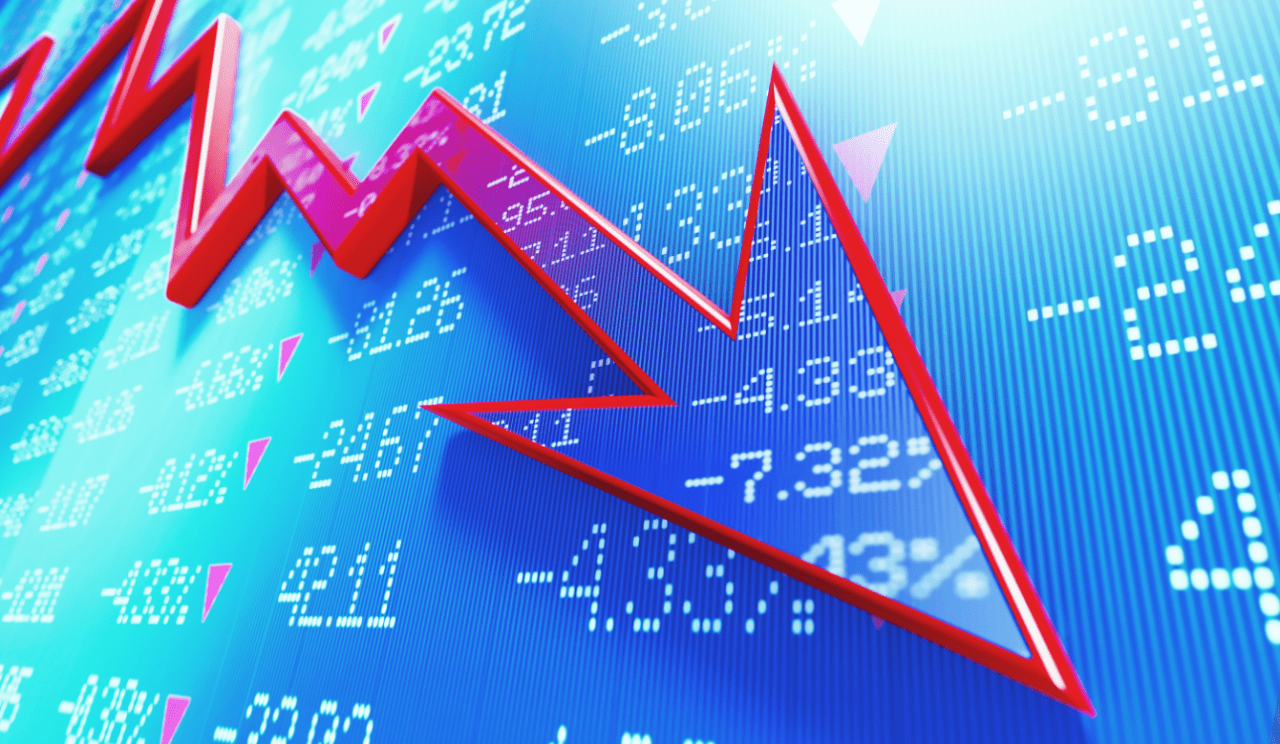
Global stock markets experienced a widespread decline on Thursday, April 3, 2025, following U.S. President Donald Trump’s announcement of new tariffs. The policy establishes a 10% tariff on all imported goods, with significantly higher rates for specific trading partners; 34% on products from China, 20% on those from the European Union, 24% on Japanese items, and 46% on Vietnamese merchandise. The general tariffs are set to take effect on April 5, with the elevated rates beginning on April 9. U.S. market indicators responded sharply to the news. Futures for the Dow Jones dropped by over 1,200 points, while those for the S&P 500 and Nasdaq 100 fell by 3.4% and 4% respectively. High-profile technology firms suffered substantial losses; shares of companies such as Apple, Tesla, and Nvidia declined by roughly 7.5%, nearly 6%, and 5.5% respectively. The impact was felt globally as well. European and Asian stock indices, including Germany’s DAX and Japan’s Nikkei, registered declines of 2.4% and 2.8% respectively. Investors quickly shifted towards safe-haven assets, with gold prices surging to record levels and the U.S. dollar weakening against major currencies amid fears of escalating trade tensions. Analysts have raised concerns that the new tariffs could hinder global economic growth and exacerbate inflationary pressures. The retail sector in the U.S., represented by companies like Nike and Dollar Tree, saw significant stock drops exceeding 11%, while Treasury yields and oil prices also fell, with oil declining by more than 4%. Several global leaders have warned that these measures might trigger further trade disruptions, highlighting the potential for a broader conflict if retaliatory steps are taken. The situation remains dynamic, with market participants and policymakers closely monitoring any signs of additional shifts in economic policy.

3-1280x744.jpg

2min6530
Canada has announced that it will not impose retaliatory tariffs on most U.S. food imports, essential goods, and key components vital to protecting jobs in critical sectors. This decision comes in response to the latest round of tariffs imposed by the United States. According to statements from Canadian officials and reports in the media, the government’s move is aimed at safeguarding Canadian producers and workers while keeping consumer prices stable. Prime Minister Mark Carney emphasized that while Canada remains ready to take countermeasures if necessary, any action taken will be measured and designed to avoid negative impacts on the economy. The decision also follows Carney’s recent remarks that the longstanding relationship between Canada and the U.S. is undergoing a major shift, prompting the need for a comprehensive review and renegotiation of trade agreements between the two nations. By choosing not to retaliate with broad-based tariffs, Canada is focusing on protecting its economic interests and ensuring that key sectors, including agriculture and manufacturing, remain resilient in the face of external pressures. This cautious approach underscores Canada’s commitment to balancing fair trade practices with the need to maintain domestic job security and stable prices for essential goods.

blue-gradient-electronic-sales-promotion-facebook-cover-1-1280x744.jpg

2min4980
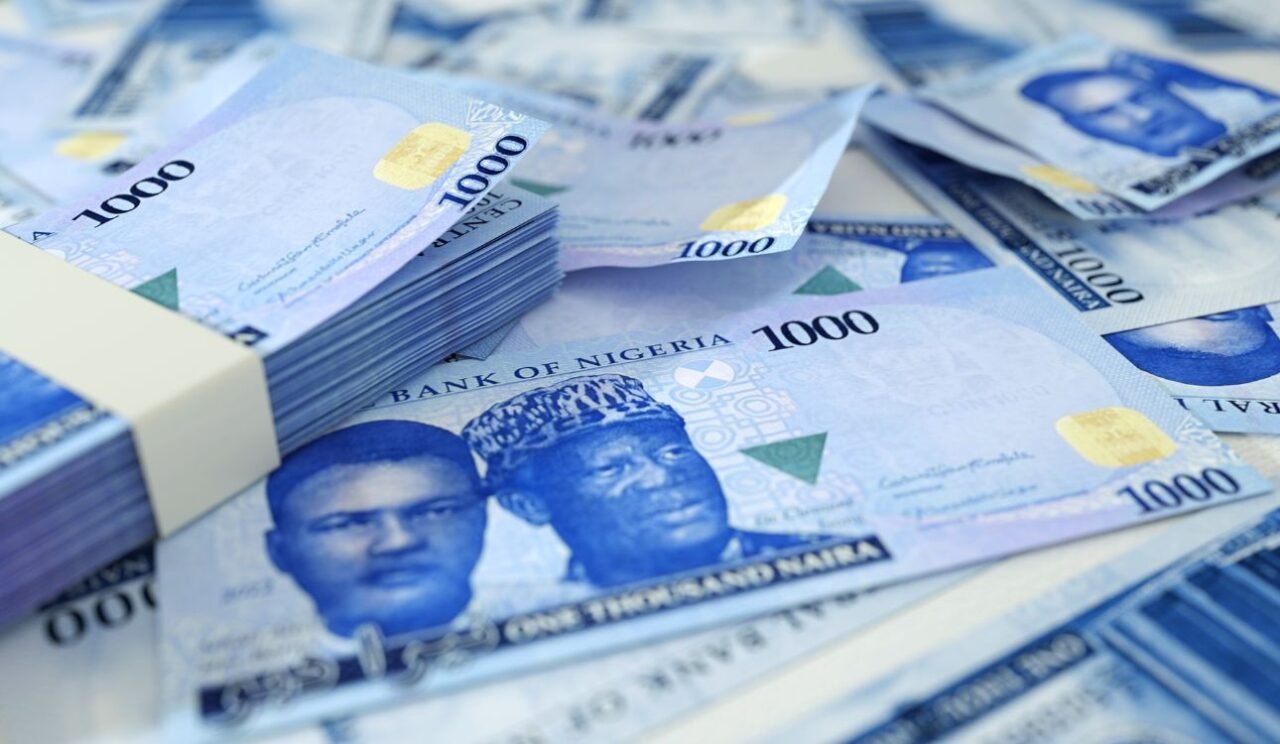
Nigeria’s net foreign exchange reserves have climbed to $23.11 billion at the end of 2024, marking the highest level in three years. The Central Bank of Nigeria (CBN) said this improvement shows a major boost in the country’s external financial position. Net foreign exchange reserves are calculated by taking the country’s total foreign exchange reserves and subtracting short-term obligations, such as loans and contracts. This figure gives a clearer picture of the money Nigeria has available to meet its international financial commitments. The new level of $23.11 billion is a significant rise compared to the previous years. For example, the reserves were $14.59 billion in 2021, $8.19 billion in 2022, and $3.99 billion at the end of 2023. This strong growth is the result of deliberate government policies aimed at increasing external liquidity and reducing short-term financial pressures. In addition to the net reserves, Nigeria’s gross external reserves also increased, reaching $40.19 billion at the end of 2024, up from $33.22 billion in the previous year. Although the reserves dropped slightly in the first quarter of 2025 due to seasonal factors and interest payments on foreign debt, experts expect them to rise again in the second quarter, helped by increased oil production and a growth in non-oil exports. CBN Governor Olayemi Cardoso explained that the rise in net reserves is the result of careful policy choices made to rebuild investor confidence and improve the nation’s economic stability. He said these improvements will help Nigeria better handle economic challenges and create a more secure financial future. This significant increase in foreign exchange reserves is seen as a positive step for Nigeria’s economy, providing the country with a stronger buffer to face global economic uncertainties.

blue-gradient-electronic-sales-promotion-facebook-cover-1280x744.jpg

8min5650
This April, as we celebrate Financial Literacy Month, our goal is to raise awareness about the importance of financial education and empower individuals with the skills for better money management. In previous articles, we explored: Why financial literacy should be taught in schools and Financial budgeting tips for teachers and students. Now, let’s tackle a crucial skill: saving effectively to achieve your specific goals. Whether you are a dedicated teacher aiming for further studies or a driven student eyeing a new laptop for your learning, having a smart savings strategy is essential, especially here in Nigeria, where managing resources wisely is key to realizing your aspirations. The Power of Knowing What You’re Saving For: Think about it: saving just for the sake of saving can feel aimless. But when you have a clear goal in mind – like paying for that crucial professional development course, getting a reliable phone for online learning, or even contributing to a family project – saving becomes much more motivating. Defined goals bring clarity, helping you prioritize your spending and make conscious financial choices. The joy of finally achieving that goal, big or small, is a reward in itself and fuels future financial success. What Are Your Dreams? Making Them SMART: What do you truly want to achieve? Let’s make those dreams actionable using the SMART framework: Specific: Instead of “save money,” think “save ₦50,000 for a new textbook set.” Measurable: Track your progress. How much have you saved so far? Achievable: Be realistic about how much you can save given your income. Start small if needed. Relevant: Does this goal align with your priorities and needs right now? Time-bound: Set a deadline. E.g “Save ₦50,000 by the end of this term.” For students in nigeria, this might be saving for school fees, data bundles, study materials, or even contributing to transport costs. For teachers, goals could include funding a postgraduate diploma, investing in teaching resources, or saving for a small business venture. Your Income, Your Savings Plan: We understand that incomes for teachers and students in Nigeria can vary. The key is to create a savings plan that fits your reality. Know Your Numbers: Even a rough budget helps. Understand how much money comes in and where it currently goes. This helps identify areas where you can save. Set Realistic Targets: Don’t aim for an amount that will leave you struggling. Start with a smaller, manageable percentage of your income. Remember, consistency is more important than saving a huge sum once in a while. Explore Local Savings Methods: Esusu/Ajo (Contribution Clubs): These are common in Nigeria. While they rely on trust, they can be a good way to save a fixed amount regularly with social accountability. Be sure to participate in reliable groups. Bank Savings Accounts: Offer security and sometimes a small interest. Explore accounts with low or no maintenance fees. Mobile Money Savings: Increasingly popular and convenient in Nigeria. Many platforms offer savings options directly from your mobile wallet. Smart Ways to Save Daily: Small Sacrifices, Big Gains: Consider small daily expenses you can cut back on – perhaps reducing eating out, finding cheaper transport options (like buses/danfo or BRT where feasible), or sharing resources with classmates. Look for Student/Teacher Discounts: Always inquire about discounts on goods and services. Explore Side Hustles (Where Possible): Students might consider tutoring junior students or offering skills online. Teachers could explore after-school lessons or create educational content. Automate Savings (If Possible): If your bank or mobile money platform allows it, set up automatic transfers of a small amount to your savings regularly. Resist Impulses: Before buying something non-essential, ask yourself if it aligns with your savings goals. Stay Focused and Celebrate Milestones: Saving takes discipline. Regularly review your goals and track your progress. Reward yourself (in a small, budget-friendly way!) when you reach a savings milestone. Find a friend or family member to share your goals with for added support and accountability. Visualize what you will achieve once you reach your target, this can be a powerful motivator. Saving for your goals in Nigeria as a teacher or student is achievable with a clear plan and consistent effort. Start small, stay focused, and watch your dreams become a reality.


Untitled-design-9-1280x744.jpg

2min28210
Chinese tech giant Xiaomi has revealed new details regarding a fatal accident involving its SU7 electric vehicle (EV), sparking concerns over the safety of assisted driving systems. The crash, which occurred on March 29 in Anhui Province, resulted in the deaths of three people. According to data submitted to local police and shared on Xiaomi’s official Weibo account, the vehicle was in Navigate on Autopilot (NOA) mode, traveling at 116 kilometers per hour (72 mph) before the incident. The system detected an obstacle, issued a warning, and attempted to decelerate just seconds before the driver took manual control. Despite efforts to reduce speed, the car collided with a concrete barrier at approximately 97 km/h (60 mph). Xiaomi has expressed deep regret over the incident and pledged full cooperation with authorities. The company has provided detailed system data to assist in the ongoing investigation and is supporting the families of the victims. The crash has ignited debate over the reliability of semi-autonomous driving technology, with some experts calling for stricter regulations on assisted driving features. Following the news, Xiaomi’s stock price dropped by 5.5%, reflecting investor concerns over the potential impact on the company’s EV ambitions. Authorities continue to investigate the accident as safety experts scrutinize Xiaomi’s autonomous driving system, which was seen as a key innovation in the company’s push into the electric vehicle market. Image credit: Xiaomi SU7 Max 007″ by [Author’s Name], Wikimedia Commons, CC BY-SA 4.0

Untitled-design-8-1280x744.jpg

1min11490
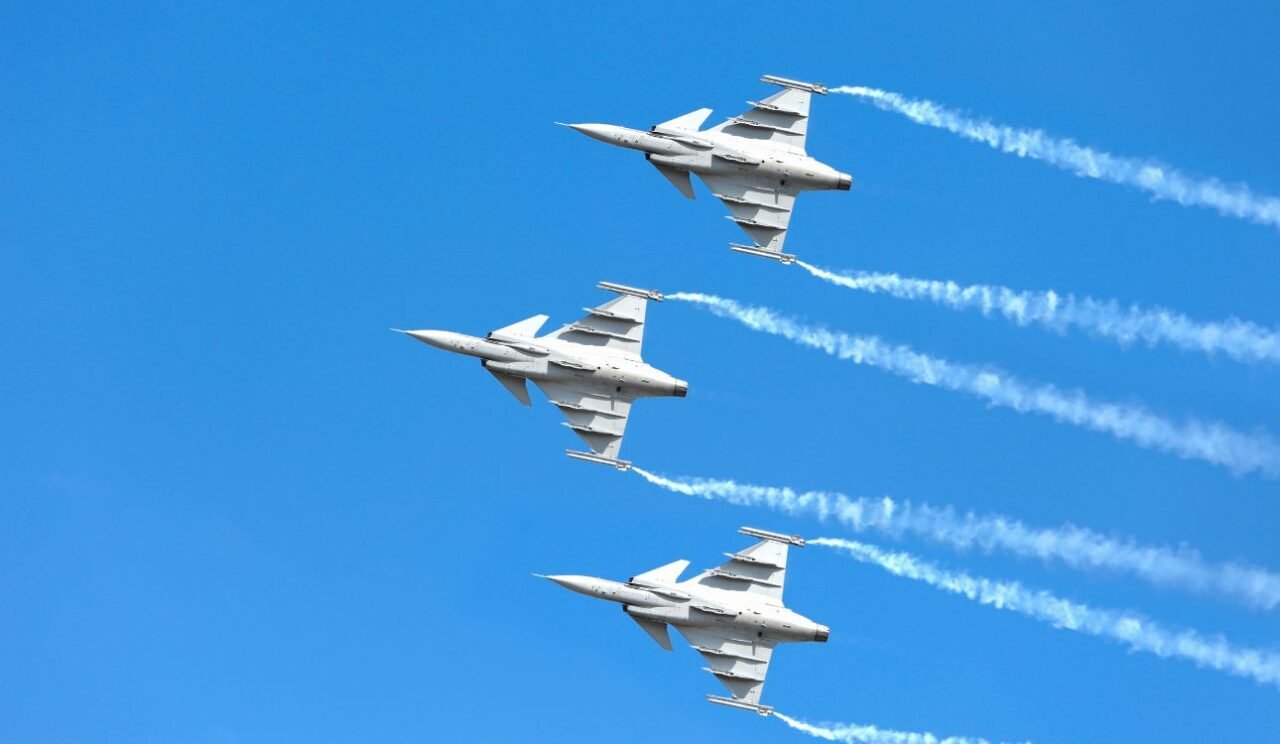
The United Kingdom has signed a $213 million (£165 million) contract with Italian defense company Leonardo to maintain and support the Royal Navy’s fleet of 54 Merlin helicopters. The deal, an extension of an existing agreement, aims to ensure the continued operational readiness of the aircraft while sustaining approximately 1,000 jobs across the country. The contract will see Leonardo remain the primary contractor, with Lockheed Martin and Serco serving as key subcontractors. UK Defense Procurement Minister Maria Eagle highlighted the agreement as a strategic investment in national security and economic growth, reinforcing the country’s commitment to enhancing its defense capabilities. This move aligns with the UK government’s broader plan to increase defense spending to 2.5% of GDP by 2027, reflecting efforts to modernize its military and strengthen domestic defense industries.

Untitled-design-7-1280x744.jpg

3min6890
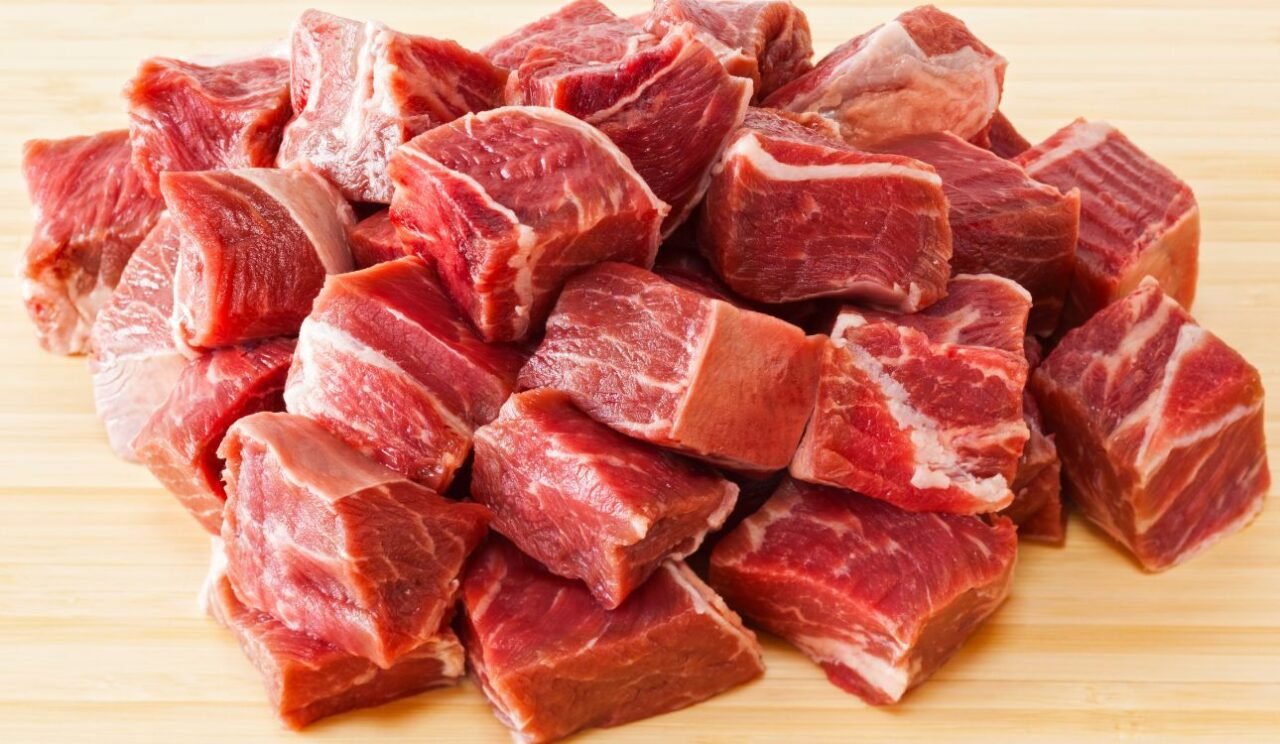
China has pledged to deliver a fair and objective ruling in its ongoing investigation into beef imports, following a public hearing held by the Ministry of Commerce (MOFCOM). The probe, launched in December 2024, aims to determine whether the rapid rise in imported beef has harmed China’s domestic industry. During the hearing, representatives from major beef-exporting countries: including Brazil, Argentina, Uruguay, Australia, New Zealand, and the United States, along with exporters, Chinese importers, and local beef producers, voiced their positions. Officials highlighted that beef imports surged by over 100% in the first half of 2024 compared to the same period in 2019, raising concerns about declining prices and losses for domestic farmers. MOFCOM stated that it will carefully review the evidence presented and ensure that its decision aligns with trade regulations. The investigation is expected to conclude within eight months, though it may be extended if necessary. The outcome could result in tariffs or restrictions on beef imports if the government determines that local producers are being unfairly impacted. This move comes as China balances protecting its domestic industry with maintaining strong trade relations with key global partners.

Untitled-design-6-1280x744.jpg

3min3880
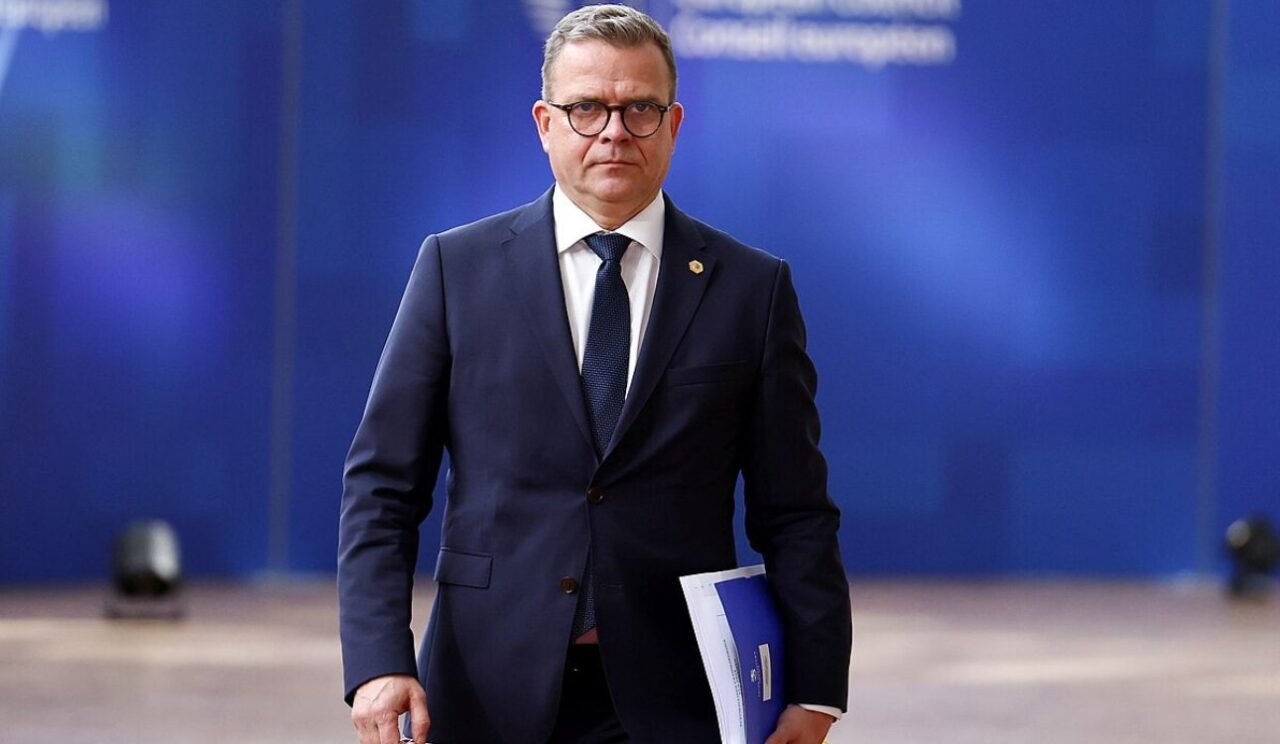
Finland’s government announced plans today to withdraw from the Ottawa Convention, a global treaty banning anti-personnel landmines and to increase defense spending to at least 3% of GDP by 2029. Prime Minister Petteri Orpo stated that these moves are in response to the evolving military threat posed by Russia. “While there is no immediate danger, we must prepare for the long-term security challenges that Russia presents,” Orpo said. Exiting the treaty, which was established in 1997, will allow Finland greater flexibility in adapting its military strategy and procurement. The decision aligns Finland with other NATO members, including Poland, Estonia, Latvia, and Lithuania, who have also signaled similar intentions amid heightened regional tensions. President Alexander Stubb emphasized that the planned defense spending boost is a key component of Finland’s commitment to strengthening Europe’s collective security. Finland, which joined NATO in 2023 after decades of nonalignment, is now charting a more assertive defense policy in response to the shifting geopolitical landscape in Europe. Image credit: Petteri Orpo – Informal leaders’ meeting – June 2024, Wikimedia Commons, CC BY 4.0

Untitled-design-5-2-1280x744.jpg

3min3120
The International Federation of Red Cross and Red Crescent Societies (IFRC) expressed deep outrage following a deadly incident in southern Gaza earlier this month that claimed the lives of eight Palestinian medics, six Civil Defence first responders, and a United Nations staff member. In a strongly worded statement, the IFRC condemned the actions of Israeli forces, which reportedly killed the humanitarian workers while they were carrying out their duties in a conflict zone. “These professionals were clearly marked and engaged in saving lives. Their deaths represent an unacceptable breach of international humanitarian law,” the federation said. While details surrounding the incident are still emerging, the loss of these lives has sparked widespread criticism from humanitarian organizations and international bodies. The attack has heightened concerns over the safety of medical and emergency personnel in the region, who operate under extremely challenging conditions amid ongoing hostilities. The Israeli military has previously maintained that it targets vehicles and personnel deemed to pose security risks. However, the IFRC and other humanitarian groups argue that the protection of clearly identified humanitarian workers should be paramount, regardless of the operational environment. As the situation develops, the IFRC is calling for a thorough investigation into the incident and greater accountability to ensure that humanitarian workers are safeguarded in conflict zones. The tragic loss of life underscores the urgent need for all parties to adhere to international norms and to prioritize the protection of those dedicated to saving lives amidst violence.

Untitled-design-4-4-1280x744.jpg

3min7310
Shares of U.S. biotech companies fell as much as 10% in premarket trading on Monday following reports that Dr. Peter Marks, the FDA’s top vaccine regulator, has resigned, effective April 5. Dr. Marks was a key figure during Operation Warp Speed, spearheading the development and approval of COVID-19 vaccines. According to sources, Dr. Marks cited “misinformation and lies” from Health and Human Services Secretary Robert F. Kennedy Jr. as a contributing factor to his decision to step down. The move has sent ripples through the biotech sector, with investors expressing concern over potential impacts on the pace of future drug approvals. The Biotechnology Innovation Organization (BIO) warned that Dr. Marks’s departure could undermine scientific standards at the FDA, particularly in an environment already shaken by the administration’s plans to cut 3,500 FDA positions. These proposed staff reductions have further fueled fears that the regulatory review process for innovative therapies may slow down. As the news spreads, market uncertainty has intensified, with analysts closely watching developments in the FDA and the broader implications for U.S. biotech firms. The resignation of a leading figure like Dr. Marks comes at a critical time for the industry, already navigating a rapidly evolving regulatory landscape.