
Author: Edupreneur Editorial Team

Untitled-design-2-1280x744.jpeg

2min12170
The United Nations Children’s Fund (UNICEF) has warned of an urgent funding crisis that could put the lives of 1.3 million severely malnourished children at risk in Nigeria and Ethiopia. The organization stated that without additional financial support, supplies of ready-to-use therapeutic food (RUTF) could run out within the next two months, leaving many vulnerable children without essential treatment. Situation in Nigeria and Ethiopia In Nigeria, UNICEF estimates that RUTF supplies could be exhausted by the end of March, potentially leaving 80,000 children without critical nutritional support. Meanwhile, in Ethiopia, nearly 74,500 children could face similar challenges by May if funding is not secured. Global Humanitarian Aid Shortfalls The funding crisis reflects a broader decline in global humanitarian assistance. Contributions from wealthier nations have dwindled, leading to significant shortfalls in aid. In 2024, the United Nations secured only 46% of the $49.6 billion needed for global relief efforts, leaving millions in need. UNICEF’s Call for Immediate Action Kitty van der Heijden, UNICEF’s Deputy Executive Director, emphasized the urgency of the situation, stressing that delayed action would not only endanger children’s lives but also increase future costs. She urged international donors to step up, highlighting that investing in child nutrition is both a humanitarian and economic necessity. UNICEF is appealing for immediate funding to sustain its nutrition programs and prevent a worsening crisis. The organization remains committed to working with global partners to ensure that children suffering from severe malnutrition receive the support they desperately need.
Untitled-design-1280x744.jpeg

3min7330
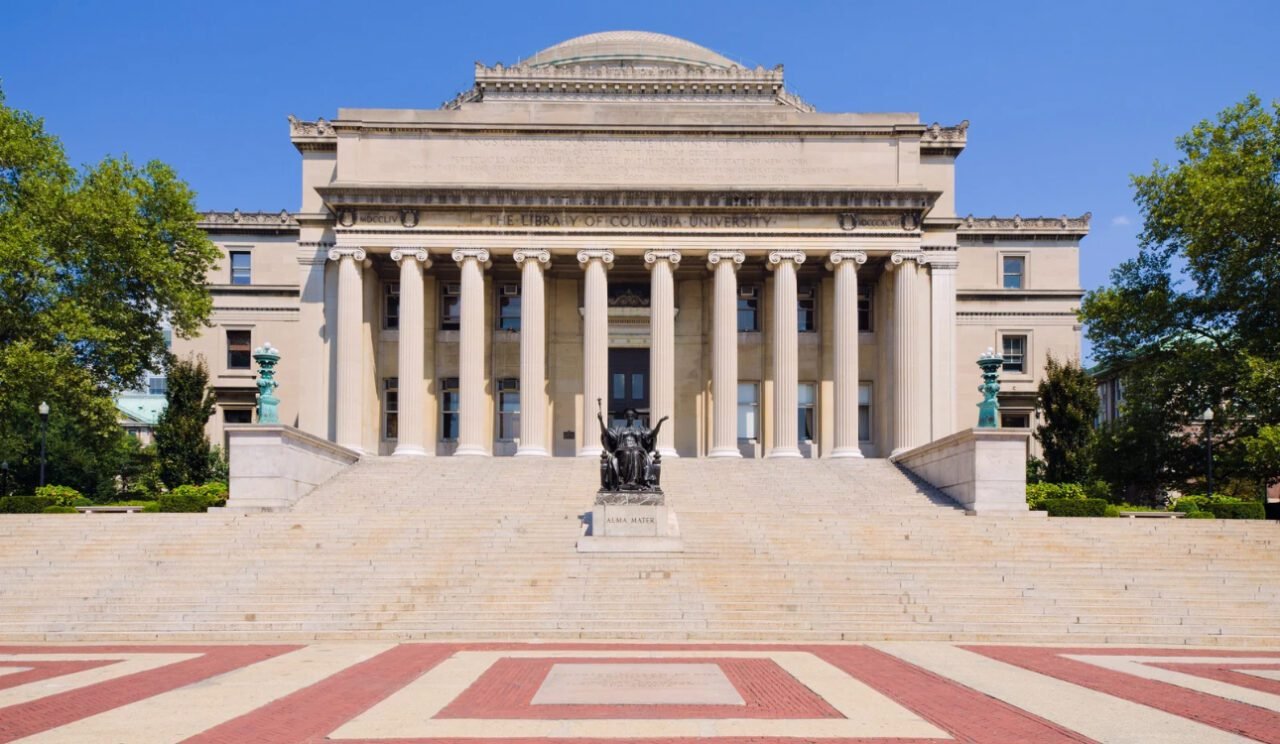
Columbia University has agreed to implement a series of policy changes, including a ban on face masks during protests, in response to demands from the Trump administration. The decision comes as part of efforts to restore $400 million in federal funding that was previously revoked over allegations of campus antisemitism. Key Changes at Columbia University Mask Ban During Protests: Protesters will no longer be allowed to wear face masks on campus, except for health or religious reasons. Departmental Oversight: The Middle East, South Asian, and African Studies departments will now be overseen by a newly appointed senior vice provost instead of faculty members. Increased Security Measures: Columbia has hired more public safety personnel with the authority to make arrests on campus. Redefining Antisemitism: The university has agreed to adopt a broader definition of antisemitism and expand its Institute for Israel and Jewish Studies to promote intellectual diversity. Background The Trump administration withdrew federal funding from Columbia, accusing the university of failing to protect Jewish students from alleged antisemitism during pro-Palestinian protests against Israel’s military actions in Gaza. The administration argued that the protests created a hostile environment, while students involved in the demonstrations have denied the accusations, stating they were exercising their right to free speech. Reactions to the Decision The university’s compliance with federal demands has sparked mixed reactions. Critics argue that the policies, especially the mask ban and increased government oversight of academic departments, threaten free speech and institutional autonomy. Others, including some university officials, believe these steps are necessary to address concerns over campus safety and antisemitism. The decision underscores the ongoing tension between academic institutions and government influence, as universities navigate the complexities of free expression, campus security, and federal funding.

Untitled-design-1-1280x744.jpeg

2min5960
The Socio-Economic Rights and Accountability Project (SERAP) has filed a lawsuit against President Bola Tinubu, challenging the suspension of Rivers State Governor Siminalayi Fubara, his deputy, and all members of the state’s House of Assembly. The lawsuit, filed by members of SERAP’s Volunteers’ Lawyers Network in Rivers State, argues that the suspension violates the Nigerian Constitution and undermines democratic principles. SERAP is seeking a court order to overturn the decision, emphasizing that governance should be guided by the rule of law rather than political interference. This legal action follows President Tinubu’s declaration of a state of emergency in Rivers State on March 18, 2025, citing political instability and governance paralysis. As part of the emergency measures, the president appointed former Chief of Naval Staff, Vice Admiral Ibok-Ete Ibas (rtd), as the sole administrator of the state. SERAP maintains that the federal government’s actions infringe on constitutional rights and Nigeria’s international obligations to uphold democracy. The case raises concerns over the balance of power between federal and state governments and the potential impact on democratic institutions in Nigeria. More details on the case are expected as the legal proceedings unfold

diploma-1280x744.jpg

4min5350
Imagine a world where your hard-earned qualifications can’t be faked, lost, or questioned. Sounds like a dream, right? Well, that dream is edging closer to reality, thanks to blockchain technology. We’re talking about a revolution in how we verify educational achievements, and it’s set to change the game. Let’s face it: the traditional way we handle credentials is a bit of a mess. Paper diplomas get lost, verifying them takes forever, and sadly, fraud is rampant. Fake degrees and certificates are a growing problem, costing businesses and individuals time, money, and trust. It’s a system ripe for disruption. Enter blockchain – the technology that’s also powering cryptocurrencies, but with a much wider reach. Think of it as a digital ledger, but one that’s virtually impossible to tamper with. When an educational institution issues a credential on a blockchain, it’s like engraving it in digital stone. No one can change it, not even the institution itself. Why is this a big deal? For starters, it slashes fraud. Imagine employers instantly verifying a candidate’s qualifications with a few clicks, knowing they’re looking at the real deal. For students, it means having a secure, portable record of their achievements, accessible anytime, anywhere. The benefits don’t stop there. Blockchain credentials are: Immutable: They can’t be altered, ensuring their authenticity. Decentralized: No central authority controls them, reducing the risk of manipulation. Transparent: Everyone with permission can see the record, building trust. Learner-Controlled: You decide who sees your credentials, putting you in charge. We are already seeing this in action. Universities are issuing digital diplomas on the blockchain, and companies are using it for micro-credentials and skills badges. This means you can prove you’ve mastered specific skills with verifiable digital badges, enhancing your employability. Think about lifelong learning. A blockchain record could track your educational journey from school to professional development, creating a comprehensive, verifiable portfolio. This is especially useful in an ever changing job market, where skills are constantly evolving. Of course, there are challenges. We need to ensure data privacy and create industry standards so these credentials can be universally recognized. And we need to make sure everyone can access this technology, regardless of their background. But the potential is undeniable. Blockchain is more than just a buzzword. It’s a powerful tool that can bring trust, efficiency, and transparency to education verification. It’s about giving learners control and assuring employers that the credentials they see are legitimate. The future of credentials is digital, verifiable, and secure. And it’s being built on the blockchain. Are you ready for it?

nafdac-1280x744.jpg

2min4000
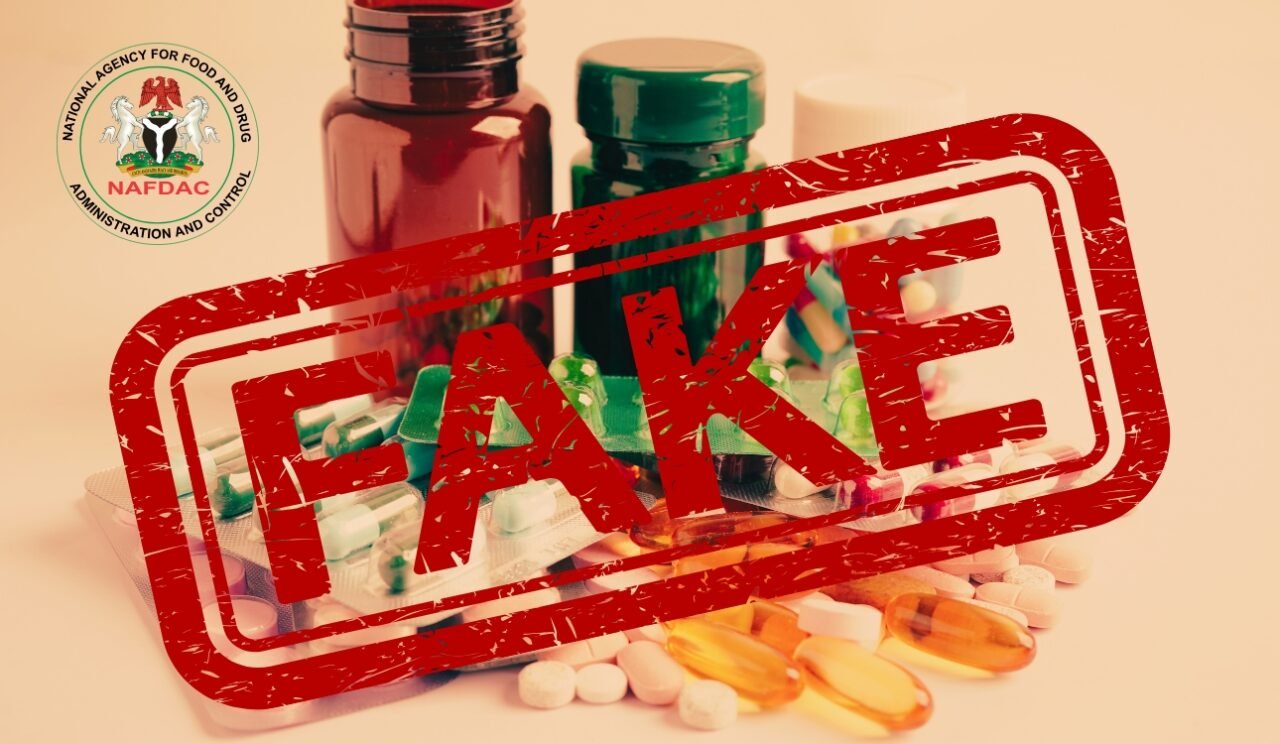
The National Agency for Food and Drug Administration and Control (NAFDAC) has destroyed counterfeit and substandard pharmaceutical products worth over N1 trillion in Anambra State. The operation, which took place in Onitsha, is part of NAFDAC’s ongoing efforts to combat the distribution of fake drugs in Nigeria. According to NAFDAC, the seized products included falsified antiretroviral drugs, antibiotics, and unregistered medications. The agency confirmed that many of the items were found at the Ogbo-Ogwu Bridge Head Market, a major pharmaceutical hub. Over 10 trucks loaded with fake and expired drugs were confiscated before being publicly destroyed. NAFDAC’s Director-General, Prof. Mojisola Adeyeye, emphasized the health risks associated with counterfeit drugs, noting that they contribute to treatment failures, drug resistance, and preventable deaths. She called for stricter penalties, including life imprisonment or the death sentence, for individuals involved in the production and distribution of fake drugs. The agency reaffirmed its commitment to ensuring the safety of Nigeria’s pharmaceutical supply by intensifying enforcement operations, collaborating with law enforcement agencies, and raising public awareness about the dangers of counterfeit drugs.

UK-Government-to-Take-Final-Say-on-Large-Onshore-Wind-Farm-Approvals-1280x744.jpg

2min13090
The Polish government has approved new legislation aimed at liberalizing regulations for onshore wind farms, a move expected to accelerate the country’s shift toward renewable energy. The decision marks a significant change to previous restrictions, which severely limited wind farm development. Under the revised law, local authorities will have greater flexibility in setting the minimum distance between wind turbines and residential buildings. The former rule, known as the “10H rule,” required turbines to be located at least ten times their height away from homes, effectively restricting wind energy expansion. The updated legislation reduces this requirement, with an absolute minimum of 500 meters, allowing for more land to be used for wind power projects. Government officials say the reform will increase Poland’s wind energy capacity, supporting its long-term goal of achieving energy security and meeting European Union climate targets. The expansion of wind energy is also expected to attract investment from companies seeking access to renewable power, boosting economic growth and job creation. The move aligns with the EU’s “Fit for 55” climate plan, which aims to cut greenhouse gas emissions by 55% by 2030. By expanding its renewable energy production, Poland hopes to reduce its dependence on imported fossil fuels while strengthening its commitment to sustainability. Industry experts have welcomed the decision, calling it a crucial step toward modernizing Poland’s energy sector. The new regulations are expected to facilitate large-scale wind energy investments, positioning Poland as a key player in the European renewable energy market.

solar-1280x745.jpg

2min12840
The UK government has announced a £180 million investment to install solar panels in schools and hospitals as part of its push for renewable energy adoption. This initiative is the first major project under the newly established state-owned energy company, Great British Energy (GB Energy). Under the plan, hundreds of schools and hospitals across the country will receive funding to install solar panels, aiming to cut energy costs and support the UK’s transition to clean energy. The investment is expected to generate significant savings for public institutions, allowing them to allocate more resources toward education and healthcare services. Energy Secretary Ed Miliband emphasized that the initiative would help reduce reliance on fossil fuels while making essential services more sustainable and cost-efficient. Juergen Maier, Chair of GB Energy, described the project as a key step in the government’s strategy to scale up homegrown renewable energy solutions. In addition to the solar panel installations, the government is also providing funding to local authorities and community energy projects, further supporting the UK’s clean energy transition. This investment aligns with the country’s broader goal of achieving net-zero emissions while ensuring long-term financial savings for public institutions.

1-1-1280x744.jpg

1min8190
Following the case of Senator Natasha. The Federal High Court in Lokoja has issued an interim order restraining the Independent National Electoral Commission (INEC) from accepting or acting on any petition seeking to recall Senator Natasha Akpoti-Uduaghan, the representative of Kogi Central Senatorial District. The ruling was delivered following an ex-parte motion filed by five registered voters from the district, led by Anebe Jacob Ogirima. The plaintiffs argued that the recall petition contained fraudulent signatures and lacked legitimacy. The court agreed to put a hold on any action by INEC until a full hearing on the matter is conducted. The case has been adjourned until May 6, 2025, for further proceedings. Meanwhile, supporters of Senator Akpoti-Uduaghan have welcomed the ruling, describing it as a victory against political manipulation. INEC has yet to release an official statement on the matter.

Untitled-design-4-1-1280x744.jpg

2min6160
Finland has once again been ranked as the world’s happiest country, securing the top spot in the UN-sponsored World Happiness Report for the eighth consecutive year. Experts attribute Finland’s high ranking to factors such as strong social welfare policies, access to nature, and a high level of trust within communities. The Nordic nation outperformed three of its regional neighbors, which also ranked among the top countries. Meanwhile, Costa Rica and Mexico made their debut in the top 10, marking a significant shift in global happiness trends. The United States dropped to 24th place, its lowest position ever in the ranking. Analysts suggest that rising social isolation, including an increasing number of people dining alone, may have contributed to the decline in happiness levels. The report also highlights a “benevolence bump”—a rise in acts of kindness and generosity that began during the COVID-19 pandemic and has remained 10% higher than pre-pandemic levels. This underscores the importance of social connections and supportive communities in overall well-being. As global happiness trends evolve, the report emphasizes that factors such as social trust, strong community ties, and well-being policies play a crucial role in determining a nation’s happiness ranking.

Untitled-design-3-1-1280x744.jpg

2min3940
The European Medicines Agency (EMA) has approved the use of AIM-NASH, an artificial intelligence (AI) tool, in clinical trials to assess the severity of metabolic dysfunction-associated steatohepatitis (MASH), a severe form of fatty liver disease. Developed using machine learning, AIM-NASH was trained on over 100,000 biopsy annotations from 59 pathologists, analyzing more than 5,000 liver samples from nine clinical trials. The AI tool is designed to provide consistent and reliable evaluations, reducing variability compared to traditional assessments that rely on multiple pathologists. With this approval, researchers expect AIM-NASH to improve data accuracy in evaluating new treatments for MASH. Currently, Madrigal Pharmaceuticals’ Rezdiffra is the only U.S.-approved medication for the disease, while Novo Nordisk and Eli Lilly are conducting trials to develop additional treatment options. The integration of AI into medical research marks a significant step forward, enhancing diagnostic precision and accelerating drug development for complex liver diseases.