Author: Edupreneur Editorial Team

CS-1280x744.jpg

2min10290
The U.S. Export-Import Bank (EXIM) has approved a nearly $5 billion loan to support the long-delayed Mozambique Liquefied Natural Gas (LNG) project led by French oil major TotalEnergies. This approval marks a crucial step in reviving the $20 billion project, which has been on hold since 2021 due to security concerns in the Cabo Delgado region. Initially approved during the Trump administration, the loan required re-approval after construction was halted following violent insurgent attacks. TotalEnergies CEO Patrick Pouyanné had anticipated this decision and expects further backing from UK and Dutch export credit agencies in the coming months. The Mozambique LNG project, in which TotalEnergies holds a 26.5% operating stake, is expected to transform the country into a significant LNG producer. However, progress was disrupted due to militant attacks linked to Islamic State-affiliated insurgents. Improved security conditions have led to efforts to restart construction, including renegotiations with contractors. Despite this development, environmental and human rights organizations have expressed concerns over the project’s security risks, environmental impact, and economic feasibility. With the approval of this funding, Mozambique is now one step closer to resuming its ambitions of becoming a major player in the global LNG market.

pill-1280x744.jpg

3min10560
The National Institute for Health and Care Excellence (NICE) has approved the first daily oral treatment for endometriosis on the NHS in England. The medication, known as Ryeqo (relugolix-estradiol-norethisterone acetate), will be available for patients who have exhausted all other treatment options. Endometriosis is a chronic condition affecting around 1.5 million women in the UK. It occurs when tissue similar to the womb lining grows in other areas of the body, leading to severe pain, heavy menstrual bleeding, fatigue, and fertility challenges. Ryeqo works by suppressing the hormones that contribute to endometriosis symptoms while including hormone replacement to manage potential side effects. Unlike injectable treatments, this once-daily tablet offers a more convenient option, allowing patients to take control of their condition without frequent medical visits. Helen Knight, director of medicines evaluation at NICE, described the approval as a significant step in managing endometriosis. She emphasized that the treatment provides patients with an alternative that is both effective and manageable, particularly for those considering pregnancy or seeking to minimize side effects. The list price of Ryeqo for a 28-day supply is set at £72 (excluding VAT). The approval follows additional evidence provided by the manufacturer, Gedeon Richter, addressing concerns about the drug’s long-term effectiveness and cost efficiency. Despite the breakthrough, access to the medication will be limited, as only around 1,000 women per year in England are expected to qualify under the current guidelines. Endometriosis UK welcomed the new treatment but highlighted the need for broader options to support the many women still struggling with the condition. The approval of Ryeqo represents a major advancement in endometriosis care, offering patients a new option where previous treatments have failed. However, campaigners continue to call for further investment in research and wider treatment accessibility for those affected by the condition.

marburg-1280x744.jpg

2min9070
The World Health Organization (WHO) has confirmed Tanzania’s declaration of the end of the Marburg virus outbreak, attributing the successful containment to swift and coordinated efforts between national health authorities and international partners. The outbreak, which was initially reported in January 2025, affected the Kagera region in northwestern Tanzania. A total of ten cases (two confirmed and eight classified as probable) were recorded, all of whom succumbed to the virus. After 42 consecutive days without new cases since the last confirmed patient, the outbreak has been officially declared over, following WHO protocols. In response to the outbreak, Tanzania’s Ministry of Health, in collaboration with WHO and other partners, quickly implemented containment measures. These included strengthening surveillance, enhancing laboratory testing, and training over 1,000 healthcare workers in case management, contact tracing, and risk communication. Additionally, more than five tonnes of medical supplies were distributed to affected areas. WHO Representative in Tanzania, Dr. Charles Sagoe-Moses, commended the rapid response, emphasizing the crucial role of health workers and local authorities in preventing further spread. He also highlighted the need for continued vigilance and psychosocial support for families affected by the outbreak. Marburg virus disease, a severe and highly fatal hemorrhagic fever, belongs to the same virus family as Ebola. Symptoms often start suddenly with high fever, intense headaches, and severe fatigue, progressing to internal and external bleeding in severe cases. The virus is transmitted through contact with bodily fluids of infected individuals or animals, particularly bats and non-human primates. With Tanzania successfully containing the outbreak, health authorities and international organizations continue to monitor the situation to prevent future occurrences. WHO has reaffirmed its commitment to supporting countries in strengthening disease surveillance and response systems to combat infectious diseases effectively.

Untitled-design-1280x744.jpg

3min11300
U.S. President Donald Trump has warned of imposing a 200% tariff on wine, champagne, and other alcoholic beverages imported from France and the European Union (EU). The move is in retaliation for the EU’s recent decision to increase tariffs on American whiskey, escalating tensions in an ongoing trade dispute. Trump, in a statement posted on his social media platform Truth Social, criticized the EU’s tariff policies, calling the bloc “one of the most aggressive and unfair trade manipulators.” He demanded the immediate removal of the whiskey tariff, warning that failure to do so would prompt harsh U.S. countermeasures. The European Union had previously announced plans to levy a 50% tariff on whiskey from the United States. This decision was part of a broader response to American trade policies, including the Biden administration’s continued enforcement of tariffs on European steel and aluminum. European Commission President Ursula von der Leyen defended the EU’s stance, describing the measures as necessary to protect European industries. Industry groups, including the Distilled Spirits Council of the United States, have raised concerns about the escalating trade war, cautioning that retaliatory tariffs could disrupt businesses on both sides of the Atlantic. They have urged both the U.S. and EU to seek a diplomatic resolution to avoid further economic strain. As tensions rise, American consumers and European exporters brace for potential price hikes and supply chain disruptions. Trade analysts warn that prolonged disputes could have lasting effects on international commerce, with businesses closely monitoring developments.

SPOTIFY-1280x744.jpg

2min10680
Spotify has announced that it paid out over $10 billion in royalties to artists, labels, and rights holders in 2024, making it the highest annual payout in the company’s history. This milestone brings the streaming giant’s total royalty payments to approximately $60 billion since its inception. According to Spotify’s latest financial disclosures, nearly 1,500 artists earned over $1 million in royalties from the platform last year. The company emphasized that streaming services like Spotify have significantly contributed to the music industry’s revenue growth, with more artists earning substantial payouts than ever before. Despite the record-breaking royalties, concerns about fair compensation in the streaming industry persist. Critics argue that while top artists benefit from the platform, a vast majority of musicians struggle with low per-stream earnings. Many artists have long called for better distribution models to ensure fairer compensation. Spotify also introduced a new royalty model in 2024 aimed at tackling fraudulent streaming practices. Under this new system, tracks must accumulate at least 1,000 plays within 12 months to be eligible for royalty payments. The move is intended to prevent manipulation and ensure legitimate content creators receive their fair share. With a user base of over 500 million and ambitions to double that figure, Spotify continues to push for broader adoption of music streaming worldwide. The company asserts that its model has helped normalize paying for music, leading to a more sustainable industry. While the $10 billion payout highlights Spotify’s role in shaping the modern music business, debates over artist compensation and the fairness of streaming royalties are expected to continue.

school-1280x744.jpg

2min9840
Edo State Polytechnic, Usen, has announced the suspension of its policy requiring students to present proof of tuition fee payment before sitting for examinations. This exemption applies to students applying for financial aid through the Nigeria Education Loan Fund (NELFUND). The institution’s Rector, Sylvester Omoruyi, made the announcement during a sensitization program held at the polytechnic’s main campus. He assured students that those registered on the NELFUND portal would no longer need to provide payment receipts to participate in their examinations. Omoruyi expressed appreciation for President Bola Tinubu’s initiative in launching the student loan scheme and acknowledged the support of the Edo State government in facilitating access to education. He also commended NELFUND’s efforts in alleviating financial pressures on students by covering tuition costs and providing maintenance allowances. However, NELFUND’s Managing Director and Chief Executive Officer, Akintunde Sawyerr, revealed that Edo Polytechnic had not yet submitted the necessary student data required for official registration under the loan program. He urged the institution to take advantage of the upcoming 2024/2025 academic session enrollment window to ensure mass participation. Dr. Paddy Iyamu, Edo State’s Commissioner for Education, reiterated the government’s dedication to supporting the implementation of NELFUND, emphasizing that the initiative would enable more students to complete their education without financial difficulties. Students of the polytechnic have welcomed the decision, expressing optimism that the loan program will ease their financial burdens and allow them to focus on their studies. Photo Credit: By Preciousayara – Own work, CC BY-SA 4.0, Wikimedia Commons.

jigawa-1280x744.jpg

2min3890
A violent communal clash between residents of Gidan Na Ruwa Fulani Settlement and Zangon Maje Village in Taura Local Government Area of Jigawa State has resulted in significant destruction, with 24 thatched houses and 16 local granaries set on fire. According to reports, the conflict erupted after two individuals from Zangon Maje, identified as 20-year-old Musa Hussaini and 26-year-old Shanu Sule were allegedly attacked, and their motorcycle was taken. In retaliation, a group from the village launched an attack on Gidan Na Ruwa late at night, forcing many residents to flee while their homes and food storage structures were set ablaze. Authorities swiftly responded to the violence. The Divisional Police Officer in Taura, along with his team, arrived at the scene but found extensive damage already done. Five suspects have been arrested in connection with the incident, and investigations are ongoing. To prevent further escalation, the Jigawa State Police Command has increased security patrols in the affected area. The Area Commander of Ringim is also working with local leaders to mediate and restore peace. Law enforcement officials have urged community members to avoid retaliatory actions and seek legal avenues to address disputes. This incident highlights the ongoing challenges of communal tensions in the region and the urgent need for conflict resolution efforts to ensure lasting peace.

Untitled-design.zip-14-1280x744.jpeg

2min6550
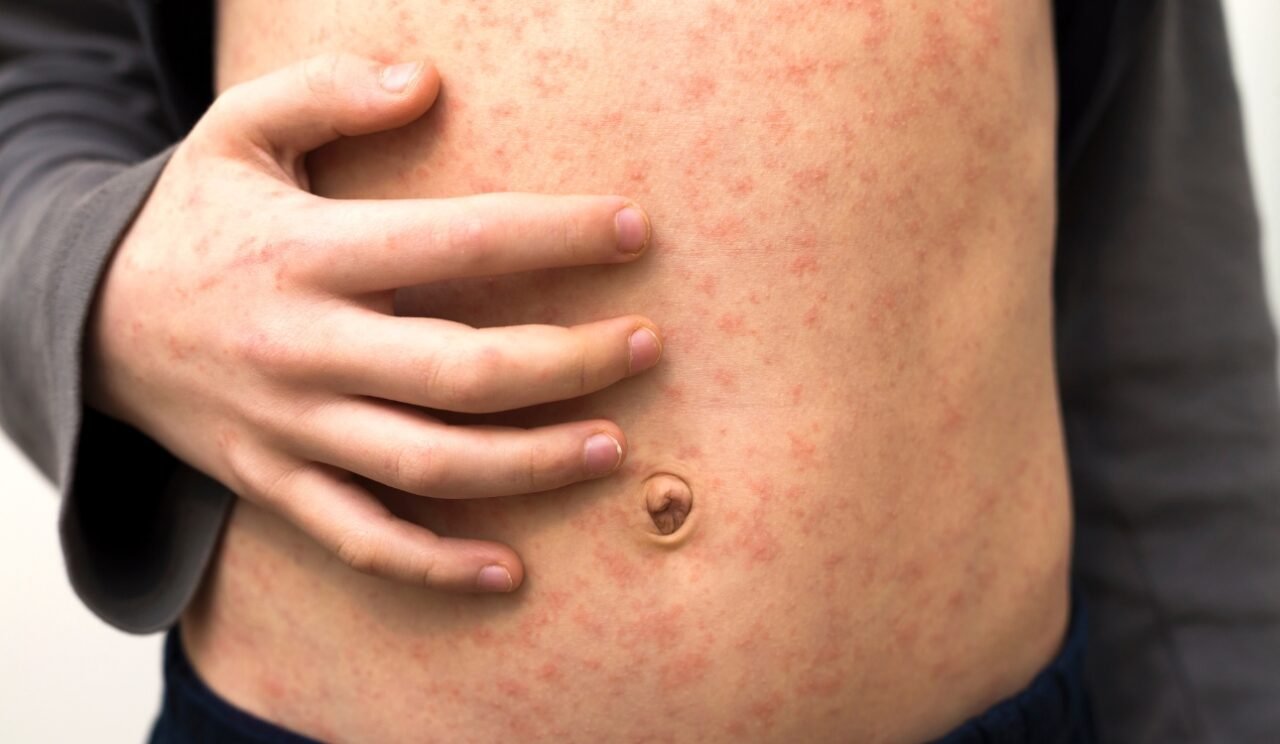
The measles outbreak in Texas and New Mexico continues to worsen, with health officials confirming 256 cases as of March 12, 2025. Texas has reported 223 cases, while New Mexico has recorded 33. This marks an increase of 28 infections in just five days. The outbreak has led to two fatalities,one child in Texas and one adult in New Mexico, raising concerns among health authorities. The majority of those infected are unvaccinated individuals, primarily children and teenagers. Gaines County, Texas, remains the hardest-hit area, accounting for about 70% of the state’s total cases, with 156 infections. Health officials warn that measles, a highly contagious airborne virus, can linger in the air for up to two hours after an infected person coughs or sneezes. Symptoms typically appear 10 to 14 days after exposure and include fever, cough, runny nose, red eyes, and a distinct rash. Medical experts stress that vaccination is the most effective defense against the virus. The MMR vaccine, which protects against measles, mumps, and rubella, is 93-97% effective when administered in two doses. Amid the outbreak, some communities have reported a rise in vaccination rates as concerned parents take preventive action. Public health officials are working to contain the spread by increasing awareness, promoting vaccinations, and monitoring potential new cases. The outbreak has already been linked to infections in neighboring states, including Oklahoma. Authorities urge residents in affected areas to check their vaccination status and seek medical attention if they develop symptoms.  

32-1280x744.jpg

7min16870
In just one week, Lagos has seen a spike in diphtheria cases while the northern region faces an alarming rise in meningitis. With children being more susceptible to these infections, it’s crucial for schools to take immediate action. This article breaks down what these diseases are and offers practical tips for creating a healthier environment in our schools. Understanding the Threat Diphtheria is a bacterial infection that primarily affects the throat and nose. It often starts with a sore throat, fever, and swollen glands. In severe cases, diphtheria can lead to breathing difficulties and heart problems. The bacteria spread easily through respiratory droplets, when someone coughs or sneezes, nearby individuals can inhale these droplets and become infected.   Meningitis is an inflammation of the membranes surrounding the brain and spinal cord. Its symptoms include a sudden high fever, severe headache, and neck stiffness. Like diphtheria, meningitis can spread through close contact with infected individuals, particularly when they cough or sneeze. With these illnesses on the rise, schools must be vigilant in protecting students, teachers, and staff from potential outbreaks. Why Schools Must Act Now Children are naturally curious and active, often finding themselves in close contact during classes, lunch breaks, or playground activities. This closeness can make schools a hotspot for the rapid spread of infections. As educators and parents, we have a shared responsibility to safeguard our children’s health. Implementing strong hygiene practices not only reduces the risk of diphtheria and meningitis but also sets a foundation for lifelong healthy habits. Practical Steps to Boost School Hygiene Prioritize Vaccinations: Ensure that every student and staff member is up-to-date with their vaccinations. Immunizations remain one of the best defenses against diphtheria and meningitis. Schools can collaborate with local health authorities to organize vaccination drives and health check-ups. Reinforce Handwashing Habits: Encourage students to wash their hands thoroughly with soap and water several times a day, especially before meals, after using the restroom, and following any outdoor activities. Regular hand washing significantly reduces the risk of infection. Maintain a Clean Environment: Frequent cleaning of classrooms and common areas is essential. Disinfect high-touch surfaces such as desks, door handles, and computer keyboards at least once a day. A clean school environment can halt the spread of germs before they take hold. Practice Respiratory Etiquette: Teach children to cover their mouths and noses with a tissue or their elbow when they cough or sneeze. Make sure tissues are disposed of immediately and that hands are washed afterward. This small habit goes a long way in preventing germs from spreading. Improve Ventilation: Good airflow in classrooms and hallways helps disperse germs, reducing the likelihood of airborne transmission. If possible, open windows or ensure that the school’s ventilation system is working efficiently. Educate and Engage: Organize simple, engaging sessions where teachers explain the importance of hygiene and how infections spread. Using fun posters, interactive activities, or even short skits can help children understand why these practices are so important. A Call to Action The rising cases of diphtheria in Lagos and meningitis in the north are not just statistics—they represent real risks to our children’s health. Schools are the heart of our communities, and by taking these preventive steps, they can become safe havens where children learn and thrive without the constant worry of disease. Let’s join hands: teachers, parents, and community leaders, to ensure our schools remain safe, healthy, and inspiring places for our children to grow. Now is the time to act, educate, and empower our future leaders with the knowledge and habits that will protect them for a lifetime.   Want to Learn More? Diphtheria, once nearly eradicated, is making a worrying comeback globally. Experts warn that emerging variants and gaps in immunization efforts are fueling its resurgence. To understand more about this disease, its history, and the challenges in controlling it, read this in-depth analysis: Diphtheria: A Re-emerging Major Global Threat,  SCIENCE DIRECT  

throat-infection-1280x744.jpg

2min3940
A severe throat infection outbreak at King’s College Lagos has led to the death of a 12-year-old student, with several others hospitalized, prompting health authorities to intervene. According to reports, the deceased student first showed symptoms of a sore throat and fever on February 22 and was taken to the school’s clinic before being transferred to Lagos University Teaching Hospital (LUTH). Despite receiving treatment, including antibiotics and diphtheria antitoxin, the student developed complications and passed away on March 6. Following the tragic incident, at least 14 other students showing similar symptoms have been admitted to LUTH for further medical attention. The Lagos State Government has since launched an emergency response to curb the spread of the infection. Health officials have identified diphtheria as the likely cause of the outbreak and have commenced a vaccination campaign at the school. Parents have been urged to ensure their children receive the vaccine to prevent further cases. Meanwhile, some concerned parents have criticized the school’s hygiene conditions, pointing to issues such as unclean toilets, poor waste disposal, and inadequate sanitation as possible contributors to the outbreak. The Lagos State Commissioner for Health, Prof. Akin Abayomi, has assured the public that the government is closely monitoring the situation and taking necessary steps to prevent further casualties. Diphtheria is a highly contagious bacterial infection that affects the throat and respiratory system, potentially leading to serious complications. Health authorities advise anyone experiencing symptoms such as a sore throat, fever, or difficulty breathing to seek medical care immediately.