
Author: Edupreneur Editorial Team

1-1-1280x744.jpg

3min6740
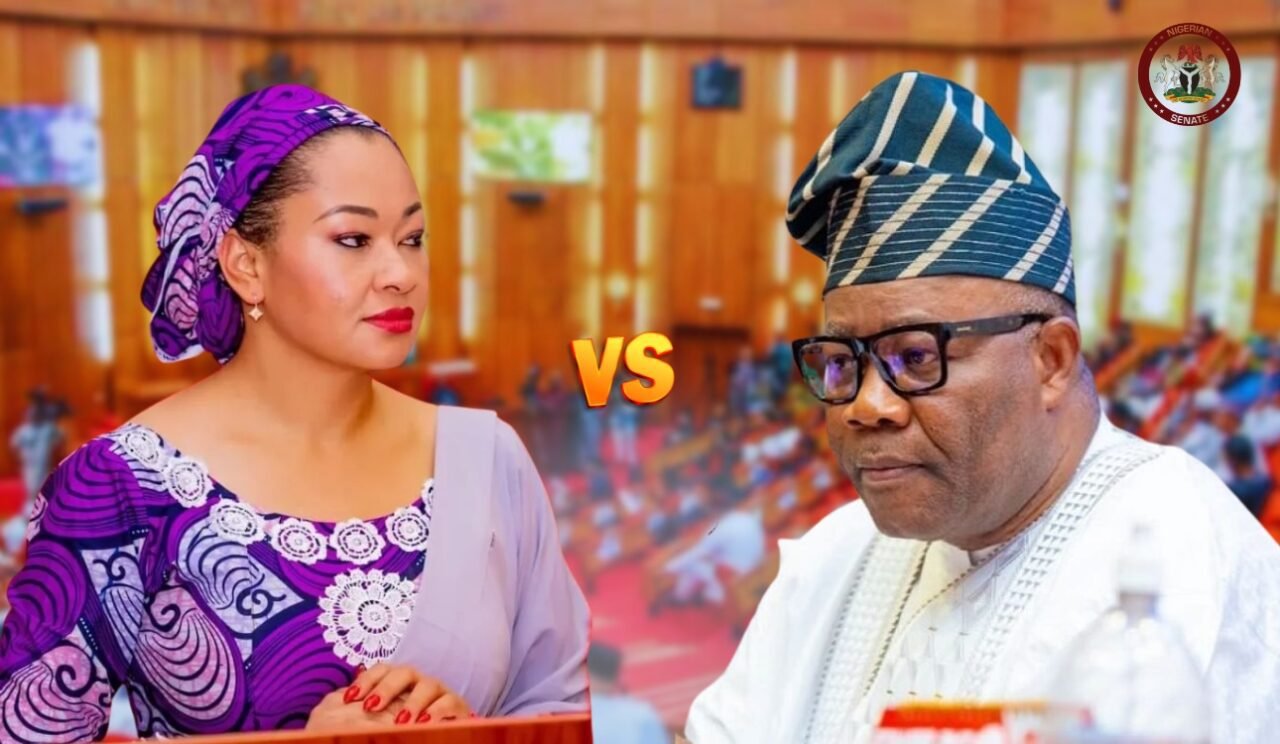
In a rapidly developing Senate saga, the Socio-Economic Rights and Accountability Project (SERAP) has intensified its call for the immediate reinstatement of Senator Natasha Akpoti-Uduaghan. According to SERAP, her six-month suspension imposed on March 6, 2025, by Senate President Godswill Akpabio is “patently unlawful” and based solely on her exercising her constitutionally and internationally protected right to freedom of expression. Key Developments: 48-Hour Ultimatum: SERAP has warned that if the Senate President does not reverse the suspension within 48 hours, the organization is prepared to pursue legal action. SERAP contends that the disciplinary measure was a direct response to the senator’s peaceful expression and does not justify punitive action. Senate Justification: Meanwhile, Senate authorities maintain that the suspension was triggered by alleged violations of parliamentary procedures, insisting that the action was necessary to uphold decorum during sessions. Calls for Mediation: Adding to the mix, Minister of Women Affairs and Social Welfare Imaan Sulaiman-Ibrahim has expressed concern over the matter. The minister has pledged to engage with Senate leadership in efforts to resolve the dispute and restore stability in legislative proceedings. What’s Next: The situation remains fluid as political stakeholders and civil society groups closely monitor the unfolding events. With mounting pressure from SERAP and supportive voices from various quarters, the coming hours are critical for Senate leadership to decide whether to uphold or reverse the suspension. The outcome could set a significant precedent for how free speech is balanced against parliamentary discipline in Nigeria’s legislative processes. As this story develops, further updates are expected on whether legal action will be initiated and how Senate leadership will respond to the demands for reinstatement.


Untitled-design.zip-19-1280x744.jpeg

2min7640
The U.S. State Department announced on Sunday that non-emergency government personnel must exit South Sudan immediately due to a sharp uptick in violence and instability across the country. This decision follows a violent incident in the Upper Nile region, where a United Nations helicopter on an evacuation mission for government troops was attacked. The assault resulted in the death of one crew member and injuries to two others, underscoring the heightened security risks facing both international and local personnel. South Sudan has been grappling with renewed conflict that threatens the fragile peace established by the 2018 agreement between President Salva Kiir and former Vice President Riek Machar. According to local officials, the recent violence has also claimed the lives of several soldiers, including a commanding officer, further destabilizing the region. The U.S. move is part of a broader effort to protect its staff in volatile environments while critical operations continue with a skeleton crew. As the situation deteriorates, the State Department remains alert and ready to adjust its presence if conditions worsen further. This development not only reflects the unpredictable security landscape in South Sudan but also raises concerns about the broader impact on international efforts to maintain stability in the region.

Untitled-design-1280x744.jpeg

3min7640
The Trump administration has revoked $400 million in federal funding from Columbia University, accusing the institution of not doing enough to combat antisemitism on campus. The decision, which affects a broad range of federal grants and contracts, comes amid mounting criticism from Jewish student groups and federal watchdogs over the handling of hate incidents. Federal officials claim that Columbia has repeatedly failed to protect its Jewish students from persistent harassment and hate speech. In a strong statement, the administration said that inaction on these serious issues leaves no choice but to pull federal support. This move underscores a strict new stance on campus safety and signals that institutions neglecting such responsibilities may face similar consequences. In response, Columbia University expressed its commitment to fighting hate and fostering an inclusive environment. University representatives stated that they are reviewing the funding decision and are determined to bolster efforts to address antisemitic behavior on campus. They emphasized that numerous initiatives are already in place to support student safety and promote tolerance, and they remain open to dialogue with federal authorities. The funding withdrawal is seen as setting an important precedent for federal oversight in higher education. Proponents argue that it sends a clear message: institutions must actively address hate and discrimination, or they risk losing critical financial support. However, critics worry that this approach could politicize academic policies and potentially undermine academic freedom, especially for universities that are striving to tackle hate crimes. As the fallout continues, observers in the academic community are watching closely to gauge the broader impact of this decision. The outcome may not only reshape policies at Columbia but could also influence how campuses across the country manage issues of discrimination and hate, sparking a national debate on the balance between federal oversight and institutional autonomy.

Untitled-design-16-1280x744.jpeg

1min10650
After years of debate, students in Thailand now have the freedom to choose their hairstyles, following a court decision that overturned a long-standing rule. The Supreme Administrative Court recently struck down a 1975 directive that required students to keep their hair short, calling it unconstitutional. The ruling comes after a petition filed in 2020 by 23 students who challenged the strict regulations. For decades, male students were required to keep their hair cropped short, while female students could only have shoulder-length hair. Those who disobeyed often faced disciplinary action, including public humiliation. The decision is being hailed as a step forward for personal rights in Thailand’s education. Following the court’s ruling, the Ministry of Education has handed over the responsibility of setting hairstyle rules to individual schools. Some schools are allowing parents to participate in policy discussions, while others are consulting teachers and student committees to create new guidelines.

Untitled-design.zip-14-1280x744.jpeg

3min3730
A measles outbreak sweeping through Texas and New Mexico has led to the deaths of two people and infected more than 200, prompting health officials to issue urgent warnings. The Centers for Disease Control and Prevention (CDC) is urging residents to check their vaccination status as the virus continues to spread. Rising Cases and Locations Affected Since January, Texas has recorded 198 cases, with most infections concentrated in the South Plains region. Meanwhile, New Mexico has confirmed 30 cases, particularly in Lea County, which borders Texas. The outbreak has been especially severe among unvaccinated individuals. Tragically, an unvaccinated child in Lubbock, Texas, and an unvaccinated adult in New Mexico have died, the first reported measles deaths in the U.S. in a decade. Vaccination Concerns and Shortages Health officials emphasize that the measles, mumps, and rubella (MMR) vaccine is highly effective and the ibest defense against the virus. However, the surge in demand has led to shortages in some Texas cities, such as Austin, where pharmacies and clinics are struggling to keep up. In response, the CDC has shipped an additional 2,000 vaccine doses to affected areas. Misinformation about vaccine safety continues to be a major challenge, with experts warning that declining vaccination rates put communities at risk of outbreaks like this one. The CDC and state health agencies are working to counter false claims and encourage more people to get vaccinated. Health Officials Take Action The CDC is coordinating efforts with local health departments to contain the outbreak and prevent further spread. Officials stress that measles is highly contagious and can cause severe complications, particularly in young children, pregnant women, and individuals with weakened immune systems. Public health experts warn that if vaccination rates continue to drop, more outbreaks of preventable diseases like measles could occur. They are urging parents to ensure their children receive the MMR vaccine and advising adults to check their immunization records. The Bigger Picture This outbreak highlights the ongoing struggle to maintain high vaccination rates and combat misinformation. Health officials are working to control the situation, but the public’s cooperation is crucial in preventing further cases and saving lives.

Untitled-design-17-1280x744.jpeg

3min6060
China has announced new tariffs on Canadian agricultural and food exports valued at more than $2.6 billion. The decision, revealed on Saturday, comes as a direct countermeasure to the tariffs that Ottawa imposed last October and deepens the ongoing trade dispute; a conflict already strained by U.S. tariff threats under President Donald Trump. Key Measures and Targets Under the new regime, China will levy a 100% duty on over $1 billion worth of products including rapeseed oil, oil cakes, and peas. Additionally, a 25% tariff will be imposed on approximately $1.6 billion in items such as aquatic products and pork. Notably, some significant exports like canola have been left out of the current sanctions, suggesting that Beijing may be keeping negotiation options open. Background of the Dispute The move follows Canada’s earlier tariff measures, which were aimed at addressing what Ottawa described as unfair trade practices by China. In October, Canada targeted several Chinese imports, including electric vehicles, steel, and aluminum as part of its strategy to level the playing field. Beijing’s retaliatory actions now signal a further escalation in a trade war that spans multiple sectors and national interests. Global Implications Economists warn that these fresh tariffs could have a ripple effect across international markets, particularly impacting Canadian farmers and the global food supply chain. As trade tensions continue to mount, with the backdrop of U.S. tariff policies adding complexity the situation remains unpredictable. Experts anticipate that further countermeasures and diplomatic negotiations are likely in the coming months. Looking Ahead With both nations entrenched in a tit-for-tat escalation, the international community is keeping a close eye on the unfolding dispute. The latest tariffs underscore the delicate balance of global trade relations, where protective policies in one country can quickly trigger significant economic repercussions worldwide. Canadian officials have yet to issue a formal response, leaving stakeholders to brace for potential further disruptions in global markets. This development marks another chapter in the widening trade conflict and highlights the challenges of maintaining stable international economic relations in a climate of rising protectionism.

blue-gradient-electronic-sales-promotion-facebook-cover-1280x744.jpg

6min5600
Online tutoring is transforming the way we learn, bringing classrooms directly into our homes. Whether you’re just starting out or looking to upgrade your setup, having the right hardware can make all the difference in delivering engaging, professional, and seamless lessons. Here’s a fun, easy-to-read guide on essential and supplementary hardware to ensure your online tutoring sessions are top-notch! Essential Hardware: The Backbone of Your Digital Classroom Reliable Computer Your computer is your command center. A desktop or laptop with enough processing power helps run video conferencing software, interactive tools, and lesson materials smoothly. It’s the unsung hero that keeps your digital classroom running without a hitch. High-Definition Webcam Clear visuals are key to keeping students engaged. While many laptops come with built-in webcams, an external high-definition webcam boosts the clarity and quality of your video feed, making your sessions feel more personal and professional. Quality Headset with Microphone When it comes to teaching, sound quality is just as important as video. A good headset with an integrated microphone minimizes background noise and ensures that every word is heard clearly. This is especially important for explaining complex concepts where every detail counts. Stable Internet Connection Nothing disrupts a lesson like a lagging connection. Investing in a high-speed, stable internet connection preferably with a wired Ethernet option ensures that your sessions are smooth and uninterrupted. A reliable connection is your best friend in avoiding those dreaded freeze-frames mid-explanation. Interactive Whiteboard Tools While not physical hardware, interactive whiteboards are a must-have tool. They allow you and your students to collaborate in real-time by writing, drawing, and brainstorming ideas on a shared digital canvas. This tool transforms abstract concepts into tangible visual lessons. Supplementary Hardware: Extra Tools to Elevate Your Experience Document Camera Imagine being able to show your handwritten notes or a page from a textbook live to your students. A document camera does exactly that, letting you display physical documents or objects in real-time. It’s like having a mini overhead projector right at your desk. Graphics Tablet For subjects like mathematics, art, or any topic where visual demonstration is key, a graphics tablet can be a game-changer. It lets you write or draw naturally, simulating the experience of a pen and paper but in a digital environment. External Monitor Keeping all your teaching materials, video conferencing windows, and lesson plans in view can be challenging on a single screen. An external monitor gives you the extra real estate needed to manage multiple applications simultaneously, making your tutoring sessions more organized and efficient. Smartpen For the tutor who loves taking notes by hand, smartpens like the Echo Smartpen by Livescribe capture your handwritten notes and sync them with digital audio recordings. This not only helps you keep track of your ideas but also makes it easier to share notes with your students after the session. Investing in the right hardware isn’t just about keeping up with technology, it’s about creating a dynamic, interactive, and engaging learning environment that caters to the needs of your students. Whether you’re streamlining your workflow with an external monitor or enhancing your teaching with a graphics tablet, each piece of hardware plays a vital role in elevating your online tutoring experience. So, gear up, explore these tools, and get ready to transform your digital classroom into an exciting, professional space that inspires learning and fosters success! Looking to get started as an online tutor? Don’t miss our comprehensive guide on where to register as an online tutor. It covers all the top platforms and offers practical tips to help you launch your tutoring career. Check it out here!

222-1280x744.jpg

3min6970
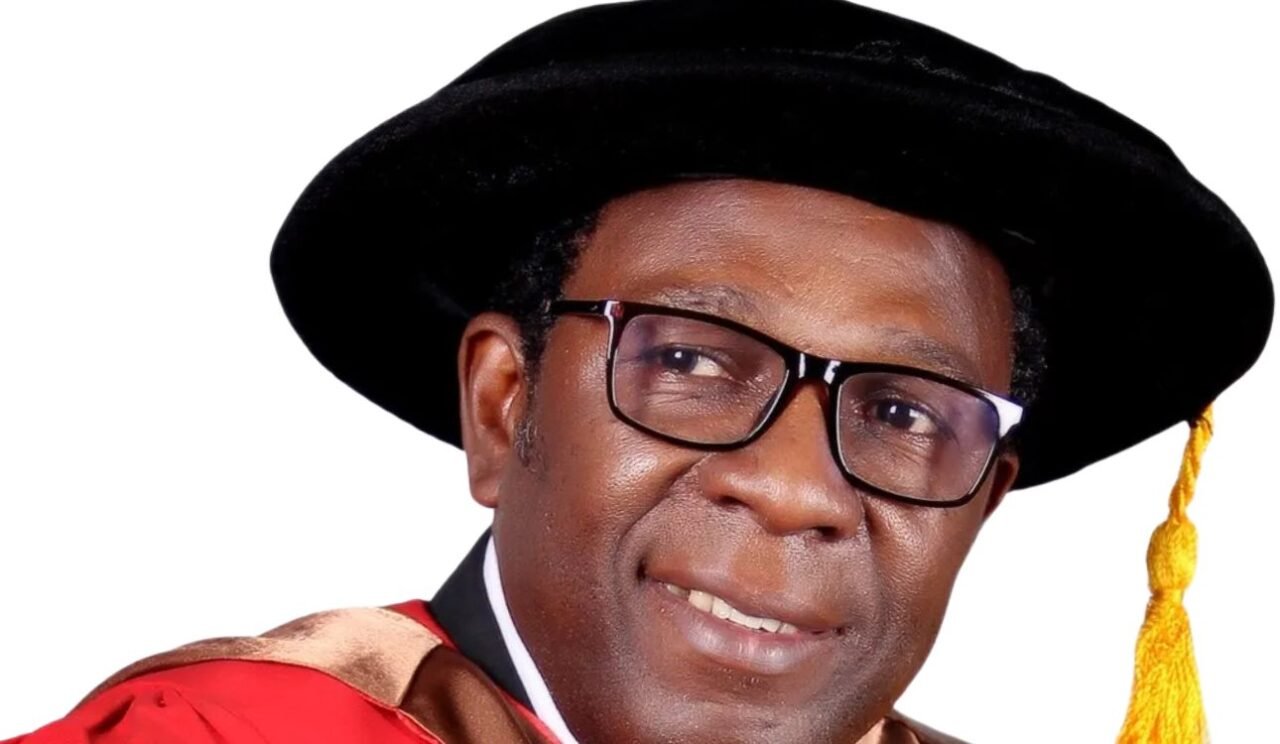
In a surprising turn of events, the Federal Government has reversed its earlier decision regarding the leadership of Admiralty University of Nigeria (ADUN). Initially, the institution had seen the appointment of Professor Lucian Chukwu as the substantive Vice-Chancellor. However, just five days after that announcement, a new statement from the Federal Ministry of Education clarified the error. According to the statement released yesterday by Folasade Boriowo, Director of Press and Public Relations at the Ministry of Education, the government undertook a comprehensive review of the selection process. This review, coupled with subsequent ministerial intervention, led to a decisive conclusion in favor of merit and fairness. The statement clarified: “Following a thorough review of the selection process, subsequent ministerial intervention, and in line with the Federal Government’s commitment to merit and fairness, the ministry confirms that Prof. Ogbogbo is the most eligible candidate for the position of substantive Vice-Chancellor of ADUN.” This announcement effectively nullifies the earlier appointment of Professor Chukwu. The decision underscores the government’s dedication to ensuring that leadership roles within Nigeria’s higher education institutions are filled through transparent and merit-based processes. The reversal has significant implications for Admiralty University. With the confirmation of Professor Ogbogbo as the new Vice-Chancellor, the institution is expected to move forward under leadership that is perceived as more aligned with the principles of fairness and academic excellence. Stakeholders and the university community now look toward a period of stabilization and renewed focus on academic and administrative growth. This development highlights the importance of due process in high-level appointments and serves as a reminder of the Federal Government’s commitment to uphold the integrity of educational governance. Photo credit: Premium times

3-1-1280x744.jpg

3min23550
The World Health Organization (WHO) has announced that it will send much-needed leprosy drugs to Nigeria this weekend. This intervention comes after resolving a series of testing delays that resulted in a year-long shortage, leaving thousands of patients including children without access to the medication essential for preventing debilitating complications. Background on the Crisis Leprosy, a chronic infectious disease that primarily affects the skin, nerves, and eyes, can lead to severe and irreversible disabilities if not treated promptly. In Nigeria, where over 1,000 new cases are reported annually, access to multi-drug therapy (MDT) is critical for managing the disease. However, stringent testing procedures and bureaucratic hold-ups led to a significant delay in the supply of MDT. For nearly a year, many patients were unable to receive the treatment necessary to halt the progression of the disease and prevent long-term disabilities. WHO’s Swift Intervention In response to the mounting public health concerns, the WHO intervened by streamlining its testing processes. This decisive action has cleared the pathway for the expedited shipment of leprosy drugs. The consignment, sourced from India, is expected to arrive in Nigeria by this weekend, allowing health authorities to resume treatment programs immediately. Impact on Public Health The shortage of MDT had severe consequences. Without timely treatment, patients were at heightened risk of developing permanent disabilities, such as blindness and limb deformities, which can dramatically affect their quality of life. The prolonged delay not only endangered individual patients but also increased the risk of ongoing transmission within communities. Looking Ahead With the arrival of the new drug shipment, Nigerian health officials are optimistic about restarting and scaling up treatment programs for leprosy. The collaboration between the WHO and Nigerian authorities underscores the importance of swift and efficient responses in managing public health crises. Moving forward, both parties are focused on strengthening the supply chain to prevent future disruptions, ensuring that vulnerable populations have uninterrupted access to life-saving medications. This development marks a critical step in addressing the leprosy crisis in Nigeria, reinforcing the global commitment to fighting infectious diseases and protecting public health.

1-1-1280x744.jpg

4min6790
In a case that has rocked Nigeria’s political arena, Senator Natasha Akpoti-Uduaghan, the representative for Kogi Central, has found herself at the center of a heated controversy involving allegations against Senate President Godswill Akpabio. The unfolding saga, which began with serious claims of sexual misconduct, has escalated into legal battles and a contentious suspension from the Senate. Allegations and Initial Fallout The crisis ignited in late February 2025 when Senator Akpoti-Uduaghan publicly accused Senate President Akpabio of making unwelcome sexual advances. According to the senator, these alleged inappropriate behaviors were part of a broader pattern intended to undermine her credibility and political career. Senate President Akpabio, however, has firmly denied the accusations, asserting that the claims are baseless. Senate’s Investigative Response In the wake of these allegations, the Senate’s Committee on Ethics, Privileges, and Public Petitions launched an investigation into the matter. As the probe unfolded, tensions within the chamber mounted. By early March 2025, the committee recommended a six-month suspension for Senator Akpoti-Uduaghan, citing violations of procedural rules during the course of her public allegations. This decision led to the withdrawal of her Senate allowances and the removal of her security details, a move that many of her supporters described as an attempt to silence her voice. Legal Maneuvers and Court Intervention Unwilling to accept what she deems an unjust treatment, Senator Akpoti-Uduaghan took decisive legal action. She filed a lawsuit against Senate President Akpabio, seeking ₦100 billion in damages, accusing him of defamation and alleging that his actions had caused her significant emotional distress. Simultaneously, she challenged the Senate’s disciplinary measures by approaching the Federal High Court in Abuja. In a significant ruling on March 4, 2025, the court issued an order to temporarily halt any further disciplinary actions by the Senate committee pending the outcome of her legal challenge. Mixed Reactions and Broader Implications The fallout from the allegations and subsequent suspension has elicited a wide range of responses. Some stakeholders from Kogi Central have even threatened to initiate a recall process against Senator Akpoti-Uduaghan, voicing their discontent with both her methods and the public feud with the Senate President. On the other side, numerous women’s rights advocates and political analysts have criticized the Senate’s handling of the situation, arguing that the disciplinary process lacked transparency and fairness. They contend that the case sets a worrying precedent for how sensitive issues, particularly those involving allegations of sexual misconduct, are managed within the halls of power. Current Status and Future Prospects At present, Senator Natasha Akpoti-Uduaghan remains suspended from the Senate as her legal battle continues. The case not only raises questions about accountability and due process within Nigeria’s legislative framework but also highlights broader issues related to gender dynamics in politics. As both the legal and political processes move forward, many are watching closely to see whether this controversy will prompt significant reforms in how allegations of misconduct are addressed in government institutions. In summary, what started as a serious allegation of sexual misconduct has evolved into a complex dispute marked by legal challenges and political maneuvering. The outcome of this high-profile case could have lasting impacts on legislative discipline, gender equality, and the broader discourse on accountability in Nigeria.