
Author: Edupreneur Editorial Team

harvard-1-1280x744.png

2min7620
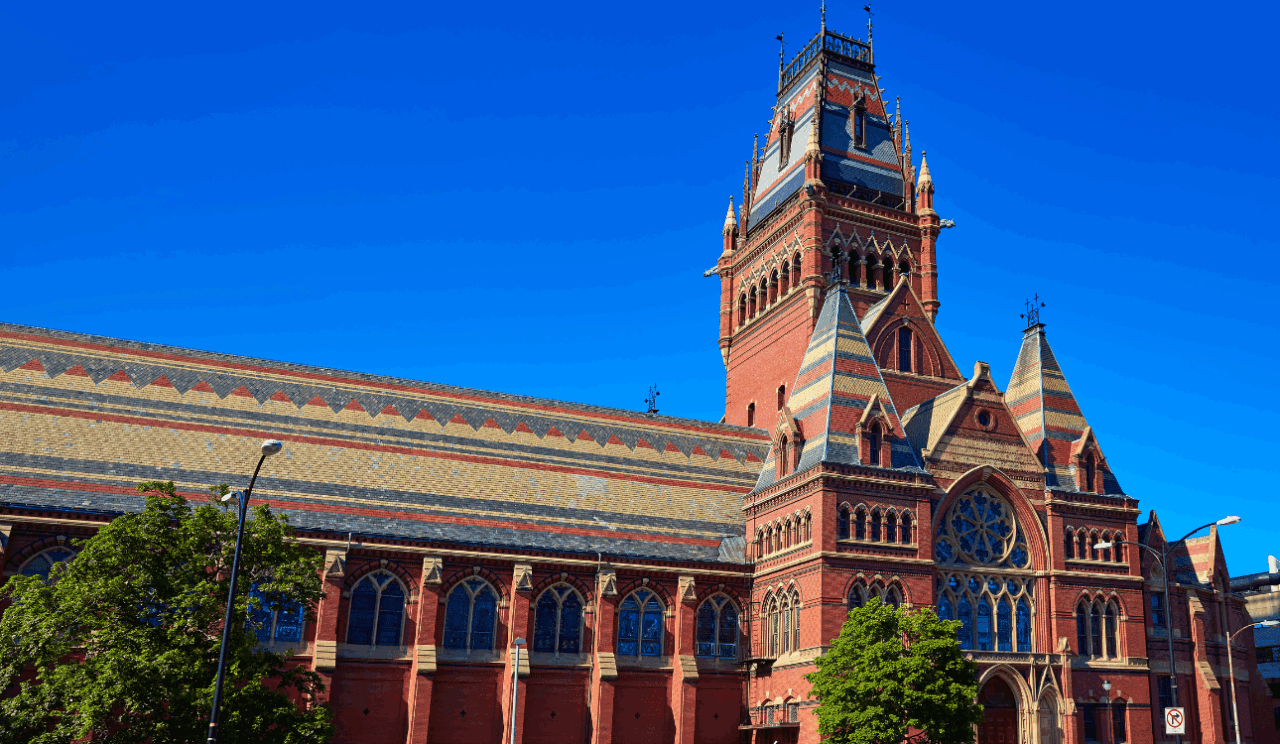
Harvard University has taken legal action against the Trump administration, escalating tensions between the Ivy League institution and the Republican-led government. The lawsuit, filed on Monday, April 21, 2025, comes in response to the federal government’s decision to freeze $2.3 billion in funding and threaten Harvard’s ability to host international students. According to the university, these actions were triggered by its refusal to comply with federal directives following student-led protests over the Gaza conflict. Harvard argues that the administration’s response violates the U.S. Constitution—particularly the First Amendment—and represents an overreach of executive power. University President Alan Garber warned that cutting off funding could disrupt vital research in science and medicine. The legal battle has drawn widespread attention in the academic community. More than 100 university leaders, including those from Princeton and Brown, have released a joint statement condemning what they describe as “unprecedented government interference in higher education.” While the Trump administration claims the move is aimed at enforcing campus discipline and preventing discrimination, critics view it as politically motivated and a threat to academic freedom. This high-stakes case could set a powerful precedent for how federal authorities engage with educational institutions in the future.

gold-1280x744.png

2min10500
Gold prices surged to an all-time high of $3,500 per ounce on Tuesday, April 22, marking a major milestone in the global commodities market. Just days earlier, on April 17, the precious metal was trading at $3,315.13; reflecting a rapid climb fueled by mounting investor anxiety. Several factors contributed to this spike: Political Tensions in the U.S.: Former U.S. President Donald Trump’s sharp criticism of Federal Reserve Chairman Jerome Powell raised fears about the Fed’s independence, unsettling markets and prompting a flight to safe-haven assets like gold. Weakening U.S. Dollar: The U.S. dollar dropped to a three-year low, increasing the appeal of gold for international investors. Global Economic Jitters: Continued geopolitical tensions and trade uncertainties have driven investors to seek security in gold, further pushing up demand. Market analysts suggest gold could go even higher if these trends persist. However, with volatility still in play, traders are advised to keep a close watch on the evolving global landscape.

school-1280x744.png

3min14860
Widespread reports of unauthorized fees and admission fraud are sparking outrage across Nigeria’s Federal Unity Colleges, exposing a growing crisis in the country’s public education sector. Parents Cry Foul Over Hidden Levies Despite clear directives from the Federal Ministry of Education, many Unity Colleges appear to be sidestepping official policies by imposing extra charges through Parent-Teacher Associations (PTAs). Parents in some schools say they’ve been forced to pay up to ₦600,000 in unofficial fees just to secure their child’s admission. According to a Vanguard investigation published today (April 22, 2025), some PTA chapters have imposed development levies that far exceed the government-approved ₦100,000 total fee for new students, covering boarding, uniforms, and books. At some schools, levies climbed to ₦74,000 or more, sometimes higher than the actual school fees. Admission Slots Allegedly Sold Even more troubling are claims of admission racketeering. Where school officials or middlemen allegedly accept bribes in exchange for placement in Unity Colleges. Reports suggest some parents were asked to pay either cash or donate materials like cement and building blocks to guarantee their child’s admission and displacing more qualified candidates in the process. The issue is not limited to secondary schools. The Senate is currently probing similar fraud in federal universities, where JAMB and university officials allegedly manipulated the admission process. One high-profile case involves 290 medical students at the University of Nigeria, Nsukka, whose admissions were revoked under questionable circumstances. Government Moves to Curb Abuse In response to growing public concern, the Ministry of Education has banned PTAs from collecting development levies without federal approval. The government has also debunked recent rumors claiming Unity College fees had been raised to ₦386,000; labeling such documents as fraudulent. To address deeper structural issues, the government is proposing a reorganization of Unity Colleges, splitting them into basic and secondary school categories to improve management, funding, and teacher welfare. What This Means for Parents and Educators These revelations raise serious concerns about equity, transparency, and accountability in Nigeria’s education system. For parents, it’s a reminder to verify all school-related payments directly with school authorities or the Ministry of Education. For policymakers and stakeholders, it is a wake-up call to enforce stronger oversight in public education.

website-images-3-1-1280x744.png

2min9760
At Home Plate BBQ, a beloved American-style restaurant in Beijing, change is sizzling. Once famous for its juicy U.S. brisket, the restaurant is now reprinting its menus—American beef is being replaced, a direct consequence of the ongoing U.S.-China trade tensions. With tariffs on U.S. beef now totaling a staggering 147%, the once-essential ingredient has become too costly to import. Home Plate BBQ previously relied on up to eight tonnes of U.S. brisket each month. But as prices surged, driven by both trade penalties and supply issues back in the U.S., the restaurant was forced to turn to alternatives. Now, Australian beef has taken center stage. It’s about 40% cheaper and, according to the restaurant’s management, customers are responding positively to the switch. Pork ribs, another menu favorite, are now being sourced from Canada. This shift is part of a broader trend, as many American-style eateries in China adapt to rising import costs by finding new suppliers. Despite the changes, the spirit of American BBQ lives on in Beijing—just with a new twist on the meat.

sc-1280x744.png

2min10020
British health authorities have granted approval for GSK’s blood cancer treatment, Blenrep (belantamab mafodotin), to be used in new combination therapies for adults with relapsed or refractory multiple myeloma—a serious type of blood cancer. This approval is specifically for patients who have previously received at least one line of therapy. The approved combinations include Blenrep with bortezomib and dexamethasone (BVd), and with pomalidomide and dexamethasone (BPd). These combinations follow promising results from two major clinical trials, DREAMM-7 and DREAMM-8, which showed a significant improvement in progression-free survival for patients compared to existing standard treatments. Notably, the BVd combination nearly tripled the time patients lived without disease progression—rising from 13.4 months with standard therapy to 36.6 months. This marks a major turnaround for Blenrep, which was withdrawn from the U.S. market in 2022 after underwhelming results as a standalone treatment. Now, with stronger outcomes in combination use, the drug is back in the spotlight as a valuable option for patients facing multiple myeloma. Multiple myeloma is the third most common blood cancer globally, with around 6,500 new cases in the UK each year. The condition is known for cycles of remission and relapse, making effective long-term treatment essential. With its unique mechanism as an anti-BCMA antibody-drug conjugate, Blenrep offers renewed hope and an important new option for patients in need of alternative therapies.

pop-1280x744.png

2min5910
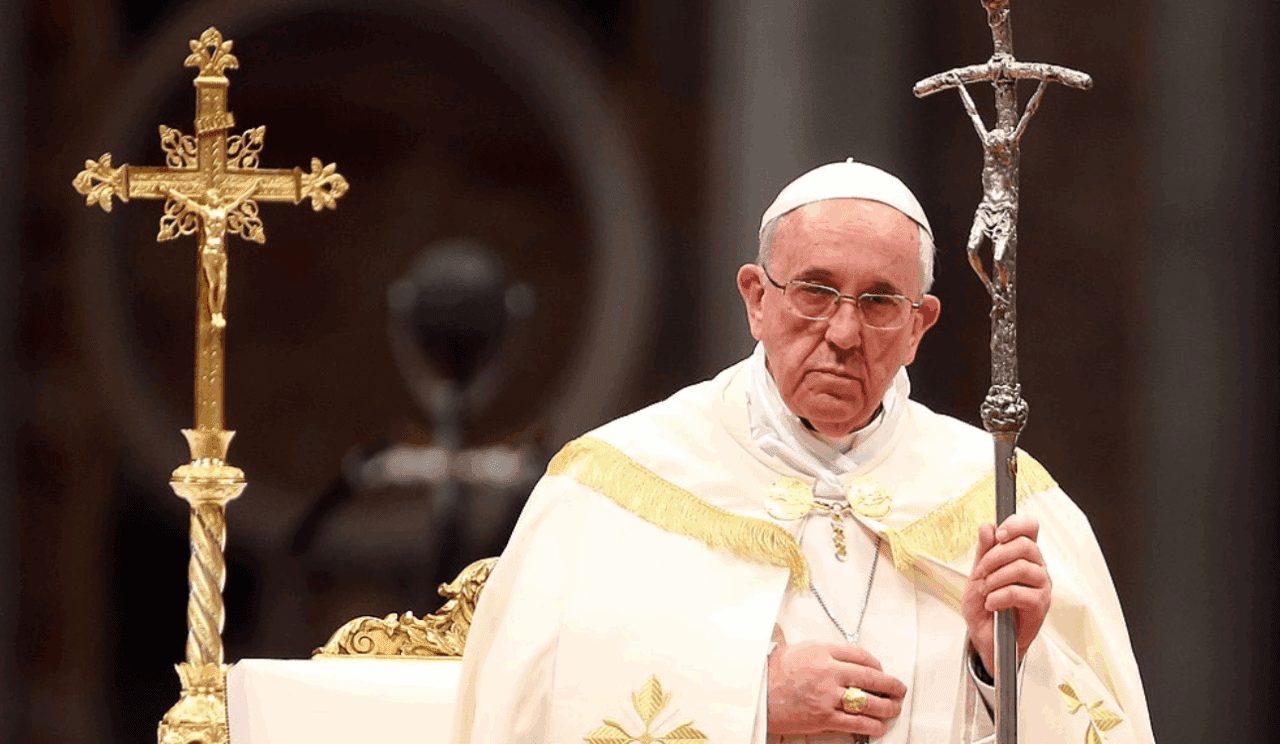
Pope Francis, the spiritual leader of over a billion Catholics worldwide, has died at the age of 88. The Vatican confirmed his passing on Easter Monday, April 21, 2025, just one day after he made a hopeful appearance at Saint Peter’s Square for the Easter Sunday celebration. The Pope, born Jorge Mario Bergoglio in Argentina, made history in 2013 as the first Latin American and Jesuit to lead the Catholic Church. Throughout his 12-year papacy, he became known for his humility, bold social messages, and strong advocacy for the poor, the environment, and social justice. Despite recent health challenges, including treatment for pneumonia, Pope Francis remained active in his duties, offering his final blessing to the faithful on Easter Sunday. His death has drawn tributes from around the globe, with world leaders and religious communities mourning the loss of a leader widely seen as a reformer and symbol of compassion. The Vatican will soon begin preparations for a conclave to elect the next pope, a process expected to take place within the next two to three weeks. Image Credit: Pope Francis with the papal ferula used by John Paul IIAuthor: Long Thiên | Source: Wikimedia Commons

12-1280x744.jpg

2min7100
China has issued a strong warning to countries considering trade agreements with the United States that could potentially harm Beijing’s interests. The warning comes as the ongoing trade dispute between the world’s two largest economies—China and the U.S.—continues to intensify. According to China’s Commerce Ministry, the U.S. has been using aggressive tariffs and political pressure to isolate China economically. Beijing stated it will respond firmly to any country that aligns with the U.S. in a way that undermines China’s economic position. This development follows new rounds of tariffs, with the U.S. imposing up to 145% duties on Chinese imports and China responding with 125% tariffs on American goods. These measures are already disrupting global trade and stirring concerns among other nations. Countries like Japan, South Korea, and Taiwan, which are in talks with the U.S. over trade, have been indirectly cautioned. China emphasized that such deals could lead to long-term consequences for those involved. As global trade dynamics shift, other countries are watching closely, weighing their own economic interests in an increasingly polarized environment.

website-images-2-1-1280x744.png

2min6870
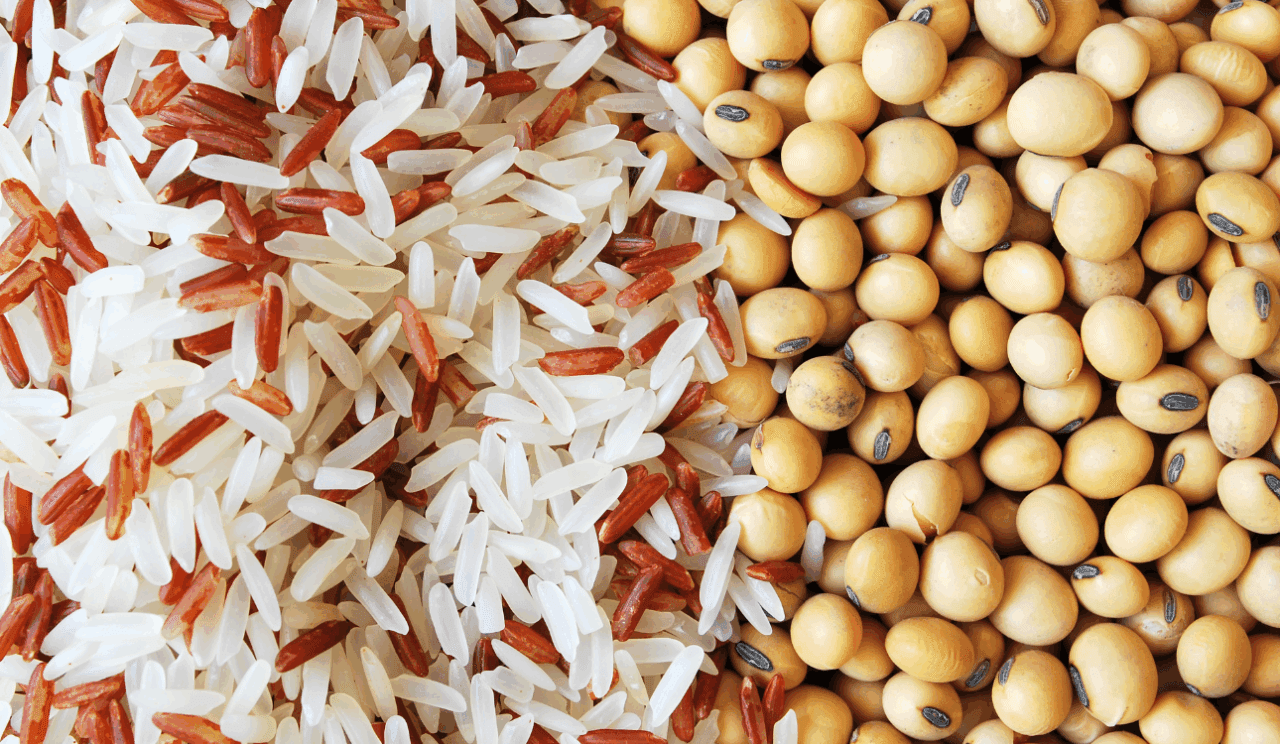
Japan is considering increasing its import of American soybeans and rice as part of ongoing trade negotiations with the United States, in a move aimed at easing tensions and securing favorable terms for its own exports. The discussions come as the U.S. pushes for greater access to Japan’s markets, especially in sectors like automobiles and agriculture. Reports suggest that Japan is open to importing more U.S. agricultural products to help defuse tariff-related disputes and strengthen economic ties. This development also aligns with Japan’s domestic needs. A weak rice harvest and rising local prices have led to a growing appetite for foreign rice, with American varieties gaining popularity among Japanese consumers and restaurants. In addition to importing more, Japan has set an ambitious goal to boost its rice exports to 350,000 tons by 2030—up from just 45,000 tons in 2024—reflecting a broader strategy to balance supply, demand, and international trade relations. If finalized, this agricultural concession could mark a key milestone in improving U.S.–Japan trade relations while addressing Japan’s evolving food security challenges.

website-images-1-2-1280x744.png

2min8510
Global industries are facing growing uncertainty as China enforces strict export controls on key minerals essential for modern technology, defense systems, and clean energy solutions. The Chinese government has expanded its restrictions to include critical materials like gallium, germanium, antimony, and graphite—minerals vital for semiconductors, electric vehicle batteries, and military equipment. Beijing says the move is a national security measure, but international observers see it as a strategic response to U.S. tariffs and tech restrictions. The ripple effects are being felt worldwide. Manufacturers, especially in the U.S. and Europe, are reporting delays and rising costs due to supply shortages. Some defense contractors have raised alarms over limited access to rare earth materials needed for military production. In response, the U.S. is fast-tracking efforts to reduce its dependence on Chinese exports by developing domestic production sites and forming new supply partnerships globally. This development marks a critical moment in the global race for control over essential resources, highlighting the deep ties between natural resources and geopolitical power.

website-images-3-1280x744.png

2min7250
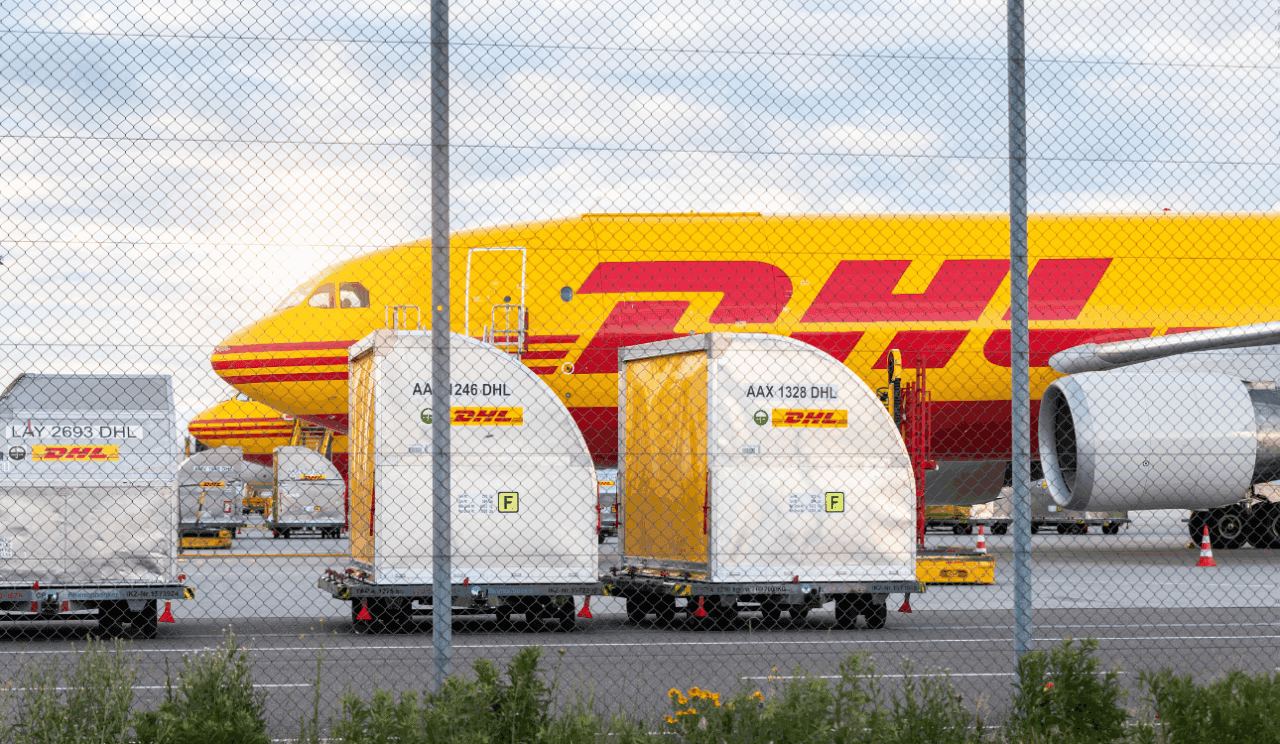
Global logistics giant DHL Express has announced it will temporarily stop delivering consumer packages worth over $800 to the United States. This move follows a spike in customs red tape caused by new tariff rules introduced under President Donald Trump’s trade policy. The suspension, effective Monday, April 21, 2025, affects business-to-consumer (B2C) shipments exceeding $800. Under the updated customs rules, such packages must now go through formal entry processing—a more complex and time-consuming procedure that previously only applied to goods worth over $2,500. DHL says the change has caused significant delays in delivery, with packages getting held up at customs for several days. The new regulation is part of a broader effort to clamp down on duty-free imports and address trade imbalances, especially targeting Chinese e-commerce platforms like Shein and Temu that have long benefited from the former $800 exemption. Shipments below $800 will continue as usual, and business-to-business (B2B) deliveries are still allowed, though they may also face some delays. The temporary halt could hit industries that rely on fast, high-value international deliveries—such as fashion and tech—while rival companies like FedEx and UPS may see a surge in demand. DHL has assured customers it is working to adapt to the changes and will provide further updates as the situation develops.