Author: Ifunanya Okafor

Ifunanya Okafor21 February 2025
Job-Market-1280x744.jpg

2min7690
The United Kingdom’s job market saw a positive shift in January, with job postings increasing for the first time in seven months, according to new data from the Recruitment & Employment Confederation (REC). The survey revealed a 7.2% rise in active job listings, bringing the total to 1.52 million, while new postings surged by 34.4% from December to January, outpacing last year’s 27.9% increase. The growth in job postings comes despite higher employer taxes and increased National Insurance contributions, which had raised concerns about potential hiring slowdowns. However, businesses appear to be adapting to these financial pressures, signaling resilience in the labor market. The Bank of England is monitoring employment trends closely as it assesses inflation and potential interest rate cuts. While rising wages have contributed to inflationary pressures, the unexpected boost in hiring activity could influence future economic policy decisions. Despite the positive outlook, challenges remain. Many businesses have expressed concerns about the rising National Living Wage and tax burdens, with some considering cost-cutting strategies such as price increases and hiring freezes to manage expenses. Nevertheless, the latest data suggests growing confidence among employers, providing a cautiously optimistic outlook for job seekers and the UK’s broader economic recovery.

Ifunanya Okafor21 February 2025
AI-Course-1280x744.jpg

2min11750
Universities across China have introduced artificial intelligence (AI) courses this month centered around DeepSeek, a homegrown AI startup that has been making waves in the global tech industry. DeepSeek’s recent advancements have been hailed as a “Sputnik moment” for China, signaling a major leap in the country’s AI capabilities and accelerating its push for technological independence. Several top Chinese institutions, including Shenzhen University, Zhejiang University, and Shanghai Jiao Tong University, have integrated DeepSeek’s AI models into their curriculum. These courses will cover key areas such as machine learning, natural language processing, and AI ethics, positioning students at the forefront of AI innovation. DeepSeek, based in Hangzhou, has gained international recognition for developing cutting-edge AI models that rival those from global leaders like OpenAI and Meta. The company’s breakthroughs have attracted attention from China’s top policymakers, with President Xi Jinping recently meeting AI industry leaders to discuss the nation’s strategy for AI development. This move aligns with China’s broader ambition to establish itself as a global AI powerhouse by 2030. By integrating locally developed AI tools into education, the country aims to reduce reliance on foreign technology and cultivate homegrown talent capable of driving future innovations. With the rapid adoption of DeepSeek in Chinese universities, experts predict a significant rise in AI-driven research, industry applications, and entrepreneurship, further solidifying China’s role as a major player in the global AI race.

Ifunanya Okafor20 February 2025
website-pictures-1280x744.png

5min6240
Thousands of students across Indonesia staged protests on Thursday, known as the ‘Dark Indonesia’ movement. The demonstrations took place in major cities like Jakarta, Yogyakarta, and Medan. Students are concerned about President Prabowo Subianto’s proposed budget cuts and policy changes, which they believe could harm social services and education. Wearing black clothing as a symbol of their opposition, the students marched through the streets, chanting slogans and carrying placards. Many fear that the government’s spending cuts—totaling billions of dollars—will negatively impact education, public welfare, and disaster response efforts. Herianto, a student leader in Yogyakarta, stated, “We are standing against policies that may jeopardize our education and essential services. Indonesia is dark because many of these decisions lack clarity and may harm the people.” The proposed budget cuts are reportedly intended to fund government programs, such as a national free school lunch initiative. However, critics argue that redirecting funds from other sectors could lead to shortages in key areas. Protesters have also raised concerns about increased military involvement in civilian affairs and the removal of subsidies for basic goods like cooking gas. While the government claims that education funding will remain unaffected, student groups and activists remain skeptical. Many worry that university budgets, teacher salaries, and scholarships could be reduced in the long run. This is the largest student-led protest in Indonesia since August, signaling growing dissatisfaction with the government’s financial decisions. President Prabowo has defended the spending cuts, saying they are necessary to eliminate waste and focus on national development projects. The ‘Dark Indonesia’ protests reflect broader discontent among young people in Indonesia, who are calling for more government accountability and protection of essential services. As the demonstrations continue, it remains to be seen how the authorities will respond and whether policy changes will be made. Thousands of students across Indonesia staged protests on Thursday, known as the ‘Dark Indonesia’ movement. The demonstrations took place in major cities like Jakarta, Yogyakarta, and Medan. Students are concerned about President Prabowo Subianto’s proposed budget cuts and policy changes, which they believe could harm social services and education. Wearing black clothing as a symbol of their opposition, the students marched through the streets, chanting slogans and carrying placards. Many fear that the government’s spending cuts—totaling billions of dollars—will negatively impact education, public welfare, and disaster response efforts. Herianto, a student leader in Yogyakarta, stated, “We are standing against policies that may jeopardize our education and essential services. Indonesia is dark because many of these decisions lack clarity and may harm the people.” The proposed budget cuts are reportedly intended to fund government programs, such as a national free school lunch initiative. However, critics argue that redirecting funds from other sectors could lead to shortages in key areas. Protesters have also raised concerns about increased military involvement in civilian affairs and the removal of subsidies for basic goods like cooking gas. While the government claims that education funding will remain unaffected, student groups and activists remain skeptical. Many worry that university budgets, teacher salaries, and scholarships could be reduced in the long run. This is the largest student-led protest in Indonesia since August, signaling growing dissatisfaction with the government’s financial decisions. President Prabowo has defended the spending cuts, saying they are necessary to eliminate waste and focus on national development projects. The ‘Dark Indonesia’ protests reflect broader discontent among young people in Indonesia, who are calling for more government accountability and protection of essential services. As the demonstrations continue, it remains to be seen how the authorities will respond and whether policy changes will be made.


Ifunanya Okafor20 February 2025
14-1280x744.jpg

3min5410
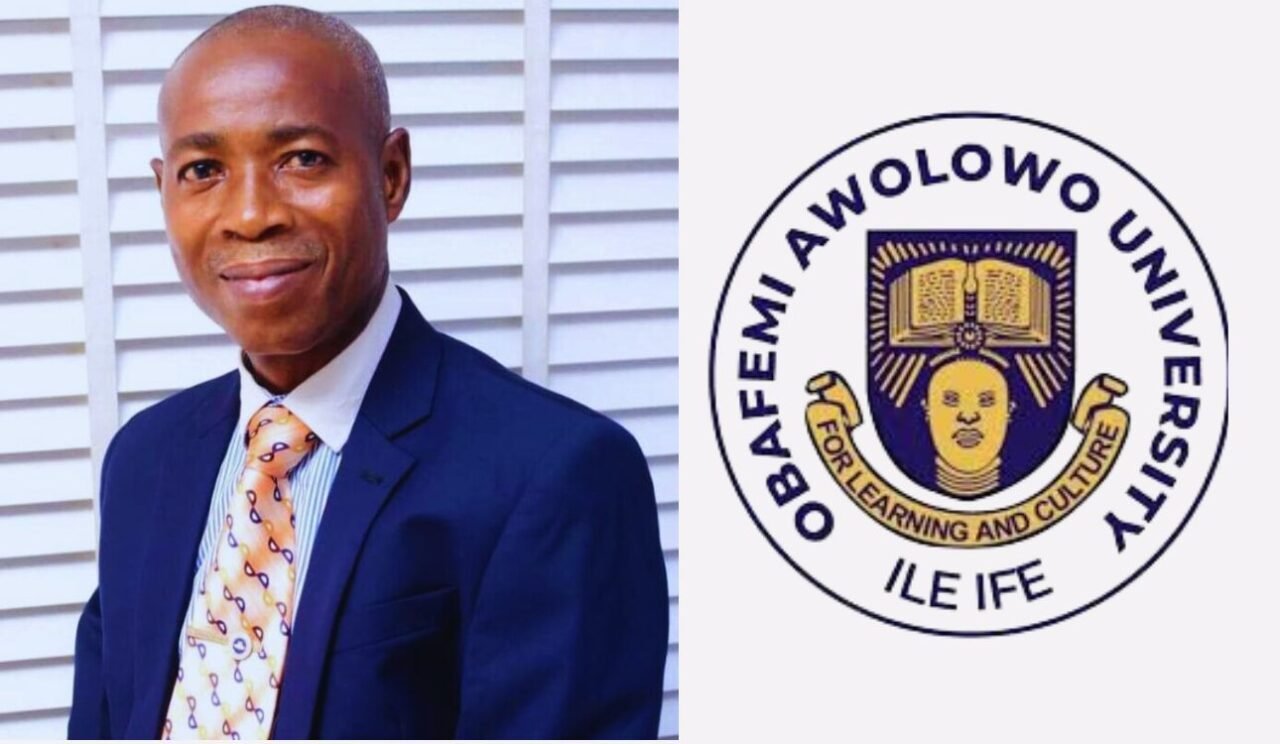
The management of Obafemi Awolowo University (OAU), Ile-Ife, has announced plans to immortalize Mr. Olabode Olawuyi, a veterinary technologist who tragically lost his life after being attacked by a lion in the university’s zoological garden. Mr. Olawuyi, a dedicated staff member, was fatally injured on February 19, 2024, while carrying out his duties at the zoo. According to reports, the incident occurred when he attempted to rescue a junior colleague during a routine feeding session. Despite his extensive experience in animal care, the attack proved fatal. In a statement, OAU’s Registrar, Adetunji Bakare, emphasized that Mr. Olawuyi’s contributions to the institution would not be forgotten. He revealed that the university has initiated plans to immortalize his name, ensuring that his dedication and selflessness remain a lasting part of OAU’s history. “This tragedy reminds us of the sacrifices made by staff members who work tirelessly behind the scenes. We are committed to honoring Mr. Olawuyi’s memory and taking steps to improve safety measures within the university,” Bakare said. Calls to Rename the Zoo in His Honor During a tribute event, Ibeji Nwokoma, the National President of the National Association of Academic Technologists (NAAT), urged the university to rename the zoological garden after Mr. Olawuyi. According to Nwokoma, such a gesture would serve as a symbol of courage and dedication to duty. “The loss of our colleague is deeply painful, but we must ensure his contributions to wildlife preservation and veterinary science are not forgotten,” he stated. The university has also reviewed safety protocols at the zoo to prevent similar incidents in the future. Measures include increased staff training, improved enclosures, and enhanced emergency response procedures. The planned commemoration reflects the university’s commitment to recognizing its staff’s dedication and ensuring a safer work environment. As preparations continue, colleagues, students, and loved ones remember Mr. Olabode Olawuyi as a hero who gave his life in service to his profession.

Ifunanya Okafor20 February 2025
15-1280x744.jpg

5min4210
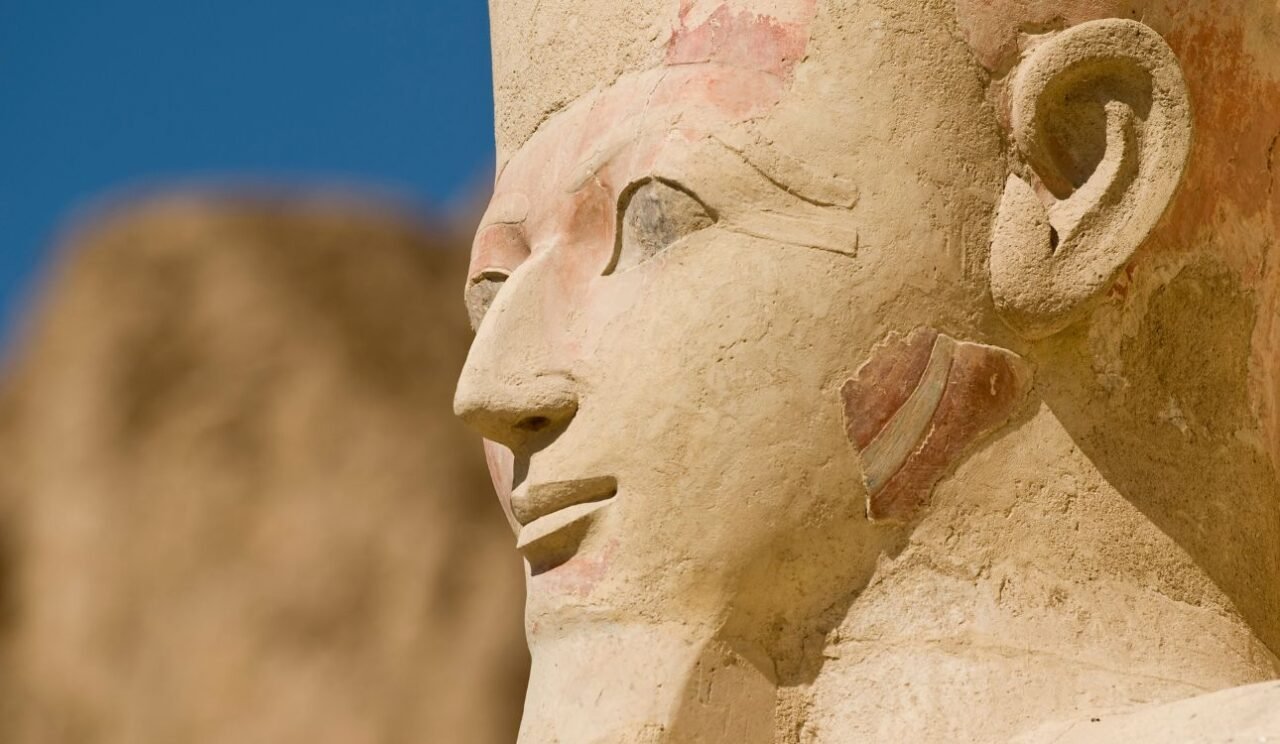
In a groundbreaking archaeological discovery, a joint Egyptian-British mission has identified an ancient tomb near Luxor as that of King Thutmose II, marking the first pharaonic royal tomb found in more than a century. Egypt’s Ministry of Tourism and Antiquities confirmed the finding, calling it a historic moment in Egyptology. The tomb, located in Wadi Gabbanat el-Qurud, west of the famous Valley of the Kings, was unearthed by a team led by British archaeologist Dr. Piers Litherland. Initial excavations in 2022 suggested it could belong to a royal wife, given its proximity to the burial sites of Thutmose III’s queens and Hatshepsut. However, further exploration revealed alabaster vessels inscribed with the names of Thutmose II and Queen Hatshepsut, confirming the true identity of the tomb’s owner. A Remarkable Find Despite Damage Archaeologists describe the tomb’s structure as relatively simple, featuring an entrance, a descending corridor, and a burial chamber. However, it was found in a poor state of preservation due to ancient flooding, which caused severe damage to its interior. Many of the original funerary artifacts had been displaced or destroyed. Despite this, experts have managed to recover and restore sections of the tomb’s decorative plasterwork. Among the discoveries are inscriptions painted in blue and gold stars on the ceiling, along with excerpts from the Book of Amduat, a key funerary text used in royal burials. Solving a Centuries-Old Mystery Thutmose II, the fourth pharaoh of Egypt’s 18th Dynasty, ruled between 1493 and 1479 BC. He was married to his half-sister, Queen Hatshepsut, who later became one of Egypt’s most powerful female pharaohs. While Thutmose II’s mummy was found in a cache at Deir el-Bahari in 1881, the exact location of his original tomb had remained a mystery until now. Dr. Mohamed Ismail Khaled, Secretary-General of Egypt’s Supreme Council of Antiquities, hailed the discovery as one of the most significant in recent years. “This is the first time we have found any funerary artifacts associated with Thutmose II in their original context,” he said. What’s Next? The excavation team is continuing its work at the site, hoping to uncover more details about the tomb’s original contents and its history. This discovery not only adds to our understanding of ancient Egyptian burial practices but also renews interest in future archaeological expeditions in Luxor. With new technologies and modern excavation methods, experts believe more hidden secrets of Egypt’s royal past may soon come to light.

Ifunanya Okafor20 February 2025
16-1280x744.jpg

2min9450
A new report by Australia’s online safety regulator, the eSafety Commission, has revealed that a vast number of Australian children are bypassing the minimum age restrictions set by social media platforms. The study found that 80% of children aged 8 to 12 used social media in 2024, despite the official age limit being 13 for most platforms. The report highlights that YouTube, TikTok, Instagram, and Snapchat are the most widely used platforms among young users. However, YouTube is the only platform that permits under-13 users when linked to a supervised family account. Other platforms rely on self-reported age verification, making it easy for children to enter false birth dates and gain access. The findings come as Australia prepares to introduce stricter regulations. By the end of 2025, a new law will ban social media access for children under 16. Experts argue that without better age verification measures, enforcing such a ban will remain a challenge. The report urges social media companies to implement stronger safeguards to protect young users from potential online harm. Meanwhile, the Australian government is expected to outline clearer policies on how it plans to regulate age restrictions in the coming months. For more details, visit the eSafety Commission‘s official website: esafety.gov.au.

Ifunanya Okafor19 February 2025
img-1280x744.jpg

5min7260
Exam season can be stressful, whether you’re a student preparing for school exams, an adult taking certification tests, or a professional facing promotional assessments. However, with the right strategies, you can navigate this period with confidence and minimal anxiety. Here are practical tips to help you stay calm and well-prepared. Develop a Structured Study Plan Break Down Study Material Avoid cramming by breaking your syllabus into manageable chunks. Assign specific topics to different days, ensuring you cover all essential areas before your exam. Allocate Specific Time Slots Create a realistic study schedule that includes short breaks. The Pomodoro Technique—25 minutes of focused studying followed by a 5-minute break—can boost productivity and retention. Prioritize Difficult Topics Tackle challenging subjects first while your mind is fresh. As you gain confidence in those areas, the rest of your study material will feel easier. Practice Active Learning Techniques Summarize Information in Your Own Words Instead of passively reading, write summaries in your own words. This reinforces understanding and makes recall easier. Teach Concepts to Someone Else Explaining topics to a friend or even an imaginary audience forces you to organize your thoughts clearly, strengthening your grasp of the subject. Use Flashcards and Mind Maps Flashcards help with quick recall, while mind maps visually organize information, making complex topics easier to remember. Manage Exam Stress Effectively Get Enough Sleep Sleep is crucial for memory consolidation. Aim for at least 7-8 hours of quality sleep to enhance concentration and cognitive function. Practice Mindfulness and Relaxation Techniques Deep breathing exercises, meditation, and even a short walk can help reduce anxiety and improve focus. Maintain a Healthy Diet Fuel your brain with nutrient-rich foods like nuts, fruits, and leafy greens. Avoid excessive caffeine and sugary snacks, which can lead to energy crashes. Read our article on Brain-Boosting Foods. Take Mock Tests Under Timed Conditions Simulating exam conditions by practicing past questions under timed settings helps improve speed, accuracy, and confidence. This technique also familiarizes you with the exam format, reducing surprises on test day. Organize Your Study Space Ensure your study environment is free from distractions. A clutter-free, quiet space with proper lighting and comfortable seating enhances focus and productivity. Stay Positive and Motivated Set Realistic Goals Break your study sessions into achievable milestones and reward yourself upon completion. Surround Yourself with Supportive People Engage with study groups, mentors, or supportive friends who encourage and uplift you during the exam season. Visualize Success Positive visualization can help reduce stress. Imagine yourself confidently answering questions and achieving your desired results. Exam Day Tips Arrive Early and Be Prepared Pack your essentials: admit card, stationery, and water bottle, the night before to avoid last-minute panic. Read Instructions Carefully Take a deep breath and carefully read through all exam instructions before starting. Manage Your Time Wisely Allocate time to each section, ensuring you answer all questions without rushing through them. Final Thoughts Exam season doesn’t have to be overwhelming. By implementing these practical tips, you can approach your exams with a calm and confident mindset. Preparation, a positive attitude, and self-care will set you up for success. Share this article with someone who might find it helpful and let us know your go-to exam survival tip in the comments!  

Ifunanya Okafor19 February 2025
11-1-1280x744.jpg

4min8310
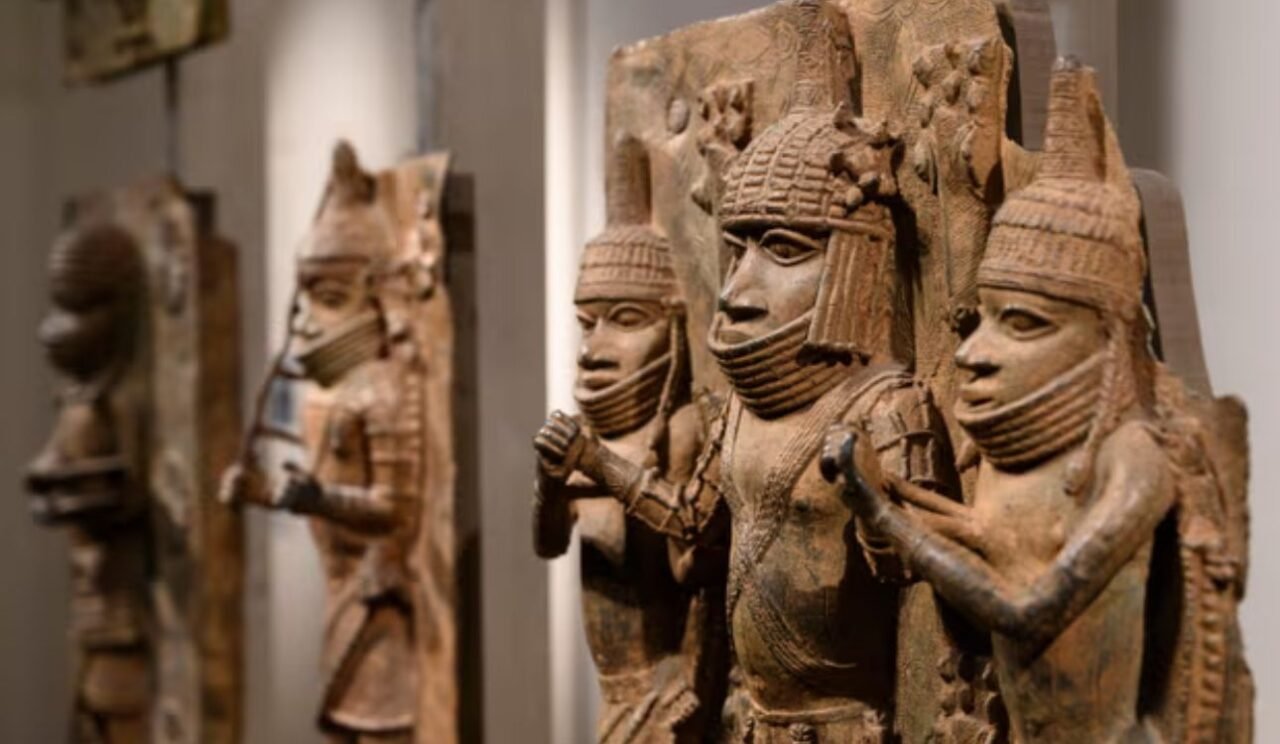
In a historic move to address colonial-era injustices, the Netherlands has officially announced the return of more than 100 Benin Bronzes to Nigeria. These priceless artifacts, which were looted by British forces during the 1897 invasion of the Kingdom of Benin, have been held in Dutch museum collections for decades. The restitution, which follows growing global calls for the return of African cultural heritage, will see 113 artifacts repatriated to Nigeria. The decision was made after consultations between Dutch authorities, Nigerian officials, and heritage experts. The official handover ceremony took place in Leiden, where representatives from the Dutch government and Nigeria’s National Commission for Museums and Monuments (NCMM) gathered to mark the significant event. Eppo Bruins, the Dutch Minister of Education, Culture, and Science, emphasized the importance of returning the artifacts, stating, “Cultural heritage should be in the places where it holds the most meaning. These pieces belong to Nigeria, and returning them is a step towards acknowledging historical wrongs.” Among the items being repatriated are intricately crafted plaques, sculptures, and royal regalia that once adorned the palaces of Benin’s kings. These artifacts were taken during the British-led raid in 1897, when troops looted thousands of artworks before selling them to European collectors and institutions. Over time, the Benin Bronzes made their way into museums and private collections around the world, including in the Netherlands. Olugbile Holloway, Director-General of Nigeria’s NCMM, praised the Dutch government’s decision, calling it a landmark moment in the global fight for the restitution of looted heritage. “This return is the largest single repatriation of Benin artifacts directly linked to the 1897 punitive expedition. We appreciate the Netherlands for their commitment to justice and cultural restoration,” he said. The move follows recommendations from the Colonial Collections Committee, an advisory body set up by the Dutch government to review claims for the return of colonial-era artifacts. The committee has urged European museums to engage in ethical restitution, recognizing that many objects in their collections were acquired under exploitative circumstances. In addition to the national government’s decision, the municipality of Rotterdam is also returning six Benin Bronzes, including relief plaques, a ceremonial staff, and an intricately designed bell. These efforts contribute to a wider push across Europe to return looted artifacts to their countries of origin. Nigeria has been actively negotiating with museums and institutions worldwide to secure the return of its stolen cultural heritage. With these artifacts coming home, the Nigerian government will determine how best to preserve and display them for public access and education. Many are expected to be housed in the planned Edo Museum of West African Art in Benin City, a project designed to celebrate and protect the region’s artistic legacy. This latest repatriation highlights a growing shift in attitudes toward colonial-era looted artifacts, reinforcing the importance of historical accountability and cultural restitution. As more institutions reconsider the origins of their collections, Nigeria’s success in reclaiming its heritage could pave the way for further restitutions across the continent.

Ifunanya Okafor19 February 2025
10-1-1280x744.jpg

3min6960
In a groundbreaking move to accelerate Nigeria’s digital transformation, tech giant Microsoft has pledged a $1 million (approximately ₦1.6 billion) investment aimed at training one million Nigerians in Artificial Intelligence (AI) over the next two years. The announcement was made by Ola Williams, Microsoft’s Country Manager for Nigeria and Ghana, during the Microsoft AI Tour in Lagos. She highlighted the initiative as part of Microsoft’s broader strategy to equip Nigerians with cutting-edge AI skills, ensuring they remain competitive in the rapidly evolving global tech industry. “Nigeria has a young and vibrant population that is eager to embrace AI and other emerging technologies,” Williams stated. “This investment will help them develop the necessary expertise to drive innovation and productivity across various sectors.” The AI training program will cater to individuals across different backgrounds, including students, entrepreneurs, government officials, and professionals seeking to enhance their technical knowledge. The initiative will feature structured learning pathways, workshops, and hands-on training, ensuring participants gain practical AI skills applicable to real-world scenarios. Lillian Barnard, President of Microsoft Africa, emphasized the importance of AI literacy in today’s job market. She pointed out that as technology continues to evolve, AI-related jobs are in high demand, but there remains a shortage of skilled professionals to fill these roles. “As technology advances, so do the skills required in the workforce. Many new job opportunities are AI-driven, yet we do not have enough trained individuals to take on these roles,” Barnard explained. “This initiative is designed to close that gap by providing accessible AI education to Nigerians, empowering them to compete on a global scale.” This investment aligns with Microsoft’s commitment to fostering digital skills across Africa. A similar initiative was recently launched in South Africa, aiming to train one million individuals in AI by 2026. These programs reflect Microsoft’s mission to bridge the digital divide and create opportunities for economic growth through technology-driven education. By equipping Nigerians with AI expertise, Microsoft’s investment is expected to boost employment prospects, encourage innovation, and position Nigeria as a leading force in Africa’s digital economy. The initiative is also likely to attract further investments in the country’s tech sector, reinforcing its reputation as a hub for technological excellence.

Ifunanya Okafor19 February 2025
12-1-1280x744.jpg

3min23730
The U.S. Department of Agriculture (USDA) has confirmed that it will not impose restrictions on cattle imports from Mexico, even after the recent detection of the New World screwworm in a cow in Tabasco state. This decision follows the implementation of strict inspection and treatment protocols designed to prevent the spread of the harmful pest. The New World screwworm (Cochliomyia hominivorax) is a parasitic fly species whose larvae infest and feed on the living tissue of warm-blooded animals. If left untreated, infestations can lead to severe injuries, secondary infections, and even death. Although the United States successfully eradicated the screwworm in 1982, cases continue to emerge in parts of Central America and Mexico. In response to previous outbreaks, the USDA temporarily halted cattle imports from Mexico in late 2024 but resumed trade on February 1, 2025, under tightened safety measures. These protocols require Mexican veterinarians to conduct rigorous pre-export inspections and treatments on livestock before they enter authorized facilities. Upon arrival in the U.S., USDA personnel conduct additional screenings to ensure infected animals do not enter the supply chain. The USDA’s decision to maintain imports comes at a time when the U.S. cattle supply has reached its lowest levels in 74 years, driven by prolonged drought conditions and herd reductions. This decline has led to rising beef prices, making Mexican cattle imports essential for stabilizing the market and meeting demand. To further mitigate risks, the USDA is collaborating with Mexican and Central American officials to eliminate screwworm populations in affected regions. This includes reinforcing a biological barrier in Panama, a control measure that has been in place since 2006 to prevent the pest from migrating northward. Despite concerns over the recent case in Mexico, the USDA remains confident that its enhanced screening and treatment procedures will effectively safeguard the U.S. livestock industry from the threat of screwworm infestation. The department continues to monitor the situation closely, ensuring that necessary precautions are in place to protect both animal health and agricultural trade.