

 Ifunanya Okafor
Thousands of Indonesian Students Protest Budget Cuts in ‘Dark Indonesia’ Movement
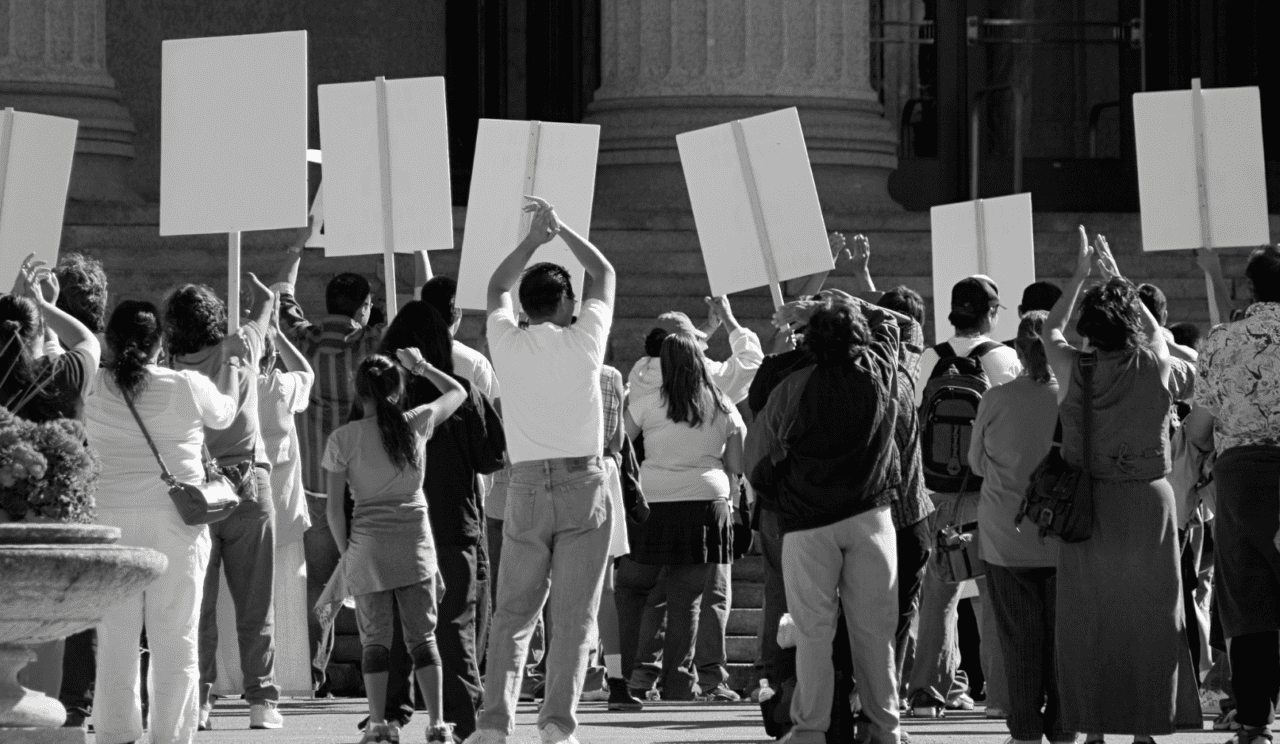
Thousands of students across Indonesia staged protests on Thursday, known as the ‘Dark Indonesia’ movement. The demonstrations took place in major cities like Jakarta, Yogyakarta, and Medan. Students are concerned about President Prabowo Subianto’s proposed budget cuts and policy changes, which they believe could harm social services and education.
Wearing black clothing as a symbol of their opposition, the students marched through the streets, chanting slogans and carrying placards. Many fear that the government’s spending cuts—totaling billions of dollars—will negatively impact education, public welfare, and disaster response efforts.
Herianto, a student leader in Yogyakarta, stated, “We are standing against policies that may jeopardize our education and essential services. Indonesia is dark because many of these decisions lack clarity and may harm the people.”
The proposed budget cuts are reportedly intended to fund government programs, such as a national free school lunch initiative. However, critics argue that redirecting funds from other sectors could lead to shortages in key areas. Protesters have also raised concerns about increased military involvement in civilian affairs and the removal of subsidies for basic goods like cooking gas.
While the government claims that education funding will remain unaffected, student groups and activists remain skeptical. Many worry that university budgets, teacher salaries, and scholarships could be reduced in the long run.
This is the largest student-led protest in Indonesia since August, signaling growing dissatisfaction with the government’s financial decisions. President Prabowo has defended the spending cuts, saying they are necessary to eliminate waste and focus on national development projects.
The ‘Dark Indonesia’ protests reflect broader discontent among young people in Indonesia, who are calling for more government accountability and protection of essential services. As the demonstrations continue, it remains to be seen how the authorities will respond and whether policy changes will be made.
Thousands of students across Indonesia staged protests on Thursday, known as the ‘Dark Indonesia’ movement. The demonstrations took place in major cities like Jakarta, Yogyakarta, and Medan. Students are concerned about President Prabowo Subianto’s proposed budget cuts and policy changes, which they believe could harm social services and education.
Wearing black clothing as a symbol of their opposition, the students marched through the streets, chanting slogans and carrying placards. Many fear that the government’s spending cuts—totaling billions of dollars—will negatively impact education, public welfare, and disaster response efforts.
Herianto, a student leader in Yogyakarta, stated, “We are standing against policies that may jeopardize our education and essential services. Indonesia is dark because many of these decisions lack clarity and may harm the people.”
The proposed budget cuts are reportedly intended to fund government programs, such as a national free school lunch initiative. However, critics argue that redirecting funds from other sectors could lead to shortages in key areas. Protesters have also raised concerns about increased military involvement in civilian affairs and the removal of subsidies for basic goods like cooking gas.
While the government claims that education funding will remain unaffected, student groups and activists remain skeptical. Many worry that university budgets, teacher salaries, and scholarships could be reduced in the long run.
This is the largest student-led protest in Indonesia since August, signaling growing dissatisfaction with the government’s financial decisions. President Prabowo has defended the spending cuts, saying they are necessary to eliminate waste and focus on national development projects.
The ‘Dark Indonesia’ protests reflect broader discontent among young people in Indonesia, who are calling for more government accountability and protection of essential services. As the demonstrations continue, it remains to be seen how the authorities will respond and whether policy changes will be made.

