Author: Ifunanya Okafor

Ifunanya Okafor9 February 2025
IMG-20250209-WA0002.jpg

2min9260
China’s top economic planning agency, the National Development and Reform Commission (NDRC), has announced plans to scale back subsidies for renewable energy projects following an unprecedented surge in solar and wind power installations. China set a new record for solar energy expansion in 2024, with installed capacity growing by 45% compared to the previous year. According to the International Renewable Energy Agency (IRENA), China’s total solar capacity now stands at 887 GW, more than six times that of the United States. This rapid expansion allowed China to achieve its 2030 renewable energy target six years ahead of schedule. Shift to Market-Based Pricing With clean energy now making up over 40% of China’s total power generation capacity, the NDRC and China’s Energy Administration have introduced “market-oriented” policy adjustments. The agency cited a significant drop in development costs as a key reason for phasing out direct subsidies. Under the new policy, any renewable energy projects completed after June 2025 will have to sell electricity through market-based bidding rather than relying on guaranteed prices. Global Energy Landscape China’s clean energy expansion contrasts with U.S. policy shifts, as President Donald Trump has withdrawn the United States from the Paris Climate Agreement for the second time while pushing for increased oil and gas drilling. Despite the subsidy rollback, China remains committed to its renewable energy leadership, with its clean energy policies now moving toward a more self-sustaining market-driven model.

Ifunanya Okafor9 February 2025
IMG-20250209-WA0003.jpg

3min7650
The Socio-Economic Rights and Accountability Project (SERAP) has filed a lawsuit against President Bola Tinubu over the alleged failure to prosecute contractors who received over N167 billion from 31 ministries, departments, and agencies (MDAs) without executing any projects. The suit, filed last Friday at the Federal High Court in Lagos (Suit No. FHC/L/MISC/121/2025), seeks a court order compelling President Tinubu to direct the Minister of Finance, Olawale Edun, to disclose the names of the companies involved and ensure they face legal action. Also named as a respondent in the case is the Attorney General of the Federation and Minister of Justice, Lateef Fagbemi (SAN). SERAP’s Demands SERAP is urging the court to direct: The public disclosure of the names of companies and contractors who collected the funds. The publication of project details, including locations, amounts received, and shareholders of the implicated firms. The prosecution of those responsible to prevent further corruption. The group argues that failing to hold these contractors accountable has worsened poverty and denied Nigerians access to critical public goods and services. According to SERAP, the 2021 Audited Report by the Auditor-General of the Federation revealed that the Nigerian Bulk Electricity Trading Plc (NBET) alone paid out N100 billion for unexecuted projects. A Call for Accountability SERAP insists that enforcing accountability will: Combat fraud and waste in public spending. Strengthen Nigeria’s anti-corruption efforts under local and international laws. Restore public trust in governance and ensure responsible use of taxpayer funds. The case highlights growing concerns over financial mismanagement in government agencies, with affected MDAs including the Nigerian Correctional Service, National Pension Commission, Hydrocarbon Pollution Remediation Project (HYPREP), Petroleum Technology Development Fund (PTDF), and the Ministry of Niger Delta Affairs. While a hearing date is yet to be scheduled, the lawsuit could set a legal precedent for greater transparency and accountability in government contracts.

Ifunanya Okafor8 February 2025
IMG-20250112-WA0005.jpg

2min6800
The Nigeria Civil Aviation Authority (NCAA) has announced plans to take strict action against Kenya Airways for repeated violations of aviation regulations, particularly in the mistreatment of a Nigerian passenger, Gloria Omisore. The controversy stems from an incident in which Omisore was mistakenly boarded in Lagos without a France transit visa, leading to a 17-hour layover in Nairobi and an additional 10-hour wait for her flight to the UK. Despite her medical condition, she reportedly received poor treatment from airline staff, who were caught on video verbally confronting and insulting her. NCAA spokesperson Michael Achimugu, in a statement on Saturday, disclosed that Kenya Airways’ Country Manager, James Nganga, admitted to NCAA officials that the airline mishandled the situation. However, despite acknowledging its failure, the airline has refused to issue an official apology or correct misleading public statements about the incident. The NCAA criticized Kenya Airways for allowing false reports to circulate, including claims that Omisore had refused an alternative flight to London. The agency also cited broader concerns with the airline, such as frequent flight delays, failure to compensate passengers, and non-compliance with regulatory requirements. As part of its enforcement measures, the NCAA’s legal department is preparing to ensure Kenya Airways faces appropriate penalties. The agency reaffirmed its commitment to protecting consumer rights and announced plans to organize a retreat for all airlines operating in Nigeria to review the 2023 NCAA regulations, particularly Part 19, which outlines passenger rights. With growing scrutiny over airline accountability, the NCAA insists it will take all necessary steps to ensure compliance and prevent further violations.

Ifunanya Okafor8 February 2025
IMG-20250208-WA0013.jpg

2min7580
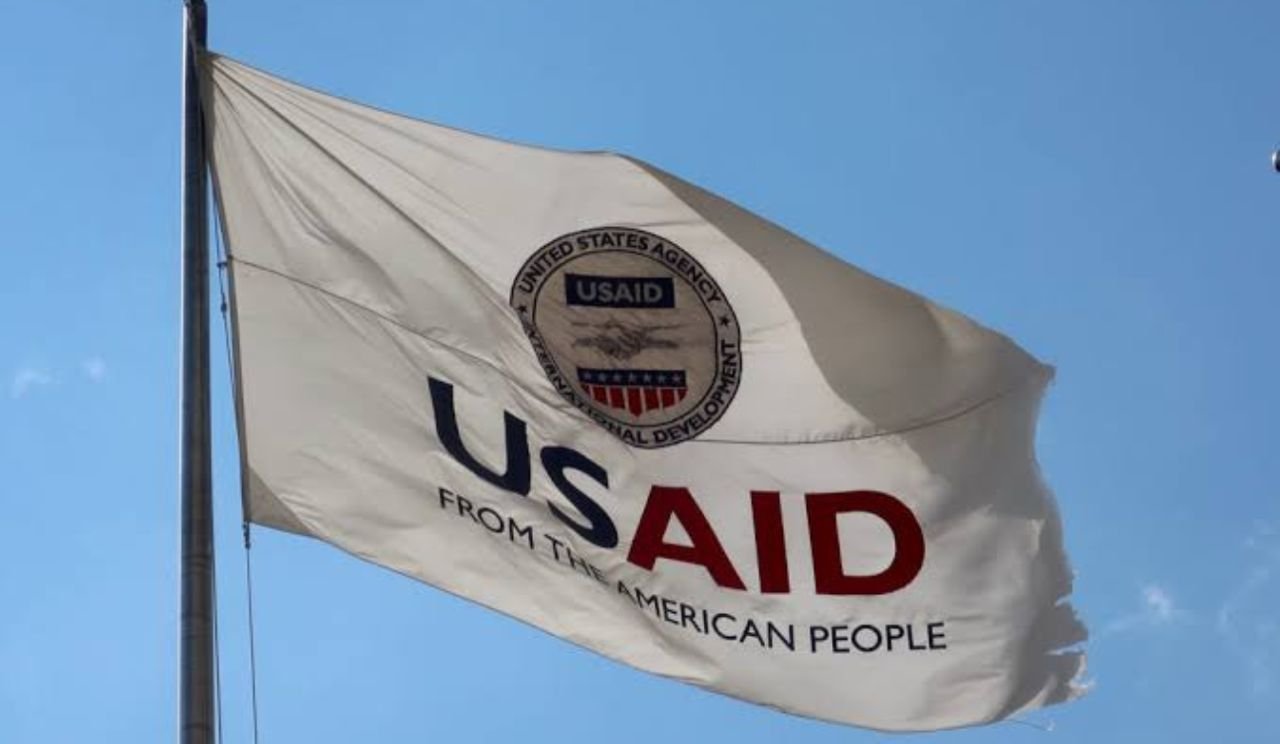
A U.S. federal judge has temporarily halted former President Donald Trump’s plan to place 2,200 employees of the U.S. Agency for International Development (USAID) on paid leave, just hours before the measure was set to take effect. Judge Carl Nichols issued a limited temporary restraining order in response to a last-minute lawsuit filed by two unions seeking to prevent the agency’s downsizing. The order, which remains in effect until February 14 at midnight, delays Trump’s broader effort to scale down USAID, an organization he has criticized as an unnecessary use of taxpayer funds. His administration had planned to place nearly all of USAID’s 10,000 employees on leave, sparing only 611 workers. Before the ruling, around 500 employees had already been placed on administrative leave, with another 2,200 scheduled to join them by midnight on Friday (05:00 GMT). The unions behind the lawsuit argued that the move violated the U.S. Constitution and would cause significant harm to the affected workers. Judge Nichols sided with the unions, stating that the workers would suffer “irreparable harm” if the court did not intervene, while the government faced “zero harm” from the delay. The temporary block provides a brief reprieve for USAID employees, but the long-term fate of the agency remains uncertain.

Ifunanya Okafor7 February 2025
article-1280x744.jpg

7min7080
The world of education is changing fast, and teachers in Africa have a golden opportunity to tap into the growing demand for online learning. With the rise of AI-driven tools and global e-learning platforms, educators can now extend their impact beyond the classroom and earn extra income by teaching online. Whether you are in Nigeria, Kenya, Ghana, South Africa, or anywhere in Africa, this guide will show you how to start and succeed as an online tutor. Why Teach Online? The benefits of online teaching go beyond financial gain. Here’s why more teachers are embracing digital classrooms: Flexible Online Teaching Jobs – Teach at your own convenience and balance work with other commitments. Global E-Learning Platforms – Connect with students across Africa and beyond, expanding your influence. Diverse Tutoring Opportunities – Teach academic subjects, language skills, test prep, or even specialized courses like coding and soft skills. Earn in Foreign Currency – Many platforms pay in dollars or euros, which can significantly boost your income. Top Platforms for Online Teaching in Africa If you’re wondering where to apply, here are some of the best tutoring websites for African educators: 1. Preply (Link) Specializes in language tutoring but also offers other subjects. Set your own rates and schedule. Popular for English teachers in Africa. 2. Chegg Tutors (Link) Focuses on academic subjects like math, science, and business. Offers flexible work hours and pays per lesson. Ideal for teachers with strong subject knowledge. 3. TutorMe (Link) Provides on-demand tutoring in a variety of subjects. Good for teachers who want to tutor part-time. Offers competitive pay and a steady stream of students. 4. NativeCamp (Link ) Great for English teachers looking to teach non-native speakers. No prior teaching experience required. Offers bonuses and incentives for high performance. How to Succeed in Online Tutoring Choose a High-Demand Niche – Specialize in subjects like English language teaching, STEM education, or business coaching. Create an Optimized Tutor Profile – Highlight your experience, qualifications, and teaching style using keywords like “best tutoring sites for Nigerian teachers” and “how to earn extra income teaching online.” Set Competitive Rates – Research how much others are charging and start with a fair price to attract students. Optimize for SEO – Use keywords like “online tutoring in Africa,” “teach English online,” and “top platforms for online teaching in Nigeria” in your profile and descriptions. Deliver Engaging Virtual Lessons – Use interactive tools, structured lesson plans, and personalized learning strategies to retain students. Market Your Services Effectively – Promote your profile on LinkedIn, Facebook, and Twitter to attract more students. Overcoming Common Challenges While online teaching is rewarding, African educators may face some challenges, such as: Internet Connectivity Issues – Invest in a stable internet connection and have backup data options. Payment Limitations – Some platforms require PayPal, so consider setting up international payment solutions like Payoneer. High Competition in Online Tutoring – Stand out by offering unique teaching approaches and excellent student reviews. Final Thoughts The digital education revolution is here, and African teachers have more opportunities than ever to share their expertise, grow professionally, and earn extra income. Whether you want a side hustle or a full-time online teaching career, there is a platform and a student waiting for you. Now is the best time to take action. Sign up on a platform, optimize your tutor profile, and start teaching online today!

Ifunanya Okafor7 February 2025
3-1-1280x744.jpg

2min6580
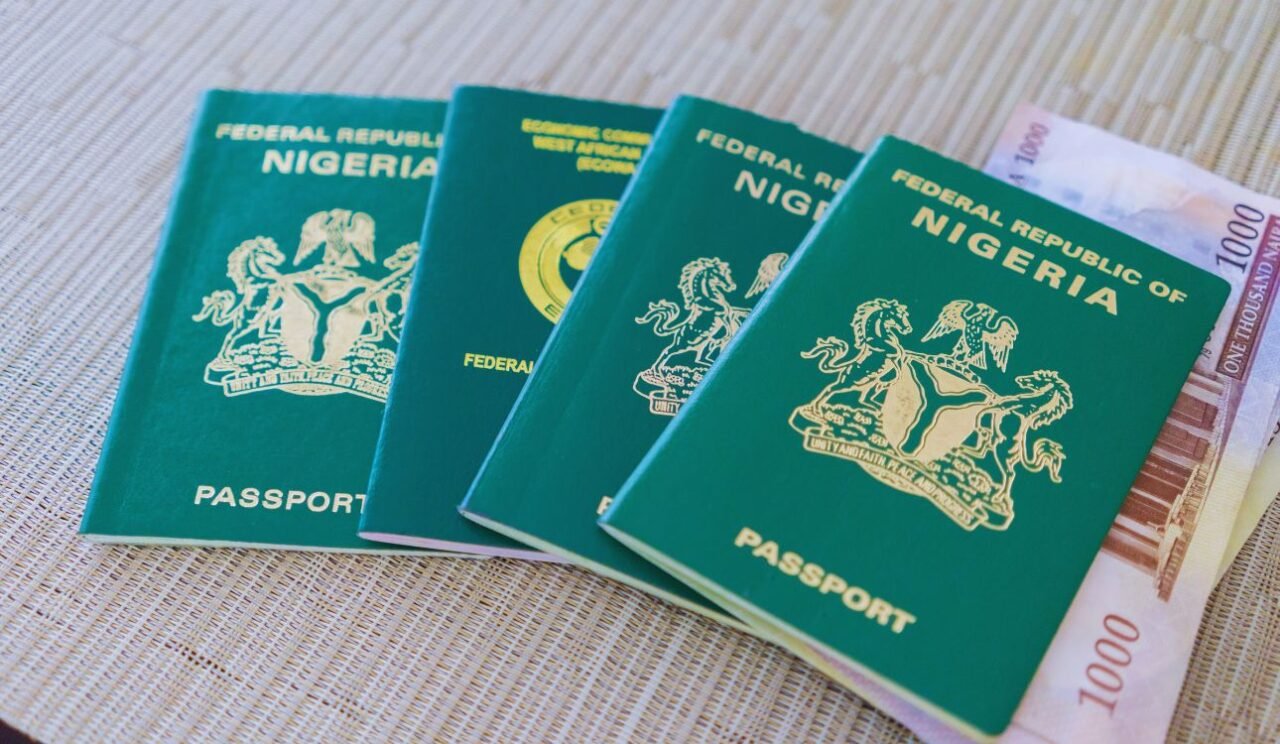
The Nigeria Immigration Service (NIS) has announced the introduction of its contactless passport application system in select European countries, starting with the United Kingdom (UK) and Ireland. This initiative aims to ease the passport renewal process for Nigerians living abroad. According to a statement issued in Abuja by NIS Public Relations Officer, Akinsola Akinlabi, the NIS Comptroller General, Kemi Nandap, confirmed that the rollout in Europe would commence on February 7, 2025. Nandap emphasized that this marks the second phase of the service’s expansion for Nigerians in the diaspora, following its successful launch in Canada on November 5, 2024. “For emphasis, the contactless passport application, which is currently available on Google Play Store (NIS mobile), is designed to allow Nigerians to renew their passports without visiting any passport centre for biometric enrolment,” she said. She reiterated the NIS’s commitment to innovation and efficient service delivery for Nigerians worldwide, ensuring a seamless and modernized passport application process. This move is expected to significantly reduce the stress and time required for passport renewal, making it more accessible for Nigerians living abroad.

Ifunanya Okafor7 February 2025
2-2-1280x744.jpg

3min7370
PwC Nigeria has announced the launch of its Sustainability Academy, a flagship program under the PwC Nigeria Business School aimed at equipping professionals with the skills and knowledge to navigate the evolving sustainability landscape. Femi Osinubi, Partner, Consulting and Risk Services Leader at PwC Nigeria, emphasized the importance of the academy, stating: “In an era where re-skilling and upskilling are critical to achieving sustainability goals, this academy is designed to empower business leaders and professionals with actionable strategies for the future.” He noted that sustainability has evolved from a boardroom discussion to a core driver of business strategy, resilience, and value creation. The academy will address the challenges businesses face in balancing immediate pressures with long-term sustainability goals while staying ahead of regulatory and market expectations. Marilyn Obaisa-Osula, Partner and Head of ESG, Sustainability & Climate Change at PwC Nigeria, highlighted the shift in perspective on sustainability: “Sustainability has often been seen as a ‘good to have’ rather than a strategic imperative. Our academy aims to bridge knowledge gaps and equip industry leaders with the tools needed to navigate the dynamic ESG regulatory ecosystem.” She stressed that businesses that align environmental and social responsibility with their strategies can enhance brand value, reduce costs, and achieve sustainable growth. Uloma Ojinmah, Partner and PwC Business School Leader, reiterated PwC’s commitment to sustainability, noting that the academy is one of several programs offered by the PwC Nigeria Business School. With this initiative, PwC Nigeria is positioning itself at the forefront of sustainability education, providing industry leaders with the expertise needed to integrate sustainability into their business models effectively.  

Ifunanya Okafor7 February 2025
1-1280x744.jpg

4min6300
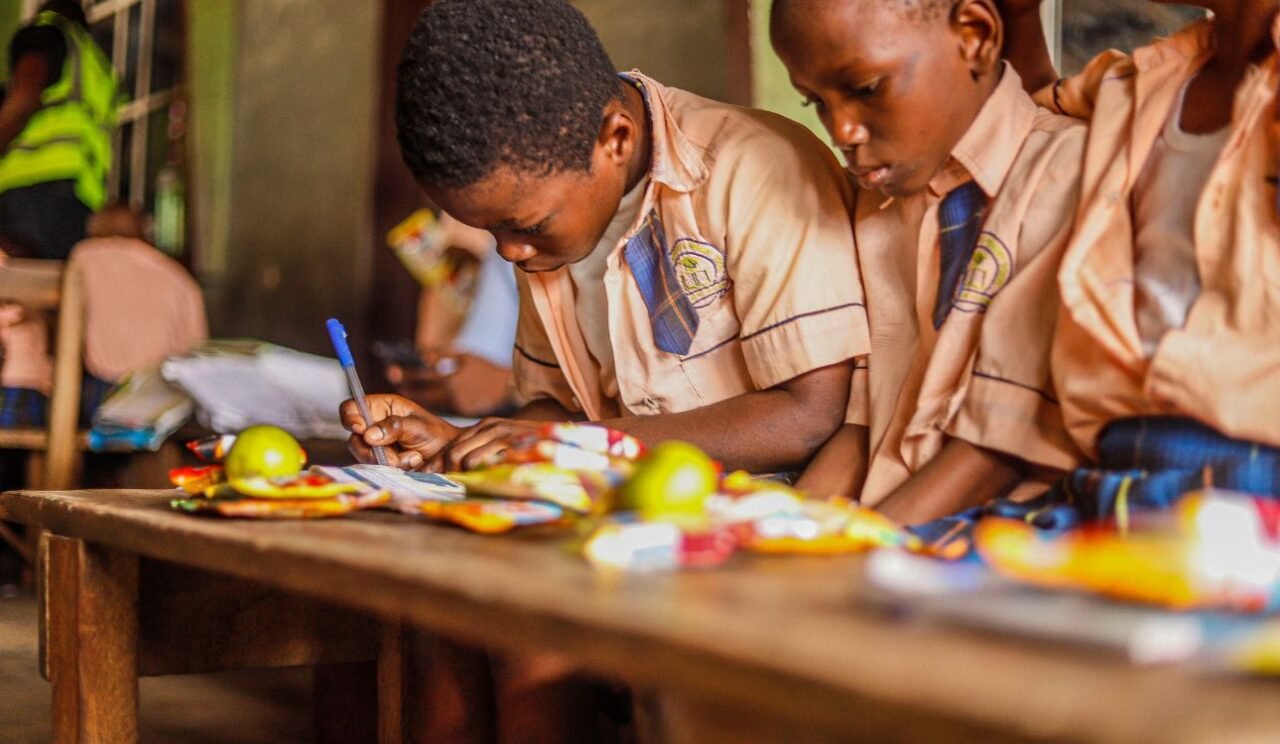
The Federal Government of Nigeria has announced a major overhaul of the country’s education system, replacing the current 6-3-3-4 structure with a 12-4 model. Under this new policy, the distinctions between Junior Secondary School (JSS) and Senior Secondary School (SSS) will be removed, creating a single, uninterrupted 12-year basic education system. Why the Change? The Minister of Education, Dr. Tunji Alausa, stated that this reform aligns with global best practices and aims to ensure that every Nigerian child receives a solid educational foundation. The new model is designed to: Reduce dropout rates by eliminating financial and structural barriers between JSS and SSS. Provide a seamless learning experience by keeping students in one structured system for 12 years. Enhance vocational and entrepreneurial skills to better prepare students for higher education and the job market. Key Features of the New System 12 Years of Compulsory Basic Education: Instead of separate junior and senior secondary levels, students will have continuous learning from primary to secondary school. More Career-Oriented Learning: The curriculum will include vocational and technical skills to help students explore career paths early. Minimum Age for University Admission: The government is also setting 16 years as the minimum age for entry into tertiary institutions. Implementation Strategy To ensure the smooth adoption of this new policy, the government plans to: Upgrade school infrastructure to accommodate the extended learning period. Train and recruit more teachers to meet the demands of the new system. Improve funding and partnerships to support education at all levels. Enhance the curriculum to align with 21st-century skills and global standards. Impact on Nigeria’s Education System This reform is expected to produce a more skilled and knowledgeable youth population, reducing unemployment and strengthening the country’s workforce. By extending basic education, the government hopes to equip students with relevant skills, ultimately boosting Nigeria’s economic growth and global competitiveness. What’s Next? The Ministry of Education will work closely with stakeholders, including schools, parents, and education experts, to ensure a smooth transition to the new system. More details on the timeline and implementation steps are expected to be released soon. Stay tuned to Edupreneur for more updates on this landmark education reform in Nigeria!

Ifunanya Okafor6 February 2025
IMG-20250126-WA0003.jpg

9min23920
Thousands of employees at the U.S. Agency for International Development (USAID) are set to be placed on leave starting this Friday night, a decision that raises alarms about the agency’s ability to continue critical support for African countries. In a statement posted by USAID, the agency confirmed that the cuts will affect direct-hire personnel, excluding those in mission-critical roles, core leadership positions, and certain designated programs. The freeze is part of broader funding reductions imposed by the Trump administration, which has argued that USAID’s spending needs to align more closely with U.S. national priorities. As the announcement reverberates across the globe, its most immediate impacts are being felt in Africa, where USAID plays a key role in supporting health systems, economic development, and education. The freeze on funding and the reduction in personnel could disrupt programs that millions of people rely on. Impact on Africa’s Health and Humanitarian Efforts USAID has long been a pillar of healthcare in Africa, supporting efforts to tackle diseases like HIV/AIDS, malaria, and tuberculosis (TB). The suspension of funds puts these ongoing efforts at risk. For instance, in South Africa, the freeze threatens the continuation of HIV treatment programs that provide life-saving antiretroviral drugs to over 4 million people. This disruption could reverse decades of progress and lead to a dangerous spike in drug-resistant TB, which is far harder to treat. In Uganda, the freeze hits LGBTQ+ health programs, which have been vital in providing access to HIV prevention services. The suspension of these initiatives risks a resurgence in sexually transmitted infections (STIs) and a setback for Uganda’s progress in public health, particularly for marginalized communities. Economic and Developmental Setbacks Beyond health, the cuts also affect development programs across the continent. Many African countries depend on USAID for support in agriculture, education, and infrastructure development. With USAID’s budget slashed, NGOs working on the ground face halting their work, leaving vulnerable populations without vital services. For example, Haiti was recently informed that $13.3 million in U.S. aid would be frozen, and while some exceptions were made, the broader freeze raises concerns about its ripple effects in Africa. As U.S. aid to countries like Nigeria, Ethiopia, and Kenya also faces uncertainty, these nations now fear a loss of access to life-saving aid and long-term development programs. Humanitarian Crisis Threatened by USAID Staff Cuts The most pressing concern is how these cuts will affect USAID’s overseas personnel. With two-thirds of the 10,000 staff members stationed overseas, a reduction in workforce may jeopardize critical operations in conflict zones like South Sudan and Somalia, where U.S. aid is crucial for providing food, medical supplies, and humanitarian relief. A USAID spokesperson confirmed that the agency, in collaboration with the U.S. Department of State, will coordinate the return travel of affected staff. The process, expected to be completed in the next 30 days, raises logistical challenges, especially for personnel in active conflict zones where their safety is at risk. Global Implications: A Recalibration of Foreign Aid This freeze comes at a time when the global humanitarian landscape is already under strain, with conflict, natural disasters, and pandemics stretching resources thin. USAID’s role as a global leader in international development is undeniable, but the Trump administration’s focus on fiscal cuts and realigning foreign aid according to U.S. priorities has generated widespread criticism from global aid organizations and Democratic lawmakers. The situation is complicated further by the involvement of Elon Musk’s unofficial “Department of Government Efficiency,” which is assisting in these cuts. Critics argue that this collaboration has led to poorly thought-out decisions with severe consequences for the world’s most vulnerable populations. The Future of USAID’s Role in Africa Despite the uncertainty surrounding USAID’s future role in Africa, the agency’s leadership has reaffirmed its commitment to its mission. Andres Gambini, a key researcher, emphasized the indispensable nature of USAID’s work in improving public health, education, and economic resilience in Africa. However, if the staffing cuts and funding freeze continue, it could mark a setback in African development that might take years to recover from. Conclusion As USAID prepares for massive staff layoffs and funding reductions, Africa’s health and development sectors are bracing for potentially devastating consequences. Countries already facing economic and humanitarian challenges may now face even more dire struggles as they lose critical support from one of the world’s largest foreign aid organizations. It’s essential that both local governments and international agencies step up to ensure that the most vulnerable are not left behind in this period of political and fiscal uncertainty.


Ifunanya Okafor6 February 2025
11-1280x744.jpg

3min11510
Australian researchers have successfully created the world’s first kangaroo embryo through in vitro fertilization (IVF), marking a breakthrough that could help save endangered marsupial species from extinction. Scientists from the University of Queensland achieved this feat by injecting a single sperm cell into an egg using a technique known as intracytoplasmic sperm injection (ICSI). While a live birth is yet to be achieved, researchers say this development provides key insights into marsupial reproduction and lays the groundwork for improving genetic diversity in endangered species such as the koala, Tasmanian devil, northern hairy-nosed wombat, and Leadbeater’s possum. A Step Toward Conservation Lead researcher Andres Gambini emphasized the importance of the breakthrough, particularly as Australia has the highest rate of mammal extinctions in the world. “We are now refining techniques to collect, culture, and preserve marsupial eggs and sperm,” said Dr. Gambini. “These advancements will play a crucial role in safeguarding the genetic material of these unique and precious animals.” The experiment was conducted on eastern grey kangaroos, a species chosen for its stable population and non-endangered status. The study examined the growth of kangaroo eggs and sperm in a laboratory setting, providing valuable insights into marsupial fertility that had previously been difficult to study. IVF as a Global Conservation Tool While IVF is widely used in human fertility treatments and some domestic animal breeding, its application in marsupials is still in its early stages. Scientists hope that further technical advancements could one day lead to successful births, helping to repopulate threatened species and enhance biodiversity. As conservationists explore innovative ways to combat species decline, reproductive technologies like IVF are becoming essential tools in wildlife preservation efforts worldwide.