

 Ifunanya Okafor
Australian Scientists Achieve World-First Kangaroo Embryo Through IVF
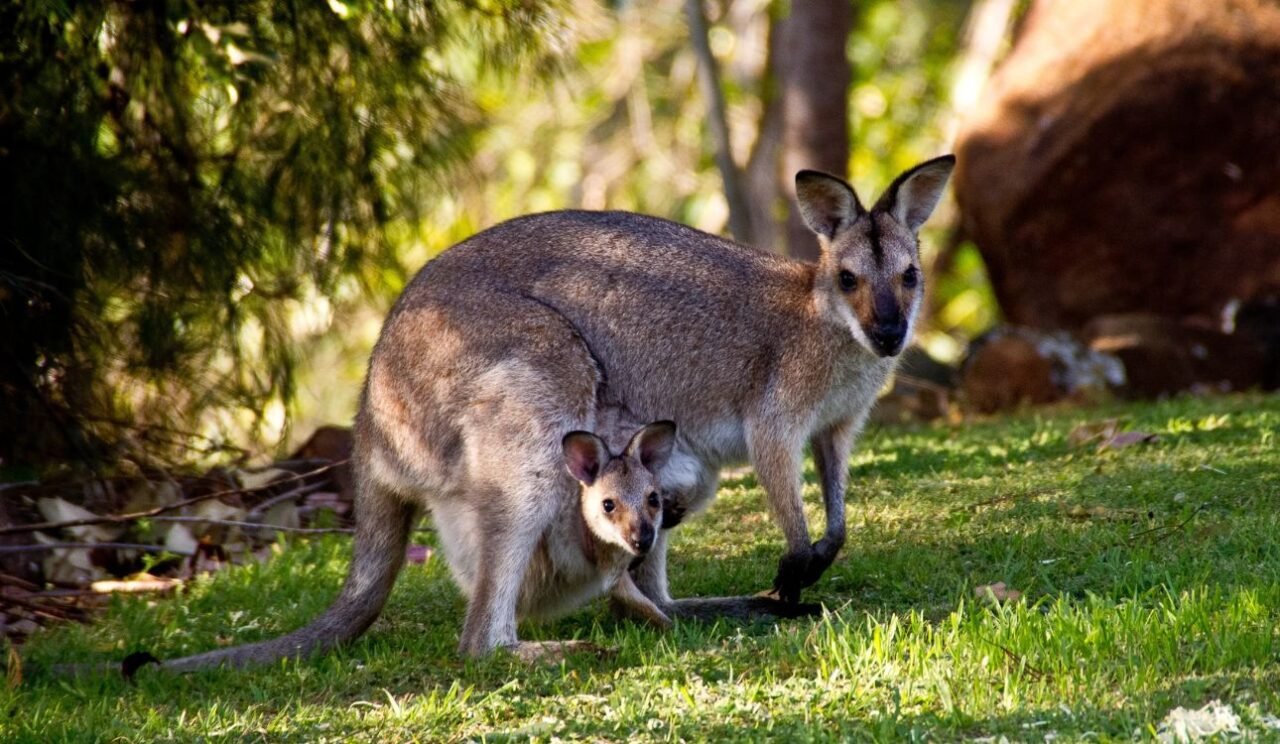
Australian researchers have successfully created the world’s first kangaroo embryo through in vitro fertilization (IVF), marking a breakthrough that could help save endangered marsupial species from extinction.
Scientists from the University of Queensland achieved this feat by injecting a single sperm cell into an egg using a technique known as intracytoplasmic sperm injection (ICSI). While a live birth is yet to be achieved, researchers say this development provides key insights into marsupial reproduction and lays the groundwork for improving genetic diversity in endangered species such as the koala, Tasmanian devil, northern hairy-nosed wombat, and Leadbeater’s possum.
A Step Toward Conservation
Lead researcher Andres Gambini emphasized the importance of the breakthrough, particularly as Australia has the highest rate of mammal extinctions in the world.
“We are now refining techniques to collect, culture, and preserve marsupial eggs and sperm,” said Dr. Gambini. “These advancements will play a crucial role in safeguarding the genetic material of these unique and precious animals.”
The experiment was conducted on eastern grey kangaroos, a species chosen for its stable population and non-endangered status. The study examined the growth of kangaroo eggs and sperm in a laboratory setting, providing valuable insights into marsupial fertility that had previously been difficult to study.
IVF as a Global Conservation Tool
While IVF is widely used in human fertility treatments and some domestic animal breeding, its application in marsupials is still in its early stages. Scientists hope that further technical advancements could one day lead to successful births, helping to repopulate threatened species and enhance biodiversity.
As conservationists explore innovative ways to combat species decline, reproductive technologies like IVF are becoming essential tools in wildlife preservation efforts worldwide.

