Author: Ifunanya Okafor

Ifunanya Okafor4 February 2025
13-1280x744.jpg

2min8970
The Federal Executive Council (FEC) has approved a $1.07 billion investment in Nigeria’s healthcare sector under the Human Capital Opportunities for Prosperity and Equity (HOPE) programme. Additionally, N4.8 billion has been allocated for HIV treatment, marking a significant step in strengthening healthcare services nationwide. Announcing the decision in Abuja, the Minister of Finance and Coordinating Minister of the Economy, Mr. Wale Edun, disclosed that the funding includes two concessional loans of $500 million each from the World Bank’s International Development Association (IDA), supplemented by a $70 million grant from international partners. Providing further insights, the Coordinating Minister of Health and Social Welfare, Prof. Muhammad Ali Pate, stated that the HOPE programme aligns with the administration’s commitment to human capital development. The funds will be directed toward enhancing healthcare governance and improving primary healthcare delivery across the country. “This financing will facilitate the recruitment, training, and retention of healthcare workers and teachers at the subnational level. Additionally, $500 million will be allocated to strengthening the quality, accessibility, and resilience of the primary healthcare system, including emergency maternal and child health services,” Pate explained. As part of the broader healthcare reforms, N4.8 billion has been earmarked for the procurement of 150,000 HIV treatment packs over the next four months, reinforcing the government’s commitment to providing life-saving care for vulnerable populations. The council also discussed the impact of recent U.S. policy changes on Nigeria’s health initiatives, particularly regarding funding for HIV, tuberculosis, and malaria programmes. To address potential funding challenges, a multi-ministerial committee, comprising representatives from the Ministries of Finance, Health, Defense, and Environment, along with the Governors’ Forum has been tasked with developing a transition and sustainability plan.

Ifunanya Okafor4 February 2025
12-1280x744.jpg

2min6360
China has imposed retaliatory tariffs on U.S. imports in response to new U.S. duties on Chinese goods, reigniting tensions between the world’s two largest economies. The move follows President Donald Trump’s decision to enforce an additional 10% tariff on all Chinese imports into the U.S., which took effect at 12:01 a.m. ET on Tuesday (0501 GMT). Beijing swiftly responded with its own set of tariffs, set to take effect on February 10, targeting American-made cars, farm equipment, and energy exports. The renewed trade dispute comes as Trump seeks to penalize China over the continued flow of illicit drugs into the U.S. Meanwhile, Trump temporarily suspended his threat of imposing 25% tariffs on Mexico and Canada, granting a 30-day pause in exchange for concessions on border security and crime enforcement. Despite this reprieve, the Canadian dollar and Mexican peso weakened on Tuesday, while the U.S. dollar gained strength following the fresh tariffs on China. The Chinese yuan and Australian dollar also took a hit, and the euro declined as the European Union remained under Washington’s trade scrutiny. The latest developments have reignited fears of a prolonged global trade war, dampening optimism that had briefly surfaced after Trump’s last-minute negotiations with Canada and Mexico.

Ifunanya Okafor3 February 2025
Edutech-No-1-1280x720.jpg

4min7810
OpenAI, a leader in generative artificial intelligence, launched a new AI-powered tool called “Deep Research” on Sunday. The tool is designed to conduct multi-step research on the internet for tackling complex tasks by gathering and analyzing data across multiple sources. Deep Research is built on a version of OpenAI’s upcoming o3 model, specifically optimized for web browsing and data analysis. By providing a simple prompt, users can have ChatGPT search the web and analyze text, images, and PDFs to generate a comprehensive research report that would normally require a human research analyst. According to OpenAI, Deep Research can complete tasks in tens of minutes that would otherwise take humans several hours. How Deep Research Works The tool combines the capabilities of advanced AI with the vast wealth of information available online. By synthesizing data from diverse sources, Deep Research aims to provide users with insights that are both detailed and accurate. Despite its advanced capabilities, OpenAI acknowledged that Deep Research is still in its early stages. The tool faces limitations, particularly in its ability to distinguish authoritative information from rumors. It also has challenges with confidence calibration, meaning it can sometimes fail to express uncertainty in its findings. Availability and Rollout Deep Research is now accessible on the web version of ChatGPT and will be rolled out to both mobile and desktop apps by February. This release follows OpenAI’s launch of another AI agent in January called Operator, which helps with tasks such as to-do lists and vacation planning. Future of AI Research Tools With the introduction of Deep Research, OpenAI aims to streamline the research process, enhancing productivity for professionals across industries, from academics to businesses. As the tool evolves, it is expected to improve its accuracy and reliability in handling complex data analysis and research tasks.

Ifunanya Okafor3 February 2025
10-1280x744.jpg

6min9910
The U.S. dollar surged to multi-year highs on Monday, while the Canadian dollar, Mexican peso, and Chinese yuan tumbled after President Donald Trump imposed sweeping tariffs on America’s top trading partners. The move has triggered fears of a global trade war, sending stock markets into a sharp decline. Immediate Market Reaction The Chinese yuan fell to a record low in offshore trading. The Canadian dollar hit its weakest level since 2003. The Mexican peso dropped to its lowest value since 2022. The euro sank to a two-year low, while the Swiss franc,  typically a safe-haven currency also weakened. Trump’s Tariffs and Retaliation Trump’s tariffs, which took effect on February 4, impose: 25% duties on Canadian and Mexican imports 10% tariffs on Chinese goods The White House justified the move as a necessary step to curb illegal immigration and drug trafficking. However, Canada and Mexico retaliated immediately, announcing countermeasures, while China vowed to challenge the tariffs at the World Trade Organization (WTO). Stock Market Fallout The global markets responded swiftly, with investors fearing higher inflation and slower economic growth: Japan’s Nikkei 225 fell 2.9% Australia’s ASX 200 dropped 1.8% Hong Kong stocks fell 1.1% U.S. S&P 500 futures and European STOXX 50 futures both sank by 2% Economic Outlook: Recession Risks & Stagflation Financial analysts warn that Trump’s aggressive trade policies could slow U.S. economic growth by 1.5 percentage points this year. Greg Daco, chief economist at EY, predicts the move will: ✔ Push Canada and Mexico into a recession ✔ Create stagflation in the U.S. (a mix of slower growth and higher inflation) ✔ Trigger a global trade war “This early strike, just two weeks into Trump’s new term, will likely shake investor confidence,” said Mansoor Mohi-uddin, chief economist at Bank of Singapore. What’s Next? With the Federal Reserve reassessing its interest rate strategy and global markets bracing for further turbulence, all eyes are on China and the European Union for their next moves. Economists fear a prolonged dispute could disrupt supply chains and drive up prices for American consumers. Bottom Line: Trump’s tariffs have shaken global markets, triggered retaliation from key trading partners, and raised fears of a recession. As trade tensions escalate, investors are preparing for a volatile road ahead.

Ifunanya Okafor3 February 2025
9-1280x744.jpg

4min8650
U.S. President Donald Trump has announced plans to cut all future American aid to South Africa, citing concerns over the country’s land expropriation policies. In a statement posted on Truth Social on Sunday, Trump alleged, “South Africa is confiscating land and treating certain classes of people VERY BADLY. The United States won’t stand for it, we will act. Also, I will be cutting off all future funding to South Africa until a full investigation of this situation has been completed!” According to U.S. government data, the United States provided nearly $440 million in assistance to South Africa in 2023. Trump’s announcement signals a potential shift in U.S.-South Africa relations under his administration. South Africa’s Land Expropriation Law The controversy stems from a new land reform law signed by South African President Cyril Ramaphosa last month. The legislation aims to address racial inequalities in land ownership, a legacy of apartheid, by making it easier for the state to seize land in the public interest. In response to Trump’s remarks, South Africa’s foreign ministry defended the law, stating, “We trust President Trump’s advisers will use the investigative period to attain a thorough understanding of South Africa’s policies within the framework of a constitutional democracy.” The ministry also emphasized that land expropriation policies exist in many other countries, suggesting that South Africa’s approach is not unusual. Rising Diplomatic Tensions Trump’s decision to link U.S. aid to South Africa’s land policies could strain diplomatic ties between the two nations. While the U.S. has historically been one of South Africa’s major international partners, this latest move underscores the Trump administration’s more aggressive foreign policy stance. As the situation unfolds, South Africa’s response and whether Trump follows through on his funding threat will be key developments to watch.

Ifunanya Okafor1 February 2025
IMG-20250201-WA0009.jpg

1min12150
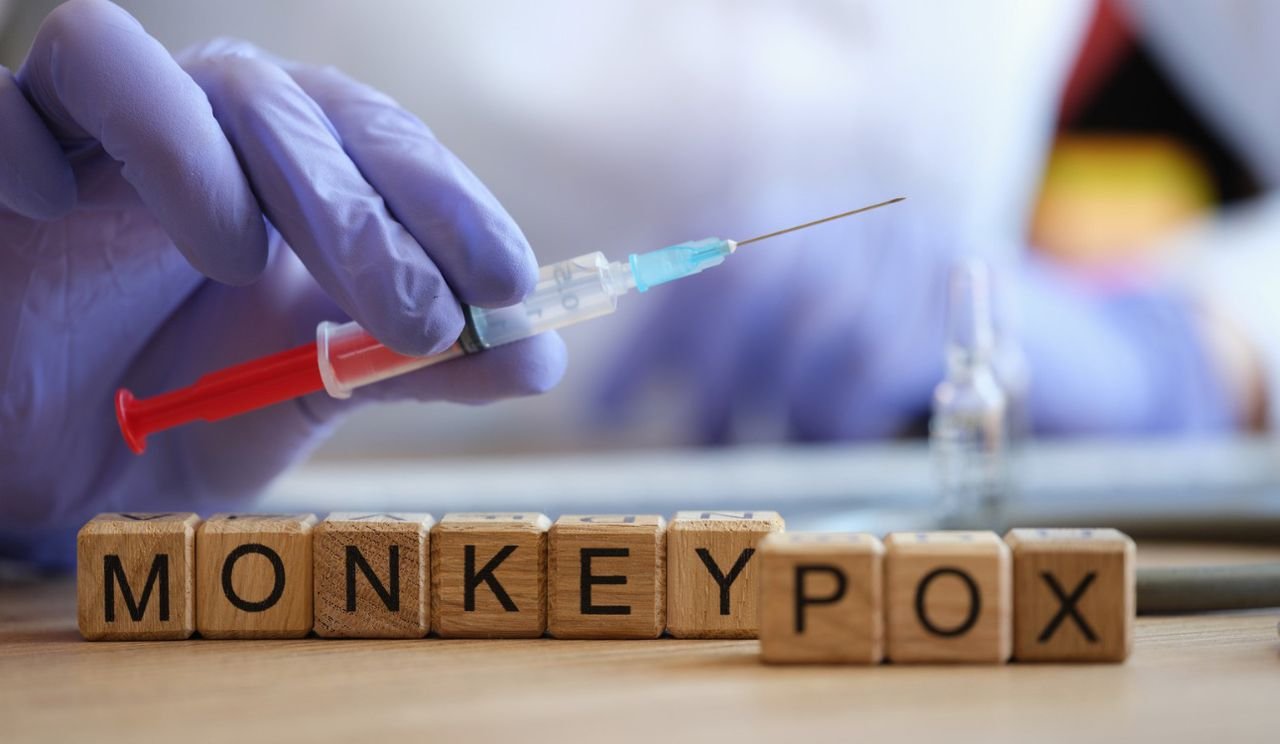
The UK Health Security Agency (UKHSA) has confirmed another case of the mpox variant clade Ib in England, bringing the total number of detected cases to eight since October last year. Despite the latest confirmation, the agency reassured the public that the overall risk remains low. The clade Ib variant, linked to a global health emergency declared by the World Health Organization (WHO) in August, has been under close monitoring by health authorities. According to the UKHSA, the newly identified case was found in a patient in London who had recently returned from Uganda, where community transmission of the variant has been reported. The agency noted that this case has no known connections to previous infections detected in England. Health officials continue to track and assess the situation while urging vigilance, particularly among travelers returning from affected regions.

Ifunanya Okafor1 February 2025
IMG-20250201-WA0010.jpg

1min6330
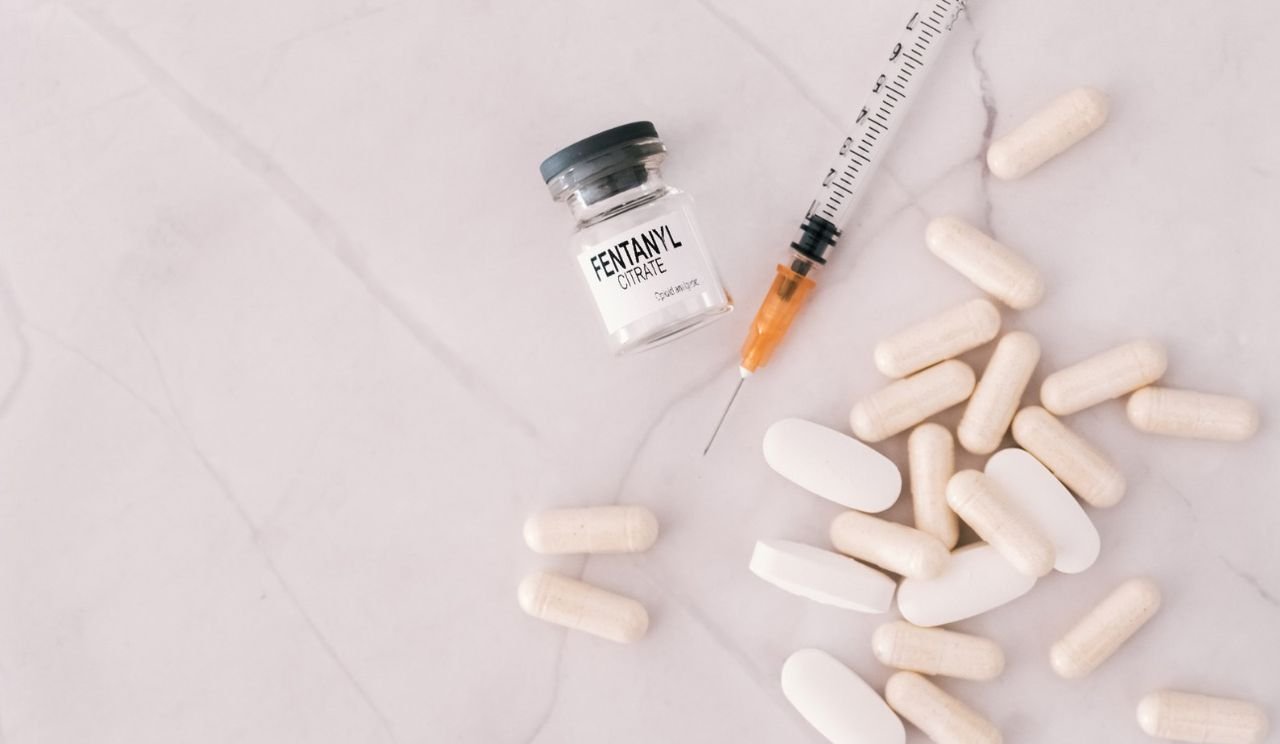
A Manhattan jury has acquitted two executives of a Chinese chemical company of conspiring to distribute fentanyl in the United States but found them guilty on related charges. The verdict, delivered on Wednesday and made public on Thursday, cleared Qingzhao Wang, principal executive of Hubei Amarvel Biotech, and Yiyi Chen, the company’s marketing manager, of the top charge, conspiracy to distribute fentanyl or a fentanyl-related substance. However, the jury found both Wang and Chen guilty of conspiracy to import a fentanyl precursor chemical, determining that they had reason to believe it would be used to manufacture fentanyl, though without intent to produce the drug themselves. Additionally, they were convicted of conspiracy to launder money. The U.S. Department of Justice had previously highlighted their 2023 indictment as a major step in combating fentanyl, a highly addictive and deadly opioid that has fueled an ongoing crisis in the country.

Ifunanya Okafor1 February 2025
3-4-1280x744.jpg

1min5700
The Joint Admissions and Matriculation Board (JAMB) has announced a delay in the registration for the 2025 Unified Tertiary Matriculation Examination (UTME), originally slated to begin yesterday. The board attributed this postponement to the need for a thorough review of some Computer-Based Test (CBT) centres after discovering that these centres had employed deceptive practices to gain approval. In an official statement by JAMB’s spokesperson, Fabian Benjamin, the board revealed that registration will now commence on Monday, February 3. The decision to postpone, according to JAMB, was influenced by the necessity to implement vital adjustments to its registration procedures. “These adjustments come in light of the recent suspension of certain law programmes at selected universities, as submitted to the Board by the Council for Legal Education,” JAMB stated. Acknowledging the impact of this decision, JAMB expressed its regret for any inconvenience caused to candidates and stakeholders. The board emphasized its commitment to ensuring a transparent and fair examination process for all applicants.

Ifunanya Okafor30 January 2025
1-17-1280x744.jpg

8min8860
Why Brain Health Matters Your diet has a direct impact on your brain health. What you eat can improve memory, focus, and even protect against cognitive decline. In many regions, traditional diets feature brain-boosting foods that support mental well-being. This article highlights these science-backed, brain-boosting foods that are readily available in many African kitchens. Whether you are a teacher, parent, or anyone interested in improving mental clarity, these foods can make a noticeable difference. 1. Eggs: The Ultimate Brain Food Why Eggs Are Essential for Brain Health Eggs are rich in choline, a nutrient critical for brain function. Research shows that choline helps maintain memory and cognitive function while lowering the risk of Alzheimer’s disease. Pro Tip: Try an omelet with tomatoes, onions, and locally grown herbs, or pair a hard-boiled egg with your favorite grains for a quick brain boost. 2. Magnesium: A Mineral for Better Memory and Stress Relief The Link Between Magnesium and Mental Clarity Magnesium plays an essential role in brain health by calming the nervous system and improving cognitive function. It also helps reduce stress and anxiety. Best Sources of Magnesium: Leafy Greens: Like spinach, amaranth leaves, and Fluted pumpkin (ugwu) in stews and soups. Nuts: Cashews and groundnuts are great snack options. Seeds: Pumpkin and sunflower seeds provide magnesium-rich energy. Pro Tip: Add magnesium-rich greens to your jollof rice or blend them into a smoothie for a nutritious twist. 3. Whole Grains: Fuel Your Brain for the Long Haul How Whole Grains Help Your Brain Stay Sharp Whole grains are high in fiber, which provides steady energy to the brain. They also contain B vitamins that support brain function. Brain-Boosting Whole Grains to Include: Sorghum: Perfect for porridge, like ogi or pap. Millet: Common in fura de nunu, a traditional drink. Brown Rice: A healthier alternative to white rice. Pro Tip: Swap your regular rice for brown rice or enjoy a hearty sorghum porridge for breakfast to start your day with a brain-boosting meal. 4. Antioxidants: Defend Your Brain with Fresh Fruits and Vegetables Why Antioxidants Are Critical for Your Brain Antioxidants protect your brain from oxidative damage and reduce the risk of cognitive decline. They improve memory and support overall brain function. Top Antioxidant-Rich Foods to Include: Berries: Baobab, soursop, and wild berries are high in antioxidants. Dark Chocolate: With at least 70% cocoa, it’s a powerful brain food. Green Tea: Well-known for its antioxidant content. Pro Tip: Add baobab fruit powder to your smoothies or sip on green tea for an easy brain-boosting habit. Other Top Brain-Boosting Foods to Try: Fish: Rich in omega-3s, found in tilapia and mackerel. Poultry: Chicken dishes provide additional choline and protein.   6. Avoid Ultra-Processed Foods for Better Cognitive Function How Ultra-Processed Foods Affect Your Brain Eating too many ultra-processed foods, which are high in sugar and unhealthy fats, can negatively affect brain function. These foods contribute to brain fog, poor memory, and reduced focus. Pro Tip: Instead of processed snacks, try fresh fruit, homemade vegetable stews, or a fresh salad. Eating brain-boosting foods is an easy way to support your cognitive health. By incorporating nutrient-rich ingredients like eggs, leafy greens, whole grains, and antioxidant-packed fruits, you can enhance your focus, memory, and overall mental well-being. Local, traditional foods can provide all the nutrients your brain needs to stay sharp.  

Ifunanya Okafor30 January 2025
8-1280x744.jpg

2min10210
U.S. President Donald Trump has reached a legal settlement with Meta, the parent company of Facebook and Instagram, in a case over his account suspensions following the January 6 Capitol riots. Under the agreement, Meta will pay approximately $25 million, though it does not admit any wrongdoing. Trump filed the lawsuit in 2021 after Meta suspended his accounts for at least two years. The restrictions were fully lifted in July 2024, ahead of the U.S. presidential elections. According to reports by The Wall Street Journal, around $22 million of the settlement will go toward funding Trump’s presidential library, while the remaining amount will cover legal costs and compensate other plaintiffs involved in the lawsuit. Relations between Trump and Meta’s CEO, Mark Zuckerberg, appear to have improved in recent months. After Trump’s election victory in November, Zuckerberg visited his Mar-a-Lago resort. In December, Meta donated $1 million to Trump’s inauguration fund, and Zuckerberg attended the inauguration earlier this month alongside other tech billionaires. Trump had previously been highly critical of Zuckerberg and Facebook, calling the platform “anti-Trump” in 2017 and later branding it an “enemy of the people” in March 2024. Meanwhile, Twitter now named X and owned by Trump ally Elon Musk permanently banned Trump in 2021 but reinstated his account in 2022 after Musk conducted a public poll supporting his return.