Author: Ifunanya Okafor

Ifunanya Okafor30 January 2025

7-1280x744.jpg

2min8650
Former Nigeria Labour Congress (NLC) President, Comrade Ayuba Wabba, has cautioned the federal government against plans to phase out the Tertiary Education Trust Fund (TETFund), warning that such a move would severely impact universities and other higher institutions. His warning comes as the National Assembly deliberates on tax reform bills proposing a gradual reduction in TETFund allocations. The bill suggests that from 2025, only 50% of the Education Tax will go to TETFund, while the rest will be redirected to the Nigerian Education Loan Fund (NELFUND). By 2030, TETFund could be scrapped entirely, with all education tax proceeds channeled to NELFUND. Speaking at a National Leadership Retreat organized by the Senior Staff Association of Nigerian Universities (SSANU) in Abuja, Wabba stressed that TETFund has been instrumental in funding university infrastructure and staff training. “For years, TETFund has been the primary source of funding for our tertiary institutions, especially in addressing dilapidated infrastructure and staff development,” he stated. Wabba warned that eliminating TETFund would leave universities struggling, as the national education budget remains insufficient. He also called on the government to engage with unions in good faith to address their grievances, emphasizing that strikes are always a last resort. The proposal to phase out TETFund has sparked widespread concern, with education stakeholders urging lawmakers to reconsider its impact on Nigeria’s higher education system. Photo credit: Ayuba Wabba, Daily Trust

Ifunanya Okafor30 January 2025
6-1-1280x744.jpg

2min8260
Salwan Momika, the 38-year-old Iraqi man who sparked global outrage by burning the Quran in Sweden, has been shot dead in an apartment in Södertälje, Stockholm. Swedish police confirmed that a man in his 40s was fatally shot on Wednesday night, leading to the arrest of five individuals. Local reports indicate that Momika was livestreaming on social media around the time of the attack. Momika gained international attention in 2023 after setting fire to a copy of Islam’s holy book outside Stockholm Central Mosque, triggering protests in several Muslim-majority nations. His actions led to diplomatic tensions, including the expulsion of Sweden’s ambassador from Baghdad and unrest at the Swedish embassy in Iraq. In August, Swedish authorities charged Momika with “agitation against an ethnic group” for multiple incidents of Quran burning. His trial verdict, originally set for Thursday, was postponed following confirmation of his death. Despite widespread condemnation, the Swedish government had allowed Momika’s protests under free-speech laws but later vowed to explore legal measures to restrict such demonstrations in the future. Investigations into his killing are ongoing.

Ifunanya Okafor29 January 2025
4-8-1280x744.jpg

4min13900
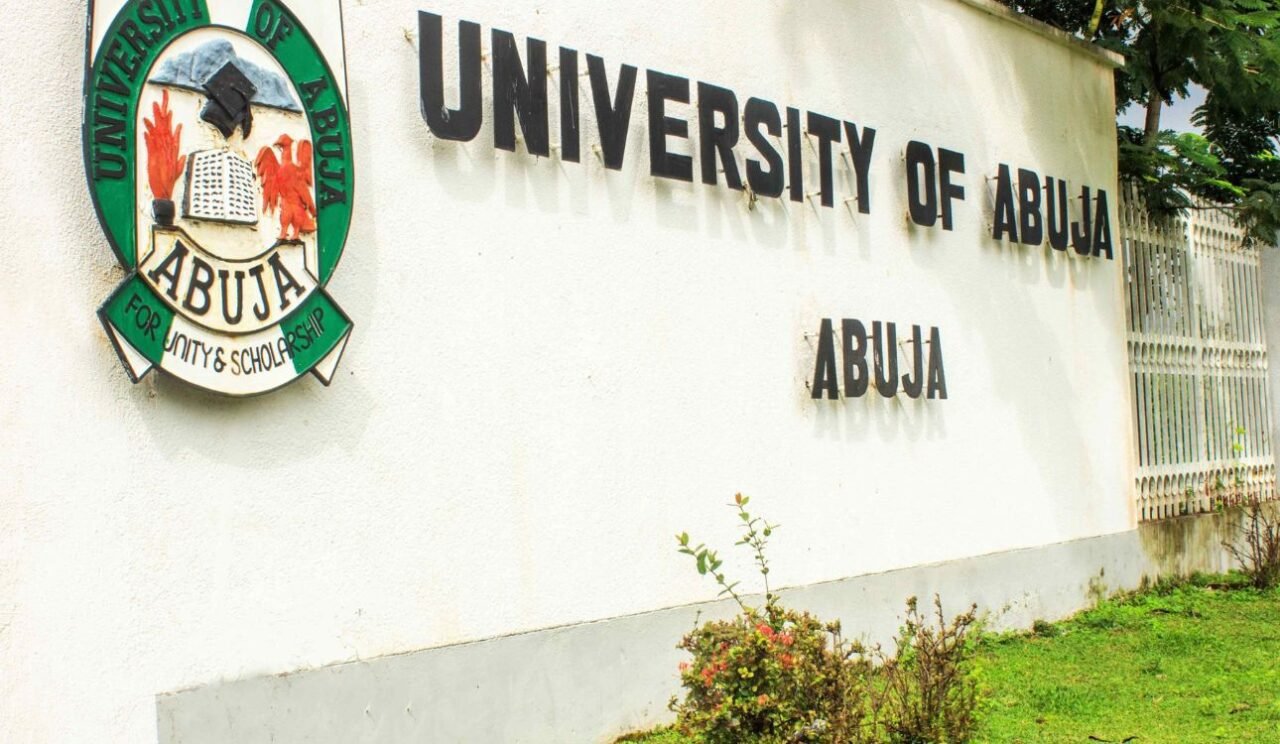
Six students from the University of Abuja have been awarded N5.45 million in research grants under the university’s Centre for Undergraduate Research (CUR) programme. The announcement was made by the Vice-Chancellor, Prof. Aisha Maikudi, during the institution’s 6th Undergraduate Research Day, themed “Promoting National Development Through Research.” Prof. Maikudi emphasized the university’s commitment to nurturing curiosity, creativity, and innovation, likening research to planting seeds that will grow into solutions for real-world challenges. “As undergraduates, you are the next generation of thought-seekers and change-makers,” she stated, commending the Centre for Undergraduate Research for guiding students toward groundbreaking discoveries. According to Prof. Taibat Adebukola Atoyebi, the CUR Director, 20 student groups initially expressed interest, 13 teams were shortlisted, and six projects were ultimately selected for funding. These students presented their research proposals and received their grants on Tuesday. Winning Research Topics The grant recipients and their areas of study include:  Ngutswen Aondonenge Emmanuel (Biological Sciences) – Exploring the medicinal properties of K. pinnata and J. tanjorensis for anaemia and liver health.  Isa Iqraam Ozavize (Veterinary Medicine) – Assessing biosafety and waste management in Abuja’s abattoirs. Madaki Enyojo Nathan (Microbiology) – Applying vermitechnology (earthworms) for sustainable agriculture and solid waste management. Egbeji Paul Owam (Medical Laboratory Science) – Investigating curry leaves’ potential as an antidiabetic remedy. Okolie Juliet Ukamaka (Economics) – Using AI and machine learning to study energy consumption in university hostels. Ezeadua Valentine Chinonso (Medical Laboratory Science) – Studying the antimicrobial properties of Calopogonium mucunoides and Mitracarpus species against drug-resistant bacteria. Much like young scientists charting new frontiers, these students are proving that research isn’t just about knowledge, it is about creating real impact. Stay tuned for more breakthroughs from Nigeria’s young researchers!  

Ifunanya Okafor29 January 2025
3-11-1280x744.jpg

2min7470
South Sudanese authorities have officially lifted the temporary ban on Facebook and TikTok, which was imposed last week following the circulation of graphic videos allegedly showing the killings of South Sudanese nationals in Sudan. The National Communications Authority (NCA) confirmed the decision in a letter dated January 27, stating that the violent protests and retaliatory attacks triggered by the disturbing footage had subsided. The offending content has also been removed from social media platforms. Napoleon Adok Gai, the NCA Director, emphasized the need for a balanced approach to managing online content, stating: “The rise of violence linked to social media content in South Sudan underscores the need for a balanced approach that addresses the root causes of online incitement while protecting the rights of the population.” The temporary ban had drawn concerns over digital rights, with many citizens and activists warning against excessive government control over social media. The reinstatement of access is seen as a positive step toward ensuring freedom of expression while tackling the risks of harmful online content.

Ifunanya Okafor29 January 2025
2-15-1280x744.jpg

3min12820
A global initiative aimed at bringing electricity to 300 million Africans over the next six years has secured over $8 billion in new funding from key international lenders, including the Islamic Development Bank (IsDB) and the Asia Infrastructure Investment Bank. Mission 300, launched in April by the World Bank and the African Development Bank (AfDB), is projected to cost $90 billion. However, its implementation faces significant financial hurdles, as many African economies struggle with high debt service costs and sluggish revenue growth. Speaking at the Africa Energy Summit in Tanzania, Zambian President Hakainde Hichilema acknowledged these economic constraints, stating: “Our national balance sheets are insufficient… to achieve Mission 300’s objectives.” To bridge the funding gap, financing will come from a mix of multilateral development banks, private investors, and philanthropic organizations such as the Rockefeller Foundation. Major Financial Commitments Several institutions have pledged significant funding, including: Islamic Development Bank (IsDB): $2.65 billion in project financing + $2 billion for power project insurance French Development Agency (AFD): €1 billion ($1.04 billion) OPEC Fund for International Development: $1 billion The African Development Bank (AfDB), in its closing statement, confirmed these commitments as a crucial step toward achieving universal electricity access across Africa. As the initiative gains momentum, stakeholders will need to overcome financial and infrastructure challenges to ensure the project meets its ambitious goal by 2030.

Ifunanya Okafor29 January 2025
1-16-1280x744.jpg

2min12920
Chinese tech giant Alibaba has launched a new version of its artificial intelligence model, Qwen 2.5, claiming it outperforms top-tier competitors, including DeepSeek-V3, GPT-4o (OpenAI), and Llama-3.1-405B (Meta). The unexpected timing of the release—coinciding with the first day of the Lunar New Year when most Chinese employees are off work—suggests a strategic response to the rapid rise of DeepSeek-V3, a Chinese AI model that has gained significant attention in the past three weeks. In an official statement on WeChat, Alibaba’s cloud division declared: “Qwen 2.5-Max outperforms … almost across the board GPT-4o, DeepSeek-V3, and Llama-3.1-405B.” This latest development highlights the growing competition in the AI space, particularly among Chinese tech firms vying for dominance in the large language model (LLM) race against global leaders like OpenAI and Meta. Alibaba’s Qwen models are part of its effort to strengthen China’s position in AI innovation, as local tech companies push forward despite global regulatory and market challenges. Stay tuned for more updates on AI advancements and the global AI arms race.

Ifunanya Okafor28 January 2025
2-14-1280x744.jpg

3min11160
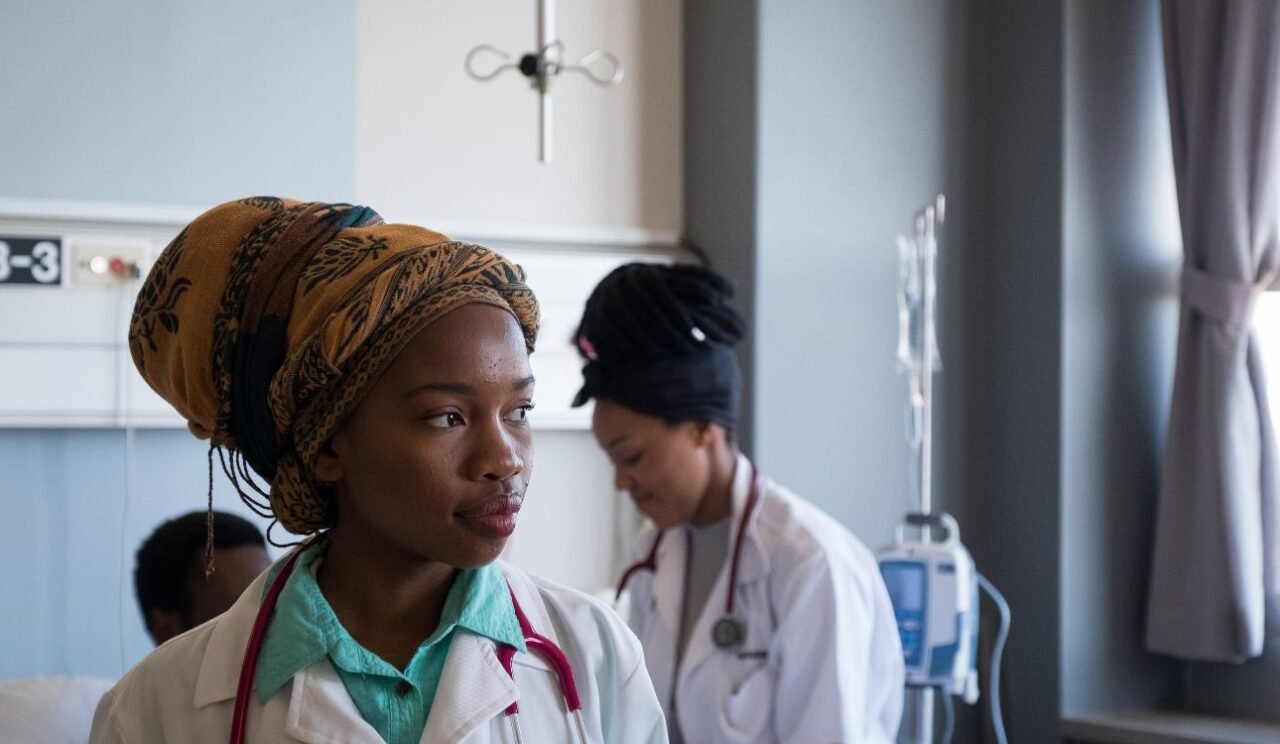
In a groundbreaking step to improve healthcare delivery in Nigeria, the Federal Ministry of Health and Social Welfare has introduced the Best Practice Spotlight Organisation (BPSO) initiative. This collaborative effort between the Ministry and Canada’s Registered Nurses’ Association of Ontario (RNAO) will roll out in 15 hospitals across Nigeria’s six geopolitical zones, including a district hospital in the Federal Capital Territory (FCT), Abuja. Notably, Nigeria is the first African nation to partner with RNAO as a BPSO host, underscoring the importance of nurses in strengthening the country’s healthcare system. “This is a remarkable achievement for Nigeria as it highlights the critical role nurses play in achieving the mandates of our healthcare system,” said Daju Kachollom, Permanent Secretary of the Ministry. The initiative will see the Ministry implement RNAO’s Best Practice Guidelines (BPGs) in the selected hospitals, providing specialized training, mentorship, and support to nursing professionals. These guidelines are designed to promote evidence-based, culturally sensitive, and patient-centered care, improving patient safety, reducing medical errors, and boosting satisfaction. Delivering a keynote address through the Director of the Food & Drugs Department, Pharmacist Olubunmi Aribeana, Kachollom emphasized how this initiative aligns with the Coordinating Minister’s four-point health agenda and supports global sustainable development goals. “Nurses will now be equipped to deliver care that meets global best practices and transforms healthcare in Nigeria,” she stated. The launch also signals the start of a four-day training program for teams from the selected hospitals. Dr. Jimoh, Director of the Hospital Services Department, highlighted the collaborative benefits of the partnership. Represented by Dr. Okpiko Okpako, Director of the Regulatory and Professional Schools Unit, Dr. Jimoh noted that this initiative facilitates knowledge exchange while embracing cultural nuances in caregiving between Nigeria and Canada. With the BPSO initiative, Nigeria is taking a bold step toward elevating healthcare standards and empowering its nursing workforce.

Ifunanya Okafor28 January 2025
1-15-1280x744.jpg

2min10240
China is making physical education a core part of its school curriculum, aiming to integrate fitness with academics for a more “holistic education,” according to the country’s Ministry of Education. This initiative comes as concerns over rising childhood obesity rates grow nationwide. Primary and secondary schools have been directed to treat physical education teachers on par with their colleagues teaching core subjects like Chinese, math, and English. Schools are also expected to prioritize key sports, including soccer, basketball, and volleyball, the official Xinhua News Agency reported. “This move is part of a broader strategy to prepare well-rounded students who are academically and physically equipped for the future,” the Ministry explained. The new measures follow China’s first national education plan unveiled in January, which aims to create a “strong education nation” by 2035. The plan mandates at least two hours of daily physical activity for primary and secondary school students to curb obesity and myopia (nearsightedness). Addressing the shortage of physical education teachers, which stood at around 120,000 in mid-2022, especially in rural areas, the Ministry plans to recruit retired athletes and military veterans to bridge the gap. Additionally, physical education teachers will now receive equal compensation as their peers in other subjects, with performance-based bonuses for after-school sports programs and team coaching. Obesity has become a significant public health issue in China, ranking as the sixth leading risk factor for death and disability, according to the National Health Commission. With these reforms, China aims to cultivate healthier students while addressing pressing public health concerns.

Ifunanya Okafor28 January 2025
2-13-1280x744.jpg

3min12300
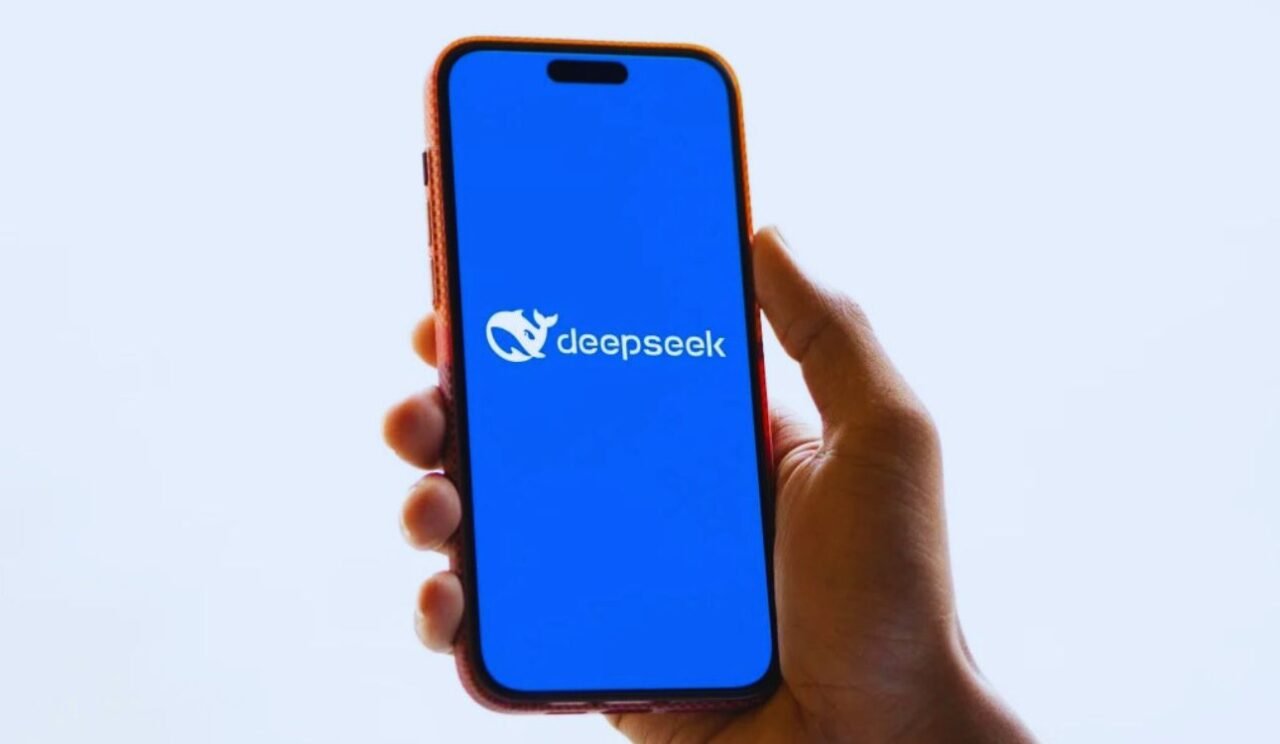
In a groundbreaking development, Chinese AI startup DeepSeek has turned heads with its low-cost, high-efficiency AI models, prompting a reassessment of the global artificial intelligence landscape. Nvidia, whose chips power many AI advancements, acknowledged on Monday that DeepSeek’s progress highlights the demand for its H800 chips in the Chinese market, emphasizing the need for more of its hardware to meet future demand. This statement comes amid turbulence for Nvidia, as its shares plunged 17% to $118.58 following investor concerns that DeepSeek achieved results comparable to rivals like OpenAI while using far fewer Nvidia chips. Competitor Advanced Micro Devices (AMD) also saw its shares dip over 6% to $115.01 in response. “DeepSeek’s work illustrates how new models can be created using innovative techniques, leveraging widely available models and compute that comply fully with export controls,” Nvidia stated, referring to U.S. export restrictions introduced in 2022. DeepSeek has proven the efficacy of Nvidia’s H800 chips in their groundbreaking research. The company revealed that training its DeepSeek-V3 model required just 2,000 H800 chips and under $6 million in computing power, far below the resources typically needed by industry leaders like OpenAI. DeepSeek’s newly launched R1 model is reportedly 20 to 50 times more cost-effective than OpenAI’s models, depending on the application, as highlighted in a post on the company’s official WeChat account. Sam Altman, CEO of OpenAI, called DeepSeek’s R1 model “impressive” on Monday, but doubled down on OpenAI’s strategy of investing heavily in computing power. “More compute is more important now than ever to succeed in our mission,” Altman said on X (formerly Twitter). The emergence of DeepSeek has sent ripples across the tech and AI industries, raising questions about the long-term strategies of U.S. firms investing billions in AI development. Investors are now questioning whether more affordable and efficient models like DeepSeek’s could disrupt the dominance of companies such as Nvidia and OpenAI. Australian AI-related stocks also felt the impact on Tuesday, with Appen shares dropping 3.3% and chipmaker Brainchip plummeting 10.3%. The Australian tech sub-index fell by 1%, reflecting global investor unease over the rise of DeepSeek and its cost-saving AI breakthroughs. DeepSeek’s achievements underscore a rapidly shifting AI landscape, where affordability and efficiency may become the defining factors for future success, challenging the market dominance of longstanding players in the field.

Ifunanya Okafor27 January 2025
Copy-of-Copy-of-pici-4-1280x744.jpg

6min15640
Assessment methods in education are crucial for measuring student learning, informing instruction, and guiding educational policy. Traditional assessment techniques, such as standardized tests, often focus on rote memorization and fail to capture the full range of student abilities. Innovative assessment methods offer a more comprehensive and dynamic approach to evaluating student learning, fostering critical thinking, creativity, and real-world problem-solving skills. The Limitations of Traditional Assessment Traditional assessment methods, particularly standardized tests, have long dominated the educational landscape. However, these methods present several limitations: Narrow Focus: They often emphasize factual recall and neglect higher-order thinking skills. One-Size-Fits-All Approach: Standardized tests may not accommodate diverse learning styles and cultural backgrounds. Limited Feedback: Results typically provide little actionable feedback to improve teaching and learning. The Rise of Innovative Assessment Methods Innovative assessment methods are designed to address the shortcomings of traditional approaches. These methods focus on holistic, personalized, and competency-based evaluation, encouraging deeper learning and engagement. 1. Project-Based Assessments Project-based assessments involve students working on complex, real-world problems over extended periods. These projects require research, collaboration, and critical thinking, culminating in a final product or presentation. Example: Students in a science class might design and build a sustainable energy solution for their community, demonstrating their understanding of scientific principles and environmental impact. 2. Portfolio Assessments Portfolios are collections of student work that showcase learning progress, achievements, and reflections over time. This method allows for a comprehensive view of student development across various subjects and skills. Example: A student portfolio in an art class might include sketches, paintings, and reflective essays, providing insight into their creative process and growth. 3. Formative Assessments Formative assessments are ongoing evaluations that provide immediate feedback to students and teachers. These assessments help identify learning gaps and adjust instruction accordingly. Example: Teachers might use quizzes, peer reviews, or interactive discussions to gauge student understanding and inform future lessons. 4. Peer and Self-Assessments Peer and self-assessments encourage students to evaluate their own work and that of their peers. This method fosters self-reflection, critical thinking, and collaborative learning. Example: In a writing workshop, students might review each other’s essays, providing constructive feedback and suggestions for improvement. 5. Gamification and Simulation-Based Assessments Gamification and simulation-based assessments use game elements and virtual environments to engage students in learning and assessment activities. These methods make learning interactive and enjoyable while providing valuable insights into student performance. Example: A history class might use a simulation game where students role-play historical figures, making decisions that affect the course of events and demonstrating their understanding of historical contexts. Benefits of Innovative Assessment Methods Enhanced Engagement: Interactive and meaningful assessments keep students motivated and interested in their learning. Personalized Learning: These methods cater to individual learning styles, strengths, and interests. Holistic Evaluation: Innovative assessments capture a broader range of skills, including creativity, collaboration, and critical thinking. Real-World Relevance: Assessments that simulate real-world tasks prepare students for future challenges in higher education and the workforce. Challenges and Considerations While innovative assessment methods offer numerous benefits, they also present challenges: Implementation Complexity: These methods require significant time, resources, and teacher training. Subjectivity: Assessing creative and collaborative work can be subjective, necessitating clear criteria and rubrics. Scalability: Implementing innovative assessments on a large scale can be challenging, especially in resource-constrained settings. Conclusion Innovative assessment methods represent a shift towards more comprehensive, engaging, and meaningful evaluation in education. By embracing these methods, educators can better support student learning, foster essential 21st-century skills, and prepare students for success in an ever-evolving world. Continued research, investment, and collaboration are necessary to overcome challenges and ensure the effective implementation of these transformative assessment practices.