Author: Tech & Tools Desk

Tech & Tools Desk28 December 2025
aa-23.jpeg

6min9270
Several Nigerian states have proposed ambitious 2026 budgets that reveal heavy dependence on federal allocations, loans, and other non-recurring revenue sources, raising concerns about long-term fiscal sustainability. In Abia State, Governor Alex Otti presented a ₦1.016 trillion budget, with ₦811.8 billion (80 percent) allocated to capital projects and ₦204.4 billion (20 percent) for recurrent expenditure. The state expects ₦83.2 billion from FAAC allocations, ₦67.1 billion from VAT, ₦26.5 billion from grants and aid, and ₦168 billion from other federal revenue channels, bringing total projected revenue to ₦607.2 billion. This leaves a deficit of ₦409 billion, representing about 40 percent of the budget. While internally generated revenue is expected to cover recurrent spending, capital projects will rely largely on federal inflows, grants, and borrowing. Financial analysts warn that such dependence poses risks to fiscal stability. They note that federal transfers and borrowing are volatile and largely outside state control, leaving budgets exposed to external shocks. Over time, this reliance may also discourage innovation and the development of sustainable local revenue sources. Ogun State shows a similar pattern with its ₦1.669 trillion budget. Internally generated revenue is projected at ₦509.88 billion, while federal transfers are expected to contribute ₦554.81 billion. An additional ₦518.9 billion is projected from capital receipts, including loans and grants. Although the budget appears balanced, more than 30 percent of the funding comes from non-recurring sources. Enugu State’s ₦1.62 trillion budget represents a 66.5 percent increase over the previous year. Capital expenditure accounts for ₦1.296 trillion (80 percent), with recurrent spending at ₦321.3 billion (20 percent). Revenue projections include ₦870 billion from internally generated revenue, ₦387 billion from federal allocations, and ₦329 billion from loans and grants. Analysts estimate that about 20 percent of the planned spending depends on non-recurring funds. Osun State approved a ₦723.45 billion budget, supported by ₦421.25 billion in recurrent revenue, ₦286.01 billion in capital receipts, and an opening balance of ₦16.19 billion. While projected inflows match the budget size, execution depends significantly on the successful mobilisation of capital receipts, which are not guaranteed. Delta State’s ₦1.664 trillion budget allocates ₦1.165 trillion (70 percent) to capital expenditure and ₦499 billion (30 percent) to recurrent spending. The state expects ₦720 billion from statutory allocations and mineral derivation, and ₦250 billion from internally generated revenue. Despite anticipated improvements in revenue collection, the budget remains heavily tied to federal and oil-related inflows. Sokoto State’s ₦758.7 billion budget relies on ₦389.3 billion from FAAC, ₦74.5 billion from internally generated revenue, and ₦233.8 billion from grants and development funds. With internally generated revenue contributing less than 10 percent of total projections, the state remains highly dependent on federal transfers and donor support. Fiscal experts argue that states’ heavy reliance on FAAC allocations creates structural challenges for the federation. They recommend incentive-based mechanisms that reward states for improving their internally generated revenue, warning that without such measures, dependence on federal inflows will persist. Despite record FAAC distributions, improved living standards have not consistently followed, highlighting inefficiencies in fund utilisation. Edo State’s ₦939.85 billion budget draws from multiple sources, including ₦160 billion from internally generated revenue, ₦480 billion from FAAC, ₦153 billion from grants and capital receipts, and ₦146 billion from public-private partnerships. However, the budget remains vulnerable to delays or underperformance of external funding sources. Bayelsa State plans to spend ₦1.01 trillion, with projected revenue including statutory allocations, VAT, derivation funds, other FAAC inflows, loans, grants, and ₦85.9 billion from internally generated revenue. Less than 10 percent of total revenue is expected from local sources, underscoring strong dependence on oil-related federal transfers. Gombe State’s ₦535.7 billion budget allocates ₦371.44 billion to capital projects and ₦164.25 billion to recurrent spending. The budget depends heavily on capital receipts and carryover balances to fund major projects. Kwara State’s ₦644.004 billion budget is built on assumptions tied to national economic indicators, including oil prices, production levels, exchange rates, and GDP growth. This makes the state’s fiscal performance highly sensitive to federal revenue flows and macroeconomic conditions. Experts stress that states must develop their comparative advantages in sectors such as agriculture, manufacturing, tourism, logistics, and services. Sustainable growth, they argue, requires stronger local economies, broader tax bases, disciplined spending, and effective public-private partnerships, rather than increased borrowing or reliance on federal transfers. Overall, analysts observe that only a few states have budgets closely aligned with guaranteed revenue. Most states continue to project spending levels far above their internally generated revenue, depending on allocations, loans, grants, and donor funding. While total projected revenue nationwide could reach ₦35 trillion, any shortfalls are likely to affect capital projects, as recurrent obligations must be met first. Maintaining fiscal discipline and adhering strictly to the budget cycle remain critical for effective execution.
Tech & Tools Desk27 December 2025
aa-18.jpeg

3min2200
The Nigerian Association of Chambers of Commerce, Industry, Mines and Agriculture Youth Entrepreneurs (NACCIMA-YE) has expressed confidence that the newly introduced tax laws will stimulate growth among small businesses, while urging the Federal Government to channel proceeds from the reforms into nationwide infrastructure development. According to report, the Federal Government has reaffirmed its plan to implement the Nigeria Tax Act and the Tax Administration Act from January 1, 2026, despite controversies surrounding alleged changes in the gazetted versions of the laws. The Chairman of the Presidential Fiscal Policy and Tax Reforms Committee, Taiwo Oyedele, after meeting with President Bola Tinubu in Lagos, stated that the reforms are aimed at easing the burden on Nigerians rather than raising quick revenue. Speaking at the Ondo City Entrepreneurs’ Dinner organised by NACCIMA Youth Entrepreneurs in collaboration with the Ondo Kingdom Chamber of Commerce, Industry, Mines and Agriculture, the Ondo State President of NACCIMA, Pastor Henry Adesaoye, said the Tinubu administration’s tax reforms would have a positive impact on the economy. He explained that the new tax framework is designed to reduce financial pressure on individuals and businesses, particularly small and informal sector operators who form the backbone of the economy. According to him, the reforms promote fairness by ensuring low- and middle-income earners pay less, while high-income earners contribute more equitably. Adesaoye stressed that public trust would only be sustained if tax revenues are visibly invested in infrastructure that improves living standards and supports economic growth. He added that the reforms would enhance transparency, block revenue leakages, expand the tax net, and protect small businesses. He noted that the dinner was organised to inspire young entrepreneurs, encourage experience-sharing, and promote best practices for business growth. He also advised young business owners to build strong customer relationships, identify their competitive strengths, and maintain trust. Reaffirming NACCIMA’s commitment to local economic development, Adesaoye said the association would continue engaging businesses on key issues, including high agent fees and strategies to align local enterprises with national, tech-driven economic goals. In his remarks, the Coordinator of the Ondo Kingdom Chamber of Commerce, Industry, Mines and Agriculture, Mr Sam Adegbola, said the event was aimed at fostering collaboration among entrepreneurs to address challenges and explore opportunities for business growth in Ondo Kingdom. He disclosed plans to organise a business summit for young entrepreneurs in July 2026 to connect youths with emerging economic opportunities in the area. Adegbola also revealed that the association operates a free agricultural training farm for Ondo youths, noting that about 65 beneficiaries had been trained as of October 2025, with plans to expand the programme in 2026.

Tech & Tools Desk24 December 2025
aa-12.webp

6min8630
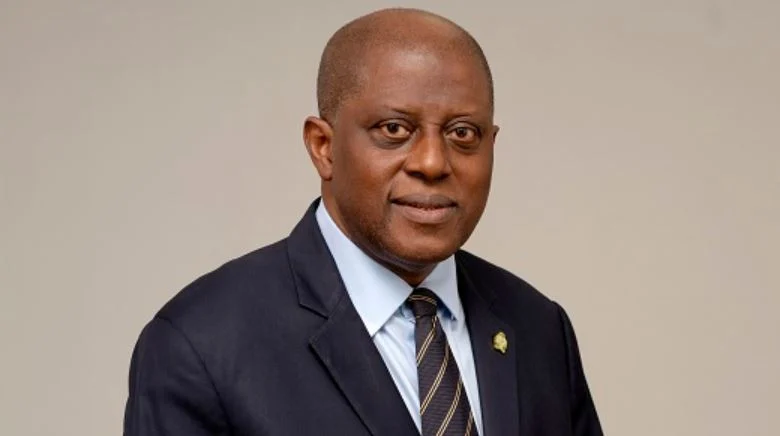
The Central Bank of Nigeria (CBN) is advancing its reform agenda on the global stage as part of efforts to attract sustained capital inflows and reposition the economy for stability and long-term growth. Under the leadership of Governor Olayemi Cardoso, the apex bank is implementing deliberate policies aimed at restoring discipline, strengthening investor confidence, and creating sustainable opportunities for both domestic and international investors. At a recent engagement in Washington, D.C., Cardoso reassured global investors of Nigeria’s renewed commitment to macroeconomic stability, transparent markets, and predictable policy direction. He noted that improved investor confidence would translate into stronger capital inflows, enhanced exchange rate stability, and increased foreign reserves key pillars for sustainable economic growth. Speaking at the US–Nigeria Executive Business Roundtable, Cardoso emphasised that successful capital attraction is driven by long-term planning, clarity of purpose, and transparent engagement. He presented a reform-oriented narrative of Nigeria’s economy anchored on rules-based management, institutional credibility, and a readiness to take difficult but necessary policy decisions. The forum, convened by the US Chamber of Commerce’s US-Africa Business Centre, brought together senior US corporate executives, institutional investors, and policy stakeholders at a critical point in Nigeria’s economic reset. The meeting was designed to deepen commercial ties between both countries and attract long-term capital into Nigeria. Cardoso stressed that sustainable growth depends on credibility, reaffirming the country’s commitment to macroeconomic stability and predictable policy frameworks. He explained that ongoing reforms are structured to rebuild confidence and provide clarity for investors operating in a volatile global environment. According to the CBN governor, authorities are focused on building a stable macroeconomic foundation capable of supporting private sector–led growth. He highlighted foreign exchange market reforms aimed at improving transparency and price discovery, alongside the adoption of orthodox monetary policy to anchor expectations and manage risks. Cardoso also pointed to the modernisation of Nigeria’s payment systems as a key component of the country’s investment appeal, noting that efficient, secure, and inclusive payment infrastructure is essential for business expansion, innovation, and financial inclusion. Discussions at the roundtable centred on Nigeria’s macroeconomic stabilisation efforts, regulatory clarity, and opportunities to scale bankable projects across priority sectors such as infrastructure, energy, financial services, agriculture, and technology. Investor concerns around policy consistency and the broader investment climate were also addressed. Reacting to the engagement, President of the US-Africa Business Centre at the US Chamber of Commerce, Kendra Gaither, said investors are increasingly drawn to markets that demonstrate discipline and credibility. She noted that clarity, credible reforms, and seriousness of purpose are central to Nigeria’s emerging investment narrative. Reform momentum The CBN has embarked on wide-ranging reforms aimed at attracting foreign capital, achieving price stability, and stabilising the exchange rate. In 2023, the government, working with the apex bank, liberalised the foreign exchange market, discontinued central bank financing of fiscal deficits, and reformed fuel subsidies. These measures were complemented by efforts to strengthen revenue mobilisation and curb inflationary pressures. Since the implementation of these reforms, Nigeria’s external reserves have increased, access to foreign exchange through official channels has improved, and the country has returned to international capital markets, accompanied by credit rating upgrades. A new domestic, privately owned refinery has also begun repositioning Nigeria further up the value chain within a deregulated downstream market. Currency reforms, including exchange rate unification and the clearance of more than $7bn in FX backlogs, have improved Nigeria’s investment outlook and reduced the need for heavy market intervention. Multilateral institutions have described these measures as bold steps toward long-term economic sustainability. Nigeria’s sovereign risk spread has declined to its lowest level since January 2020, reflecting renewed confidence following the economic disruptions of recent years. As part of efforts to manage inflation and strengthen policy coordination, the CBN recently convened the Monetary Policy Forum 2025, bringing together fiscal authorities, lawmakers, private sector leaders, development partners, and academics. The forum focused on managing the disinflation process, improving policy communication, and enhancing collaboration. Cardoso reiterated that the bank’s priorities include sustaining price stability, transitioning to an inflation-targeting framework, and restoring purchasing power. He also reaffirmed the CBN’s disciplined and forward-looking approach to monetary policy. The apex bank has further moved to strengthen the financial system by introducing new minimum capital requirements for banks, effective March 2026. The measure is aimed at enhancing resilience and positioning the banking sector to support Nigeria’s long-term growth ambitions. While acknowledging recent progress, Cardoso cautioned that macroeconomic stability requires sustained vigilance and proactive policy management, noting that the shift from unorthodox to orthodox monetary policy remains central to restoring confidence and reinforcing credibility.

Tech & Tools Desk23 December 2025
aa-12.jpeg

2min6840
The United Nations has voiced serious concern over the growing wave of abductions and attacks on civilians, particularly students, by armed groups in Nigeria. Speaking at a daily press briefing on Monday, the UN Secretary-General’s Spokesperson, Stéphane Dujarric, described the ongoing detention of civilians by bandits as unacceptable, noting that young people continue to bear the brunt of the violence. “We are deeply concerned that many students, young men and women are still being held by armed groups,” Dujarric said, adding that incidents of violence remain persistent. In November, gunmen abducted at least 25 students and killed a teacher during an attack on the Government Girls Comprehensive Secondary School in Maga, Kebbi State. This was followed by the abduction of over 300 pupils and teachers from St. Mary’s Catholic Primary and Secondary Schools in Niger State. While the Kebbi students were released after about a week in captivity, the Niger State incident saw dozens escape on their own. About 100 were freed after two weeks, with the remaining more than 130 students finally released on December 21, bringing their month-long ordeal to an end. Dujarric welcomed the release of the students and reaffirmed the UN’s commitment to working with the Nigerian government to tackle the crisis, particularly through initiatives such as the Safe Schools Programme. He also expressed concern over recent attacks on church worshippers in parts of Kogi and Kwara states, noting that several victims including infants, children and the elderly remain in captivity. The UN reiterated its pledge to continue collaborating with Nigerian authorities to address insecurity and protect civilians across the country.

Tech & Tools Desk22 December 2025
dollar-Naira-parallel-market.jpg

2min1590
Nigeria’s external reserves have paused their two-month upward trajectory, which saw them surpass the $45 billion mark in December. The first decline in over two months was recorded on 15 December, when the reserves slipped to $45.32 billion from $45.47 billion. This was followed by a further drop to $45.27 billion, before a day-on-day decline of $57.05 million reduced the reserves to $45.21 billion as of 17 December 2025. As a result, year-to-date gains eased to 10.60 per cent, according to AIICO Capital. Prior to this, the last decline was recorded on 8 October, when reserves stood at $42.56 billion. Data from the Central Bank of Nigeria (CBN) show that external reserves had risen consistently over the past three months. They closed September at $42.35 billion, increased to $43.19 billion in October, and reached $44.69 billion by 28 November. The $45 billion threshold was crossed on 4 December 2025 after a $74.93 million increase lifted reserves to $45.04 billion. Meanwhile, the naira weakened by ₦10 to the dollar over the past week, closing at ₦1,464.50/$ on Friday, driven by sustained demand pressure at the official foreign exchange window. At the parallel market, the naira exchanged at ₦1,510.00/$, according to CardinalStone. In its weekly market update, AIICO Capital noted that the naira depreciated despite ongoing interventions by the CBN and inflows from foreign portfolio investors. The firm reported that the currency weakened by ₦10.09/$, representing a 0.69 per cent week-on-week decline. During the week, the naira traded within a range of ₦1,450.00 to ₦1,469.90 per dollar, with a brief appreciation recorded on Tuesday. Looking ahead, the naira is expected to strengthen gradually over the next six months, according to the CBN’s November 2025 Business Expectations Survey. The survey, which sampled businesses nationwide, projects an improvement in the naira’s outlook index from 28.8 points to 42.2 points by May 2026, signalling expectations of increased currency stability into the new year.

Tech & Tools Desk22 December 2025
dollar-Exchange-Rate.png

3min6330
Nigeria’s external reserves have paused their two-month upward trajectory, which saw them surpass the $45 billion mark in December. The first decline in over two months was recorded on 15 December, when the reserves slipped to $45.32 billion from $45.47 billion. This was followed by a further drop to $45.27 billion, before a day-on-day decline of $57.05 million reduced the reserves to $45.21 billion as of 17 December 2025. As a result, year-to-date gains eased to 10.60 per cent, according to AIICO Capital. Prior to this, the last decline was recorded on 8 October, when reserves stood at $42.56 billion. Data from the Central Bank of Nigeria (CBN) show that external reserves had risen consistently over the past three months. They closed September at $42.35 billion, increased to $43.19 billion in October, and reached $44.69 billion by 28 November. The $45 billion threshold was crossed on 4 December 2025 after a $74.93 million increase lifted reserves to $45.04 billion. Meanwhile, the naira weakened by ₦10 to the dollar over the past week, closing at ₦1,464.50/$ on Friday, driven by sustained demand pressure at the official foreign exchange window. At the parallel market, the naira exchanged at ₦1,510.00/$, according to CardinalStone. In its weekly market update, AIICO Capital noted that the naira depreciated despite ongoing interventions by the CBN and inflows from foreign portfolio investors. The firm reported that the currency weakened by ₦10.09/$, representing a 0.69 per cent week-on-week decline. During the week, the naira traded within a range of ₦1,450.00 to ₦1,469.90 per dollar, with a brief appreciation recorded on Tuesday. Looking ahead, the naira is expected to strengthen gradually over the next six months, according to the CBN’s November 2025 Business Expectations Survey. The survey, which sampled businesses nationwide, projects an improvement in the naira’s outlook index from 28.8 points to 42.2 points by May 2026, signalling expectations of increased currency stability into the new year.  

Tech & Tools Desk21 December 2025
aa-9.jpeg

3min9580
The United States and Nigeria have entered into a five-year bilateral health agreement aimed at reinforcing Nigeria’s healthcare system, with particular emphasis on expanding faith-based medical services. Under the Memorandum of Understanding (MoU), the US plans to commit nearly $2.1 billion to support prevention and treatment programmes targeting HIV, tuberculosis, malaria, maternal and child health, and polio, according to the US Department of State. In turn, Nigeria is expected to raise its domestic health spending by almost $3 billion over the duration of the agreement. The deal was announced on Saturday by the US Principal Deputy Spokesperson, Thomas Pigott, and falls under the America First Global Health Strategy. In a statement, the State Department described Nigeria’s financial pledge as the largest co-investment made by any country so far under the strategy. The department said the agreement is designed to strengthen Nigeria’s health system, with a strong focus on supporting Christian faith-based healthcare providers. It added that the MoU was negotiated alongside recent Nigerian government reforms aimed at protecting Christian communities from violence. As part of the arrangement, dedicated funding will be directed to Christian healthcare facilities, especially those providing integrated services for infectious diseases as well as maternal and child health. Nigeria currently has about 900 faith-based clinics and hospitals, which collectively serve more than 30 per cent of the population. US officials noted that investments in these facilities are intended to complement government-run health services and enhance the country’s overall health infrastructure. The State Department also stressed that all US assistance remains subject to review, noting that the President and Secretary of State retain the authority to pause or terminate programmes that do not align with US national interests. The agreement comes amid increased US scrutiny of Nigeria, including recent travel restrictions introduced by the Donald Trump administration over national security and visa overstay concerns. Released in September 2025, the America First Global Health Strategy applies to countries receiving US health support and marks a shift toward bilateral agreements, greater partner-country co-investment, and intensified efforts to combat priority diseases while strengthening national health systems.

Tech & Tools Desk20 December 2025
aa-6.jpeg

3min14770
The Ogun State Traffic Compliance and Enforcement Agency (TRACE) has rolled out a special yuletide traffic enforcement operation across 18 major corridors in the state to ensure smooth traffic flow and enhance road safety during the festive season. The agency said the operation, which will cover the Christmas and New Year celebrations, will run from Monday, December 22, 2025, to Monday, January 5, 2026. In a statement issued on Saturday by TRACE Public Relations Officer, Commander Babatunde Akinbiyi, the agency explained that the initiative was necessitated by the expected surge in human and vehicular movement during the yuletide period. According to the statement, the special operation will involve round-the-clock monitoring of motorists and other road users, including drivers of both high- and low-capacity vehicles, to safeguard lives and property. The release, quoting the most senior TRACE officer and Commander in charge of the agency’s day-to-day operations, Cmdr. Elias Omonayajo Adedayo, noted that the exercise would be implemented across 18 major traffic corridors in Ogun State. The affected routes include the Lagos-Ibadan Expressway; Interchange–Sagamu–Ijebu-Ode–Benin–Ore Expressway; Sango/Ota–Atan–Owode–Idiroko Highway; Atan–Lusada–Agbara–Badagry Highway; Abeokuta–Kobape–Siun–Interchange Expressway; Abeokuta–Ewekoro–Ifo–Sango/Ota Expressway; and Rounder–Abeokuta–Olorunda–Ayetoro–Imeko–Ilara Border, among others. TRACE said the operation would be carried out in collaboration with other safety and security agencies in the state, alongside its Traffic Whistle Blower Initiative, Emergency Traffic Service and Community-Based Traffic Management Scheme, popularly known as TRACE Mayors. The agency stressed that road safety is a collective responsibility. Field commanders have been directed to ensure that all operatives remain professional, courteous, firm and fair while carrying out their duties throughout the period. While extending festive greetings to Christians and all road users, TRACE cautioned motorists against drink-driving, excessive speeding and unnecessary night travel. Road users were also advised to plan their journeys properly and comply strictly with traffic rules and regulations. The agency warned that any vehicle impounded for traffic violations during the yuletide operation would not be released until the exercise ends on January 5, 2026. TRACE also provided emergency contact numbers for rescue and traffic-related incidents as 0806 270 3568 and 0803 491 9165. The statement, signed by Commander Babatunde Akinbiyi and dated December 20, 2025, noted that traffic congestion is usually heavy during the festive season due to Ogun State’s strategic position as a major transit route linking Lagos with other parts of the country.

Tech & Tools Desk19 December 2025
PENCOM.webp

4min2550
The National Pension Commission (PenCom) has extended the pension industry recapitalisation deadline from December 2026 to June 2027. The announcement was made by PenCom Director-General, Ms. Omolola Oloworaran, during the 2025 PenCom Media Conference in Lagos, where she also dismissed rumours that the recapitalisation exercise had been suspended. Under the revised directive, licensed pension fund operators now have an additional six months to meet the minimum capital requirements (MCR). The new framework categorises operators into three groups: Category A: PFAs with Assets Under Management (AUM) of N500 billion and above, requiring a minimum capital of N20 billion plus 1% of AUM above N500 billion. Category B: PFAs with AUM below N500 billion, required to raise their capital to N20 billion. Category C: Special-purpose PFAs, including NPF Pensions Limited (minimum capital N30 billion) and the Nigerian University Pension Management Company Limited (minimum capital N20 billion). Addressing the conference themed “Pension Revolution Summit: A 365 Days Scorecard”, Oloworaran emphasised that recapitalisation is ongoing and mandatory. “Every operator must comply by June 2027. Non-compliance will result in licence revocation,” she said. She noted that most PFAs are actively working to raise additional capital or exploring mergers and acquisitions. “The recapitalisation exercise is on track, and the industry supports this initiative,” she added. Oloworaran also highlighted efforts to improve employer compliance with pension remittances. PenCom has signed a Memorandum of Understanding with the Independent Corrupt Practices and Other Related Offences Commission (ICPC) and is collaborating with labour unions to enforce contributions. “Our regulatory focus is ensuring employers remit pension contributions. Enforcement measures are already producing results, with recoveries from defaulting employers increasing,” she said. Additionally, PenCom announced the pilot of the Pension Industry Healthcare Initiative (PenCare), set to launch in March 2026. The initiative will initially target around 30,000 low-income retirees nationwide, providing free and accessible healthcare to ease financial burdens and ensure dignified retirement. Oloworaran stated, “Retirement should be a season of peace, not anxiety over medical bills. PenCare reflects the government’s commitment to improving the welfare of pensioners, particularly those with limited income, and aligns with the Renewed Hope Agenda.” The Acting MD/CEO of the Pension Fund Operators Association of Nigeria, Anthonia Ifeanyi-Okoro, described PenCare and ongoing initiatives as laying a strong foundation for the coming year. “The pension industry is a cornerstone of the Nigerian economy, mobilising long-term capital, supporting financial markets, funding infrastructure, and providing dignity in retirement. Our focus will be on engagement, education, collaboration, and transparency,” she said. Ahmed Lawan, Acting Director of Compliance and Enforcement at PenCom, explained that PenCare will be funded by both the regulator and licensed PFAs through a corporate social responsibility (CSR) model, with no deductions from retirees’ contributions. “The initiative aims to protect retirees from health-related poverty, strengthen social responsibility, and build public trust,” he added.

Tech & Tools Desk19 December 2025
aso-rockk.webp

5min5200
The House of Representatives on Thursday approved the 2026–2028 Medium Term Expenditure Framework (MTEF) and Fiscal Strategy Paper (FSP), adopting a crude oil benchmark of $64.85 per barrel for the 2026 fiscal year—higher than the $60 benchmark earlier approved by the Senate. Lawmakers also endorsed a total proposed federal expenditure of N54.46 trillion for 2026, made up of N31.83 trillion in Federal Government retained revenue and N20.38 trillion in new borrowings, covering both domestic and external loans. The approval followed the adoption of a report by the joint Committees on Finance and National Planning during plenary, after the House resolved into the Committee of Supply chaired by Deputy Speaker Benjamin Kalu. Under the approved framework, key fiscal parameters were retained, including debt servicing estimated at N15.52 trillion; pensions, gratuities, and retirees’ benefits amounting to N1.376 trillion; and a fiscal deficit of N22.63 trillion. Other approved figures include capital expenditure (excluding transfers) of N20.13 trillion; statutory transfers of N3.152 trillion; and a sinking fund projected at N388.54 billion. The House also sustained total recurrent (non-debt) expenditure of N15.27 trillion, alongside special intervention allocations of N200 billion for recurrent spending and N14 billion for capital projects. With the passage of the MTEF and FSP, all legislative requirements have now been completed, paving the way for President Bola Tinubu to present the 2026 budget estimates to a joint session of the National Assembly on Friday. Earlier, Speaker Tajudeen Abbas read a letter from the President confirming his readiness to personally present the budget in accordance with the 1999 Constitution (as amended). The letter stated that Tinubu, “in his capacity as President and Commander-in-Chief of the Armed Forces of the Federal Republic of Nigeria, will present the proposed 2026 budget estimates at 2 p.m. on Friday.” Ahead of the report’s consideration, Deputy Speaker Kalu disclosed that the joint committees made 10 recommendations, all of which were unanimously adopted by the House. In their report, the committees recommended sustaining projected crude oil benchmark prices of $64.85, $64.30, and $65.50 per barrel for 2026, 2027, and 2028, respectively. They also endorsed domestic crude oil production projections of 1.84 million barrels per day (mbpd) for 2026, 1.88 mbpd for 2027, and 1.92 mbpd for 2028. On exchange rate assumptions, the committees proposed maintaining projected rates of N1,512, N1,432, and N1,383 for 2026, 2027, and 2028, respectively, in line with the Central Bank of Nigeria’s policy to stabilise the naira and strengthen coordination between fiscal and monetary policies. Inflation projections of 16.5 per cent, 13 per cent, and 9 per cent for 2026, 2027, and 2028 were also sustained, reflecting efforts by monetary authorities to curb inflationary pressures. Economic growth projections were set at 4.68 per cent for 2026, 5.96 per cent for 2027, and 7.9 per cent for 2028. The report further recommended implementing a National Scanning Policy under the National Single Window of the Nigeria Revenue Services, noting that the initiative would enhance revenue assurance, improve trade facilitation, reduce leakages, and strengthen transparency and national security. Following the approval, Speaker Abbas announced that the House would reconvene on Tuesday, December 23, 2025, to consider the report of the House Committee on Appropriations on the repeal and re-enactment of the N43.56 trillion 2024 budget. Meanwhile, President Tinubu has transmitted the 2025 statutory budget proposal of the Niger Delta Development Commission (NDDC) to the National Assembly, just 13 days before the end of the year. In an accompanying letter, the President said the proposal was prepared in line with Section 121 of the 1999 Constitution and aligns with the Federal Government’s fiscal and development priorities under the Renewed Hope Agenda. He added that the budget reflects the 2024–2026 Economic Recovery Growth Plan and key assumptions of the 2025 Appropriation Act. According to Tinubu, the NDDC will prioritise youth employment and empowerment, energy and power supply, education, industrial and enterprise development, health security, and agricultural productivity to lift more Nigerians out of poverty.