Author: Tech & Tools Desk

Tech & Tools Desk6 January 2026
Federal-High-Court.jpg

5min2310
The Federal High Court in Abuja on Monday directed the Minister of State for Petroleum Resources (Oil), Heineken Lokpobiri, and other parties in a suit concerning four oil fields to maintain the status quo pending the hearing and determination of the case. Justice Emeka Nwite issued the order after counsel to the plaintiffs, Ambrose Unaeze, moved an application requesting that the defendants be restrained from taking any steps that could affect the subject matter of the suit. The plaintiffs, Hi-Rev Oil Limited and Hi-Rev Exploration and Production Ltd, filed the suit marked FHC/ABJ/CS/2678/2025 against the Minister of State for Petroleum Resources, the Attorney-General of the Federation, and the Nigerian Upstream Petroleum Regulatory Commission. Earlier, on December 22, 2025, the court had directed the defendants to show cause why the reliefs sought in the plaintiffs’ ex parte motion should not be granted. The plaintiffs are seeking an interim injunction to restrain the defendants from selling, assigning or allocating Yorla South (PPL 2A32 – OML 11) in Rivers State; Akiapiri (PPL 2A48 – OML 25) and Diebu Creek East (OML 32) in Bayelsa State; as well as Idiok (PPL 2A41 – OML 67) in Akwa Ibom State. The companies argued that the four oil fields were designated as replacements for the Utapate Oil Field, formerly part of OML 13, and OPL 2002, which were initially allocated to them but later withdrawn by the Federal Government. Unaeze told the court that the plaintiffs had entered into a settlement agreement with the government for the replacement of the Utapate Oil Field, which was accepted and adopted as a consent judgment. He said the companies had taken significant steps and provided consideration towards obtaining oil prospecting licences and establishing a petroleum refinery. When the matter was called, Unaeze informed the court that the first and third defendants had just served him with their memorandum of conditional appearance, counter-affidavit and preliminary objection, and requested time to respond. He also urged the court to compel the defendants to undertake not to take any action that could affect the subject matter of the suit pending its resolution. Counsel to the Attorney-General of the Federation, Oyinlade Koleoso, said the AGF’s office had filed a counter-affidavit and preliminary objection but was yet to serve the processes, adding that the AGF did not have the authority to allocate oil blocks. However, counsel to the Nigerian Upstream Petroleum Regulatory Commission, J.A. Olugbade, opposed the application, while B.J. Tabaya, representing the petroleum minister, said he had no instruction to provide the undertaking sought by the plaintiffs. Justice Nwite queried the position, asking what parties were expected to do when a matter was before the court. In response, Tabaya said parties would maintain the status quo. The judge then directed counsel to convey the court’s position to their clients. In his ruling, Justice Nwite granted the application and ordered all parties to maintain the status quo pending the hearing and determination of the suit. The matter was adjourned to January 26 for hearing.
Tech & Tools Desk5 January 2026
First-BankSSSS.jpg

1min10230
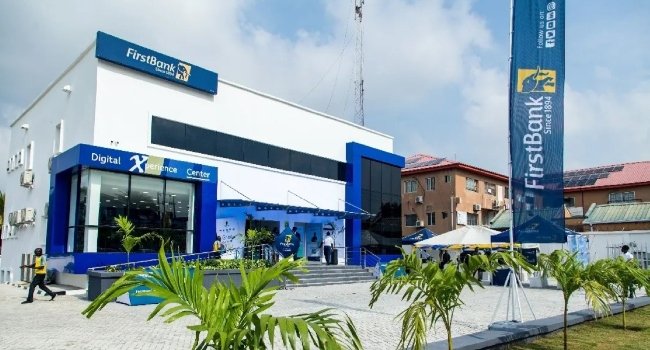
In a statement, the bank said the Nigeria Economic Outlook 2026 will hold on Tuesday under the theme: “The Great Calibration: Mastering Resilience in an Era of Asynchronous Growth.” The event is an annual session aimed at giving customers insights into current economic trends and guiding them on navigating the economy at the start of the year. Ahead of the event, Olayinka Ijabiyi, Acting Group Head of Marketing and Corporate Communications at FirstBank, noted that the initiative is designed to help customers make informed financial decisions using expert analysis. The session will feature leading economic analysts and industry experts, with the keynote address delivered by Yemi Kale, Group Chief Economist and Managing Director, Research and Trade Intelligence at Afreximbank. FirstBank emphasized its commitment to supporting Nigerians in achieving their financial goals while contributing to broader economic growth.

Tech & Tools Desk5 January 2026
Dangote-Refinery.jpg

5min5840
Officials of the Dangote Petroleum Refinery have disclosed that the facility supplied 43.3 million litres of Premium Motor Spirit (petrol) to the Nigerian market on Saturday, dismissing reports that its petrol processing unit had been shut down for maintenance. The officials, who spoke on condition of anonymity due to lack of authorisation, said the claims of a shutdown were unfounded and were being used by some marketers as justification to increase petrol gantry prices, despite the refinery recently reducing its price from N828 to N699 per litre. Reports had emerged over the weekend that several depots raised petrol prices above N800 per litre, citing an alleged suspension of operations at the refinery. However, a source at the $20 billion facility questioned the rationale behind the price hikes by depot operators. Responding to questions about a possible maintenance downtime, the source said the refinery had continued loading operations without interruption. “That is not true. Have we stopped loading or turned back any truck that came to load? On Saturday alone, we loaded 43.30 million litres of PMS,” the source stated. According to the official, the volume supplied was about 50 per cent higher than Nigeria’s average daily petrol consumption. Another refinery source added that there was sufficient fuel stock to meet national demand for more than 20 days, assuring the public that there was no risk of supply disruption or fuel scarcity. “We currently have stock exceeding 20 days of Nigeria’s consumption,” the official said. The source also expressed concern that some traders were deliberately increasing prices to create tension in the downstream sector, urging Nigerians to buy petrol from filling stations dispensing products from the refinery. “Consumers should patronise stations selling our products. They will get what they need there,” the source said. Despite these assurances, petrol prices at several private depots in Lagos and other major fuel trading centres reportedly climbed to as high as N800 per litre. Market data showed that the average ex-depot price of petrol rose sharply within 48 hours, raising fears of a potential increase in pump prices nationwide. While the refinery maintained a selling price of N699 per litre, prices at other depots surged above N800. Some depots increased prices to N800 per litre from around N726 earlier in the week, reflecting a jump of more than N70 per litre within days. Others adjusted prices to between N780 and N805 per litre across key locations, including Warri, one of Nigeria’s major petroleum logistics hubs. Marketers were said to have attributed the price increases to a supposed shutdown of the refinery’s petrol unit. However, refinery officials reiterated that operations were ongoing and that there were no plans for any shutdown. In December, the refinery reduced its petrol gantry price by N129, a move that significantly undercut import-dependent marketers and led to heavy losses across the downstream sector. The price cut also triggered adjustments in pump prices at several filling stations nationwide, forcing many outlets to lower prices amid increased patronage of stations selling refinery-produced petrol. Despite concerns from marketers about financial losses, the management of the Dangote Group has maintained its commitment to the new pricing structure, stating that it would rather absorb losses than allow large-scale petrol imports to continue. Analysts have suggested that recent price hikes by some marketers are attempts to recover earlier losses, though the refinery has ruled out any supply disruptions that could support such increases.

Tech & Tools Desk4 January 2026
aa-6.jpeg

3min1740
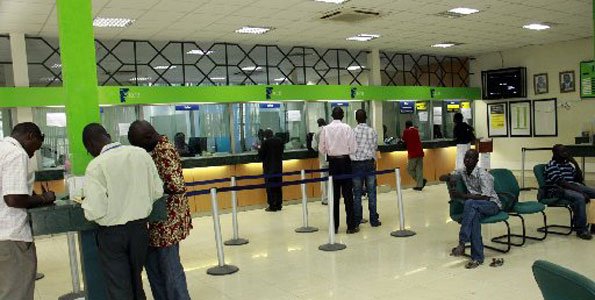
Nigeria’s banking sector closed 229 physical branches within one year as more customers shifted their daily transactions to electronic channels, particularly Point of Sale (POS) terminals. Figures from the Central Bank of Nigeria’s 2024 financial sector statistical bulletin show that the number of deposit money bank branches nationwide declined from 5,373 in 2023 to 5,144 in 2024. This drop occurred despite an increase in the number of licensed banks, which rose from 33 to 35 during the same period. The data, which covers commercial, merchant, and non-interest banks across all 36 states and the Federal Capital Territory, highlights a steady migration away from traditional banking halls toward electronic platforms. POS usage recorded the most significant growth. Transaction volumes climbed from 9.85 billion in 2023 to 13.08 billion in 2024, representing an increase of about 33 per cent. Even more notable was the surge in transaction value, which rose from ₦110.35 trillion to ₦223.27 trillion, an increase of over 100 per cent. ATM usage also grew, but at a much slower pace. Transaction volumes rose marginally from 1.01 billion to 1.02 billion, while the value of transactions increased from ₦28.21 trillion to ₦29.12 trillion. These trends underscore the growing importance of POS terminals and digital channels in consumer payments, surpassing cash withdrawals and in-branch transactions. Branch closures were unevenly distributed across the country. Lagos State remained the nation’s banking hub with 1,521 branches in 2024, although this reflected a decline of 11 branches from the previous year. Despite the reduction, Lagos still had far more branches than any other state. Ebonyi State recorded the sharpest decline, losing 89 branches as its total fell from 120 to 31. Significant reductions were also recorded in Oyo, Niger, Ekiti, and Ondo states. Anambra, Ogun, Cross River, Plateau, and the Federal Capital Territory also experienced notable closures, indicating that the contraction was not limited to rural areas alone. However, some states saw growth in bank presence. Delta and Rivers states added new branches, while Edo, Kaduna, Kano, Katsina, Adamawa, Jigawa, and Kogi recorded modest increases. These gains suggest that expansion is now more targeted, following areas with rising commercial activity or population growth. Analysts note that Nigeria’s financial system is undergoing rapid change, driven by technology adoption, regulatory shifts, and evolving customer expectations. Rising inflation has also made customers more sensitive to bank charges, service reliability, and transaction security. Recent industry surveys indicate that as more Nigerians rely on digital channels and POS terminals, expectations around speed, transparency, and efficient problem resolution have increased. While trust remains central to public confidence in banks, tolerance for failed transactions and service delays is steadily declining. The expansion of agent banking networks, mobile wallets, and informal retail payments, alongside periodic cash shortages, has further accelerated the move toward POS-based transactions. These developments continue to reshape how financial services are accessed and delivered across the country.

Tech & Tools Desk3 January 2026
aa-1.webp

2min6660
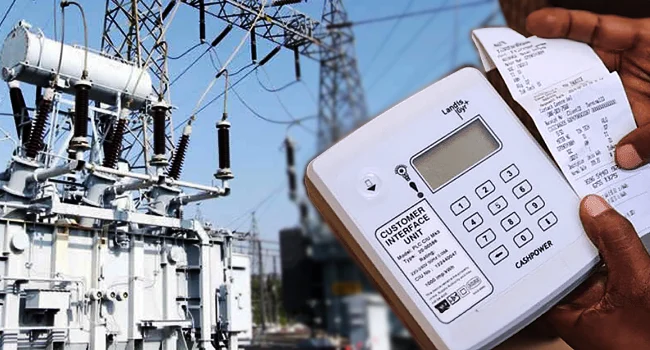
The Coalition of South-East Leaders, a socio-political youth group, has criticised the electricity billing practices of Aba Power Limited, describing them as excessive and exploitative. The group stated that residents and businesses in Aba, Abia State, have suffered erratic power supply for over two years while being subjected to what it called unjustifiably high electricity charges. According to the coalition, many customers receive estimated bills amounting to large sums for electricity that was allegedly not supplied. The President-General of the coalition, Goodluck Ibem, alleged that although prepaid meters were recently introduced, previously accumulated estimated charges were transferred onto the meters, forcing consumers to pay for power they did not use. He said such actions violate Nigerian electricity regulations and place severe financial strain on households and businesses. Ibem warned that the situation is harming economic activities in Aba, a major commercial centre in the South-East. He noted that small businesses and ordinary households are struggling to cope, citing cases where residents with minimal electricity needs are reportedly required to pay large sums for only a few days of power supply. Describing the practice as exploitative and unlawful, the coalition called for urgent intervention to protect consumers and prevent further damage to livelihoods. It appealed to President Bola Ahmed Tinubu to step in and halt what it termed reckless practices that threaten commerce and economic growth in the city. The group also urged the Nigerian Electricity Regulatory Commission to investigate the matter thoroughly and sanction any violations of consumer rights uncovered during the process.

Tech & Tools Desk2 January 2026
bank-1.jpg

5min6700
Nigeria’s banking sector recorded an increase in bad loans in 2025 following the Central Bank of Nigeria’s (CBN) withdrawal of regulatory forbearance measures introduced during the COVID-19 pandemic, according to the apex bank’s latest macroeconomic outlook report. The report showed that the industry’s non-performing loan (NPL) ratio rose to an estimated seven per cent, exceeding the prudential benchmark of five per cent. The CBN attributed the rise to the expiration of temporary reliefs that had allowed banks to restructure pandemic-affected loans without immediately classifying them as non-performing. With the withdrawal of these measures, several restructured facilities were reclassified as bad loans, pushing the industry-wide NPL ratio above the regulatory threshold. Despite the increase, the CBN said the financial system remained broadly stable in 2025, supported by strong capital buffers and ample liquidity across the sector. The average liquidity ratio stood at about 65 per cent, well above the 30 per cent minimum requirement, while the capital adequacy ratio was recorded at 11.6 per cent, exceeding the 10 per cent regulatory threshold. According to the bank, these indicators demonstrate the capacity of Nigerian lenders to absorb shocks. The CBN linked the sector’s resilience to robust interest income, ongoing digital transformation, and the current recapitalisation programme. The recapitalisation policy, which significantly raises minimum capital requirements, is expected to strengthen banks’ balance sheets and enhance their ability to finance larger projects in the real economy. The CBN noted that this exercise, alongside macro-prudential guidelines and stronger regulatory oversight, helped sustain market confidence during the year. The report also highlighted a generally bullish capital market, reflecting renewed investor interest in the financial sector. However, it cautioned that rising NPLs point to emerging vulnerabilities, particularly as higher interest rates and challenging economic conditions affect borrowers’ repayment capacity. The CBN warned that a sharp rise in non-performing loans could weaken asset quality and pose systemic risks, underscoring the need for close credit risk monitoring and sustained prudential discipline. It recommended deeper integration of the Global Standing Instruction framework across financial institutions to improve loan recovery and strengthen credit discipline. The bank added that improved repayment performance would support MSME and retail lending, reduce operational losses, and help banks build stronger capital buffers. Monetary conditions remained tight for most of 2025, as the CBN prioritised price and exchange rate stability, with only a slight easing of the Monetary Policy Rate in September after signs of improved macroeconomic stability. Looking ahead, the CBN said the outlook for the banking sector remains positive but stressed that lenders must strengthen risk management, diversify loan portfolios, and maintain robust capital positions to guard against future shocks. It added that the recapitalisation programme, together with reforms in the foreign exchange market and tax administration, forms part of broader efforts to consolidate macroeconomic stability and boost investor confidence in 2026. In a June 2025 circular signed by the Director of Banking Supervision, Olubukola Akinwunmi, the CBN directed banks operating under regulatory forbearance to suspend dividend payments, defer executive bonuses, and halt investments in foreign subsidiaries or new offshore ventures. The measure, the bank said, was aimed at strengthening capital buffers and balance sheet resilience during the transition out of forbearance. The directive remains in place until affected banks fully exit the forbearance regime and their capital adequacy and provisioning levels are independently verified to be compliant with regulatory standards. An independent financial report supporting the CBN’s action estimated that several banks still have significant forbearance-related exposures in their loan books, while others have already fully provided for or written off such exposures. In absolute terms, these exposures were estimated to run into several hundred million dollars for some lenders. The report noted that, in some cases, the scale of forbearance exposure could raise concerns around compliance with single obligor limits, reinforcing the importance of the CBN’s cautious supervisory approach.

Tech & Tools Desk31 December 2025
aa-30.jpeg

3min7560
According to the Presidency, Oyedepo was a key member of the Federal Government’s legal team in the landmark Process and Industrial Developments Limited (P&ID) case against the Federal Republic of Nigeria, which culminated in a decisive victory for Nigeria in October 2023 at the London High Court. In a judgment delivered on October 23, 2023, Justice Robin Knowles set aside an arbitral award of over $11 billion that P&ID had secured against Nigeria. The court found that the award was obtained through fraud, bribery, perjury, and serious abuse of the arbitral process. The original award, valued at $6.6 billion in January 2017, had risen to more than $11 billion due to accumulated interest, representing nearly one-third of Nigeria’s annual budget at the time. Justice Knowles held that P&ID and its legal representatives engaged in grave misconduct, including bribing Nigerian officials, presenting false evidence, and improperly obtaining and retaining confidential government documents. He concluded that the arbitration process was fundamentally flawed and failed to uncover the truth. The court also criticised the handling of privileged materials by P&ID’s lawyers, describing their conduct as indefensible. Nigeria’s legal team, which included Oyedepo, successfully argued that enforcing the award would be contrary to public policy. The court accepted this position, refused enforcement, and ultimately nullified the entire award. The administration described the outcome as a major relief, sparing Nigeria from a financial burden that could have severely undermined government spending on education, healthcare, and infrastructure. Prior to his appointment, Oyedepo spent over 15 years at the Economic and Financial Crimes Commission, where he specialised in prosecuting complex economic and financial crimes. He also served as Head of the Monitoring Unit, earning a reputation as one of the country’s most effective financial crimes prosecutors. His service was recognised with several honours, including Outstanding Staff of the Year in 2014 and Best Financial Crimes Prosecutor in 2019. He has handled several high-profile cases involving senior public officials and corporate executives accused of corruption and economic sabotage. Oyedepo is a law graduate of the University of Ilorin, was called to the Nigerian Bar in 2008, and was conferred with the rank of Senior Advocate of Nigeria in 2022. The Presidency stated that he is expected to apply his expertise to strengthen federal prosecutions, reduce dependence on external legal counsel, and promote consistency in the government’s legal strategies. The Director of Public Prosecutions is the chief officer responsible for federal criminal prosecutions, operating under the supervision of the Attorney-General of the Federation. The role includes overseeing all criminal prosecutions initiated by the Federal Government, providing legal advice on such matters, representing the government in criminal appeals, coordinating with state prosecution authorities on interstate cases, and advising on international criminal cooperation.

Tech & Tools Desk30 December 2025
aa-1.png

3min4470
Justice Emeka Nwite of the Federal High Court, Maitama, Abuja, has ordered the remand of the immediate past Attorney-General of the Federation and Minister of Justice, Abubakar Malami, SAN, alongside his wife, Hajia Bashir Asabe, and their son, Abubakar Abdulaziz Malami, at the Kuje Correctional Facility pending the hearing and determination of their bail application. The Economic and Financial Crimes Commission (EFCC) on Tuesday, December 30, 2025, arraigned the trio on allegations of money laundering amounting to N8,713,923,759.49. They are facing a 16-count charge bordering on conspiracy, procuring, disguising, concealing and laundering proceeds of unlawful activities, contrary to the Money Laundering (Prevention and Prohibition) Act, 2022. At the commencement of proceedings, prosecution counsel, Ekele Iheanacho, SAN, informed the court that the matter was for arraignment and prayed that the charges be read and pleas taken. Defence counsel, J. B. Daudu, SAN, raised no objection, following which the charges were read to the defendants. One of the charges alleges that Malami and his son, between July 2022 and June 2025, procured Metropolitan Auto Tech Limited to conceal the unlawful origin of over N1.01 billion domiciled in a Sterling Bank account. Other counts accuse the defendants of conspiring to disguise and indirectly control proceeds of unlawful activities amounting to several billions of naira through accounts linked to Meethaq Hotels Limited and other entities. After the defendants pleaded to the charges, the prosecution indicated readiness for trial and requested a trial date. Iheanacho also disclosed that the prosecution had been served with a bail application by the defence and sought time to respond. In response, Daudu urged the court to grant bail orally, arguing that the offences were bailable and that the Administration of Criminal Justice Act does not mandate that bail applications be made in writing. The prosecution opposed the oral application, insisting that bail should be determined based on affidavit evidence and stressing the seriousness of the alleged offences and public interest considerations. Ruling on the matter, Justice Nwite held that the prosecution must be given adequate opportunity to respond to the bail application. He consequently ordered the remand of the defendants at the Kuje Correctional Centre and adjourned the case to January 2, 2026, for hearing of the bail application.

Tech & Tools Desk30 December 2025
aa-8.jpeg

4min6000
A Senior Advocate of Nigeria, Mr. Yakubu Philemon, has urged Nigerians to remain calm and open-minded as the country moves toward 2026, particularly regarding the ongoing tax law reforms. Philemon made the call on Sunday at a dinner organised by Christian lawyers under the Christian Lawyers Fellowship of Nigeria (CLASFON), Gombe Branch. The annual gathering is held to give thanks for divine guidance throughout the year and to strengthen fellowship among members of the legal profession. Encouraging participants to support the federal government’s tax reform initiative, Philemon noted that new policies often face initial challenges and resistance. He stressed the importance of allowing the reforms to take effect in order to identify areas that may require further improvement. According to him, the new tax law is designed not only to increase revenue but also to promote accountability among citizens, which in turn strengthens accountability in leadership. He urged Nigerians to embrace the reforms and assess their impact on national development. At the event, a gubernatorial aspirant, Victor Laima, expressed concern over what he described as persistent social injustice in the system. He called on believers to take an active role in governance and nation-building. Laima said that various sectors in Gombe State, including the judiciary, traditional institutions, and the civil service, have experienced forms of injustice, particularly in appointments and promotions. He explained that his decision to seek public office was driven by a desire to promote justice and serve all citizens fairly, adding that true democratic dividends can only be achieved where justice prevails. The gathering brought together legal practitioners, faith leaders, and political stakeholders, highlighting CLASFON’s growing influence in promoting ethical legal practice, access to justice, and national development through faith-based engagement. Earlier, the Chairperson of CLASFON Gombe Branch, Pastor Mrs. Elizabeth Okotie, described the end-of-year dinner as a longstanding tradition that allows members to reflect, give thanks, and renew their commitment to service. She also encouraged young lawyers to join the fellowship, dismissing claims that participation is a waste of time. According to her, CLASFON provides valuable mentorship and professional networking opportunities that are often difficult to access elsewhere. Okotie further disclosed that the fellowship has consistently carried out humanitarian and justice-oriented outreach programmes, including prison visits and free legal advisory services, although activities were limited during the year due to constraints. She expressed optimism that more people would be reached in the coming year. Philemon, who was later honoured with an award by the fellowship, commended CLASFON for recognising his contributions and described the organisation as one that promotes integrity and professionalism in legal practice. He noted that the recognition would further motivate him to advance access to justice, especially for those who cannot afford legal services. He also encouraged lawyers nationwide to actively participate in the fellowship, stressing that involvement contributes to both personal and professional growth. According to him, CLASFON offers teachings that support moral values, career development, and a principled approach to legal practice.

Tech & Tools Desk29 December 2025
aa-25.jpeg

3min8930
A notorious drug trafficker, Nwobodo Basil, previously convicted in 2023 for trafficking 30.10kg of methamphetamine, has been rearrested by operatives of the National Drug Law Enforcement Agency (NDLEA). His latest arrest followed the interception of 75 parcels of cocaine weighing 1.50 kilogrammes, concealed in factory-sealed sachets of cold-water starch and destined for the United Kingdom. The seizure was made at the export shed of the Murtala Muhammed International Airport, Ikeja, Lagos. Three cargo agents Jubrin Firdausi Hassana, Kuku Daniel Oluwasegun, and Igwe Chioma Jane—were apprehended on Saturday, December 20, 2025, while attempting to export the illicit consignment. Further investigations identified 37-year-old Nwobodo Chidiebere Basil as the mastermind behind the operation. He was subsequently arrested on Sunday, December 21, at a relaxation centre in Ikeja. NDLEA records revealed that Nwobodo had earlier been arrested in May 2023 for attempting to export 30.10kg of methamphetamine concealed in powdered custard containers to London. He was arraigned before the Federal High Court under charge number FHC/L/337C/2023, convicted, and sentenced to five years’ imprisonment with an option of a ₦7,000,000 fine and one month of community service, effective December 4, 2023. After paying the fine, he returned to drug trafficking activities. In a separate operation in Gombe State, NDLEA operatives arrested a 65-year-old driver, Sada’u Mohammed, along the Gombe–Biu highway while he was conveying 300 ampoules of pentazocine injections, 27,900 tramadol pills, and other opioids en route to Biu in Borno State. Meanwhile, a 47-year-old businessman, Ignatius Egbochie, also known as Brown, was arrested in Lagos in connection with an earlier seizure of 56 parcels of loud cannabis weighing 26kg at the Tincan Seaport. The drugs were intercepted on December 10 during a joint container examination by NDLEA, Customs, and other security agencies. A follow-up operation on December 19 led to his arrest in Apapa. Between December 21 and 25, 2025, NDLEA operatives conducted multiple operations across Ekiti, Edo, Cross River, Abuja, Lagos, and Taraba states, resulting in the destruction of cannabis warehouses, the seizure of large quantities of illicit drugs, and the arrest of several suspects. In Ekiti State, operatives set ablaze warehouses in Ara Forest, Ara-Ekiti, on Monday, December 22, destroying large quantities of skunk cannabis and recovering 638 kilogrammes of the substance. On the same day, 1,205 blocks of compressed cannabis sativa weighing 883.1kg were recovered from three Toyota Camry vehicles intercepted along the Igara–Auchi Road in Edo State. In Cross River State, raids conducted on Sunday, December 21, in the Agoi-Ibami community of Yakurr Local Government Area led to the arrest of three suspects and the seizure of significant quantities of skunk cannabis. The suspects were identified as Freedom Jonah Akpama, 27, with 671kg; David Itam David, 30, with 89kg; and Nelson Arikpo Osam, 26, with 148kg.