Author: Tech & Tools Desk

Tech & Tools Desk19 November 2025
ukkk-1280x720.avif

3min2040
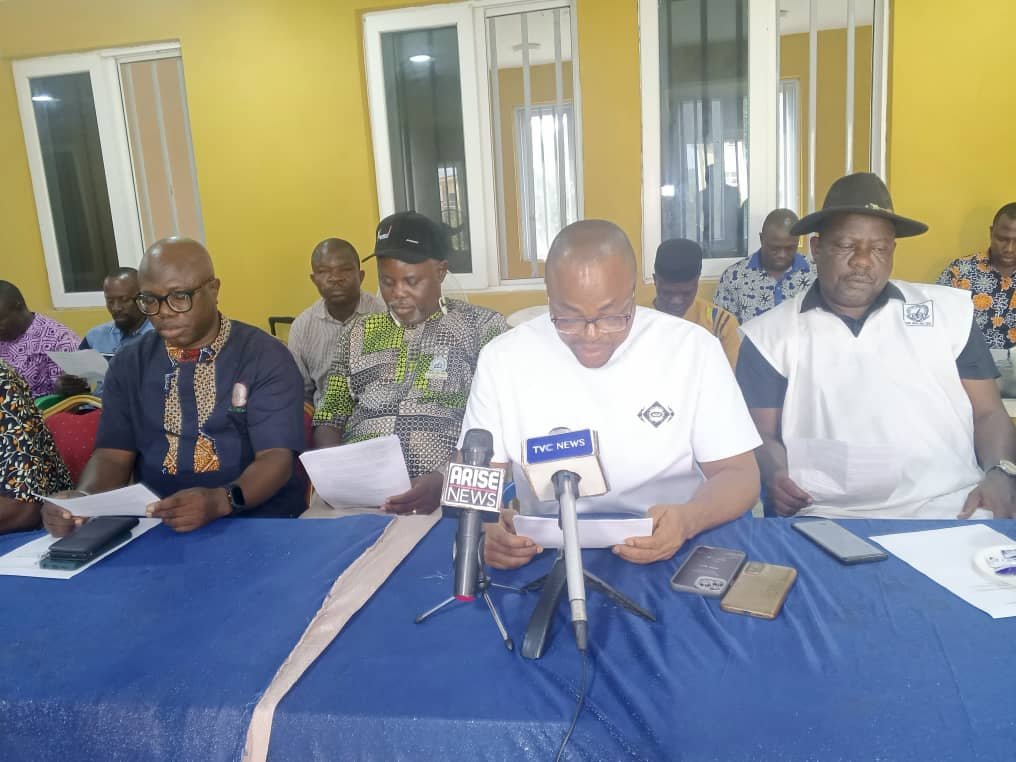
Prominent youth organisations in the South-East, including the South East Youth Assembly and the Ohanaeze Ndigbo Worldwide Youth Wing, have called on former United States President Donald Trump to collaborate with his Nigerian counterpart, Bola Tinubu, in tackling the nation’s security challenges instead of threatening military intervention. The appeal was made by Ugochukwu Nwachukwu, convener of the South East Youth Assembly, and Mazi Chika Adiele, National Publicity Secretary of the Ohanaeze Ndigbo Worldwide Youth Wing, during a press conference in Awka, Anambra State, on Monday. The statement follows Trump’s designation of Nigeria as a “Country of Particular Concern” and his accompanying warning of potential military action over alleged large-scale persecution and killings of Christians. In a joint press statement, Nwachukwu and Adiele emphasised that Nigeria requires strategic international military cooperation alongside President Tinubu, rather than threats, to effectively combat extremist groups. The statement reads in part: “As the world focuses on Nigeria following its designation by the former US President as a ‘Country of Particular Concern,’ we acknowledge the security threats posed by extremist groups. After consultations with eminent leaders and stakeholders, we recognise the unwavering commitment of President Tinubu, as Commander-in-Chief of the Armed Forces, in addressing these crises and other socio-economic challenges.” The youth groups stressed that Nigerian citizens deserve peace, stability, and the protection of fundamental democratic principles such as freedom, equity, and justice. They further pledged: To stand in solidarity with Nigeria’s sovereignty and President Tinubu. To request an urgent closed-door meeting with the National Security Advisor, Alhaji Nuhu Ribadu, to share strategic intelligence in support of national security. To call for a comprehensive overhaul of the country’s security architecture in line with international standards. To urge South-East youths to remain calm, vigilant, and committed to national unity. The organisations concluded that collaboration and strategic alliances are the most effective path to eliminating violent elements and ensuring lasting peace in the country.

Tech & Tools Desk19 November 2025
tinubu-and-kanu.jpg

4min3510
A coalition of 44 members of the House of Representatives, drawn from both the North and South, has appealed to President Bola Tinubu to pursue a political solution to the ongoing detention of the leader of the Indigenous People of Biafra (IPOB), Nnamdi Kanu. The lawmakers, operating under the banner of Concerned Federal Lawmakers for National Unity, sent a two-page letter and formal resolution to the President, urging him to use his constitutional authority to halt Kanu’s prosecution and open the door to a broader national conversation aimed at restoring peace in the South-East. They argued that deepening political engagement—rather than prolonged legal battles—offers the best chance of addressing rising insecurity and long-standing grievances in the region. The group specifically requested that the President direct the Attorney-General of the Federation to discontinue the Federal Government’s case against Kanu. The letter was endorsed by Ikenga Ugochinyere, Obi Aguocha, Murphy Osaro, Peter Akpanke, Mudashiru Lukman, Paul Nnamechi, Dominic Okafor, Afam Ogene, Emeka Chinedu, Chimaobi Sam, Mascot Ikwechegh, Donatus Matthew, Ibe Osonwa, Okey-Joe Onuakalusi and several others. In their message, the lawmakers stated: “Mr President, after a strategic closed-door meeting and broad consultations cutting across political and ethnic lines, we present this resolution concerning the continued detention of Mazi Nnamdi Kanu. Driven by the urgent need for national healing and reconciliation—and considering previous government negotiations with militants and other agitator groups, as well as the increasing insecurity in the South-East since 2015, which worsened from 2021—we believe the time has come for a decisive political approach. “We also note various domestic court rulings and international tribunal decisions calling for his release. With rising nationwide support for ending his prosecution, we respectfully ask that Your Excellency instruct the Attorney-General of the Federation to withdraw the charges against him and initiate an inclusive political dialogue to deliver a fair and lasting solution.” The lawmakers expressed confidence that the President would give their request thoughtful consideration and reaffirmed their commitment to supporting efforts aimed at strengthening national unity and stability. Nnamdi Kanu was first arrested in October 2015 on charges including treasonable felony. Granted bail in 2017, he later left the country after a military operation at his residence in Abia State—a development IPOB described as an attempt on his life. From abroad, he continued broadcasting messages advocating for a Biafran state. In June 2021, he was intercepted in Kenya and returned to Nigeria to resume his trial. His re-arrest fueled heightened agitation in the South-East, leading to weekly sit-at-home directives and increased violence linked to IPOB activities. Kanu’s long-running trial is now approaching conclusion, with the Federal High Court in Abuja scheduled to deliver judgment on Thursday, February 20, 2025, after he declined to open his defence.

Tech & Tools Desk18 November 2025
aa-9.jpeg

4min2850
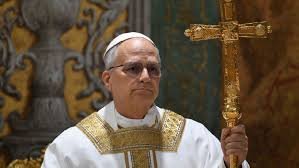
Pope Leo has raised fresh concerns over increasing violence, discrimination, and persecution targeting Christian communities in several countries, including Nigeria, Mozambique, Sudan, Bangladesh, and the Democratic Republic of the Congo (DRC). His warning comes amid renewed scrutiny following the U.S. designation of Nigeria as a Country of Particular Concern over allegations of targeted attacks on Christian populations. The United States has sharply criticised Nigeria’s handling of repeated assaults on predominantly Christian communities. Last month, U.S. President Donald Trump warned of potential diplomatic and military consequences if the violence persisted, directing the Department of War to prepare possible response options, saying any intervention would be “fast, vicious, and sweet.” In a message shared on his official X account, the Pope lamented ongoing attacks on Christian groups and worship centres worldwide, urging the international community to act collectively in pursuit of peace. “In various parts of the world, Christians suffer discrimination and persecution. I think especially of Bangladesh, Nigeria, Mozambique, Sudan, and other countries from which we frequently hear of attacks on communities and places of worship,” he wrote. The Pontiff also offered prayers to victims of recent atrocities, particularly families in the Kivu region of the DRC, where numerous civilians were recently killed. “God is a merciful Father who desires peace among all His children. I accompany in prayer the families of Kivu… Let us pray that all violence may cease and that believers may work together for the common good,” he added. Nicki Minaj to Address UN on Alleged Persecution of Christians in Nigeria Meanwhile, American rapper Onika Maraj-Petty (Nicki Minaj) is expected to speak today at a United Nations event in New York, where she will address reported jihadist attacks on Christians in Nigeria. She will appear alongside U.S. ambassador to the UN, Michael Waltz, and Alex Bruesewitz, a senior adviser to President Trump and organiser of the event. The development was first reported by Time magazine’s senior political correspondent Eric Cortellessa. Ambassador Waltz praised Minaj as “not only arguably the greatest female recording artist, but also a principled individual who refused to remain silent in the face of injustice,” adding that he appreciated her willingness to spotlight “atrocities against Christians in Nigeria.” Minaj, responding via X, said she was honoured by the invitation and would “never stand down in the face of injustice,” noting that her platform carried a purpose beyond entertainment. The UN event follows President Trump’s claim that a “Christian genocide” is underway in Nigeria, as well as his announcement that the country will be formally designated a Country of Particular Concern. Minaj publicly supported Trump’s stance. Nigeria’s federal government has repeatedly rejected allegations of religious persecution, insisting that the nation’s security challenges are driven by criminal activities rather than faith-based motives. Despite this, U.S. officials have continued to express alarm over the situation.

Tech & Tools Desk17 November 2025
alcoholic-drinks-2.jpg

4min3870
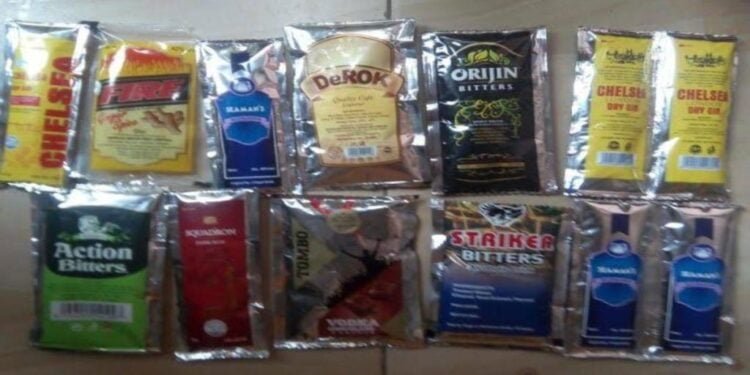
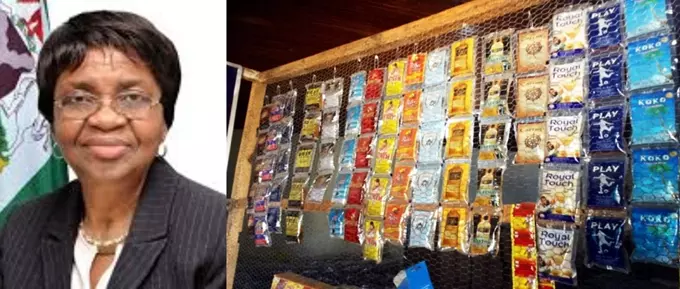
The Network for Health Equity and Development (NHED) and Corporate Accountability and Public Participation Africa (CAPPA) have voiced their support for the National Agency for Food and Drug Administration and Control (NAFDAC) over its decision to ban the production and sale of alcoholic beverages in sachets, PET bottles, and glass bottles of 200ml and below, effective December 2025. In a joint statement on Sunday, the organisations described the ban as a long-overdue public health intervention crucial for protecting children, youths, and other vulnerable groups. According to NAFDAC, the measure aims to curb the growing misuse of cheap alcoholic drinks among youths and drivers, which has been linked to domestic violence, road accidents, school dropouts, and other social vices. While the Manufacturers Association of Nigeria (MAN) warned that the ban could lead to the loss of up to five million jobs and negatively affect investment, NHED and CAPPA dismissed these claims as exaggerated and prioritising profit over public health. “We reject in its entirety the claims by MAN that the ban will trigger a loss of over N1.9tn in investment and lead to the retrenchment of over 500,000 workers. These figures are inflated, unverifiable, and a familiar scare tactic used by alcohol and tobacco corporations globally whenever governments regulate harmful products,” the statement read. The organisations highlighted that sachet alcohol production is largely mechanised and requires minimal human labour. They criticised manufacturers for continuing production despite a multi-year phase-out period ending in December 2025 and accused the industry of using economic misinformation to undermine evidence-based public health policies. NHED’s Technical Director, Dr Jerome Mafeni, emphasised the urgency of prioritising lives over profits. “The long-term social and economic costs of alcohol-related harm—violence, reduced productivity, rising healthcare costs, and addiction—far outweigh any short-term gains manufacturers seek to protect. It is unacceptable that children can purchase high-concentration alcoholic products for as little as N100,” he said. CAPPA Executive Director, Akinbode Oluwafemi, noted that NAFDAC’s action aligns with global best practices. “No responsible public health agency would permit continued marketing of products designed to encourage unrestricted, on-the-go, and underage drinking. We commend NAFDAC for resisting corporate pressure and urge other government agencies to support seamless implementation of the ban,” he said. Both organisations called on President Bola Ahmed Tinubu, the National Assembly, and other authorities not to yield to corporate influence or delay the life-saving policy. They also urged the introduction of complementary alcohol control measures, including taxation, stricter marketing regulations, clear labelling, and nationwide awareness campaigns. “NAFDAC’s ban is the right policy at the right time. NHED and CAPPA stand resolutely with the agency and with all Nigerians committed to a healthier, safer, and more responsible society,” the statement added.

Tech & Tools Desk17 November 2025
JUDICIARY-LOGO.webp

2min6030
The Federal High Court (FHC) will commence its 2025 Christmas vacation on December 19, with court sittings scheduled to resume across all judicial divisions on January 7, 2026. Dr. Catherine Christopher, the FHC’s Director of Information, stated this on Monday in Abuja, explaining that the schedule follows a circular signed by the Chief Judge, Justice John Tsoho. The circular, titled “Notice of 2025 Christmas Vacation and Roster for Vacation Judges,” outlines the approved roster of vacation judges. According to the notice, the vacation is issued under Order 46, Rule 4(c) of the Federal High Court (Civil Procedure) Rules, 2019 (as amended). During this period, only matters involving the enforcement of fundamental rights, vessel arrests or releases, and issues of urgent national importance will be handled by vacation judges. The core judicial divisions in Abuja, Lagos, and Port Harcourt will remain operational and accessible to the public throughout the vacation. In Abuja, Justices Emeka Nwite and Musa Liman will serve as vacation judges; in Lagos, Justices Akintayo Aluko and Isaac Dipeolu; in Port Harcourt, Justices P. M. Ayua and A. T. Mohammed; and in Enugu, Justice Folashade Giwa-Ogunbanjo. Dr. Christopher noted that Chief Judge John T. Tsoho extended warm wishes for a Merry Christmas and a prosperous New Year to all judges. This annual vacation allows federal courts, like other government institutions, to manage reduced activities during the festive period while maintaining essential services

Tech & Tools Desk16 November 2025
aa-7.jpeg

2min1710
The Sokoto State Government says it has activated an emergency response following a cholera outbreak reported across 12 local government areas of the state. The outbreak, first detected earlier this week, triggered the swift deployment of health personnel and essential medical supplies to affected communities. A senior official at the State Ministry of Health, Biliyaminu Sifawa, who spoke on behalf of the Executive Secretary of the State Primary Health Development Centre, confirmed on Thursday that health workers were dispatched to Primary Health Centres within 24 hours of receiving the alert. “Our health workers acted immediately to stabilise patients and ensure that necessary drugs and consumables were available in all affected facilities,” the official said, requesting anonymity. Sifawa added that the state has intensified community sensitisation on hygiene practices, safe water handling and the risks of open defecation measures considered vital in curbing further spread of the disease. The Head of the UNICEF Field Office in Sokoto, Micheal Juma, said the agency is supporting the state’s response across all 12 affected LGAs: Binji, Dange-Shuni, Gada, Goronyo, Gwadabawa, Kebbe, Kware, Silame, Sokoto North, Sokoto South, Tureta and Wamakko. According to Juma, UNICEF has delivered 20 cartons of Aqua Tabs, 577 cholera kits, 289 WASH dignity kits, six drums of chlorine, and other lifesaving supplies. “This support was made possible through funding from SIDA and the United States Bureau for Humanitarian Assistance,” he added. Sokoto and several other states in the northwest continue to battle recurring cholera outbreaks driven by unsafe water sources and poor sanitation conditions, particularly during the rainy season. State officials say surveillance and case management efforts are ongoing as health workers work to contain the spread across vulnerable communities.

Tech & Tools Desk15 November 2025
aa-7.jpg

2min4640
The Nigerian Association of Resident Doctors (NARD) has urged the Federal Government to conclude the long-pending Collective Bargaining Agreement (CBA) as the association’s indefinite strike entered its 15th day on Saturday. NARD also called for an urgent review of the Consolidated Medical Salary Structure (CONMESS), which it described as outdated. In a statement posted on X on Saturday, the union said it had waited for a formal CBA that would provide clear work terms and appropriate remuneration. It noted that ongoing delays had continued to affect doctors’ welfare and morale. The strike, which began earlier this month, has affected 91 hospitals nationwide, including federal teaching hospitals, specialist centres, and federal medical facilities, resulting in widespread service disruptions. NARD said its 19-point demand list was necessary to support both medical professionals and the healthcare system. The demands include: payment of arrears under the CONMESS structure, release of the 2025 Medical Residency Training Fund, timely payment of specialist allowances, recognition of postgraduate qualifications, and improved working conditions. President Bola Tinubu has directed the Ministry of Health to work toward resolving the strike, stating that the government is already addressing several of the issues raised by the doctors. Despite this directive, NARD said delays in completing the CBA process and adjusting salaries continue to affect doctors, many of whom are dealing with rising living costs while providing essential medical services.

Tech & Tools Desk14 November 2025
aa-5.jpg

4min2790
The Academic Staff Union of Universities (ASUU), Akure Zone, has accused the Federal Government of misrepresenting the state of negotiations with the union and condemned the continuous establishment of new universities, describing them as “crisis centres.” Speaking during a press briefing at Obafemi Awolowo University, Ile-Ife, on Thursday, ASUU Akure Zonal Coordinator, Prof. Adeola Egbedokun, criticised the Federal Government for approving new universities despite its own seven-year moratorium on creating additional tertiary institutions. The moratorium, approved during a Federal Executive Council meeting chaired by President Bola Tinubu, was meant to address concerns over the proliferation of poorly funded and under-utilised universities, polytechnics, and colleges of education. However, nine new universities including one in Epe have since received approval. Egbedokun, joined by chairmen of ASUU branches across the Akure Zone, expressed disappointment that existing universities remain severely underfunded while the government continues adding new institutions. He said, “A few months ago, the government announced a seven-year moratorium on creating new tertiary institutions. One of our longstanding demands is an end to the reckless proliferation of universities at both federal and state levels. Rather than expand, why not fund what already exists? “It was agreed that for seven years, no new licences would be issued. But just days ago, we heard that a new university had been approved. The government must stand by its word. Is seven years suddenly the same as seven days?” On the stalled renegotiation of the ASUU–FG agreement, Egbedokun noted that the union rejected the salary adjustments proposed by the government, describing them as “tokenistic and insulting,” adding that such an offer would neither stem the brain drain nor restore dignity to the profession. “In clear terms, the union has rejected the offer of a 35% increase on the current salary of academics. While some progress has been made in non-monetary areas, the core issues of salary and conditions of service remain unresolved and require bold intervention,” he said. He criticised the “deliberate distortion of facts” by some government officials, stressing that partial payment of promotion arrears dating back to 2017, and the delayed release of third-party deductions owed to members, should not be paraded as achievements. With less than a month left in the window given to the government to act on the union’s demands, Egbedokun urged the authorities to “act with clarity, commitment, and integrity to reach a comprehensive and lasting resolution.” “Nothing short of a fair and respectable living wage for Nigerian academics is acceptable. The surest way to secure Nigeria’s future is to invest meaningfully in education,” he added. The union reiterated its demands, including: completion of the renegotiation of the 2009 ASUU–FGN Agreement, payment of outstanding 25/35% salary arrears, settlement of promotion arrears, release of withheld third-party deductions, and sustainable funding for universities. Failure to respond, he warned, could lead to industrial action across campuses. ASUU leaders present at the briefing included Prof. Anthony Odiwe (OAU), Prof. Bamidele Mogaji (FUTA), Prof. Sola Afolayan (EKSU), Dr. Abraham Oladebeye (UNIMED), Dr. Abayomi Fagbuagun (FUOYE), Dr. Babatope Ogundare (BOUESTI), and Dr. Bosun Ajisafe (Adeyemi Federal University of Education, Ondo). Meanwhile, the Federal Ministry of Education recently clarified that presidential approval for the Federal University of Science and Technology, Epe, Lagos State, was granted before the Federal Executive Council announced the seven-year moratorium. Minister of Education, Tunji Alausa, confirmed that the universities in Epe, Kachia, and Ogoniland were approved “through a Presidential Executive Memo prior to the FEC’s decision.”

Tech & Tools Desk13 November 2025
NAFDAC-Sachet-Alcohol-22.webp

5min2350
The Manufacturers Association of Nigeria (MAN) has raised concerns that the National Agency for Food and Drug Administration and Control’s (NAFDAC) plan to ban the production and sale of alcoholic beverages in sachets and small PET bottles by December 31, 2025, could jeopardize over N1.9 trillion in investments and put around 5.5 million jobs at risk. MAN’s Director-General, Segun Ajayi-Kadir, warned that the NAFDAC-driven directive would significantly impact indigenous manufacturers and destabilize the economy at a time when the manufacturing sector is beginning to recover. “This policy could lead to the loss of over N1.9 trillion in investments, mainly from Nigerian companies, resulting in the retrenchment of more than 500,000 direct employees and approximately five million indirect jobs across contracts, marketing, and logistics,” Ajayi-Kadir said in a statement on Wednesday. He described the ban as “unfair and contrary to industry consensus,” noting that it contradicts resolutions reached during the validation of the draft National Alcohol Policy in October 2025. He emphasized that the Senate’s decision followed NAFDAC’s position without proper stakeholder consultation, despite the agency’s involvement in the multi-sectoral validation process led by the Ministry of Health. Ajayi-Kadir recalled that the enlarged committee, which included NAFDAC, law enforcement, and industry representatives, had agreed on “progressive alternatives” to a total ban. These measures included stricter enforcement, licensing of liquor outlets, enhanced product monitoring, and nationwide campaigns to discourage underage alcohol consumption. He criticized the Senate for imposing an outright ban without holding public hearings or engaging relevant stakeholders, contrasting it with the House of Representatives’ more consultative approach, which recommended a one-year extension and stakeholder validation. MAN also disputed claims that sachet alcoholic beverages are widely abused by minors, citing government-backed studies showing no such evidence. Ajayi-Kadir noted that manufacturers have invested over N1 billion in responsible-drinking campaigns across the media. He warned that a total ban could drive the market underground, creating opportunities for illicit and unsafe alcohol products. “Prohibiting the product would open the floodgates to unregulated substances that fall outside the control of relevant agencies,” he said. He added that sachet alcohol provides an affordable option for adults with low purchasing power, and banning it would reduce consumer choice while benefiting foreign and smuggled brands over local producers. Ajayi-Kadir called for regulatory measures based on control and monitoring rather than prohibition, stating: “Once a product has established demand and is legal, effective regulation is the most sustainable way to manage access, not outright banning.” He urged the Senate to rescind its order and NAFDAC to suspend implementation of the ban, recommending the swift adoption of the validated National Alcohol Policy and its multi-sectoral framework. “We appeal to the Senate to withdraw the order on sachet alcohol and for NAFDAC to halt enforcement from December 31, 2025. Sudden regulatory shifts threaten legitimate manufacturers and millions of value-chain operators,” he said. Ajayi-Kadir reaffirmed MAN’s commitment to public safety and regulatory compliance, emphasizing that unsafe products should be removed based on empirical evidence, not emotion. NAFDAC Director-General, Mojisola Adeyeye, has argued that cheap alcoholic drinks in sachets and small bottles are being misused among youths and drivers, citing their link to domestic violence, road accidents, school dropouts, and other social vices. She warned that the products’ affordability and concealability have made them widely accessible, contributing to public health and safety concerns.

Tech & Tools Desk13 November 2025
fuel-2.jpeg

3min3820
The Nigerian Midstream and Downstream Petroleum Regulatory Authority (NMDPRA) has appealed to Nigerians to stay calm and avoid panic buying of petroleum products, assuring that there is sufficient supply across the country. In a statement dated November 12 and signed by the Director of Public Affairs Department, George Ene-Ita, the agency noted that petroleum products are available “within the acceptable national sufficiency threshold during this peak demand period.” According to the NMDPRA, there is a “robust domestic supply of petroleum products (AGO, PMS, LPG, etc.) sourced from both local refineries and importation to ensure timely replenishment of stocks at storage depots and retail outlets.” The authority cautioned against hoarding or any artificial price increase, stressing that such actions are unwarranted given the current supply situation. It further clarified that the proposed 15% ad-valorem import duty on imported Premium Motor Spirit (PMS) and Automotive Gas Oil (Diesel) is no longer being implemented — a decision expected to ease market pressure and help stabilise pump prices. Reiterating its oversight responsibility, the NMDPRA assured that it would continue to monitor supply and distribution closely to prevent disruptions, especially during this high-demand period. The statement also commended industry stakeholders for their continued cooperation and reaffirmed the agency’s commitment to maintaining energy security across the nation. Meanwhile, Nigeria’s crude oil output rose slightly to 1.401 million barrels per day in October 2025, according to data from the Organisation of Petroleum Exporting Countries (OPEC). The figure represents a small increase from 1.39 million barrels per day in September but remains below the country’s OPEC quota of about 1.5 million barrels per day. This marks the third consecutive month that production has stayed under the assigned target.