Author: Tech & Tools Desk

Tech & Tools Desk12 November 2025
121736726_gettyimages-1159037975.jpg

3min7170
The Federal Government has inaugurated an inter-ministerial committee to oversee the nationwide enforcement of the ban on single-use plastics. The committee was launched in Abuja by the Secretary to the Government of the Federation, George Akume, represented by Mohammed Danjuma, the permanent secretary in charge of the General Services Office. According to a statement released on Tuesday by Segun Imohiosen, spokesperson for the Office of the Secretary to the Government of the Federation, Akume said the ban followed approval of a memo presented by the Minister of Environment during the Federal Executive Council meeting on June 25, 2024. The prohibited items include polyethylene terephthalate (PET) bottles, styrofoam, plastic bags, sachet water, and straws. The government explained that the ban is aimed at reducing plastic pollution and mitigating its harmful effects on public health, ecosystems, and marine life. Akume highlighted the environmental and health risks posed by improper disposal of plastic products, noting that plastics take years to decompose and contain toxic chemicals. “Plastic waste is a major contributor to marine and land pollution, posing serious threats to wildlife and public health,” he said. The inter-ministerial committee comprises representatives from key ministries, departments, agencies, and stakeholder organisations. Its mandate is to coordinate the implementation of policies and strategies to phase out single-use plastics nationwide. “The committee’s responsibilities include examining issues related to single-use plastics, assessing the impact of the ban, and promoting best practices throughout the plastic value chain,” the statement added. “This initiative underscores Nigeria’s commitment to environmental stewardship and the achievement of the Sustainable Development Goals.” A report by the Nigerian Economic Summit Group shows that Nigeria generates an estimated 2.5 million tonnes of plastic waste annually, with Lagos State contributing 870,000 tonnes. In 2024, Lagos State banned styrofoam and other single-use plastics, and the Federal Government also restricted the use of such plastics in government offices. With the inauguration of the Inter-Ministerial Committee, enforcement of the nationwide ban on single-use plastics is expected to be more comprehensive.

Tech & Tools Desk12 November 2025
trump-2.jpg

4min5380
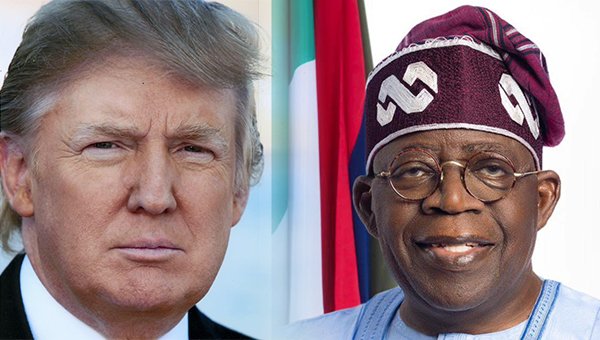
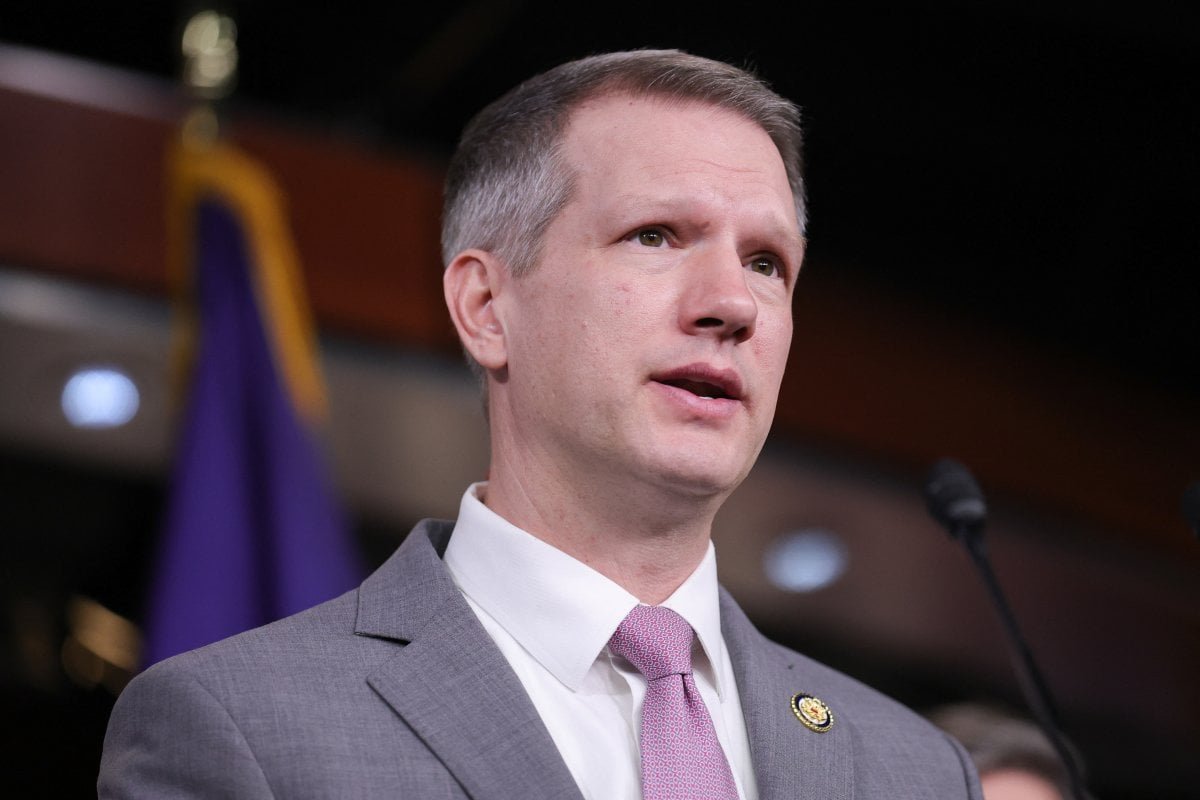
United States Congressman Bill Huizenga has downplayed fears of possible U.S. military intervention in Nigeria, saying President Donald Trump is unlikely to pursue armed action despite his recent “guns-ablazing” threat. Huizenga made the remarks during an interview with Arise TV published on Tuesday. At the same time, Nigeria’s Minister of Information and National Orientation, Mohammed Idris, confirmed that diplomatic discussions between Abuja and Washington were ongoing and producing positive results amid heightened tensions between both countries. Trump had, in late October, claimed to have directed the U.S. Department of War to “prepare for possible action” in Nigeria over alleged attacks on Christians. However, Huizenga clarified that while the U.S. President wants the killings to end, military intervention is not a priority. “I was surprised by the forcefulness of his comments,” Huizenga said. “I don’t believe actual military intervention in Nigeria ranks high on his agenda. I think his main concern is stopping what he perceives as genocide against Christians and others in Nigeria. I don’t expect any surprise attack or military response.” The lawmaker recommended economic sanctions as a more effective measure against terrorist financing. “Sanctions can restrict the flow of money and movement of those involved in terrorism. If we impose economic pressure, it will have a positive impact,” he added. Huizenga also urged Nigerian authorities to intensify domestic efforts to combat insecurity. Meanwhile, Information Minister Mohammed Idris said open communication between both governments is helping clarify misunderstandings about the situation in Nigeria. Speaking during an interview on Sky News’ The World With Yalda Hakim, Idris explained that misinformation—often spread by lobby groups linked to banned separatist organisations—had distorted global perception of Nigeria’s internal security challenges. “We are seeing direct links between some lobbyists in the U.S. and proscribed groups in Nigeria,” he said. “They have been reaching out to influential people in the United States to lobby and misinform.” Idris reaffirmed Nigeria’s commitment to its long-standing partnership with the U.S. and called for continued cooperation in tackling terrorism. “The U.S. has helped Nigeria address security issues in the past, and we are calling for renewed collaboration to restore lasting peace,” he said. He also dismissed data suggesting widespread religious persecution in the country, stressing that Nigeria remains a multi-faith nation with constitutional freedom of worship. “Some of the assumptions being circulated cannot withstand proper scrutiny,” he noted. In a related development, Senator Orji Uzor Kalu said Trump’s comments on killings in Nigeria should not be dismissed, acknowledging that both Christians and Muslims have suffered from terrorist attacks. “There are jihadists who simply want to destroy Nigeria. We should blacklist them and flush them out,” Kalu said, expressing confidence that President Bola Tinubu would continue to receive U.S. intelligence support in fighting terrorism. Also, the Oodua People’s Congress (OPC) urged the Federal Government to leverage international partnerships, including Trump’s interest, to intensify the fight against terrorism and kidnapping. In a statement signed by its Secretary-General, Olubunmi Fasehun, the OPC called on the government to sanction individuals and groups funding terror and to prioritise national security over politics. The group reaffirmed its commitment to supporting law enforcement through intelligence gathering across the South-West and other regions, stating, “Security is a shared responsibility, and when civilians and authorities work together, crime prevention becomes faster and more effective.”

Tech & Tools Desk11 November 2025
Foodstuffs.jpg

4min5270
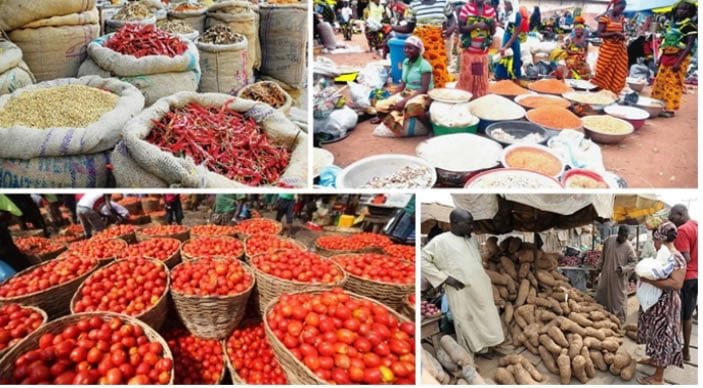
Despite spending a staggering $2.39 billion on food imports between April 2024 and March 2025, millions of Nigerian children are still going to school hungry, as food insecurity continues to worsen across the country. Analysis of the Central Bank of Nigeria’s sectoral utilisation of foreign exchange reveals that food imports rose by $248.37 million, or 11.6 percent, from $2.14 billion in the same period of 2023–2024. The figures highlight Nigeria’s growing reliance on imported food despite ongoing efforts to boost local agricultural production. Experts attribute this trend to insecurity, low mechanisation, and limited adoption of modern farming technologies. Nutritionists have raised alarm over the increasing rates of hunger and its devastating impact on children under five. They warn that economic hardship and soaring food prices are exacerbating malnutrition, with more children becoming stunted and anaemic. Many children under five are reportedly attending school on empty stomachs, which affects their immunity, concentration, and cognitive development, ultimately hindering academic performance. The cost of staple foods such as garri, rice, bread, bottled water, and soft drinks has surged in recent months, deepening household poverty and hunger. Nutrition experts urge the Federal Government to take urgent action, warning that persistent hunger will result in malnutrition, stunting, and anaemia, preventing children from reaching their full potential and contributing to national development. Prof. Ngozi Nnam, former President of the Federation of African Nutrition Societies and a professor of Community and Public Health Nutrition at the University of Nigeria, Nsukka, said the economic situation is taking a heavy toll on children. She noted that many children now go to school hungry, which affects their ability to concentrate, lowers IQ levels, and hampers cognitive development. “Many families struggle to afford even one meal a day. Food is expensive, and children’s nutrition is suffering as a result,” Nnam said. UNICEF reported in 2023 that 23.5 million out of 35 million Nigerian children are affected by anaemia, while 12 million children under five are stunted, and three million are wasted. Although Nigeria ratified the Convention on the Rights of the Child in 1991 and enacted the Child Rights Act, hunger and malnutrition remain widespread. Nnam warned that persistent hunger will further exacerbate malnutrition, leading to higher rates of stunting, wasting, and anaemia among children. She urged the government to set both short- and medium-term strategies to reduce food costs and improve access to nutrition. Prof. Wasiu Afolabi, former President of the Nutrition Society of Nigeria and Professor of Community Nutrition at the Federal University of Agriculture, Abeokuta, highlighted that Nigeria has the highest number of stunted children in Africa, a situation worsened by insecurity, rising food prices, and insufficient local food production. He stressed that malnutrition has severe long- and short-term consequences on children, including poor academic performance, impaired growth, and broader implications for national development. Both experts called on the Federal Government to urgently address hunger, improve food availability, and implement policies to make nutritious food affordable, particularly for vulnerable families.

Tech & Tools Desk11 November 2025
Coronation-Group.png

4min2340
The Managing Director and Chief Executive Officer of Coronation Insurance Plc, Olamide Olajolo, has emphasized the need for responsible use of artificial intelligence (AI) in transforming Africa’s insurance sector. Speaking at the Africa Financial Industry Summit 2025 during a roundtable discussion titled “Smart Insurance: Sharpening up Claims, Risk Modelling and Operations with AI and Insurtech,” Olajolo highlighted how disciplined innovation can reshape claims management, risk modelling, and operational efficiency across the continent. The session, moderated by Mohamed Ali Jebira of Deloitte, featured key industry figures, including Bernard Ohemeng-Baah, Deputy Commissioner of Ghana’s National Insurance Commission. Discussions centered on how AI and insurtech are driving smarter data utilization, automation, and improved customer experiences within the insurance ecosystem. Olajolo identified claims processing as the area where AI currently has the most measurable impact, noting that automation is reducing claim turnaround times and improving accuracy. “AI delivers the fastest and most visible results in claims,” he said. “From automated image recognition for vehicle damage to predictive fraud detection, AI shortens claim cycles while enhancing fairness. Between 60 and 70 per cent of major global insurers have already integrated AI into claims management.” He further explained that machine learning is transforming underwriting by enabling real-time risk assessment that combines behavioural, environmental, and financial data. This, he said, promotes fairer pricing and broader inclusion, especially for underserved markets. However, Olajolo cautioned against rapid AI adoption without strong ethical and regulatory frameworks. He disclosed that Coronation Insurance has, on several occasions, delayed AI rollouts to ensure data protection and compliance. “We’ve had to strengthen data governance and transparency to ensure both customers and regulators can trust how algorithms make decisions,” he stated. Olajolo also noted that many African insurers remain stuck at the pilot stage because they treat AI as a technology experiment instead of a business transformation tool. “To achieve scalable success, AI initiatives must be linked to clear business outcomes—such as improved underwriting accuracy or reduced fraud—and must be driven by top leadership,” he explained. On human capital development, he stressed that talent remains a decisive factor in successful AI integration. He advocated a balanced strategy combining collaboration with insurtech firms, selective outsourcing, and building internal capabilities. “Human capability is the cornerstone of AI adoption,” he said. “The best insurers combine external partnerships for innovation, outsourcing for technical expertise, and in-house development for long-term control of data and customer relationships.” Olajolo concluded by stressing that responsible AI adoption should be guided by discipline, empathy, and trust—values that align with Coronation’s vision for the future of smart insurance in Africa. The session was part of AFIS 2025’s broader agenda on digital transformation and innovation as catalysts for Africa’s financial independence and sustainable growth.  

Tech & Tools Desk10 November 2025
school.jpg

3min2130
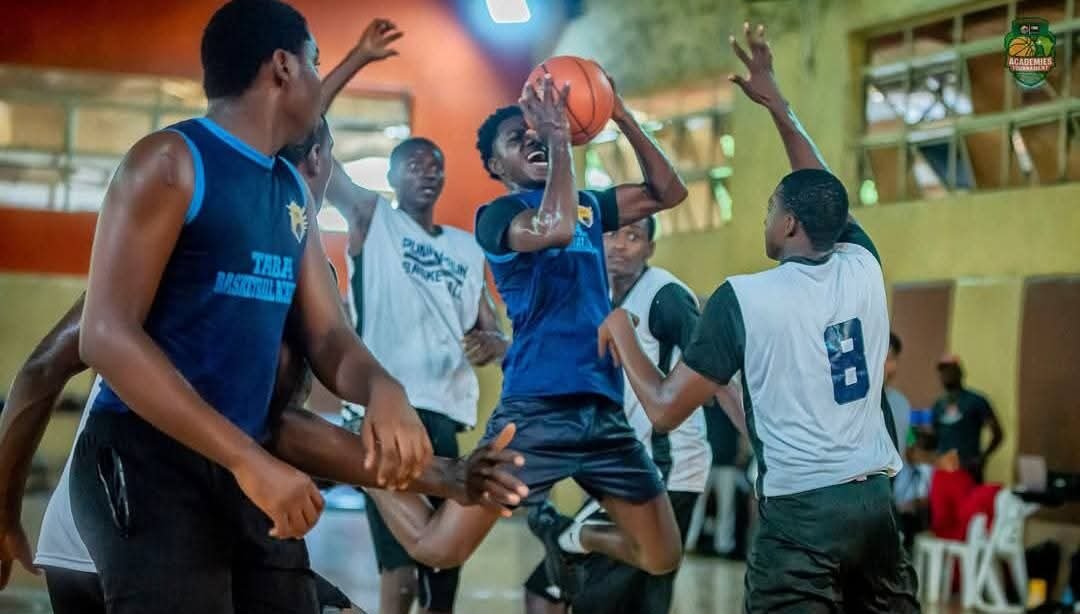
The second edition of the U-16 Mainland 3×3 Basketball Tournament for secondary schools took place on Saturday in Ikeja, featuring public and private schools from Lagos Mainland competing for top honours on the court. Organised by Onaopepo Adu, Senior Special Assistant to Governor Babajide Sanwo-Olu on Sports Marketing and Administration, the event forms part of a broader youth-development initiative combining competitive sports, digital innovation, and community-level talent development. This year’s tournament welcomed 16 school teams, up from 12 last year, with 64 basketball players and 8 student gamers participating. For the first time, an eSports component allowed students to compete virtually in an NBA-themed video game contest. In the boys’ competition, Ilupeju Senior Grammar School edged Topfield College 12-11 to claim the title. The girls’ category saw Topfield College dominate, defeating Dansol High School 22-2. Hosts Avi-Cenna International School finished third in both boys and girls events, while the eSports tournament concluded in a thrilling two-point game, with Avi-Cenna narrowly overcoming Wellspring College 59-57. Adu highlighted the importance of providing platforms for young athletes, saying, “We brought private and government schools together to identify talent. Two MVPs from last year’s edition were invited to the NBA Junior Cup. We want more students to gain such opportunities, and potentially pursue professional careers.” He added that the tournament’s expansion into digital sports reflects a commitment to modernising youth engagement: “We are not just focusing on the court; the eSports edition allows students to compete and showcase their skills digitally.” Senior Special Assistant on Sports, Damilare Orimoloye, praised the collaboration between private and public schools: “It is encouraging to see athletes from different backgrounds come together. Poor performance in a single game doesn’t define a player—they develop through competition and experience.” Players and coaches also commended the organisers for providing quality kits and raising the overall standard of the tournament. The inaugural edition, held in December 2024, featured schools from Lagos Island.

Tech & Tools Desk10 November 2025
Tinubu-1.webp

5min5930
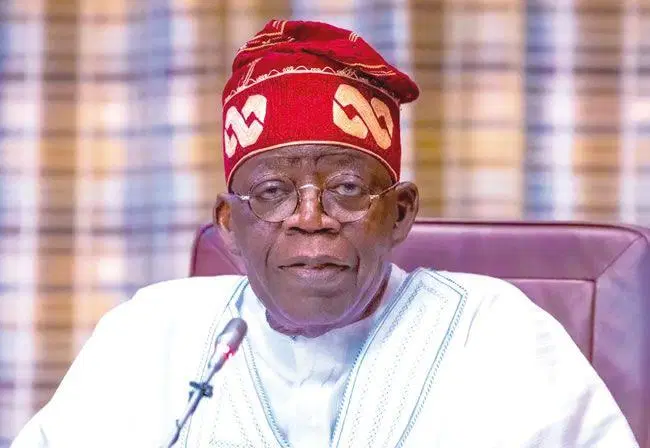
ABUJA — The Primate of the Church of Nigeria (Anglican Communion), Most Rev. Henry Ndukuba, has urged the Federal Government to seek international assistance if it cannot curb the escalating killings, kidnappings, and violence across the nation. He warned that Nigeria’s security crisis has reached a breaking point and can no longer be ignored. Ndukuba made the call during the consecration of fifteen new bishops in Abuja, where he spoke on the growing insecurity and moral decline in the country. His remarks followed recent concerns expressed by world leaders over the persistent attacks on Christians and the increasing threats to religious freedom in Nigeria. “The persecution of Christians and the violence happening in this country are undeniable,” Ndukuba stated. He lamented the continued abduction of clergymen, disclosing that several pastors and their families remain in captivity without any resolution. “As I speak, some of our pastors have been kidnapped along with their families from their churches, and they have yet to be released. If the authorities cannot handle the situation, it is only right for them to seek help,” he said. The Primate also expressed concern over the moral decay among young people, emphasizing that the character of today’s youth will determine the nation’s future. He called on parents to instill discipline and godly values in their children, adding that Nigeria’s youth possess the intelligence and creativity to overcome present challenges. “As a church, we continue to pray for our young people, invest in them, and nurture them. That is why we established the ‘Joshua Generation’ mission—to raise a generation that stands firm in faith and purpose,” he explained. Ndukuba expressed optimism that Nigerian youths, if properly guided, would rise above the difficulties surrounding them and fulfill their divine potential. “We believe they will stand strong, take up their responsibilities, and by faith, conquer their promised land,” he added. Speaking on the newly consecrated bishops, the Primate urged them to embrace patience, sacrifice, and steadfastness in their service, reminding them that leadership in the church requires humility and endurance. “This is a sacred calling,” he said. “When Jesus calls us to follow Him, He calls us to die to self, take up our cross, and remain faithful to His mission.” He prayed that God would strengthen the bishops in their new roles, guiding them to teach the Word faithfully and serve as true shepherds of the flock. “My prayer is that He who has called them will sustain them, lead them through life, and make them instruments in His hands to feed the flock, proclaim the gospel, and uphold the truth boldly and faithfully,” Ndukuba concluded. The newly consecrated bishops include: Ven. Samuel O. Ogunmiluyi (Irele Ese-Odo), Ven. Francis O. Bankole (Ekiti South), Ven. Boma P. Briggs (Kalabari), Ven. Ebenezer A. Adewole (Lagos South West), and Ven. Benjamin E. Idume (Ozoro). Others are Ven. Olubode A. Otenaike (Idanre), Ven. David Michson (Ikom), Ven. Gershinen P. Dajur (Keffi-Karshi), Ven. Luka B. Allu (Nasarawa), Ven. Ifeanyi V. Akunna (Ogoja), Ven. Ebenezer Familoni (Oyo South), Ven. Solomon Adewumi (Oyun), Rev. Canon Rika G. Ibrahim (Takum), and Ven. Ayuba Kanta (Zuru).

Tech & Tools Desk9 November 2025
t-t.jpg

3min4160
Osogbo, Osun State — A chieftain of the All Progressives Congress (APC) in Osun State, Olatunbosun Oyintiloye, has called on religious, political, and community leaders across the country to rally behind President Bola Tinubu in the ongoing battle against terrorism and insecurity. Speaking with journalists in Osogbo on Sunday, the former lawmaker urged Nigerians, irrespective of political or religious affiliations, to unite in defending the nation’s sovereignty and overcoming the current wave of security challenges. Oyintiloye expressed concern over recent comments by U.S. President Donald Trump, who threatened to deploy American troops to Nigeria over alleged killings of Christians. He described the statement as a matter of national concern, stressing that Nigerians must close ranks to safeguard the country’s independence and territorial integrity. “We must come together and rally behind the President at this critical period. Our political or religious affiliations do not matter now what we need is unity and collective action to protect the sovereignty of our dear country,” he said. While acknowledging the efforts of President Tinubu and the security agencies in combating terrorism and banditry, Oyintiloye noted that the security challenges predated the current administration. He maintained that Nigeria has never been at war with any particular religion and called for restraint in public discourse. The APC stalwart also urged opposition figures to be cautious in their comments, warning that divisive rhetoric could worsen the situation. “This is not the time to play opposition politics. Whatever happens to Nigeria affects everyone. Our hopes and aspirations depend on the continued existence of this country,” he said. Oyintiloye further appealed to the newly appointed service chiefs to justify the confidence reposed in them by the President and to intensify efforts toward defeating insurgents. He also welcomed U.S. concerns over Nigeria’s security but advised against foreign military intervention, suggesting instead that the U.S. share intelligence and provide logistical support to aid Nigeria’s internal security operations. “Getting foreign support in terms of intelligence and equipment will be good, but the deployment of foreign soldiers could complicate the situation,” he warned. “What President Tinubu needs at this time is the full support of all Nigerians.” Recall that on November 1, 2025, President Donald Trump announced via social media that he had directed the U.S. Department of Defense and the Pentagon to prepare for potential military action in Nigeria, citing what he described as widespread killings of Christians. He also threatened to halt all U.S. aid and assistance if the Nigerian government failed to act.

Tech & Tools Desk8 November 2025
aa-5.jpeg

4min2640
A member of the United States Congress, Riley Moore, has introduced a resolution condemning the alleged persecution of Christians in Nigeria and voicing support for President Donald Trump’s efforts to address the issue. In a post on his verified X (formerly Twitter) account on Friday, Moore announced that the resolution titled “Condemning the persecution of Christians in Nigeria and standing ready to support President Donald Trump in taking decisive action to end the existential threat that persecuted Christians face in Nigeria” was filed in the House of Representatives and referred to the appropriate committee. “I just introduced a resolution condemning the atrocities Christians are facing in Nigeria and supporting @POTUS’ efforts to defend Christians who are being slaughtered,” Moore wrote. Moore, who also chairs Trump’s investigative committee on alleged Christian persecution in Nigeria, described the country as “the deadliest place in the world to be a Christian.” He claimed that over 7,000 Christians have been killed in 2025 an average of 35 per day and that between 50,000 and 100,000 have been killed since 2009. According to him, more than 19,000 churches have been destroyed and millions displaced in what he termed “systematic campaigns of religious cleansing.” He cited violent attacks on major Christian holidays, including the 2022 Pentecost massacre, the 2023 Christmas Eve attacks, and the 2025 Holy Week killings. Moore also noted that over 250 clergy members have been murdered in the past decade, referencing the killing of Fr. Sylvester Okechukwu on Ash Wednesday this year as evidence of “targeted jihadist attacks.” The lawmaker accused the Nigerian government of failing to protect Christian communities or hold perpetrators accountable, citing an incident in Plateau State where a pastor who warned of an impending attack was accused of spreading misinformation only for several Christians to be killed the following day. Moore criticised President Bola Tinubu for denying the existence of religious persecution, quoting his September 2025 statement that “there’s no religious persecution in Nigeria.” He urged Tinubu to “do the right thing” and strengthen U.S.-Nigeria relations through action. The resolution references prior U.S. policy decisions, noting that President Trump had designated Nigeria a “Country of Particular Concern (CPC)” under the International Religious Freedom Act in both 2020 and 2025, a status that allows for sanctions against governments violating religious freedoms. It faulted the Biden administration for removing Nigeria from the CPC list in 2021, alleging that violence against Christians escalated thereafter. It also cited reports from the U.S. Commission on International Religious Freedom, which has repeatedly recommended Nigeria’s redesignation as a CPC since 2009. The resolution condemns attacks by Boko Haram, the Islamic State West Africa Province (ISWAP), and other militant groups, as well as what it describes as the Nigerian government’s inaction. It further denounces the enforcement of blasphemy laws carrying the death penalty and urges the U.S. to “raise its moral voice” against religious persecution. Moore acknowledged support from 20 co-sponsors and over 55 faith-based and human rights organisations, including the American Center for Law and Justice, CatholicVote, Faith & Freedom Coalition, Open Doors USA, and Heritage Action. “As I said at @CPAC’s Ending Christian Persecution summit: I will never stay silent as our brothers and sisters in Christ are being slaughtered for their faith,” Moore wrote. “The U.S. will consider every option to protect vulnerable Christians from slaughter. Now is the time to put on the full armour of God.”

Tech & Tools Desk7 November 2025
Jigawa-SGovt-to-allocate-500-Hectares-to-Federal-University-Dutse-for-Agricultural-Research.jpg

4min4480
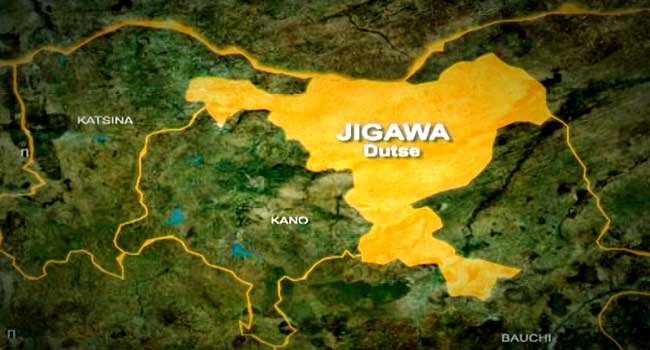
To enhance healthcare services in Jigawa State, Governor Umar Namadi has pledged to allocate additional land to support the expansion and renovation of the Rasheed Shekoni Federal University Teaching Hospital (RSFUTH). The hospital traces its origins to the administration of Colonel Rasheed Shekoni, who served as Military Administrator of Jigawa State between 1996 and 1998. Although the groundwork for the hospital began during his tenure, major progress was achieved under Governor Sule Lamido’s administration, which completed and inaugurated the facility in 2014. It was named after the late Colonel Shekoni in recognition of his contributions to the state. Originally established as a state-owned specialist hospital to address pressing healthcare needs, including maternal and rural health challenges, the facility was transferred to the federal government in 2019 under Governor Muhammad Badaru Abubakar’s administration. This transfer upgraded it to a teaching hospital affiliated with the Federal University Dutse to advance medical training and service delivery. Governor Namadi made the pledge during a courtesy visit by the hospital’s Chief Medical Director, Dr. Salisu Mu’azu, and his management team to the Jigawa State Government House in Dutse. He commended the hospital’s progress and reaffirmed his administration’s commitment to strengthening healthcare infrastructure in the state. Namadi also called on the hospital’s management to give employment priority to qualified Jigawa indigenes, noting the abundance of skilled professionals eager to serve. “Jigawa has many qualified professionals who are ready to contribute to the health sector. Let’s ensure they are given fair opportunities to serve,” the governor stated. Namadi assured the team of government assistance in renovating old structures and supporting ongoing projects. “We will provide the additional land needed for expansion and help restore the hospital’s facilities to ensure better service delivery,” he added. In his remarks, Dr. Mu’azu expressed appreciation to the governor for his support and partnership, revealing that 870 staff members are currently on the federal payroll, with more than 250 being Jigawa indigenes. He highlighted the need for continued collaboration to address equipment and infrastructure challenges. “This cooperation between the state and federal government is essential for improving healthcare outcomes and strengthening the system for Jigawa residents,” Mu’azu said. Health professionals across the state have welcomed the partnership, describing it as a major step toward decongesting clinics, expanding training opportunities, and improving medical access for communities across Jigawa.

Tech & Tools Desk7 November 2025
trump-2.jpg

4min2570
The Chairman of the Southern Kaduna Christian Leaders Association (SKCLA), Apostle Dr. Emmanuel Kure, has welcomed the recent designation of Nigeria as a “Country of Concern” by former U.S. President Donald J. Trump, describing it as “a long-overdue call to conscience.” In a statement on Tuesday, Apostle Kure said the move had drawn global attention to what he termed “the persistent suffering and neglect of Christians in Northern Nigeria.” He lamented that successive administrations in Nigeria had ignored years of marginalisation and persecution, stating, “At last, someone has taken notice of the plight of Christians in Northern Nigeria — a reality our own government has refused to acknowledge, let alone address.” Kure accused both Muslim and Christian political elites in the North of showing indifference to justice and peaceful coexistence, saying their silence had allowed discriminatory practices against minority Christian communities to persist. He alleged that in several northern institutions, such as Bayero University and Sokoto University, Christians are denied the right to build churches, while mosques are freely permitted — a situation he said fosters inequality and intolerance. “The protection of extremist groups, forced marriages that destroy Christian families, and denial of equal opportunities are all part of a calculated pattern of persecution,” he added. The SKCLA chairman, who once served as National Secretary of the Pentecostal Fellowship of Nigeria, urged the Federal Government to set up an independent and credible panel of inquiry made up of courageous Nigerians to investigate alleged targeted killings and discrimination in Benue, Plateau, and Southern Kaduna. According to him, the recurring attacks in Benue and Plateau, often without evidence of theft or banditry, suggest a deliberate “scorched-earth campaign” against Christian populations. He criticised what he called the government’s “half-hearted” response to insecurity across the North, citing the continued killing of pastors and the neglect of unsafe roads in Southern Kaduna as proof of official indifference. While commending the Kaduna State Government for initial steps toward peace and reform, Kure urged the administration to show deeper commitment to fairness and equality. “The church must rise to speak truth to power, calling on government to ensure freedom and justice for all faiths,” he said. “Leaders must also be willing to listen to sincere counsel, particularly from Christians within the system.” Describing Trump’s remarks as “a divine correction,” Kure said the statement should provoke self-reflection among African leaders, adding that Britain also shares historical responsibility for Nigeria’s enduring religious and ethnic divisions. “Whether one sees it as interference or not, there must be something strong enough to challenge the irresponsibility of African leaders who mortgage their people’s future. Time is running out — the moment of reckoning is here,” he declared.