Author: Tech & Tools Desk

Tech & Tools Desk21 October 2025
bc-1280x874.avif

3min4040
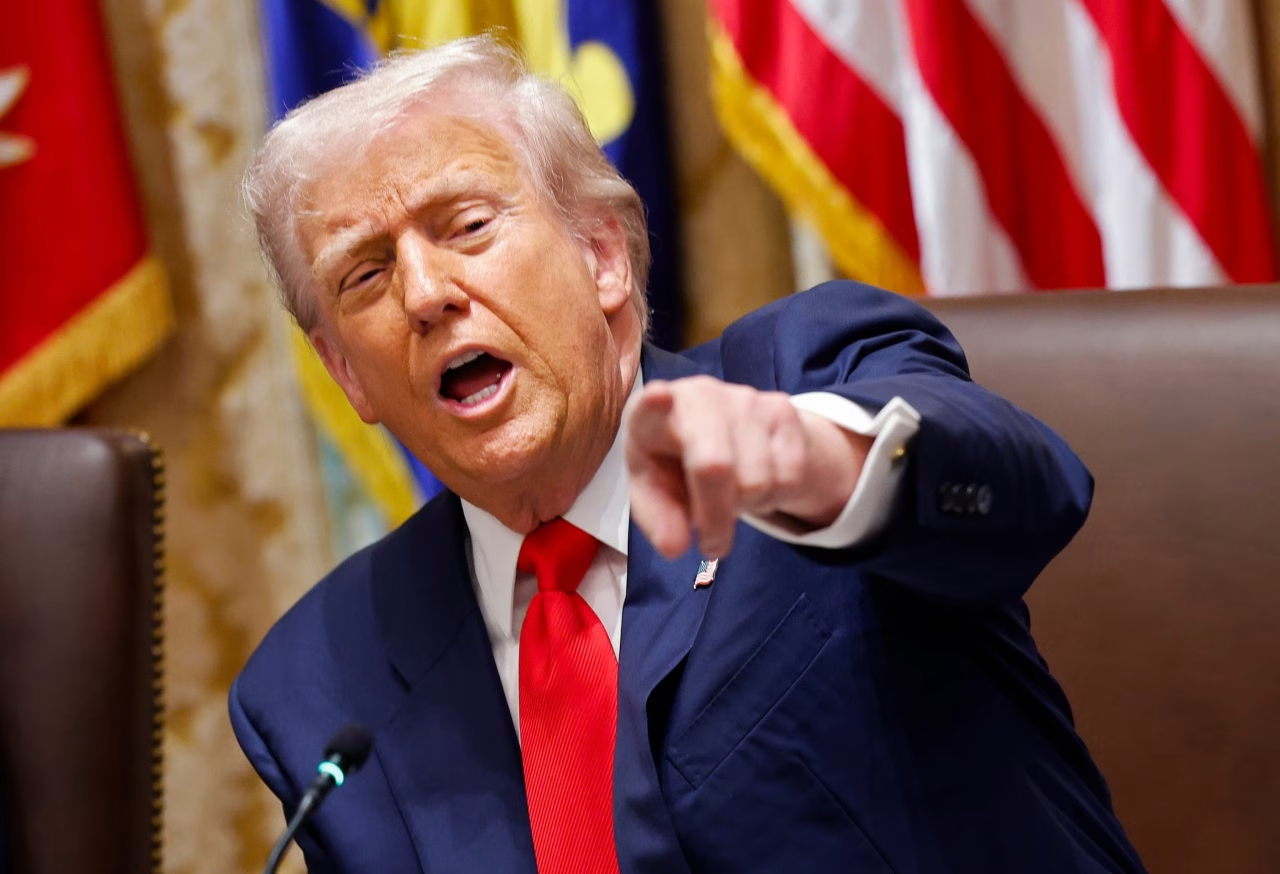
U.S. President Donald Trump on Monday warned that Hamas would be “eradicated” if it breaches the Gaza ceasefire agreement with Israel but said he would give the group a chance to honor the truce. Vice President J.D. Vance traveled to Israel shortly after Trump’s remarks, joining two top U.S. envoys already in the region, as renewed violence threatened the fragile peace deal. Speaking at the White House while hosting Australian Prime Minister Anthony Albanese, Trump said, “We made a deal with Hamas — they’re going to behave, they’re going to be nice. And if they’re not, we’re going to eradicate them. They’ll be eradicated, and they know that.” The Gaza deal, brokered nearly two weeks ago, has faced repeated challenges, with Israel accusing Hamas of delaying the handover of hostages and continuing attacks. Trump also warned Hamas against carrying out public executions of rivals or alleged collaborators as it seeks to regain control over the war-torn territory. He clarified that American troops would not take direct part in any action against Hamas, noting that several countries had agreed to contribute to an international stabilization force for Gaza. “Israel would go in within minutes if I asked them to,” he said. “But we’re giving this a little time, hoping for less violence.” According to Trump, Hamas is now significantly weaker, and Iran — its key regional ally — is unlikely to intervene following U.S. and Israeli strikes earlier in the year. “They don’t have the backing of anybody anymore,” Trump added. “They have to be good. And if they’re not, they’ll be eradicated.” Trump’s special envoy Steve Witkoff and adviser Jared Kushner met with Israeli Prime Minister Benjamin Netanyahu on Monday to discuss developments in the region. Vice President Vance and his wife, Usha, later departed Washington for Israel for additional talks with Israeli officials.

Tech & Tools Desk20 October 2025
aaa8.jpeg

2min3300
The Director of Public Affairs and Consumer Protection at the Nigerian Civil Aviation Authority (NCAA), Michael Achimugu, announced on Monday via his official X handle that Ethiopian Airlines has paid its sanction fee for consumer protection violations. He noted that with this payment, all three international airlines penalized by the NCAA in 2025 have now fully complied with the Authority’s directives. Achimugu clarified that the sanctions were not meant to punish but to correct lapses and enhance service delivery, ensuring that all airlines operating in Nigeria comply with established consumer protection regulations. “The sanctions are designed to help operators improve their services, not to punish them,” he stated. Reiterating the agency’s commitment to fair regulation, Achimugu emphasized that the NCAA remains dedicated to protecting the rights and interests of all aviation stakeholders — including passengers and operators. Earlier in the year, the Authority had sanctioned three international airlines for violations related to poor customer service and infringement of passenger rights.

Tech & Tools Desk20 October 2025
aa-3.jpeg

4min2130
The National Agency for Food and Drug Administration and Control (NAFDAC) has urged Nigerian pharmaceutical companies to invest in local vaccine manufacturing to strengthen the country’s preparedness for future public health emergencies. NAFDAC Director-General, Prof. Mojisola Adeyeye, made the appeal in a statement on Sunday, emphasizing that Nigeria must not wait for another pandemic before developing essential health infrastructure and production capacity. She noted that during the COVID-19 pandemic, Nigeria’s heavy dependence on international donors exposed the nation’s vulnerability—a situation that should not be repeated. “The country must not be caught unprepared again,” she cautioned. Adeyeye explained that NAFDAC had enhanced its regulatory framework for vaccines, biologics, and medical devices through restructuring and participation in the World Health Organisation’s global benchmarking programme for national regulatory authorities. She highlighted that the agency achieved WHO Maturity Level 3 status in 2022 for medicines and imported vaccines and had since created a dedicated unit for vaccines and biologics, as well as a specialised directorate to align Nigeria’s vaccine regulation with international standards. The Director-General expressed optimism that Nigeria would begin producing its own vaccines before the end of her tenure—an achievement she described as a personal commitment and a key step toward national pharmaceutical self-sufficiency. Adeyeye revealed that NAFDAC had established clear guidelines for epidemic and pandemic preparedness, stressing the need for Nigeria to reduce dependence on foreign aid during global health crises. She challenged local drug manufacturers to take bold action, asserting that Nigeria must assume full responsibility for its vaccine production capabilities. “To produce WHO-prequalified vaccines, a nation must attain at least Maturity Level 3 in regulatory oversight—an achievement Nigeria has already secured for imported medicines and vaccines,” Adeyeye said. According to her, NAFDAC has met eight of the nine WHO Global Benchmarking Tool modules, with local vaccine manufacturing being the final step to complete the process. She also noted that NAFDAC remains the only regulatory body in sub-Saharan Africa with an in-house laboratory for vaccines, biologics, and medical devices, unlike South Africa’s outsourced model. “Last year, WHO inspectors assessed our capacity for vaccine lot release and quality control,” Adeyeye added. “However, local production is essential to enable full facility inspections and complete WHO evaluation.” She concluded by expressing confidence that Nigeria is close to meeting the final requirement for full WHO recognition. “Once local vaccine production begins, we will achieve the last milestone. I am hopeful it will happen very soon,” she said.

Tech & Tools Desk19 October 2025
aa-4.webp

2min4200
The Federal Government has reaffirmed that English Language and Mathematics remain compulsory subjects for all students taking their Senior School Certificate Examinations (SSCE), despite recent changes to admission requirements into tertiary institutions. In a statement released on Sunday by the Federal Ministry of Education, the government clarified that the revised admission policy does not exempt any candidate from registering for or sitting the two core subjects. The clarification, signed by Boriowo Folasade, Director of Press and Public Relations, became necessary following public misinterpretations of the new O’Level admission framework. Minister of Education, Dr. Maruf Tunji Alausa, explained that the reform aims to enhance flexibility, fairness, and inclusivity in tertiary education admissions. According to him, the goal is to ensure that qualified candidates are not denied admission because of credit deficiencies in subjects not directly relevant to their intended fields of study. “The streamlining ensures that deserving students are not denied access to higher education due to credit deficiencies in unrelated subjects,” Alausa stated. He emphasized that while the new framework may relax credit pass requirements in English or Mathematics for specific programmes, all students are still required to register for and take both subjects in their SSCE. “All students must continue to take both subjects as part of their Senior School Certificate Examinations, as they remain vital components of a sound educational foundation,” the ministry stressed. The policy, the ministry said, supports the broader national objectives of inclusive education, equitable access, and human capital development, while maintaining high standards of quality and integrity in the education system. Parents, students, and other stakeholders were also advised to rely only on official channels and verified platforms of the Ministry of Education for accurate updates regarding reforms and policy changes. The ministry reiterated its commitment to building a credible, inclusive, and globally competitive education system, rooted in integrity, excellence, and equal opportunity for all learners.

Tech & Tools Desk18 October 2025
aa-1.webp

2min1620
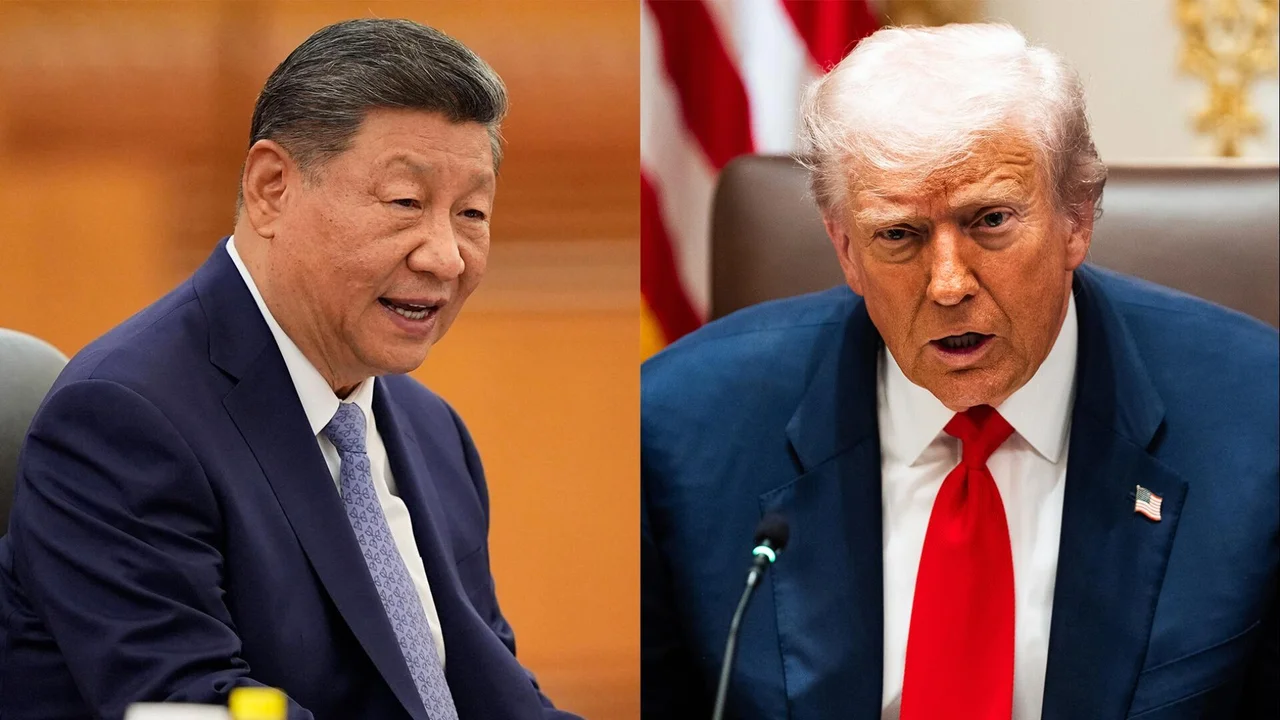
China and the United States have agreed to restart trade negotiations next week in a bid to ease mounting economic tensions and avoid a renewed tariff war between the world’s two largest economies. The decision follows a tense week, during which Beijing announced sweeping restrictions on rare earth exports, prompting US President Donald Trump to threaten 100% tariffs on Chinese imports. Trump had also hinted at cancelling a planned meeting with Chinese President Xi Jinping at the upcoming Asia-Pacific Economic Cooperation (APEC) summit in South Korea. However, hopes of de-escalation rose after Chinese Vice Premier He Lifeng and US Treasury Secretary Scott Bessent held what was described as a “candid and constructive” video call on Saturday. Both sides agreed to meet in person next week to continue discussions, according to reports from Chinese state media and Bessent’s own social media statement. US Trade Representative Jamieson Greer also joined the conversation, which reportedly focused on rare earth restrictions a key issue, as these materials are essential for everything from smartphones to military technology. Meanwhile, the US is working with G7 finance ministers to coordinate a response to China’s export controls. EU Economy Commissioner Valdis Dombrovskis confirmed that member nations would share intelligence and seek alternative suppliers, though he warned that diversifying rare earth sources could take years. German Finance Minister Lars Klingbeil voiced hope that a face-to-face meeting between Trump and Xi during the APEC summit could help ease tensions, noting G7 countries have taken a unified stance against China’s recent actions. IMF Managing Director Kristalina Georgieva also expressed optimism that both countries could reach a new understanding to prevent further economic fallout. The US-China trade dispute flared up again earlier this year after Trump’s return to office, with both sides imposing and later reducing high tariffs. While tensions have eased slightly, the underlying issues remain unresolved making the upcoming negotiations critical for the future of global trade stability.

Tech & Tools Desk17 October 2025
Donald-Trump-2-1.webp

4min1910
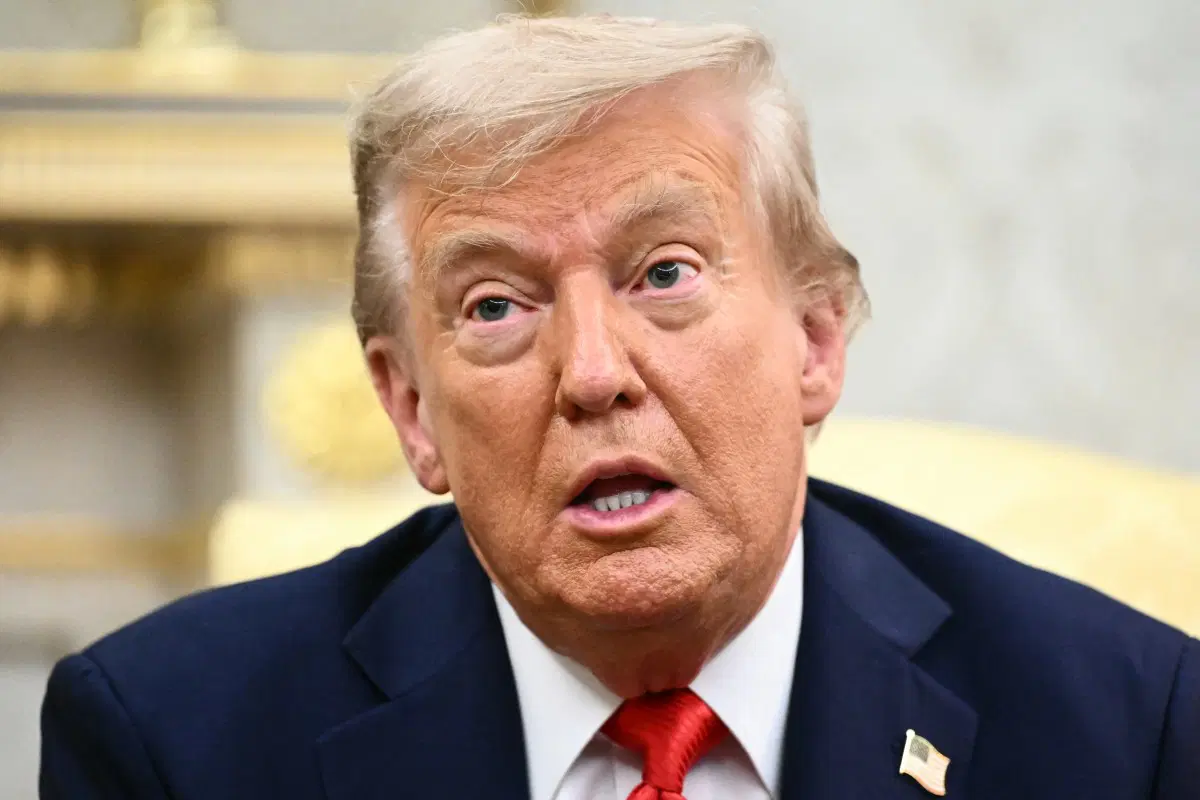
Asian and European stock markets followed Wall Street lower on Friday amid renewed concerns over credit markets, escalating trade tensions, fears of a tech bubble, and the ongoing US government shutdown. After months of steady gains and record highs, investors were shaken this week when US President Donald Trump intensified the tariff dispute with China, triggering retaliatory measures and disrupting a period of relative calm. Credit market worries have compounded investor anxiety, particularly after September bankruptcies by First Brands and subprime lender Tricolor both with significant outstanding debts to lenders. This week’s troubles deepened with Zions Bancorp reporting a $50 million charge-off linked to commercial loans from its California division, and Western Alliance revealing a borrower’s failure to provide promised collateral. These developments sparked a sell-off in mid-sized bank stocks, which spread across Wall Street, pushing all three major indexes into the red. The VIX Volatility Index, a key gauge of market anxiety, surged to its highest point since May, while safe-haven assets like gold reached a new record high of $4,379.93 per ounce. Silver also hit a fresh peak. Thursday’s events undermined the optimism that had driven markets earlier this year, with growing concerns that tech valuations boosted by AI enthusiasm may be unsustainable and vulnerable to a sharp correction. Rodrigo Catril of National Australia Bank noted, “The volatility in regional banks, combined with the collapse of subprime lender Tricolor Holdings, is causing investors to question the overall health of US credit markets.” The losses seen on Wall Street were mirrored across Asia: Hong Kong’s Hang Seng Index plunged 2.5%, Shanghai dropped 2%, while Tokyo and Taipei each fell over 1%. Other markets including Singapore, Sydney, Wellington, Bangkok, and Manila also closed lower. European markets followed suit, with London, Paris, and Frankfurt each declining by more than 1%. Trade tensions remained high after Washington and Beijing exchanged sharp warnings this week, following Trump’s Friday announcement threatening 100% tariffs on Chinese rare earth exports. Despite the uncertainty, Pepperstone analyst Michael Brown offered a cautiously optimistic outlook: “While the latest round of Trump’s tariff threats continues to hang over markets like the ‘Sword of Damocles,’ there has been little new information. My assumption is that these threats are negotiating tactics and that tensions will ease relatively soon.” Meanwhile, the US government shutdown continues with no resolution in sight, resulting in department closures and delays in crucial economic data that the Federal Reserve relies on for policy decisions. However, markets have been somewhat buoyed by expectations of at least one more rate cut by the Fed this year, driven by a series of reports indicating a weakening US jobs market. Crude oil prices extended losses amid worries over Sino-US tensions and news that President Trump plans to meet Russian President Vladimir Putin to discuss ending the Ukraine conflict. Market Snapshot (around 0715 GMT): Tokyo Nikkei 225: Down 1.4% at 47,582.15 (close) Hong Kong Hang Seng: Down 2.5% at 25,253.80 Shanghai Composite: Down 2.0% at 3,839.76 (close) London FTSE 100: Down 1.4% at 9,300.54 Currencies: Euro/USD: Up to $1.1705 from $1.1692 Pound/USD: Up to $1.3443 from $1.3436 Dollar/Yen: Down to 149.54 yen from 150.35 yen Euro/Pound: Up to 87.08 pence from 87.02 pence Oil Prices: West Texas Intermediate: Down 0.7% at $57.05 per barrel Brent Crude: Down 0.7% at $60.62 per barrel US Market Close: Dow Jones: Down 0.7% at 45,952.24 AFP

Tech & Tools Desk16 October 2025
zz-1.jpeg

4min1750
As Nigeria intensifies efforts to boost renewable energy production and promote local content, the European Union has emphasized the importance of fostering innovative partnerships between the public and private sectors including collaboration with research and innovation institutions to meet the nation’s clean energy ambitions. Speaking at the Nigeria Renewable Energy Innovation Forum in Abuja, the EU highlighted how emerging innovations are transforming the global energy space and underscored Nigeria’s rich human and natural resources as key assets in building a vibrant innovation ecosystem. The EU Ambassador to Nigeria and ECOWAS, Mr. Gautier Mignot, represented by Mr. Zissimos Vergos, Deputy Head of the EU Delegation to Nigeria and ECOWAS, shared these insights during the event. According to a statement from the EU, Mignot revealed that the Union has provided over €200 million in grants to support Nigeria’s power sector since 2008. “Our latest programme, launched in 2021 with a €100 million (₦175 billion) budget, is targeting the addition of 400 megawatts of renewable energy capacity by 2027 a project that will directly impact more than five million Nigerians,” he said. He noted that innovation has become a generational imperative, essential for driving inclusive energy and digital transformation and forming part of legacies that future generations will value. Explaining the synergy needed among stakeholders, Mignot said: “Government provides the policy framework; the private sector contributes agility and expertise; and research institutions bring innovation and data-driven insights.” He added that effective regulation, robust policy implementation, and strengthened capacity building are crucial to scaling up sustainable energy access. “Across rural Nigeria, off-grid renewable solutions like mini-grids and solar home systems are changing lives powering homes, fueling small businesses, and expanding opportunities,” he said. He also called on research institutions to continue delivering evidence-based recommendations on energy demand, consumer behaviour, and resilient business models to ensure innovations meet real community needs. The EU reiterated its commitment to Nigeria’s energy transition through initiatives such as GET.invest Nigeria and the EU Global Gateway, which support research, local skill development, and private sector investment. “Our shared journey whether building large grid-connected solar farms or small decentralised systems relies on harnessing Nigeria’s innovation, industrial capacity, and entrepreneurial drive,” Mignot noted. He praised Nigeria’s progress in embracing green and circular economy principles and concluded that the speed of the country’s energy transition would depend on how well the public sector, private industry, and innovation networks collaborate. Nigeria is positioning itself to become Africa’s renewable energy leader, with a projected $410 billion investment in the sector by 2060. As part of its energy transition plan, the country is working to establish nearly 4 GW of domestic solar manufacturing capacity, reduce dependence on imports, and generate employment. To date, over $400 million in renewable energy agreements have been signed for the development of local manufacturing including solar panels, battery storage systems, and smart meters. The country is also advancing distributed energy solutions, aiming to connect 1.5 to 2 million rural consumers through mini-grid projects. Nigeria’s renewable energy potential, especially in solar and wind, is significant. Key initiatives include the 140 MW Qua Iboe Power Plant and the 10 MW Katsina Wind Farm. Despite challenges such as infrastructure deficits and high investment costs, the country’s renewable capacity is forecast to grow steadily, with an expected compound annual growth rate of 9.88% from 2024 to 2034.

Tech & Tools Desk15 October 2025
ac.jpg

4min2640
The National Association of Nigerian Students (NANS) has issued a seven-day ultimatum to the Federal Government and the Academic Staff Union of Universities (ASUU) to resolve their ongoing dispute and prevent a looming strike that could derail the academic calendar. In a statement released on Wednesday and signed by NANS President, Olushola Oladoja, the student body expressed serious concern over rising tensions between ASUU and the government, warning that any disruption to academic activities would be unacceptable to Nigerian students. Oladoja acknowledged that the education sector had experienced two uninterrupted academic years under President Bola Tinubu’s Renewed Hope administration a milestone not seen since Nigeria’s return to democracy in 1999. However, he noted that the current threat of strike action could reverse that progress. “In light of this, NANS calls on both ASUU and the Federal Government to reach a workable and lasting resolution within the next seven days,” Oladoja stated. “Many students are now depending on education loans and cannot afford prolonged academic delays or extended time on campus.” While commending recent education sector reforms under President Tinubu including the launch of the Nigerian Education Loan Fund, withdrawal of tertiary unions from IPPIS, the reversal of the 40% IGR remittance policy, and targeted TETFund interventions Oladoja stressed that lapses in communication and delays in implementing prior agreements with ASUU had triggered renewed tensions. He described the looming strike as the result of “avoidable miscommunication and poor crisis management” that now threatens hard-won gains in the education sector. According to NANS, an earlier meeting scheduled to address ASUU’s grievances was boycotted by the union due to procedural disagreements. However, Oladoja disclosed that both parties had expressed readiness to reconvene, provided the meeting is properly arranged. “We urge the Federal Government to reconvene the meeting without delay to bridge the current communication gap,” he said, adding that failure to act swiftly could undo the progress made under the current administration. Oladoja also called on President Tinubu to personally intervene, warning that prolonged inaction could damage the credibility of his education agenda. “Nigerian students remain appreciative of the President’s efforts in the education sector,” he said. “But this dispute must be addressed urgently. If unresolved within seven days, the resulting strike could erode the stability and goodwill achieved so far.” ASUU had declared a warning strike on Monday following the expiration of a 14-day ultimatum issued to the Federal Government. The union’s demands include: Full implementation of the renegotiated 2009 ASUU-FGN Agreement Payment of withheld three-and-a-half months’ salaries Revitalisation of public universities Sustainable funding of tertiary institutions Settlement of 25–35% salary arrears and four-year promotion backlogs Release of withheld cooperative deductions The 2009 agreement, renegotiated several times over the years, remains stalled. The most recent review committee, chaired by Yayale Ahmed, submitted its report in December 2024 yet implementation has not commenced. Meanwhile, the Minister of Education, Dr. Tunji Alausa, has reportedly directed university vice-chancellors to enforce the government’s “No Work, No Pay” policy against striking lecturers a move that has sparked fresh criticism from university staff. The ongoing strike has already disrupted examinations in several institutions, causing widespread concern among students and parents.

Tech & Tools Desk14 October 2025
aaa1.webp

2min20260
Zenith Bank Plc has reaffirmed its commitment to delivering greater value to shareholders as it distributed ₦51.3 billion as an interim dividend for the half-year ended June 30, 2025. Group Managing Director and Chief Executive Officer, Dr. Adaora Umeoji, made the pledge in a statement on Sunday, following the payment of ₦1.25 per share—representing a 60 percent increase from the ₦31.4 billion paid in the same period of 2024. “We are delighted to reward our shareholders with this significant interim dividend. Our strong half-year results reflect our resilience and dedication to stakeholders. With the momentum we’ve built, we’re confident of surpassing expectations by the end of the year,” Umeoji said. The payout mirrors Zenith Bank’s solid financial performance during the review period. The bank’s gross earnings rose by 20 percent year-on-year, climbing from ₦2.1 trillion to ₦2.5 trillion in H1 2025. Interest income drove much of this growth, surging by 60 percent to ₦1.8 trillion, a result of strategic repricing of risk assets and effective treasury management. Total assets grew to ₦31 trillion in June 2025, up from ₦30 trillion in December 2024, supported by a strong and diversified balance sheet. Customer deposits also increased by seven percent—from ₦22 trillion to ₦23 trillion—indicating sustained confidence in the bank’s performance. As Nigeria’s largest lender by market capitalisation, Zenith Bank remains one of the few financial institutions to declare an interim dividend for H1 2025. The bank noted that the ₦1.25 per share dividend, payable from retained earnings, underscores its sound financial health and consistent ability to deliver value despite evolving economic conditions.

Tech & Tools Desk14 October 2025
aa2.png

9min1790
Nigeria may be left behind in the ongoing global energy transition if it fails to strategically monetise its vast oil and gas reserves, experts have warned. Former President of the Nigerian Economic Society, Prof. Adeola Adenikinju, gave the warning while delivering a keynote address at the 18th edition of the NAEE/International Association for Energy Economics (IAEE) Annual International Conference in Abuja on Monday. He urged the government to balance investments in renewable and conventional energy sources to expand electricity access to the 87 million Nigerians currently without power. The three-day conference, themed “Emerging Geopolitics of Energy: Navigating Global Shifts and Impact on Emerging Countries,” brought together policymakers, academics, and energy executives to deliberate on the complex and evolving dynamics shaping the global and African energy landscape. Adenikinju described the global energy market as increasingly volatile and shaped by multiple factors such as geopolitical tensions, wars, artificial intelligence, and shifting alliances. “The global energy market is being influenced by rising geopolitical conflicts, the growing energy needs of AI-driven data centres, and the slow pace of energy efficiency improvements,” he said. “These dynamics have wide-reaching implications across regions.” Turning attention to Nigeria, he lamented that despite being a top global producer of oil and gas, millions of Nigerians still live without access to electricity. “Nigeria is one of the world’s largest oil producers but remains the biggest importer of refined petroleum products. That is an unacceptable paradox,” he said. Adenikinju cautioned that unless the country swiftly monetises its oil and gas reserves, it risks having its hydrocarbons stranded as the world transitions toward low-carbon energy sources. “As global demand for oil approaches its peak, Nigeria must act decisively to exploit its resources while investing heavily in renewable options like solar, hydro, and wind,” he noted. He explained that the war in Ukraine and the resulting disruption of Europe-Russia energy ties had reshaped global supply chains and reignited debates about energy security. Before 2022, he said, “the European Union sourced about 40 per cent of its natural gas from Russia. That figure has dropped sharply as nations seek alternative suppliers.” Adenikinju also highlighted the growing strategic competition between the United States and China over renewable energy technology and battery manufacturing, which he said now defines the new geopolitics of energy. “China controls over 80 per cent of global solar panel production and critical mineral processing. This forces developing nations to make difficult strategic choices about their energy partnerships,” he added. He referenced data from the International Energy Agency (IEA) and the IMF’s July 2025 World Economic Outlook, which described the global economy as one of “tenuous resilience amid persistent uncertainty,” saying such instability discourages long-term investments in developing nations. “When uncertainty rises, investors delay or demand higher returns. This threatens the viability of large energy projects in countries like Nigeria,” he warned. The economist urged African governments to move beyond merely exporting raw materials and instead build full value chains for clean energy technologies. “Africa must not limit itself to supplying lithium, cobalt, or copper. We must attract green capital, develop technology, and participate meaningfully in global energy markets,” he advised. Adenikinju commended ongoing reforms under the Petroleum Industry Act, rising rig activity, and private-sector involvement but stressed the need for faster policy execution to strengthen infrastructure, investment confidence, and energy security. “Energy security is back on the national agenda,” he said. “The challenge is to ensure profitability while maintaining sustainability and global competitiveness.” He also called for stronger regional collaboration through the African Union to safeguard critical minerals and build shared industrial capacity for a carbon-neutral future. “In macroeconomic terms, the government is doing well,” he said. “But reforms must also protect vulnerable groups. The market alone will not achieve that.” The professor recommended that the government expand access to affordable electricity through solar energy and remove barriers hindering domestic gas distribution and Liquefied Petroleum Gas (LPG) access. Also speaking, the President of the International Association for Energy Economics, Professor Edmund Lewis, commended Nigeria’s leadership in advancing energy scholarship and policy dialogue across Africa. Representing IAEE, Prof. Wunmi Iledare said Africa’s energy transition should not mirror Europe’s historical model but evolve through “pragmatic prosperity” — a development approach grounded in data, inclusiveness, and collaboration. “Africa’s energy future is not a copy of Europe’s past,” Iledare said. “It must be shaped by pragmatic prosperity and evidence-based policy that reflects Africa’s realities.” He added that the IAEE remains committed to fostering dialogue and inclusive development amid the global shift toward clean energy. Meanwhile, the Secretary-General of the African Petroleum Producers Association (APPO), Omar Faruk, noted that the IEA had, for the first time, acknowledged that fossil fuels cannot be easily phased out. According to him, this reinforces APPO’s long-held stance that while energy transition is vital, Africa’s development depends on a balanced approach that preserves the role of fossil fuels. “If Africa fails to develop the components it needs for renewable or conventional energy systems, it will remain trapped in dependency,” Faruk said. He concluded that Nigeria must first stabilise its existing energy systems and master available technologies before fully transitioning, saying, “We cannot move forward in the dark; we must first master what we already have.”