
Author: Tech & Tools Desk

Tech & Tools Desk31 July 2025
tunji-alausa-education-1.jpeg

3min4890
In a bold step to curb rising drug abuse among young people, the Federal Government is set to introduce mandatory and random drug tests for students in tertiary institutions across the country. This move follows a high-level meeting in Abuja between the Minister of Education, Olatunji Alausa, and the Chairman of the National Drug Law Enforcement Agency (NDLEA), Brig. Gen. Mohamed Buba Marwa (Rtd). As part of a comprehensive strategy to tackle substance abuse in the education sector, both officials agreed on a series of policy actions, including the incorporation of modern drug education into secondary school curricula and the establishment of a joint technical working group to drive the reforms. The new drug testing policy will cover both new and returning students in higher institutions, and tests will be carried out randomly as well as at designated intervals. Speaking at the meeting, Marwa highlighted the scale of the crisis, revealing that over 40,000 drug offenders have been arrested and 5,500 metric tons of illicit substances seized in the past two years alone. “We are fighting for the souls of our children. Without drugs, many criminal activities would not be possible,” he said. In response, the Minister of Education expressed strong backing for the initiative, stating that the testing policy would be implemented without delay. “We have no choice but to start this immediately in tertiary institutions. Both fresh and returning students will be part of the programme,” Alausa stated. He also spoke on the devastating effects of drug abuse on academic achievement and employability among youths. “When students are involved in drug use, their education becomes dysfunctional. It affects their critical thinking, their ability to make sound decisions, and ultimately, their chances in life,” he said. To institutionalize the plan, the Ministry of Education will create a Substance Use Prevention Unit and collaborate with relevant stakeholders to integrate drug education into both primary and secondary school curricula. The curriculum revision for secondary schools is already underway, with plans to extend this to the primary level. The Minister also pledged to support the NDLEA Academy in Jos by collaborating with other federal education agencies to provide necessary resources and training. With these efforts, the government aims to strengthen preventive measures within the school system and reduce the long-term impact of drug abuse on Nigeria’s youth population.

Tech & Tools Desk30 July 2025
elon-musk.webp

2min3130
Tesla has announced a major $16.5 billion partnership with Samsung to produce cutting-edge AI chips, marking a significant step forward in both artificial intelligence and electric vehicle technology. The collaboration will see Samsung manufacture Tesla’s next-generation “AI6 chips” at its high-tech semiconductor facility in Taylor, Texas. Tesla CEO Elon Musk confirmed the development in a social media post, emphasizing the importance of the new chips. “The strategic importance of this is hard to overstate,” Musk said. “These AI6 chips will power our Full Self-Driving software and broader AI capabilities, including robotics and neural networks.” The chips are expected to play a key role in Tesla’s future autonomous driving systems and could support a wide range of AI innovations across Musk’s growing tech ecosystem. Industry analysts have called the deal a game-changer. One expert described it as a “win-win” for both companies, pointing out that Tesla now has a reliable domestic partner for its critical chip production, while Samsung gains a high-profile client for its Texas plant. “This partnership isn’t just about the financial investment, it’s about innovation and the race to lead in AI-driven electric vehicles,” the analyst added. As global demand for semiconductors grows and countries push for greater self-reliance in chip manufacturing, the agreement is seen as a strategic milestone for the U.S. tech sector. It could help strengthen domestic chip production at a time when supply chain security and technological sovereignty are more important than ever.

Tech & Tools Desk29 July 2025
nurse-1280x853.png

5min2800
Healthcare services across Nigeria are expected to experience major disruptions beginning Wednesday, July 30, 2025, as nurses under the National Association of Nigeria Nurses and Midwives (NANNM), Federal Health Institutions Sector, embark on a seven-day nationwide warning strike. The industrial action will impact 74 federal health institutions, including teaching hospitals, federal medical centres, specialist hospitals, as well as general hospitals and primary healthcare centres across all 36 states and the Federal Capital Territory. The strike is in response to long-standing grievances over poor remuneration, critical staff shortages, unpaid allowances, unsafe working conditions, and a lack of institutional recognition for nurses’ contributions to the healthcare system. The association had issued a 15-day ultimatum to the Federal Government on July 14, demanding urgent intervention to prevent the strike. However, union leaders say the government failed to initiate any dialogue or offer concrete solutions before the deadline. National Chairman of the NANNM-FHI, Morakinyo Rilwan, outlined several demands including a dedicated salary structure for nurses, upward review of shift and uniform allowances, increased core duty allowances, and mass recruitment into the nursing workforce. Rilwan emphasized the need for a separate salary structure tailored to the unique responsibilities nurses carry, noting that they currently share a general health worker pay scale that does not reflect their round-the-clock duties. “Nurses work 24-hour shifts, including nights, which are increasingly dangerous due to security concerns. Yet the shift allowance stands at just 6.8% instead of the 30% stipulated in a 2009 circular,” he said. He also pointed to the stagnant uniform allowance of ₦20,000 per year, unchanged for over two decades, as inadequate for maintaining the required dress standards, especially given the frequency with which uniforms must be replaced. “Doctors and other health professionals recently had their wardrobe allowances reviewed, but nurses were excluded. Uniform allowance is not a luxury; it’s a necessity for our profession,” he added. The union is also calling for the implementation of a nursing-specific scheme of service approved since 2016, but still not operational, and for the establishment of a Department of Nursing within the Federal Ministry of Health, led by a dedicated director. According to Rilwan, the current arrangement forces nursing directors to report to heads of other departments, undermining the profession’s autonomy. He further expressed concern over a lack of basic medical supplies in many hospitals, stating that nurses are often forced to improvise due to shortages of gloves, gauze, and syringes, endangering both their lives and patient care. Despite widespread claims of a nursing shortage, Rilwan noted that Nigeria trains over 10,000 nurses annually, many of whom are either unemployed or underemployed in poorly paid private facilities or temporary roles in government hospitals. “We have the workforce. The issue is the lack of proper employment and retention policies,” he said. Another key demand is the reconstitution of the Nursing and Midwifery Council Board, which has remained dissolved for more than four years. Speaking on the scope of the strike, Rilwan confirmed it would affect all levels of public healthcare, from teaching hospitals and specialist institutions to primary health centres across the country’s 774 local government areas. National Public Relations Officer of the association, Omomo Tibiebi, stated that the strike would be total, with no services provided, including emergencies. “There will be no skeletal or emergency services. The warning strike begins at exactly 12:01 a.m. on Wednesday, July 30,” Tibiebi said.

Tech & Tools Desk26 July 2025
IMG-20250726-WA0003.jpg

2min9460
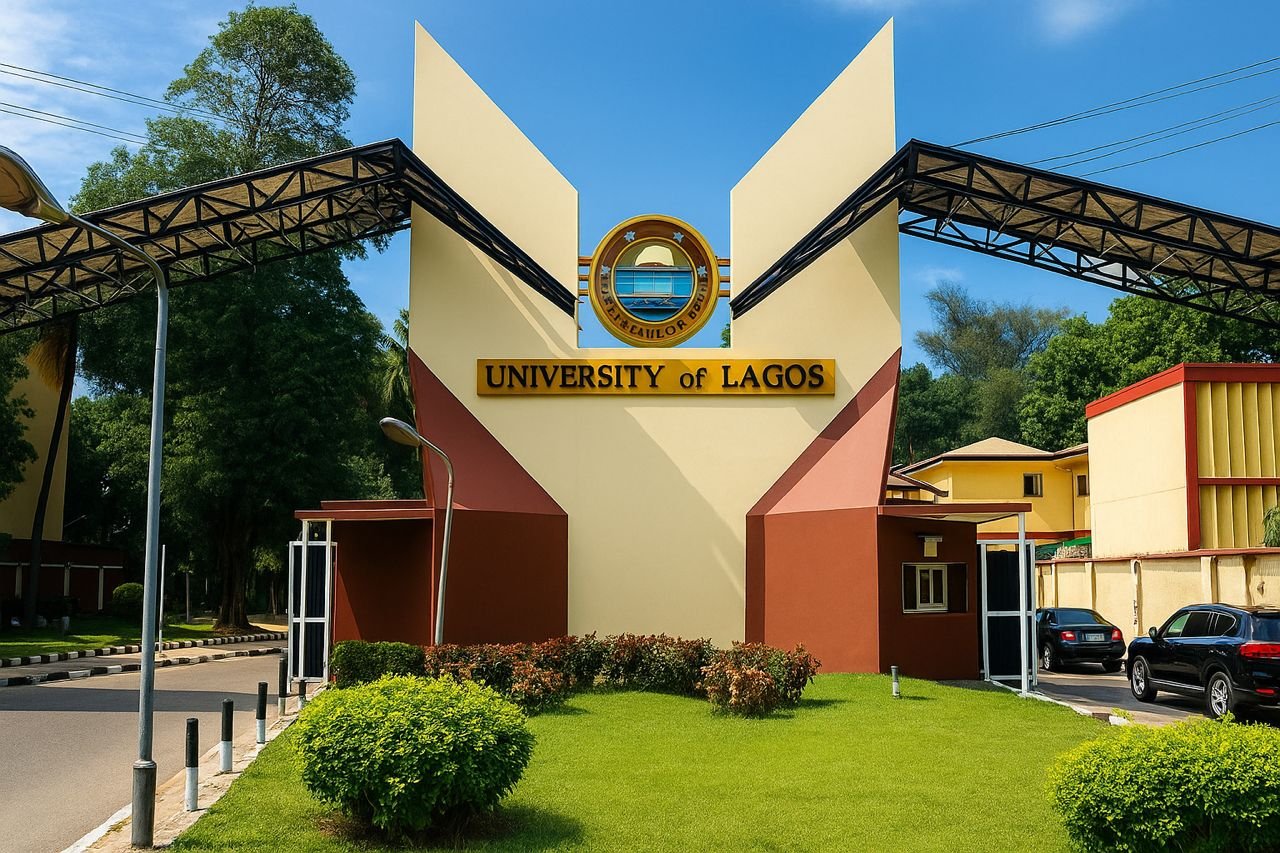
The University of Lagos has announced that online registration for the Post-UTME screening exercise into its undergraduate programmes for the 2025/2026 academic session will begin on Monday, July 28. According to a statement from the Registrar and Secretary to Council, Mrs. Abosede Wickliffe, the registration process will run until August 20. Candidates who selected UNILAG as their first choice in the 2025/2026 Unified Tertiary Matriculation Examination (UTME) and scored 200 or above are eligible to apply. Applicants must also have at least five credit passes in relevant O’Level subjects including English Language and Mathematics in a single sitting. Only candidates who upload their O’Level results on or before September 12 will be considered for admission. In addition, applicants must be at least 16 years old by September 30 to qualify. The university emphasized that participation in the online Post-UTME aptitude test is mandatory for all applicants. Those who fail to take the test will not be considered for admission. Candidates are advised to register using their personal and active email addresses, as all communication will be sent via email. Former students whose admissions were previously withdrawn due to poor academic performance or absence may reapply, but only for a different programme from their earlier course of study. However, students who were expelled are not eligible for re-admission. The university also reiterated its strict policy against drug abuse, warning that any student who tests positive during screening before or after registration may have their admission withdrawn. A mock Post-UTME online aptitude test will take place from Monday, August 25 to Wednesday, August 27, ahead of the main test scheduled for September 1 to 5.

Tech & Tools Desk25 July 2025
GRID-1280x853.png

5min5400
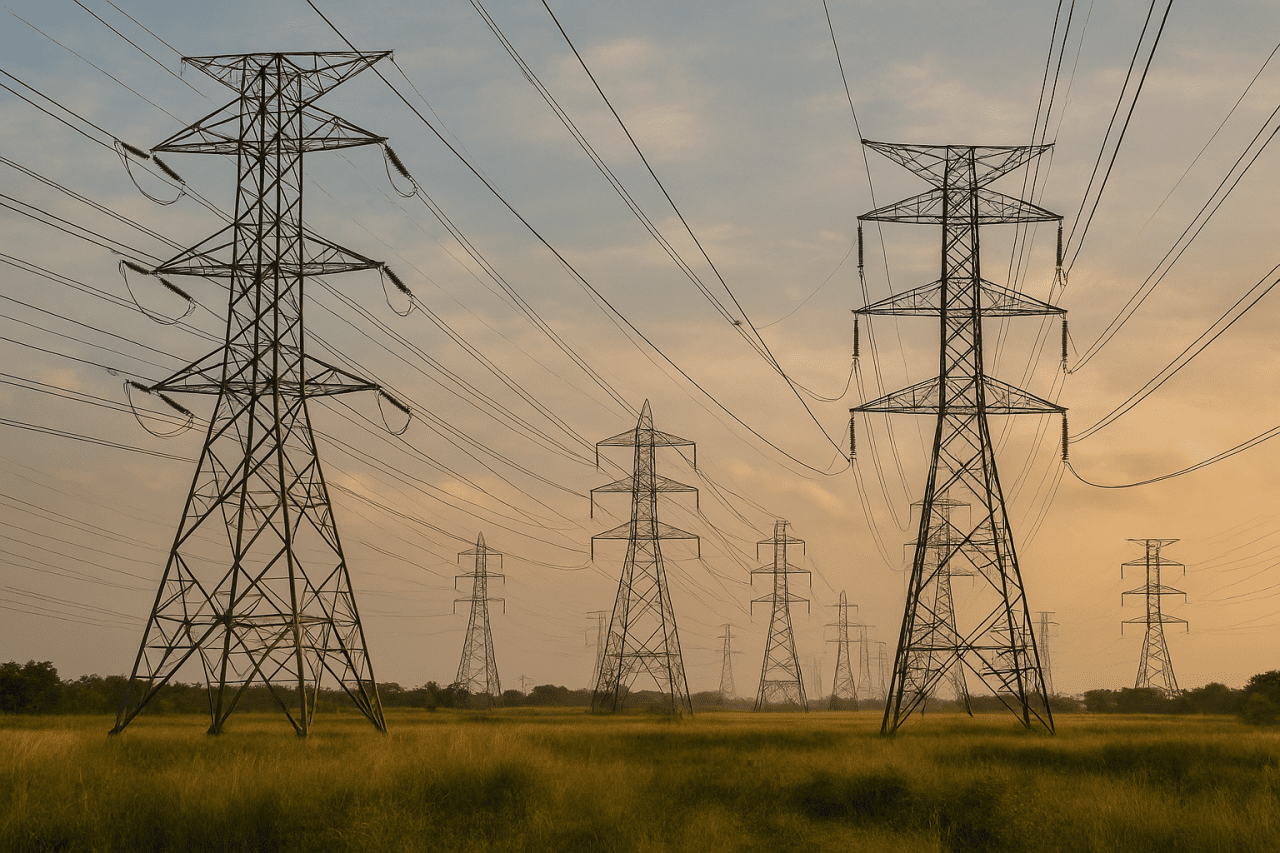
The Nigerian Electricity Regulatory Commission (NERC) has clarified that state governments do not have authority over the national electricity grid or power stations that operate under federal regulations and licenses. This clarification followed recent developments surrounding the Enugu State Electricity Regulatory Commission’s decision to reduce electricity tariffs for Band A customers. In a public notice issued on Thursday, NERC advised that state governments must account for the full cost of wholesale electricity supply when setting tariffs. Alternatively, they should be prepared to provide subsidies to cover any resulting shortfalls. NERC acknowledged that states now exercising full regulatory oversight of their intra-state electricity markets are permitted to develop their own tariff methodologies. However, the commission emphasized that this authority does not extend to power sourced from the national grid or facilities operating under federal licenses. The commission warned that disregarding these financial realities could destabilize the electricity market. “States must either fully reflect the wholesale costs of power in their tariffs or offer subsidies for any discrepancies. Any deviation risks distorting market dynamics and undermining recovery of generation, transmission, and legacy financing costs in the national electricity sector,” NERC stated. The commission further noted that no regulatory authority should make decisions that expose the national grid and wholesale electricity market to financial risk. Concerns had emerged over a recent tariff order from Enugu’s regulatory body, which reduced the Band A electricity rate in its jurisdiction to ₦160.4 per kilowatt-hour, down from the previous ₦209/kWh. NERC pointed out that this reduction was based on lowering the average generation tariff from ₦112.60 to ₦45.75 per kWh, introducing a supposed subsidy component of ₦66.85 per kWh. However, NERC stressed that there is currently no formal policy or financial provision for such a subsidy. Under Section 34(1) of the Electricity Act, NERC has a legal mandate to preserve an efficient electricity market and ensure the optimal use of resources. While state-level regulators like Enugu’s commission have their own responsibilities under state law, NERC stressed that neither body should adopt measures that could trigger a market imbalance or financial instability. Ongoing discussions are now taking place between NERC and the Enugu commission to address any misunderstanding regarding the cost of importing power from the national grid. NERC assured stakeholders that it remains committed to maintaining financial sustainability within Nigeria’s electricity supply industry. Meanwhile, industry groups representing electricity distribution and generation companies cautioned states against reducing tariffs unless they are generating and transmitting power independently. A senior official representing the Association of Nigerian Electricity Distributors warned that the new Band A rate may be unsustainable. “It’s unrealistic to expect up to 20 hours of daily electricity at ₦160 per kilowatt-hour,” he said. The tariff adjustment by Enugu State has already sparked wider demands for reductions in other states, with some consumers reportedly refusing to pay their electricity bills. This trend, according to the distribution companies, threatens the financial viability of the national power sector. The head of the Association of Power Generation Companies echoed these concerns, noting that state regulators cannot independently set prices for electricity they do not produce. “You cannot regulate what you do not generate. Enugu’s decision appears to be based on a non-existent subsidy, which lacks any formal backing from the Federal Government,” she explained. She further warned that basing key regulatory decisions on assumptions without financial backing is risky and could deter investors. “Tariff frameworks are crucial to investment and operations. You can’t build policy around imaginary support,” she said. Enugu’s regulatory body, however, defended its position, stating that the new rates reflect a careful evaluation of MainPower’s operational costs. The agency emphasized its intention to build a transparent, accountable, and sustainable sub-national electricity market. In a statement, its Commissioner for Electricity Market Operations affirmed that while the tariff structure was inherited, the commission is focused on reforming it to better serve the people of Enugu.

Tech & Tools Desk23 July 2025
dd.jpeg

3min4210
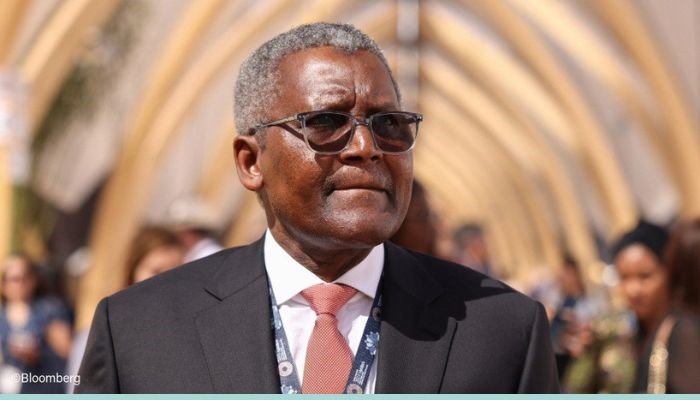
The Dangote Petroleum Refinery has commenced the export of Premium Motor Spirit (PMS), supplying around 1.35 billion litres of petrol to international markets over the past 50 days. This was revealed by the President of Dangote Group, Aliko Dangote, during a regional conference on refined fuel markets in West Africa. He noted that from early June to mid-July 2025, the refinery exported close to one million tonnes of petrol, equivalent to approximately 1.35 billion litres. “Today, Nigeria has become a net exporter of refined petroleum products. Within just 50 days, we’ve exported nearly one million tonnes of PMS,” Dangote stated. Despite the refinery’s recent export success, Nigeria continues to rely heavily on fuel imports. Industry regulators reported that Nigeria and neighboring West African countries still import roughly 69 percent of their petrol needs from foreign suppliers. Data from 2025 shows that around 2.05 million metric tonnes of petrol are traded monthly across the region, with the majority still sourced externally. Within just over a week, more than 231 million litres of PMS were imported into Nigeria through various seaports including Apapa, Tincan, and Calabar. This volume translates to roughly 172,917 metric tonnes. The refinery’s growing dominance in the domestic fuel market has raised concerns over possible monopolistic practices. However, Dangote dismissed these claims, urging critics to focus on nation-building rather than casting aspersions. He stressed the importance of investing in local industries rather than diverting resources abroad. On a broader scale, President Bola Tinubu emphasized the need for Africa to move beyond being a passive player in global energy markets. He called for the continent to establish its own benchmarks and trading systems that reflect local realities. “Africa must stop accepting prices dictated from abroad. We need credible, transparent systems that protect our economies and reflect our production strength,” the president said. He also outlined Nigeria’s ongoing efforts to collaborate with regional partners in creating a unified energy market, one that strengthens domestic production, improves energy access, and boosts cross-border trade. The Nigerian petroleum regulatory authority is working to develop regional fuel pricing benchmarks in partnership with international industry experts. These benchmarks would cover petrol, diesel, aviation fuel, and cooking gas, and are intended to improve transparency, attract investment, and ensure fair pricing across the supply chain. “We’re building a market based on transparency and data accuracy, one that truly reflects the value of fuel across West Africa,” the regulator’s chief executive affirmed.  

Tech & Tools Desk22 July 2025
trump.jpg

2min3620
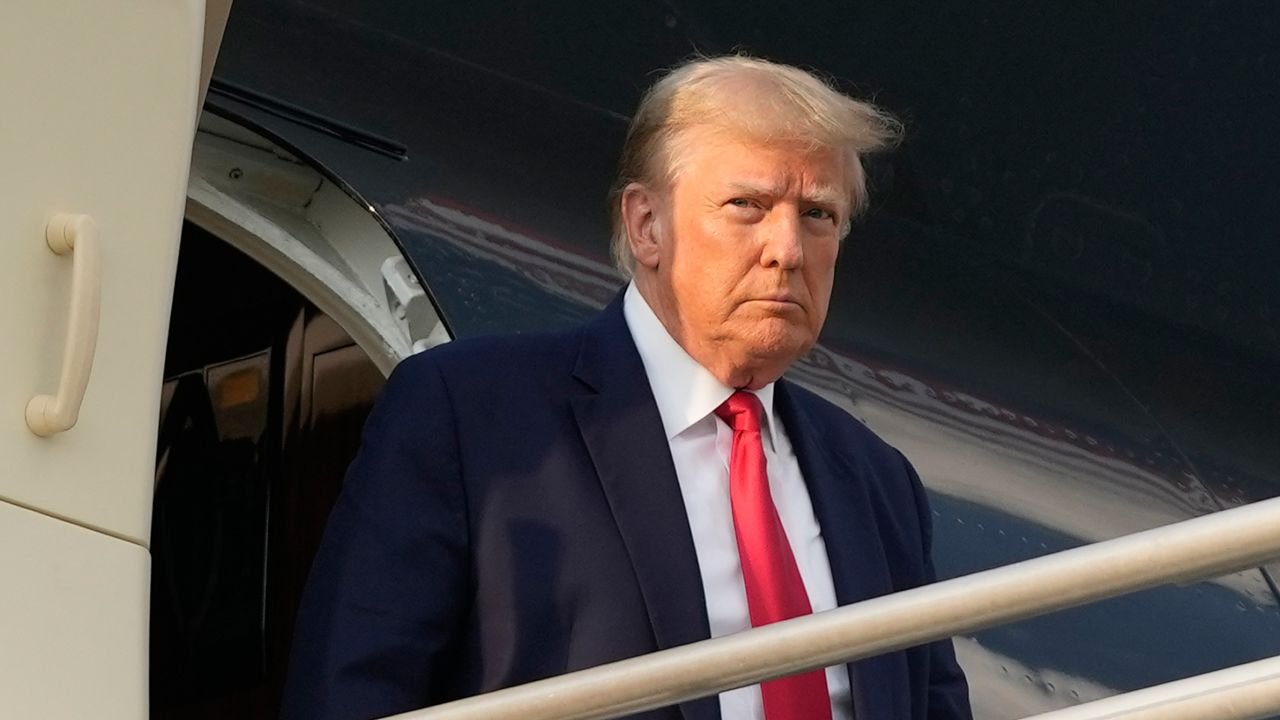
A federal judge in the United States has ruled that a government website showing how federal funds are distributed must be restored after it was taken down by the Trump administration. The court found that removing the site violated a law requiring public access to this information. In the ruling, the judge stated that it is fully within Congress’s power to require the public to be informed about how taxpayer money is being used. He ordered the immediate reinstatement of the online database, which is managed by the Office of Management and Budget (OMB). However, a short delay was granted to allow time for the Justice Department to seek emergency intervention from a higher court. The issue began after a bipartisan law passed in 2022 required the OMB to publish apportionment documents, essentially showing how funding is allocated across federal agencies within two business days of their creation. The site was intended to promote transparency for the 2023 fiscal year and beyond. Earlier this year, the administration took the platform offline, citing concerns that it could expose sensitive information. They also argued that the requirement to publish the data was unconstitutional. The judge disagreed, stating that the administration’s actions violated both federal funding laws and rules governing public records. The lawsuit was brought by two government watchdog groups, who argued that taking down the site denied the public access to critical spending data. In his opinion, the judge emphasized that these organizations and the public have a legal right to this information, which they rely on to hold the government accountable. Legal advocates say the ruling reinforces that the executive branch cannot ignore laws it disagrees with. Lawmakers from both parties have also pushed for the site’s reinstatement, pointing out that transparency in government spending is not optional. The Office of Management and Budget and the Department of Justice have not yet responded to the court’s decision.

Tech & Tools Desk21 July 2025
fire.jpeg

1min4070
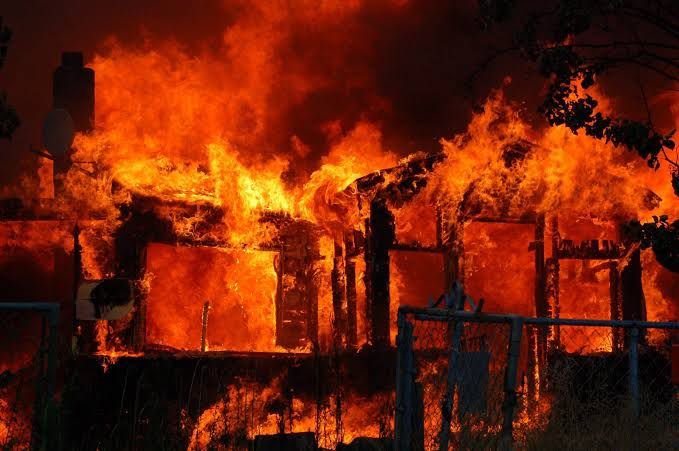
Fire outbreak has destroyed property worth millions of naira at an industrial facility in Ibadan, Oyo State. The incident occurred on Sunday at Shril-Balaj Industrial Limited, located in the Olopomeji area of the city. According to eyewitnesses, the fire affected the recycling section of the facility, where a large number of disused tyres were stored, resulting in significant damage. The Chairman of the State Fire Service, Maroof Akinwande, confirmed the incident, stating that it was reported to the agency at around 7:07 a.m. on Sunday. He explained that the fire was triggered by an explosion from a running machine, which ignited nearby combustible materials and caused the blaze. While the recycling section and the disused tyres were affected, fire service personnel were able to prevent the fire from spreading to other parts of the company.

Tech & Tools Desk20 July 2025
IMG-20250719-WA0019.jpg

3min5500
Andy Byron, Chief Executive of the tech company Astronomer, has stepped down from his position after being seen in a close moment with a colleague during a Coldplay concert. In a statement released by the company, its board confirmed the resignation and announced that the search for a new CEO was underway. After the video of Byron at the concert began circulating widely online, alleged remarks attributed to him started making the rounds. However, the company clarified in an earlier social media post that Byron had not made any public statement, and reports suggesting otherwise were inaccurate. The company also addressed the mistaken identity of a third individual seen in the viral clip. Reaffirming its stance, the company said, “We remain committed to the values and culture that have defined us since the beginning. Our leadership is expected to uphold the highest standards in behavior and accountability, and that expectation was recently not met.” The incident took place at Gillette Stadium in Massachusetts, where Byron and Kristin Cabot, the company’s chief people officer, appeared on the venue’s “kiss cam” during Coldplay’s performance. The camera showed them cuddling before both quickly separated and tried to shield their faces upon realizing they were on the big screen. The band’s lead singer made a lighthearted comment, joking that the pair were either in a secret relationship or simply very shy. Founded in 2018, the data operations firm acknowledged that public attention toward the company had increased dramatically but emphasized that its focus remains on solving challenges in data and artificial intelligence. On Friday, the company announced that Pete DeJoy, co-founder and chief product officer, would take over as interim CEO. The statement reiterated that leadership is held to a high standard and noted that the board had launched a formal investigation into the matter. More updates were promised in the coming days. Byron’s profile has since been removed from the company’s leadership page, though he is still listed as a board member on the company’s website.

Tech & Tools Desk18 July 2025
netflix.png

3min2540
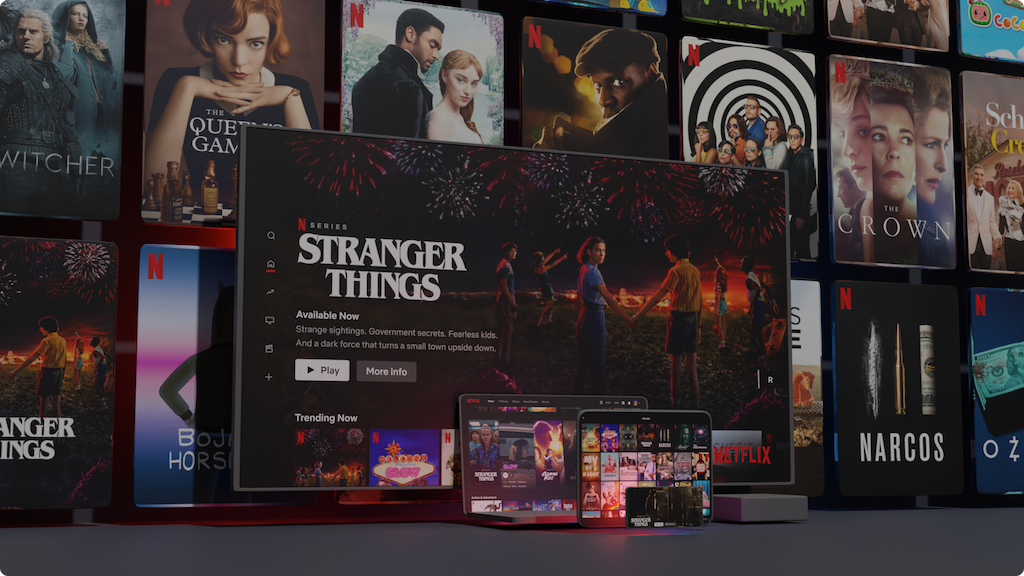
For the first time, visual effects created using generative AI have been used in an original TV series on a major streaming platform. According to one of the platform’s top executives, generative AI which can create images and video from written prompts was used to build a dramatic scene of a building collapse in the Argentine sci-fi show The Eternauts. The technology helped the team finish the sequence much faster and at a significantly lower cost. The use of AI in entertainment remains a hot-button issue. Many worry it relies on others’ creative work without permission, and there’s growing concern it could eventually replace human jobs in the industry. Despite the controversy, the company reported a 16% jump in revenue in the second quarter, reaching $11 billion. Profits also climbed from $2.1 billion to $3.1 billion. Much of the growth was credited to the strong performance of the final season of the South Korean thriller Squid Game, which has pulled in 122 million views so far. Speaking on the use of AI, the executive said it has opened doors for productions with tighter budgets to include effects that would normally be out of reach. In the case of The Eternauts, the AI-generated footage allowed a complex scene to be completed ten times faster than traditional methods. “The cost of that sequence would’ve made it impossible for a show working within that budget,” he explained. “It actually became the first time generative AI footage was used in a finished scene on one of our original shows. The creators were really happy with how it turned out.” Concerns over AI in media were front and center during the Hollywood strike in 2023. One of the main demands from actors and writers was greater control and regulation over how AI is used in their work.