Author: Tech & Tools Desk

Tech & Tools Desk17 July 2025
dele.jpeg

2min2570
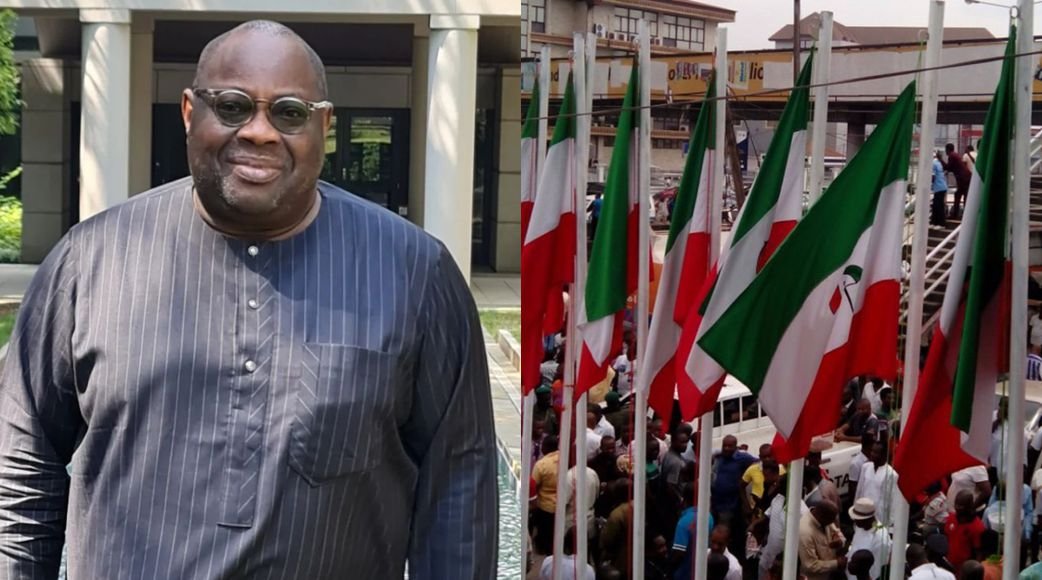
Veteran journalist and former presidential aspirant Dele Momodu has announced his resignation from the Peoples Democratic Party (PDP), citing concerns over what he called the takeover of the party by undemocratic elements. In a letter dated July 17, 2025, and addressed to the Chairman of PDP Ward 4 in Ihievbe, Owan East Local Government Area of Edo State, Momodu stated that his resignation takes immediate effect. He described his decision as a necessary step to defend democratic values. “My reason is simple and clear. The party has, without question, been hijacked by forces opposed to democracy both from within and outside right before our eyes,” he wrote. He went on to describe the PDP as a “carcass” in the grip of those working against internal democratic practices, adding that stepping away from the party was the honorable thing to do. “It is, therefore, honorable to abandon the carcass of the party to them while many of us join the new coalition party, the African Democratic Congress,” he stated. Momodu, who previously vied for the PDP presidential ticket in the 2023 elections, expressed appreciation to those who supported him during his time in the party. “I will always value the kind support you gave me throughout,” he said. His resignation comes at a time when the PDP has been facing a series of defections, as several members and leaders raise concerns over internal issues, including alleged imposition of candidates and a lack of democratic processes.

Tech & Tools Desk15 July 2025
BB.jpeg

2min3000
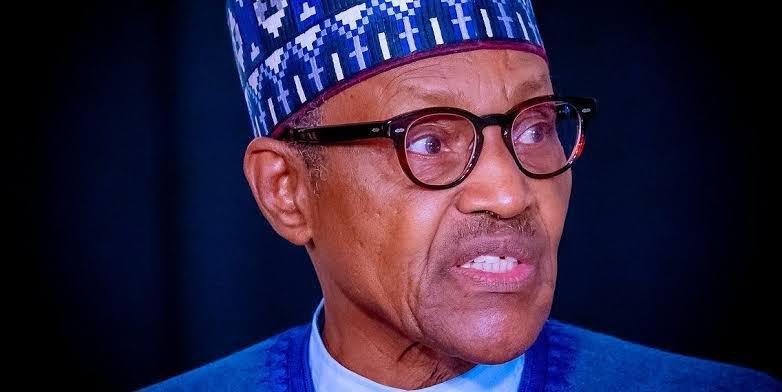
The remains of former President Muhammadu Buhari departed London on Tuesday morning for Daura, Katsina State, in preparation for a state burial. His body was flown aboard a Nigerian Air Force aircraft, accompanied by a delegation led by Vice President Kashim Shettima. The team is overseeing final documentation and logistical arrangements for the return of the late president. On Monday, the Federal Government announced that President Bola Tinubu will be present in Katsina to receive Buhari’s remains before the final burial in Daura. This was shared during a press briefing by the Minister of Information and National Orientation, Mohammed Idris. According to the minister, the late president, who passed away on Sunday in a London hospital, is expected to arrive in Nigeria by midday on Tuesday. “President Bola Ahmed Tinubu will personally receive the remains in Katsina. A brief military ceremony will be held at the airport before the body is taken to Daura. The funeral prayer (Jana’iza) will follow, with interment at the late president’s residence,” Idris stated. As part of the national mourning, President Tinubu has directed that condolence registers be opened at all Federal Ministries, Departments, and Agencies, as well as at Nigerian embassies and missions around the world. An additional register is to be opened at the Bola Ahmed Tinubu International Conference Centre in Abuja. Idris also mentioned that messages of condolence continue to pour in from world leaders, reflecting the global recognition and legacy of Buhari’s leadership. To ensure a well-organised and respectful farewell, the President has set up an Inter-Ministerial Committee chaired by the Secretary to the Government of the Federation, Senator George Akume. The committee will coordinate with the Katsina State Government and the Buhari family. In addition, 25 members of the Federal Executive Council have been directed to travel to Katsina for the burial and to remain in Daura for the third-day prayer scheduled for Wednesday.

Tech & Tools Desk14 July 2025
BB.jpeg

2min3490
The African Democratic Congress (ADC) has declared a three-day national mourning period in honour of former President Muhammadu Buhari, who passed away on Sunday in London. The party’s Interim National Chairman, Senator David Mark, made the announcement on Monday in Kano. In tribute to Buhari’s leadership and service to the country, the ADC also suspended all political activities at both national and state levels during the mourning period. Mark described Buhari as a statesman whose life was defined by unwavering dedication to Nigeria, both as a military officer and as a civilian leader. “President Muhammadu Buhari was a man of exceptional character. As a soldier, he fought to protect Nigeria’s unity and territorial integrity. As an elected president, he played a key role in strengthening democratic governance in the country,” he said. He further noted that Buhari’s leadership was marked by discipline, commitment, and a strong sense of patriotism. Mark also called on the Federal Government to take meaningful steps to immortalise Buhari’s legacy, suggesting the creation of monuments, institutions, or initiatives that reflect the values he upheld. The ADC extended its heartfelt condolences to the Buhari family, the Nigerian government, and all citizens mourning his passing. The party urged its members and supporters across the country to observe the mourning period with respect and solemnity.

Tech & Tools Desk10 July 2025
tunji-alausa-education.jpeg

5min5080
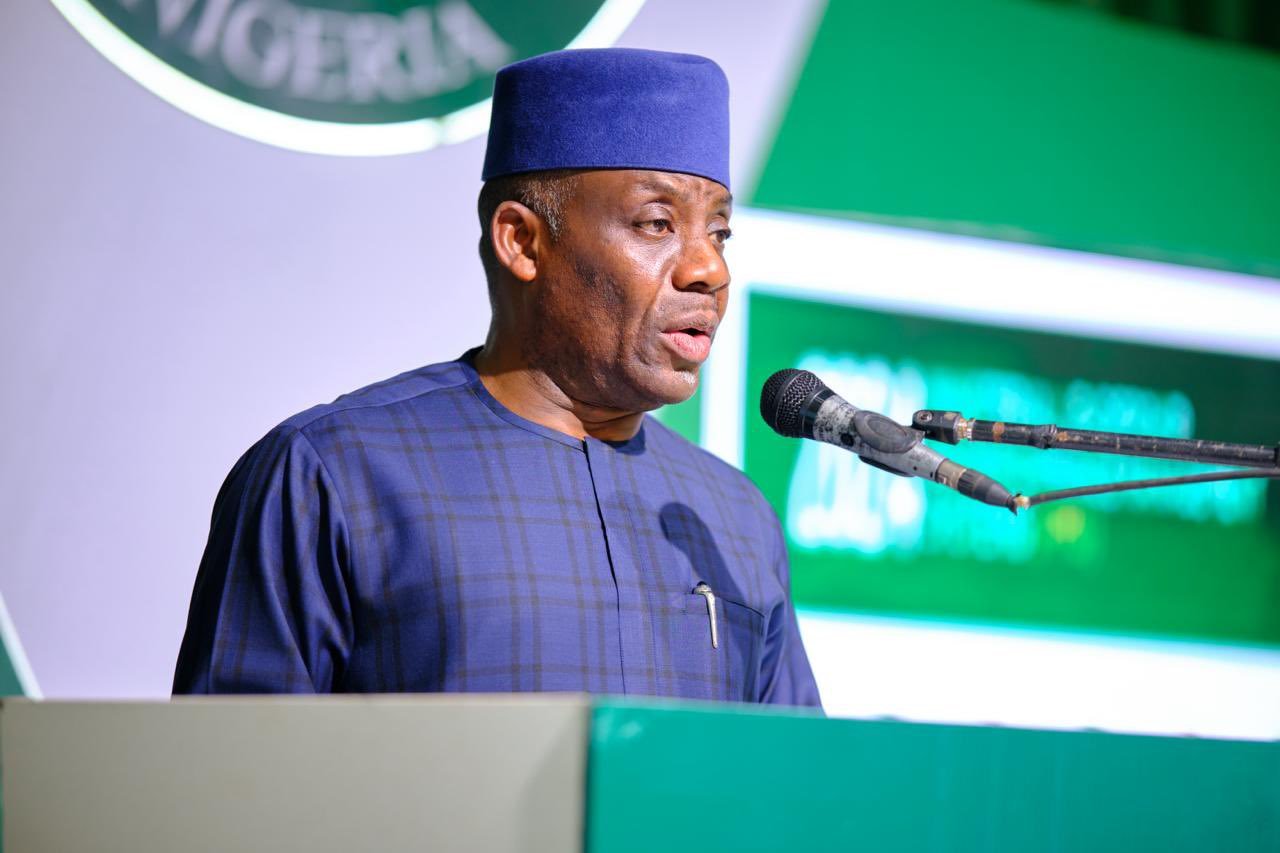
The Minister of Education, Dr. Tunji Alausa, has reaffirmed the Federal Government’s commitment to strengthening teacher recruitment, training, and motivation, describing educators as essential to achieving meaningful reforms in Nigeria’s education sector. While speaking at the 2025 KADA EduPACT International Summit held in Kaduna, Alausa emphasized that no education reform can succeed without prioritizing the role of teachers. He also noted ongoing government efforts, including the revitalization of the Teachers Registration Council of Nigeria and the introduction of the Teacher Internship and Quality Assurance Framework, both aimed at raising teaching standards across the country. According to him, Kaduna State’s approach to educational reform offers a practical model that could guide broader improvements nationwide. He commended the leadership of Governor Uba Sani, citing initiatives such as a 40% reduction in tuition fees for state-owned tertiary institutions, renewed investment in Kaduna State University, and a $62 million basic education programme. “What we see today in Kaduna is not just progress it is a demonstration that real transformation is possible when leadership is deliberate and guided by data,” Alausa said. He outlined a national vision for education built around five key pillars: learner-centered education, inclusion and equity, digital literacy, resilience, and long-term sustainability. Alausa encouraged states to align their efforts with global standards, referencing outcomes from the UN Transforming Education Summit and a recent development finance forum held in Spain. “Education is a shared responsibility. The government alone cannot achieve these goals. Kaduna’s model of building strategic partnerships should be replicated in other states,” he added. He stressed that the education system must equip learners with skills such as critical thinking, problem-solving, and digital competency, while remaining inclusive and accessible to all. “Our strategy must go beyond buildings it must also address curriculum relevance, teacher quality, gender equity, and sustainable funding,” the minister concluded. Governor Uba Sani, in his remarks, described education as a vital tool for personal empowerment and national development. He explained that Kaduna State had moved from isolated efforts to a unified, data-driven education strategy that is future-ready. “We believe a peaceful and prosperous society depends on accessible, equitable, and high-quality education,” he said, addressing a gathering of local stakeholders, federal officials, and international development partners. Despite economic challenges, he noted that Kaduna State had safeguarded its education funding and embraced technology to expand access. This includes using cost-effective digital tools and radio-based learning, especially in underserved areas. Governor Sani outlined several achievements of his administration, including the construction or renovation of over 1,000 classrooms, commissioning of 62 new secondary schools, distribution of nearly 1.5 million instructional materials, provision of more than 30,000 two-seater desks, and the deployment of real-time digital dashboards to track student enrollment and academic performance. “Our goal is simple no child in Kaduna should be denied an education due to financial hardship,” he stated, noting a rise in tertiary enrollment following the tuition reduction policy. He also announced the launch of the Reaching Out-of-School Children Project, which aims to return 300,000 children to the classroom. Describing the situation of out-of-school children as a national concern, he called for collective action to address it. In terms of higher education, the governor revealed that Kaduna State had invested over ₦500 million in its university, resulting in the approval of 40 new academic programmes by the National Universities Commission for the 2024/2025 session. He said the expansion was part of a broader effort to improve access, support innovation, and align academic offerings with national and global needs. The three-day EduPACT Summit is expected to conclude with the creation of a Kaduna State Education Transformation Blueprint that aligns with both national priorities and international commitments.


currency.jpg

3min6260
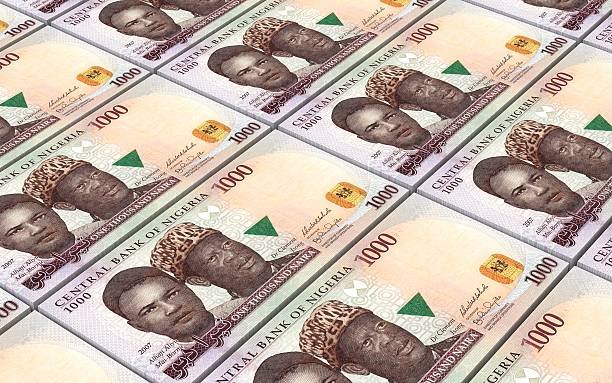
The naira closed at ₦1,529.22 per dollar on Tuesday at the official Nigerian Foreign Exchange Market, slightly weaker than Monday’s rate of ₦1,528.33 per dollar, according to data from the Central Bank of Nigeria. This slight dip follows the recent resumption of international transactions using naira-denominated cards. Several banks including UBA, Wema Bank, GTBank, and First Bank have reinstated the service, with monthly or quarterly spending limits ranging from $500 to $1,000. The restart of these services was expected to increase demand for foreign exchange in a market that has remained relatively stable in recent weeks. At the parallel market, the naira remained unchanged at ₦1,540 to the dollar. Analysts have projected that the naira will likely trade within a stable range between ₦1,550 and ₦1,635 per dollar in the second half of 2025. They noted that during the first half of the year, the naira faced pressure due to rising global uncertainties tied to U.S. trade policies and geopolitical tensions. These international developments prompted foreign exchange outflows totaling $22.83 billion, as some investors redirected funds into U.S. Treasuries and gold. In response, the Central Bank stepped in, selling $4.72 billion in the foreign exchange market during the period. Despite these interventions, analysts do not believe the Central Bank is attempting to fix the exchange rate or target a specific value for the naira. Instead, the current framework allows for occasional interventions when market imbalances arise. They added that the instability seen in the first half of the year was largely driven by global factors rather than domestic issues. The Central Bank has also taken steps to improve transparency in its foreign exchange operations. The bank’s average monthly intervention in the FX market stood at $786.58 million significantly lower than the $2.30 billion seen before COVID-19 and $1.38 billion in the post-COVID period, both of which were used to maintain the naira at levels that were ultimately unsustainable. Encouragingly, there is growing consensus locally and internationally that the naira is now trading closer to its fair value.

777.jpeg

2min4740
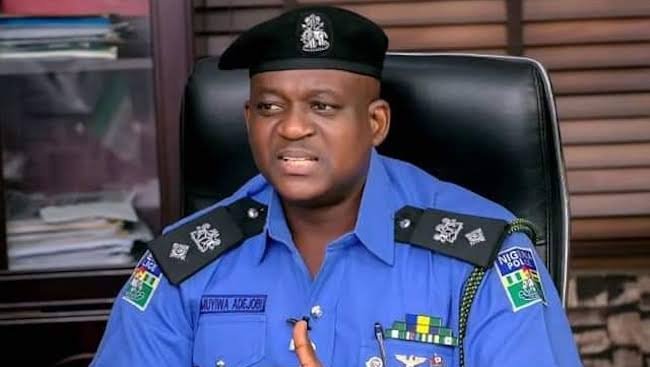
The Enugu State Police have arrested Emmanuel Gambo, a 22-year-old second-year Material and Metallurgical Engineering student at the University of Nigeria, Nsukka, in connection with the murder of Deborah Sam-Praise Ememem. Her decomposing body was found hidden under a hotel bed in Obukpa, Nsukka. According to the police, Gambo checked into the hotel with Deborah on the evening of June 14, 2025. Early the next morning, a dispute arose after a second round of intimacy when Deborah demanded an additional ₦15,000 from Gambo, on top of the ₦5,000 he had already paid. The argument escalated, and Gambo strangled her to death. He then wrapped her body in a towel and a torn curtain and hid it beneath the bed. Hotel staff discovered the foul smell coming from the room on June 16, leading to the discovery of her body. Gambo had registered under a fake name and unreachable phone number, initially making it difficult to track him down. After weeks of investigation, the police arrested him at his lodge in Nsukka on July 2. During questioning, he confessed to the murder and led officers to recover Deborah’s iPhone, as well as other belongings she brought to the hotel, including a bottle of red wine, her tablet, and earbuds some of which he had thrown out of a window. The Police Commissioner praised the homicide team for their work and emphasized the command’s commitment to justice and public safety. He also urged parents to watch over their children and warned young people against falling into harmful behaviors and influences.

yy.jpeg

4min3700
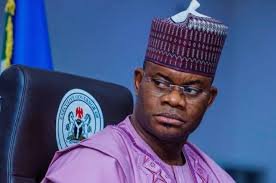
A High Court in Abuja has postponed its decision on a request by former Kogi State Governor, Yahaya Bello, to temporarily release his international passport so he can travel abroad for medical treatment. The court, presided over by Justice Maryann Anenih, scheduled the ruling for July 17, 2025, after hearing arguments from both the defence and the prosecution. Bello is currently standing trial alongside two others, facing allegations from the Economic and Financial Crimes Commission (EFCC) involving the alleged misappropriation of ₦110.4 billion during his time in office. At the latest hearing, Bello’s legal team submitted a formal motion dated June 19 and filed on June 20, requesting the return of his passport, which is currently with the court registrar as part of his bail terms. The request is backed by a sworn affidavit from Bello and includes supporting documents such as a medical report and a letter from a foreign physician confirming an appointment. Bello’s lawyer argued that the application was based on 13 legal grounds. He cited an earlier court ruling from December 2024, in which the judge stated that if Bello needed to travel, he could apply formally. According to the defence, the court did not ban foreign travel nor set specific restrictions, and the request is fully in line with the original bail terms. The defence also highlighted that Bello has consistently attended court sessions, does not pose a flight risk, and has already informed his sureties about his travel plans. However, the prosecution challenged the request, describing it as an abuse of court process. They pointed out that Bello had already made a similar application before the Federal High Court, which is still awaiting a decision, and warned that filing the same request in two different courts could lead to conflicting judgments. The prosecution also argued that the passport is not currently in the custody of this particular court and that the existing order from the Federal High Court should take precedence. They raised concerns about the medical documents presented, questioning their validity and pointing out inconsistencies including the fact that the report was signed by a doctor different from the one who issued the appointment and that no medical qualifications were listed. They further suggested that Bello could receive adequate treatment in Kogi State, where he had previously commissioned a modern medical facility aimed at reducing the need for medical travel abroad. Given the international scope of the case, which includes money laundering charges, the prosecution warned that allowing him to travel could jeopardize the ongoing trial. They also reminded the court that Bello had once been placed on an Interpol watchlist, although the defence clarified that this happened before he voluntarily appeared in court and that the matter had since been resolved. In response, Bello’s legal team insisted that all bail conditions had been respected and that courts of equal jurisdiction, such as the Federal High Court and the FCT High Court, have the authority to handle such matters independently. After hearing all arguments, Justice Anenih adjourned the case, with a decision on the passport release expected on July 17.

11.jpeg

4min3830
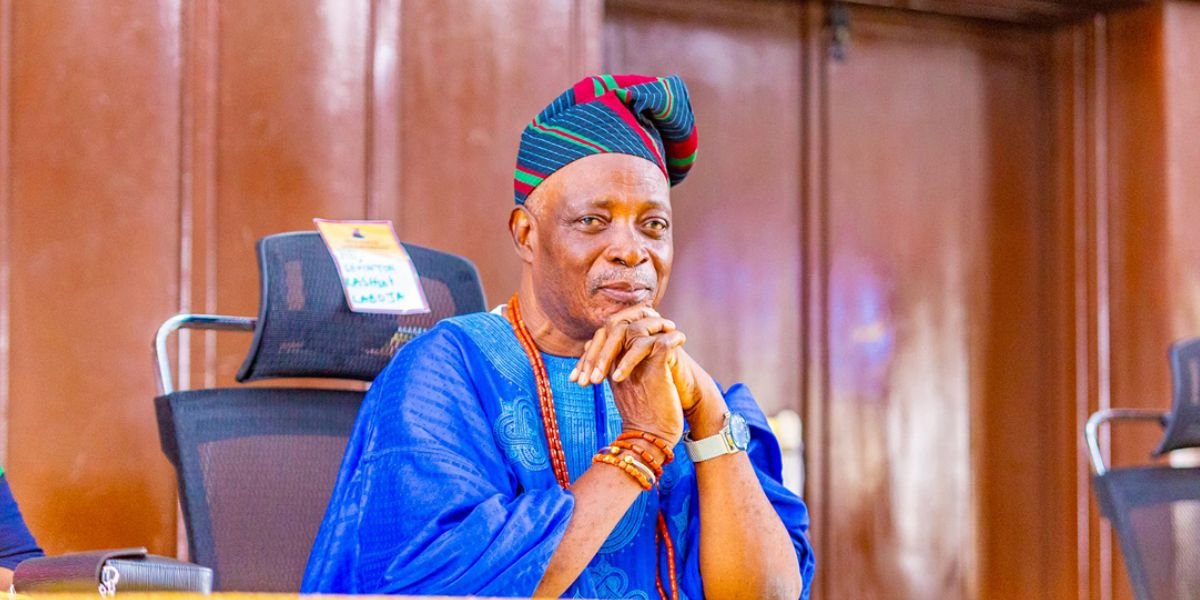
Nearly a year ago, on July 12, 2024, the ancient city of Ibadan celebrated the coronation of Oba Owolabi Olakulehin as the 43rd Olubadan in a grand ceremony at the historic Mapo Hall. Oyo State Governor, Seyi Makinde, presented the staff of office to Oba Olakulehin, with dignitaries from across Nigeria and beyond, including President Bola Tinubu, governors, ministers, traditional rulers, and business leaders, in attendance. Sadly, less than a year into his reign, Ibadan is once again mourning the loss of its monarch, who passed away on Monday. Oba Olakulehin became the second Olubadan to rule from a befitting palace, following the late Olubadan Yesufu Oloyede Asanike, who lived at the old Oja’ba palace. The ultramodern Olubadan Palace at Oke-Aremo, inaugurated by Governor Makinde, is now the official residence of future Olubadans, starting with Oba Olakulehin. Traditionally, the personal residence of an Olubadan served as the palace until this new development. The Olubadan Succession System Ibadan’s unique chieftaincy system rotates between two principal lines: Balogun (Warrior) Line Otun (Civil) Line The Balogun line includes six ranks, with Balogun at the top. Similarly, the Otun line culminates with the Otun Olubadan as the highest-ranking member. Oba Olakulehin emerged from the Balogun line, having waited 38 years after becoming Jagun Balogun to ascend the throne. With his passing, the succession now shifts to the Otun line, where former Oyo State Governor, Rasheed Ladoja, holds the top position. What to Know About the Next Olubadan – Rasheed Ladoja Early Life: Born on September 24, 1944, in the Gambari area of Ibadan. Education: Attended Ibadan Boys High School (1958–1963) and Olivet Baptist High School (1964–1965). Studied Chemical Engineering at the University of Liège, Belgium (1966–1972). Political Career: Elected Senator in 1993 under the United Nigeria Congress Party during Nigeria’s short-lived Third Republic. Became a director at Standard Trust Bank in 2000. Elected Governor of Oyo State in 2003 under the PDP platform, supported by political heavyweight, the late Lamidi Adedibu. Political Challenges: Clashed with Adedibu over appointments, leading to political instability. Impeached by the State Assembly in January 2006; replaced by his deputy, Christopher Adebayo Alao-Akala. His impeachment was later declared illegal by the courts, and he returned to office in December 2006. Later Years: Failed to secure PDP’s nomination for a second term; backed Action Congress candidates in local elections. Arrested by the EFCC in 2008 over alleged N1.9 billion mismanagement of government share sales. Remanded briefly but granted bail. Contested governorship elections in 2011 and 2015 under Accord Party but lost to the late Governor Abiola Ajimobi. Left active politics after joining ADC and later ZLP in 2018 to focus on his traditional chieftaincy duties. The Beaded Crown: On August 12, 2024, the late Olakulehin formally presented the ceremonial beaded crown to Ladoja — a crown Ladoja had once rejected during Ajimobi’s administration. With the royal succession now falling on his shoulders, Rasheed Ladoja is set to make history as the 44th Olubadan of Ibadanland.

IMG-20250706-WA0003.jpg

4min7720
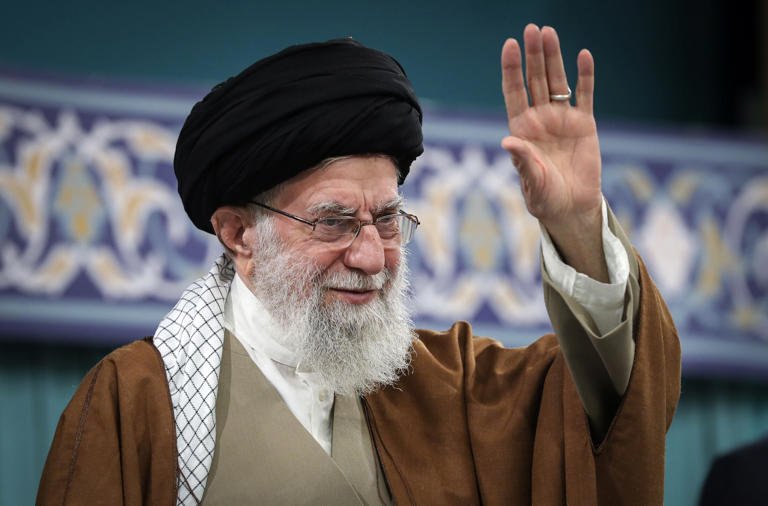
Iran’s Supreme Leader Ayatollah Ali Khamenei resurfaced publicly on Saturday for the first time since the outbreak of the 12-day war between Israel and Iran. Why It Matters Khamenei’s appearance signals a possible shift in Iran’s stance following a conflict that left over 900 Iranians dead and saw U.S. airstrikes target three key nuclear sites. His emergence from what sources describe as “bunker seclusion” may reflect renewed confidence in his security or political pressure to project strength during a major religious occasion. The event comes amid rising tensions, Iran’s suspension of cooperation with the International Atomic Energy Agency (IAEA), and reports of widespread internet blackouts across the country developments seen as signs of further diplomatic and military uncertainty. What Happened The 86-year-old leader attended a mourning ceremony marking the eve of Ashoura at a mosque near his residence in Tehran. State television broadcast images of him waving and acknowledging a crowd that stood chanting in his honor. Khamenei had remained unseen during the recent conflict, fueling speculation about his security and health. The ceremony took place under tight security, with senior Iranian officials, including the parliament speaker, present. There were no immediate reports of any public statements made by Khamenei during the event. Background The latest conflict erupted when Israel launched preemptive strikes over concerns Iran was accelerating its nuclear weapons program. Israeli forces targeted defense installations, military officials, and nuclear scientists. In response, Iran fired over 550 ballistic missiles at Israel, most of which were intercepted. The attacks killed 28 people. The U.S. followed up with strikes on Iran’s nuclear facilities in Fordow, Natanz, and Isfahan an assault President Donald Trump described as “total obliteration.” Iran has since confirmed significant damage to its nuclear infrastructure and blocked U.N. inspectors from accessing the sites. On Wednesday, Iranian President Masoud Pezeshkian formalized a law halting cooperation with the IAEA after parliament approved the measure. The ceremony Khamenei attended commemorates the martyrdom of Prophet Muhammad’s grandson, Hussein a defining moment in Shiite Islam that deepened the historic divide between Sunni and Shiite Muslims. Global Reactions U.S. State Department spokeswoman Tammy Bruce criticized Iran’s withdrawal from nuclear oversight, calling it “unacceptable” and urging Tehran to “fully cooperate without delay.” President Trump, speaking in June, took a pointed jab at Khamenei: “You’re a man of faith, respected in your country. But you got beat to hell.” Khamenei, for his part, had previously hailed Iran’s missile strike on a U.S. base in Qatar as a “slap to America’s face,” warning against further U.S. or Israeli military action. What’s Next The full extent of the damage to Iran’s nuclear program remains unclear, including whether Iran relocated enriched uranium or centrifuges prior to the strikes. Iran’s readiness to resume nuclear negotiations with the U.S. is also uncertain, especially after rejecting Trump’s call for immediate talks

IMG-20250706-WA0006-1280x853.jpg

3min5040
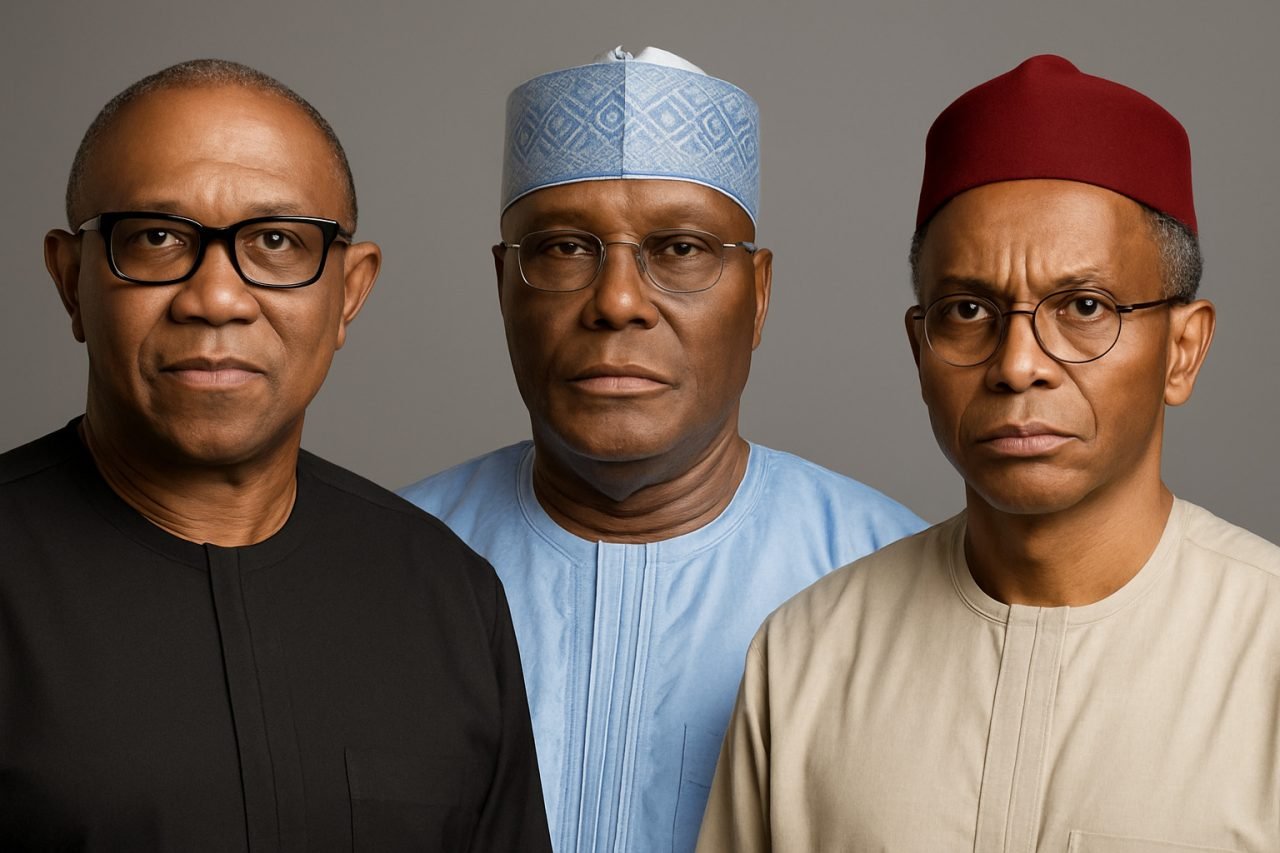
A political support group loyal to former governors Bello Matawalle and Abdulazeez Yari has dismissed the recent alliance of opposition leaders as inconsequential, stating that President Bola Tinubu remains the most viable option for the North-West in the 2027 presidential election. The group, operating under the banner of the Shehi and Matawalle Project for Tinubu 2027 Mandate, described the coalition reportedly involving former Vice President Atiku Abubakar, Labour Party’s Peter Obi, and former Kaduna State Governor Nasir El-Rufai as lacking substance and unlikely to succeed. The group expressed its views on Saturday in Kaduna during the inauguration of its North-West zonal and state executives, tasked with mobilising grassroots support for President Tinubu’s re-election bid. Speaking to journalists after the event, the group’s Publicity Secretary, Auwal Mohammed, described the opposition coalition as a political gathering driven by desperation rather than a clear ideological vision. “That alliance is simply a political show with no real foundation. It cannot withstand the test of time,” he said. Mohammed also defended the Tinubu administration’s economic policies, stating that the reforms currently underway are repositioning the nation for long-term growth. “President Bola Tinubu has demonstrated leadership, vision, and commitment to economic recovery. His Renewed Hope agenda is already producing positive results,” he added. Also speaking, the group’s North-West Zonal Coordinator, Babangida Damba, argued that the president deserves a second term, citing key policy reforms and social investments targeted at vulnerable populations. Damba pointed to the removal of fuel subsidies, exchange rate unification, rural electrification, and infrastructure development as evidence of the administration’s commitment to national development. “Though the removal of fuel subsidy was initially challenging, it has strengthened government revenue and redirected funds towards infrastructure and human capital development,” he said. Damba urged the newly inaugurated executives to mobilise and educate the electorate in support of President Tinubu’s re-election. The Zonal Secretary of the group, Dr. Ahmad Hashim, described the Shehi and Matawalle Project as a strategic political movement designed to promote continuity and stability. “This is more than a campaign structure. It is a well-coordinated political initiative aimed at consolidating the progress made under President Tinubu’s leadership,” he said. Hashim emphasised that the project draws strength from influential North-West political figures such as former Zamfara State Governor and current Minister of State for Defence, Bello Matawalle, and former Governor Abdulazeez Yari. “These two leaders are respected figures with longstanding contributions to national development. Their support for Tinubu reflects a shared vision for unity, good governance, and economic advancement,” Hashim added.