Author: Lifestyle & Wellness Desk

aa-7.jpeg

1min2350
Commercial flights over the Caribbean were temporarily halted late Saturday during a U.S. military operation that resulted in the capture of Venezuelan President Nicolás Maduro and his wife. The pair were taken by helicopter to New York City, where they are expected to face charges related to drug trafficking and weapons offenses. U.S. special forces detained them during a pre-dawn operation that included air strikes on locations in and around Caracas. U.S. Transportation Secretary Sean Duffy later announced that the flight restrictions were lifted at midnight, allowing airlines to resume normal operations. Aviation authorities had earlier instructed commercial carriers to avoid the region due to safety risks linked to ongoing military activity, and airlines were advised to adjust their schedules accordingly once the restrictions expired.

aa-4.jpeg

3min6280
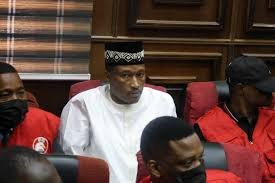
A Federal High Court in Abuja has ordered the remand of the Bauchi State Commissioner for Finance, Yakubu Adamu, at the Kuje Correctional Centre, pending the fulfilment of his bail conditions. Justice Emeka Nwite granted Adamu bail in the sum of ₦500 million with two sureties but directed that he remain in custody until all conditions are perfected. The court ruled that the sureties must be landowners within Maitama, Asokoro, or Gwarimpa in the Federal Capital Territory, with their property documents subject to verification by the court registry. The sureties are also required to swear affidavits of means. In addition, the judge ordered Adamu and his sureties to deposit their international passports with the court registrar and prohibited them from travelling outside the country without prior court approval. Two passport photographs are also to be submitted. Justice Nwite explained that the court exercised its discretion to grant bail because the prosecution failed to provide sufficient evidence that the defendant would abscond or interfere with the trial. He stressed that the power to grant bail must be applied judicially and judiciously. The case was adjourned until January 20 for the commencement of trial. Adamu is facing charges filed by the Economic and Financial Crimes Commission alongside Ayab Agro Products and Freight Company Ltd in a case involving alleged money laundering of approximately ₦4.6 billion. According to the prosecution, Adamu and others allegedly conspired between June and December 2023 to facilitate the conversion, transfer, and concealment of funds released under the pretext of financing the supply of motorcycles to the Bauchi State Government motorcycles that were reportedly never delivered. Further allegations include the transfer and retention of proceeds from the alleged unlawful activity through third-party accounts, including a transfer of ₦165.9 million to Ayab Agro Products and Freight Company Ltd. The offences are said to contravene the Money Laundering (Prevention and Prohibition) Act, 2022. Adamu and the company pleaded not guilty to the six-count charge at their arraignment on December 30, 2025. Separately, Adamu and three other Bauchi State officials are also standing trial before the same court over alleged terrorism financing involving $9.7 million.

Gunmen-1.jpg

5min5840
Armed groups have intensified attacks across several northern states following recent United States air strikes against Islamic State–linked militants in Sokoto State. Between December 25, 2025, and January 2, 2026, at least 47 people were killed and no fewer than 35 others abducted in a wave of violence spanning Adamawa, Zamfara, Kwara, Plateau, Nasarawa, Yobe, Kano, Kebbi, Kogi, and Niger states. The attacks were attributed to bandits as well as fighters linked to ISWAP and Boko Haram. More than 12 people were also reported injured, while the actual number of abductees may be higher due to incomplete reporting in some incidents. The escalation followed a public announcement by U.S. President Donald Trump that American forces had carried out air strikes on Islamic State targets in northwestern Nigeria. U.S. authorities later stated that intelligence confirmed the presence of terrorists in the targeted areas, noting that assessments of the impact were ongoing. Renewed violence across communities Monitoring of security incidents during the period shows widespread assaults on rural communities. In Kogi State, several residents were abducted during attacks on Omi-Ara and Odo-Ere communities in Yagba West Local Government Area. In Kwara State, suspected bandits abducted more than eight people from Adanla community, while the traditional ruler of Aafin community and one of his sons were kidnapped in Ifelodun Local Government Area. In Kebbi State, coordinated attacks on multiple villages in Shanga Local Government Area left at least eight people dead. Zamfara State recorded the abduction of 16 women, alongside fatalities and injuries, during an assault on Sabon-Layi village in Gusau Local Government Area. In Plateau State, at least seven farmers were killed during an attack in Jos South. Gunmen also struck Kunza community in Lafia Local Government Area of Nasarawa State, killing three people and injuring several others. Along the Ogbe-Egbe Road, travellers were abducted and one person injured. In Yobe State, ISWAP claimed responsibility for firing mortars at a military location in Goniri, though the extent of damage was not made public. A security analyst reported that ISWAP raided a village, killing residents described as “hostile,” destroying a church and numerous homes, and seizing property. The language used marked a notable shift in how the group described its targets. Boko Haram attack in Adamawa In Adamawa State, local authorities confirmed that Boko Haram fighters killed 14 people during nighttime attacks on Mubang and Zar villages in Hong Local Government Area. Two others were injured, and homes and food supplies were destroyed. Officials noted that the villages’ proximity to ungoverned forest areas made them vulnerable to attack. Kano attack and military response In Kano State, bandits attacked several villages in Shanono Local Government Area, engaging security forces in hours-long clashes. While initial reports suggested casualties and cattle theft, the Nigerian Army later stated that no deaths or rustling occurred during the encounter. Movement of armed groups Community leaders and security sources indicated that militants displaced by the air strikes may be attempting to move into Niger and Kaduna states through border routes linked to Katsina, Zamfara, Kebbi, and Kwara. This development has heightened tension in rural areas, prompting local armed groups to enforce stricter controls to prevent infiltration. Aerial surveillance has reportedly been intensified in parts of Niger State and neighbouring regions. Despite the wider escalation, no attacks were reported in Sokoto State after the air strikes. Residents of previously affected communities said the situation had remained relatively calm, attributing the lull to the disruption of militant hideouts and the dispersal of fighters. Many affected communities across the region, however, remain on edge, with some residents fleeing their homes amid fears of further attacks.

aa-2.jpeg

10min7570
Nigeria’s digital ecosystem is expanding more rapidly than many appreciate. Rising internet access, driven largely by mobile phone adoption, has embedded digital services such as banking, e-commerce and social networking into daily life. By November 2025, internet penetration had surpassed 50 per cent, reaching 50.58 per cent, up from 45.61 per cent in January of the same year, according to industry data from the Nigerian Communications Commission. This represents an increase of nearly five percentage points within a year. With more than 100 million Nigerians now online, and mobile internet accounting for most access, digital penetration has boosted economic activity across several sectors. At the same time, it has transferred unprecedented volumes of personal information into digital systems. Every interaction opening a mobile bank account, registering on a health platform, joining social media or ordering goods online generates personal data. While this data enables convenience and efficiency, it also introduces vulnerability. Digital growth without adequate safeguards exposes individuals to significant risk. Between 2019 and mid-2023, data privacy regulation was overseen by the National Information Technology Development Agency. That framework was widely viewed as limited in both scope and enforcement. A major shift occurred in June 2023 with the enactment of the Nigeria Data Protection Act. The law established the Nigeria Data Protection Commission (NDPC) as an independent authority with powers to regulate how personal data is collected, processed, stored and shared. The Commission is mandated to protect personal information, enforce privacy standards and promote responsible data practices across public and private institutions. Reporting to the Presidency, it derives its authority directly from the Act, including the power to issue binding rules and take enforcement action. This institutional change goes beyond regulatory formality. It reflects an understanding that weak data governance undermines trust in digital systems. Nigerians increasingly face identity theft, unauthorised data access and opaque data usage. These harms carry economic, social and psychological consequences, ranging from financial loss and reputational damage to exclusion from essential services and prolonged recovery efforts. For younger, digitally native populations, constant exposure to unchecked data collection risks normalising surveillance and eroding expectations of privacy. The NDPC’s mandate is to counter this trend by making trust a cornerstone of Nigeria’s digital economy. At the heart of the Nigeria Data Protection Act is the principle that personal data belongs to the individual, not the platform or institution that collects it. The law grants citizens specific rights, including access to their data, correction of inaccuracies, objection to certain forms of processing, restriction of use and, in defined circumstances, deletion. These rights align with international best practices and embed individual control within Nigeria’s legal framework, compelling organisations to treat privacy as a core responsibility rather than an optional add-on. Translating legal provisions into effective protection remains challenging. Many small and medium-sized enterprises lack the technical capacity and financial resources needed to meet compliance requirements. In addition, public awareness of how personal data is collected and used remains low. Many Nigerians rarely consider privacy implications when downloading applications, completing online forms or engaging on digital platforms. This gap between the law and public understanding is one of the major obstacles to making data protection a lived reality. How the law works in practice The Nigeria Data Protection Act took effect on 12 June 2023, replacing the previous regulatory regime with a more comprehensive statutory framework aligned with global standards such as the European Union’s General Data Protection Regulation. It applies to any organisation that processes personal data in Nigeria, including foreign entities that target Nigerian residents or handle their personal information. This extraterritorial scope is particularly significant given the dominance of multinational digital platforms in Nigeria’s online space. Under the Act, organisations classified as Data Controllers or Data Processors of Major Importance are required to register with the NDPC, appoint Data Protection Officers, conduct regular compliance audits and submit annual audit reports. They must ensure that data processing is lawful, transparent and limited to clearly defined purposes. Informed and freely given consent is a central requirement, and the responsibility for proving consent rests with the organisation, not the individual. The enforcement framework empowers the NDPC to investigate suspected breaches, issue compliance directives and impose sanctions, including substantial fines designed to deter violations. The Commission has issued sector-wide compliance notices to organisations across banking, insurance, pensions, gaming and related industries, warning that failure to comply could result in penalties, enforcement orders or, in extreme cases, criminal proceedings. The NDPC has demonstrated its willingness to exercise these powers. Major organisations have been fined hundreds of millions of naira for practices deemed intrusive, unfair or unlawful, including processing personal data without informed consent and carrying out unauthorised cross-border data transfers. While legal challenges and appeals will shape future interpretations of the law, these actions signal a more assertive regulatory posture. Data protection compliance has also begun to contribute measurably to the economy. Registration fees and related processes have generated significant government revenue, while the sector itself has supported job creation, with tens of thousands of roles emerging in recent years. This growth indicates that data protection is becoming an established part of Nigeria’s formal economic structure. To support implementation, the NDPC has issued guidance documents clarifying compliance expectations. In early 2025, it released a General Application and Implementation Directive outlining how the Act should be interpreted across sectors. The directive addresses data inventory requirements, classification of controllers and processors, and routine internal compliance reporting. According to the Commission, these guidelines are intended to help organisations adapt to a fast-changing digital environment shaped by emerging technologies. Real-world harms and what is at stake For many Nigerians, data protection becomes tangible only when things go wrong. Identity theft remains one of the most common harms, with stolen personal information used to open financial accounts or carry out fraud. Industry reports indicate that hundreds of millions of naira are lost annually through accounts created with stolen identities. Nigeria has also recorded one of the highest identity fraud rates in Africa, reflecting a broader regional


aa.webp

3min4480
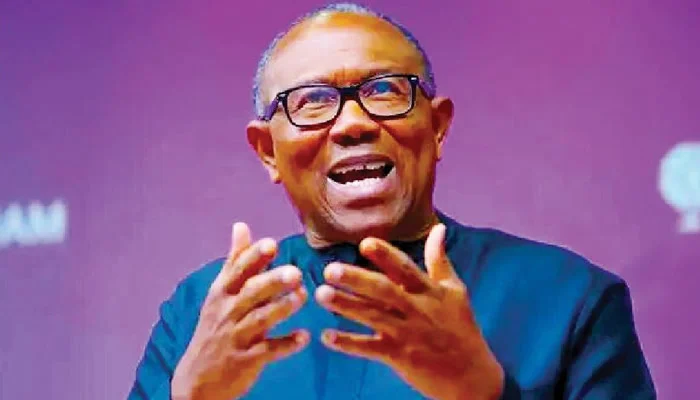
A faction of the African Democratic Congress (ADC), led by its National Chairman, Nafiu Bala Gombe, has rejected reports that former Labour Party presidential candidate, Peter Obi, has defected to the party. On Thursday, the faction distanced itself from Obi’s alleged registration at the ADC’s Enugu zonal office, describing the process as unconstitutional and invalid. The group, which claims to be the authentic national leadership of the party, said the exercise violated established membership procedures. Obi had announced on Wednesday that he had joined the ADC at an event held at the Nike Lake Resort in Enugu State, where he called on Nigerians and opposition groups to form a broad coalition to “rescue Nigeria from poverty, disunity and democratic decline.” However, in a New Year statement issued in Abuja, Gombe said the clarification became necessary due to what he described as misleading information in the public space regarding ADC membership registration. He stressed that the party is guided by order, discipline and strict adherence to its constitution, noting that membership registration is clearly defined and begins at the ward level. “It has come to our attention that a certain Mr Peter Obi was reportedly registered at a party zonal office in Enugu. The National Working Committee categorically states that this does not conform with the constitutional procedures of the ADC,” Gombe said. According to him, prospective members must register at their respective wards in their state of origin or residence, after which a valid membership card is issued. He added that the party’s constitution does not permit registration at zonal or national offices. “Any registration carried out outside the ward level is irregular and invalid,” he said, adding that the party has commenced an investigation into the alleged breach of due process. The faction urged party members and the general public to disregard claims suggesting alternative channels for joining the ADC, insisting that ward-level registration remains the only recognised method. Gombe’s position came a day after the Julius Abure-led National Working Committee of the Labour Party described Obi’s defection to the ADC as a “liberation.” The party’s National Publicity Secretary, Obiora Ifoh, said the Labour Party regretted presenting Obi as its presidential candidate in the 2023 election, adding that his exit merely formalised a long-standing political rift. Efforts to obtain a reaction from the David Mark-led ADC leadership were unsuccessful, as the party’s spokesperson, Bolaji Abdullahi, did not respond to calls.

aa-17.webp

2min6640
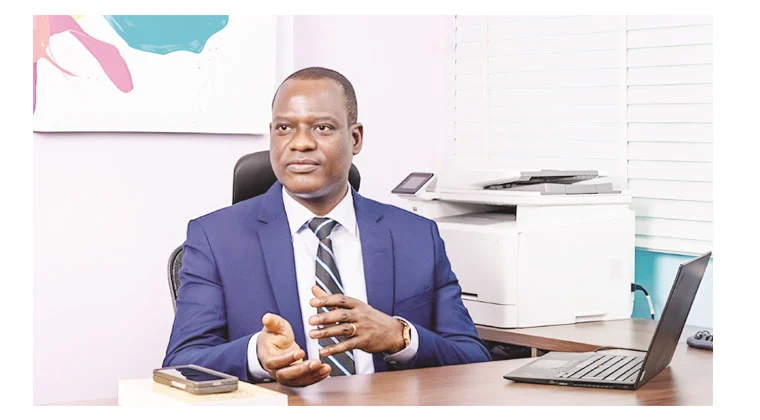
The Chairman of the Presidential Committee on Fiscal Policy and Tax Reforms, Mr Taiwo Oyedele, has reassured Nigerians that the new tax laws set to take effect from January 1, 2026, will not permit automatic deductions from personal bank accounts. Speaking during Channels Television’s end-of-year programme, 2025 In Retrospect: Charting a Pathway to 2026, Oyedele explained that the reforms are built on a self-declaration system, not direct debits or account monitoring. He dismissed widespread claims that government agencies would track or withdraw funds from individuals’ bank accounts, stressing that taxpayers will only be required to declare their income at the end of the tax year. According to him, the framework is designed to be simple, transparent and fair, particularly for small business owners and low-income earners. He noted that individuals would declare their income and applicable tax themselves, while those exempt from tax would also make a declaration confirming their status. Oyedele added that the reforms would make the tax system more progressive, ensuring vulnerable individuals and small-scale entrepreneurs are no longer disproportionately taxed. Meanwhile, President Bola Tinubu has reiterated that the implementation of the new tax laws, including those enacted in June 2025 and others scheduled for January 2026, will proceed as planned. The President described the reforms as a historic opportunity to create a fair, competitive and resilient fiscal system, emphasising that the laws are meant to strengthen the social contract rather than increase taxes. Tinubu also called on stakeholders to support the implementation phase, noting that the reform process has reached a critical delivery stage with no major issues identified to warrant delays.

aa-31.jpeg

2min3620
Secretary, Prof. Tukur Muhammad-Baba, described the President’s position as regrettable, stressing that the controversies surrounding the Tax Reform Bills remain unresolved. He said the President should address the serious concerns raised by the bills, noting that the issues being highlighted are both valid and important. According to him, Nigerians are particularly troubled by the apparent differences between what was passed by the National Assembly and the version that was later gazetted. Muhammad-Baba emphasized that citizens deserve clarity on what the National Assembly approved and why discrepancies exist, describing the matter as one that touches on credibility and integrity and must be properly resolved. He noted that there were signs the National Assembly had begun examining the issue and insisted that due process should be allowed to take its full course in the national interest, given that the outcome affects all citizens as key stakeholders. He also revealed that the ACF leadership was reviewing developments and would soon make its official position known. Reflecting on earlier deliberations on the tax laws, he said the ACF had put forward important recommendations that were incorporated into the versions passed by the National Assembly. He expressed disappointment that these efforts now appeared to have been undermined, adding that such an approach falls short of democratic standards.

aa-16.webp

2min2520
The Lagos State Traffic Management Authority (LASTMA) has rolled out a 24-hour traffic monitoring operation with the deployment of 1,700 officers across the state. The initiative, tagged Operation Ember Months Stability, was disclosed by LASTMA General Manager, Olalekan Bakare-Oki, during an interview with the News Agency of Nigeria on Monday in Lagos. According to Bakare-Oki, the officers are stationed across the state’s five divisions, focusing on major routes with heavy vehicular movement. He explained that the agency began full-scale 24-hour traffic management about seven weeks ago. To strengthen operations, LASTMA recently deployed an additional 850 officers to the Ikoyi, Victoria Island and Lekki-Ajah corridors, bringing the total number of personnel in those areas to 1,700. The officers operate in three shifts: morning (6:00 a.m. to 2:00 p.m.), afternoon (2:00 p.m. to 10:00 p.m.), and night (9:00 p.m. to 6:00 a.m.). Bakare-Oki said the agency has also mobilized about 800 traffic management tools, including channelizers, barriers, traffic lights, batteries and reflective jackets. He noted that the 24-hour monitoring has improved response time to traffic incidents, especially during late-night and early-morning hours, leading to quicker removal of obstructions and reduced travel time for residents. The LASTMA Rescue and Emergency Department, he added, has intensified patrols on major routes, ensuring that traffic disruptions are promptly cleared between 11:00 p.m. and 5:00 a.m.

aa-15.webp

2min9260
The Deputy Head of Mission of the British High Commission, Simon Field, has visited world heavyweight boxing champion Anthony Joshua at a Lagos hospital following a fatal road accident on the Lagos–Ibadan Expressway. During the visit, Field met with Joshua and held discussions with Ogun State Governor Dapo Abiodun and Lagos State Governor Babajide Sanwo-Olu, as British authorities continue to follow developments related to the incident. The British High Commission confirmed that it was formally notified of the accident and remains in close contact with the hospital and the Ogun State Government. It also stated that the families of the deceased have been reached through the Mission. The accident occurred around midday on Monday and involved a Toyota Lexus vehicle conveying Joshua and three other passengers. Two occupants of the vehicle lost their lives and were identified as Ayodele Kelvin Olu, a 36-year-old Nigerian-British citizen, and Gami Sina, a 36-year-old British citizen. Governor Abiodun visited the hospital shortly after the incident and was later joined by Governor Sanwo-Olu. Both governors remained at the facility for several hours to oversee the situation and ensure Joshua received appropriate medical care. Abiodun stated that he personally supervised Joshua’s treatment alongside his Lagos counterpart and expressed satisfaction with the quality of care provided by the medical team. The Ogun State Government confirmed that Joshua was in stable condition and responding well to treatment. Other senior officials who visited the hospital included the Inspector-General of Police, Kayode Egbetokun, and the Director-General of the National Sports Commission, Bukola Olopade. President Bola Tinubu was briefed on the incident and subsequently spoke with Joshua, his mother, and Governor Abiodun. The President conveyed his sympathies and condolences, urging unity and mutual support during the difficult period. Authorities have ordered a full investigation into the circumstances surrounding the accident, with assurances that findings will be made public upon completion. The government stated that further updates would be provided as necessary.

aa-27.jpeg

4min4070
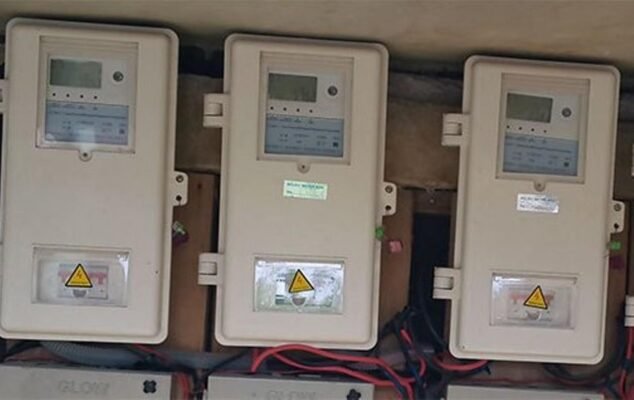
Electricity distribution companies (DisCos) have begun the nationwide rollout of prepaid electricity meters at no cost to customers, with current deployments largely targeting Band A and some Band B consumers. The exercise follows recent remarks by the Chairman of the Nigerian Electricity Regulatory Commission (NERC), Musiliu Oseni, who disclosed that between 600,000 and 700,000 meters are currently available in the country. Speaking at the 4th NESI Stakeholders Meeting in Abuja, Oseni urged DisCos to accelerate deployment and improve public awareness, noting that the Federal Government has already made significant investments in meter procurement. NERC’s Commissioner for Corporate Services, Nathan Shatti, also raised concerns over the pace of metering and refund performance under the Meter Asset Provider (MAP) scheme. He pointed to low compliance levels in some franchise areas, particularly Abuja and Kano, and stressed that customers should not be billed for meters where installation capacity is lacking. Shatti further disclosed that more than 350,000 meters are yet to be migrated to the new Standard Transfer Specification (STS), calling for immediate data cleanup. Industry checks confirm that meter distribution is ongoing across several DisCo franchise areas. The Chief Executive Officer of the Association of Nigerian Electricity Distributors (ANED), Sunday Oduntan, confirmed that meters are being installed nationwide at no cost to customers. He explained, however, that while the meters were procured through government intervention, DisCos are expected to repay the cost over a 10-year period. Oduntan clarified that the free meters are separate from the MAP programme, under which customers who previously paid for meters are entitled to refunds, usually credited over time through energy vending. He emphasised the need for better customer education to prevent misunderstandings around billing and refunds. According to NERC’s latest metering factsheet, Nigeria added 187,765 newly metered customers between September and October 2025, raising the national metering rate from 55.37 per cent to 56.07 per cent. During the period, the number of active electricity customers increased to 12.07 million, while metered customers rose to 6.77 million. Despite the gains, over 5.3 million customers remain on estimated billing. Ikeja Electric recorded the highest metering rate at 85.59 per cent, followed by Eko Electric (84.75 per cent) and Abuja Electric (75.82 per cent). In contrast, Yola, Jos, Kaduna, and Kano DisCos remained below the 35 per cent mark. Aba Power recorded the most significant improvement, increasing its metering rate by more than eight percentage points in one month. To further accelerate deployment, NERC approved the disbursement of ₦28 billion in October for the second phase (Tranche B) of the Meter Acquisition Fund (MAF). The funds are designated for metering all outstanding unmetered Band A customers and reducing the metering gap among Band B customers, under the Presidential Metering Initiative. The commission directed DisCos to adhere to strict procurement and installation timelines, with all meters funded under Tranche B to be installed by December 31, 2025. NERC stated that the initiative is aimed at improving service delivery, reducing energy losses, and addressing the long-standing metering deficit, which remains one of the sector’s key challenges.