
Author: Lifestyle & Wellness Desk

allocation.png

5min5620
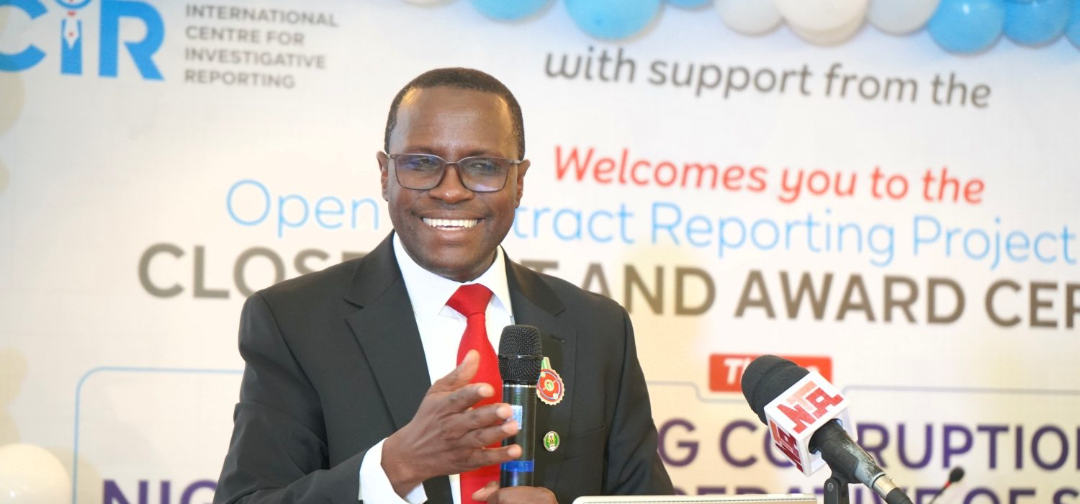
JOS — The Independent Corrupt Practices and Other Related Offences Commission (ICPC) and several federal agencies have disclosed that there is no verifiable evidence confirming that local government allocations from the Federation Account are reaching the councils directly. This revelation sheds light on a long-suspected irregularity in Nigeria’s local government financing and reinforces public concerns over poor transparency, weak accountability, and limited autonomy at the grassroots level, despite constitutional guarantees and court rulings supporting such independence. The finding was made during a capacity-building workshop on the Local Government Accountability Framework (LGAF) for the 17 Local Government Chairmen in Plateau State, held in Jos. The workshop was organized by the Rule of Law and Anti-Corruption (RoLAC) Programme, funded by the European Union and implemented by the International Institute for Democracy and Electoral Assistance (International IDEA). Representatives from key governance and anti-corruption bodies—including the ICPC, Code of Conduct Bureau (CCB), Fiscal Responsibility Commission (FRC), Bureau of Public Procurement (BPP), and the Federal Ministry of Justice (FMoJ)—participated in the event. Speaking at the session, Clifford Oparaodu, Executive Secretary of the ICPC, expressed concern that, despite a Supreme Court judgment affirming local government autonomy, there remains no consistent framework for tracking actual allocations. “When funds are released from the Federation Account, they pass through the State Joint Local Government Accounts. Many councils do not know the exact amounts they are entitled to and simply accept what is given to them. This practice makes effective planning difficult and erodes accountability,” Oparaodu stated. He added that although the ICPC cannot enforce judicial rulings, the Commission is deeply concerned that non-compliance with such decisions continues to hinder transparency and grassroots development. He emphasized the need for greater inter-agency collaboration to ensure that public funds serve their intended purpose. Emmanuel Uche, RoLAC Programme Manager, noted that democracy cannot thrive without transparency and accountability, while Umar Yakubu, LGAF Coordinator, lamented the continued financial dependence of local governments on state governments. “There is still no proof that allocations reach the councils directly. Funds continue to flow through state-controlled joint accounts, giving governors discretionary power over their use. Until citizens begin to demand openness, development at the grassroots will remain stagnant,” Yakubu said. He further revealed that local governments collectively receive about 20 percent of total revenue from the Federation Account. However, weak accountability mechanisms and minimal citizen engagement have prevented these resources from improving essential services such as education, healthcare, and infrastructure. Officials from the CCB reminded participants—mainly Directors of Finance—of the need for integrity and transparency in public service, guiding them on proper asset declaration processes to prevent corruption and illicit wealth accumulation. Similarly, representatives of the Federal Ministry of Justice highlighted the importance of the Freedom of Information (FOI) Act in promoting openness, while the BPP cautioned that over 60 percent of public funds flow through procurement channels—an area vulnerable to corruption if transparency is lacking. The FRC reaffirmed that accountability and prudent management of public resources are constitutional responsibilities, not optional practices, stressing that fiscal discipline remains a cornerstone of sustainable governance.
aa-4.jpg

5min8230
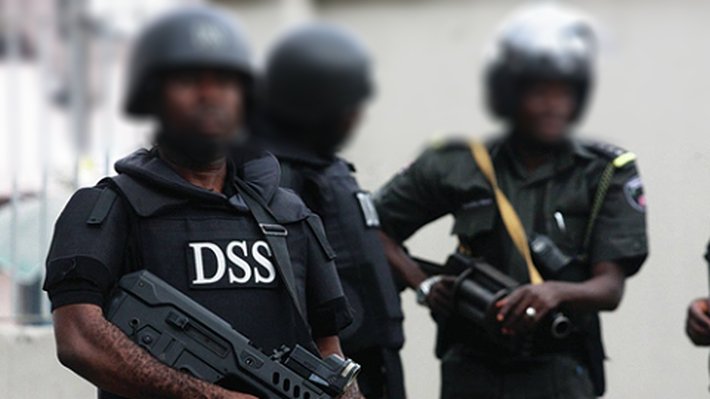
Fresh details have emerged on why the Federal Government dismissed 115 personnel of the Department of State Services (DSS). According to credible security sources, the affected officers were found guilty of offences capable of undermining the integrity and professionalism of the secret police. The offences reportedly included fraudulent practices, gross indiscipline, certificate forgery, and leakage of classified information. “Some of them even leaked official information, which is a serious breach,” a senior source said. Earlier in the week, the DSS announced the dismissal of the officers in a statement on its official X handle, warning members of the public to refrain from engaging in any official dealings with the affected personnel. The service also published their names, photographs, and dates of dismissal. The decision came just three weeks after two former DSS officers, Barry Donald and Victor Godwin, were arrested for impersonating operatives to defraud unsuspecting citizens. Internal Cleansing Drive Multiple insiders confirmed that the move is part of an ongoing internal reform aimed at restoring discipline within the agency. A senior official disclosed that the Director-General of the DSS, Adeola Ajayi, has embarked on a “cleansing exercise” to sanitize the service. “Some of the dismissed officers had become liabilities, threatening the agency’s integrity. Complaints were received from outside the service, and after investigation, they were found guilty. The DG is determined to restore the DSS to its core values,” the source said. Some of the dismissed personnel reportedly had pending disciplinary cases before Ajayi assumed office. Others, who had been queried during the tenure of former DG Yusuf Bichi, allegedly repeated similar offences and were dismissed after fresh reviews. Another insider explained that some officers travelled abroad in search of greener pastures without properly resigning from the service. “About 15 to 20 per cent of them are already outside the country. They were dismissed for improper resignation. The DG wants to instil stricter discipline and end the culture of impunity,” the source added. Forgery and Misrepresentation Investigations also revealed that several of the dismissed officers were found to have used forged documents to secure employment. A top official said some presented certificates from unaccredited institutions or used religious study certificates as academic qualifications. “Some used fake birth certificates; others attended schools in Benin Republic for only a few months and presented those as degrees. There were even cases of people using Arabic or mosque certificates as equivalents of university degrees,” the source explained. He added that the decision to publish their names and photos was to prevent the dismissed operatives from using the DSS identity to commit crimes or defraud the public. Part of Broader Reforms — Ex-DSS Director A former DSS Director, Mike Ejiofor, described the mass dismissal as part of ongoing reforms within the service. “The officers were subjected to disciplinary procedures before the decision was made. It’s an administrative matter aimed at strengthening internal discipline,” Ejiofor said. Security Expert Faults Publication of Officers’ Photos Security analyst Kabir Adamu, Managing Director of Beacon Consulting Limited, criticised the DSS for publicly releasing the identities of the dismissed personnel, describing the move as a breach of counter-espionage principles. “Publishing their names and photos exposes them to danger and contradicts the principle of counter-espionage,” Adamu said. He warned that the dismissed operatives could become targets for revenge attacks or recruitment by hostile foreign agencies and non-state armed groups. “Some of them participated in covert operations that led to arrests. Exposing them publicly removes their protection and makes them vulnerable. It also risks them being exploited or recruited by foreign intelligence networks,” he cautioned. Adamu added that the dismissed officers may now struggle to reintegrate into society. “They may find it impossible to secure employment again. Their lives have effectively been ruined. While dismissal for wrongdoing is understandable, public exposure of their identities was unnecessary and risky,” he said.

aa-3.jpg

3min3740
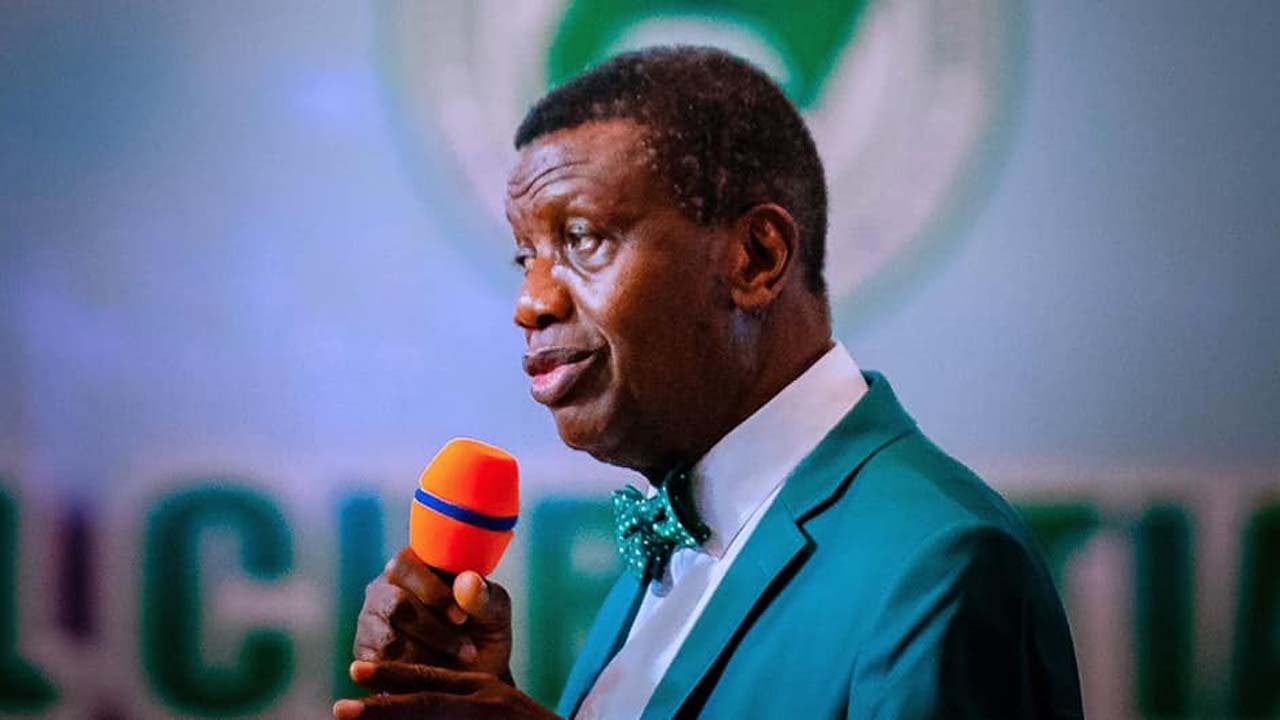
Lagos — The General Overseer of the Redeemed Christian Church of God (RCCG), Pastor Enoch Adeboye, has advised President Bola Tinubu to diplomatically appeal to U.S. President Donald Trump for a 100-day grace period to tackle insurgency and insecurity in Nigeria. Speaking during the November edition of the Holy Ghost Night at the Redemption City, Adeboye said the proposed window would enable the President to give the nation’s Service Chiefs and security agencies a 90-day ultimatum to completely eliminate terrorism or resign if they fail. “If the U.S. should attack us, China is not coming to defend us, Russia won’t defend us. The so-called world powers will talk and condemn, but they will not help us,” Adeboye said. The cleric urged President Tinubu to issue firm directives to the Service Chiefs, insisting that they must not only go after terrorists but also target their financiers and sponsors, regardless of their social or political standing. “When giving orders to the Service Chiefs this time around, he should make it clear that they are to eliminate both terrorists and their sponsors, no matter how influential they may be,” he stressed. Adeboye recalled a similar intervention during the administration of former President Muhammadu Buhari, when he privately advised the late leader to take decisive action against the worsening security situation. “Some of you will remember that the President once gave the Service Chiefs three months to end Boko Haram or resign. It’s not permitted to say who gave him that advice,” he said. “He acted on it but didn’t follow through. When the three months elapsed and the problem persisted, I went to see him. Unfortunately, he’s not alive now to confirm the details.” The revered preacher lamented that Buhari failed to enforce his ultimatum despite initial progress by the security agencies. He urged the Tinubu administration not to repeat the same mistake. Adeboye also cautioned that Nigeria must not depend on external powers for defence, reiterating that the nation’s unity and survival depend on its ability to confront terrorism with internal resolve and leadership discipline. “We must understand that no foreign country will fight our battles for us. This government must act swiftly and decisively to end insurgency once and for all,” he concluded.

aa-2.jpg

2min1870
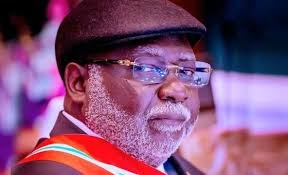
Former Chief Justice of Nigeria, Olukayode Ariwoola, has said that all his judgments during his time in office were given without bias, adding that he served the nation with a clear conscience. Ariwoola, who served as Chief Justice from 2022 to 2024, stated this in an interview in Lagos. Before his appointment as CJN, he had served on Election Petition Tribunals in Zamfara and Enugu states in 1999, as well as on Election Appeal Courts in Port Harcourt, Enugu, Benin, Yola, and Ilorin at different times. He was appointed to the Court of Appeal in 2005 and elevated to the Supreme Court in 2011. Speaking about his judicial record, Ariwoola said his decisions were guided by the fear of God and strict adherence to the law. “I handled cases strictly on merit throughout my judicial career,” he said. “I also served as Chairman of the Armed Robbery Tribunal for about three years, where I delivered judgments based on evidence and the law, without bias. Those who deserved conviction were sentenced, and those who were innocent were discharged. I did so with a clear conscience and no regrets.” Commenting on recent allegations of religious persecution in Nigeria, the former CJN said insecurity in the country transcends religion or ethnicity. “The Boko Haram issue is not religious. Kidnapping and terrorism have nothing to do with religion,” he said. “I attend church when I can. My eldest sister, from the same mother, was a Baptist, and I used to go to church with her. There’s no Christian hymn I cannot sing along to. Neither Christians nor Muslims should be against each other because our God is a God of peace.”

trump-2.jpg

2min1850
President Donald Trump has announced that no U.S. government officials will attend the upcoming G20 summit in South Africa, reiterating discredited claims that white Afrikaners are being systematically “killed and slaughtered” in the country. Trump had previously stated in September that Vice President JD Vance would represent the United States at the meeting later this month. However, in a post on his Truth Social platform, he declared that Washington would boycott the summit entirely. “It is a total disgrace that the G20 will be held in South Africa,” Trump wrote. “No U.S. Government Official will attend as long as these human rights abuses continue.” The U.S. president alleged that Afrikaners descendants of early European settlers “are being killed and slaughtered, and their land and farms are being illegally confiscated.” Trump added that he looks forward to hosting the 2026 G20 summit in the United States, which he plans to hold at his own golf resort in Miami, Florida a decision already stirring controversy. Since returning to office in January, Trump has repeatedly targeted South Africa, amplifying false claims of a “white genocide.” Earlier this year, he reportedly confronted South African President Cyril Ramaphosa in the Oval Office, showing him a video alleging that the post-apartheid government was persecuting white farmers a claim the South African government has firmly denied. Last week, Trump’s administration announced plans to slash the annual refugee cap to a record low of 7,500, while giving priority to white South Africans seeking resettlement. Relations between Washington and Pretoria have also deteriorated over several issues, including South Africa’s case against Israel at the International Court of Justice accusing it of genocide in Gaza. The Trump administration has since imposed a 30-percent tariff on South African goods the highest in sub-Saharan Africa. (AFP)

uk-football.webp

3min2270
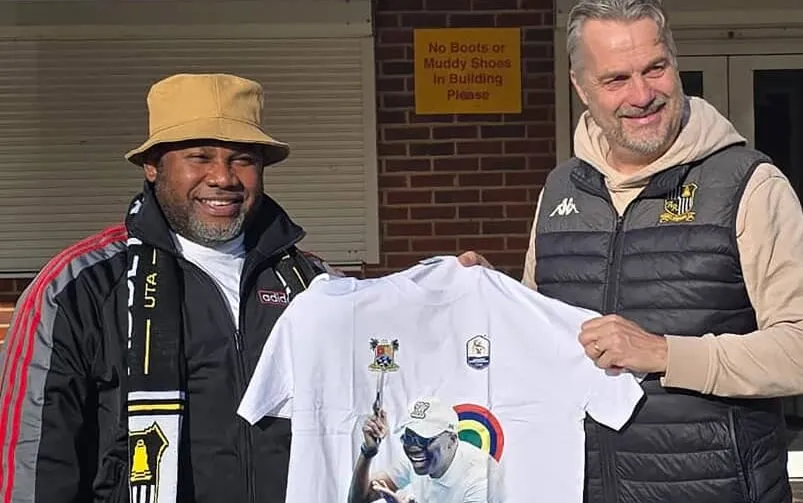
The Lagos State Sports Commission has entered into a partnership with Abbey Rangers Football Club, a UK-based community team, aimed at advancing grassroots football development across the state. Through this collaboration, both parties will implement a structured grassroots framework built around seven key pillars — talent identification, coaching capacity development, sports science integration, community engagement, policy advisory, resource mobilisation, and infrastructure improvement. The initiative also includes a state-wide scouting programme across schools and local communities, providing technical training, scholarships, and comprehensive support for young athletes. Speaking on the partnership, Director General of the Lagos State Sports Commission, Mr. Lekan Fatodu, described it as a major milestone in the state’s drive to build a sustainable and inclusive sports ecosystem. “This partnership reflects our vision to connect Lagos with global best practices in grassroots football development. Abbey Rangers brings strong expertise, a community-driven approach, and an international network that align perfectly with our mission. Together, we’ll create new opportunities for young athletes and strengthen the capacity of coaches and sports administrators,” Fatodu said. He also acknowledged Governor Babajide Sanwo-Olu’s consistent support for sports development, noting that his administration’s investment in youth empowerment and public-private partnerships has made such collaborations possible. Abbey Rangers Chairman, Mr. Nick Riley, expressed excitement about the alliance, calling it a bridge between cultures and a platform to expand grassroots football. “We are delighted to partner with Lagos State on this remarkable initiative. Community football can be a force for inclusion, growth, and opportunity. This partnership allows us to share our development model and work with one of Africa’s most vibrant cities to nurture young talent and elevate coaching standards,” Riley said.

UBA-1.png

4min8930
Africa’s Global Bank, United Bank for Africa (UBA) Plc, recently held another edition of its UBA Business Series, bringing together top digital entrepreneurs and influencers to share insights on how to build authentic and impactful online communities. Themed “Content that Converts: Building Influence and Driving Growth Through Strategic Marketing,” the event took place at the Tony Elumelu Amphitheatre, UBA Head Office, Marina, Lagos, on Thursday. The discussion explored the power of authenticity, passion, and consistency in content creation, as panellists shared personal experiences from their professional journeys and offered practical advice for thriving in today’s fast-changing digital world. UBA’s Group Head of Digital Banking, Kayode Olubiyi, welcomed guests and reaffirmed the bank’s commitment to empowering entrepreneurs across Africa through initiatives that promote innovation, capacity building, and business growth. He noted that the quarterly Business Series continues to serve as a platform for entrepreneurs to learn from industry experts, gain new perspectives, and develop strategies for navigating the competitive digital economy. Delivering the keynote address, Dr. Lampe Omoyele, Managing Director and CEO of Nitro 121, highlighted the importance of purpose-driven and value-focused content creation. He emphasised that impactful content goes beyond visual appeal—it must tell a meaningful story and align with the creator’s personal brand and values. The panel featured notable digital creators, including Elozonam Ogbolu, Dr. Chinonso Egemba (Aproko Doctor), Catherine Kamau, Nasiru Lawal (Nasboi), and Enioluwa Adeoluwa, who also moderated the discussion. Nasboi advised emerging creators to prioritise personal and professional growth, noting that fame comes with increased responsibility. Elozonam added that brands should collaborate closely with influencers for long-term partnerships that yield better results. Aproko Doctor urged creators to treat their craft as a structured business, warning that a lack of organisation often leads to burnout. Catherine Kamau encouraged creators to remain grounded and stay connected to their real-life communities, stressing that “social media is an illusion, but your real family keeps you centred.” The panellists collectively agreed that originality and personal branding are key to sustained success, encouraging young creators to embrace uniqueness rather than imitation. UBA’s Group Head of Marketing and Corporate Communications, Alero Ladipo, applauded the panellists for sharing their valuable insights and commended the bank’s management for hosting such impactful events that empower individuals and strengthen the wider economy. United Bank for Africa is one of Africa’s largest financial institutions, employing over 25,000 people and serving more than 45 million customers across the continent and beyond.

Federal-High-Court.jpg

3min3490
A Federal High Court sitting in Lagos has ordered all Nigerian banks to freeze the accounts and assets of an Indian businessman, Mr. Arun Goswami, and his companies — Metwest Steel Limited and Eastern Metals Limited — over alleged unpaid debts amounting to ₦9.5 billion. Justice Akintayo Aluko issued the order on October 31, 2025, following separate applications by First City Monument Bank (FCMB) and Union Bank Plc, who accused Goswami and his firms of defaulting on loans jointly guaranteed by United Capital Trustees Limited. Court filings indicate that Goswami and his companies allegedly owe FCMB and United Capital Trustees ₦4.54 billion, while an additional ₦4.96 billion is owed to Union Bank and the same guarantor. After considering motions filed by both banks in suits FHC/L/CS/798/2025 and FHC/L/CS/800/2025, Justice Aluko granted a Mareva injunction, restraining all commercial banks — including Access Bank, Zenith Bank, GTBank, UBA, Fidelity Bank, First Bank, Stanbic IBTC, Wema Bank, Sterling Bank, Polaris Bank, Opay, PalmPay, and PiggyVest — from releasing or tampering with any funds belonging to Goswami and his companies. The order also directed these financial institutions to disclose within seven days the balances held in all accounts linked to the defendants. Additionally, the court barred Goswami, his companies, and their associates from transferring or dealing in any way with the frozen funds or assets, including a property at Km 16, Asaba–Benin Expressway, Issele-Azagba, Delta State, used as collateral under a Mortgage Debenture Deed dated August 3, 2022. According to the court, the restrained funds represent outstanding liabilities from various credit facilities — including overdrafts, short-term finance, bank guarantees, and CBN term loans — extended to the defendants. Justice Aluko ordered that the sums claimed by the two banks remain preserved until the final resolution of the cases and directed the claimants to provide an undertaking to cover potential damages if the injunction is later found to have been wrongfully granted. The matter was adjourned to February 23, 2026, for further proceedings.  

Women-drug-addiction.jpg

3min5670
A U.S.-based Nigerian prevention scientist, Dr. Olanrewaju Lawal, has urged the Federal Government to adopt a prevention-driven approach to address the growing challenge of substance abuse among Nigerian youths. Lawal, a researcher in Youth Development and Family Science, said the country’s current response to drug use remains largely reactive, relying on rehabilitation and law enforcement while neglecting proactive, community-level strategies that could prevent substance use before it begins. Speaking ahead of his presentation at the 2025 National Council on Family Relations Annual Conference in Baltimore, Maryland, USA, Lawal called on policymakers to make prevention science a core element of national public health policy. “Globally, prevention is most effective when interventions reach young people across all settings — at the individual, family, school, and community levels,” he said. “Nigeria has one of the world’s fastest-growing youth populations, yet the nation’s prevention infrastructure is almost nonexistent. We need a paradigm shift — from punishment to prevention, and from isolated programmes to multi-level, evidence-based strategies.” Lawal explained that his research identifies protective factors that help adolescents resist substance-use disorders, such as open family communication, parental monitoring, supportive peer relationships, and strong community ties. He noted that these models could be adapted to the Nigerian context using digital health tools, mobile platforms, and artificial intelligence systems capable of detecting at-risk youths and delivering culturally relevant interventions. “Every naira invested in prevention saves the country many times over in treatment, crime reduction, and productivity gains,” he said. “Prevention should be seen as a foundation of national public health strategy, not an afterthought.” The scientist also called for investment in capacity building across schools, community organisations, and local health agencies to strengthen preventive efforts. He emphasised that integrating prevention science into Nigeria’s long-term development plans would not only curb drug abuse but also promote the overall well-being, productivity, and resilience of young people.

trump_with_airplanes.jpg

4min3950
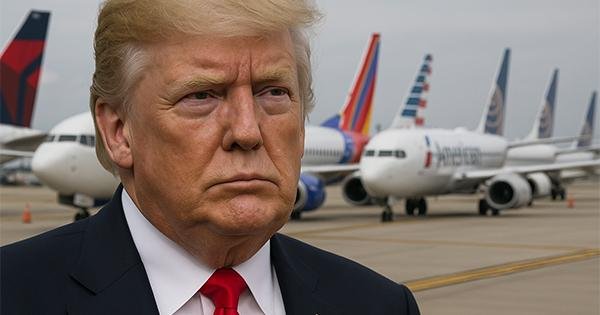
Travellers across the United States faced growing uncertainty on Friday as a federal directive ordering airlines to scale back flights at dozens of major airports took effect. The measure, introduced to address air traffic safety risks caused by staff shortages during the record-length government shutdown, mandates a gradual reduction in flights beginning with a 4% cut on Friday, rising to 10% next week. The Trump administration’s directive affects operations at 40 airports nationwide, including major hubs in Atlanta, Newark, Denver, Chicago, Houston, and Los Angeles. “This decision is driven purely by safety concerns, not politics,” said U.S. Transportation Secretary Sean Duffy, rejecting claims that the move was intended to pressure Democrats to end the shutdown. Now in its sixth week, the shutdown—already the longest in U.S. history—has left tens of thousands of federal workers, including air traffic controllers and security officers, without pay. According to FlightAware, more than 800 flights scheduled for Friday were cancelled. American Airlines confirmed that it had cut about 220 flights per day, while Delta Airlines scrapped 170 and Southwest Airlines cancelled roughly 100 flights. Thursday’s operations had already seen widespread disruption, with over 6,800 delays and more than 200 cancellations nationwide. Passengers at airports in Boston and Newark reported delays exceeding two hours, while those at Chicago O’Hare and Washington Reagan National faced wait times of over an hour. Federal Aviation Administration (FAA) Administrator Bryan Bedford said the reductions were necessary to prevent accidents. “We can’t wait for a safety incident before acting,” Bedford stated. “Early indicators show we need to intervene now to prevent further deterioration.” The timing of the directive adds to travel concerns as the Thanksgiving holiday approaches—one of the busiest travel periods of the year. Despite the disruptions, officials assured the public that air travel remains safe. “It’s safe to fly today, tomorrow, and the day after,” Secretary Duffy posted on social media, emphasizing that the measures were proactive and precautionary. Airlines acknowledged the challenges of implementing the order on short notice. United Airlines and Delta said they were complying but noted that international and hub-to-hub routes would be largely unaffected, meaning cancellations would mostly impact regional flights. The ongoing shutdown began on October 1 after Congress failed to reach a funding agreement, forcing 1.4 million federal workers either into unpaid leave or to work without pay. Many aviation personnel have reportedly begun calling in sick or seeking second jobs to cope financially. “This is unprecedented in modern aviation,” FAA Administrator Bedford said. “We’ve never seen conditions like this in my 35 years in the industry—but then again, we’re in uncharted territory when it comes to shutdowns.”