
Author: Lifestyle & Wellness Desk

z1.jpg

2min1820
The Africa Finance Corporation (AFC) has announced that its partnership with Lagos Fashion Week 2025 is designed to boost Africa’s apparel and textile export sectors, projected to reach $15 billion by 2030. According to a statement, the collaboration aligns with AFC’s broader goal of promoting industrialisation and job creation through strategic infrastructure investments that drive economic transformation. Celebrating its 15th anniversary, Lagos Fashion Week has become a globally acclaimed showcase of African creativity and design excellence. The 2025 edition will highlight circular fashion, responsible sourcing, and regional value chains—key areas where AFC’s infrastructure projects are bridging the gap between Africa’s creative and industrial potential. AFC President and CEO, Samaila Zubairu, stated, “Africa’s creative industries reflect both our cultural identity and economic potential. Through this partnership, we are deepening our commitment to build measurable impact—empowering youth, strengthening local production, and creating value across the fashion ecosystem. By providing the infrastructure that supports these creative value chains, AFC is positioning African designers and manufacturers to thrive globally.” Founder of Lagos Fashion Week, Omoyemi Akerele, added, “We are delighted to have AFC as a key partner for the 2025 edition. Their dedication to sustainable infrastructure and local manufacturing perfectly aligns with our mission to reinforce Africa’s fashion ecosystem. Together, we aim to ensure that Africa’s creative industries not only inspire but also produce and export value from within the continent.” Through its subsidiary, ARISE Integrated Industrial Platforms, AFC is supporting Africa’s shift from exporting raw materials to producing and exporting finished goods. To date, AFC-backed projects have contributed over $50 billion to GDP and generated seven million jobs across 36 African nations.
10.webp

2min3810
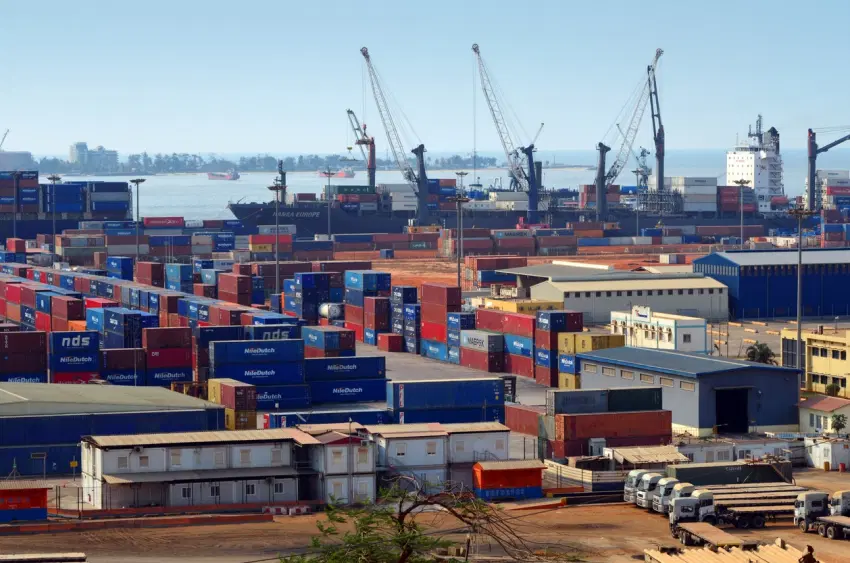
The Federal Government has approved a $1 billion modernization project for Lagos ports and begun the procurement process for upgrading other seaports across the country. Minister of Marine and Blue Economy, Adegboyega Oyetola, announced this during the 2025 Chartered Institute of Logistics and Transport (CILT) Nigeria Conference, themed “Enhancing Logistics and Transport for a Sustainable Blue Economy in Nigeria,” held in Lagos. Represented by the Managing Director of the Nigerian Ports Authority (NPA), Dr. Abubakar Dantsoho, Oyetola said the modernization initiative aims to upgrade infrastructure, enhance cargo handling efficiency, and expand port capacity to meet global standards. “We are collaborating with stakeholders to establish a paperless, technology-driven port system that enhances efficiency, reduces vessel turnaround time, and minimizes corruption,” he stated. The Minister added that the Federal Government’s $1 billion Lagos port modernization project is a landmark initiative that underscores Nigeria’s commitment to strengthening its maritime infrastructure. He also revealed that the procurement process has begun for similar modernization efforts at ports outside Lagos to ensure even development across the country’s maritime gateways. Oyetola emphasized that these initiatives reflect the government’s resolve to enhance logistics performance, strengthen competitiveness, and position Nigeria as a leading hub for maritime trade and investment in Africa. He further highlighted the success of the Deep Blue Project, noting that Nigeria has recorded zero piracy incidents in the last three years — a milestone that underscores the nation’s progress in maritime security and safety.

19.jpg

4min1370
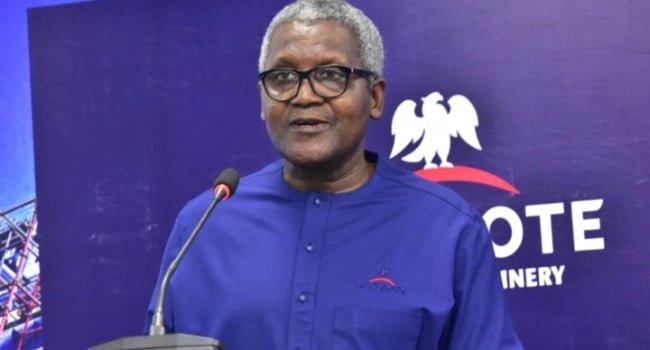
Chairman of Dangote Petroleum Refinery, Aliko Dangote, has announced plans to list between five and 10 percent of the refinery’s shares on the Nigerian Exchange (NGX) within the next year. In an interview with S&P Global, Dangote explained that the move aligns with the company’s strategy of gradually opening up ownership, similar to other subsidiaries such as Dangote Cement and Dangote Sugar Refinery. “We don’t want to keep more than 65 to 70 percent,” he said, noting that the shares would be released in phases based on investor interest and market conditions. Dangote also revealed that the group is in discussions with investors from the Middle East to form strategic partnerships aimed at financing the refinery’s expansion and supporting a new petrochemicals project in China. “Our business model is evolving. Instead of being fully Dangote-owned, we’re now opening up to new partners,” he stated. He further hinted that the Nigerian National Petroleum Company Limited (NNPC) might increase its stake in the refinery in the future. The NNPC had previously reduced its holding to 7.2 percent, but Dangote suggested that discussions could resume once the refinery enters its next phase of development. “I want to demonstrate what this refinery is capable of achieving, then we can have further discussions,” he said. The refinery, which began operations in 2024, currently has a capacity of 650,000 barrels per day (bpd) and plans to boost output to 700,000 bpd by the end of this year. Dangote added that the long-term goal is to reach 1.4 million bpd, surpassing the capacity of the Jamnagar refinery in India, which produces 1.36 million bpd. In addition to refining, the company is expanding its petrochemical operations, with plans to increase polypropylene production from one million to 1.5 million metric tonnes annually and to venture into base oils and linear alkylbenzene production. Commenting on ongoing maintenance, Dangote noted that most technical challenges had been addressed, though a one-month shutdown might still be required for final adjustments. “We’ve resolved most of the issues, and we’re looking for an appropriate window for a one-month shutdown,” he said, assuring that the maintenance would be scheduled to avoid disruptions during peak fuel demand at the end of the year.

18.webp

3min2120
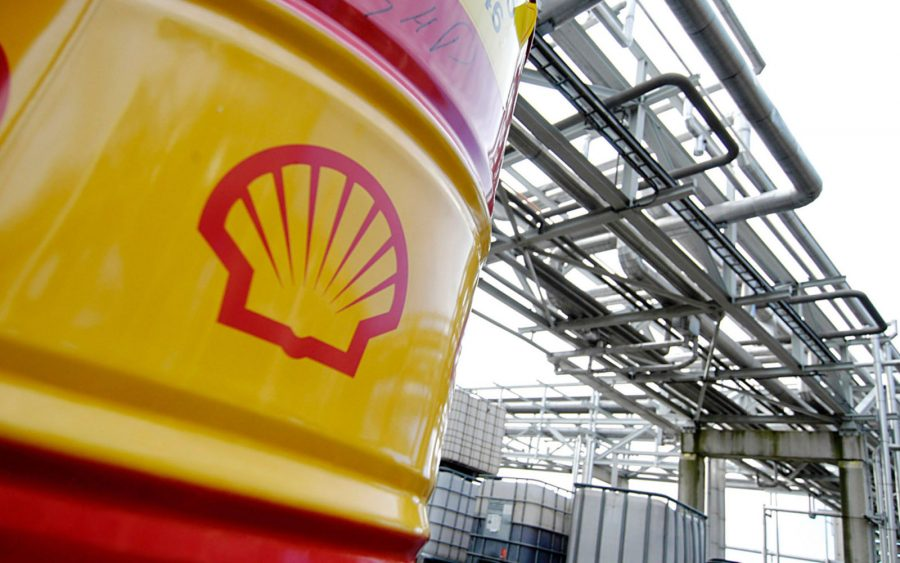
Shell has emphasized the need for stronger collaboration between international oil companies (IOCs) and indigenous energy firms to fast-track gas development and make the resource a key driver of Nigeria’s industrial growth. The company highlighted that consistent policies, infrastructure expansion, and partnership-driven approaches are vital to unlocking Nigeria’s vast gas potential. Speaking at the 3rd Gas Investment Forum in Lagos, Shell Energy Nigeria’s General Manager, Markus Hector — represented by the Head of Portfolio, Regulation and Supply, Chuka Amos-Ejesi — said, “There is a clear strategic case for collaboration. IOCs bring global expertise, significant capital, and robust technical and risk management systems, while indigenous firms contribute local knowledge, agility, and flexibility within the Nigerian environment.” He further stressed that such partnerships should enhance domestic capacity, particularly in engineering, supply chain, operations, and maintenance. Also speaking, the Managing Director of Shell Nigeria Gas, Ralph Gbobo, said the company is investing heavily in gas infrastructure nationwide to boost industrial growth and improve access. “SNG is developing gas hubs in Port Harcourt, Aba, Ota, and recently Yenagoa, with plans to expand to other cities,” Gbobo noted. He described infrastructure as the foundation of Nigeria’s gas industrialisation drive, adding that ongoing projects will improve access, cut costs, and lower emissions, making gas a more competitive and sustainable energy source. Gbobo also underscored the importance of stable policies to attract long-term investment, stating that “policy clarity and consistency are essential for investor confidence, while collaboration remains the catalyst for scale and innovation.” He reaffirmed that gas is central to Nigeria’s energy transition and economic diversification, providing cleaner, more reliable energy, creating jobs, and fostering regional trade. “The success of Nigeria’s gas sector will depend on the synergy between government, investors, and local operators,” he added.

15.jpg

5min3890
The detained leader of the Indigenous People of Biafra (IPOB), Nnamdi Kanu, is preparing to open his defence in his long-running terrorism trial, naming several prominent politicians and retired military officers as witnesses. In a new motion filed on October 20 and marked FHC/ABJ/CR/383/2015, Kanu listed 23 witnesses, including the Minister of the Federal Capital Territory, Nyesom Wike; Lagos State Governor Babajide Sanwo-Olu; and former Chief of Army Staff, Lt. Gen. Tukur Buratai (retd.) The defence notice, personally signed by Kanu, categorizes his witnesses into two groups — “ordinary but material witnesses” and “vital and compellable witnesses.” Among those listed as “vital and compellable” are former Defence Minister Gen. Theophilus Danjuma (retd.), Imo State Governor Hope Uzodinma, Minister of Works David Umahi, former Abia State Governor Okezie Ikpeazu, and former Attorney-General of the Federation Abubakar Malami (SAN). Also included are former DSS Director-General Yusuf Bichi, former NIA Director-General Ahmed Abubakar, and other unnamed individuals. Kanu stated that he would rely on Section 232 of the Evidence Act, 2011 to compel the appearance of key witnesses and requested a 90-day timeframe to conclude his defence. He pledged to testify personally and provide sworn statements from supporting witnesses. “I will testify on my own behalf, giving a sworn account to deny the allegations and explain the political context of my actions and statements,” Kanu told the court. “It is in the interest of justice that the truth be clearly seen and heard.” The new filing comes shortly after activist Omoyele Sowore led a #FreeNnamdiKanu protest in Abuja, which resulted in the arrest of Kanu’s lawyer, Aloy Ejimakor, his brother Prince Emmanuel Kanu, and 10 others. The 12 detainees were charged with conspiracy, disobedience of a lawful order, and public disturbance, and have been remanded pending further hearing on October 24. Kanu’s defence notice follows Justice James Omotosho’s ruling that a prima facie case had been established against him after rejecting his earlier no-case submission. His legal team’s request for a transfer to the National Hospital for medical treatment was opposed by prosecutors, who maintained that the DSS facility was sufficient. After an independent review by the Nigerian Medical Association (NMA), the court was informed that Kanu was fit to stand trial. Justice Omotosho has scheduled October 23 for the formal commencement of Kanu’s defence. Meanwhile, Kanu’s family in Abia State has rejected the NMA’s medical report, describing it as fabricated. Speaking on behalf of the family, Kanunta Kanu insisted that no medical team ever examined Kanu in detention. “The NMA never visited Nnamdi Kanu for any medical evaluation. Any report presented to the court is false and politically motivated,” Kanunta said. He accused the authorities of orchestrating Kanu’s persecution and warned that continued injustice against him and the Igbo people could deepen national divisions. He also defended Sowore, clarifying that the activist played no role in the arrest of Kanu’s relatives or legal team. “Sowore only exercised his democratic right to protest against injustice. Anyone blaming him for the arrests is being insincere,” he said. The family renewed its call for the immediate release of all those arrested during the protest and demanded Kanu’s unconditional freedom, citing several court rulings that have already ordered his release.

14.jpg

3min2350
The United Kingdom has introduced a major adjustment to its post-study work visa policy, reducing the duration from two years to 18 months for international students, including Nigerians. The new policy, set to take effect in January 2027, was announced by UK Home Secretary Shabana Mahmood on October 14. She explained that the reform is part of a broader initiative to strengthen immigration controls while maintaining the UK’s position as a destination for top global talent. Mahmood also highlighted the need for immigrants to meet A-level English proficiency standards to better integrate into the workforce. According to a statement released on the UK government’s website, the revised post-study period aims to ensure international graduates make meaningful contributions to the British economy. Government data revealed that many graduates were not securing graduate-level employment within the existing two-year timeframe, prompting the policy change. The adjustment forms part of a series of immigration reforms outlined in the government’s flagship immigration white paper and its Plan for Change. Among these is a 32% rise in the Immigration Skills Charge — a levy paid by employers who sponsor skilled foreign workers. This marks the first increase since 2017, with proceeds earmarked for training UK workers to reduce dependence on overseas recruitment. “The period for international students to secure graduate-level jobs after completing their studies will now be 18 months instead of two years. The Immigration Skills Charge, paid by sponsoring employers and reinvested into local workforce training, will increase by 32%,” the government’s statement noted. To further strengthen workforce integration, the UK will introduce stricter English language requirements for international students applying to study, work, or settle in the country. Studying in the UK is also expected to become more expensive. Tuition fees for undergraduate programs will rise by 3.1% in the 2025/26 academic year — from £9,250 to £9,535. This announcement follows other immigration changes introduced earlier in 2024, including restrictions that prevent most international students from bringing dependants, except those enrolled in postgraduate research programs or government-funded scholarships. Recent data shows a decline in the number of international students choosing the UK as a study destination in 2024.

13.webp

4min5010
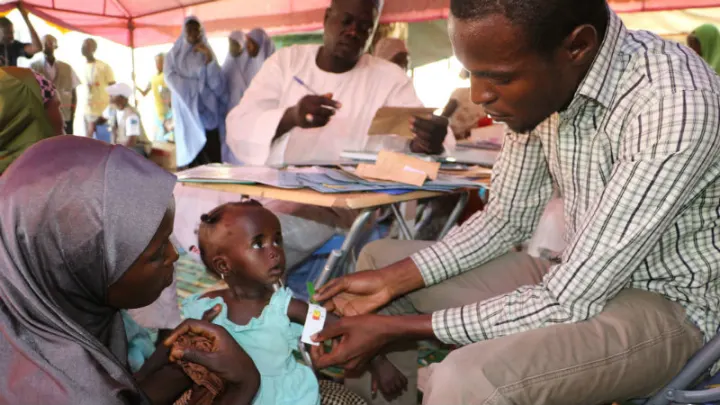
The Federal Government has approved and released ₦32.9 billion through the Basic Health Care Provision Fund (BHCPF), marking the third round of disbursements in 2025. This was announced by the Coordinating Minister of Health and Social Welfare, Prof. Muhammad Pate, in a statement titled “The Red Letter,” where he called on citizens to actively participate in ensuring transparent and effective use of the funds. According to the minister, the funds are aimed at strengthening primary healthcare delivery across all wards in the country. The BHCPF supports Nigeria’s health system by financing essential services, improving primary care facilities, and providing resources for emergency medical response. “Today, the government of the Federal Republic of Nigeria has approved and released ₦32.9 billion through the Basic Health Care Provision Fund—the third release this year. This money is not sitting in Abuja; it has already begun its journey into the commercial bank accounts of primary health care facilities in every ward across Nigeria,” Pate said. He added, “It is your clinic’s money. It is your community’s chance. It is your country’s promise.” Prof. Pate emphasized that each facility has the autonomy to plan and spend in collaboration with local communities. He urged health committees, traditional leaders, youth and women’s groups, and faith-based organizations to work together to ensure the funds are used effectively to improve healthcare services. “The fund is the heartbeat of Nigeria’s renewed hope in health. It shows that government is fulfilling its duty as custodian of the fund, while also trusting communities to safeguard and monitor spending,” he noted. Pate cautioned against public indifference, stressing that when communities fail to demand accountability, progress suffers. He described The Red Letter as a national call for citizens to take ownership of their local health systems — by engaging with facilities, monitoring expenditures, and ensuring transparency and impact. “Each naira in this ₦32.9 billion is a seed. When you nurture it with vigilance and pride, it grows into medicine, safe births, better infrastructure, and lives saved. When you neglect it, it withers into waste,” he said. “Let this Red Letter reach every community, every ward, and every home. The health of Nigeria lies in the hands of Nigerians. Together, we plan. Together, we spend. Together, we protect life.”

aj.jpg

2min3240
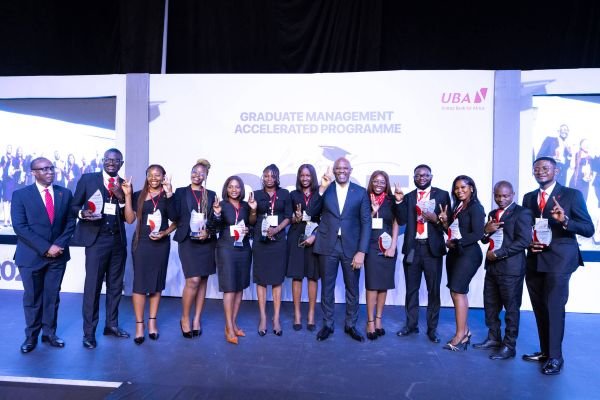
United Bank for Africa (UBA) Plc has welcomed over 700 young professionals into its workforce through the Graduate Management Accelerated Programme (GMAP), the bank’s flagship initiative for developing future African leaders. Since its inception three years ago, the programme has trained more than 4,000 young talents across banking and finance, providing them with mentorship, technical skills, and practical industry experience. Speaking at the 2025 GMAP graduation ceremony held at the Landmark Events Centre in Lagos, UBA Group Chairman, Tony Elumelu, urged the new inductees to embody the bank’s core values of excellence, integrity, and service. He described them as “lions and lionesses,” symbolising strength and ambition, while reaffirming UBA’s commitment to empowering young Africans. Elumelu said, “I began my career just like you, and I am proud that UBA continues to create platforms for young people to thrive. Stay focused, driven, and remember — African institutions can stand tall globally.” Representing the Group Managing Director, Oliver Alawuba, Deputy GMD Chukwuma Nweke encouraged the graduates to be innovative and uphold UBA’s reputation as Africa’s global bank, joining a network of over 30,000 employees across 20 African countries and major international offices. Graduates shared their experiences, describing the programme as both challenging and transformative. Ayomitide Ebo called it “a journey of growth,” while Mary Olatibosun said joining UBA fulfilled a lifelong aspiration. From Kenya, Rosemary Morioki added, “It has been intense but rewarding — we are ready to bring fresh ideas to shape Africa’s financial future.”

Nigerian-flag.jpg

3min4530
The Federal Government, through the Ministry of Communications, Innovation and Digital Economy, has entered into a Memorandum of Understanding (MoU) with Denmark to deepen cooperation in digital transformation and innovation, with a focus on driving inclusive economic growth. The agreement was formalised in Lagos during the NORDIC-Nigeria Connect Conference, themed “Forging Partnerships for Sustainable Impact.” Lagos and Enugu State governments also expressed their commitment to working with NORDIC countries in key sectors such as technology, agriculture, energy, seaport development, and trade. Minister of Communications, Innovation and Digital Economy, Dr. Bosun Tijani, described the partnership as “the beginning of many impactful initiatives between Denmark and Nigeria.” He noted that President Bola Tinubu had tasked the ministry with advancing an inclusive digital economy through strategic global collaborations, adding that Denmark shares Nigeria’s vision in this regard. State Secretary for Trade and Investment, Danish Ministry of Foreign Affairs, Lina Gandiese Hansen, explained that the MoU followed Dr. Tijani’s visit to Copenhagen, where he inaugurated the Nordic-Africa Summit during the Tech Barbecue innovation festival. “When Nigeria calls for collaboration, Denmark responds,” she said, emphasising both nations’ shared commitment to technology and innovation. In his goodwill message, Lagos State Governor Babajide Sanwo-Olu, represented by Deputy Chief of Staff Samuel Egube, said the fourth edition of the conference signified a transition “from invitation to implementation,” highlighting tangible progress as partnerships take shape. Enugu State Deputy Governor, Ifeanyi Ossai, also reaffirmed the state’s readiness to partner with NORDIC countries in agriculture and digital education to enhance food security and technological advancement. The MoU is expected to boost Nigeria’s digital infrastructure and accelerate innovation-led growth across multiple sectors.

bbbbbb.webp

3min8140
The Minister of Power, Chief Adebayo Adelabu, has announced plans to restore electricity supply to the Aluminium Smelter Company of Nigeria (ALSCON), stating that the plant has the potential to add up to 540 megawatts (MW) to the national grid. During a working visit to the facility in Ikot-Abasi, Akwa Ibom State, Adelabu emphasized that reviving the plant would not only enhance power generation but also create around 15,000 direct and indirect jobs once it becomes fully operational. He expressed concern that, despite being established 37 years ago, the absence of dedicated electricity had hindered the nation from maximizing the benefits of the massive investment in ALSCON. According to him, a temporary connection to the national grid will be implemented as work progresses on a sustainable, long-term power solution. Commenting on the abandoned 330kV substation in the area—constructed by the Niger Delta Power Holding Company (NDPHC) and nearly 90 percent completed before being left unattended—Adelabu assured that the project would be completed soon to optimize the value of the ALSCON investment. He recalled that ALSCON, initiated in 1989 and completed in 1998, was later acquired by the Aluminium Smelting Company of Russia (RUSAL) after the 2006 privatization exercise. Adelabu lamented that decades of underutilization due to poor power supply had stalled the plant’s contribution to industrial development. He highlighted its potential to support the aluminium value chain, generate employment, supply raw materials to local industries, and reduce foreign exchange spent on imports. He noted that the government’s renewed efforts are part of its broader plan to expand electricity access nationwide by 2030, in line with Vision 2030. “We are engaging stakeholders, including the company’s management, the Transmission Company of Nigeria (TCN), NDPHC, and contractors, to develop both short- and medium-term strategies to address ALSCON’s power challenges,” he stated.