Author: Lifestyle & Wellness Desk

zz-8.jpg

3min4110
The Nigerian Bar Association (NBA) has expressed readiness to step in over the arrest and detention of former presidential aide and lawyer, Chief Okoi Obono-Obla, amid concerns about the circumstances surrounding his apprehension. The Cross River State Police Command confirmed that Obono-Obla was arrested on Thursday over allegations related to forgery and the alleged acquisition of admission, professional qualifications, and entry into the legal profession through false representation. In a statement issued on Thursday, the police spokesperson, Eitokpah Sunday, said Obono-Obla was arrested at about noon on February 19, 2026, along Abuja Park in Ugep, Cross River State. The police dismissed reports circulating on social media suggesting that Obono-Obla was abducted or taken away by unknown persons in Ugep, Yakurr Local Government Area. According to the command, the arrest was carried out lawfully by police operatives following a petition submitted to the Commissioner of Police alleging offences bordering on forgery and false pretence in relation to legal practice. The statement added that the arrest was conducted in line with existing laws and within the constitutional and statutory powers of the Nigeria Police Force to investigate alleged criminal acts. Following his arrest, Obono-Obla was taken to the State Criminal Investigation Department in Calabar, where investigations are ongoing. The police noted that his legal counsel had been informed and was actively involved in the process, while members of his family were also aware of his whereabouts. Reacting to the development, the Chairman of the Calabar Branch of the Nigerian Bar Association, Enome Amatey, said the association was aware of the incident but had not yet received official details regarding the agency responsible for the arrest. He described the situation as unclear and worrisome, noting that reports surrounding the arrest were still sketchy. Amatey said the NBA was concerned about the need to safeguard Obono-Obla’s fundamental rights, stressing that he should be given a fair opportunity to defend himself and have unhindered access to legal representation. He added that the association would closely monitor the situation to ensure due process was followed and that Obono-Obla was not held beyond the constitutionally allowed period without lawful justification. According to him, the NBA would seek a detailed briefing on the matter and, if necessary, activate its human rights committee to take appropriate steps.
zz-17.webp

4min3670
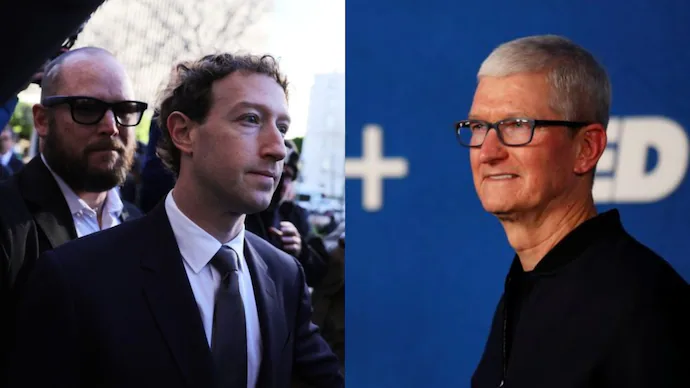
Meta CEO Mark Zuckerberg testified Wednesday that he reached out to Apple CEO Tim Cook in 2018 to explore potential collaboration focused on the “wellbeing of teens and kids.” During proceedings at the Los Angeles Superior Court, defense attorneys presented an email exchange between the two executives from February 2018. Zuckerberg told the court he believed there were opportunities for Meta and Apple to work together to improve safety for young users. “I care about the wellbeing of teens and kids who are using our services,” Zuckerberg said, as defense lawyers sought to demonstrate that he took proactive steps to address youth safety including engaging a corporate rival. The testimony is part of a closely watched trial that some experts have compared to the tech industry’s “Big Tobacco” moment. The case centers on allegations that social media platforms contributed to mental health harms, particularly among young users. A key focus of the trial has been Instagram’s use of digital beauty filters. Zuckerberg acknowledged internal debates over whether such features — especially cosmetic surgery filters could negatively affect teenage girls. While experts raised concerns, Zuckerberg said the company ultimately weighed the issue against principles of free expression. “I genuinely want to err on the side of giving people the ability to express themselves,” he testified. Lawyers cited a study from the University of Chicago in which 18 experts concluded that beauty filters can harm teenage girls. Zuckerberg responded that while he takes such feedback seriously, he did not believe there was sufficient causal evidence to justify a permanent ban. He added that internal disagreement at Meta is encouraged and common. The lawsuit stems from claims by a young woman who alleged she became addicted to platforms including Instagram and YouTube. Plaintiffs argue that companies such as Meta, YouTube, TikTok and Snap misled the public about the safety of their products. Zuckerberg pushed back on suggestions that Meta’s goal was to maximize time spent on Instagram. While internal documents referenced engagement milestones, he said these were benchmarks used to measure competitiveness, not directives to encourage excessive usage. The court also examined issues related to underage users. Instagram requires users to be at least 13 years old, but documents presented in court suggested millions of underage children may have accessed the platform. Zuckerberg noted that some users misrepresent their age and said Meta removes accounts identified as underage. At several points, Zuckerberg suggested that stronger age verification may be better handled by companies operating mobile systems and app stores, such as Apple and Google. The trial, which began in late January, is one of several high-profile cases this year examining the social media industry’s impact on young people. Meta has denied the allegations, maintaining that the jury must determine whether Instagram was a substantial factor in the plaintiff’s mental health struggles.

zz-15.webp

5min5290
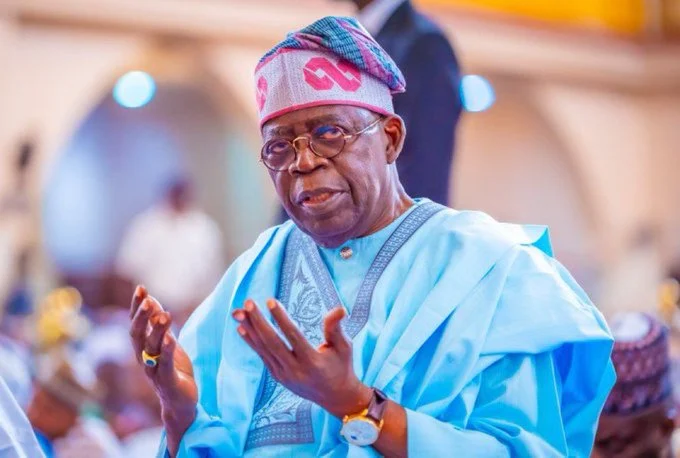
President Bola Tinubu and Vice President Kashim Shettima have set up no fewer than 46 committees since taking office in May 2023, with budgetary provisions and identifiable expenditures on these panels exceeding N13bn in under three years. A review of budget documents covering 2023 to 2026, alongside federal payment records from GovSpend, shows that N12.99bn was earmarked for the operations of long-standing presidential committees. In addition, at least N105.97m in traceable payments was made to individuals and firms providing services to specific ad hoc panels. Combined spending of about N13.1bn represents roughly 62 per cent of the N21.17bn reportedly spent on presidential committees over a seven-year period between 2018 and 2025. On average, committee-related expenses under the current administration amount to N4.37bn annually, higher than the N3bn yearly average recorded between 2018 and 2022. Most of the committees established since 2023 are ad hoc bodies created to address specific policy issues within defined timeframes. Others are statutory committees with permanent secretariats that receive annual allocations under the Office of the Secretary to the Government of the Federation. Budget records indicate that in 2023, N3.73bn was allocated to these standing committees, covering political officers and bodies such as the Presidential Advisory Committee, the Presidential Technical Committee on Land Reforms, the Advisory Committee on the Prerogative of Mercy, the Presidential Enabling Business Environment Council, the Standing Committee on Private Jetties, and the Standing Committee on Inventions and Innovations. In 2024, total allocations stood at N2.96bn. This included N2.58bn for Political Officers and Standing Committees, N50m for the Private Jetties committee, N89.29m for Inventions and Innovations, N10.73m for the Presidential Advisory Committee, N221.3m for the Land Reforms committee, and N9.8m for the Prerogative of Mercy panel. Funding increased again in 2025 to N3.24bn, with the Land Reforms committee receiving N478.45m—more than twice its 2024 allocation. Other provisions included N2.58bn for Political Officers and Standing Committees, N65m for Private Jetties, N89.29m for Inventions and Innovations, N15.38m for the Presidential Advisory Committee, and N8m for the Prerogative of Mercy committee. For 2026, allocations totalled N3.06bn, made up of N2.58bn for Political Officers and Standing Committees, N418m for the Land Reforms committee, N45.5m for Private Jetties, and N15.37m for the Presidential Advisory Committee. Beyond budgetary provisions, GovSpend data identified six specific payments made for ad hoc committee operations between May 2023 and December 2025, amounting to N105.97m. The earliest payments, dated May 31, 2023, included N46.64m to Shale Atlantic Intercontinental Services Limited and N21.72m to Good News Creative Ideas Limited as consultancy fees for a presidential committee reviewing earlier salary-related reports. Additional payments included N5.02m in December 2023 for office consumables for the Presidential Committee on Trade Malpractices, N19m paid as honoraria to members of the Presidential Committee on the Transfer of Technology, N7.52m for printing committee reports in March 2024, and N6.07m disbursed in December 2025 for administrative costs linked to the Trade Malpractices committee. These figures reflect only expenditures traceable through official government payment systems. Since assuming office, the President and Vice President have relied heavily on committees to address a wide range of policy challenges. Within weeks of inauguration, committees were formed to respond to organised labour demands following fuel subsidy removal, overhaul fiscal and tax policies, manage palliatives, reform livestock management, mitigate flooding, revitalise industry, assess policing reforms, coordinate climate and human capital initiatives, and tackle economic and security issues. In 2024 and 2025, dozens more committees were created across sectors such as agriculture, education, health, infrastructure, energy, youth development, sanitation, digital governance, and electoral politics. Some of these committees have delivered tangible outcomes, including tax reforms that led to the passage of four Tax Reform Acts, a revised national minimum wage framework, and policy proposals on state policing. However, critics argue that the growing reliance on committees has become an expensive form of political patronage, questioning the overall impact relative to the resources committed. Government officials had yet to respond publicly to concerns raised over the scale and cost of the committees at the time of reporting.

zz-5.jpg

2min4450
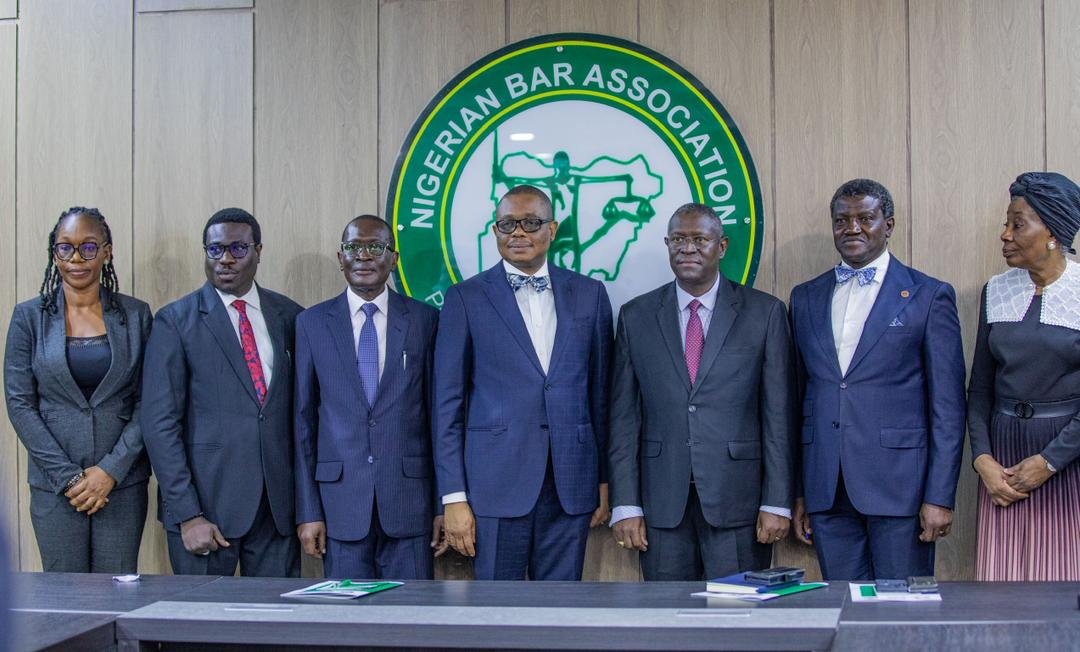
The President of the Nigerian Bar Association, Afam Osigwe (SAN), on Monday received the President of the Court of the Economic Community of West African States, Justice Ricardo Gonçalves, at the NBA National Secretariat in Abuja, where both leaders raised concerns over the poor enforcement of court judgments in the West African sub-region. Justice Gonçalves was accompanied by other judges and senior registry officials for the meeting, which centred on ways to improve compliance with ECOWAS Court rulings by member states. Osigwe stressed that the authority of the judiciary goes beyond delivering judgments and depends largely on the assurance that such decisions will be respected and implemented. He warned that when court rulings are repeatedly ignored, the integrity of the justice system is undermined, noting that enforcement remains the backbone of effective adjudication. According to him, even the most carefully reasoned judgments lose their value if they are not enforced. He also assured the regional court of the NBA’s willingness to work closely with it to develop strategies that would strengthen compliance and reinforce respect for its decisions. In his remarks, Justice Gonçalves described enforcement as a critical institutional challenge, cautioning that weak implementation mechanisms could gradually weaken public trust in regional judicial bodies. He called for stronger cooperation among the judiciary, the legal profession, the executive arm of government, and civil society to ensure timely execution of ECOWAS Court judgments, saying this was vital to preserving the court’s credibility and authority across the sub-region. Both the NBA and the ECOWAS Court expressed confidence that continued engagement and coordinated efforts would improve compliance and help protect the court’s standing in West Africa.

zz-14-1280x853.webp

2min9550
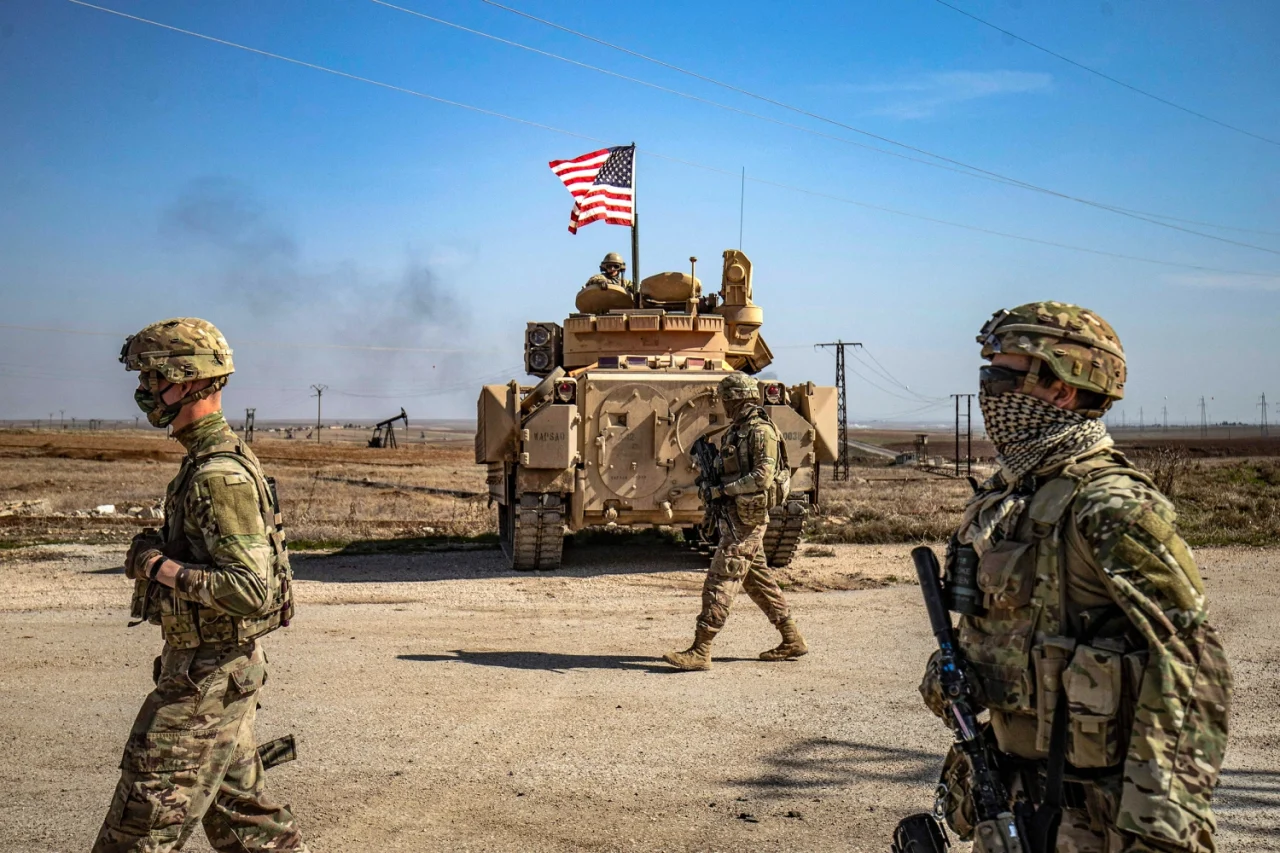
The United States is reportedly preparing to pull out its remaining 1,000 troops from Syria within the next two months, according to American media reports. The move would mark the end of Washington’s military presence in the country, following the Syrian government’s consolidation of control and a commitment by the Kurdish-led Syrian Democratic Forces previously central to the fight against Islamic State—to integrate into state institutions, the Wall Street Journal reported. The plan was also confirmed by CBS, citing unnamed US officials. The development follows the recent withdrawal of US forces from several Syrian bases, including Al-Tanf and Al-Shadadi, which had been key locations for the US-led coalition’s operations against Islamic State. In recent months, Washington has increased engagement with Syria’s new leadership after the fall of Bashar al-Assad in late 2024. During this period, thousands of Islamic State detainees were reportedly transferred from Syrian prisons to secure facilities in Iraq. At the same time, the United States has been strengthening its military posture near Iran, amid warnings from Iranian officials of possible retaliation against American forces in the region. US media also reported on Wednesday that Washington could be ready to carry out strikes against Iran as early as this weekend, although a final decision has reportedly not yet been made. The Pentagon has not issued an official response to the reports.

zz-10.webp

4min3380
Former Kaduna State Governor Nasir El-Rufai spent a second night in the custody of the Economic and Financial Crimes Commission (EFCC) on Tuesday, as his lawyer, A.U. Mustapha (SAN), pressed for his release on bail. There are indications that the EFCC may seek a remand order to extend his detention to allow investigators more time to question him. El-Rufai arrived at the EFCC headquarters in Abuja on Monday around 10 a.m. for questioning in connection with an alleged ₦432 billion corruption probe, but was kept in custody as investigators continued their inquiries. An EFCC source, speaking on condition of anonymity, confirmed that the commission was considering obtaining a remand order after the 48-hour period allowed by law to ensure investigators could complete their questioning. The source emphasized that claims circulating on social media about his release were false. “He remains with us and will continue to do so while investigators consider requesting a remand order. They need time to address issues arising from his eight-year tenure as governor of Kaduna State,” the source said. El-Rufai’s lawyer, Mustapha, confirmed in a telephone conversation that his client was cooperating fully with investigators and described him as a responsible citizen who is not a flight risk. “Mr. El-Rufai honoured the EFCC’s invitation voluntarily and is cooperating to the best of his ability. We trust that the EFCC, given its integrity, will consider granting him bail, as he is presumed innocent and will comply with any conditions,” Mustapha said. He declined to comment on the specific allegations, noting that only the EFCC could provide details. The allegations stem from a report by a legislative committee chaired by Henry Zacharia, which claimed that several loans during El-Rufai’s administration were misused. The report, presented by Speaker Yusuf Dahiru Leman, alleged that about ₦423 billion was misappropriated and recommended investigation and prosecution of El-Rufai and some former cabinet members for abuse of office, diversion of public funds, money laundering, irregular contract awards, and reckless borrowing. El-Rufai has denied all allegations, calling the investigation politically motivated, and stated that loans during his tenure were properly used for infrastructure, education, healthcare, and security. An EFCC source noted that the commission has been investigating the matter for about a year, adding that suspects are typically invited after investigations reach an advanced stage. Separately, the Department of State Services (DSS) has filed criminal charges against El-Rufai at the Federal High Court in Abuja over alleged unlawful interception of the National Security Adviser Nuhu Ribadu’s phone communications. The three-count charge, filed under the Cybercrimes (Prohibition, Prevention, etc.) Amendment Act, 2024, and the Nigerian Communications Act, 2003, alleges that El-Rufai admitted during a February 13, 2026, TV interview that he and associates unlawfully intercepted Ribadu’s communications. The charges also claim he failed to report knowledge of the interception and allegedly used technical equipment in a manner that compromised public safety and national security. El-Rufai is yet to be arraigned.

zz-2.jpg

3min3960
Peru’s Congress on Tuesday removed interim president Jose Jeri, the country’s seventh leader in a decade, following allegations of corruption. The 39-year-old was accused of irregularly approving the employment of several women within his administration and of possible graft linked to a Chinese businessman. Jeri, who assumed office in October, succeeded Dina Boluarte, who herself was ousted amid widespread protests over corruption and escalating violence tied to organised crime. Prosecutors last week launched an inquiry into whether the president exerted improper influence in government appointments. Jeri has denied all allegations, maintaining his innocence. Formerly the head of Peru’s unicameral legislature, Jeri was appointed to complete Boluarte’s term, which runs until July, after national elections scheduled for April 12. Under the constitution, he was not eligible to contest the presidency. His tenure was overshadowed by claims from an investigative television programme that several women were improperly hired in the presidential office and the environment ministry after meeting with him. Prosecutors later said the number involved was nine. Jeri is also being investigated over alleged “illegal sponsorship of interests” linked to a private meeting with a Chinese businessman said to have commercial dealings with the government. Some analysts have suggested political manoeuvring played a role in his impeachment, coming just weeks before elections that have drawn a record number of more than 30 candidates. Among the most vocal critics calling for his removal was Rafael López Aliaga of the right-wing Popular Renewal party, who is currently leading opinion polls. Congress is now expected to elect a new parliamentary leader on Wednesday. The individual chosen will automatically assume the role of interim president until July. Four lawmakers have declared their candidacy, including María del Carmen Alva, a former speaker of Congress. She faces competition from left-leaning legislator José Balcázar, veteran socialist Edgar Raymundo, and Héctor Acuña, whose party has faced corruption allegations. Political analyst Augusto Álvarez warned that finding a replacement with broad legitimacy would be difficult, citing concerns over inefficiency and persistent corruption within the current Congress. Peru has now seen seven presidents since 2016, many of whom have been impeached, investigated, or convicted of wrongdoing. The country is also battling a surge in violent extortion, which has killed dozens of people, particularly public transport drivers targeted when companies refuse to pay protection money. Official figures show reported extortion cases have risen more than tenfold in just two years, climbing from 2,396 to over 25,000 by 2025

zz-1-1280x640.avif

3min4490
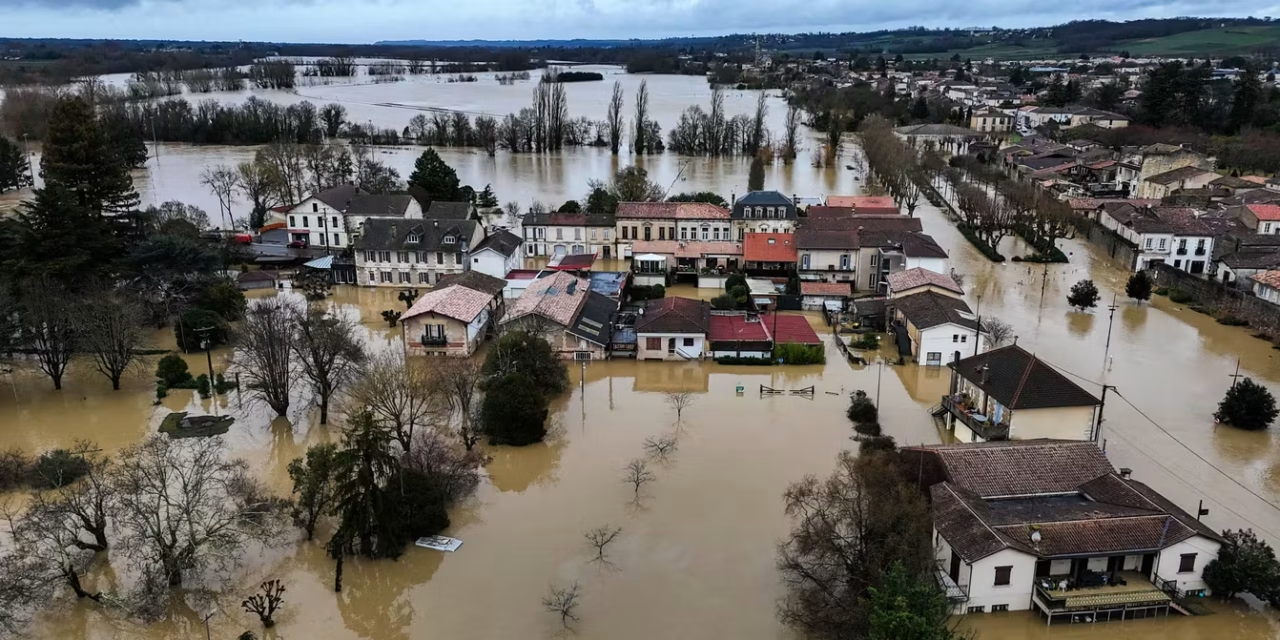
Several cities across France are bracing for renewed flooding following days of intense storms that have battered large parts of the country. French authorities have placed multiple regions on the highest flood alert, warning that rising water levels could continue to cause serious damage in the coming days. Meteorological services say heavy flooding is likely between Wednesday and Thursday as another storm system moves through the country. Latest updates from the national flood monitoring agency show that about 70 departments remain on flood watch, with three under red alert and 15 on orange alert. Maine-et-Loire in western France has now been added to the highest-risk category, alongside Gironde and Lot-et-Garonne in the south-west. Officials warned that Angers, in the Loire Valley, could face major flooding from the River Maine on Tuesday and Wednesday. Further south, the River Garonne, which had already overflowed between Agen and Bordeaux, was expected to rise again after a brief lull. The severe weather has already claimed at least one life, after a lorry driver was killed when a tree fell during the storm in western France. Nearly 900,000 homes were left without electricity at the height of the disruption. Powerful winds, with gusts reaching up to 162km/h near the south-west coast, forced the closure of Alpine ski resorts due to a high avalanche risk, while trees were uprooted and roads submerged. Electricity providers earlier reported that hundreds of thousands of households, particularly in southern France, were without power as crews worked to restore supply. The storm system also caused widespread disruption beyond France, affecting parts of northern Spain and Portugal. Flights, trains, and ferry services were cancelled, major roads were blocked, dozens of people were injured in Spain, and a viaduct in Portugal partially collapsed due to flooding. Forecasters have described the storm as unusually powerful, noting that the succession of heavy rainfall has left soils extremely saturated. Hydrologists warned that even modest additional rainfall could trigger further flooding. Red flood alerts are expected to remain in place in Gironde, Lot-et-Garonne, and Maine-et-Loire, although officials say the number of areas under orange alert may slightly decline. France’s Minister for the Ecological Transition said a state of emergency would be declared once floodwaters recede, allowing insurance claims to be fast-tracked. She noted that climate experts had long warned such extreme events would become more frequent, adding that those predictions were now becoming reality. The head of the national flood monitoring service also described the series of rainstorms as exceptional, stressing that with ground conditions already at record saturation levels, as little as 20–30mm of additional rainfall could lead to new flooding.

zz-17.jpeg

3min7510
The United States has frozen the assets and property of eight Nigerians accused of links to Boko Haram and the Islamic State of Iraq and the Levant (ISIL). The announcement appeared in a 3,000-page document from the US Treasury Office of Foreign Assets Control, dated February 10, 2026, and obtained on February 16, 2026. The document also listed individuals sanctioned for cybercrime and other security threats. Those named include Salih Yusuf Adamu, Babestan Oluwole Ademulero, Abu Abdullah ibn Umar Al-Barnawi, Abu Musab Al-Barnawi, Khaled (or Khalid) Al-Barnawi, Abu Bakr ibn Muhammad ibn Ali Al-Mainuki, Ibrahim Ali Alhassan, and Nnamdi Orson Benson. The sanctions follow recommendations from the US Congress for visa restrictions and asset freezes on individuals and groups accused of violating religious freedoms and persecuting Christians in Nigeria. Former Kano State Governor Dr. Rabiu Kwankwaso, along with the Miyetti Allah Cattle Breeders Association of Nigeria and its Kautal Hore faction, were also among entities recommended for similar sanctions. The OFAC document, titled Specifically Designated Nationals and Blocked Persons List, provides notice of actions against individuals and entities whose property is blocked under US counter-terrorism measures. Salih Yusuf Adamu, also known as Salihu Yusuf, born August 23, 1990, in Nigeria, was identified for ties to Boko Haram. He was among six Nigerians convicted in 2022 in the UAE for setting up a Boko Haram cell to raise funds for insurgents in Nigeria, attempting to transfer $782,000 from Dubai. Abu Abdullah ibn Umar Al-Barnawi, known as Ba Idrisa, was flagged under terrorism-related sanctions. Abu Musab Al-Barnawi, also called Habib Yusuf, and Khaled (or Khalid) Al-Barnawi, born in 1976 in Maiduguri, were similarly listed for Boko Haram links. Abu Bakr ibn Muhammad ibn Ali Al-Mainuki, also known as Abu-Bilal Al-Minuki, was identified as having ties to ISIL. Nnamdi Orson Benson was listed under cybercrime-related sanctions. The sanctions block all property and interests of the named individuals within US jurisdiction, and US persons are generally prohibited from engaging in transactions with them. These measures are applied under Executive Order 13224, which targets individuals and groups involved in terrorism financing. Boko Haram has been designated a foreign terrorist organization by the US since 2013 and is responsible for numerous deadly attacks across northern Nigeria and the Lake Chad Basin. Washington’s sanctions reflect continued efforts to counter terrorism financing, cyber threats, and support for global security. In October 2025, Donald Trump announced that Nigeria would be added to the US State Department’s list of “Countries of Particular Concern” over alleged religious persecution against Christians, marking the country’s second designation under this watchlist. Nigeria had first been designated in 2020 under Trump and later removed by former President Joe Biden.

zz-16.jpeg

2min6820
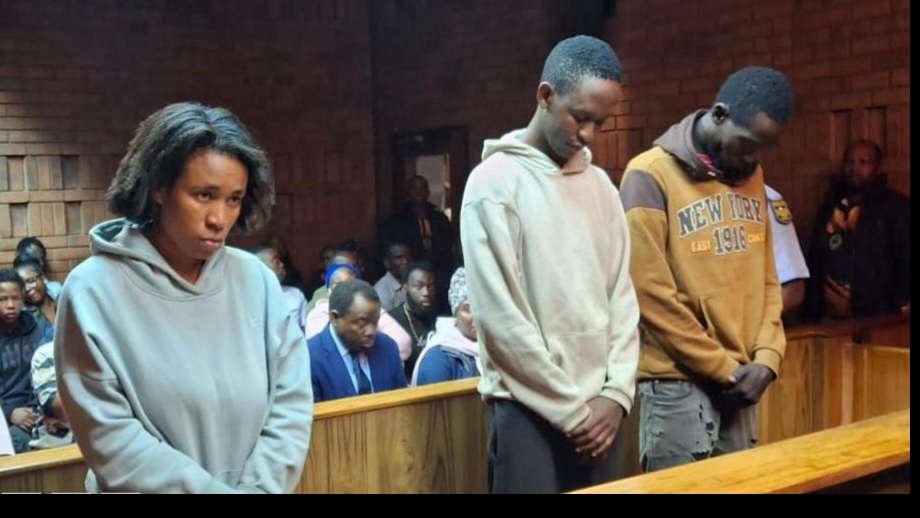
The Pretoria Magistrate’s Court has ordered the continued detention of three suspects in connection with the killing of a Nigerian student and e-hailing driver, Isaac Satlat. Local broadcaster eNCA reported that the suspects Dikeledi Mphela (25), Gotseone Machidi (26) and McClaren Mushwana (30) appeared in court on Monday and were remanded in custody until February 23 while investigations continue. They are facing charges of murder and carjacking. Satlat, a 22-year-old mobile engineering student, was allegedly killed on February 11 after responding to an e-hailing request. Video footage said to be from his vehicle’s dashboard camera, which has circulated on social media, reportedly shows passengers strangling him. According to eNCA, Mphela turned herself in to police on Friday, while Machidi and Mushwana were arrested over the weekend. None of the suspects applied for bail. A fourth suspect later surrendered to police in Atteridgeville on Monday and is expected to appear before the same court on Tuesday on similar charges. Outside the court, members of e-hailing associations and civil society groups staged a protest, calling for justice and describing Satlat as a gentle and well-regarded member of the community. Reacting to the case, the Nigerians in Diaspora Commission praised the show of solidarity by South Africans and said it was closely following the proceedings to ensure transparency and justice for Satlat’s family and the Nigerian community.