Author: Lifestyle & Wellness Desk

zz-25.webp

6min5920
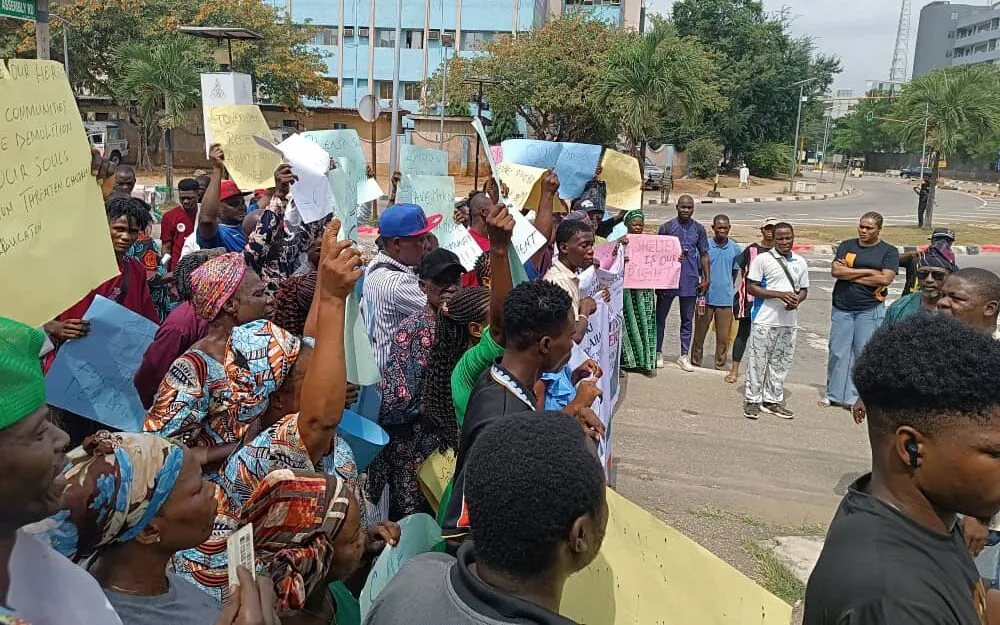
Residents across several parts of Lagos State have raised alarm over the rapidly rising cost of house rents, describing the situation as suffocating and calling for urgent legislative and executive action to avert a worsening housing crisis. In interviews on Tuesday, residents said rent now consumes nearly half or in some cases more of their annual income, leaving little room for savings or basic living expenses. A 2023 assessment of Nigeria’s housing market found that households spend between 50 and 70 per cent of their income on rent, far exceeding the globally recommended benchmark of 30 per cent. The report described the trend as evidence of deep structural problems rather than a temporary surge. Rasaq Adebanjo, a resident of Ogba, said the cost of accommodation in Lagos had become unbearable. “House rents have become extremely expensive. Some landlords even insist on automatic rent increases after three years. Finding a place you can afford without it swallowing your entire yearly income is very difficult,” he said. A National Youth Service Corps member, Mercy, recounted her experience searching for accommodation shortly after arriving in Lagos. “When I got to Lagos, my first concern was housing. An agent asked for ₦1.5 million for a mini flat in Surulere not even on the Island. I was shocked,” she said. She added that pooling resources with colleagues still did not make accommodation affordable, despite earning a monthly allowance of ₦77,000 and an additional ₦30,000 stipend from her place of primary assignment. Peter, a recent graduate who relocated to Lagos for work, said high rents had forced him to live with a relative in Ogun State. “I currently stay in Ogun State, and transport costs are extremely high. I honestly don’t understand how people cope with living and working in Lagos,” he said. A banker based in Obalende, Damola Hafiz, warned that the situation could deteriorate further without decisive intervention. “Last year, I paid ₦800,000 for rent. Early this year, my landlord increased it to ₦900,000 for a single room in Ketu. I was asked to move out when I said I couldn’t afford it,” he said, adding that he eventually had to plead to remain after seeing the realities of the rental market. Another tenant, Moses, who lives in Ikeja, said escalating living costs had made saving nearly impossible. “When someone earns ₦300,000 monthly and still cannot save ₦50,000 after a year because everything goes into rent, food and transport, it leads to frustration and desperation,” he said. Commenting on the issue, Ayodele Adio, an aspirant for the Eti-Osa seat in the Lagos State House of Assembly, described the situation as a full-blown rent crisis. He said many working residents now spend between 60 and 70 per cent of their income on rent and transportation combined. “When people are using almost all their earnings just to secure shelter and get to work, the system is clearly broken,” he said. Citing inflation data from the National Bureau of Statistics, Adio proposed linking rent increases strictly to official inflation rates. Under his proposal, landlords would only be allowed to raise rents within the previous year’s inflation margin, with slight variations based on location. He also pledged to sponsor legislation to cap agency and legal fees at five per cent, mandate a minimum of 12 months’ notice before rent increases, and limit rent adjustments to once every three years. In addition, he called for tighter regulation of short-term rental platforms such as Airbnb, arguing that their rapid expansion has reduced the availability of long-term housing. “These are short-term stabilisers. The core issue is housing supply,” he said. Adio advocated the construction or facilitation of at least 20,000 housing units annually over the next decade to ease pressure on the market, stressing that government involvement was critical. “Land is expensive, building materials cost more, and financing is increasingly costly. If housing delivery is left solely to the private sector, prices will continue to rise. Government intervention is essential,” he said. He also called for mortgage reforms to enable working-class residents to access long-term financing at affordable rates, noting that reducing housing and transport costs would free up household income, stimulate economic activity and promote growth. When contacted, the Lagos State Commissioner for Information and Strategy, Gbenga Omotoso, requested a callback, but further attempts to reach him were unsuccessful as of the time of filing this report.

zz-22.webp

3min8980
New US tariffs on imported goods took effect on Tuesday as President Donald Trump moved to advance his trade agenda following a Supreme Court ruling that struck down several of his global duties. According to a White House statement released Friday, the tariffs, initially set at 10%, are intended “to address the large and serious United States balance-of-payments deficits.” Trump has signaled plans to raise the rate to 15%, while maintaining exemptions for goods covered by sector-specific investigations and under the US-Mexico-Canada trade agreement. Although the Supreme Court on Friday invalidated many of Trump’s sweeping tariffs, his targeted duties on products such as steel and automobiles remain in place. The ruling, however, opens the door to potential disputes over refunds for tariffs previously imposed. The new 10% duty, effective Tuesday, will last 150 days unless extended by Congress, and is seen as an interim measure toward a more permanent trade strategy. US Customs and Border Protection confirmed it would stop collecting tariffs struck down by the court and begin enforcing the new 10% duties simultaneously. The conservative-majority Supreme Court ruled six to three that Trump had exceeded his authority under a 1977 law to impose sudden tariffs on specific countries. Erica York, vice president of federal tax policy at the Tax Foundation, estimated that the new tariffs would apply to $1.2 trillion in imports annually, or roughly 34% of total US imports. She added that Trump’s previous tariffs raised the average US household’s tax burden by $1,000 in 2025, while current and new duties are expected to impose a $700 household burden in 2026. Trump maintained on Monday that the Supreme Court decision gave him “far more powers and strength” to act against foreign countries, including through the use of licensing mechanisms. Wendy Cutler, former US trade official and senior vice president at the Asia Society Policy Institute, commented that with his “tariff wings clipped,” Trump may rely on licensing fees to signal displeasure, though such measures lack the direct financial impact of tariffs. The president also warned of potential increases in tariffs on countries he perceives as “playing games” following the court ruling. Over the past year, Trump has adjusted tariff rates on partners frequently, using them as leverage in trade negotiations. US Trade Representative spokesperson Jamieson Greer stated that existing tariff agreements remain valid despite the ruling and that partners are expected to honour them. However, the proposed 15% duty for some nations, including the UK and Australia, would exceed the previous 10% rate. Cutler noted that Trump’s measures could heighten frustration among US trade partners and potentially accelerate their efforts to diversify away from reliance on the United States.

zz-18.jpg

3min10130
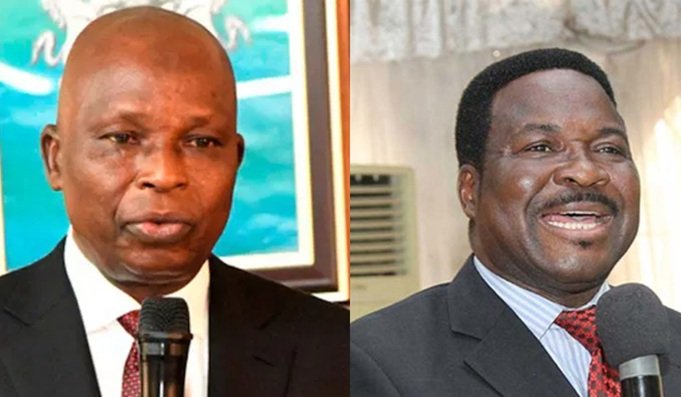
The Office of the Attorney General of the Federation has withdrawn the criminal charges against senior advocate Mike Ozekhome over allegations of forgery. The announcement was made on Tuesday at the High Court of the Federal Capital Territory in Maitama. The Director of Public Prosecution of the Federation, Rotimi Oyedepo, informed Justice Peter Kekemeke that the Attorney General had decided to review the case holistically to determine the most appropriate course of action. Following the application, which was unopposed by the defence team led by Paul Erokoro, the court struck out the three-count charge against Ozekhome. Ozekhome had previously been arraigned on allegations of forgery and related offences in a case originally filed by the Independent Corrupt Practices and Other Related Offences Commission. The anti-graft agency had accused him of fraud, forgery, and using false documents in connection with a disputed property in London. Prosecutors claimed that he received a property at 79 Randall Avenue, London NW2 7SX, allegedly presented as a gift, and allegedly used a forged Nigerian passport in support of the claim, which they argued violated provisions of the Corrupt Practices and Other Related Offences Act and the FCT Penal Code. On January 29, 2026, Oyedepo notified the court that the Attorney General had taken over the prosecution from the ICPC under Section 174 of the Constitution, which empowers the Attorney General to institute, assume, or discontinue criminal proceedings. He explained that the decision, made in collaboration with the ICPC, was intended to ensure the prosecution adheres to the highest standards of diligence, due process, and effectiveness. Public interest, fairness, and strengthening confidence in the criminal justice system were cited as guiding factors. Inter-agency cooperation in the fight against corruption was also highlighted as part of the rationale. Oyedepo assured the court that the defendant’s rights would be protected and that no party would be disadvantaged during the review. He requested the court to take judicial notice of the Attorney General’s formal takeover of the trial and sought an adjournment to retrieve and examine the case file from the ICPC. Justice Kekemeke granted the request and formally struck out the charges.

zz-16-1280x1034.jpg

5min5450
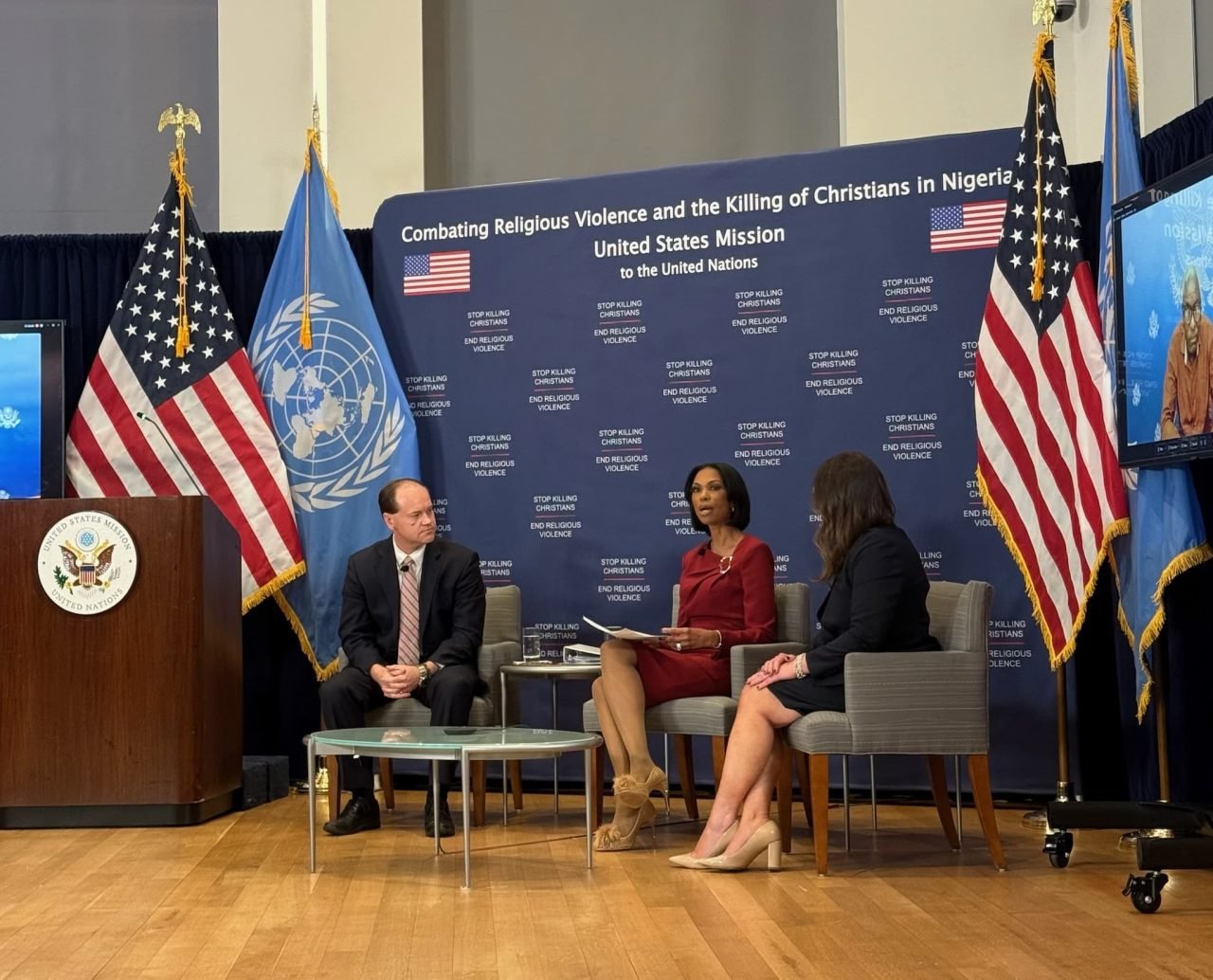
The United States Congress has called for a far-reaching bilateral agreement between Washington and Abuja aimed at safeguarding vulnerable Christian communities, dismantling jihadist networks, and countering Chinese and Russian influence in Nigeria. The call followed a joint resolution by the House Appropriations Committee and the House Foreign Affairs Committee, shared on X on Tuesday by Congressman Riley Moore. In a statement titled “Ending the Persecution of Christians in Nigeria,” lawmakers praised President Donald Trump for redesignating Nigeria as a Country of Particular Concern (CPC), describing the decision as a firm step toward holding perpetrators of violence accountable. In October 2026, the United States announced for the second time that Nigeria would be added to the US Department of State list of Countries of Particular Concern. Trump later said Nigeria was being placed on a religious freedom watchlist, alleging that Christians were being persecuted and killed. Nigeria was first designated a CPC in 2020 under Trump’s administration, but the status was reversed shortly after former President Joe Biden assumed office. In February, US lawmakers also recommended visa bans and asset freezes against individuals and groups accused of violating religious freedom and targeting Christians in Nigeria. Those mentioned included former Kano State governor Rabiu Kwankwaso, the Miyetti Allah Cattle Breeders Association of Nigeria, and Miyetti Allah Kautal Hore. Commending Trump’s action, the House Appropriations Committee said the redesignation was intended to compel Nigerian authorities to protect vulnerable communities and bring an end to religious persecution. Congressional investigations and findings According to the statement, Trump directed Rep. Moore, House Appropriations Chairman Tom Cole, and the committee to investigate what lawmakers described as the persecution and killing of Christians in Nigeria. As part of the probe, Appropriations Vice Chair Mario Díaz-Balart convened an investigative roundtable and led a congressional delegation to Nigeria. Separately, House Foreign Affairs Committee Chairman Brian Mast and Africa Subcommittee Chairman Chris Smith organised hearings featuring testimony from government officials and civil society groups. The committees said the process culminated in a set of policy recommendations. In their findings, lawmakers declared Nigeria “the deadliest place in the world to be a Christian,” alleging that Christians face persistent attacks by armed Fulani militias and terrorist groups, leading to tens of thousands of deaths, destruction of churches and schools, and widespread kidnappings. They also criticised blasphemy laws enforced in parts of northern Nigeria, arguing that the laws are used to suppress dissent, target Christians and minorities, and secure convictions without due process. While acknowledging Nigeria as a key US partner, Congress insisted the government must show stronger political commitment. Although Nigeria remains an important ally, the statement said, authorities must allocate domestic resources to reduce and ultimately end the violence. Lawmakers urged both countries to seize the moment to redefine their partnership in a way that enhances security, prosperity, and stability. Proposed bilateral agreement Central to the recommendations is a proposed bilateral security and economic pact. Congress urged Trump to pursue an agreement with Nigeria focused on protecting Christian communities, eliminating jihadist threats, expanding economic cooperation, and countering regional adversaries, including China and Russia. Under the proposed deal, Nigeria would co-fund humanitarian assistance particularly through faith-based organisations—with priority given to internally displaced persons in predominantly Christian areas of the Middle Belt. Other proposals include strengthening early-warning systems to prevent attacks and kidnappings, deploying capable security forces for rapid response, clearing armed militias from seized farmlands, and enabling displaced communities to return home safely. Lawmakers also called for expanded security cooperation, including reducing reliance on Russian military hardware in favour of American defence systems through sales and financing arrangements. Additional recommendations covered technical support for disarmament and reintegration programmes, reforms in livestock management and ranching, land reforms, and improved recruitment and training within Nigeria’s security forces. The committees further advocated enhanced counter-terrorism collaboration, provision of excess US defence equipment where necessary, and measures to curb what they described as destabilising Chinese illegal mining activities. Other measures outlined include stricter accountability for US aid, sanctions against perpetrators of religious violence, continued visa restrictions, repeal of Sharia-based criminal and blasphemy laws, audits of US assistance to Nigeria, and intelligence reviews of sectarian violence. The lawmakers said the recommendations represent a rare opportunity for meaningful change following Nigeria’s redesignation as a Country of Particular Concern.

zz-3.avif

2min10770
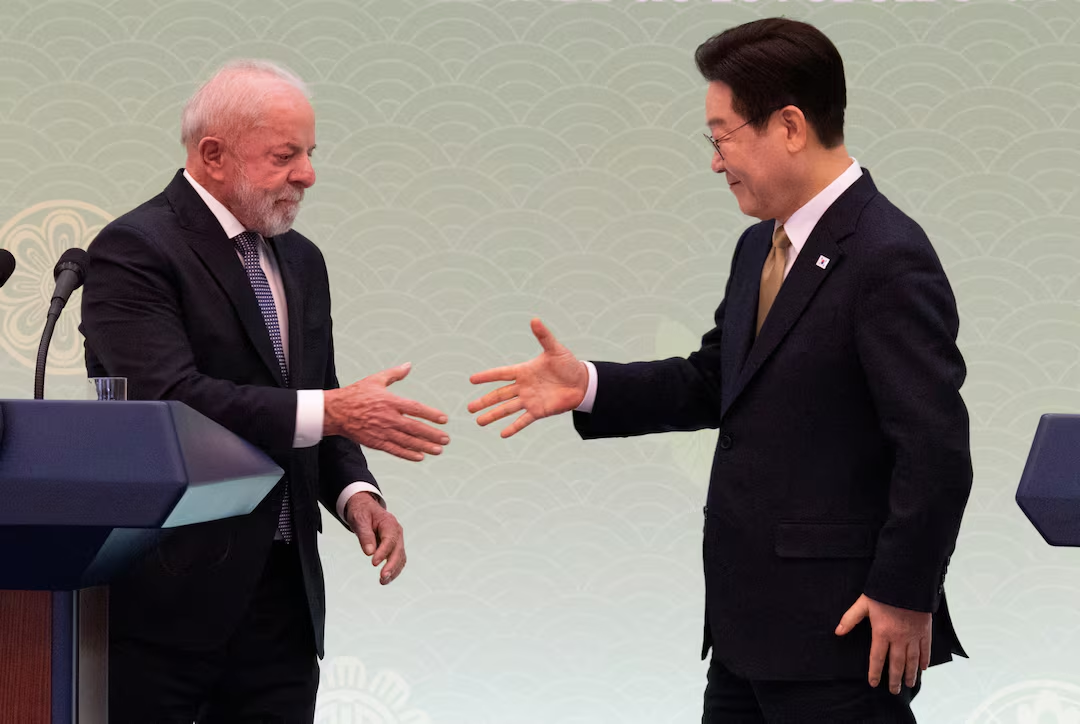
Brazilian consumers may soon find it easier to access popular “K-beauty” products following agreements reached on Monday during President Luiz Inacio Lula da Silva’s state visit to South Korea. Lula and South Korean President Lee Jae Myung signed a series of accords in Seoul spanning agriculture, trade, and broader business cooperation. Among the agreements, Lee highlighted a memorandum of understanding aimed at strengthening regulatory cooperation in the health sector, a move expected to reduce barriers for South Korean skincare and cosmetic products entering the South American market. Lee said the deal would make K-beauty products “even more accessible to Brazilian consumers.” South Korea has become a global force in the cosmetics industry, exporting skincare products worth billions of dollars annually, while Brazil ranks among the world’s largest beauty markets. At a joint press conference, Lee disclosed that annual trade between the two countries now exceeds $10 billion and announced that both nations had agreed to upgrade their ties to a strategic partnership. Lee also praised Lula’s personal resilience ahead of the summit, noting that both leaders rose from challenging childhoods to national leadership. Lee once worked in a sweatshop to support his family, while Lula left school early and survived through street trading and manual jobs. Commending Lula’s political journey, Lee described him as a symbol of democracy’s power to drive social and economic development, adding that Brazil’s continued progress under his leadership was assured. Lula was imprisoned in 2018 on corruption charges but later released after a court ruled that the judge overseeing the case had been biased. During the visit, Lee’s office hosted Lula and his wife, Rosângela, with a ceremonial welcome, including a decorative cake featuring the couple. Brazil remains one of South Korea’s most important trading partners in South America, with both countries seeking to deepen economic and diplomatic cooperation.

zz-13-1280x755.jpg

2min5700
The United States government on Sunday advised its citizens in parts of Mexico to remain indoors following outbreaks of violence, road blockades, and flight disruptions triggered by the killing of a senior cartel leader by Mexican troops. In a notice issued by the Consular Affairs division of the US State Department on social media platform X, Americans were urged to shelter in place until further notice due to extensive security operations, blocked highways, and criminal activity across several regions. The advisory noted that road closures had disrupted air travel, leading to the cancellation of multiple domestic and international flights at airports in Guadalajara and Puerto Vallarta. Mexican authorities confirmed that Nemesio Oseguera, the 59-year-old head of the Jalisco New Generation Cartel, was wounded during a confrontation with soldiers in the town of Tapalpa and later died while being airlifted to Mexico City. He had been one of the country’s most wanted figures, with a $15 million bounty offered by the United States. Canada also issued guidance to its citizens, saying it was closely monitoring developments and advising Canadians in Mexico to maintain a low profile and comply with instructions from local authorities. Ottawa specifically urged residents and travellers in the states of Michoacán, Guerrero, and Jalisco to remain indoors amid reports of gun battles with security forces and explosions. The unrest prompted several airlines to suspend operations to affected destinations. Major US carriers including United, American, Southwest, and Alaska along with Canadian airlines Air Canada and WestJet/Sunwing, cancelled flights to cities such as Puerto Vallarta, Guadalajara, and Manzanillo. Some aircraft were forced to turn back mid-flight. Southwest Airlines confirmed that four of its flights bound for Puerto Vallarta were diverted and said it plans to send planes to retrieve stranded passengers and crew once conditions stabilise.

zz-12.jpg

2min9090
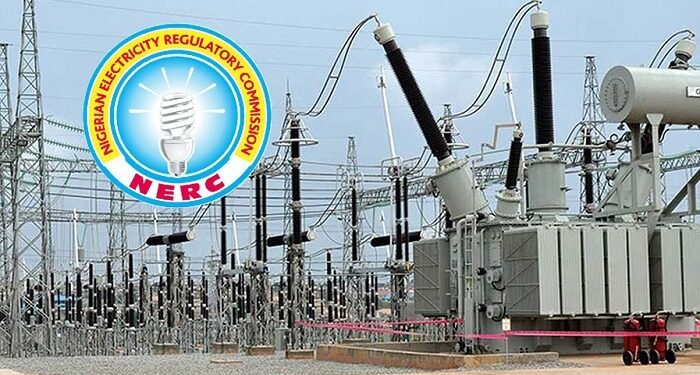
The Nigerian Electricity Regulatory Commission has released a safety advisory urging members of the public to keep a safe distance from live electrical wires and to avoid touching anyone who is in contact with electricity. In a message shared on its official X account on Monday, the commission stressed that electricity poses severe risks and that attempting to rescue a victim without proper precautions could lead to additional injuries or loss of life. The commission warned that while the instinct to help may be strong, touching a victim with bare hands or attempting to pull them away from a live source can cause the electric current to pass through the rescuer as well. NERC highlighted key safety steps, advising the public to never touch live wires or affected individuals directly, to keep a safe distance while ensuring others do the same, and to immediately contact the nearest electricity distribution company or emergency responders. Residents were encouraged to act with caution and allow trained professionals to handle electrical emergencies, noting that adherence to these guidelines can prevent further accidents and save lives. The advisory forms part of the commission’s continued efforts to raise awareness about electrical safety and reduce incidents linked to fallen power lines and other electrical hazards. The public was also encouraged to share the information widely to help protect communities.

aa-15-1280x854.jpg

3min12060
The Senate of the University of Abuja has approved the expulsion of 28 students over offences including cult-related activities, examination malpractice, drug possession and threats to life. The decision was reached at the institution’s 191st Regular Senate Meeting after deliberation on a report presented by the Student Disciplinary Committee. In a statement issued on Sunday by the Acting Director of Information and University Relations, Dr Habib Yakoob, the university said the affected students were found guilty of serious misconduct. The offences include assault, conspiracy, burglary, theft, falsification of ‘O’ Level results uploaded on the university portal for admission, as well as possession and use of hard drugs. The Senate also approved the withdrawal of certificates earlier awarded to 15 former students who failed to honour repeated invitations by the disciplinary committee. Meanwhile, nine students were cleared of wrongdoing after investigations, while 33 others received warnings for offences such as hostel racketeering, conspiracy and fighting. Reacting to the development, the Vice-Chancellor and Chairman of Senate, Prof. Hakeem Fawehinmi, said the university would not compromise its standards or tolerate actions that undermine academic integrity and campus safety. “The academic integrity of the university is sacrosanct, and we are determined that anyone who violates it will be appropriately sanctioned. Our goal is not only to enforce discipline but also to guide our students towards responsible citizenship and academic excellence,” he said. Fawehinmi added that the institution remains committed to providing a safe and conducive learning environment, noting that efforts are being intensified in student engagement, counselling and orientation programmes to promote responsible conduct and prevent future infractions. The move signals a renewed crackdown by the university management on indiscipline amid growing concerns over cultism, examination fraud and other criminal activities in tertiary institutions nationwide.

t-and-oillll.jpg

3min9600
Most Asian stock markets declined on Friday while oil prices climbed after Donald Trump heightened Middle East tensions by warning of possible military action against Iran if it failed to reach a “meaningful deal” in ongoing nuclear negotiations. The comments fuelled geopolitical unease and dampened a tentative market recovery following an AI-driven sell-off earlier in the month. Investors were also cautious ahead of key US economic data due later in the day, which is expected to offer fresh insight into the health of the world’s largest economy. Recent data releases that exceeded expectations have improved confidence in the economic outlook but reduced hopes for further interest rate cuts. Speaking at the inaugural meeting of his so-called “Board of Peace,” an initiative aimed at promoting stability in Gaza, Trump said Tehran must agree to a deal, warning that failure to do so could have serious consequences. He made the remarks as the United States moved warships, fighter jets and other military assets into the region, adding that Washington could “take it a step further” if talks collapsed. Israeli Prime Minister Benjamin Netanyahu also issued a warning, saying any attack by Iran would be met with a response of unprecedented scale. The rhetoric followed a second round of Oman-mediated talks between the United States and Iran in Geneva, part of efforts by Washington to prevent Tehran from acquiring nuclear weapons—an ambition Iran continues to deny. Fears of potential conflict in the oil-rich Middle East have driven crude prices sharply higher this week, with gains extending on Friday to their highest levels since June. Equity markets across Asia reacted nervously. Hong Kong stocks fell on reopening after a three-day holiday, while markets in Tokyo, Sydney, Wellington and Bangkok also posted losses. Seoul, however, advanced to a fresh record on continued technology sector buying, with gains also recorded in Singapore, Manila and Mumbai. City Index analyst Matt Simpson said the situation appeared more like strategic pressure than an imminent military campaign, noting that diplomacy remained active despite the heightened military posture. Meanwhile, shares in Jakarta slipped even after the United States and Indonesia reached a trade agreement following months of negotiations. The deal sets a 19 percent tariff on Indonesian exports to the US, down from a previously threatened 32 percent. Indonesia also agreed to purchase $33 billion worth of US energy products, agricultural goods and aviation equipment, including Boeing aircraft. Market snapshot (around 0700 GMT): Tokyo (Nikkei 225): down 1.1% Hong Kong (Hang Seng): down 0.7% Shanghai: closed for holiday WTI crude: up 0.9% at $67.05 per barrel Brent crude: up 0.9% at $72.27 per barrel Euro/dollar: $1.1756 Pound/dollar: $1.3448 Dollar/yen: 155.17 New York (Dow): down 0.5% London (FTSE 100): down 0.6%

zz-18-1280x731.webp

5min5140
The Socio-Economic Rights and Accountability Project (SERAP) has asked the Federal Capital Territory High Court sitting in Maitama, Abuja, to dismiss the ₦5 billion defamation suit instituted against it by officials of the Department of State Services (DSS). While adopting its final written address before Justice Yusuf Halilu, SERAP argued that the claimants failed to prove that the alleged defamatory publication was directed at them personally. The suit, marked FCT/HC/CV/4547/24, was filed by Sarah John and Gabriel Ogundele against SERAP and its Deputy Director, Kolawole Oluwadare. The claimants are seeking ₦5 billion in damages, ₦50 million as legal costs, a public apology to be published on SERAP’s website and in national newspapers as well as broadcast on television, and 10 per cent annual interest on the judgment sum until full payment. They alleged that SERAP falsely reported that DSS operatives invaded its Abuja office in September 2024, a claim they said harmed their personal reputations and that of the agency. At the resumed hearing, counsel to SERAP, Victoria Bassey, while adopting the organisation’s final written address and reply on points of law, urged the court to dismiss the suit. She argued that under established legal principles, a plaintiff in a defamation case must show that the publication clearly referred to them. Citing Supreme Court authorities, she said where a plaintiff is not expressly named, it must be shown that reasonable readers would understand the publication to refer specifically to the claimant. Bassey maintained that the publication in question referred only to the DSS as an institution and did not mention the claimants’ names, ranks, units, or any personal identifiers. She submitted that the DSS is a national security agency with thousands of personnel and that statements directed at such a broad institution could not automatically amount to personal defamation against individual officers. She therefore urged the court to strike out the suit. Counsel to the second defendant, Oluwatosin Adesioye, also adopted his final written address and described the action as unfounded, urging the court to dismiss it in its entirety. He argued that although a person need not always be named in a defamatory publication, a claimant whose identity is not expressly stated must establish special circumstances linking the publication to them. According to him, the claimants failed to do so. He further noted that the alleged identification of the claimants through vague physical descriptions was insufficient, adding that during trial, a witness admitted that he only associated the publication with the claimants after being informed by the DSS, rather than from the publication itself. Adesioye stressed that defamation must be assessed based on the understanding of an ordinary reader at the time of reading the publication, not after receiving additional information. He maintained that the claimants failed to plead or prove that they were so widely known within the DSS that readers would immediately associate the publication with them. Counsel for the claimants, Akinlolu Kehinde (SAN), in adopting their final written address dated January 30, 2026, urged the court to grant all the reliefs sought. He challenged the competence of the second defendant’s written address, arguing that it exceeded the page limit prescribed by the court rules and should therefore be discountenanced. On the substantive issue, Kehinde contended that the publication did in fact refer to the claimants, arguing that under the principle of innuendo, a defamatory statement may be established if persons with relevant background knowledge could identify the claimants as the subjects of the publication. In response, counsel to the second defendant argued that the court rules did not prescribe any specific penalty for exceeding page limits and that the court retained the discretion to overlook such irregularities in the interest of substantial justice. He also pointed out that the claimants’ own final address exceeded the permitted page limit. In his remarks, Justice Halilu observed that written addresses could not substitute for evidence already placed before the court. He noted that addresses are meant to assist the court in understanding the law in relation to the evidence, stressing that the court would ultimately be guided by the evidence on record. The judge thereafter reserved judgment in the matter.