Author: Lifestyle & Wellness Desk

zz-3.webp

2min4080
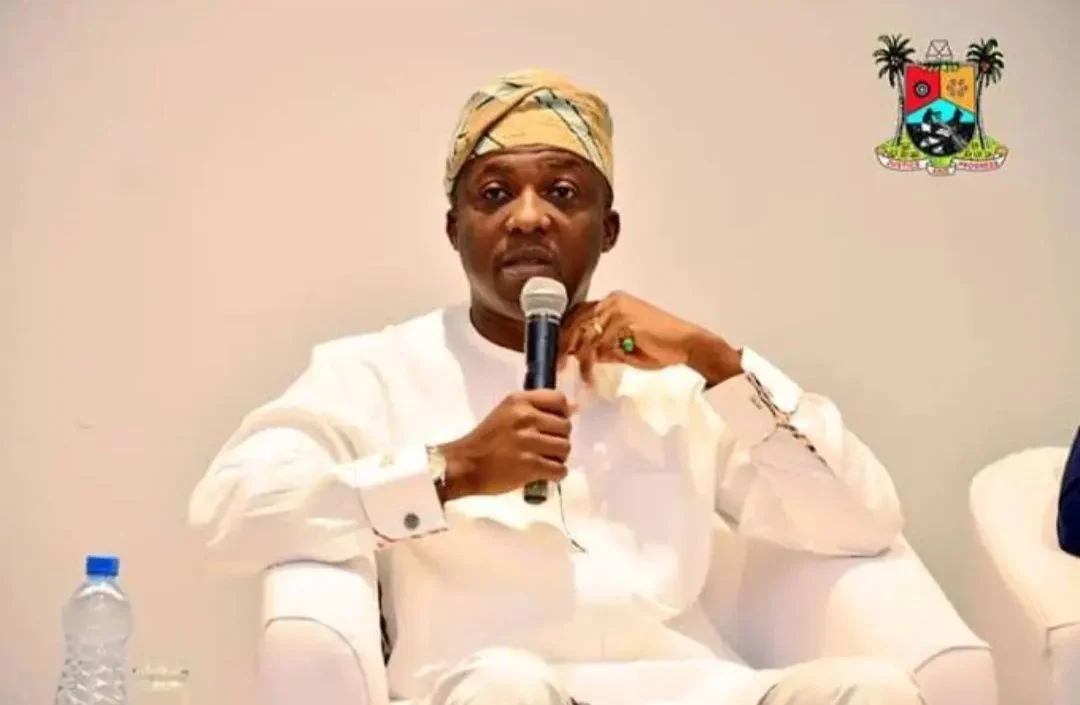
The Lagos State Government has announced plans to prosecute 75 suspected offenders arrested along the Lagos–Calabar Coastal Road during a recent clean-up operation. The Commissioner for Environment and Water Resources, Tokunbo Wahab, disclosed this in a statement shared on his Facebook page on Thursday. Wahab said the arrests were made on Wednesday during intensified sanitation and enforcement activities along the coastal corridor. The suspects include 68 men and seven women, with substances believed to be illicit drugs recovered during the exercise. He explained that as part of the ongoing clean-up drive, operatives of the Lagos State Environmental Task Force carried out a late-night raid around 10 pm, focusing on areas identified as crime hotspots. During the operation, all 75 suspects were apprehended, while suspected illegal drugs were seized at the scene. The commissioner also revealed that a task force officer, Inspector Omosanjo Mohamed, was attacked by hoodlums during the raid and suffered a serious head injury. He is currently receiving medical care. Wahab stressed that attacks on law enforcement officers carrying out legitimate duties would not be tolerated. He added that all those arrested would be dealt with in accordance with the law. According to the state government, the suspects will be charged to court after investigations, under relevant state laws covering environmental offences, public nuisance, drug-related crimes, and assault. Wahab reaffirmed the government’s determination to restore order along the coastal corridor, describing the operation as part of wider efforts to reclaim public spaces from criminal activities. He said the administration remains committed to safeguarding public areas and ensuring the safety and security of law-abiding residents across Lagos. Sections of the Lagos–Calabar Coastal Road, particularly those under construction and expansion, have recently drawn complaints from motorists and residents over harassment and rising insecurity. Officials said the latest operation reflects the state’s zero-tolerance approach to street crime and environmental violations, aimed at maintaining Lagos as a safe and economically vibrant city.


zz-1.png

3min6200
Antonín Panenka, the inventor of the famous chipped penalty technique that bears his name, has shared his thoughts on Brahim Díaz’s missed spot-kick in the AFCON final. Speaking in an interview with Spanish radio station Cadena SER, the Czech legend revealed how much dedication it took him to master the iconic move. “It took me two years of daily training to be able to take a penalty in that way,” Panenka said. According to him, Díaz may not have put in enough preparation before attempting such a high-risk technique in a high-pressure moment. “I’m convinced Brahim didn’t train it enough. The idea came to him suddenly in that moment, and he tried it. I think that’s why he didn’t score,” he explained. Panenka also dismissed claims that the technique is disrespectful to opponents. “I don’t agree. At that moment, I believed it was the right way to score. In a European Championship final, you don’t think about mocking the opponent. My intention was never to ridicule anyone. I simply believed it was the best way to score,” he said. Panenka’s opinion carries significant weight. In the 1976 European Championship final, he famously chipped the decisive penalty straight down the middle against West Germany, securing victory for Czechoslovakia. That bold moment became one of the most iconic in football history and gave birth to the term “Panenka.” Since then, many players have attempted the technique, but it remains one of the riskiest choices in football especially in decisive matches. For Morocco, Díaz’s miss was particularly heartbreaking, as the penalty could have ended the Atlas Lions’ decades-long wait for a major continental trophy. For Díaz, the moment may serve as a reminder of the importance of preparation and composure under pressure.

zz-1280x721.avif

2min3920
German automaker Mercedes-Benz on Wednesday announced its lowest annual profit since the COVID-19 pandemic, citing the impact of US tariffs and intense competition in the Chinese market. The company reported a net profit of €5.3 billion ($6.3 billion) for 2025, representing a decline of nearly 49 per cent from 2024. The result, however, exceeded analysts’ expectations, according to estimates compiled by financial data firm FactSet. Chief Executive Officer Ola Kaellenius said the results were in line with the company’s guidance despite challenging market conditions. He expressed optimism about the future, pointing to plans for more than 40 new model launches over the next three years and a strong product lineup. Mercedes-Benz expects 2026 to remain challenging, forecasting revenue of around €132.2 billion, roughly in line with the previous year. Core profit is expected to improve significantly compared with 2025, supported by the absence of one-off restructuring costs. However, the company anticipates a car business profit margin of between three and five per cent this year, potentially lower than last year’s five per cent. Following the announcement, Mercedes-Benz shares fell 4.5 per cent in early trading in Frankfurt, making it the weakest performer on Germany’s DAX index. The automaker has faced mounting pressure from US import tariffs, slowing demand in Europe and heavy investment costs linked to electric vehicle development amid uneven consumer uptake. At the same time, weakening sales in China have weighed heavily on performance. Kaellenius described the current period as a historic transformation for the auto industry, taking place in an unusually volatile global environment. China, the world’s largest automotive market, has become increasingly competitive for foreign manufacturers, with aggressive pricing and strong local rivals such as BYD and Geely. Chief Financial Officer Harald Wilhelm said the company expects further sales declines in China despite new product launches. Mercedes-Benz’s vehicle sales in China fell 19 per cent last year to their lowest level since 2016, contributing to a 10 per cent drop in global sales volumes.

zz-2.webp

3min5620
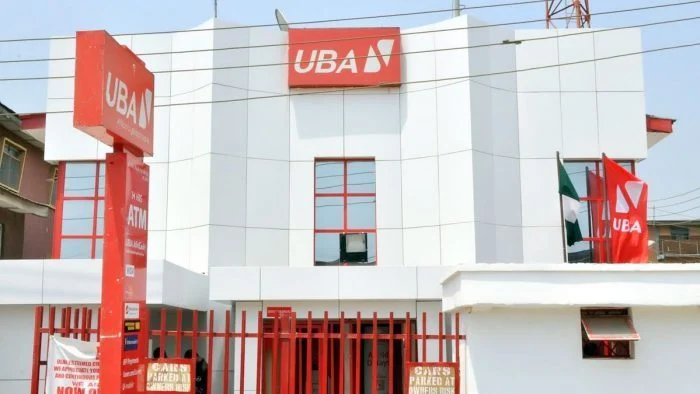
United Bank for Africa Plc has rolled out a new Aggregator Sales Structure for its RedPay POS and Agency Banking Network, a move aimed at deepening partnerships and expanding financial inclusion across Nigeria. The multi-benefit structure was unveiled at the maiden UBA Aggregator Engagement Session held on Tuesday at the bank’s headquarters in Lagos. The event, themed “POS-itive Impact: Connecting Agents, Merchants, and Customers,” provided a collaborative forum for aligning strategies to scale the UBAMONI Agency Banking ecosystem, bringing together key aggregators, POS partners and network managers. Speaking at the session, UBA’s Executive Director Designate, Digital Banking, Emmanuel Lamptey, described the initiative as a major step toward widening access to financial services. He said the engagement reinforced the bank’s commitment to working closely with aggregators and partners to strengthen the ecosystem that connects UBA to communities and ensures dependable banking services are accessible to more Nigerians. Delivering the keynote address, UBA’s Head of Digital Banking, Shamsideen Fashola, underscored the strategic importance of partnerships in achieving the bank’s digital ambitions. He explained that the new framework is designed to be scalable, transparent and mutually beneficial, equipping partners with the technology and support needed to boost agent productivity and effectively serve underserved communities. UBA noted that the platform offers significant value to both agents and aggregators, including instant settlements, reliable transaction processing, real-time dashboard reporting and a wide range of services such as dispute and terminal management, analytics, card withdrawals, bill payments and pay-with-transfer options. For aggregators, the model enables structured onboarding and management of agents, access to competitive incentives and commissions, and real-time insights through a dedicated Aggregator Admin Portal. Also speaking, UBA’s Head of Agency Banking, Adetunji Iyiola, said the new structure enhances collaboration among the bank, its merchants and agents, while improving customer service delivery. He added that the initiative provides partners with the tools and incentives needed to succeed, while ensuring banking services reach communities where they are most needed. With the introduction of the aggregator framework, UBA strengthens its position as a leader in digital financial innovation, focused on closing the inclusion gap and supporting economic empowerment across Africa.

zz-5.jpeg

3min5520
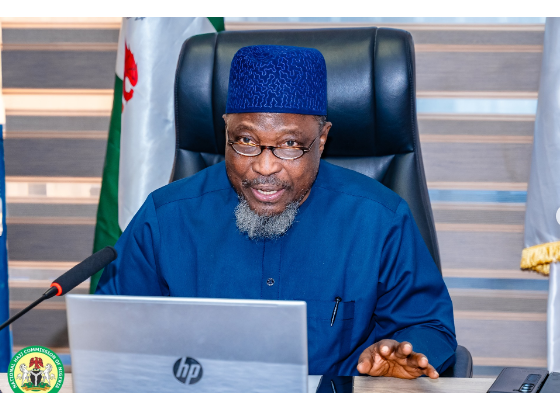
The Executive Chairman of the Nigerian Revenue Service, Zacch Adedeji, has described technology as central to the effective implementation of Nigeria’s new tax laws. Adedeji made this known on Wednesday while delivering the inaugural convocation lecture at the Federal Polytechnic, Ayede, in Ogo-Oluwa Local Government Area of Oyo State. The lecture was titled “The Role of Technology in Implementing Nigeria’s New Tax Laws: Challenges, Prospects, and Implications for National Development.” In a statement issued by his Technical Assistant on Print Media, Sikiru Akinola, Adedeji identified key challenges facing tax administration, including inadequate infrastructure, skills gaps, lack of trust and resistance to change. He said these issues would be addressed through the ongoing upgrade of Nigeria’s tax system to support digital operations. According to him, the newly enacted tax laws represent the most far-reaching overhaul of Nigeria’s fiscal framework in five decades. He explained that beyond legal reforms, the laws fundamentally redefine how authority functions within the tax system, marking a shift from manual tax collection to data-driven tax intelligence. Adedeji noted that the new laws assume the availability of reliable taxpayer identification, integrated data systems, traceable transactions, automated processes and scalable enforcement mechanisms. He stressed that the laws are designed for a digital environment and cannot function effectively within a fragmented, paper-based system. He added that technology is essential to reducing excessive human discretion in tax administration, which often leads to inconsistency, mistrust and non-compliance. With improved infrastructure, stronger capacity, greater trust and better management of resistance, technology can deliver outcomes that policy alone cannot achieve. Adedeji further highlighted that a technology-driven tax system offers the opportunity to expand the tax base without raising tax rates. He said improved visibility of economic activities would promote fairness, ease pressure on existing taxpayers and enhance the legitimacy of the tax system, leading to sustainable revenue growth. Also speaking at the event, the Speaker of the House of Representatives, Tajudeen Abbas, urged graduating students to serve as worthy ambassadors of the institution and continue to pursue knowledge. He was represented by the senator representing Oyo North, AbdulFatai Buhari. The Chairman of the institution’s Governing Council, Yakubu Datti, praised Adedeji for spearheading reforms in Nigeria’s tax structure, while the Rector, Dr Taofeek Abdul-Hameed, encouraged graduates to draw inspiration from Adedeji’s career, noting that he began his academic journey at a polytechnic.

zz.webp

3min4490
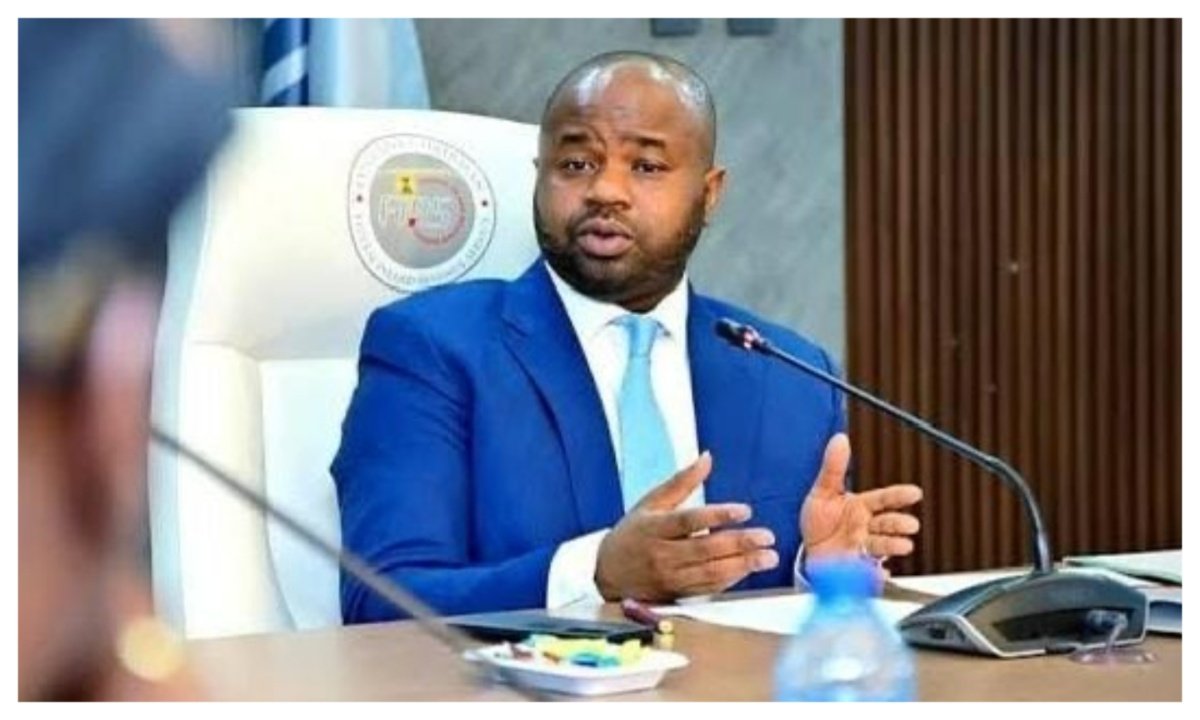
The Chairman and Chief Executive Officer of the National Hajj Commission of Nigeria (NAHCON), Prof Abdullahi Usman, has formally confirmed his resignation. In a statement issued on Tuesday in Abuja and signed by him, Usman said his decision to step down was taken for personal reasons, dismissing any suggestion of wrongdoing. His resignation comes amid reports that members of the NAHCON board had submitted a petition to President Bola Tinubu seeking his removal over alleged misconduct. The petition, dated January 19, 2026, and signed by 11 board members, expressed a vote of no confidence in the former chairman and accused him of financial indiscipline, lack of transparency and approving expenditures and contracts without board approval, allegedly beyond budgetary limits. The petition also claimed that such actions amounted to serious breaches of financial governance and noted that he was reportedly under investigation by the Economic and Financial Crimes Commission. It further alleged that some Hajj-related contracts were awarded in violation of the Bureau of Public Procurement Act and due process, exposing the commission to legal, financial and reputational risks. In his statement, Usman said his resignation takes effect from Monday, February 9, 2026. He stressed that the decision followed personal reflection and consultation with his family, and was made with respect for the responsibilities of public office. He added that, in line with the National Hajj Commission of Nigeria (Establishment) Act, 2006, he had submitted his resignation in writing to President Tinubu. Usman expressed gratitude to the President for the opportunity to serve, as well as to Vice President Kashim Shettima for his support during his tenure. He also thanked the NAHCON board, management and staff, state pilgrims’ welfare agencies, tour operators, aviation and service providers, and Nigerian partners in Saudi Arabia for their cooperation. Reiterating his position, Usman maintained that his resignation was solely for personal reasons and did not reflect dissatisfaction with the commission, the government or its mandate. Before stepping down, his last official engagement was the reception of Saudi Arabia’s Minister of Hajj and Umrah, Dr Tawfiq Al-Rabiah, in Abuja last week. Prof Usman was appointed chairman of NAHCON by President Tinubu in 2024.

zz-2.jpeg

2min3560
The Board of BUA Foods Plc has announced the appointment of Mr Isyaku Abdulsamad “Khalifa” Rabiu as Chief Officer, Global Procurement and Strategic Operations. In a statement issued on Wednesday, the company said the appointment marks a significant step in strengthening its leadership position in the market. The board described Rabiu as an experienced executive with a strong track record in driving strategic initiatives across multiple sectors. An expert in supply chain resilience and cost optimisation, Rabiu will oversee BUA Foods’ global procurement operations as the company expands its footprint in the food and fast-moving consumer goods (FMCG) segments. Management noted that his leadership is anchored on sustainable growth and operational efficiency. Rabiu has professional experience spanning the food, cement and animal feed industries, where he has focused on strengthening supply chains and reducing operational risks. Prior to his new role, he served as Director of Special Operations at BUA Group, where he was credited with stabilising raw material supply during periods of market volatility. According to the company, he played a key role in strengthening strategic raw material procurement, particularly wheat sourcing, which enhanced supply continuity for its flour business. He also led the establishment of a 40-metric-tonne-per-hour animal feed mill and contributed significantly to the group’s recent agribusiness expansion. BUA Foods further noted that Rabiu was instrumental in the commercial re-entry of BUA Rice Mills, overseeing the successful return of BUA rice products to the Nigerian market. Rabiu is a graduate of Regent’s University London, where he earned a degree in International Relations, and holds a Master’s degree in Management from Georgetown University’s McDonough School of Business. The company encouraged stakeholders to join in congratulating him as he assumes the new role in support of BUA Foods’ long-term growth strategy.

zz.png

3min6980
The Federal Government has directed the National Agency for Food and Drug Administration and Control (NAFDAC) to suspend all enforcement actions connected to the proposed ban on sachet alcohol and 200ml PET bottle alcoholic beverages. The directive also instructed the agency to immediately halt the sealing of factories and warehouses linked to the issue. This was disclosed in a statement issued on Wednesday in Abuja by the Special Adviser on Public Affairs to the Secretary to the Government of the Federation (SGF), Terrence Kuanum. According to the statement, the decision followed a joint intervention by the Office of the SGF and the Office of the National Security Adviser, which raised concerns about the security implications of continuing enforcement in the absence of a fully implemented National Alcohol Policy. As a result, all actions, decisions and enforcement measures related to the sachet alcohol ban are to remain suspended pending final consultations, full implementation of the policy and the issuance of further directives. Kuanum noted that while the National Alcohol Policy has been signed by the Federal Ministry of Health in line with the directive of President Bola Tinubu, both offices maintained that NAFDAC must refrain from enforcement until the policy is fully operational. The government said the suspended measures include factory shutdowns, warehouse sealing and public actions emphasising the ban. It warned that ongoing closures and what it described as a de facto ban, without a harmonised policy framework, were already causing economic disruption and creating security risks by affecting jobs, supply chains and informal distribution networks across the country. The statement added that the directive reaffirmed an earlier instruction issued by the SGF’s office in December 2025, which halted all actions on the proposed ban pending consultations and a final decision. Kuanum also disclosed that the SGF’s office had received a letter dated November 13, 2025, from the House of Representatives Committee on Food and Drugs Administration and Control, expressing concerns over NAFDAC’s planned enforcement actions and drawing attention to existing resolutions of the National Assembly on the matter. The Federal Government said it is reviewing legislative resolutions, public health considerations, economic implications and broader national interest issues surrounding the policy. It further noted that the involvement of the National Security Adviser underscored that the matter had moved beyond regulatory concerns, cautioning that premature enforcement without coordinated policy implementation could destabilise communities, worsen unemployment and heighten security challenges. The government assured Nigerians and industry stakeholders that a final decision would be communicated after consultations and inter-agency coordination, in line with public health goals, economic stability and national security interests.

99-2.webp

2min7120
Kenya has said it will engage Russia over reports that its citizens are being recruited to fight in the war in Ukraine, describing the practice as unacceptable. Foreign Minister Musalia Mudavadi said the Kenyan government has shut down illegal recruitment networks and will urge Moscow to enter into an agreement banning the conscription of Kenyan nationals. The government estimates that about 200 Kenyans have been recruited to fight for Russian forces, though the exact figure remains unclear as none are believed to have travelled through official channels. Mudavadi said Kenya’s discussions with Russia would focus on stopping illegal recruitment, reviewing visa policies, and strengthening bilateral labour agreements to exclude military service. Authorities have closed more than 600 recruitment agencies accused of deceiving Kenyans with promises of overseas employment. So far, 27 Kenyans who fought in Russia have been repatriated and are receiving psychological support to address trauma. The number of Kenyan casualties remains unknown, and Russian authorities have not formally responded to the reports. Mudavadi said efforts are ongoing, in coordination with Ukraine, to recover and repatriate the remains of Kenyans who died in the conflict. Public pressure has mounted on the Kenyan government following the discovery of more bodies of citizens recruited to fight for Russian forces. While some families have blamed authorities for failing to curb illegal recruitment, the government maintains it has acted decisively by dismantling such networks. Ukrainian intelligence estimates that more than 1,400 fighters from 36 African countries have been recruited by Russia. Ukrainian officials have warned that foreign nationals fighting for Russian forces will be treated as enemy combatants and advised surrender as the only safe exit.

99-1.jpg

3min4240
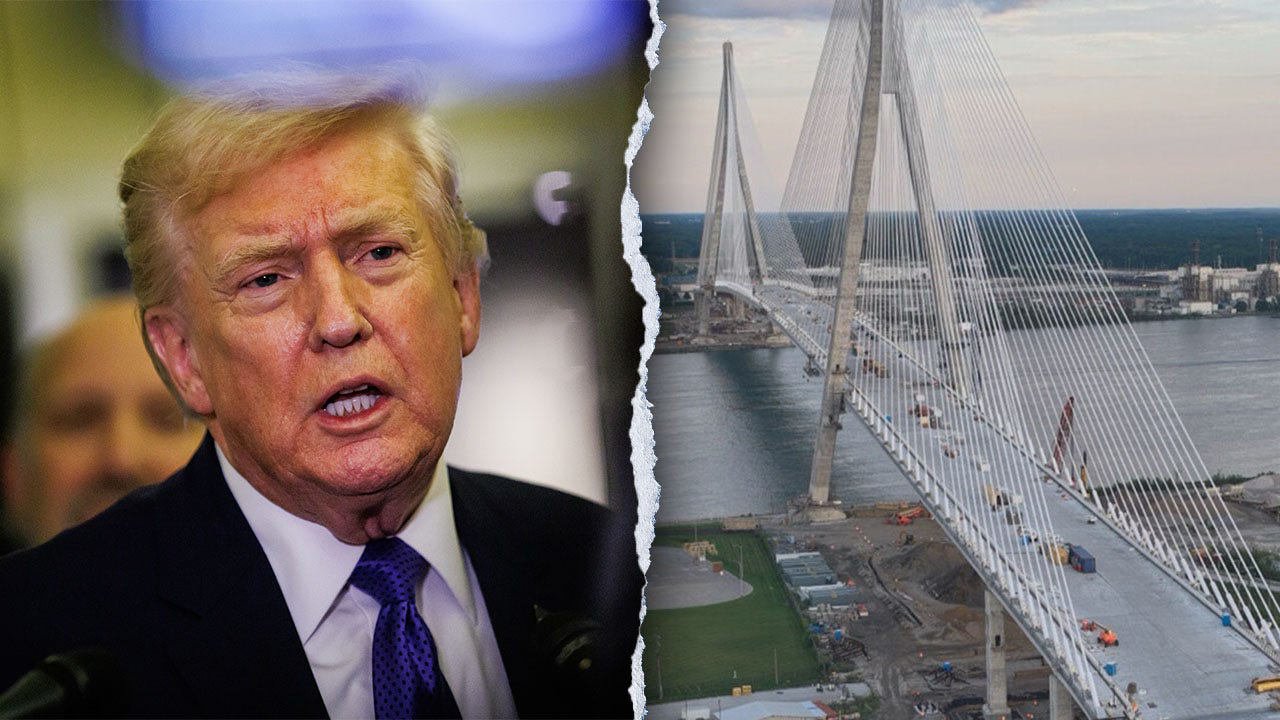
President Donald Trump has threatened to block the opening of a major bridge linking the United States and Canada, insisting that Washington must be “fully compensated” for what he described as long-standing imbalances in the relationship between the two countries. The Gordie Howe International Bridge, which connects Ontario in Canada to Michigan in the United States, would not be allowed to open until Ottawa treats the US with what Trump called “fairness and respect.” He made the remarks in a post on social media. Project details show that the bridge is being financed by the Canadian government, while ownership will be shared by Canada and the US state of Michigan. Michigan Senator Elissa Slotkin criticised the threat, warning that blocking the opening of what she described as a vital infrastructure project would harm the state’s economy. She said such a move could raise costs for businesses, weaken supply chains, and lead to job losses. It remains unclear how the US president could prevent the bridge from opening, though Trump said negotiations would begin immediately without providing further details. The bridge spans the Detroit River and is expected to open to traffic later this year, pending final testing and regulatory approvals. Construction began in 2018, following more than a decade of debate between both countries. The project is estimated to have cost about 6.4 billion Canadian dollars. Trump also argued that the United States should own at least half of the bridge, suggesting that Canada currently controls both sides of the structure. The agency overseeing the project, the Windsor-Detroit Bridge Authority, is wholly owned by the Canadian government. In his remarks, Trump accused Canada of seeking to take advantage of the United States and said he would not permit the bridge to open until compensation demands are met. He also blamed former President Barack Obama for allowing construction to proceed without the use of US-produced steel. Canadian officials rejected that claim, with Windsor Mayor Drew Dilkens dismissing it as inaccurate. The project has faced opposition in the past from the Moroun family, owners of the nearby Ambassador Bridge, who had argued that the new crossing would undermine their toll operations. During Trump’s first term, he and then-Prime Minister Justin Trudeau jointly described the bridge as a critical economic link between the two countries. Michigan Governor Gretchen Whitmer also pushed back against the threat, describing the bridge as a major driver of jobs and economic growth, and praising it as a product of bipartisan and international cooperation. Trump linked his position to broader trade disputes, criticising Canada’s dairy tariffs and warning against closer trade ties between Canada and China. Canadian authorities involved in the project had not issued immediate responses at the time of reporting.