Author: Lifestyle & Wellness Desk

99-1-1280x853.webp

3min5160
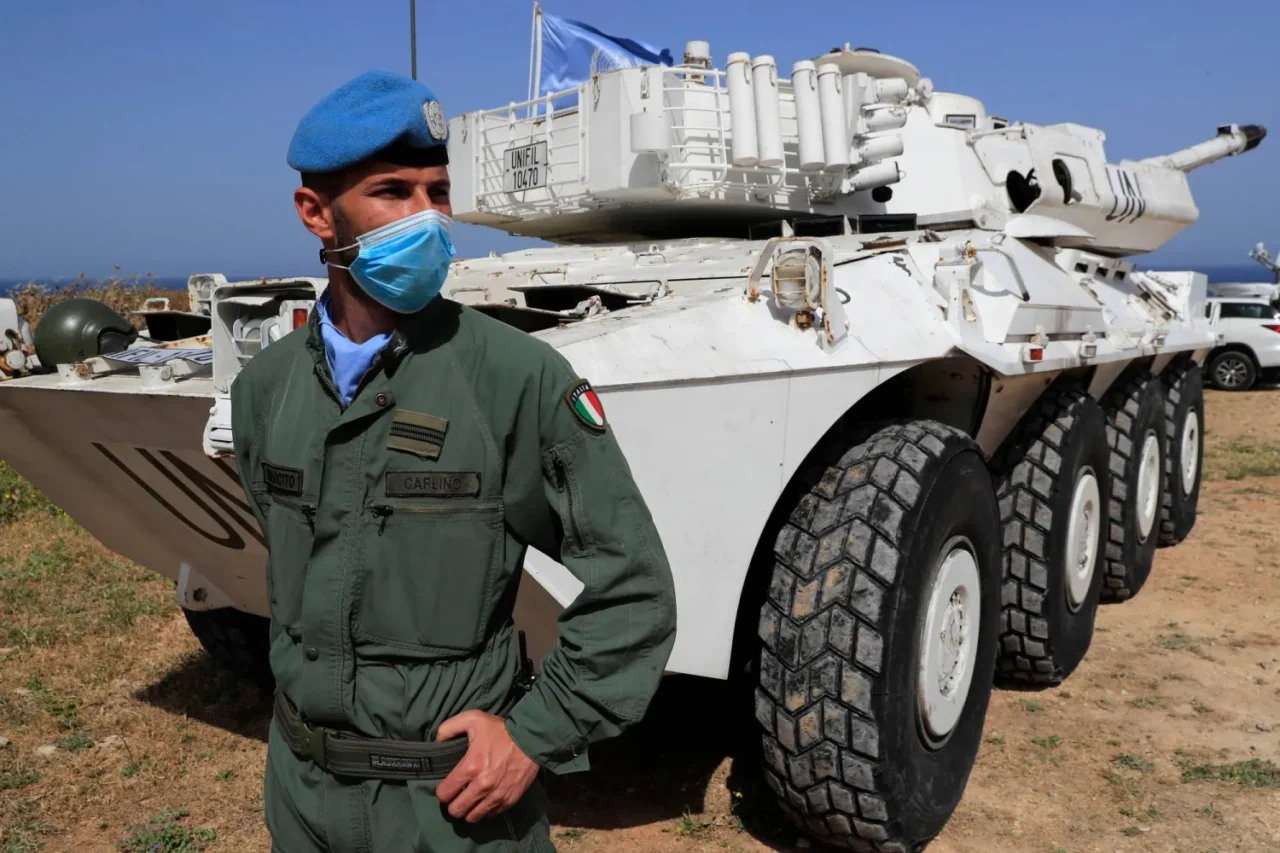
The United Nations Interim Force in Lebanon (UNIFIL) has announced plans to withdraw most of its troops by mid-2027, following the expiration of its mandate later this year. For decades, UNIFIL has served as a buffer between Israel and Lebanon and has supported the Lebanese army in dismantling Hezbollah infrastructure near the Israeli border after a recent conflict between Israel and the Iran-backed group. Last year, amid pressure from the United States and Israel, the UN Security Council voted to end UNIFIL’s mandate on December 31, 2026, approving an orderly and secure drawdown and withdrawal to be completed within one year. UNIFIL spokesperson Kandice Ardiel said the mission intends to withdraw all, or nearly all, uniformed personnel by mid-2027, with the full pullout expected to be completed by the end of that year. She explained that once operations formally end on December 31, the process of returning personnel and equipment and transferring UN positions to Lebanese authorities will begin. During the withdrawal period, the mission will be authorised to carry out only limited functions, including the protection of UN staff and facilities and oversight of a safe departure. Despite a ceasefire reached in November 2024 aimed at ending more than a year of hostilities with Hezbollah, Israel has continued to carry out strikes in Lebanon, saying it is targeting Hezbollah positions, and has maintained troops in five border areas. UNIFIL continues to patrol southern Lebanon and monitor violations of a UN resolution that ended the 2006 war between Israel and Hezbollah and underpins the current ceasefire. The mission has repeatedly reported incidents of fire at or near its personnel since the truce. Ardiel said UNIFIL has reduced its presence in southern Lebanon by nearly 2,000 peacekeepers in recent months, with several hundred more scheduled to leave by May. The force currently comprises about 7,500 peacekeepers drawn from 48 countries. She noted that the recent reduction in troop numbers was driven by a UN-wide financial crisis and cost-cutting measures affecting all missions, rather than the decision to end UNIFIL’s mandate. Lebanese authorities have expressed a desire for a continued international troop presence in southern Lebanon after UNIFIL’s withdrawal, even if at reduced levels, and have urged European nations to remain engaged. French Foreign Minister Jean-Noël Barrot said during a visit to Beirut this month that the Lebanese army should take over responsibilities once UNIFIL departs, while Italy has indicated it plans to maintain a military presence in Lebanon after the mission’s exit.
ab-1.avif

3min3380
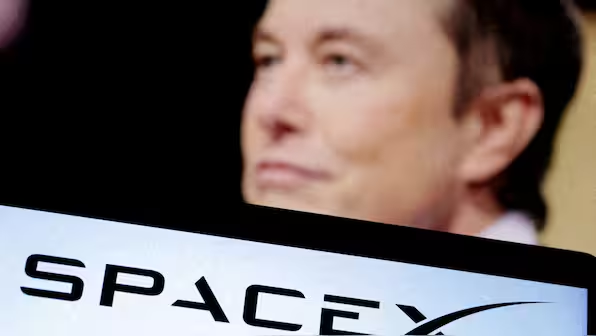
Tech entrepreneur and SpaceX founder Elon Musk has revealed that the company has redirected its main efforts toward building what he described as a “self-growing city” on the Moon, a target he believes could be achieved within the next decade. Musk made the announcement on Monday in a post shared on his X account. He explained that lunar missions allow for much faster progress than expeditions to Mars, largely due to shorter travel times and more frequent launch opportunities. According to Musk, missions to the Moon can be launched approximately every 10 days and take about two days to reach their destination. In contrast, journeys to Mars are only possible when the planets align every 26 months and typically require around six months of travel. “For those who may not be aware, SpaceX has already shifted its focus to building a self-growing city on the Moon, which we could potentially accomplish in under 10 years,” Musk wrote. “A similar effort on Mars would take more than 20 years.” He added that the company’s long-term objective remains unchanged: to expand human life and consciousness beyond Earth. Musk identified planetary alignment as a key logistical limitation affecting Mars missions. He noted that the ability to launch frequently to the Moon allows SpaceX to test, refine, and scale its technologies more rapidly. Despite the change in priority, Musk said SpaceX has not abandoned its plans for Mars. He stated that efforts to establish a settlement on the Red Planet could begin within the next five to seven years, although he emphasised that safeguarding humanity’s future makes lunar development the more immediate focus. SpaceX’s ambitious timelines for Mars exploration have long been met with scepticism, as Musk has revised his projections several times over the years. In 2016, he suggested humans could reach Mars by 2024, following an earlier estimate in 2011 that placed the timeline at between 10 and 20 years. The renewed emphasis on the Moon aligns with broader changes in US space policy. Under an executive order issued late last year, President Donald Trump reaffirmed plans for the United States to return astronauts to the Moon by 2028 through NASA’s Artemis programme, in which SpaceX plays a significant role as a contractor. The directive marked a shift from earlier ambitions to send astronauts to Mars within a single presidential term. NASA currently aims to land astronauts on the Moon’s surface in mid-2027 as part of the Artemis III mission, though the schedule has been delayed multiple times. Industry analysts caution that further setbacks are possible, citing the incomplete lunar lander being developed by SpaceX.

ab-1280x720.jpg

2min6930
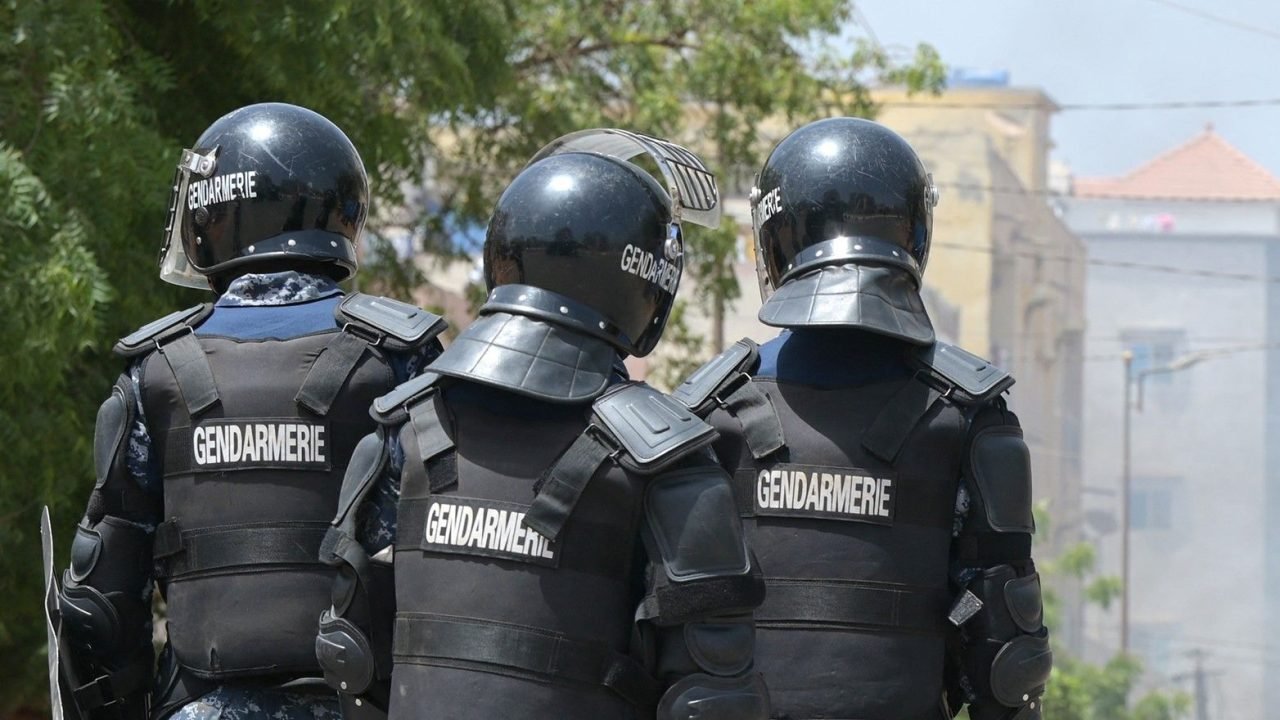
Senegalese police have announced the arrest of 14 individuals and the dismantling of a paedophile network operating across Senegal and France. According to a police statement, all those arrested are Senegalese nationals and are alleged to have belonged to a transnational criminal organisation that had been active since 2017. The suspects face accusations including organised paedophilia, pimping, rape of minors under the age of 15, sodomy, and the deliberate transmission of HIV/AIDS. Investigators allege that the group repeatedly coerced boys into engaging in unprotected sexual acts with men, most of whom were reportedly HIV-positive, and recorded the abuse. Police said four of the suspects acted under the direction of a French national who was arrested in France in April 2025. The arrangement allegedly involved financial transfers in exchange for carrying out the crimes. The suspects were brought before a judge on Friday following coordinated searches conducted in several districts of Dakar as well as in Kaolack, a city located about 200 kilometres southeast of the capital. In a statement released on Sunday, police said the raids led to the seizure of items believed to be connected to the alleged offences. The Criminal Investigations Division described the operation as a major breakthrough against a cross-border organised crime network with members primarily based in Senegal and France. Authorities said the operation was carried out in close cooperation with French law enforcement, including the involvement of a delegation of French officers. Police have vowed to continue efforts to identify and dismantle similar criminal networks and have provided a toll-free hotline for members of the public to report relevant information.

ab-1280x855.avif

5min5270
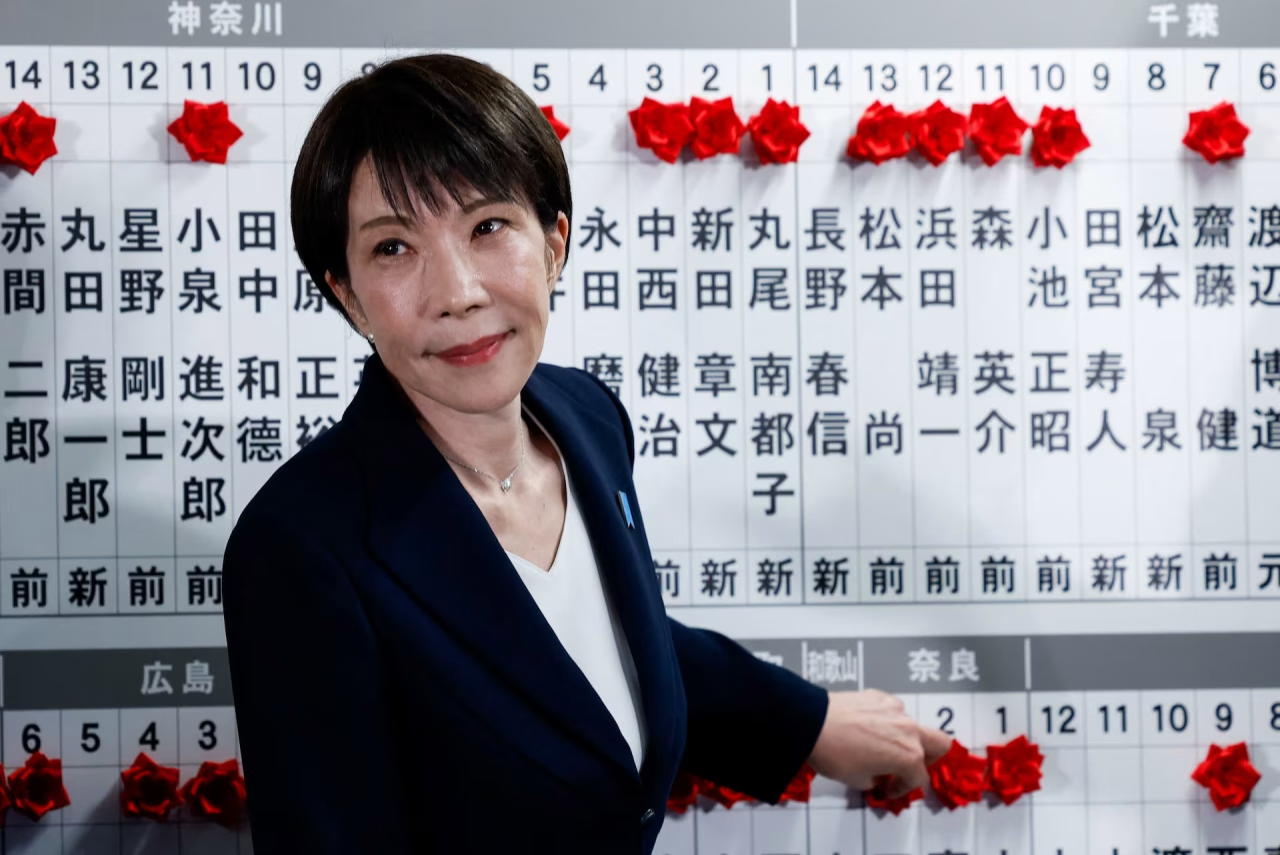
Japanese equities climbed to a record high on Monday following a decisive election victory by Prime Minister Sanae Takaichi’s Liberal Democratic Party (LDP). In Sunday’s poll, the LDP won 316 of the 465 seats in the lower house, marking the first time since 1947 that a single party has secured a two-thirds majority under Japan’s current parliamentary system. Its coalition partner, the Japan Innovation Party, captured an additional 36 seats, bringing the alliance’s total to 352. The landslide result represents a significant political win for Takaichi, who now faces the task of reviving Japan’s sluggish economy and addressing mounting cost-of-living pressures. Markets reacted swiftly to the outcome. The Nikkei 225 index surged more than 5 percent in early trading on Monday, briefly surpassing the 57,000 mark for the first time. Although it later pared some gains, the index closed up 3.9 percent at a record 56,363.94. The LDP’s commanding mandate is expected to allow Takaichi to push forward her pro-business agenda with minimal resistance from opposition parties. Speaking to reporters on Sunday, she said her government would pursue a “responsible yet aggressive” fiscal approach and confirmed that there would be no cabinet reshuffle, noting that the current team was appointed less than four months ago. Japan’s first female prime minister called the snap election shortly after taking office in October. Her victory contrasts sharply with the tenure of her two immediate predecessors, during which the LDP lost its parliamentary majority, faced corruption allegations, and struggled to manage rising living costs. Market analysts believe Takaichi’s policies could provide momentum for the Japanese economy. Investment analyst Yuka Marosek said measures such as stimulus spending, tax adjustments and deregulation could further strengthen an already positive market trend. Chris Scicluna, head of research at Daiwa Capital Markets Europe, noted that equity investors have long backed Takaichi’s economic vision. He said confidence is driven by her commitment to end austerity, increase investment to support growth, and prioritise strategic sectors including defence and artificial intelligence. However, Scicluna added that investors in Japanese government bonds and the yen remain cautious, citing concerns over how the government plans to finance increased spending given Japan’s substantial public debt. Japan’s historically low inflation has made households particularly sensitive to recent increases in living costs. During the election, voters told reporters they were concerned about rising prices for food and housing. The economy also continues to face structural challenges from an ageing population, a shrinking workforce and growing social welfare expenses. Takaichi has pledged to cut taxes and stimulate growth through higher public spending, though critics warn that without clear funding sources, such policies could heighten risks in an already fragile economic environment. As her party’s victory became clear, Takaichi said the government carried a heavy responsibility to deliver on its campaign promises. The LDP had lost its majority under former prime minister Shigeru Ishiba, and Takaichi relied heavily on her personal appeal to restore the party’s dominance. She has strengthened support among conservative voters by revisiting long-standing priorities such as constitutional revision and the promotion of traditional values, while also resonating with younger voters in an unusually personal way. International reaction followed swiftly. US President Donald Trump congratulated Takaichi on her victory, describing it as an “honor” to have endorsed her ahead of the election and pledging continued support for Japan. Her early tenure has already drawn attention abroad. Just a week after assuming office, Takaichi hosted Trump during a visit to Japan, marking her first major diplomatic engagement and underscoring her intent to strengthen ties with key allies.

aa-10.jpg

3min4180
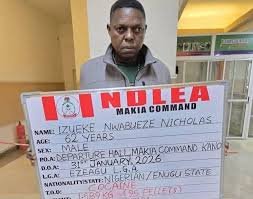
Operatives of the National Drug Law Enforcement Agency (NDLEA) have arrested a 62-year-old Lagos-based businessman, Nwabueze Izueke, at the Mallam Aminu Kano International Airport, Kano State, for attempting to traffic cocaine to China. Izueke was intercepted during the outward clearance of passengers travelling to China via Addis Ababa on Ethiopian Airlines flight ET940 on Saturday, January 31, 2026. A statement issued on Sunday by the NDLEA spokesperson, Femi Babafemi, said the suspect was subjected to a body scan, which confirmed that he had ingested illicit drugs. While placed under observation, Izueke reportedly excreted 95 jumbo-sized pellets of cocaine in seven batches. The drugs, classified as Class A substances, weighed a total of 1.589 kilogrammes. According to Babafemi, the suspect, who claimed to be involved in clothing and auto spare parts business in Lagos, admitted that he resorted to drug trafficking to raise funds to complete a house he is building in his village, Iwollo, in Enugu State. The arrest, Babafemi said, was part of a series of nationwide NDLEA operations that led to multiple seizures and arrests across several states. In Abuja, NDLEA operatives recovered 627.7 kilogrammes of skunk, a strain of cannabis, from a makeshift warehouse at Fums Plaza, Kubwa. Attempts to smuggle methamphetamine concealed in MP3 speakers from Enugu to Abuja and Kaduna were also foiled, leading to the arrest of four suspects. A follow-up operation in Zuba, FCT, resulted in the arrest of one suspect, Ebube Okeke, while three others Evans Ugwu, Mohammed Eze Arinze and Friday Michael were arrested in Kaduna when they attempted to collect another consignment. In Taraba State, NDLEA officers intercepted methamphetamine concealed in packs of yoghurt, while in Oyo State, several arrests were recorded, including that of a drug kingpin operating a facility producing synthetic cannabis. Babafemi added that large quantities of tramadol, skunk and other illicit drugs were also seized during operations in Kwara, Imo, Ondo, Lagos and Enugu states. In Ibadan, a suspect, Adeniyi Adeola, also known as Prince, was arrested with thousands of ampoules of pentazocine injection and capsules of tramadol, while another suspected drug kingpin, Jimoh Nurudeen, was arrested alongside an accomplice at Badeku, where a synthetic cannabis production facility was uncovered. In Imo State, a couple was arrested with 203 kilogrammes of skunk, while NDLEA operatives in Ondo State recovered 420 kilogrammes of the same substance concealed in a bush at Ikun Akoko.

aa-3.webp

3min6380
A teacher from Yobe State, Gambo Lawan, has been named Best Teacher in the North-East at the 2026 National Teachers Award Ceremony organised by the Federal Ministry of Education. Lawan, who teaches at Yerimaram Government Day Junior Secondary School in Potiskum, was announced as the regional winner at an event held at the Presidential Villa, Abuja. She received a N25 million cash prize at the ceremony, which recognised teachers for exceptional excellence, dedication and innovation in classroom practice, placing her among the top award recipients nationwide. Officials of the Yobe State Universal Basic Education Board (YSUBEB) described the selection process as rigorous, transparent and strictly merit-based, with strong emphasis on professionalism, classroom innovation and measurable learning outcomes. Speaking exclusively to our correspondent on Sunday, Lawan attributed her success to years of dedication and passion for teaching. “I am deeply grateful to God for this recognition. It is the result of hard work, patience, consistency and love for the profession. This award has motivated me to do even more for my students,” she said. She admitted that the announcement came as a surprise, describing the moment as overwhelming. “I did not expect it, but I trusted that God’s will would prevail. This is a great honour, not just for me, but for Yobe State and my school,” she added. Lawan noted that the award had further strengthened her commitment to the education sector. “This recognition places a greater responsibility on me. I am determined to work harder, mentor younger teachers and continue to instil knowledge, values and discipline in my students,” she said. Reacting to the achievement, the Executive Chairman of YSUBEB, Umaru Hassan-Babayo, said Lawan’s emergence had projected Yobe State positively at the national level. “Her success highlights Yobe State’s growing prominence as a key stakeholder in western education. It reflects the investments being made in education and human capital development across the state,” he said, adding that the award validates the state government’s commitment to supporting teachers and improving learning outcomes in public schools. In addition to the N25 million cash prize, Lawan also received a tertiary education scholarship in recognition of her outstanding performance. The honour comes months after three Yobe State students Nafisa Abdullahi, Rukayya Muhammad-Fema and Hadiza Kashim-Kalli emerged winners at the 2025 TeenEagle Global Finals in London, where they excelled in spelling bee contests, writing challenges and knowledge quizzes.

aa-6.jpg

3min3830
The University of Jos (UNIJOS) has matriculated more than 7,000 newly admitted students and inducted 140 nursing graduates during separate academic ceremonies. Speaking at the matriculation, Vice-Chancellor Professor Tanko Ishaya said the students were selected from 27,451 applicants, describing their admission as a privilege earned through a highly competitive process. He urged them to justify the confidence placed in them by demonstrating diligence, discipline and strong academic commitment. “You must count yourselves fortunate to have scaled such an intense selection process. Your admission should motivate you to justify the confidence reposed in you,” Ishaya said, while assuring parents of the university’s commitment to providing a safe and conducive learning environment. The vice-chancellor encouraged students to balance academics with recognized union activities for character development but warned against involvement in unregistered associations. He stressed that only groups registered with the Directorate of Students Affairs would be allowed to operate, adding that cultism and disruptions would attract severe sanctions, including expulsion. The Registrar of the Joint Admissions and Matriculation Board (JAMB), Professor Ishaq Oloyede, represented by the Director of Admissions, Dr Muhammed Babaji, confirmed that all admitted students were duly processed and captured on the National Matriculation Register. He urged them to uphold the university’s tradition of discipline and academic excellence. In a related event, the Faculty of Health Sciences and Technology inducted 140 nursing graduates during its 8th Nursing Induction and Oath-Taking Ceremony at the Naraguta Campus. Represented by the Deputy Vice-Chancellor (Academics), Professor Joshua Chollom, the vice-chancellor congratulated the graduates for their resilience and charged them to uphold integrity, compassion and professionalism in service to humanity. He described the induction as a defining milestone, noting that the graduates had undergone rigorous academic and clinical training. Professor Ishaya also highlighted key institutional achievements, including the securing of over ₦4 billion in TETFund interventions to strengthen the Colleges of Nursing, Medicine, Dentistry and related departments. He added that the university had recently secured projects for an Artificial Intelligence and Data Science Centre and a solar power farm through the African Development Bank to enhance research capacity and address power challenges. The Registrar and Chief Executive Officer of the Nursing and Midwifery Council of Nigeria, Dr Ndagi Alhassan, represented by Mr Aliyu Adamu, administered the oath and urged the inductees to uphold professional ethics, embrace technological innovation and demonstrate humility during their internship and future practice. He emphasized that digital skills and the integration of artificial intelligence are increasingly vital in modern healthcare delivery.

aa-5.jpg

2min4220
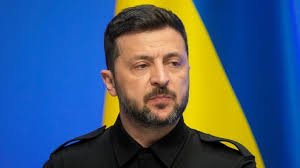
Ukrainian President Volodymyr Zelensky has said the United States wants Russia and Ukraine to end the war by June, as Washington intensifies efforts to broker a settlement to the nearly four-year conflict. According to Zelensky, the administration of US President Donald Trump has been urging both Moscow and Kyiv to reach an agreement and recently mediated talks in Abu Dhabi. However, negotiations have stalled over key issues, particularly territorial control. Russia, which currently occupies about 20 per cent of Ukrainian territory, is demanding full control of the eastern Donetsk region as part of any deal. Ukraine has rejected the demand, insisting it will not accept an agreement that fails to prevent future Russian aggression. Zelensky disclosed that the United States has, for the first time, proposed direct talks between Ukrainian and Russian negotiating teams on US soil, possibly in Miami, within the next week. “They say they want to do everything by June,” he told reporters in comments released early Saturday. The Ukrainian leader again voiced concern that Kyiv is being pressured to make greater concessions than Moscow. He warned that Ukraine would not accept any arrangement negotiated without its full participation, particularly on matters affecting its sovereignty. Zelensky also said there was no shared position on the Zaporizhzhia nuclear power plant, which has been under Russian occupation since 2022, describing it as another major obstacle to reaching an agreement.

aa-4.jpg

3min7230
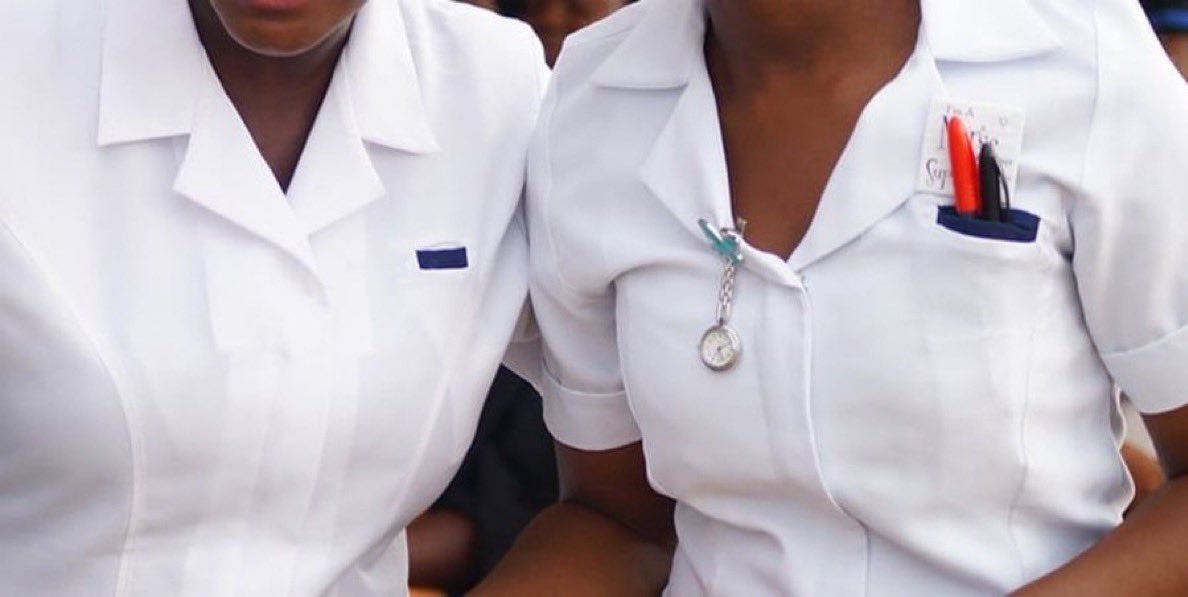
The Federal Government has approved an increase in the annual uniform allowance for nurses in its employment, raising it from N20,000 to N80,000. The approval was granted by the National Salaries, Wages and Income Commission (NSIWC) and represents a 300 per cent increase from the previous allowance. The decision was contained in a memo sighted on Thursday. The memo, signed by the Chairman of the commission, Ekpo Nta, stated that the new allowance would take effect from January 1, 2026. It was addressed to the Minister of Health and Social Welfare, Muhammad Pate, with copies sent to the Minister of Finance, Wale Edun; the Minister of Budget and National Planning, Atiku Bagudu; and the Minister of State for Health and Social Welfare, Iziaq Salako. According to the memo, the N80,000 uniform allowance will apply to nurses in federal hospitals, medical centres and clinics across ministries, departments and agencies, and will be paid through the Integrated Personnel and Payroll Information System (IPPIS). As a result, the allowance will no longer be funded from overhead budgets. The review follows sustained agitation by the National Association of Nigerian Nurses and Midwives (NANNM), which in July 2025 described the N20,000 annual uniform allowance as grossly inadequate. The association also called for broader reforms, including the creation of a Directorate of Nursing Services at the Federal Ministry of Health to be headed by a registered nurse. The President of NANNM-FHI, Morakinyo-Olajide Rilwan, had criticised the earlier allowance, noting that it was introduced without consultation with the union despite its impact on a large segment of healthcare workers. On July 14, 2025, the union issued a 15-day ultimatum to the Federal Government, warning of a possible shutdown of healthcare services if its demands were not addressed. Among the demands were a review of shift and uniform allowances, a separate salary structure for nurses, increased core duty allowance, mass recruitment of nurses, and the establishment of a nursing department within the Federal Ministry of Health. Union leaders said the N20,000 annual uniform budget per nurse was at the centre of the dispute, describing it as insulting. They also complained of long-standing shortages of essential tools and equipment, including gloves, which nurses were often forced to provide themselves.

house-of-rep.png

4min7720
Nigeria should leverage its cultural assets to enhance its global reputation, stimulate economic growth, and attract foreign investment. This was the call made by Olateju Philips, Chairman of LASACO Assurance Plc, during her keynote address at the inaugural Cultural Diplomacy Conference in Lagos. The event brought together traditional rulers, policymakers, senior government officials, business leaders, cultural practitioners, development partners, academics, and university students from across the country. Philips described culture as “reputation capital” that reduces investor risk, attracts tourism, and builds diplomatic trust. She emphasised that Nigeria’s music, film, fashion, and art sectors are more than entertainment—they serve as strategic ambassadors capable of projecting national creativity, standards, and economic opportunities to the world. She called for stronger national institutions, greater investment in cultural infrastructure, and robust protection of intellectual property, warning that Africa risks losing billions annually due to piracy and weak regulatory frameworks. Philips also noted that cultural diplomacy extends beyond soft power, advocating for collaboration between government, private sector players, and cultural stakeholders to unlock the full economic potential of the creative industries. Zainab Mohammed, convener of the conference, said the initiative aims to elevate Africa’s cultural voice on the global stage while developing a new generation of cultural diplomats. She revealed that selected students from participating universities would benefit from mentorship programmes, international exposure, and capacity-building workshops to help them tell African stories, shape global narratives, and represent the continent with professionalism and confidence. Dr Ebiekure Eradiri, President of the All-African Association of Small and Medium Enterprises, represented by Dr Anire Okogun, highlighted that Africa’s SMEs are the backbone of cultural trade, with entrepreneurs practising cultural diplomacy through cross-border commerce, innovation, fashion exports, digital content, and creative services. The Royal Father of the Day, Emperor J.D. Nkpe II, Paramount Ruler of Eleme Kingdom, Rivers State, stressed the ongoing relevance of traditional institutions in modern diplomacy. He noted that traditional rulers remain key custodians of African heritage, preserving values, mediating conflicts, and promoting unity in rapidly changing societies. Other notable attendees included Sinatu Ojikutu, Nigeria’s first elected female Deputy Governor, who urged political leaders to integrate cultural awareness into governance. Speakers such as Prof. Eghosa Osaghae, Director-General of the Nigerian Institute of International Affairs, highlighted the role of cultural diplomacy in bridging nations, while Ms Yemisi Ransome-Kuti, founder of the Nigeria Network of NGOs, discussed the impact of civil society in shaping cultural narratives. Mrs Yekeene-Ajani, President of Women in Fashion Tech, encouraged young people to view culture as a tool for entrepreneurship, innovation, and global relevance. The conference underscored the importance of culture as both an economic driver and a strategic asset for positioning Nigeria and Africa on the world stage.