Author: Lifestyle & Wellness Desk

Court-gavel-1-750x422-1.webp

4min5930
The Senior Staff Association of Statutory Corporations and Government-Owned Companies (SSASCGOC) has warned the Nigerian Labour Congress (NLC) against interfering in what it described as a settled union jurisdiction dispute at the Industrial Training Fund (ITF). In a statement on Sunday, its acting General Secretary, Akin Okudero, expressed concern over what the association called persistent and unlawful labour practices allegedly promoted by the NLC on behalf of its affiliate, the Amalgamated Union of Public Corporations, Civil Service Technical and Recreational Services Employees (AUPCTRE). SSASCGOC explained that the dispute revolves around union jurisdiction at the ITF, which has been conclusively resolved by the National Industrial Court and the Court of Appeal, most recently in July 2023. The Court of Appeal affirmed that officers at grade level 07 and above in statutory corporations and government-owned companies fall exclusively under SSASCGOC, while AUPCTRE’s jurisdiction is limited to junior staff at grade level 06 and below. The union said ITF management has complied with the court ruling by adopting a neutral position—neither coercing grade level 07 officers to join SSASCGOC nor remitting check-off dues for such officers to either union. The statement read in part: “SSASCGOC views with grave concern the disturbing, incessant, and unlawful labour practices being promoted by the Nigerian Labour Congress on behalf of its affiliate unions, particularly the current issue at ITF involving AUPCTRE. Our member organisation ITF, in compliance with the Court of Appeal Judgment of 2023, has chosen to remain neutral, not coercing any level 7 officer to join SSASCGOC while refraining from remitting check-off dues to either union, thereby respecting the court order. SSASCGOC’s operations are legally backed by its registration under the Trade Union Act of Nigeria.” The association commended ITF management for its responsible and law-abiding conduct, noting that check-off dues continue to be remitted to AUPCTRE for legitimate members at grade level 06 and below. It also criticised AUPCTRE for lobbying the Federal Ministry of Industry, Trade and Investment, insisting that only the Federal Ministry of Labour and Employment has statutory authority over union matters and that no ministry or department can review or overturn court judgments. The statement added: “We condemn the attempts by AUPCTRE to involve the Federal Ministry of Industry, Trade and Investment in a matter that falls solely under the Federal Ministry of Labour and Employment. No ministry or department has the authority to review court rulings.” Responding to claims that Section 40 of the 1999 Constitution guarantees an absolute right for workers to join any union, SSASCGOC noted that freedom of association is a qualified right, subject to existing labour laws and established union jurisdictions. The association urged the NLC to operate within constitutional and legal frameworks, warning against actions that could cause discord among labour centres or disrupt economic activities. It also called on the Federal Ministry of Labour and Employment to caution the NLC against threatening its member organisations over what it described as a “rested case” regarding the unionisation of senior staff in statutory corporations and government-owned companies. SSASCGOC expressed confidence that the matter will continue to be resolved in accordance with existing court judgments.
Flag-United-Kingdom-1280x640.webp

4min4940
Nigerian families will have the opportunity to meet representatives of leading United Kingdom boarding schools and gain detailed insights into academic offerings, extracurricular activities, and student opportunities. As part of this initiative, top British boarding schools will visit Abuja and Lagos in March for UK Boarding Schools Week 2026, allowing parents and students to engage directly with school leaders and learn more about the educational pathways and experiences available in the UK. The exhibitions are organised by Mark Brooks Education, led by its founder, Mark Brooks, a UK Department for Business and Trade Export Champion who has been advising Nigerian families on British education for more than 17 years. In a press release issued on Wednesday, Brooks explained that the programme gives parents and students the chance to meet school heads, explore academic options, and gain firsthand knowledge of British boarding education. He noted that attending families would interact directly with schools known for strong academic performance, robust pastoral support, and diverse co-curricular programmes within inclusive international communities. Brooks added that the events offer Nigerian families a valuable opportunity to understand how a UK boarding education promotes well-rounded development, preparing students academically, socially, and personally, while opening doors to leading universities, global connections, and long-term personal growth. Confirmed participating schools include Bromsgrove School, Canford School, Cardiff Sixth Form College, Dean Close School, Downside School, Lancing College, Milton Abbey School, Stamford School, and Wellington School. School leaders also highlighted the long-standing ties between UK boarding schools and Nigerian families. Alex Battison, Head of Wellington School in Somerset, said the school has a proud history of welcoming Nigerian families and places strong emphasis on supporting each student to reach their full potential. Michael Punt, Head of Bromsgrove School, noted that the school appeals to West African students due to its wide range of opportunities, combining high-quality teaching and strong examination results with sports, music, drama, outdoor activities, and other enrichment programmes. Henrietta Lightwood, Global Director at Cardiff Sixth Form College, pointed to the strong academic drive of Nigerian students and their families, noting that outstanding results and access to top universities are key attractions for many. Attendance at the exhibitions is free, though advance registration is advised. The Abuja event will hold at the Transcorp Hilton on Wednesday, March 4, while the Lagos exhibition is scheduled for The George Hotel, Ikoyi, on Saturday, March 7, 2026. Some schools will also offer pre-booked meetings and a smaller follow-up exhibition on Sunday, March 8. The public exhibitions are part of a broader week-long programme featuring school visits, student presentations, leadership workshops, and parent receptions in both cities. Recent figures indicate that over 1,500 Nigerian students were enrolled in preparatory, senior, and sixth-form schools across the UK in 2024.

ANAMBRA-FIRSTT.jpg

4min5160
The wife of the Anambra State Governor, Nonye Soludo, has stressed that early detection remains vital in the fight against cancer, while also calling for an urgent review of everyday lifestyle choices, especially dietary habits. Mrs Soludo said cancer has continued to spread widely across households and communities largely due to unhealthy consumption patterns and addictive behaviours. The Anambra First Lady, who is also the founder of Healthy Living with Nonye Soludo, made this known in a press statement issued on Wednesday to mark World Cancer Day, observed annually on February 4. World Cancer Day is a global awareness initiative dedicated to promoting cancer prevention, early detection, and effective treatment. It is led by the Union for International Cancer Control in support of the World Cancer Declaration adopted in 2008 and recognised by the United Nations. According to her, the goal of the day is to significantly reduce cancer-related illness and deaths while uniting the global community against avoidable suffering linked to the disease. She explained that this year’s theme, United by Unique, encourages a more deliberate and compassionate approach to cancer advocacy, noting that cancer is not only a medical condition but a deeply personal human experience. Soludo said cancer continues to claim lives at an alarming rate, despite growing stories of survival. She noted that the rising figures highlight a growing neglect of routine health checks and healthy living. She emphasised that early detection remains central to effective cancer care, stressing the importance of regular cancer screening. According to her, cancer becomes far more dangerous when diagnosed late, urging people not to delay medical checks but to take proactive steps toward screening. She also highlighted the need to reassess daily lifestyle choices, starting with what people eat, noting that unhealthy consumption habits and addictions have given cancer easy access into many homes and communities. She called for a conscious effort to abandon harmful habits and adopt healthier ways of living. Speaking further on the World Cancer Day theme, Soludo said the campaign calls for collective responsibility, compassion, and support for those living with cancer. She noted that the battle against cancer should not be left to patients alone, describing it as a shared journey of resilience and survival that requires care, love, and community support. She urged the public to support individuals battling the disease in any way possible, stressing that such collective action can make a lasting impact. She also encouraged residents, especially women and mothers, to prioritise their health and overall wellbeing, describing health as the greatest form of wealth and the foundation for a productive life. According to her, adopting a holistic approach to health—covering physical, mental, emotional, and spiritual wellbeing—can help reduce preventable, lifestyle-related illnesses. She advised people to nourish themselves properly to think clearly, move actively, work effectively, love fully, and rest well.

overloaded-truck.webp

3min4100
The Lagos State Traffic Management Authority has seized 27 commercial and private vehicles across the state for breaching loading regulations and road safety requirements. This was disclosed in a statement issued on Thursday by the Director of Public Affairs and Enlightenment of LASTMA, Adebayo Taofiq, and shared on the agency’s official X account. According to the statement, the vehicles were impounded during a coordinated early-morning enforcement exercise carried out after repeated public warnings and sensitisation campaigns. LASTMA said it has launched a comprehensive statewide enforcement drive to curb the dangerous practice of vehicular overloading, in line with its commitment to improving road safety and ensuring strict adherence to traffic laws in Lagos State. The agency explained that the affected vehicles were found to have exceeded approved loading limits and violated established safety standards. The operation was conducted on the directive of the General Manager of LASTMA, Olalekan Bakare-Oki, following growing concerns about the increasing dangers posed by overloaded vehicles on major highways and busy inner-city roads. Field assessments by enforcement officers, the agency revealed, uncovered widespread unsafe practices, particularly among commercial vehicle operators. LASTMA noted that many motorists were found transporting assorted goods, including bulky and perishable items, improperly stored in vehicle compartments or dangerously placed on rooftops. It warned that such practices impair visibility, affect vehicle stability, and significantly raise the risk of road accidents. The statement quoted the General Manager as describing vehicular overloading as a serious breach of traffic regulations that endangers both offenders and other road users. He condemned the practice of loading commercial buses, private vehicles, and articulated trucks with excessive goods and scrap materials, describing it as dangerous and unacceptable. Bakare-Oki reaffirmed the agency’s zero-tolerance policy toward traffic violations that threaten lives and property, stressing that enforcement actions would continue and be intensified. LASTMA also urged motorists to comply strictly with approved loading capacities and to prioritise safety at all times. The agency further encouraged members of the public to report any commercial or private vehicles violating loading regulations through its toll-free hotline, 0800-005-27862, to enable prompt enforcement and corrective action.

RUSSIA-WAR.jpg

3min6850
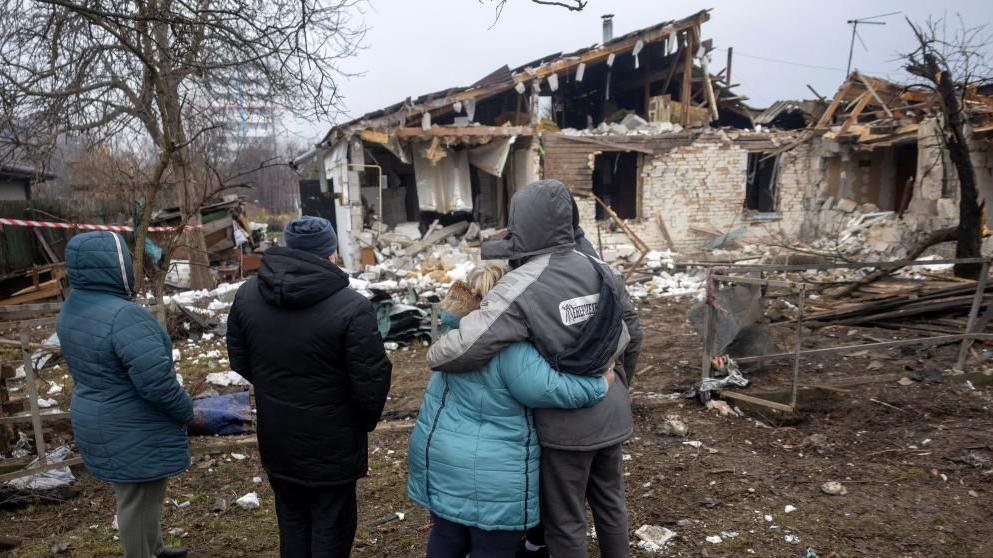
UK Prime Minister Sir Keir Starmer has described Russia’s attacks on Ukraine’s energy infrastructure on Monday night—when temperatures fell to -20°C (-4°F)—as “barbaric” and “particularly depraved.” He made the remarks after speaking with US President Donald Trump, following strikes on power plants and critical facilities in Kyiv and other regions. The attacks came after a week-long pause requested by Trump, during which a severe cold gripped Ukraine. Trump noted that Putin “kept his word” during the pause and expressed hope for an end to the conflict. US envoys are meeting Ukrainian and Russian negotiators in Abu Dhabi to discuss the details of a proposed peace plan. Following the renewed strikes, more than 1,000 residential buildings in Kyiv were left without heating, and a power plant in Kharkiv was reportedly damaged beyond repair. Residents have been forced to shelter in metro stations, some pitching tents on platforms to stay warm. Authorities are setting up warming centers and importing generators to manage extended blackouts while repair efforts continue. Ukraine’s Energy Minister, Denys Shmyhal, said the country’s energy system remains in a “difficult” state, with Kyiv’s Darnytsia Combined Heat and Power (CHP) plant “severely damaged.” Ukraine has repeatedly called on allies for additional missile supplies to defend against attacks. The Ukrainian Air Force reported being targeted by over 100 drones early Wednesday, with strikes affecting 14 locations. Some debris from the attacks caused casualties, including a 68-year-old woman and a 38-year-old man in Dnipropetrovsk, and multiple deaths and injuries in Zaporizhzhia. In Luhansk, a drone attack on a minibus killed a man and a woman, while residential buildings in Odesa were damaged with at least one injury. In Russia, the western Bryansk region governor reported damage to a residential building from a Ukrainian attack, and in Belgorod, authorities are working to restore power and water after earlier strikes. Meanwhile, US envoys, including Steve Witkoff and Jared Kushner, are meeting Russian and Ukrainian teams in Abu Dhabi to negotiate a peace deal. Key discussions focus on Russian demands for Ukraine to cede remaining territory in the eastern Donbas region, where Russia has made slow progress. The conflict stems from Russia’s full-scale invasion of Ukraine in February 2022, which has continued despite international efforts to broker a ceasefire.

Pope-Leo-XIV-eeee.jpg

4min4440
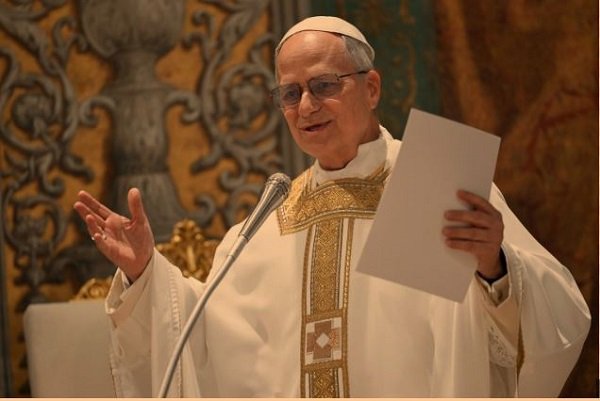
The Vatican has granted a special apostolic blessing to Enugu-based philanthropist, Mr. SteveMary Kanife, in recognition of his generosity in constructing a Catholic church for the Ezeagu community in Enugu State. The blessing from His Holiness Pope Leo XIV was presented to Kanife and his family by the Catholic Bishop of Enugu Diocese, Most Rev. Callistus Onaga, during the dedication of St. Joseph’s Catholic Church, Ugwetiti, Amansiodo-Oghe, on Sunday. The dedication Mass also included the Sacrament of Confirmation for 74 parishioners. In his homily, Bishop Onaga described the dedication of a church as “a profound way to begin the New Year,” emphasizing that a church is a sacred place meant for prayer and worship alone. “Once a church is dedicated, it ceases to be an ordinary building and becomes the house of God. It must not be treated as a hall for merriment or social activities,” he said. He praised Kanife for completing the project within two years, noting that not everyone is privileged to build a house for God. The bishop also encouraged the Ugwetiti community to maintain the church’s sanctity and urged the newly confirmed parishioners to remain steadfast in their faith. Highlights of the ceremony included Kanife distributing empowerment items to beneficiaries and presenting a new Lexus 330 Jeep to the parish priest, Rev. Fr. John Ugwa. Kanife explained that the vision to build the church came to him in October 2021 during the dedication of his triplets and a thanksgiving ceremony in his village. “I consulted my lawyer and godfather, P.U.P. Onuorah, who advised that we should pray and ask God to provide the resources. If He does, then we proceed,” he said. He added, “We initially planned to stop at a certain stage and let parishioners complete it, but I felt a strong conviction to finish the church for my people.” Kanife encouraged wealthy Nigerians to dedicate their resources to serving God and humanity, noting that his commitment to charity inspired the project.

Bola-Tinubu66.png

5min3540
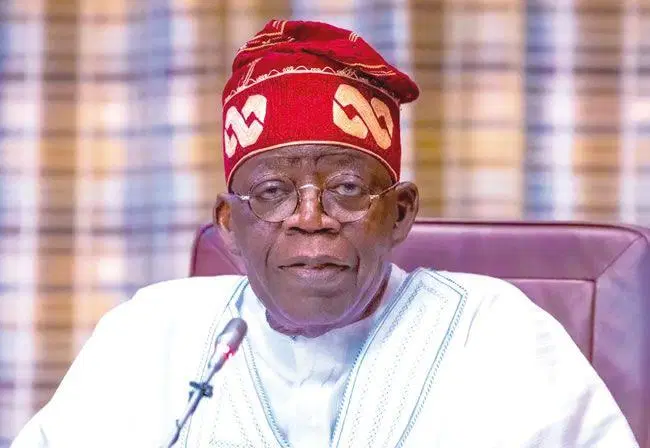
President Bola Tinubu on Tuesday affirmed that his administration will not reverse its economic reforms, pledging continued transparency and accountability in governance. He made the remarks while receiving a World Bank delegation led by Managing Director of Operations, Anna Bjerde, at the State House in Abuja. Tinubu acknowledged that the reforms were initially difficult but stressed they were necessary to strengthen Nigeria’s economy and expand opportunities for the country’s youth. “Since we embarked on this journey of reform, we have kept our hands on the plow, and we are never going to look back. It was painful and difficult at the start, but those who persevere through challenges ultimately succeed,” Tinubu said. He highlighted the importance of transforming Nigeria’s economy through agricultural mechanisation and support for farmers, calling on the World Bank to assist with establishing mechanisation centres, expanding seedling programmes, and improving access to locally produced fertilisers as the petrochemical industry grows. The President noted that difficult decisions, such as ending the fuel subsidy and unifying the exchange rate, were essential despite causing initial inflationary pressures. “We abandoned subsidies and multiple exchange rates to create a stable currency. The initial inflation spike has now eased, and the naira is stable today,” he said. Tinubu urged the World Bank to explore financing solutions that accelerate growth, reduce intermediaries, manage risk, and develop Nigerians’ skills. “How can we accelerate growth together, build skills, and reduce friction in the system?” he asked. In response, Bjerde praised Tinubu’s steadfast implementation of reforms over the past two years, describing the outcomes as “remarkable and commendable.” She said Nigeria has become a frequent example in her discussions with international leaders, investors, and policymakers. “Many countries slow down or reverse reforms in difficult times, but Nigeria has remained steady, giving confidence and clarity,” Bjerde said. She highlighted that under World Bank President Ajay Banga, the institution aligns its strategies with member countries’ national visions, using Nigeria’s $1tn GDP target and seven per cent growth goal as a framework for support. She emphasised job creation as central, noting Africa’s growing population will require 600 million additional jobs by 2050. Bjerde also highlighted infrastructure development as a priority, citing Nigeria’s relatively low infrastructure spending per GDP and the need for both public and private solutions. She praised agricultural innovations and pledged support to scale them through mechanisation, cooperatives, and value chain integration. Addressing the financing gap for small and medium-sized enterprises, she noted these businesses are vital for job creation but often struggle to access funding. She also commended Nigeria’s early childhood development and stunting-reduction strategies as potential entry points for World Bank support. Bjerde disclosed that the World Bank’s public sector portfolio in Nigeria totals about $17bn, while the International Finance Corporation has expanded private sector operations to roughly $5bn annually. The Multilateral Investment Guarantee Agency provides over half a billion dollars in risk guarantees and insurance, with plans to expand. She revealed that a new Development Policy Operation is being prepared to support Nigeria’s budget in line with the government’s reform agenda. “Your reform-oriented approach makes this the perfect instrument, linking our support directly to your policy goals,” she said. Bjerde concluded by noting Nigeria’s strong position internationally as a model for reform and private sector development, highlighting the importance of digital initiatives for youth employment. “Nigeria is consistently top of mind when international observers and investors look at Africa,” she said.

EX-PRINCE.jpg

2min4040
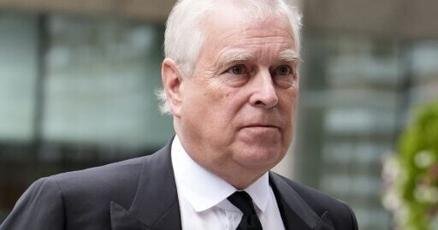
Britain’s former Prince Andrew has moved from his Windsor residence to a royal estate in eastern England, amid renewed scrutiny over his links to the late sex offender Jeffrey Epstein, according to the BBC. Now known as Andrew Mountbatten-Windsor, the 65-year-old ex-royal has faced growing pressure to address his appearances in newly released documents by the US Justice Department related to Epstein. Andrew left Royal Lodge on Monday. Buckingham Palace declined to confirm the move. He had lived at the property near Windsor Castle with his ex-wife, Sarah Ferguson, for nearly two decades. He is now staying temporarily at the Sandringham estate in Norfolk, with plans to eventually move into a permanent residence at Marsh Farm, currently undergoing renovations. The pressure on Andrew, younger brother of King Charles III, intensified after a new batch of Epstein files was released, showing photos of the then-prince kneeling over a woman and emails inviting Epstein to Buckingham Palace for “private” discussions. Prime Minister Keir Starmer called for Andrew to testify before the US Congress regarding his knowledge of Epstein’s crimes. Another Epstein victim has alleged through her lawyer that the financier sent her to the UK in 2010 to have sex with Andrew at Royal Lodge. Andrew has consistently denied any wrongdoing. In 2022, he settled a multimillion-pound lawsuit with another Epstein accuser, Virginia Giuffre, without admitting guilt. Giuffre died by suicide last year. Andrew stepped back from royal duties in 2019 due to his alleged ties to Epstein, who died by suicide in prison that same year while awaiting trial for sex crimes against minors.

Tinubu-1.webp

7min3800
President Bola Tinubu on Tuesday said Nigeria is prepared to work closely with African countries, global partners, and the private sector to provide cleaner, affordable, inclusive, and more secure energy solutions. He described energy as the unseen force that holds the modern world together, shapes balance among nations, stabilises economies, and sustains societies. The President made the remarks while declaring open the 9th Nigeria International Energy Summit at the State House Banquet Hall in Abuja. The event drew heads of delegations and senior government officials from different parts of the world, alongside leaders of international energy bodies, executives of global and indigenous energy companies, development finance institutions, and representatives of host communities. Represented at the summit by Vice President Kashim Shettima, Tinubu said that while energy remains central to peace, prosperity, and global stability, Nigeria is placing strong emphasis on harnessing its vast natural gas reserves as a transition fuel and expanding its renewable energy capacity. He said energy must serve as a unifying force that stabilises economies, secures the future, powers industries, lights homes, drives innovation, and builds trust between government, investors, and citizens. According to him, Nigeria is ready to collaborate with Africa, international partners, and the private sector to deliver energy that is secure, affordable, cleaner, and inclusive. Tinubu recalled that when his administration took office in 2023, the energy sector, though rich in potential, was burdened by inefficiencies, uncertainty, and years of underinvestment. He noted that his government moved swiftly, guided by the understanding that energy should not be viewed merely as an economic commodity but as a catalyst for national security, industrial growth, social inclusion, and regional cooperation. He reaffirmed his administration’s commitment to building an energy system anchored on reliability, transparency, sustainability, and shared prosperity. As part of efforts to revitalise the sector, he said the government sustained and deepened the implementation of the Petroleum Industry Act, strengthening regulatory institutions, clarifying roles, and boosting investor confidence. The President said Nigeria’s upstream sector recorded a notable rebound under his administration, with rig counts rising from eight in 2021 to 69 by late 2025, reflecting renewed exploration and drilling activity. He added that the sector secured over $8bn in Final Investment Decisions, including major offshore gas projects involving international energy companies. According to him, foreign direct investment in the oil and gas subsector also recovered strongly, supported by regulatory clarity, fiscal reforms, and improved operating conditions. Tinubu further said crude oil theft, which had long undermined production and revenue, declined significantly due to improved security coordination, surveillance, and regulatory enforcement. These measures, he noted, helped restore operational stability and strengthened Nigeria’s reliability in global energy markets. Earlier, Gambian President Adama Barrow said Nigeria’s energy policies have far-reaching implications beyond its borders, stressing that regional solutions and energy security depend on strategic partnerships. Equatorial Guinea’s President, Teodoro Obiang Nguema Mbasogo, urged African countries to move beyond exporting raw materials and focus on local processing to secure better outcomes for future generations. In a statement read on his behalf, Senate President Godswill Akpabio said energy in Africa goes beyond resource extraction, describing it as a pathway to inclusive and sustainable prosperity. He assured that the National Assembly is prepared to support the sector through enabling legislation, noting that a functional energy system strengthens economic resilience.

crude-oil.jpeg

7min3870
The Minister of State for Petroleum Resources (Oil), Heineken Lokpobiri, has revealed that Nigeria recorded a major investment milestone in 2025 with the approval of 28 new field development plans valued at $18.2bn, carrying an estimated production potential of 1.4 billion barrels of oil. Lokpobiri made the disclosure on Tuesday in Abuja while delivering his ministerial address at the opening of the 9th Nigeria International Energy Summit 2026. He said Nigeria had emerged as Africa’s top destination for oil and gas investments, noting that four of the seven major Final Investment Decisions (FIDs) announced across the continent between 2024 and 2025 were secured by Nigeria. The Nigeria International Energy Summit serves as the Federal Government’s official annual platform for energy policy discussions, investment promotion, and innovation. The 2026 edition is themed “Energy for Peace and Progress: Securing Our Shared Future.” According to the minister, the investment gains were the result of deliberate reforms, improved policy clarity, and stronger governance, which have collectively helped restore investor confidence in the oil and gas sector. He said the renewed capital inflows signal Nigeria’s return to the global energy investment stage after years of stalled projects and declining output, adding that recent fiscal, regulatory, and operational reforms are now delivering tangible results. Lokpobiri said Nigeria’s progress must be viewed within the broader African context, stressing that the continent’s energy fortunes are interconnected. He noted that the country’s ability to attract major investments was driven by sustained policy reforms, improved governance, and an investment climate that allows the free movement of capital. He recalled that when the current administration assumed office, Nigeria’s upstream sector was in decline, characterised by falling production, weak investor confidence, and a lack of major new projects. While acknowledging Nigeria’s vast hydrocarbon resources across deepwater, shallow, and onshore terrains, he emphasised that resource abundance alone was not sufficient. According to him, what now sets Nigeria apart is the legal, regulatory, financial, and structural transformation underway, which has improved clarity, predictability, efficiency, and incentives for investors. He said these changes have repositioned the country as investment-ready, following more than a decade without significant final investment decisions. The minister attributed the turnaround largely to the full implementation of the Petroleum Industry Act, which he said has introduced a stable fiscal regime, clearer licensing processes, stronger regulation, and predictable contract terms. He added that upstream cost pressures were further addressed through the Upstream Petroleum Operations (Cost Efficiency Incentives) Order 2025, which provides tax credits and reduces unit operating costs for producers. Lokpobiri also highlighted the impact of Project One Million Barrels, launched in October 2024, noting that within a year, crude oil production had increased to between 1.7 million and 1.83 million barrels per day—about a 20 per cent rise from previous levels. He said the number of active rigs increased from 14 in 2023 to over 60, reflecting renewed activity and optimisation of idle assets. He further noted the successful completion of long-delayed asset divestments by international oil companies, which transferred onshore and shallow-water assets to Nigerian firms. These divestments, he said, added about 200,000 barrels per day to national output and were concluded in record time under President Bola Tinubu’s administration. However, the minister acknowledged that challenges remain, particularly in the oil and gas services sector. He said structural constraints persist in the engineering, procurement, and construction segment, partly due to a misinterpretation of the Nigerian Oil and Gas Industry Content Development Act. This, he noted, led to the emergence of weak EPC firms while sidelining experienced international contractors and capable indigenous companies. Lokpobiri also drew attention to Africa’s annual $120bn hydrocarbon import bill, describing it as a missed opportunity and calling for stronger support for the African Energy Bank, which is headquartered in Nigeria. He stressed that addressing Africa’s energy challenges requires collective responsibility and decisive action. Meanwhile, the Independent Petroleum Producers Group has called for urgent reforms to sustain growth in Nigeria’s oil and gas sector, including streamlined industry fees, reduced bureaucracy, and improved access to long-term financing. In a keynote address, IPPG Chairman and Aradel Holdings CEO, Adegbite Falade, described the summit as solution-focused and timely, noting that global energy dynamics are being reshaped by conflicts, shifting alliances, and rising energy insecurity. He said Nigeria and the wider African region are not insulated from these pressures. Falade noted that Nigeria’s oil and gas industry has recorded notable progress, with indigenous producers and independents now accounting for more than 50 per cent of national output for the first time. He attributed this to improved pipeline availability, reduced crude losses, and stronger local participation. He stressed the need to create an industry environment where private capital can drive infrastructure development, warning that excessive bureaucracy, high operating costs, and limited access to affordable long-term capital continue to undermine competitiveness. Stakeholders at the summit agreed that Nigeria’s oil and gas sector is on a recovery path, driven by clearer policies, regulatory reforms, and strategic investments. They emphasised that sustained collaboration among government, indigenous operators, and international partners is critical to consolidating gains, expanding domestic energy access, and positioning Nigeria as a regional and global energy hub.