

 Lifestyle & Wellness Desk
Related Articles
Nigeria Set to Collaborate with Global Partners on Clean Energy, Says Tinubu.
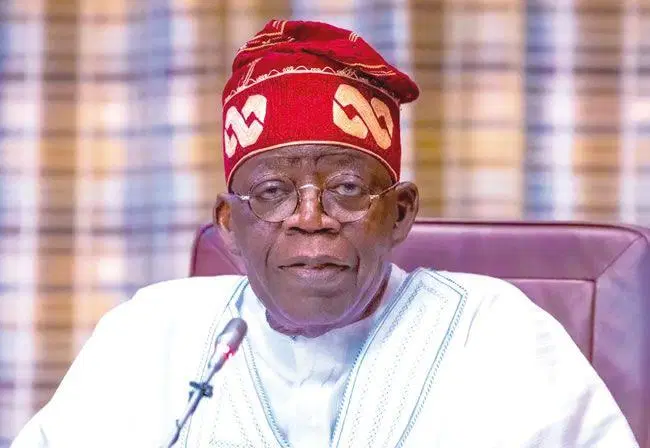
President Bola Tinubu on Tuesday said Nigeria is prepared to work closely with African countries, global partners, and the private sector to provide cleaner, affordable, inclusive, and more secure energy solutions.
He described energy as the unseen force that holds the modern world together, shapes balance among nations, stabilises economies, and sustains societies.
The President made the remarks while declaring open the 9th Nigeria International Energy Summit at the State House Banquet Hall in Abuja. The event drew heads of delegations and senior government officials from different parts of the world, alongside leaders of international energy bodies, executives of global and indigenous energy companies, development finance institutions, and representatives of host communities.
Represented at the summit by Vice President Kashim Shettima, Tinubu said that while energy remains central to peace, prosperity, and global stability, Nigeria is placing strong emphasis on harnessing its vast natural gas reserves as a transition fuel and expanding its renewable energy capacity.
He said energy must serve as a unifying force that stabilises economies, secures the future, powers industries, lights homes, drives innovation, and builds trust between government, investors, and citizens. According to him, Nigeria is ready to collaborate with Africa, international partners, and the private sector to deliver energy that is secure, affordable, cleaner, and inclusive.
Tinubu recalled that when his administration took office in 2023, the energy sector, though rich in potential, was burdened by inefficiencies, uncertainty, and years of underinvestment. He noted that his government moved swiftly, guided by the understanding that energy should not be viewed merely as an economic commodity but as a catalyst for national security, industrial growth, social inclusion, and regional cooperation.
He reaffirmed his administration’s commitment to building an energy system anchored on reliability, transparency, sustainability, and shared prosperity. As part of efforts to revitalise the sector, he said the government sustained and deepened the implementation of the Petroleum Industry Act, strengthening regulatory institutions, clarifying roles, and boosting investor confidence.
The President said Nigeria’s upstream sector recorded a notable rebound under his administration, with rig counts rising from eight in 2021 to 69 by late 2025, reflecting renewed exploration and drilling activity. He added that the sector secured over $8bn in Final Investment Decisions, including major offshore gas projects involving international energy companies.
According to him, foreign direct investment in the oil and gas subsector also recovered strongly, supported by regulatory clarity, fiscal reforms, and improved operating conditions.
Tinubu further said crude oil theft, which had long undermined production and revenue, declined significantly due to improved security coordination, surveillance, and regulatory enforcement. These measures, he noted, helped restore operational stability and strengthened Nigeria’s reliability in global energy markets.
Earlier, Gambian President Adama Barrow said Nigeria’s energy policies have far-reaching implications beyond its borders, stressing that regional solutions and energy security depend on strategic partnerships. Equatorial Guinea’s President, Teodoro Obiang Nguema Mbasogo, urged African countries to move beyond exporting raw materials and focus on local processing to secure better outcomes for future generations.
In a statement read on his behalf, Senate President Godswill Akpabio said energy in Africa goes beyond resource extraction, describing it as a pathway to inclusive and sustainable prosperity. He assured that the National Assembly is prepared to support the sector through enabling legislation, noting that a functional energy system strengthens economic resilience.

