Author: Lifestyle & Wellness Desk

bb.jpeg

2min5130
The Senate Committee on Public Accounts has raised serious concerns over discrepancies totaling more than ₦200 trillion in the audited financial records of the Nigerian National Petroleum Company Limited (NNPC), describing the findings as both “mind-boggling” and “deeply troubling.” During a Senate hearing on Wednesday, NNPC’s Chief Financial Officer, Dapo Segun, appeared before the committee to respond to emerging questions from the corporation’s audited financial statements covering the years 2017 to 2023. Committee Chairman, Senator Aliyu Wadada, expressed alarm at the lack of documentation supporting massive expenditures, including legal and auditing fees. He noted that the NNPC failed to provide any clear justification for the accumulated costs, casting doubt on the legitimacy of the figures. “Legal fees were recorded without any explanation or details of the services rendered. The same goes for auditing fees. Nothing in the documents gives a clear picture. What we’ve uncovered from the financial statements is extremely disturbing,” Senator Wadada said. He added that the most alarming irregularity involves reported receivables exceeding ₦210 trillion, with figures from newly submitted documents contradicting previously audited reports. “The document we received today does not align with the audited financials. It is inconsistent and raises more questions than answers,” he stated. The committee emphasized that its findings are based strictly on official audits and not on assumptions or media reports. As a result, the NNPC has been issued 11 formal queries and given a one-week deadline to provide detailed responses and clarifications. Senator Wadada assured that the investigation will not be abandoned, especially in light of President Bola Tinubu’s Renewed Hope agenda, which places a premium on transparency, fiscal responsibility, and accountability in the management of public resources.

ira-1280x853.jpeg

4min6980
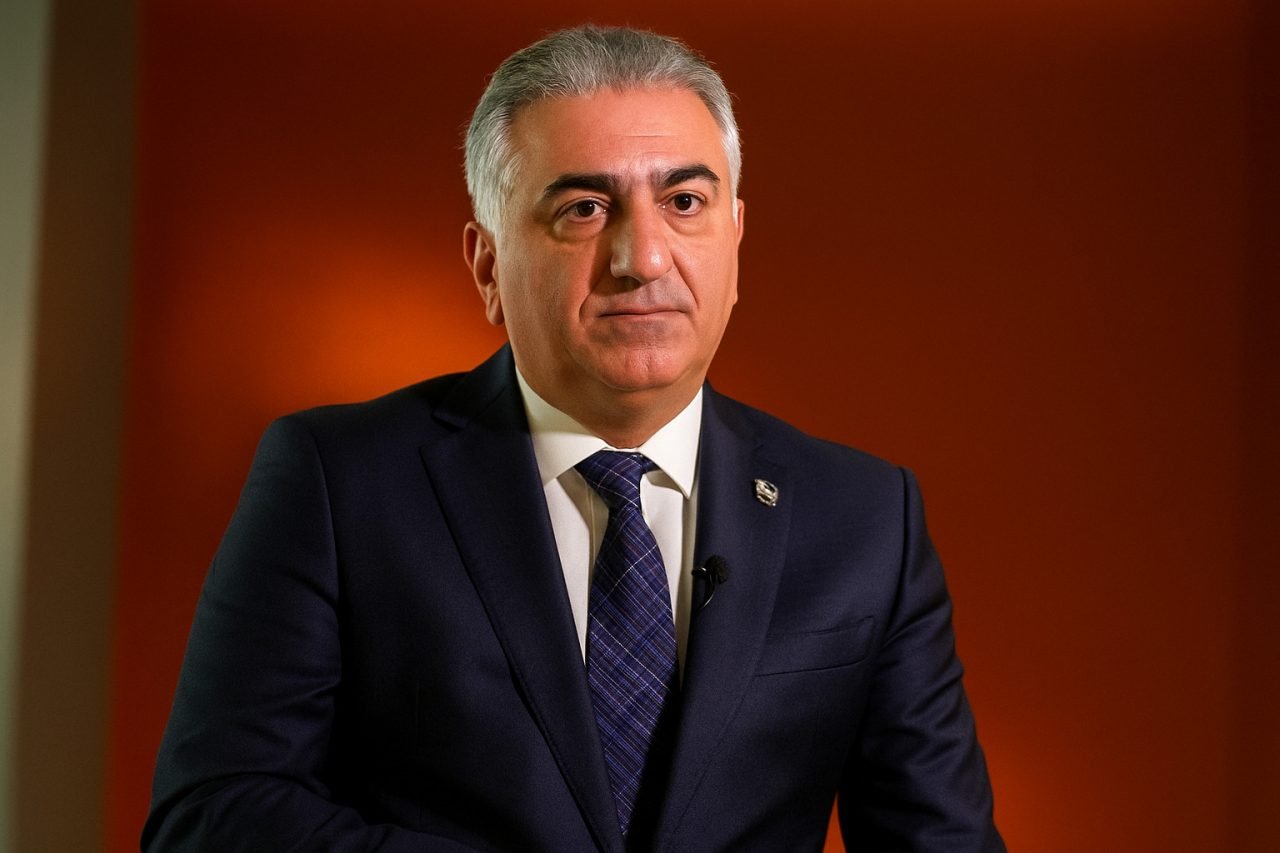
Reza Pahlavi, the exiled son of Iran’s last monarch, has declared that the Islamic Republic is nearing its downfall, calling on Iranians to unite in reclaiming and rebuilding their country. In a social media video, Pahlavi claimed that Supreme Leader Ayatollah Ali Khamenei has gone into hiding “like a frightened rat,” as Iran faces escalating Israeli airstrikes. Pahlavi, who has long opposed the Iranian regime from exile, delivered a three-minute video message in which he argued that the Islamic Republic’s grip on power is disintegrating. He stated that the regime’s mechanisms of repression are collapsing, and insisted that a national uprising is essential to ending what he described as a decades-long nightmare. “Iranians must rise up now,” he said, adding that the current situation is “irreversible.” Analyst Commentary and Influence Nazenin Ansari, managing editor of Kayhan London, told Newsweek that Pahlavi’s message resonates because he is widely viewed as a unifying figure “above politics.” According to Ansari, political figures within Iran often reach out to Pahlavi before engaging with any other opposition leader, highlighting his enduring influence and popularity among both domestic and diaspora communities. Ansari added that although Pahlavi is the symbolic heir to Iran’s former monarchy, he has consistently advocated for a secular, democratic Iran rather than a return to royal rule. Context and Significance The video comes amid intensifying military tensions in the region, with speculation growing over whether the United States may intervene alongside Israel in dismantling Iran’s nuclear infrastructure. Pahlavi’s remarks appeared designed to reassure Iranians that the regime’s fall would not result in chaos or civil war. He emphasized that the Iranian people could chart a new path forward through peaceful transition and reconstruction. According to Pahlavi, his “Iran Prosperity Project” includes a five-point plan for dismantling the current regime, forming a transitional national government, and laying out a roadmap for economic recovery and democratic governance. Who Is Reza Pahlavi? Born in 1960 in Tehran, Reza Pahlavi is the eldest son of Shah Mohammad Reza Pahlavi, who was deposed during the 1979 Islamic Revolution. A year before the revolution, at age 17, he left Iran for jet fighter training with the U.S. Air Force in Texas. He has lived in exile since. Although rumors have circulated for decades about alleged U.S. government support for Pahlavi, he has publicly denied receiving any aid from the CIA or other American agencies. In interviews, he has emphasized his commitment to democratic principles and insisted he does not seek to restore the monarchy. “He symbolizes one of Iran’s key historical institutions, but he is not campaigning to be king,” said Ansari. “He has been the leading voice for secular democracy for over four decades.” Public and Official Reactions Pahlavi’s video has garnered over 5.8 million views as of Wednesday. In it, he urged citizens: “Now is the time to rise; the time to reclaim Iran.” Meanwhile, Ayatollah Khamenei, appearing defiant, warned that any direct U.S. involvement in the escalating conflict “will result in irreparable damage.” He insisted, “God will surely grant the Iranian nation victory.” With military and diplomatic tensions running high, the international community is closely watching to see how the situation evolves — and whether Pahlavi’s message will catalyze further unrest or political shifts inside Iran.

ene-1280x853.jpeg

3min5100
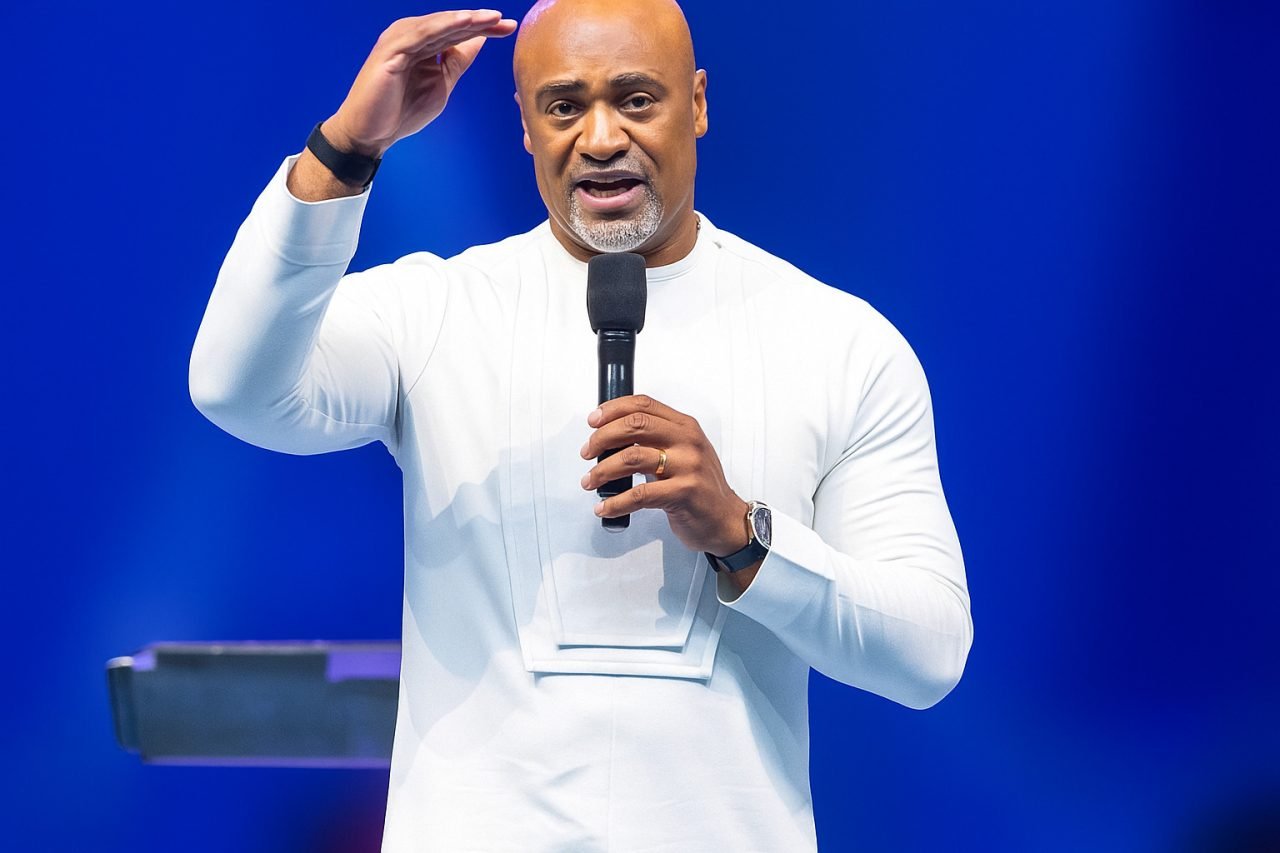
Dr. Paul Enenche, Senior Pastor of Dunamis International Gospel Centre, has turned down a ₦30 million donation presented by Kebbi State Governor, Dr. Nasir Idris, during a church-organised crusade held in the state. The announcement was made during the Kebbi Healing and Deliverance Crusade by the state’s Commissioner for Social Duties, Zayyanu Umar Aliero, who spoke on behalf of the governor. He stated that the governor had approved and provided the donation in cash, intended for the event’s organising committee. “Our Governor, His Excellency Dr. Nasir Idris, the only serving Comrade Governor in Nigeria, has generously approved a ₦30 million cash donation to support this crusade,” Aliero said as he prepared to present the money. However, Pastor Enenche respectfully declined the contribution. Taking the stage shortly after the announcement, he directed that the funds be channelled instead toward charitable purposes, such as supporting orphanages or other social welfare initiatives. “If there are orphanages or any charitable cause, please apply the money there. We won’t be accepting it,” Enenche stated. Explaining the church’s position further, Pastor Enenche stressed the importance of maintaining clear boundaries between public resources and religious activities. “We strongly believe that government funds should be dedicated to government responsibilities, and church resources should be used solely for church missions. That’s how we operate. Not a single naira of government money went into building the Glory Dome — from the land to the structure itself,” he affirmed. He encouraged faith-based organisations to rely on divine provision rather than public funds, and proposed that if the funds must be used for religious purposes, they be handed to officially recognised bodies like the Christian Pilgrims Welfare Board or the Christian Association of Nigeria (CAN). “This ensures the church retains its voice, dignity, and independence — so we can speak truth when it matters most,” he added. In response to the pastor’s decision, Commissioner Aliero acknowledged the gesture with gratitude and respect. “They declined because his work is for God, not for reward. We truly appreciate Pastor Enenche and the impact he is making in our state,” he said.

tru-1280x853.jpeg

5min4890
Former U.S. President Donald Trump has reportedly approved military plans to strike Iran but has yet to make a definitive decision to proceed, according to CBS News, citing senior intelligence sources. The proposed strikes are said to target Fordo, a fortified underground uranium enrichment site in Iran. Trump, however, is reportedly holding back on executing the attack in hopes that Tehran may yet abandon its nuclear ambitions. This development follows heightened tensions between the U.S. and Iran, with Supreme Leader Ayatollah Ali Khamenei rejecting Trump’s call for unconditional surrender. In a speech on Wednesday, Khamenei warned that any U.S. military action would come at a steep cost. “The Iranian nation will not surrender,” he declared. Responding dismissively, Trump said, “Good luck,” and refused to clarify his next steps. “Nobody knows what I’m going to do,” he told reporters. “Unconditional surrender – that means I’ve had it.” The Wall Street Journal first reported that Trump had greenlit the strike plan. Meanwhile, the Israeli military has intensified its offensive against Iran, striking missile stockpiles and nuclear facilities. Iran claimed to have responded with hypersonic missiles, although Israel reported no significant damage. This comes amid ongoing Israeli strikes that began last Friday, prompting widespread panic in Tehran. Residents of the capital, home to 10 million people, have flooded outbound roads in search of safety. Ayatollah Khamenei’s address on Wednesday marked his first public appearance since the Israeli strikes began. Iran’s diplomatic mission to the United Nations fired back at Trump in a statement on social media, declaring, “Iran does NOT negotiate under duress, shall NOT accept peace under duress, and certainly NOT with a has-been warmonger clinging to relevance.” The post further asserted, “No Iranian official has ever asked to grovel at the gates of the White House.” Israeli Prime Minister Benjamin Netanyahu said in a video message that Israeli forces were “progressing step by step” in dismantling Iran’s nuclear and missile threats. “We control the skies over Tehran,” he claimed, adding that strikes were targeting key regime installations. In Washington, U.S. Defense Secretary Pete Hegseth assured lawmakers that the Pentagon was fully prepared to carry out any directive issued by President Trump. This comes amid a buildup of U.S. military assets in the region. The USS Nimitz aircraft carrier and its strike group are en route from Southeast Asia to join the USS Carl Vinson already stationed in the Gulf. Meanwhile, additional aircraft including F-22 and F-35 fighter jets have been tracked moving into the region from Europe. Diplomatic efforts continue alongside military positioning. U.S. Secretary of State Marco Rubio is scheduled to meet UK Foreign Secretary David Lammy in Washington, with Iran expected to dominate the agenda. However, no formal request has yet been made for the use of British bases in Diego Garcia or Cyprus, though sources say “all options remain on the table.” In anticipation of further escalation, the U.S. embassy in Jerusalem issued evacuation guidance for American citizens in Israel. It remains unclear how many are seeking to leave or whether military transport will be used. Human Rights Activists, a U.S.-based monitoring group, reports that Israeli strikes since Friday have killed 585 people in Iran, including 239 civilians and 126 security forces. In return, Iran has launched roughly 400 missiles at Israel, killing 24 civilians according to Israeli officials. Meanwhile, Iranian state television acknowledged a cyber breach during which a video was aired urging citizens to resist the regime. The station dismissed the content as enemy propaganda, blaming satellite jamming for the interruption. The hacked broadcast featured scenes from the 2022 mass protests and a message urging Iranians to “take control of your future.”

mm-1280x853.jpeg

5min9770
As President Bola Tinubu visits Benue State today, survivors of last Friday’s brutal attacks in Yelewata, Guma Local Government Area, have shared the horrifying experiences they endured when armed herdsmen attacked their community, killing over 200 people, mostly women and children. In response to the escalating violence, Benue State Governor, Hyacinth Alia, rejected calls for self-defence by residents and instead urged for the establishment of a stronger community policing system. The Chief of Defence Staff, General Christopher Musa, has also called for self-protection measures, suggesting the formation of civilian joint task forces (CJTF) as seen in Borno, to protect local communities, while the United Nations demanded justice for the victims. “I Lost 20 Members of My Family” – Michael Ajah Michael Ajah, a survivor, recounted how he lost at least 20 members of his family in the attack. “In this house, 11 family members died, eight in the other store, and some died in other areas,” he said, adding that his store and home were completely destroyed. “They burned everything, our food, and my family. All we had were the clothes we wore when we escaped. This is all I have left,” Ajah said, visibly devastated. Ajah described how the attackers stormed their home during a heavy rainstorm. “At 10:20 p.m., we heard gunshots, and before we realized it, Fulani men had entered. I recognized them by their voices,” Ajah explained. The marauding herdsmen also set fire to several homes, leaving death and destruction in their wake. “My Family Was Burnt Alive” – Bature Bartholomew Another survivor, Bature Bartholomew, shared that he lost his younger brother, sister-in-law, and mother in the attack. “My younger brother, his wife, and mother were burnt in their home. The cost of what I lost is in the millions,” he said, mourning both his family and his destroyed livelihood, as his grain stores were set ablaze. “I Lost 8 Members of My Family” – Joseph Kwagh Joseph Kwagh, who lost eight members of his immediate family, including his father, stepmother, and six siblings, described how the attackers had sent prior warnings to the community, which were dismissed as false alarms. “We thought it would be like past threats, but this time they were well-armed and intent on killing anyone they saw,” Kwagh said. When the attacks began, Kwagh’s family rushed to seek shelter, but by the time they arrived, chaos had ensued. “I later returned to find my family’s charred remains in the burned house,” Kwagh recounted, visibly shaken. Kwagh expressed his devastation over the loss of both his family and his livelihood. “This tragedy has left a vacuum that I cannot fill. I’ve lost my savings, my foodstuffs, and my ability to farm. I don’t know what the future holds,” he said. Governor Alia Rejects Calls for Self-Defence, Advocates Community Policing Governor Hyacinth Alia rejected calls for residents to take up arms in self-defence, urging them to support the creation of a robust community policing system instead. “We cannot let emotions drive us into making decisions that could further jeopardize our safety,” Alia said in a recent interview, emphasizing the importance of local solutions to the state’s security challenges. CDS Advocates for Civilian Joint Task Force General Christopher Musa, the Chief of Defence Staff, pushed for the training of local youths as vigilantes under military supervision, akin to the model used in Borno State. During a meeting with traditional rulers in Makurdi, the Benue State capital, Musa stressed the need for a united effort to protect communities and confront the terror. “We cannot do it alone. We need the community’s support to address these attacks,” Musa said, adding that the military was reassessing its strategy to combat the growing violence. Benue State has long been a target of herdsmen attacks, with tensions escalating due to disputes over land and grazing rights between indigenous farmers and nomadic cattle herders. The situation has led to years of deadly violence, leaving many communities devastated and struggling to recover.


pr-1280x853.jpeg

3min7310
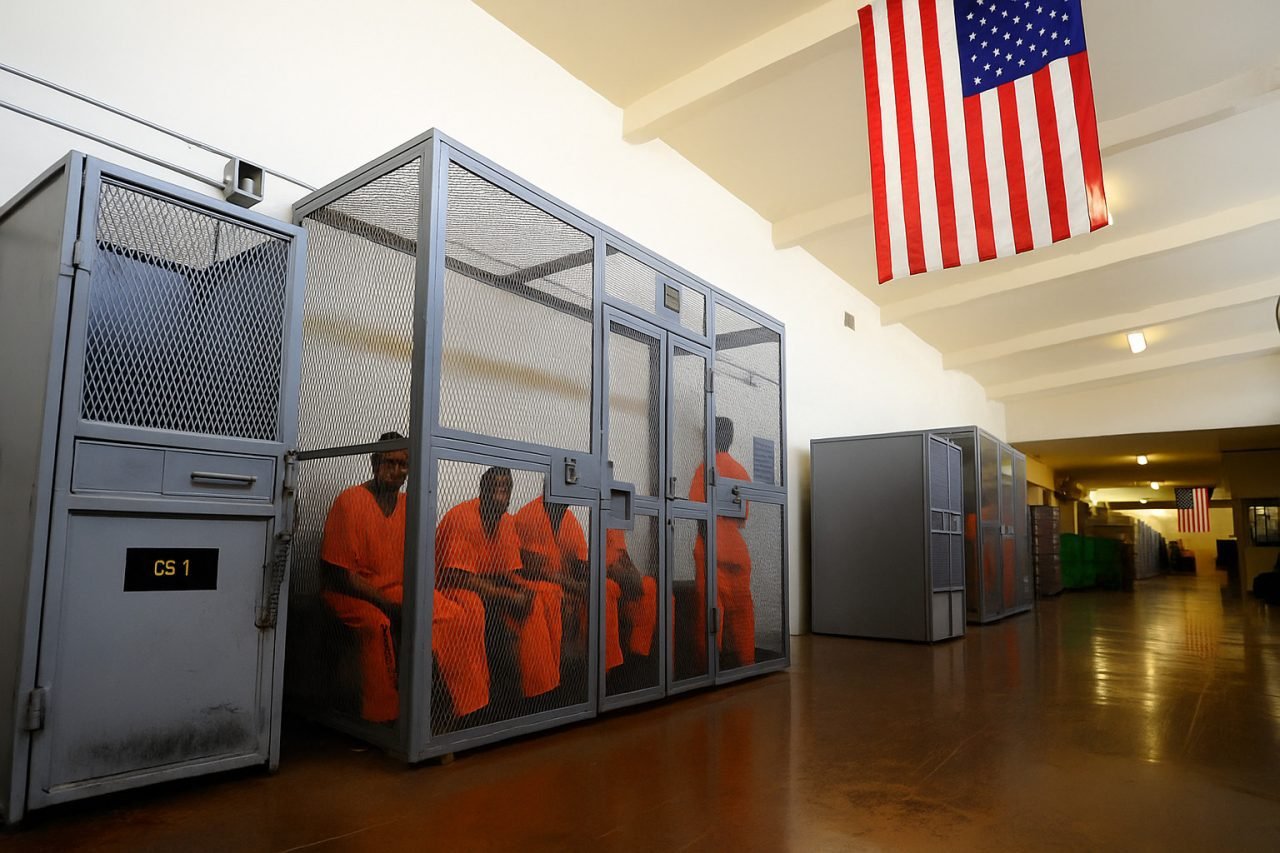
A U.S. federal court has sentenced five Nigerian nationals to a combined total of 159 years in prison for their involvement in a $17 million fraud scheme that defrauded over 100 individuals, companies, and government entities across the United States. The convictions were announced by the U.S. Department of Justice following a multi-year investigation into a transnational organized crime ring. The fraudsters used a variety of tactics, including romance scams, business email compromise, unemployment insurance fraud, and investment fraud, targeting elderly and vulnerable victims. The convicted individuals—Damilola Kumapayi, Sandra Iribhogbe Popnen, Edgal Iribhogbe, Chidindu Okeke, and Chiagoziem Okeke—were found to have played significant roles in the scheme, which began around January 2017 and spanned several years. Court documents revealed that the group lured victims through fake online relationships, compromised business communications, and fraudulent investment opportunities. Once the money was obtained, it was laundered through a network of bank accounts and sent to accomplices and entities in Africa and Asia. A statement from the Department of Justice read, “The scheme resulted in approximately $17 million fraudulently obtained from at least 100 individual victims, companies, and government entities worldwide. The scheme specifically targeted elderly persons and used various schemes, such as online dating sites, to lure victims. Once funds were obtained, the defendants laundered the money through a network of various bank accounts and sent it to bank accounts, co-conspirators, and businesses located in Africa and Asia.” The defendants were arrested and charged with conspiracy, wire fraud, and money laundering. U.S. District Judge Amos Mazzant sentenced them after their convictions. Chidindu Okeke and Chiagoziem Okeke (both 32, of Houston) and Edgal Iribhogbe (51, of Allen) were each sentenced to 480 months (40 years) in prison. Sandra Iribhogbe Popnen (50, of Plano) was sentenced to 365 months. Damilola Kumapayi (39, of Plano) received a sentence of 109 months after pleading guilty. Prosecutors stated that some victims lost their life savings and suffered severe emotional and financial trauma. Law enforcement officials praised the coordinated efforts that led to the convictions and stressed the U.S. government’s commitment to holding international fraud rings accountable.

ade-1280x853.jpeg

2min6060
The Lagos State Police Command clarified on Tuesday that the object resembling a firearm seen in a viral video with Pastor Paul Adefarasin is not a lethal weapon but a stun gun, which is classified as prohibited anti-riot equipment. The police issued this clarification through a statement posted on their official X handle (formerly Twitter), responding to public concern raised over the footage that showed the founder of House on the Rock holding the gun-like object while driving an unregistered vehicle. According to the police, Adefarasin voluntarily turned himself in and has been fully cooperative with the ongoing investigation. He was questioned and provided a cautionary statement to investigators. The command confirmed that the object seen in the video was recovered and verified to be a stun gun, not a firearm. Adefarasin has since been granted administrative bail, and authorities assured the public that the investigation’s outcome will be shared once concluded. The police statement read, “Pastor Paul Adefarasin, who turned himself in today at the Lagos State Police Command over a viral video where he was seen holding a gun-like object against another road user, was interrogated and volunteered a cautionary statement to the police investigators. “What was recovered from him, the gun-like object seen in the viral video, is not a lethal weapon or firearm but a stun gun, which is a prohibited anti-riot equipment.” The pastor has been granted bail while investigations into the matter continue.

dis.jpeg

3min20400
Dr. Vipul Patel, a Florida-based medical professional, successfully performed a prostatectomy, a procedure to remove part or all of the prostate, on Fernando da Silva, an Angolan patient, by sending a robot to Africa for the surgery, as reported by The Independent. Dr. Patel, who is also the Medical Director of the Global Robotic Institute at Advent Health in Orlando, explained that 67-year-old da Silva had been diagnosed with prostate cancer in March. According to ABC News, in June, Patel performed the surgery remotely using transcontinental robotic telesurgery, and the procedure was a success. Patel emphasized the widespread nature of prostate cancer in Africa, noting that it had not been properly monitored or treated in the past. “We’ve been working on this for two years,” Patel said, referring to the development of the necessary technology. “We traveled the globe looking for the right technologies.” Da Silva became the first patient in a human clinical trial authorized by the Food and Drug Administration (FDA) to test this groundbreaking technology. While surgeons have previously used multimillion-dollar robots with enhanced visuals and nimble controls, they typically remain in close proximity to the patient during the operation. However, Patel conducted the surgery from a distance using fiber optic cables, ensuring no noticeable delay. “There was no perceptible delay in my brain,” Patel stated. Patel’s surgical team was present in the operating room with da Silva, ready to intervene if necessary. “We made sure we had plans A, B, C, and D. I always have my team where the patient is,” he explained. In case of any communication issues, the team was prepared to take over and complete the surgery safely. Reflecting on the achievement, Patel described the surgery as “a small step for a surgeon, but a huge leap for healthcare.” He added that the “humanitarian implications are enormous,” particularly for underserved areas around the world. Patel also suggested that rural communities in the U.S. could benefit from this technology. “Emergency room physicians could have access to remote surgery technology, potentially even in ambulances, allowing for interventions when patients cannot make it to a hospital.” Patel plans to submit the data from the surgery to the FDA, hoping to expand the use of telesurgery in the future.

eme-1280x853.jpeg

3min2730
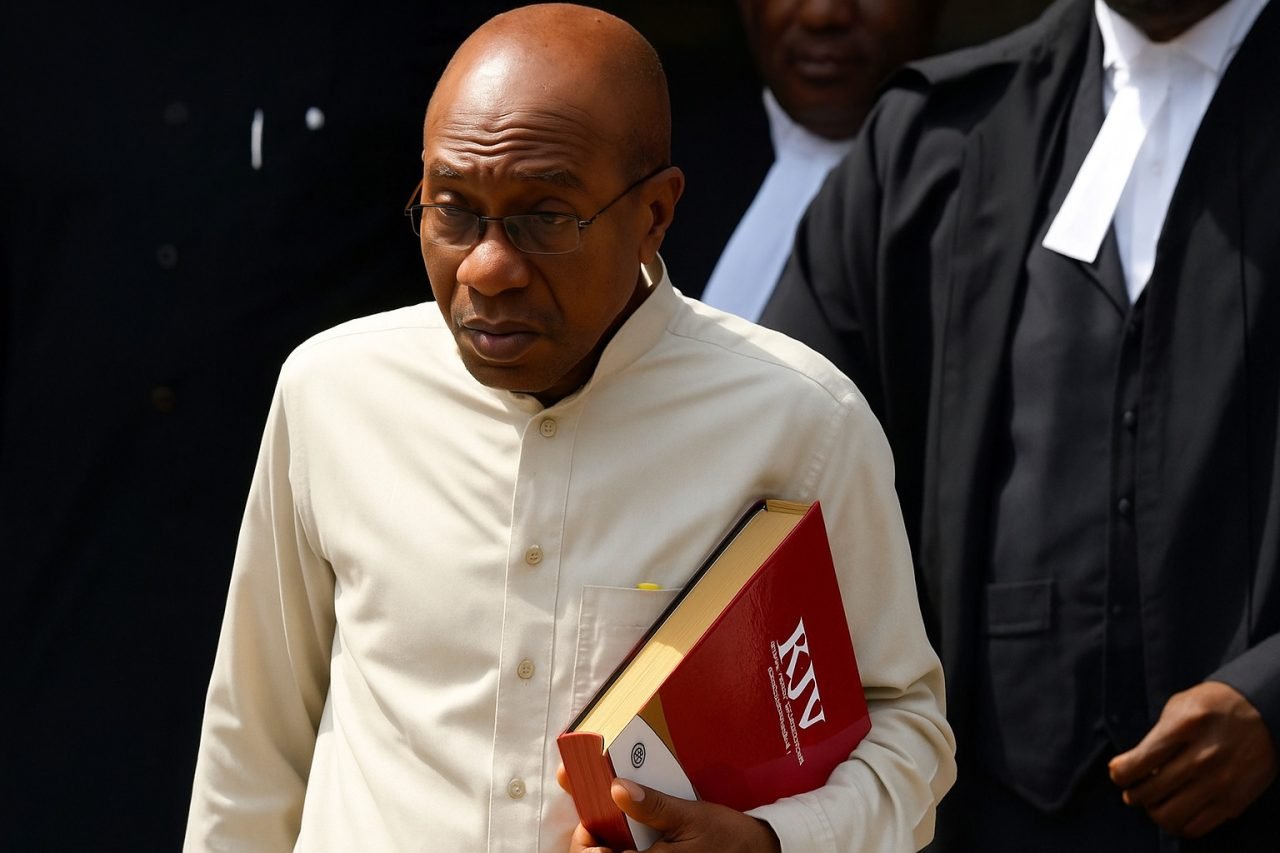
The Federal Capital Territory High Court in Maitama, Abuja, on Monday granted bail to former Central Bank Governor, Godwin Emefiele, in the sum of N2 billion. Emefiele was arraigned on an eight-count charge involving the alleged unlawful acquisition of a 753-unit housing estate and the embezzlement of billions of naira through proxy accounts. The Economic and Financial Crimes Commission (EFCC) accused him of colluding with a co-defendant, Eric Ocheme—who is currently at large—to acquire the estate located at Plot 109, Cadastral Zone C09, Lokogoma District, Abuja. The charges were filed under suit number CR/350/25, dated May 30, 2025. During the hearing, lead prosecutor Rotimi Oyedepo (SAN) informed the court of the charges, while defence counsel Matthew Bukka (SAN) challenged the court’s jurisdiction, arguing that the charges did not directly implicate Emefiele. He cited legal precedents, stating that the matter of jurisdiction should be resolved before a plea could be entered. Justice Yusuf Halilu disagreed, stating that criminal proceedings require that the accused first enter a plea before any objections can be addressed. He added that this was standard procedure and not without precedent. Following the judge’s ruling, Emefiele pleaded not guilty to all eight charges, which include criminal breach of trust and the control of funds suspected to be proceeds of crime. The prosecution then requested an expedited trial and asked the court to remand the defendant. In response, the defence pointed to a pending bail application filed on June 13 and noted that this was the fourth set of charges brought against Emefiele, who had complied with all previous bail conditions. While the prosecution did not object to bail, it sought tougher conditions due to the gravity of the offences. Justice Halilu ruled in favour of bail, citing the constitutional presumption of innocence. He acknowledged that the defendant had respected previous bail terms. Under the new bail conditions, Emefiele must: Provide two sureties who reside in Abuja and own properties worth N2 billion each within the court’s jurisdiction (specifically in Maitama, Asokoro, Wuse, or Life Camp), Submit all travel documents to the court. The judge warned that if the defendant failed to appear in court, the sureties’ properties would be forfeited to the federal government. Defence counsel requested that Emefiele be released to his legal team while the bail conditions are being met. Although the prosecution objected, describing it as an attempt to alter the terms of the bail, the judge granted the request with a deadline: if the conditions are not perfected by Wednesday, Emefiele will be remanded. The case was adjourned to July 11, 2025, for continuation of trial.

task-1280x720.jpeg

2min2800
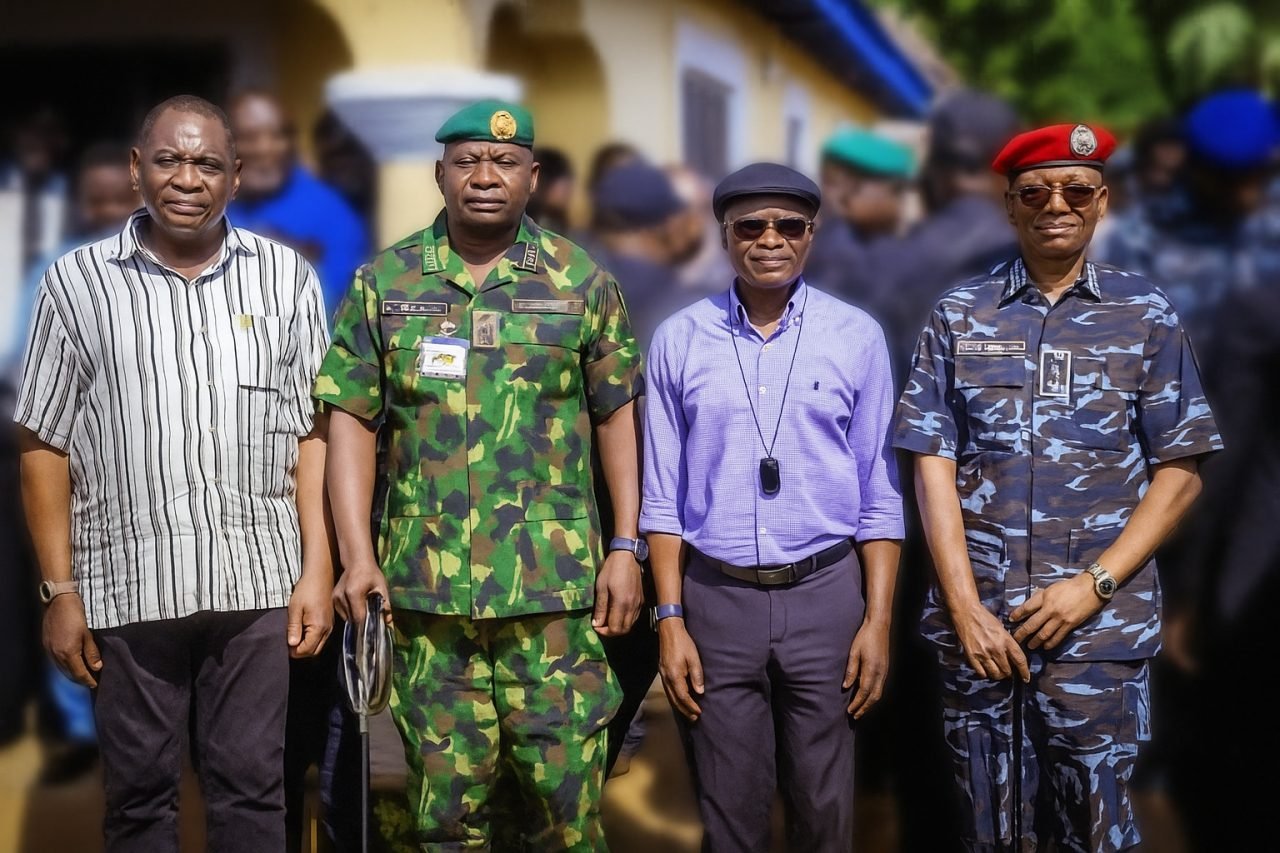
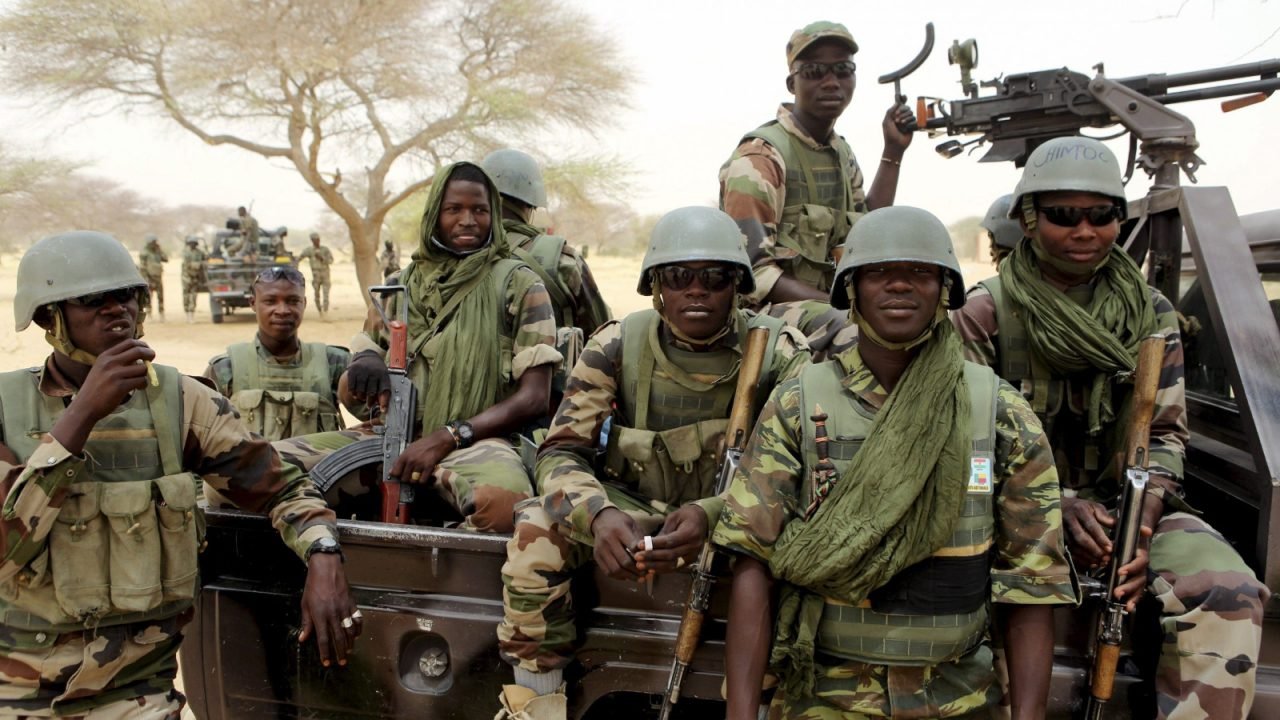
The Joint Task Force, Operation Whirl Stroke (JTF-OPWS), has pledged to restore peace and security across conflict-affected communities in Benue State. The assurance was given by the Commander of JTF-OPWS, Major General Moses Gara, during an operational tour of key locations under the task force’s responsibility. The statement was released on Tuesday by the Acting Media Operations Officer, Lieutenant Ahmad Zubairu, on behalf of the headquarters in Makurdi. General Gara urged troops to remain vigilant, maintain high morale, and adhere to strict professional standards. He emphasized that the task force was deploying both kinetic and non-kinetic strategies to tackle the criminal elements threatening peace in the region. He highlighted the importance of discipline, resilience, and unwavering commitment in ongoing counter-terrorism and anti-banditry operations, stressing that the Armed Forces would not rest until full peace and normalcy are restored. “All perpetrators of violence will be identified, isolated, and prosecuted in accordance with the law and military justice procedures. The era of impunity is over,” he stated. The Commander reaffirmed the military’s commitment to protecting lives and property and declared that no criminal would escape justice. During the tour, he assessed troop morale, operational readiness, and logistics capacity. He also engaged with field commanders to review current intelligence and progress of clearance operations aimed at flushing out armed militias, bandits, and other non-state actors. Locations visited included Naka, Gwer West, Otukpo, Agatu, and Apa Local Government Areas of Benue State.