Author: Lifestyle & Wellness Desk

cac.jpeg

4min2850
The Corporate Affairs Commission (CAC) has introduced a revised schedule of service fees, which will take effect from August 1, 2025. This review follows a comprehensive assessment of prevailing economic conditions, rising operational costs, and consultations with relevant stakeholders. According to the Commission, the changes are part of a broader effort to enhance service delivery through efficient, technology-driven processes that support the evolving needs of Nigerian businesses. “The Commission wishes to inform the general public, valued customers, and stakeholders that, in line with ongoing efforts to improve the quality and efficiency of our services, it has become necessary to review certain service fees effective August 1, 2025,” the CAC stated. The Commission emphasized that the revised fees are modest and competitive, and are designed to support its commitment to digital transformation, improved regulatory services, and the long-term sustainability of operations. “We remain committed to transparency, accountability, and customer satisfaction as we continue to build a more resilient and responsive corporate regulatory framework,” the statement added. The updated fee schedule applies to a wide range of services across companies, business names, incorporated trustees, and limited partnerships. The full list of revised fees is available on the Commission’s website at www.cac.gov.ng. Key highlights include: Companies: Voluntary striking off now costs N50,000 for small companies and N100,000 for public companies. Relisting fees are N50,000 for LTD/GTE and N100,000 for public entities. Due diligence (self-service) is set at N50,000. Extension of time to hold an AGM costs N100,000 for public companies and N50,000 for others. Historical search reports now range from N20,000 to N30,000. Restriction of director’s residential address is N25,000. Certified true copies (CTCs) of documents or extracts: N5,000 per copy. Limited Partnerships: Voluntary striking off and relisting: N25,000 each. Letter of good standing: N10,000. Registration and CTC of documents: N30,000. Change of name: N10,000. Business Names: Voluntary striking off: N10,000. Relisting: N25,000. Application for cessation: N10,000. CTCs or document extracts: N5,000 each. Restriction of proprietor’s address: N25,000. General: Name reservation remains at N1,000. Name reservation involving restricted words: N5,000. The Commission noted that these updates are aimed at improving customer experience while maintaining the integrity of the corporate registry in Nigeria. Business owners, legal practitioners, compliance officers, and other users of CAC services are encouraged to familiarize themselves with the new structure in preparation for the August 1 implementation date.
na-1-1280x853.jpeg

4min5230
The Federal High Court in Abuja has rejected a request by the Federal Government to issue a bench warrant for the arrest of suspended Senator Natasha Akpoti-Uduaghan over an alleged defamation case. Justice Muhammed Umar gave the ruling on Monday after federal government counsel, David Kaswe, told the court that the criminal charge had been served on the senator’s lawyer earlier that morning within the courtroom. However, Justice Umar ruled that since Senator Akpoti-Uduaghan had not been personally served with the charge or a notice of hearing beforehand, it would be unreasonable to expect her appearance in court. As a result, he dismissed the application for a bench warrant. Kaswe argued that the senator ought to have known about the court proceedings since her lawyer had been served. The judge, however, maintained that serving a charge on legal counsel does not automatically imply that the defendant is aware of the arraignment. Following this, the prosecution applied for substituted service of the charge via her lawyer, Johnson Usman. The court granted the application and adjourned the arraignment to June 30, 2025. The case, filed by the Director of Public Prosecutions of the Federation, Mohammed Abubakar, accuses Senator Akpoti-Uduaghan of making defamatory remarks during a live television interview. In the charge, the senator is alleged to have made damaging statements against Senate President Godswill Akpabio and former Kogi State Governor Yahaya Bello during a live broadcast of Politics Today on Channels Television on April 3, 2025. She allegedly claimed that Bello and Akpabio conspired to have her assassinated outside Abuja and make the killing appear as a mob attack. One of her statements read: “Let’s ask the Senate President, why in the first instance did he withdraw my security, if not to make me vulnerable to attacks? He then emphasised that I should be killed, but I should be killed in Kogi… What is important to me is to stay alive, because dead men tell no tales.” In another portion of the charge, she allegedly stated: “It was part of the meeting, the discussions that Akpabio had with Yahaya Bello that night, to eliminate me… He then emphasised that I should be killed, but I should be killed in Kogi.” The Federal Government contends that these statements were knowingly false or made with reckless disregard for the truth and were intended to damage the reputations of the individuals involved. Additionally, Akpoti-Uduaghan is accused of making defamatory remarks about Senate President Akpabio during a telephone conversation with Sandra C. Duru on March 27, 2025, in Abuja. She allegedly claimed: “That girl that was killed… Imoren Iniubong, her organs were actually used for the wife, because the wife was really ill… when they killed the girl, and her organs were used for the wife.” The prosecution maintains that the senator should have known that such claims would harm Akpabio’s reputation. Senate President Akpabio, former Governor Yahaya Bello, and four others have been listed as prosecution witnesses in the upcoming trial.

cc-1280x853.jpeg

2min5280
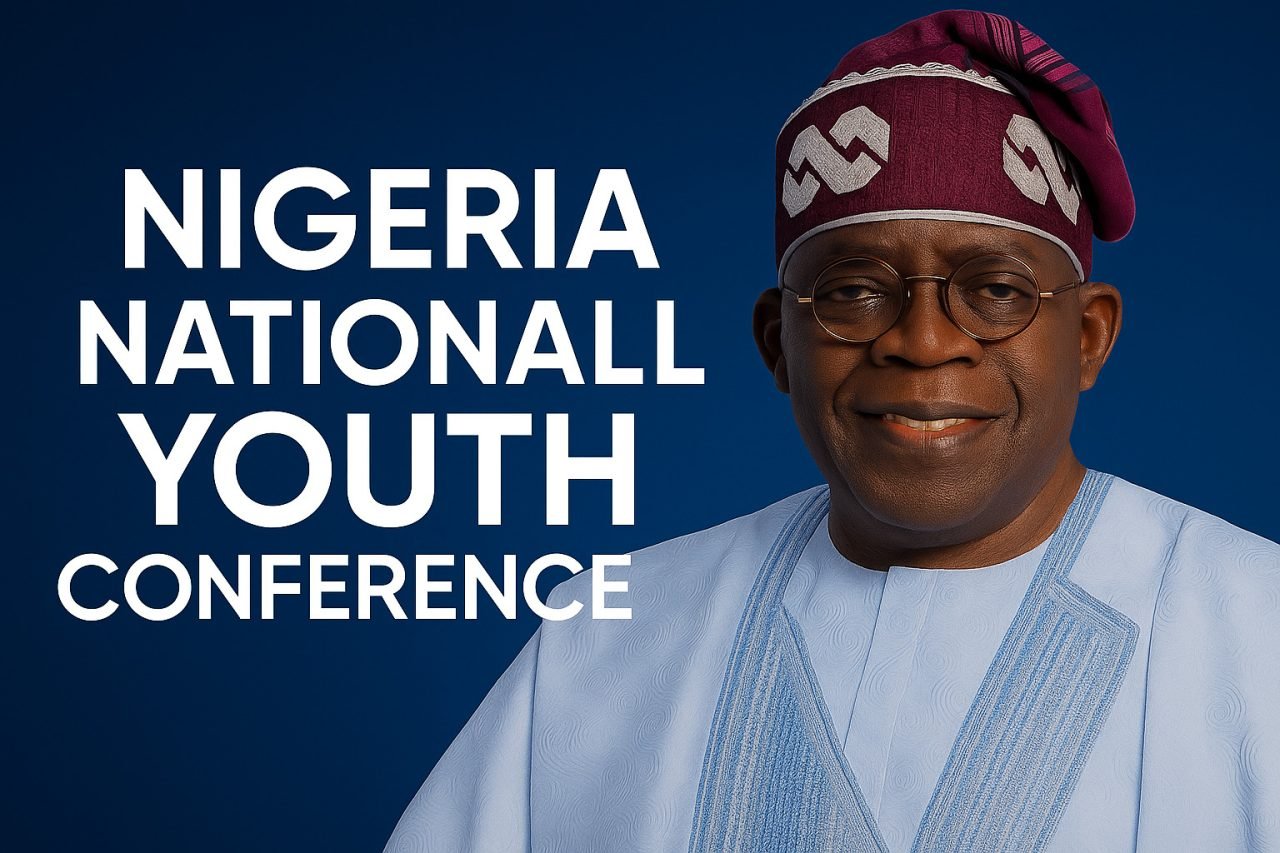
The Federal Government has officially launched the digital portal for the upcoming Nigeria Youth Conference also known as the National Youth Confab designed to engage young Nigerians in shaping national policy and development. Minister of Youth Development, Ayode Olawande, announced the portal’s launch on Monday, describing the conference as “more than just a gathering,” but rather “a generational shift, a national movement, and a call to action.” President Bola Tinubu had first announced plans for a 30-day Youth Confab during his Independence Day address on October 1, 2024. The conference is scheduled to take place in February 2025. A 44-member Planning Committee for the Confab was formally inaugurated by President Tinubu on March 10 at the State House in Abuja. Unveiling the theme “Next Gen Nigeria: Crafting Solutions, Owning the Future” Olawande emphasized that the Confab will be inclusive, non-partisan, and youth-led. He noted that the newly launched portal will serve as a hub for delegate registration, public input, and real-time updates throughout the duration of the conference. The Confab will feature multi-level participation, including contributions from Nigerian youth in the diaspora, consultations in all 360 federal constituencies, zonal discussions in six selected states, and a culminating National Conference in Abuja where final recommendations will be harmonized.

pp-1280x853.jpeg

2min6250
President Bola Tinubu has postponed his planned official visit to Kaduna State and will now travel to Benue State on Wednesday, June 18, 2025, as part of efforts to promote peace and tackle the ongoing violence disrupting communities in the region. The change in schedule was announced on Monday by the President’s Special Adviser on Information and Strategy, Bayo Onanuga, in an official statement. According to Onanuga, President Tinubu’s visit to Benue is intended to provide a firsthand assessment of the recurring attacks that have resulted in numerous fatalities and widespread destruction. Originally, the President was expected to be in Kaduna on Wednesday to commission several state government projects. That visit has now been rescheduled for Thursday, June 19, 2025. While in Benue, President Tinubu will meet with a broad range of stakeholders—including traditional rulers, political leaders, religious figures, community representatives, and youth groups—to chart a path toward lasting peace. “In anticipation of the visit, the President has already deployed key officials to Benue, including the Secretary to the Government of the Federation, the Inspector General of Police, heads of intelligence agencies, the National Security Adviser, and the Chairmen of the Senate and House Committees on Defence,” the statement said. A town hall meeting involving all major stakeholders is also planned as part of the President’s engagement during the visit. President Tinubu has previously condemned the spate of violence in Benue and urged all parties to embrace peace, mutual respect, and reconciliation. He also extended his deepest condolences to the families of the victims and all those affected by the unrest.

IMG-20250615-WA0006-1280x853.jpg

3min4530
The Federal Ministry of Women Affairs has called on policymakers, developers, parents, and educators to collaborate in developing ethical guidelines for Artificial Intelligence (AI) and digital content specifically designed for children in Nigeria. The ministry also emphasized the need for robust cybersecurity frameworks focused on children, as well as inclusive innovation spaces that ensure no child is left behind. Speaking at the Kids Tech Fest—Africa’s first AI Summit for Children—held in Lagos on Saturday, Minister Hajiya Imaan Sulaiman Ibrahim stressed the importance of safeguarding children in the digital era. The summit was organized by Digital Equity Africa in collaboration with the ministry and other partners. Represented by her Special Adviser on Media and Publicity, Mr. Johnathan Eze, the minister reaffirmed the ministry’s commitment to providing a safe, inclusive, and nurturing environment where children can explore the benefits of AI and technology. “As our children embrace AI, robotics, and other digital tools, we—as guardians—must ensure their safety and mental well-being,” she said. “Let us renew our commitment to investing in their safety, education, and aspirations.” “Together, we can create a society where technology promotes inclusion and where childhood remains a space of safety, wonder, and limitless opportunity,” she added. Also speaking at the summit, Ms. Lavina Ramkissoon, Ambassador and Master of Technology Advisor at the African Union, highlighted the need for bold and coordinated efforts to successfully integrate AI into African societies. “Children already possess imagination—it’s the adults who need to align and act with urgency,” she said. “We must implement strong policies around internet use, child protection, and human rights that amplify the voices and needs of children.” She further urged African countries to begin planning for the future by considering the rights and ethical frameworks needed for AI to function responsibly in society. “Can we envision a workforce in 10 to 15 years that includes humanoids?” she asked. “Are we preparing our managers and leaders to effectively integrate and supervise such advanced technologies?” In her remarks, Mrs. Justina Nnamoha, Convener of Kids Tech Fest, said the event was designed to raise awareness among parents and educators about the importance of preparing Nigerian children for the future of AI. “It’s crucial to ask whether our children will be relevant and competitive on the global stage in the years to come,” she said. “We must ensure they are brought up to speed with advancements in AI—safely and within our African context.” The event drew children aged 6 to 16 from over 200 schools across Lagos State. Panel discussions focused on child safety in the digital space and introducing children to AI, while interactive workshops allowed participants to explore the possibilities of artificial intelligence firsthand. NAN

IMG-20250615-WA0008-1280x853.jpg

4min8850
The Trump administration is considering a major expansion of its travel ban policy by potentially restricting entry to citizens from 36 additional countries, according to a State Department memo reviewed by The Washington Post. The list of countries under review includes 25 African nations—such as Egypt, Nigeria, and Djibouti, many of which are long-standing U.S. partners—as well as several countries in the Caribbean, Central Asia, and the Pacific Islands. A spokesperson for the State Department declined to comment on internal discussions, and the White House did not immediately respond to media inquiries. If implemented, this move would mark a significant escalation in the Trump administration’s hardline stance on immigration. The memo, signed by Secretary of State Marco Rubio and sent to U.S. diplomats on Saturday, outlined new benchmarks that foreign governments must meet within 60 days to avoid visa bans or other travel restrictions. Countries were asked to submit an initial action plan by 8 a.m. on Wednesday, detailing how they intend to meet the requirements. The criteria cited in the memo include the inability of some governments to issue reliable identity or civil documents, widespread corruption, high rates of U.S. visa overstays, and the sale of citizenship through investment schemes with no residency obligations. It also referenced concerns about alleged “antisemitic and anti-American activities” among certain nationals. However, the memo indicated that if a country was willing to accept the return of third-country nationals removed from the U.S., or enter into a “safe third country” agreement, it might offset other concerns. It remains unclear when or if the proposed travel restrictions would be enforced if countries fail to comply. Countries listed in the memo include: Angola, Antigua and Barbuda, Benin, Bhutan, Burkina Faso, Cabo Verde, Cambodia, Cameroon, Democratic Republic of Congo, Djibouti, Dominica, Egypt, Ethiopia, Gabon, Gambia, Ghana, Ivory Coast, Kyrgyzstan, Liberia, Malawi, Mauritania, Niger, Nigeria, Saint Kitts and Nevis, Saint Lucia, Sao Tome and Principe, Senegal, South Sudan, Syria, Tanzania, Tonga, Tuvalu, Uganda, Vanuatu, Zambia, and Zimbabwe. This represents a notable expansion of the Trump administration’s proclamation issued on June 4, which had already imposed full travel bans on countries such as Afghanistan, Myanmar, Haiti, Iran, and Libya, and partial restrictions on others including Burundi, Cuba, and Venezuela. Critics, including Democrats and civil rights advocates, have condemned the travel ban efforts as discriminatory, pointing to the large number of African, Caribbean, and Muslim-majority countries targeted. The initial ban during Trump’s first term caused widespread confusion at airports and sparked a wave of legal battles before the U.S. Supreme Court upheld a revised version in 2018. Although the Biden administration repealed the travel bans upon taking office, Trump has pledged to reinstate and expand them if re-elected, vowing a “bigger and tougher” version. On Inauguration Day, the White House issued a directive for U.S. agencies to identify countries with inadequate vetting systems that could justify restricting the entry of their citizens.

IMG-20250615-WA0005.jpg

2min5610
An Air India flight en route to New Delhi was forced to make an emergency landing on Friday following a bomb threat, just a day after the deadly Ahmedabad air crash. The aircraft, flight AI379, had departed from Phuket, Thailand, heading for India’s capital when the threat was received mid-flight. Authorities at Airports of Thailand confirmed that the plane returned to Phuket, where all 156 passengers were safely evacuated in accordance with emergency protocols. According to a statement, the bomb threat was discovered onboard after takeoff, prompting the crew to divert the plane back to Phuket. Flight tracking data from Flightradar24 shows the aircraft circling over the Andaman Sea before returning to the airport. At a press briefing, Phuket Airport General Manager Monchai Tanode said a written bomb threat was found inside one of the aircraft’s lavatories. Thai police took several passengers in for questioning but were unable to identify the author of the note. Air India spokesperson Debasish Choudhury later confirmed that three individuals were initially treated as suspects, but all were subsequently cleared of any involvement. The incident comes on the heels of Thursday’s tragic crash involving another Air India flight, which plunged shortly after takeoff from Ahmedabad, killing 240 of the 241 people on board. The victims included 169 Indian nationals, 53 British, seven Portuguese, and one Canadian. India’s civil aviation sector has faced mounting security challenges in recent months. In 2024 alone, nearly 1,000 hoax bomb threats were reported across airlines and airports—almost ten times the number recorded the previous year. These threats have led to numerous flight disruptions and emergency procedures. Authorities continue to investigate the latest incident while urging the public to take all aviation security alerts seriously.

IMG-20250615-WA0007-1280x853.jpg

3min10080
Governor Hyacinth Alia of Benue State announced on Sunday that a joint task force comprising tactical and rapid response units has begun arriving in the state to confront the escalating security threats. The announcement was conveyed through a statement issued by the Governor’s Chief Press Secretary, Mr. Tersoo Kula, and shared with journalists in Makurdi. According to the governor, these deployments are specifically targeted at reinforcing security in communities deemed most vulnerable. Governor Alia strongly condemned the recent violent attacks in Yelwata, allegedly carried out by armed herders, which led to the loss of innocent lives. “I empathize deeply with all who have been affected by these senseless acts of violence. These attacks, believed to be perpetrated by criminal elements suspected to be armed herdsmen, have brought grief to our communities,” he said. He emphasized that the state government is working closely with federal security agencies, traditional rulers, community leaders, and other key stakeholders to strengthen security coordination and devise long-term solutions to the persistent violence. “We want to assure residents that additional tactical units have begun arriving from the Federal Government. More security personnel are also being mobilized to protect high-risk areas,” he noted. He added that specialized response teams would be deployed starting Sunday, and strategic dialogues with community stakeholders were underway to improve intelligence gathering and local cooperation. “The joint operational forces within the state are also being reinforced to ensure a robust and sustained security presence. Our administration remains firmly committed to safeguarding lives and property,” he said. Governor Alia urged religious, traditional, and political leaders to actively engage with young people under their influence, cautioning them against any unlawful gatherings or retaliatory actions that could escalate the situation. He further appealed to the public to report suspicious activities through official channels and to rely on verified sources for updates. Reaffirming his administration’s dedication to ensuring peace, justice, and security across the state, the governor disclosed that his deputy, Mr. Sam Ode, had visited the affected community to show solidarity. He concluded by reassuring citizens that every effort would be made to restore peace and normalcy across Benue State.

pol-1280x853.jpeg

2min4780
The Nigeria Police Force (NPF) has extended the deadline for enforcing the Tinted Glass Permit requirement to August 12, 2025, in response to extensive public feedback. Inspector-General of Police, Kayode Egbetokun, announced the extension on Saturday through a statement issued by Force Public Relations Officer, Olumuyiwa Adejobi. The move, he said, aligns with the Force’s commitment to fostering transparent, inclusive, and citizen-oriented policing. The extension allows for ongoing policy and technical upgrades to the permit application system — including both online and in-person processes — with the aim of reducing delays, strengthening verification mechanisms, and improving the overall user experience. “The Force has not turned a deaf ear to the concerns raised by Nigerians,” the statement said. “In fact, these voices have played a crucial role in shaping the improvements currently being implemented to make the system more secure, efficient, and accessible.” Applicants are reminded to use only the official police portal for new applications or renewals and to promptly report any form of extortion or unauthorised charges encountered during the process. The Police further reiterated their commitment to public safety, service excellence, and digital reform, calling on Nigerians to cooperate as enhancements to the permit process continue.

neco-1280x853.jpeg

3min4890
At least 64,000 pupils from Nigeria, Benin Republic, and Togo sat for the National Common Entrance Examination (NCEE) on Saturday, seeking admission into Federal Government Colleges across Nigeria. The examination, organised by the National Examinations Council (NECO), was held simultaneously in all participating locations. After observing the exercise at Model Secondary School, Maitama, and Government Secondary School, Tudun Wada in Abuja, the Minister of State for Education, Prof. Suwaiba Ahmad, expressed satisfaction with the process. Prof. Ahmad noted that the high turnout was a clear reflection of public confidence in the Unity School system. “I am pleased with the conduct of the exam — it began promptly, candidates were well-organised, and the invigilators were dutiful,” she said. She added that the gender distribution — 30,000 male and 34,000 female candidates — indicated sustained interest in Federal Unity Colleges. “The participation shows that Nigerian parents still value Unity Schools as vital instruments for national integration,” she stated. NECO Registrar, Prof. Ibrahim Wushishi, revealed that Lagos State recorded the highest number of candidates with over 15,000 registrations, while Togo had the fewest with 17. A total of 109 candidates from Benin and Togo — mostly Nigerian nationals — took part in the exam. “This year’s exercise reinforces the regional significance and wide acceptance of our Unity Colleges,” Wushishi said, noting that the examination was conducted without incident. “Materials arrived early, exams commenced on schedule, and we encountered no logistical challenges. We hope this seamless process continues with the upcoming WAEC and NECO senior secondary examinations,” he added. Wushishi also highlighted the provision made for students with special needs, including braille materials and support staff to ensure full participation. Speaking further, the Director of Senior Secondary Education at the Federal Ministry of Education, Binta Abdulkadir, affirmed that admissions would be determined based on merit, state quota, and exigency — the latter primarily serving children of civil servants. She assured stakeholders of a transparent and inclusive admissions process once results are released. The NCEE, held annually, grants pupils access to Federal Government colleges — widely known as Unity Schools. Admissions for the next academic session are expected to commence shortly after the publication of results.