

 Lifestyle & Wellness Desk
Trump Administration Mulls Expanding Travel Ban to 36 More Countries, Including Nigeria
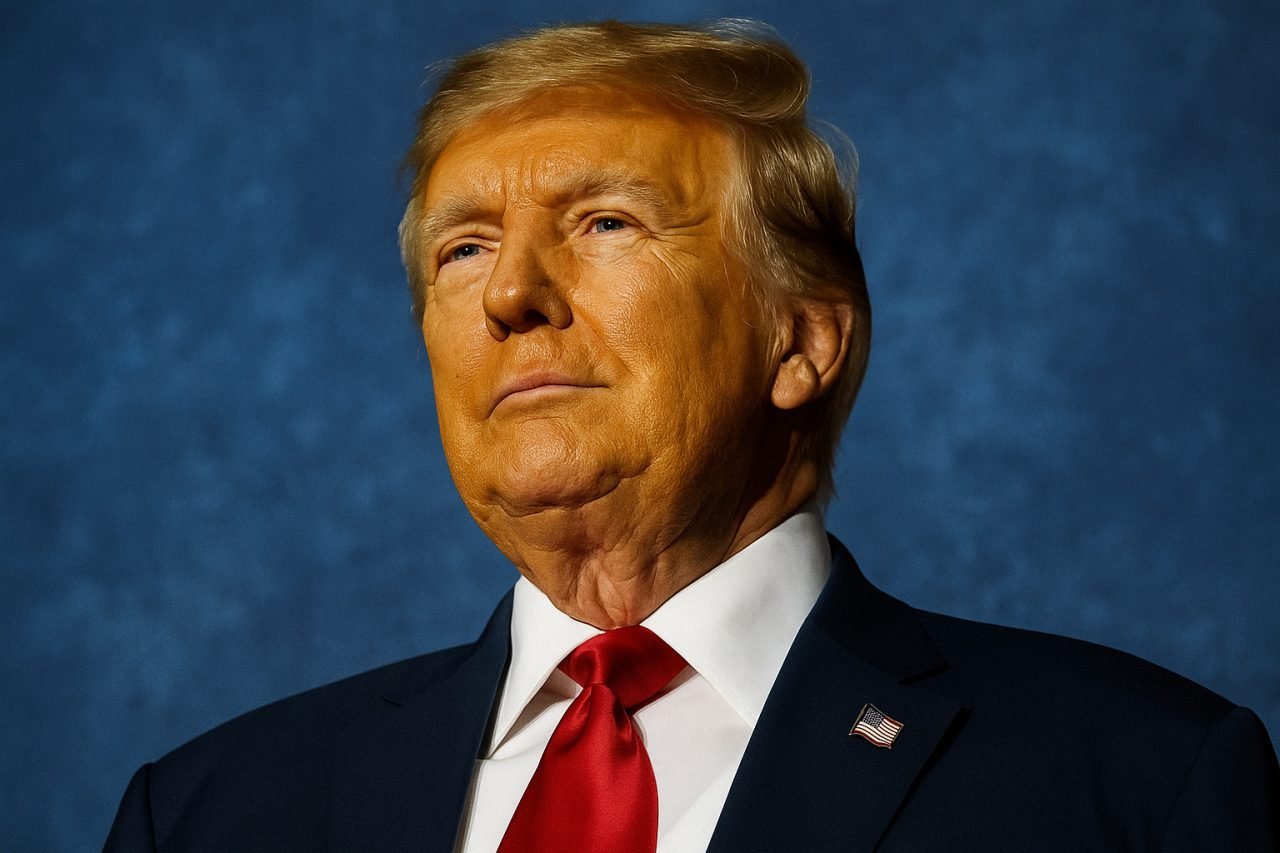
The Trump administration is considering a major expansion of its travel ban policy by potentially restricting entry to citizens from 36 additional countries, according to a State Department memo reviewed by The Washington Post.
The list of countries under review includes 25 African nations—such as Egypt, Nigeria, and Djibouti, many of which are long-standing U.S. partners—as well as several countries in the Caribbean, Central Asia, and the Pacific Islands.
A spokesperson for the State Department declined to comment on internal discussions, and the White House did not immediately respond to media inquiries.
If implemented, this move would mark a significant escalation in the Trump administration’s hardline stance on immigration.
The memo, signed by Secretary of State Marco Rubio and sent to U.S. diplomats on Saturday, outlined new benchmarks that foreign governments must meet within 60 days to avoid visa bans or other travel restrictions. Countries were asked to submit an initial action plan by 8 a.m. on Wednesday, detailing how they intend to meet the requirements.
The criteria cited in the memo include the inability of some governments to issue reliable identity or civil documents, widespread corruption, high rates of U.S. visa overstays, and the sale of citizenship through investment schemes with no residency obligations. It also referenced concerns about alleged “antisemitic and anti-American activities” among certain nationals.
However, the memo indicated that if a country was willing to accept the return of third-country nationals removed from the U.S., or enter into a “safe third country” agreement, it might offset other concerns.
It remains unclear when or if the proposed travel restrictions would be enforced if countries fail to comply.
Countries listed in the memo include:
Angola, Antigua and Barbuda, Benin, Bhutan, Burkina Faso, Cabo Verde, Cambodia, Cameroon, Democratic Republic of Congo, Djibouti, Dominica, Egypt, Ethiopia, Gabon, Gambia, Ghana, Ivory Coast, Kyrgyzstan, Liberia, Malawi, Mauritania, Niger, Nigeria, Saint Kitts and Nevis, Saint Lucia, Sao Tome and Principe, Senegal, South Sudan, Syria, Tanzania, Tonga, Tuvalu, Uganda, Vanuatu, Zambia, and Zimbabwe.
This represents a notable expansion of the Trump administration’s proclamation issued on June 4, which had already imposed full travel bans on countries such as Afghanistan, Myanmar, Haiti, Iran, and Libya, and partial restrictions on others including Burundi, Cuba, and Venezuela.
Critics, including Democrats and civil rights advocates, have condemned the travel ban efforts as discriminatory, pointing to the large number of African, Caribbean, and Muslim-majority countries targeted. The initial ban during Trump’s first term caused widespread confusion at airports and sparked a wave of legal battles before the U.S. Supreme Court upheld a revised version in 2018.
Although the Biden administration repealed the travel bans upon taking office, Trump has pledged to reinstate and expand them if re-elected, vowing a “bigger and tougher” version.
On Inauguration Day, the White House issued a directive for U.S. agencies to identify countries with inadequate vetting systems that could justify restricting the entry of their citizens.

