Author: Zara Lianne

Zara Lianne6 May 2025
website-images-5-1280x744.png

6min12030
In the world of education, decisions happen every second: from how to handle a disruptive student to which teaching method works best for a struggling learner. The question is: are those decisions smart, fair, and informed? For too long, many educators have relied on instinct or urgency. But now, there’s a smarter way — decision-making frameworks. What Exactly Is a Decision-Making Framework? Think of it as a roadmap for thinking clearly. A decision-making framework is a structured approach that helps you weigh options, consider consequences, and make choices that are ethical, practical, and student-centered. It takes the guesswork out of the process, giving educators a reliable tool to stand by their decisions, even under pressure. Why Educators Need This Now More Than Ever Teachers and school leaders are under more scrutiny and stress than ever before. Every choice, from classroom discipline to assessment methods has consequences. A wrong move could harm a child’s confidence or damage a school’s reputation. Frameworks offer: Clarity in chaos Consistency across the team Fairness that students and parents can trust Confidence that you are doing the right thing Popular Frameworks That Actually Work Here are a few educator-friendly frameworks you can start using right away: Ethical Frameworks These help you make morally sound decisions. It is guided by values like fairness, respect, and doing no harm. Use it when: Handling bullying cases, grading dilemmas, or discipline issues. Data-Informed Decision-Making Let the data speak. This approach uses evidence like test scores, observations, and feedback to guide decisions. Use it when: Reviewing student progress, changing teaching strategies, or setting school goals. Collaborative Frameworks Not all decisions should be made alone. This model brings teachers, parents, and even students into the decision-making process. Use it when: Planning school events, designing IEPs, or improving school culture. Instructional Frameworks These help teachers decide what to teach, how to teach it, and how to adapt for different learners. Example: The Danielson Framework is widely used. How to Make Better Decisions in 6 Simple Steps Identify the issue clearly Gather all the facts Weigh your options and who’s affected Consult your framework (ethics, data, collaboration) Decide and act Reflect and adjust if needed Conclusively, Great educators do not always have all the answers, but they ask better questions and make better choices. With decision-making frameworks, you move from reacting to responding. From pressure to purpose. In a world where every decision counts, it is time to count on the tools that work.

Zara Lianne2 May 2025
website-images-4-1280x744.png

2min15370
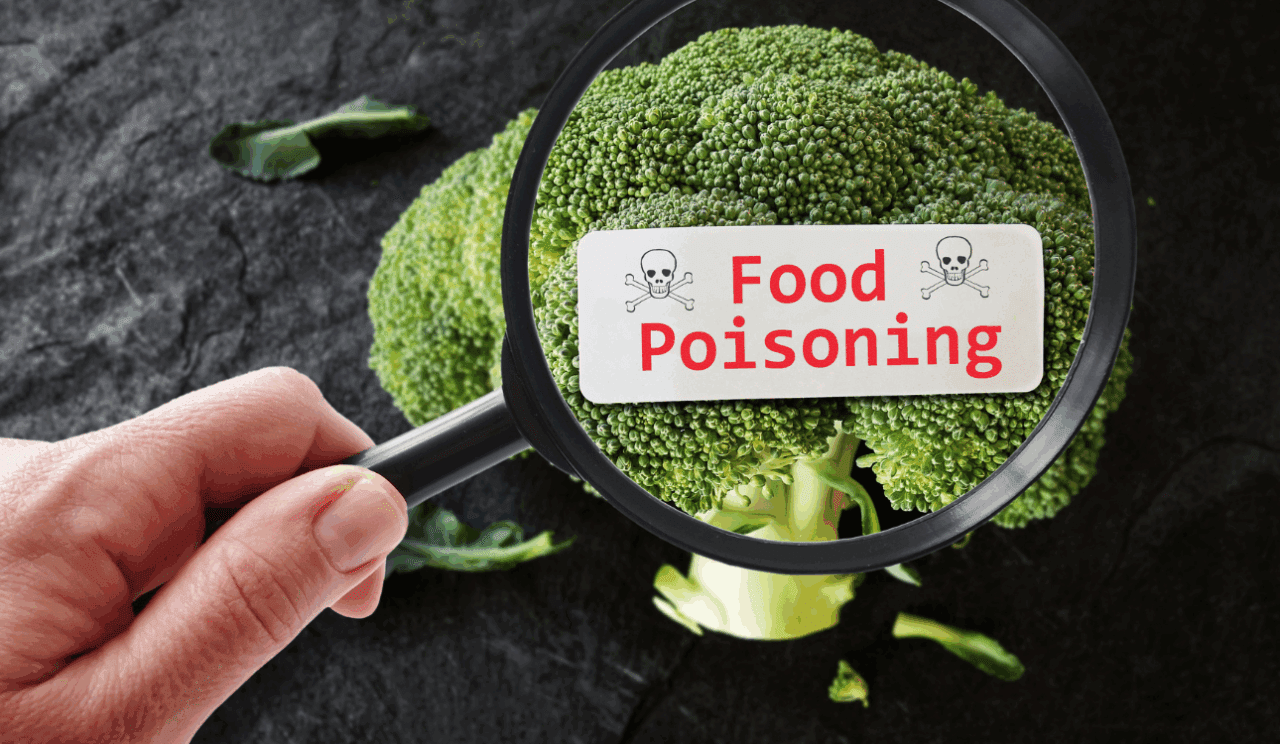
India’s National Human Rights Commission (NHRC) has launched an investigation into a disturbing incident in Bihar where more than 100 schoolchildren reportedly fell ill after consuming a midday meal allegedly contaminated by a dead snake. The incident took place on April 24 at Upkramit Madhya Vidyalaya in Mekra village, located in the Mokama block of Patna district. Reports indicate that a snake accidentally fell into the food while it was being prepared. Despite noticing the contamination, the cook is said to have removed the snake and continued serving the meal to about 500 pupils. Shortly after eating, many students began experiencing symptoms including vomiting and dizziness, triggering panic among parents and community members. Over two dozen children were hospitalized, and two were transferred to a more advanced facility. Medical tests later showed no traces of poison, and the affected children are recovering. Reacting to the incident, the NHRC took suo motu action and issued notices to the Bihar State Government and the Patna Police Command, demanding a comprehensive report within two weeks. The Commission described the situation as a serious human rights concern if the reports are confirmed to be true. This case has once again spotlighted critical safety lapses in India’s Mid-Day Meal Scheme, a program that provides free lunches to millions of children across the country. Though designed to combat hunger and improve school attendance, the scheme has faced repeated criticism over food safety and hygiene standards. The public is now calling for stricter oversight and stronger accountability to prevent such dangerous lapses in school meal programs.

Zara Lianne2 May 2025
website-images-3-1280x744.png

3min12720
Seyi Tinubu, the son of President Bola Ahmed Tinubu, has strongly denied recent allegations made by the President of the National Association of Nigerian Students (NANS), Comrade Atiku Abubakar Isah, calling them an outright attempt to smear his name. Comrade Isah had alleged that Seyi, alongside the Minister of Youth Development, Ayodele Olawande, offered him a ₦100 million bribe to endorse President Tinubu. He further claimed that after rejecting the offer, he was abducted, assaulted, and blackmailed with a threatening video. The NANS president also accused Seyi Tinubu of storming the NANS inauguration venue in Abuja with armed men and attempting to harm him. In response, Seyi Tinubu took to social media to debunk the claims, stating that he has never met or had any dealings with Comrade Isah. He described the accusations as entirely baseless and fabricated. “I have never had any meeting with Comrade Atiku Isah, in Lagos or anywhere else. I do not know him personally, and I certainly was not involved in any incident at their event,” Seyi said in a post. He further expressed his dismay over the allegations, describing them as “an audacious lie” and “a clear attempt to defame my character.” Eyewitnesses and hotel sources where the NANS event took place have also reportedly dismissed claims of any security breach or violent disruption. No evidence has so far linked Seyi to the alleged incident, and security agencies have not confirmed any related investigation. As tensions rise, some public figures, including former Kaduna State Governor Nasir El-Rufai, have called for a thorough and impartial investigation into the matter to uncover the truth and ensure accountability. Seyi Tinubu’s camp has hinted that legal action may be pursued should the defamatory statements continue unchallenged.

Zara Lianne2 May 2025
website-images-2-1280x744.png

2min11460
In a major policy shift aimed at improving teacher education, the Federal Government has approved a dual certification programme for Federal Colleges of Education across Nigeria. This new initiative allows these institutions to award both the Nigeria Certificate in Education (NCE) and Bachelor’s Degrees in Education. Set to begin in the 2025/2026 academic session (September 2025), the policy (known as the Dual Mandate) was made possible by the Federal Colleges of Education Act, 2023, recently signed into law by President Bola Ahmed Tinubu. The law grants the colleges the autonomy to run degree programmes independently, without needing to affiliate with universities. To qualify, colleges must be at least 10 years old and meet the quality standards set by the National Universities Commission (NUC). Only candidates who already hold an NCE will be eligible for admission into the new degree programmes. The National Commission for Colleges of Education (NCCE), in partnership with the NUC, will oversee implementation. Their goal is to ensure the seamless integration of NCE and degree curricula to avoid duplication and raise the quality of teacher training. According to education stakeholders, the policy is a welcome development. It is expected to improve access to higher education for teachers, address low enrolment in colleges of education, and restore dignity to the teaching profession.

Zara Lianne30 April 2025
23-1280x744.jpg

2min12970
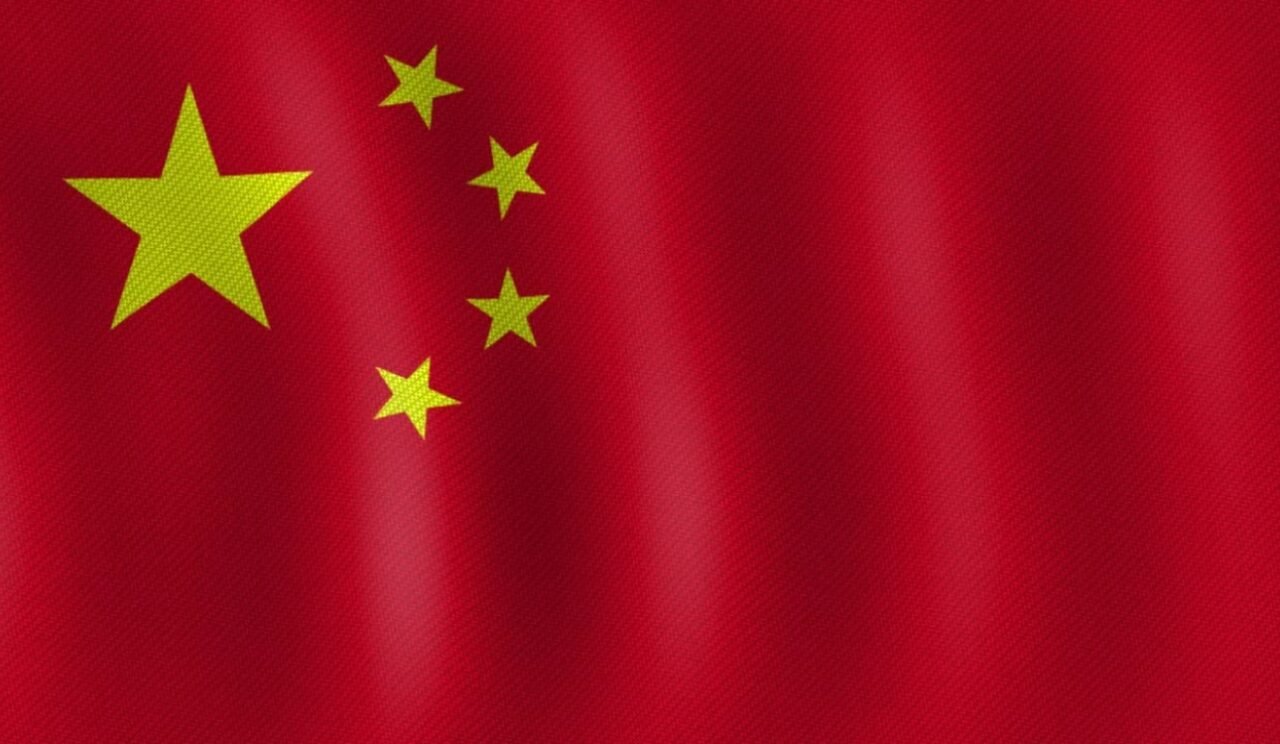
In a dramatic response to rising U.S. tariffs, China has stepped up its media offensive with a wave of propaganda videos designed to project strength and resist American pressure. The campaign leans heavily on Cold War-era imagery and nationalist themes, calling out the United States as a modern-day “imperialist.” One of the most talked-about videos, titled “Never Kneel Down!”, features AI-generated visuals and English narration, portraying the Statue of Liberty under siege and warning against surrendering to U.S. demands. The message is clear: giving in to economic pressure would be like “drinking poison to quench thirst.” The video also invokes powerful historical references, such as the Korean War and the 2021 release of Huawei executive Meng Wanzhou, to highlight China’s resilience. The Chinese government is distributing these videos across popular platforms like Douyin (China’s version of TikTok), WeChat, and state-run outlets. Some clips include satirical content mocking U.S. infrastructure and leadership, further fueling the narrative of American decline. This media blitz comes on the heels of a major escalation in trade tensions, with former President Trump imposing 145% tariffs on Chinese imports and China retaliating with 125% tariffs on American goods. Chinese officials argue that bending to U.S. demands would undermine the nation’s sovereignty and encourage further economic bullying. While the campaign has sparked strong nationalist sentiment, reactions have been mixed. Some Chinese social media users have criticized the over-the-top messaging and questioned whether the propaganda will resonate with global audiences. Nonetheless, the effort marks a new chapter in China’s strategic use of media, combining artificial intelligence, history, and emotion to push back against growing international pressure.

Zara Lianne30 April 2025
corn-1280x744.png

2min8390
China is set to dramatically scale up its cultivation of genetically modified (GM) corn this year, with planting expected to increase by four to five times compared to last year, according to analysts and industry experts. The expanded planting area (estimated at around 3.3 million hectares) is part of Beijing’s broader effort to boost domestic food production and reduce dependence on imported grains, especially from countries like the United States. Genetically modified (GM) crops are plants that have been scientifically altered to enhance specific traits such as resistance to pests, tolerance to herbicides, or improved yields. These modifications aim to increase efficiency, reduce farming costs, and support food security efforts. While this marks a significant policy shift, GM corn will still make up only about 7% of China’s total corn acreage. In contrast, countries like the U.S. and Brazil have adoption rates exceeding 90%. So far, China has approved 37 GM corn varieties and 14 GM soybean types, mostly designed for pest and weed resistance. Despite the government’s strong push, the rollout faces hurdles. Some early field trials showed reduced crop yields due to poor seed adaptability in certain regions. Reports also suggest some farmers, dissatisfied with results, have turned to unapproved GM seeds or switched back to conventional hybrids. The future of the program hinges on how well these GM crops perform under real farming conditions and how effectively the government addresses public concerns about safety and transparency. If successful, this move could mark a significant milestone in China’s path toward agricultural self-sufficiency.

Zara Lianne30 April 2025
harvard-1280x744.png

2min5870
Harvard University President Alan Garber has issued a public apology following the release of two internal reports uncovering widespread antisemitic and anti-Muslim sentiments within the university community. The reports, prepared by two university-appointed task forces, highlighted deep divisions and rising intolerance on campus, especially after the October 2023 Hamas-Israel conflict. Students from Jewish, Israeli, Arab, Palestinian, and Muslim backgrounds reportedly faced discrimination, isolation, and fear. In response, President Garber acknowledged the university’s failure to adequately support affected students and pledged concrete reforms. These include expanding academic programs in Jewish, Islamic, Arab, and Middle Eastern studies, introducing antisemitism awareness training, and enforcing stricter academic neutrality standards among faculty. The findings come as Harvard faces external pressure from the U.S. government, including a freeze on $2.2 billion in federal funding and ongoing legal action against new regulations tied to campus activism and diversity policies. President Garber stressed that Harvard must rebuild trust and foster a campus where all students feel respected and safe. “We must do more to heal and unify our community,” he said.

Zara Lianne30 April 2025
3-9-1280x744.jpg

2min6880
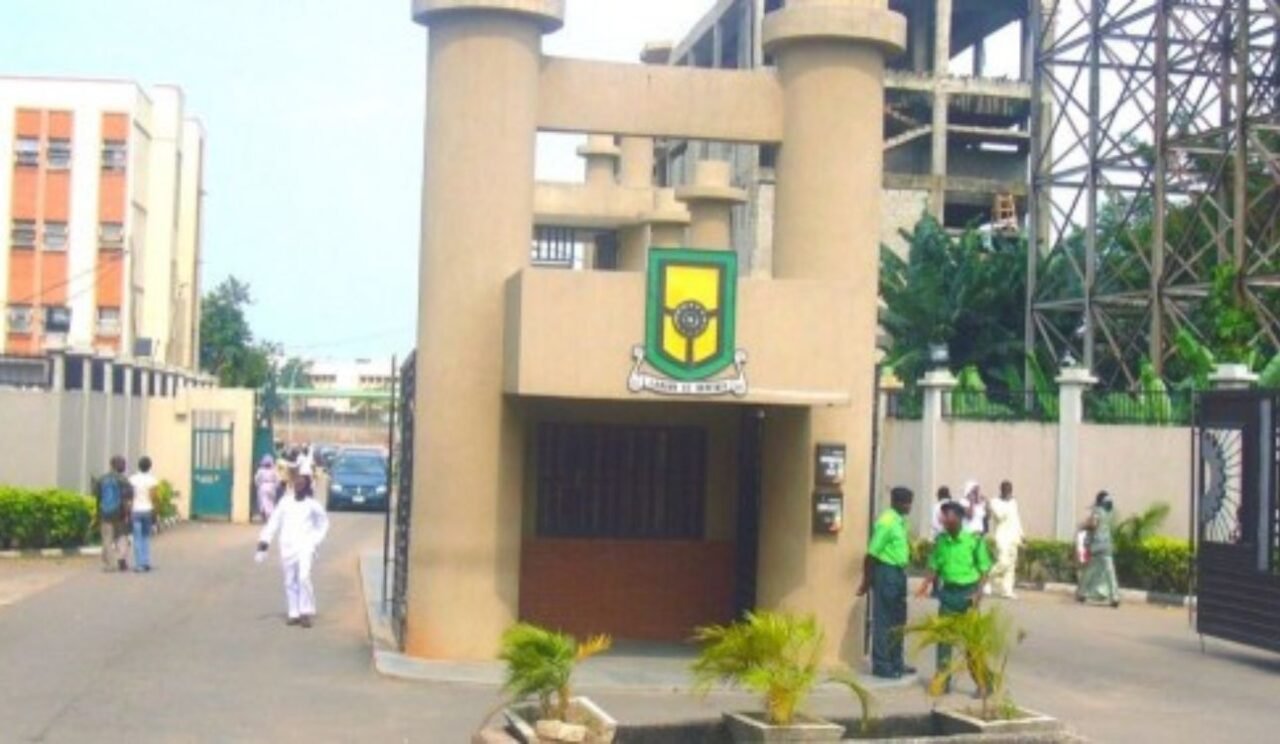
FrieslandCampina WAMCO Nigeria PLC, the company behind popular milk brands Peak and Three Crowns, has reaffirmed its dedication to youth empowerment through a strategic partnership with Yaba College of Technology (Yabatech), Lagos. The partnership was formalized through the signing of a Memorandum of Understanding (MoU), marking a significant step toward bridging the gap between academic learning and real-world industry needs. The collaboration aims to equip students with practical knowledge, research opportunities, and exposure to Nigeria’s evolving dairy sector. This move aligns with FrieslandCampina WAMCO’s broader commitment to strengthening the nation’s dairy industry. The company is also the driving force behind the Center for Nigerian Dutch Dairy Development (CNDDD), Nigeria’s first national hub dedicated to advancing dairy productivity and sustainability. Through the CNDDD, the company fosters collaboration among students, researchers, government agencies, and industry players. Additionally, the ‘Dairy4Growth Nigeria’ project (an international initiative supported by the Dutch government) is providing homegrown solutions to challenges in the dairy sector. It focuses on training, innovation, and infrastructure development to transform Nigeria’s dairy industry into a commercially viable enterprise. By partnering with Yabatech and driving national initiatives, FrieslandCampina WAMCO continues to invest in the next generation of dairy professionals, ensuring a sustainable future for the industry and unlocking career opportunities for young Nigerians.

Zara Lianne29 April 2025
uk-1280x744.png

2min11630
The UK government is introducing tough new rules that will stop foreign nationals convicted of sexual offences from being granted refugee status. As part of proposed changes to the Border Security, Asylum and Immigration Bill, anyone found guilty of a sexual offence (whether in the UK or abroad) will automatically be denied asylum. This applies to those listed on their home country’s sex offenders register as well. Home Secretary Yvette Cooper said the new policy is meant to protect public safety and uphold strict standards. The government also plans to revoke refugee status from individuals who commit sexual offences after arriving in the UK, regardless of how long their sentence is. Such individuals would then face deportation. The move is part of broader efforts to tighten the UK’s asylum system and speed up decision-making. Plans include introducing a 24-week deadline for processing immigration appeals and using artificial intelligence to help summarize interviews and sort documents for caseworkers. However, human rights groups have expressed concern, warning that the policy could undermine international protections under human rights law. Critics argue it may be driven more by politics than principle. The changes come in response to public outrage over cases where individuals with criminal histories were granted asylum and went on to reoffend.

Zara Lianne29 April 2025
afriex-1280x744.png

2min5900
The African Export-Import Bank (Afreximbank) has introduced a $3 billion revolving credit facility to help African and Caribbean nations secure refined petroleum products like petrol, diesel, and jet fuel. This initiative is expected to support fuel trade worth up to $14 billion over the next three years. It aims to reduce the region’s heavy dependence on foreign fuel imports and cut down a yearly import bill estimated at $30 billion. In a move to strengthen regional trade, the facility will prioritize sourcing fuel from African refineries. This aligns with the goals of the African Continental Free Trade Area (AfCFTA), which promotes trade and industrial growth within the continent. As part of the program, Afreximbank is also backing a new trading company called Atmin (Africa Trading Minerals), formed by former Shell oil traders. Atmin will focus on trading African crude oil and other energy products, boosting local trade networks. With this move, Afreximbank is taking a major step toward enhancing energy security, encouraging local sourcing, and deepening economic ties across Africa and the Caribbean.