Blog - Edupreneur Select

Bring to the table win-win survival strategies to ensure proactive domination. At the end of the day, going forward, a new normal that has evolved from generation.
aa-7.jpeg

1min2430
Commercial flights over the Caribbean were temporarily halted late Saturday during a U.S. military operation that resulted in the capture of Venezuelan President Nicolás Maduro and his wife. The pair were taken by helicopter to New York City, where they are expected to face charges related to drug trafficking and weapons offenses. U.S. special forces detained them during a pre-dawn operation that included air strikes on locations in and around Caracas. U.S. Transportation Secretary Sean Duffy later announced that the flight restrictions were lifted at midnight, allowing airlines to resume normal operations. Aviation authorities had earlier instructed commercial carriers to avoid the region due to safety risks linked to ongoing military activity, and airlines were advised to adjust their schedules accordingly once the restrictions expired.

Tech & Tools Desk4 January 2026
aa-6.jpeg

3min1840
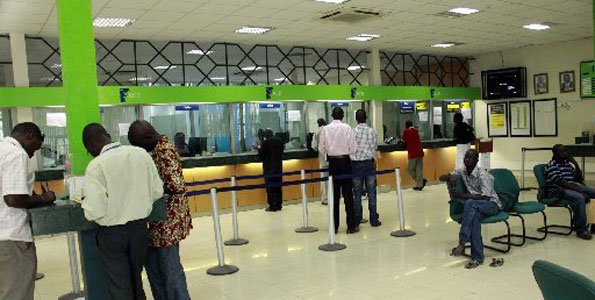
Nigeria’s banking sector closed 229 physical branches within one year as more customers shifted their daily transactions to electronic channels, particularly Point of Sale (POS) terminals. Figures from the Central Bank of Nigeria’s 2024 financial sector statistical bulletin show that the number of deposit money bank branches nationwide declined from 5,373 in 2023 to 5,144 in 2024. This drop occurred despite an increase in the number of licensed banks, which rose from 33 to 35 during the same period. The data, which covers commercial, merchant, and non-interest banks across all 36 states and the Federal Capital Territory, highlights a steady migration away from traditional banking halls toward electronic platforms. POS usage recorded the most significant growth. Transaction volumes climbed from 9.85 billion in 2023 to 13.08 billion in 2024, representing an increase of about 33 per cent. Even more notable was the surge in transaction value, which rose from ₦110.35 trillion to ₦223.27 trillion, an increase of over 100 per cent. ATM usage also grew, but at a much slower pace. Transaction volumes rose marginally from 1.01 billion to 1.02 billion, while the value of transactions increased from ₦28.21 trillion to ₦29.12 trillion. These trends underscore the growing importance of POS terminals and digital channels in consumer payments, surpassing cash withdrawals and in-branch transactions. Branch closures were unevenly distributed across the country. Lagos State remained the nation’s banking hub with 1,521 branches in 2024, although this reflected a decline of 11 branches from the previous year. Despite the reduction, Lagos still had far more branches than any other state. Ebonyi State recorded the sharpest decline, losing 89 branches as its total fell from 120 to 31. Significant reductions were also recorded in Oyo, Niger, Ekiti, and Ondo states. Anambra, Ogun, Cross River, Plateau, and the Federal Capital Territory also experienced notable closures, indicating that the contraction was not limited to rural areas alone. However, some states saw growth in bank presence. Delta and Rivers states added new branches, while Edo, Kaduna, Kano, Katsina, Adamawa, Jigawa, and Kogi recorded modest increases. These gains suggest that expansion is now more targeted, following areas with rising commercial activity or population growth. Analysts note that Nigeria’s financial system is undergoing rapid change, driven by technology adoption, regulatory shifts, and evolving customer expectations. Rising inflation has also made customers more sensitive to bank charges, service reliability, and transaction security. Recent industry surveys indicate that as more Nigerians rely on digital channels and POS terminals, expectations around speed, transparency, and efficient problem resolution have increased. While trust remains central to public confidence in banks, tolerance for failed transactions and service delays is steadily declining. The expansion of agent banking networks, mobile wallets, and informal retail payments, alongside periodic cash shortages, has further accelerated the move toward POS-based transactions. These developments continue to reshape how financial services are accessed and delivered across the country.

James Obasi4 January 2026
aa-5.jpeg

3min1850
Private petroleum depots across Lagos and other major fuel trading centres have increased the ex-depot price of Premium Motor Spirit (petrol) to as high as ₦800 per litre, intensifying pressure on fuel marketers and raising concerns over a possible rise in pump prices nationwide. Recent market data indicate that average depot prices climbed sharply within 48 hours. In Lagos, some depots recorded modest increases, while others implemented steeper adjustments. Prices at certain facilities rose from the low ₦700 range earlier in the week to as much as ₦800 per litre by Friday. Other depots sold petrol between ₦780 and ₦800 per litre, reflecting a rapid upward movement. The impact has been more pronounced in Warri, a key petroleum logistics hub, where depot prices increased to about ₦805 per litre within days. Market participants attributed the faster reaction in the area to tighter supply lines and higher transportation costs as marketers reposition supplies in anticipation of possible scarcity. Industry operators linked the price surge to the temporary shutdown of a major domestic petrol production unit, which had previously helped stabilise prices following the removal of fuel subsidies. Importers were reportedly affected by sharp price reductions late last year, forcing many to sell below cost, and are now adjusting prices to recover losses. Market analysts also noted that some depot operators are holding back volumes, anticipating tighter supply conditions that could support higher prices. However, they cautioned that this strategy may be short-lived if domestic supply improves and competition intensifies. Additional pressure on fuel pricing has come from foreign exchange volatility, rising replacement costs, and uncertainty around import schedules. Crude oil prices and the weakening local currency have further compounded these challenges. Depot price movements typically precede changes at filling stations, and sustained increases could push retail petrol prices above ₦700 per litre in several cities. Marketers say higher logistics costs, financing constraints, and exchange rate instability have squeezed margins, making it difficult to absorb depot price hikes without adjusting pump prices. Since the deregulation of the downstream petroleum sector, petrol prices have been driven largely by market forces, including crude oil prices, exchange rates, logistics, and supply availability. While increased local refining capacity had raised expectations of price stability, recent developments have highlighted ongoing vulnerabilities in the supply chain.

aa-4.jpeg

3min6360
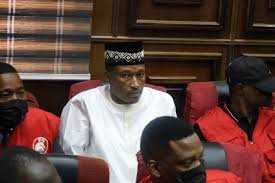
A Federal High Court in Abuja has ordered the remand of the Bauchi State Commissioner for Finance, Yakubu Adamu, at the Kuje Correctional Centre, pending the fulfilment of his bail conditions. Justice Emeka Nwite granted Adamu bail in the sum of ₦500 million with two sureties but directed that he remain in custody until all conditions are perfected. The court ruled that the sureties must be landowners within Maitama, Asokoro, or Gwarimpa in the Federal Capital Territory, with their property documents subject to verification by the court registry. The sureties are also required to swear affidavits of means. In addition, the judge ordered Adamu and his sureties to deposit their international passports with the court registrar and prohibited them from travelling outside the country without prior court approval. Two passport photographs are also to be submitted. Justice Nwite explained that the court exercised its discretion to grant bail because the prosecution failed to provide sufficient evidence that the defendant would abscond or interfere with the trial. He stressed that the power to grant bail must be applied judicially and judiciously. The case was adjourned until January 20 for the commencement of trial. Adamu is facing charges filed by the Economic and Financial Crimes Commission alongside Ayab Agro Products and Freight Company Ltd in a case involving alleged money laundering of approximately ₦4.6 billion. According to the prosecution, Adamu and others allegedly conspired between June and December 2023 to facilitate the conversion, transfer, and concealment of funds released under the pretext of financing the supply of motorcycles to the Bauchi State Government motorcycles that were reportedly never delivered. Further allegations include the transfer and retention of proceeds from the alleged unlawful activity through third-party accounts, including a transfer of ₦165.9 million to Ayab Agro Products and Freight Company Ltd. The offences are said to contravene the Money Laundering (Prevention and Prohibition) Act, 2022. Adamu and the company pleaded not guilty to the six-count charge at their arraignment on December 30, 2025. Separately, Adamu and three other Bauchi State officials are also standing trial before the same court over alleged terrorism financing involving $9.7 million.

Gunmen-1.jpg

5min5930
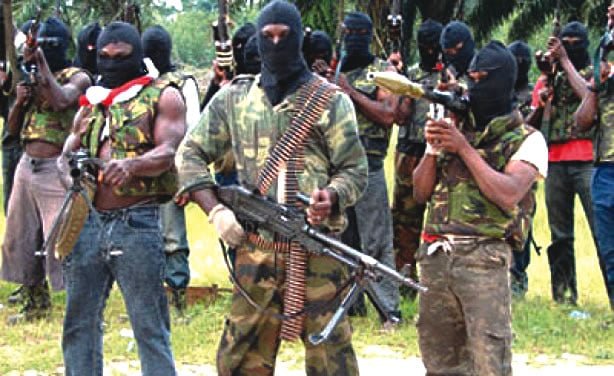
Armed groups have intensified attacks across several northern states following recent United States air strikes against Islamic State–linked militants in Sokoto State. Between December 25, 2025, and January 2, 2026, at least 47 people were killed and no fewer than 35 others abducted in a wave of violence spanning Adamawa, Zamfara, Kwara, Plateau, Nasarawa, Yobe, Kano, Kebbi, Kogi, and Niger states. The attacks were attributed to bandits as well as fighters linked to ISWAP and Boko Haram. More than 12 people were also reported injured, while the actual number of abductees may be higher due to incomplete reporting in some incidents. The escalation followed a public announcement by U.S. President Donald Trump that American forces had carried out air strikes on Islamic State targets in northwestern Nigeria. U.S. authorities later stated that intelligence confirmed the presence of terrorists in the targeted areas, noting that assessments of the impact were ongoing. Renewed violence across communities Monitoring of security incidents during the period shows widespread assaults on rural communities. In Kogi State, several residents were abducted during attacks on Omi-Ara and Odo-Ere communities in Yagba West Local Government Area. In Kwara State, suspected bandits abducted more than eight people from Adanla community, while the traditional ruler of Aafin community and one of his sons were kidnapped in Ifelodun Local Government Area. In Kebbi State, coordinated attacks on multiple villages in Shanga Local Government Area left at least eight people dead. Zamfara State recorded the abduction of 16 women, alongside fatalities and injuries, during an assault on Sabon-Layi village in Gusau Local Government Area. In Plateau State, at least seven farmers were killed during an attack in Jos South. Gunmen also struck Kunza community in Lafia Local Government Area of Nasarawa State, killing three people and injuring several others. Along the Ogbe-Egbe Road, travellers were abducted and one person injured. In Yobe State, ISWAP claimed responsibility for firing mortars at a military location in Goniri, though the extent of damage was not made public. A security analyst reported that ISWAP raided a village, killing residents described as “hostile,” destroying a church and numerous homes, and seizing property. The language used marked a notable shift in how the group described its targets. Boko Haram attack in Adamawa In Adamawa State, local authorities confirmed that Boko Haram fighters killed 14 people during nighttime attacks on Mubang and Zar villages in Hong Local Government Area. Two others were injured, and homes and food supplies were destroyed. Officials noted that the villages’ proximity to ungoverned forest areas made them vulnerable to attack. Kano attack and military response In Kano State, bandits attacked several villages in Shanono Local Government Area, engaging security forces in hours-long clashes. While initial reports suggested casualties and cattle theft, the Nigerian Army later stated that no deaths or rustling occurred during the encounter. Movement of armed groups Community leaders and security sources indicated that militants displaced by the air strikes may be attempting to move into Niger and Kaduna states through border routes linked to Katsina, Zamfara, Kebbi, and Kwara. This development has heightened tension in rural areas, prompting local armed groups to enforce stricter controls to prevent infiltration. Aerial surveillance has reportedly been intensified in parts of Niger State and neighbouring regions. Despite the wider escalation, no attacks were reported in Sokoto State after the air strikes. Residents of previously affected communities said the situation had remained relatively calm, attributing the lull to the disruption of militant hideouts and the dispersal of fighters. Many affected communities across the region, however, remain on edge, with some residents fleeing their homes amid fears of further attacks.

Tech & Tools Desk3 January 2026
aa-1.webp

2min6770
The Coalition of South-East Leaders, a socio-political youth group, has criticised the electricity billing practices of Aba Power Limited, describing them as excessive and exploitative. The group stated that residents and businesses in Aba, Abia State, have suffered erratic power supply for over two years while being subjected to what it called unjustifiably high electricity charges. According to the coalition, many customers receive estimated bills amounting to large sums for electricity that was allegedly not supplied. The President-General of the coalition, Goodluck Ibem, alleged that although prepaid meters were recently introduced, previously accumulated estimated charges were transferred onto the meters, forcing consumers to pay for power they did not use. He said such actions violate Nigerian electricity regulations and place severe financial strain on households and businesses. Ibem warned that the situation is harming economic activities in Aba, a major commercial centre in the South-East. He noted that small businesses and ordinary households are struggling to cope, citing cases where residents with minimal electricity needs are reportedly required to pay large sums for only a few days of power supply. Describing the practice as exploitative and unlawful, the coalition called for urgent intervention to protect consumers and prevent further damage to livelihoods. It appealed to President Bola Ahmed Tinubu to step in and halt what it termed reckless practices that threaten commerce and economic growth in the city. The group also urged the Nigerian Electricity Regulatory Commission to investigate the matter thoroughly and sanction any violations of consumer rights uncovered during the process.

James Obasi3 January 2026
aa-3.jpeg

4min3500
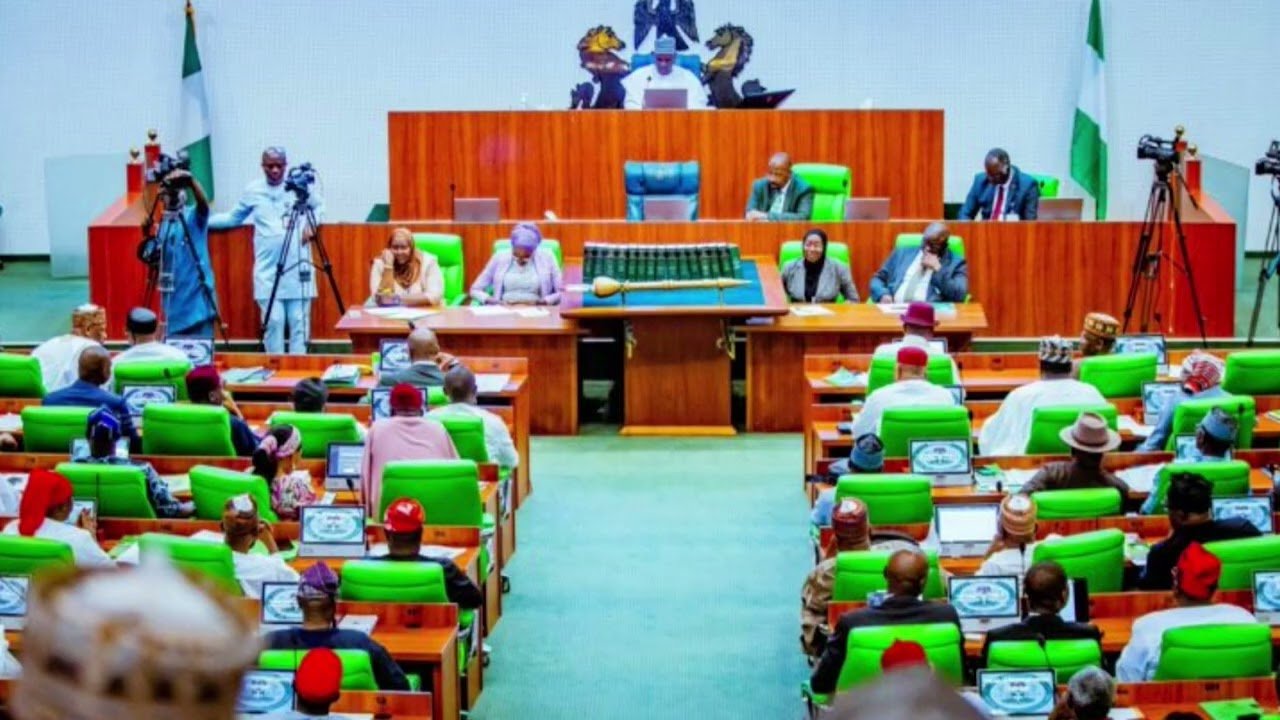
The minority caucus of the House of Representatives has established a seven-member committee to investigate claims that the recently signed tax reform laws were altered after being passed by the National Assembly. The committee, chaired by Mr. Afam Ogene, the representative for Ogbaru Federal Constituency in Anambra State, is tasked with examining the controversy surrounding the alleged modifications and recommending appropriate actions in the national interest. The decision followed allegations raised on the House floor by Abdussamad Dasuki, a lawmaker from Sokoto State, who claimed that the version of the tax laws currently gazetted differs significantly from the harmonised version approved by both chambers of the National Assembly. Although Speaker Tajudeen Abbas had previously set up a seven-member panel to investigate the claim, the House later directed the Clerk of the National Assembly to re-gazette the harmonised version of the laws and issue a True Certified Copy to resolve the dispute. Despite calls for the suspension of the new tax regime pending verification, the Federal Government, under the directive of President Bola Tinubu, proceeded with implementation from January 1, 2026. In a statement issued by Minority Leader Kingsley Chinda and three other caucus leaders, the minority caucus explained its decision. “We wish to inform our members that, following consultations with relevant stakeholders regarding the ongoing controversy over alleged unlawful alterations to the tax reform laws passed by the National Assembly and signed by the President, and in light of the executive’s insistence on implementing the tax laws from January 1, 2026, the leadership of the minority caucus has deemed it necessary to establish a seven-member fact-finding committee to thoroughly investigate the matter,” the statement read in part. “As the opposition bloc in the House of Representatives, we have a responsibility to Nigerians to conduct an independent and unbiased inquiry, establish the facts, and uncover the truth regarding these tax laws.” The statement outlined the committee’s mandate, which includes: Obtaining copies of the tax laws as passed by both chambers and assented to by the President. Securing the Federal Government gazette containing the alleged altered version of the laws. Reviewing the official documents to determine whether the laws passed by the National Assembly match the versions signed by the President, and comparing them with the gazetted copies. Recommending to the minority caucus appropriate actions if any violations are confirmed. Other members of the committee are Jonathan Gbefwi, Shehu Fagge, Aliyu Garu, Stanley Adedeji, Ibe Okwara, and Marie Ibikake. The panel has been given seven days to submit its findings to the minority caucus. The Chinda-led caucus reiterated its commitment to pursuing the investigation to ensure accountability and protect the interests of Nigerians. “We remain steadfast in our dedication to safeguarding the rights of citizens. This committee represents one of the steps we are taking to address this controversy, which has generated significant concern. Our goal is to ensure that no segment of the population, particularly the poor and vulnerable, is disadvantaged by these developments,” the statement added.

aa-2.jpeg

10min7650
Nigeria’s digital ecosystem is expanding more rapidly than many appreciate. Rising internet access, driven largely by mobile phone adoption, has embedded digital services such as banking, e-commerce and social networking into daily life. By November 2025, internet penetration had surpassed 50 per cent, reaching 50.58 per cent, up from 45.61 per cent in January of the same year, according to industry data from the Nigerian Communications Commission. This represents an increase of nearly five percentage points within a year. With more than 100 million Nigerians now online, and mobile internet accounting for most access, digital penetration has boosted economic activity across several sectors. At the same time, it has transferred unprecedented volumes of personal information into digital systems. Every interaction opening a mobile bank account, registering on a health platform, joining social media or ordering goods online generates personal data. While this data enables convenience and efficiency, it also introduces vulnerability. Digital growth without adequate safeguards exposes individuals to significant risk. Between 2019 and mid-2023, data privacy regulation was overseen by the National Information Technology Development Agency. That framework was widely viewed as limited in both scope and enforcement. A major shift occurred in June 2023 with the enactment of the Nigeria Data Protection Act. The law established the Nigeria Data Protection Commission (NDPC) as an independent authority with powers to regulate how personal data is collected, processed, stored and shared. The Commission is mandated to protect personal information, enforce privacy standards and promote responsible data practices across public and private institutions. Reporting to the Presidency, it derives its authority directly from the Act, including the power to issue binding rules and take enforcement action. This institutional change goes beyond regulatory formality. It reflects an understanding that weak data governance undermines trust in digital systems. Nigerians increasingly face identity theft, unauthorised data access and opaque data usage. These harms carry economic, social and psychological consequences, ranging from financial loss and reputational damage to exclusion from essential services and prolonged recovery efforts. For younger, digitally native populations, constant exposure to unchecked data collection risks normalising surveillance and eroding expectations of privacy. The NDPC’s mandate is to counter this trend by making trust a cornerstone of Nigeria’s digital economy. At the heart of the Nigeria Data Protection Act is the principle that personal data belongs to the individual, not the platform or institution that collects it. The law grants citizens specific rights, including access to their data, correction of inaccuracies, objection to certain forms of processing, restriction of use and, in defined circumstances, deletion. These rights align with international best practices and embed individual control within Nigeria’s legal framework, compelling organisations to treat privacy as a core responsibility rather than an optional add-on. Translating legal provisions into effective protection remains challenging. Many small and medium-sized enterprises lack the technical capacity and financial resources needed to meet compliance requirements. In addition, public awareness of how personal data is collected and used remains low. Many Nigerians rarely consider privacy implications when downloading applications, completing online forms or engaging on digital platforms. This gap between the law and public understanding is one of the major obstacles to making data protection a lived reality. How the law works in practice The Nigeria Data Protection Act took effect on 12 June 2023, replacing the previous regulatory regime with a more comprehensive statutory framework aligned with global standards such as the European Union’s General Data Protection Regulation. It applies to any organisation that processes personal data in Nigeria, including foreign entities that target Nigerian residents or handle their personal information. This extraterritorial scope is particularly significant given the dominance of multinational digital platforms in Nigeria’s online space. Under the Act, organisations classified as Data Controllers or Data Processors of Major Importance are required to register with the NDPC, appoint Data Protection Officers, conduct regular compliance audits and submit annual audit reports. They must ensure that data processing is lawful, transparent and limited to clearly defined purposes. Informed and freely given consent is a central requirement, and the responsibility for proving consent rests with the organisation, not the individual. The enforcement framework empowers the NDPC to investigate suspected breaches, issue compliance directives and impose sanctions, including substantial fines designed to deter violations. The Commission has issued sector-wide compliance notices to organisations across banking, insurance, pensions, gaming and related industries, warning that failure to comply could result in penalties, enforcement orders or, in extreme cases, criminal proceedings. The NDPC has demonstrated its willingness to exercise these powers. Major organisations have been fined hundreds of millions of naira for practices deemed intrusive, unfair or unlawful, including processing personal data without informed consent and carrying out unauthorised cross-border data transfers. While legal challenges and appeals will shape future interpretations of the law, these actions signal a more assertive regulatory posture. Data protection compliance has also begun to contribute measurably to the economy. Registration fees and related processes have generated significant government revenue, while the sector itself has supported job creation, with tens of thousands of roles emerging in recent years. This growth indicates that data protection is becoming an established part of Nigeria’s formal economic structure. To support implementation, the NDPC has issued guidance documents clarifying compliance expectations. In early 2025, it released a General Application and Implementation Directive outlining how the Act should be interpreted across sectors. The directive addresses data inventory requirements, classification of controllers and processors, and routine internal compliance reporting. According to the Commission, these guidelines are intended to help organisations adapt to a fast-changing digital environment shaped by emerging technologies. Real-world harms and what is at stake For many Nigerians, data protection becomes tangible only when things go wrong. Identity theft remains one of the most common harms, with stolen personal information used to open financial accounts or carry out fraud. Industry reports indicate that hundreds of millions of naira are lost annually through accounts created with stolen identities. Nigeria has also recorded one of the highest identity fraud rates in Africa, reflecting a broader regional


aa.webp

3min4580
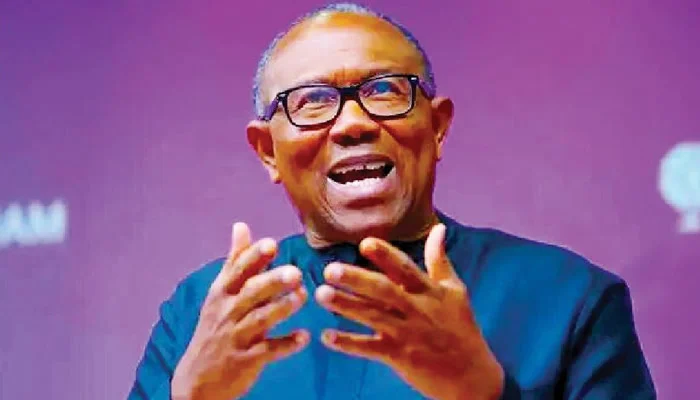
A faction of the African Democratic Congress (ADC), led by its National Chairman, Nafiu Bala Gombe, has rejected reports that former Labour Party presidential candidate, Peter Obi, has defected to the party. On Thursday, the faction distanced itself from Obi’s alleged registration at the ADC’s Enugu zonal office, describing the process as unconstitutional and invalid. The group, which claims to be the authentic national leadership of the party, said the exercise violated established membership procedures. Obi had announced on Wednesday that he had joined the ADC at an event held at the Nike Lake Resort in Enugu State, where he called on Nigerians and opposition groups to form a broad coalition to “rescue Nigeria from poverty, disunity and democratic decline.” However, in a New Year statement issued in Abuja, Gombe said the clarification became necessary due to what he described as misleading information in the public space regarding ADC membership registration. He stressed that the party is guided by order, discipline and strict adherence to its constitution, noting that membership registration is clearly defined and begins at the ward level. “It has come to our attention that a certain Mr Peter Obi was reportedly registered at a party zonal office in Enugu. The National Working Committee categorically states that this does not conform with the constitutional procedures of the ADC,” Gombe said. According to him, prospective members must register at their respective wards in their state of origin or residence, after which a valid membership card is issued. He added that the party’s constitution does not permit registration at zonal or national offices. “Any registration carried out outside the ward level is irregular and invalid,” he said, adding that the party has commenced an investigation into the alleged breach of due process. The faction urged party members and the general public to disregard claims suggesting alternative channels for joining the ADC, insisting that ward-level registration remains the only recognised method. Gombe’s position came a day after the Julius Abure-led National Working Committee of the Labour Party described Obi’s defection to the ADC as a “liberation.” The party’s National Publicity Secretary, Obiora Ifoh, said the Labour Party regretted presenting Obi as its presidential candidate in the 2023 election, adding that his exit merely formalised a long-standing political rift. Efforts to obtain a reaction from the David Mark-led ADC leadership were unsuccessful, as the party’s spokesperson, Bolaji Abdullahi, did not respond to calls.

Tech & Tools Desk2 January 2026
bank-1.jpg

5min6790
Nigeria’s banking sector recorded an increase in bad loans in 2025 following the Central Bank of Nigeria’s (CBN) withdrawal of regulatory forbearance measures introduced during the COVID-19 pandemic, according to the apex bank’s latest macroeconomic outlook report. The report showed that the industry’s non-performing loan (NPL) ratio rose to an estimated seven per cent, exceeding the prudential benchmark of five per cent. The CBN attributed the rise to the expiration of temporary reliefs that had allowed banks to restructure pandemic-affected loans without immediately classifying them as non-performing. With the withdrawal of these measures, several restructured facilities were reclassified as bad loans, pushing the industry-wide NPL ratio above the regulatory threshold. Despite the increase, the CBN said the financial system remained broadly stable in 2025, supported by strong capital buffers and ample liquidity across the sector. The average liquidity ratio stood at about 65 per cent, well above the 30 per cent minimum requirement, while the capital adequacy ratio was recorded at 11.6 per cent, exceeding the 10 per cent regulatory threshold. According to the bank, these indicators demonstrate the capacity of Nigerian lenders to absorb shocks. The CBN linked the sector’s resilience to robust interest income, ongoing digital transformation, and the current recapitalisation programme. The recapitalisation policy, which significantly raises minimum capital requirements, is expected to strengthen banks’ balance sheets and enhance their ability to finance larger projects in the real economy. The CBN noted that this exercise, alongside macro-prudential guidelines and stronger regulatory oversight, helped sustain market confidence during the year. The report also highlighted a generally bullish capital market, reflecting renewed investor interest in the financial sector. However, it cautioned that rising NPLs point to emerging vulnerabilities, particularly as higher interest rates and challenging economic conditions affect borrowers’ repayment capacity. The CBN warned that a sharp rise in non-performing loans could weaken asset quality and pose systemic risks, underscoring the need for close credit risk monitoring and sustained prudential discipline. It recommended deeper integration of the Global Standing Instruction framework across financial institutions to improve loan recovery and strengthen credit discipline. The bank added that improved repayment performance would support MSME and retail lending, reduce operational losses, and help banks build stronger capital buffers. Monetary conditions remained tight for most of 2025, as the CBN prioritised price and exchange rate stability, with only a slight easing of the Monetary Policy Rate in September after signs of improved macroeconomic stability. Looking ahead, the CBN said the outlook for the banking sector remains positive but stressed that lenders must strengthen risk management, diversify loan portfolios, and maintain robust capital positions to guard against future shocks. It added that the recapitalisation programme, together with reforms in the foreign exchange market and tax administration, forms part of broader efforts to consolidate macroeconomic stability and boost investor confidence in 2026. In a June 2025 circular signed by the Director of Banking Supervision, Olubukola Akinwunmi, the CBN directed banks operating under regulatory forbearance to suspend dividend payments, defer executive bonuses, and halt investments in foreign subsidiaries or new offshore ventures. The measure, the bank said, was aimed at strengthening capital buffers and balance sheet resilience during the transition out of forbearance. The directive remains in place until affected banks fully exit the forbearance regime and their capital adequacy and provisioning levels are independently verified to be compliant with regulatory standards. An independent financial report supporting the CBN’s action estimated that several banks still have significant forbearance-related exposures in their loan books, while others have already fully provided for or written off such exposures. In absolute terms, these exposures were estimated to run into several hundred million dollars for some lenders. The report noted that, in some cases, the scale of forbearance exposure could raise concerns around compliance with single obligor limits, reinforcing the importance of the CBN’s cautious supervisory approach.