

 Ifunanya Okafor
Breakthrough in De-Extinction: Woolly Mouse Paves the Way for Mammoth Revival
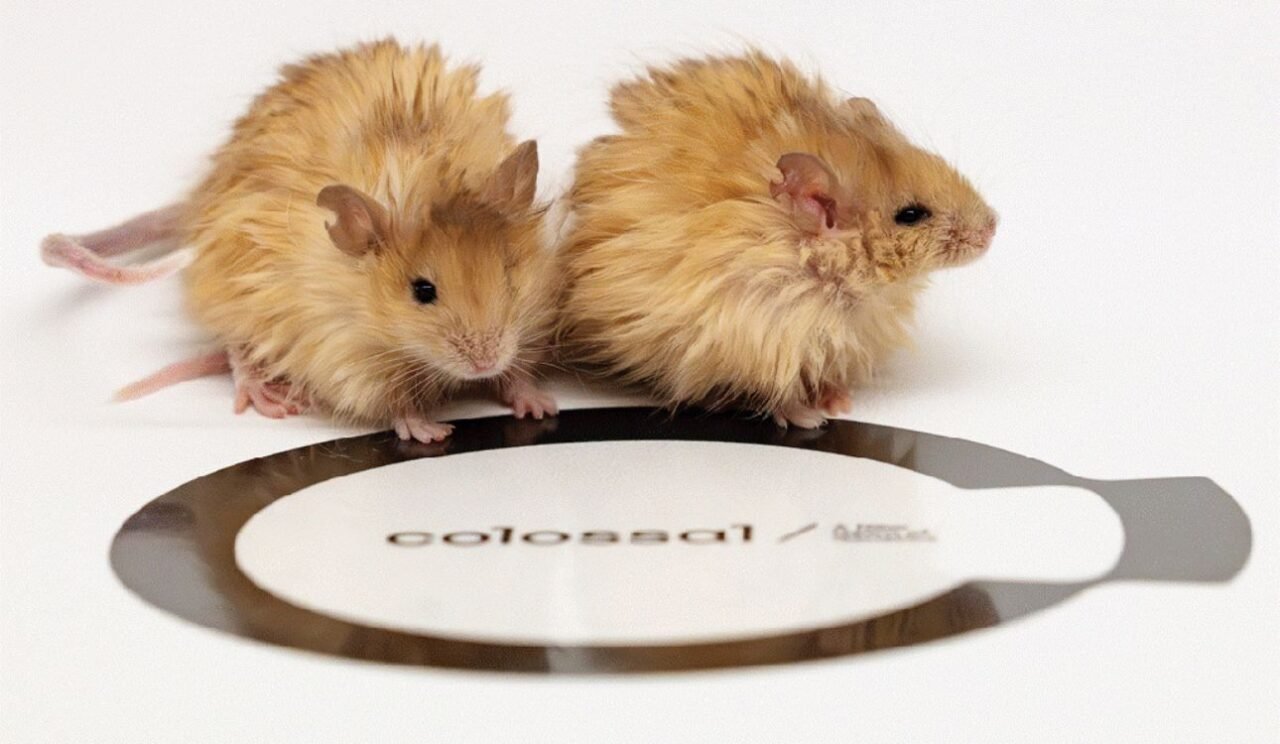
In a significant stride towards de-extinction, scientists at Colossal Biosciences have successfully engineered a “woolly mouse” that displays several traits characteristic of the long-extinct woolly mammoth. Using advanced CRISPR gene-editing technology, researchers inserted key mammoth genes into mouse embryos, producing rodents with a thicker, wool-like coat and enhanced fat metabolism, adaptations vital for surviving in frigid environments.
This pioneering experiment serves as an important proof-of-concept for Colossal Biosciences’ broader ambition to revive the woolly mammoth. The company plans to apply a similar genetic strategy to Asian elephants, aiming to create a hybrid that exhibits mammoth-like traits. If successful, the project could eventually lead to the birth of a woolly mammoth calf as early as 2028.
The breakthrough has ignited both excitement and debate within the scientific community. Proponents see it as a promising step toward restoring lost species and even reviving ecosystems that once thrived with these ancient giants. Critics, however, urge caution, raising questions about the ecological implications and ethical challenges of reintroducing extinct species.
Colossal Biosciences’ work not only highlights the potential of modern biotechnology to rewrite nature’s past but also sets the stage for a new era in conservation science. As research continues, the success of the woolly mouse experiment offers a tangible glimpse into what might one day be achieved; a bold blend of genetic innovation and conservation aimed at reshaping our understanding of biodiversity
Want to know more? Explore Colossal Biosciences’ groundbreaking technology on their official website: Colossal Biosciences.
Photo credit: Colossal Biosciences

