Category: Lifestyle

Ifeanyi Enukorah1 February 2026
Valentine-Gift-Ideas-Final-1280x905.jpg

7min10180
As an Amazon Associate, Edupreneur earns from qualifying purchases. In my role as a facilitator, I often emphasize that the strongest communities—whether in schools or homes—are built on intentional appreciation. Valentine’s Day isn’t just for romance; it’s a vital “Season of Appreciation” to acknowledge the educators who inspire, the parents who support, and the students who strive every day. To build a more connected and supportive environment in 2026, we must prioritize gestures that foster well-being, focus, and joy. Here are the curated essentials for every member of your learning community. For Educators: The “Self-Care & Sanctuary” Kit Teaching is a high-output profession that requires significant emotional and physical energy. The best gift for an educator is one that facilitates a moment of sensory reset and professional comfort. Top Recommendation: Soy Wax Aromatherapy Candle Set. Why it works for you: These natural candles provide a calming atmosphere for grading or unwinding. Scents like lavender or eucalyptus help lower stress levels after a long day of instruction. Facilitator Insight: We call this “Environment Engineering.” In leadership workshops, I teach that your physical space dictates your mental state. A small aesthetic upgrade, like a high-quality candle or a sleek desk organizer, acts as a “micro-moment” of peace. Check on Amazon for the following suggested products: (As an Amazon Associate, Edupreneur earns from qualifying purchases) Aromatherapy Candle Sets Natur IX Calming Soy Scented Candles for Women | Non Toxic Soy Candles for Home, Birthday, Christmas Gifts & Aromatherapy | Organic Essential Oil, 50 H Burning | Lavender, Basil & Jasmine, 8.5 oz https://amzn.to/3NMJipz Professional Desk Decor Set of 4 – Concrete Desk Accessories For Modern, Industrial, Minimalist Office Decor- Aesthetic Desk Organizers Accessories For Women or Men- Pen, Business Card Holder & Sticky Note, Paper Clip Holder https://amzn.to/4br1dvG   For Parents & Guardians: Tools for Connection For parents, Valentine’s Day is an opportunity to strengthen family bonds through shared experiences. Moving beyond traditional candy allows for deeper engagement and the development of critical life skills. Top Recommendation: The Monopoly Family Board Game (8+ Edition). Why it works for you: It turns essential concepts like budgeting, risk assessment, and negotiation into a fun, hands-free evening. It’s an investment in your child’s financial literacy. Facilitator Insight: Game-based learning is one of the most effective ways to teach resilience. Facing “bankruptcy” in a game is a safe way for children to practice coping with losses and celebrating wins alongside their guardians. Check on Amazon for the following suggested products: (As an Amazon Associate, Edupreneur earns from qualifying purchases) Monopoly Board Game Hasbro Gaming Monopoly Sparkle Edition Board Game, Family Games, with Glittery Tokens, Pearlescent Dice, Sparkly Look, (Amazon Exclusive)  https://amzn.to/46fQeBL Family Connection Games 200 Family Conversation Cards – Put Down The Phones & Connect with Family – Get to Know Each Other Better with Meaningful Talk – Let Kids Express Themselves, Great for Dinner Table & Road Trips https://amzn.to/4k98kuV   For Students: The “Focus & Affirmation” Bundle Students thrive when their hard work is recognized. Providing tools that make their study environment more inviting and organized can directly impact their academic confidence and focus. Top Recommendation: Heart-Shaped Super Sticky Notes. Why it works for you: These are vibrant and functional, perfect for marking key concepts in textbooks or leaving positive affirmations on a study desk. Facilitator Insight: Visual cues are powerful memory aids. Encouraging students to use unique shapes for their most important goals helps with retention and makes long study sessions feel more personalized and engaging. Check on Amazon for the following suggested products: (As an Amazon Associate, Edupreneur earns from qualifying purchases) Heart-Shaped Post-its Teling 24 Pack Valentine’s Day Sticky Notes Heart Lined Sticky Notes Self Adhesive Love Memo Pads for Valentines Party Exchange Gifts Office Home School 3×3 Inch(Bright Color,Classic) https://amzn.to/4roObDF Student Productivity Tools Rotating Pomodoro Timer 5, 25, 10 50 Minutes Preset, Desk Productivity Flip Timer, ADHD Tool Cube Countdown Stopwatch, Vibration/High/Low Volume/Custom Modes, for Work, Study, Back to School, Kitchen https://amzn.to/4tb4ANF  

aa-5.webp

7min7440
A treatment once considered the stuff of science fiction has succeeded in reversing aggressive, incurable blood cancers in some patients, doctors have revealed. The therapy works by precisely rewriting the DNA of white blood cells, transforming them into a cancer-killing “living drug” that hunts down and destroys malignant cells. The first child to receive the treatment whose case was first reported in 2022 remains cancer-free and now hopes to become a cancer researcher. Since then, eight more children and two adults with T-cell acute lymphoblastic leukaemia (T-ALL) have undergone the therapy, with almost two-thirds (64%) now in remission. T-cells normally act as the body’s defenders, searching for and eliminating harmful threats. In T-ALL, however, these cells become cancerous and multiply uncontrollably. For patients enrolled in the trial, standard treatments such as chemotherapy and bone-marrow transplants had already failed, leaving palliative care as the only remaining option. “I genuinely believed I was going to die and would never grow up to do the things every child deserves,” said 16-year-old Alyssa Tapley from Leicester. Alyssa became the first person in the world to receive the treatment at Great Ormond Street Hospital. Three years later, she is back to living a full life. The process involved destroying her existing immune system and rebuilding it from scratch. She spent four months in hospital and had to stay isolated from her brother to avoid infection. Her cancer is now undetectable. She only needs annual check-ups and is currently completing her A-levels, working towards her Duke of Edinburgh Award, learning to drive, and planning a future in science. “I’m looking at doing an apprenticeship in biomedical science and hopefully working in blood cancer research one day,” she said. The team from University College London (UCL) and Great Ormond Street Hospital used an advanced technique known as base editing. DNA is written in four chemical “letters”, or bases — adenine (A), cytosine (C), guanine (G) and thymine (T). The sequence of these bases forms the genetic instructions that control how the body develops and functions. Base editing allows scientists to target a precise point in the genetic code and chemically convert one DNA letter into another, effectively rewriting faulty instructions. Researchers aimed to harness the natural killing power of healthy T-cells and redirect it against the cancerous T-cells. This required a complex genetic redesign to prevent the therapeutic cells from destroying themselves or attacking the patient’s body. They began with healthy donor T-cells and made four key genetic changes: First, they switched off the cells’ normal targeting system so they would not attack healthy tissues. Second, they removed a surface marker called CD7 found on all T-cells to stop the modified cells from killing each other. Third, they made the cells resistant to a chemotherapy drug, allowing them to survive treatment. Finally, they programmed the engineered cells to hunt and attack any cells displaying the CD7 marker. As a result, the modified cells would destroy all other T-cells, whether healthy or cancerous, but not attack one another. The engineered cells are infused into the patient, and if no cancer is detectable after four weeks, the patient proceeds to a bone-marrow transplant to rebuild the immune system. “A few years ago, this would have sounded like science fiction,” said Prof Waseem Qasim of UCL and Great Ormond Street Hospital. “We effectively have to dismantle the whole immune system. It’s an intense and demanding treatment, but when it works, it works remarkably well.” The study, published in the New England Journal of Medicine, reports outcomes from the first 11 patients treated at Great Ormond Street and King’s College Hospital. Nine achieved deep remission and were able to proceed to bone-marrow transplantation. Seven remain disease-free between three months and three years after treatment. One of the most serious risks is infection while the immune system is suppressed. In two cases, the cancer cells lost their CD7 marker, allowing them to evade the treatment and return. “Given how aggressive this type of leukaemia is, these results are extremely striking,” said Dr Robert Chiesa from the bone-marrow transplant team at Great Ormond Street Hospital. “It’s very rewarding that we’ve been able to offer hope where there previously was none.” Dr Deborah Yallop, a consultant haematologist at King’s College Hospital, added: “We’ve seen remarkable clearance of leukaemia that previously seemed untreatable this is an extremely powerful approach.” Dr Tania Dexter, senior medical officer at the UK stem cell charity Anthony Nolan, said the results bring renewed hope: “For patients who previously had very low chances of survival, findings like these suggest that advanced treatments will continue to improve and reach more people.”

Parental_Leave_equality.jpg

4min10290
Lagos, Nigeria — A new report has shed light on Nigeria’s deepening paternity crisis, revealing that one in four men who undergo DNA testing are not the biological fathers of the children in question. According to the 2025 Annual DNA Testing Report by Lagos-based Smart DNA Nigeria, 25 per cent of paternity tests conducted between July 2024 and June 2025 returned negative results. Although slightly lower than the 27 per cent recorded in 2024, the figures highlight what the company described as a “worrying and consistent trend.” Trust, Family, and Social Implications Smart DNA’s Operations Manager, Elizabeth Digia, noted that the findings extend beyond science. “These results tell us something profound about trust, relationships, and the legal and economic realities of Nigerian families today. Our role is to provide certainty while encouraging sensitive handling of the life-changing information clients receive,” she said. The report also revealed that firstborn children, particularly sons, were most affected, with firstborn boys recording a 64 per cent exclusion rate—far higher than later-born siblings. Emigration Fuels DNA Testing Demand Immigration-related DNA tests surged to 13.1 per cent of all cases, reflecting Nigeria’s escalating emigration wave, popularly known as the “Japa” phenomenon. Many families now require DNA documentation as part of relocation or dual-citizenship processes. “Many of our clients are dual-citizenship families processing DNA documentation for children, often as part of long-term emigration plans,” the report noted. Who Is Testing? The study found that men initiated 88.2 per cent of paternity tests, while women accounted for only 11.8 per cent. Older men, especially those aged 41 and above, represented nearly half of all clients, underscoring the influence of financial stability in pursuing verification. Children aged 0 to 5 years made up 58.6 per cent of those tested, up from 54 per cent in the previous year, showing a growing desire among parents for early clarity. Where the Tests Happen Lagos State accounted for the majority of tests (69 per cent), with demand shifting from the Mainland to the Island. Lekki (20.3%), Yaba (15.8%), Ajah and Ikorodu (10.5% each), and Surulere and Ikeja (9% each) ranked as the top testing hubs. Ethnic distribution revealed that Yoruba families dominated (53%), followed by Igbo families (31.3%). Participation among Hausa families remained minimal at 1.2 per cent, pointing to cultural differences in perceptions of paternity testing. Motives Behind Testing A vast majority — 83.7 per cent of tests — were carried out for “peace of mind,” while court-mandated tests accounted for just 1.4 per cent. Male children were tested slightly more than females (53.8 per cent), reflecting cultural emphasis on verifying male lineage, particularly for inheritance and family name preservation. A Call for Policy Framework Digia stressed that while the figures reflect only families with pre-existing doubts, the trend highlights the need for structured policy. “We’re seeing more people come forward with doubts they’ve harboured for years. Some of these cases involve emotional trauma and even financial exploitation. A policy framework is overdue,” she said.

Zara Lianne28 May 2025
website-images-6-1280x744.jpg

4min11920
When we think about teaching, we often focus on lesson plans, classroom management, and assessment strategies. But there’s an often-overlooked element that quietly shapes the learning environment every single day — your lifestyle. From your energy levels to your mindset, the way you live outside the classroom has a profound impact on your students inside it. Here’s how and why it matters more than you think. 1. Your Energy Sets the Tone Teaching demands presence — mentally, emotionally, and physically. If your lifestyle lacks rest, proper nutrition, or regular exercise, it shows. Students notice more than you think: your sluggish mood, short temper, or frequent absences due to health issues all affect their experience. On the flip side, a teacher who prioritizes wellness can show up with energy and enthusiasm that fuels classroom engagement. 2. Your Attitude Is Contagious A positive outlook, emotional resilience, and healthy coping habits are crucial in teaching. If you approach life with optimism and handle stress constructively, your students are more likely to model those behaviors. However, if you are constantly overwhelmed, sarcastic, or cynical, students may mirror that negativity or become anxious themselves. 3. Students Learn by Watching, Not Just Listening You may not realize it, but your students are studying more than the curriculum, they are studying you. The way you manage your time, treat others, and pursue personal goals teaches them life skills they don’t find in textbooks. A teacher who reads often, stays curious, or engages in community work silently inspires a culture of lifelong learning. 4. Your Lifestyle Shapes Expectations If you are consistently punctual, prepared, and organized, students start to adopt similar habits. But if your personal life is marked by disorganization or chronic lateness, students may feel those same standards apply to them. Your lifestyle habits (even unspoken) create a classroom culture that either supports or hinders growth. 5. Mental Health Matters — For You and Them Your emotional wellbeing plays a critical role in your students’ academic and emotional success. Teachers who practice mindfulness, seek support when needed, and set healthy boundaries demonstrate that mental health matters. In contrast, when burnout or emotional exhaustion goes unchecked, it can lead to a tense or unstable learning environment. The Bottom Line: You Are a Living Lesson Being a teacher means being watched and often imitated. Your lifestyle sends powerful messages to your students every day, whether you mean it to or not. By choosing to live intentionally, that is: prioritizing health, self-growth, and emotional balance, you are not just improving your own life, but quietly shaping the lives of the young people you teach. So ask yourself: What kind of life am I modeling today?

Zara Lianne22 May 2025
website-images-5-1280x744.jpg

8min11020
Imagine a teacher who once went the extra mile: stayed late, planned creative lessons, and volunteered for school events. Now, they arrive on time, leave as soon as school ends, and only do what’s required. That’s quiet quitting; not resigning, but silently stepping back. The term “quiet quitting” gained attention on social media, especially among burnt-out workers. But it’s not just a corporate buzzword. In education, it’s becoming more common, especially among teachers overwhelmed by stress, low pay, and lack of support. What Is Quiet Quitting in Teaching? Quiet quitting doesn’t mean giving up. It means doing exactly what your job requires: no more, no less. For teachers, that looks like: Teaching the day’s lesson without staying after school Avoiding unpaid extra work like weekend tutoring or club coordination Setting firm boundaries around work emails and calls Cutting back on emotional energy spent outside teaching tasks It’s a way of coping. Many teachers say it helps them protect their mental health and avoid total burnout. Why Do Teachers Quiet Quit? Teaching is demanding. Long hours, large class sizes, endless paperwork, and constant pressure to perform can drain even the most passionate educator. In places like Nigeria, this is made worse by poor infrastructure, low or delayed salaries, and limited resources. Here are some common reasons teachers quietly withdraw: Burnout: Constant exhaustion, stress, and lack of rest Underappreciation: Feeling invisible or unsupported by leadership Lack of resources: Working without basic tools or teaching aids No career growth: No clear path to promotions or rewards Toxic school culture: Poor leadership or workplace politics Quiet quitting becomes a silent protest. Instead of quitting the job, teachers quit the extras. Signs a Teacher Is Quiet Quitting It’s not always obvious, but here are some common signs: Reduced enthusiasm: No longer excited about teaching Minimal effort: Using basic or repeated lesson plans No extra roles: Avoiding school events or voluntary tasks Emotional distance: Less connection with students or colleagues Strict boundaries: Not checking emails after work hours These signs don’t mean the teacher is lazy; they might be trying to survive. Is Quiet Quitting Bad? Not necessarily. Sometimes, it’s a teacher’s way of drawing healthy lines. But if many teachers start doing it, the school system suffers. Students miss out on engaging learning experiences. Morale drops among staff. And passionate teachers may eventually leave altogether. That’s why it’s important to address the root causes and find healthier ways to cope. How Teachers Can Cope Without Quiet Quitting If you are a teacher feeling overwhelmed, here are practical ways to care for yourself while staying motivated: 1. Set Healthy Boundaries Decide when your workday ends and stick to it. Avoid taking work home every day. Create a routine that includes rest. 2. Say “No” Without Guilt You don’t have to accept every extra responsibility. Politely decline tasks that overload your plate. 3. Focus on Small Wins Celebrate everyday victories, like helping a student understand a tough topic. It boosts your mood and sense of purpose. 4. Talk About It Don’t keep it all in. Share your struggles with trusted colleagues, mentors, or a counselor. You are not alone. 5. Pursue Growth Take a short course, try a new teaching method, or join a professional community. New ideas can reignite your passion. Final Thoughts Quiet quitting in teaching is a signal, not a shame. It shows that teachers are tired, stretched thin, and in need of support. Instead of ignoring it, let’s start meaningful conversations around teacher well-being. If you are a school leader, check in on your teachers. Appreciate their efforts. Provide realistic workloads. Build a culture where teachers feel seen, valued, and inspired. Teaching is a calling, but even those who are called need care. Let’s ensure teachers don’t just survive, but thrive.

Zara Lianne15 May 2025
mind-1280x744.jpg

7min8160
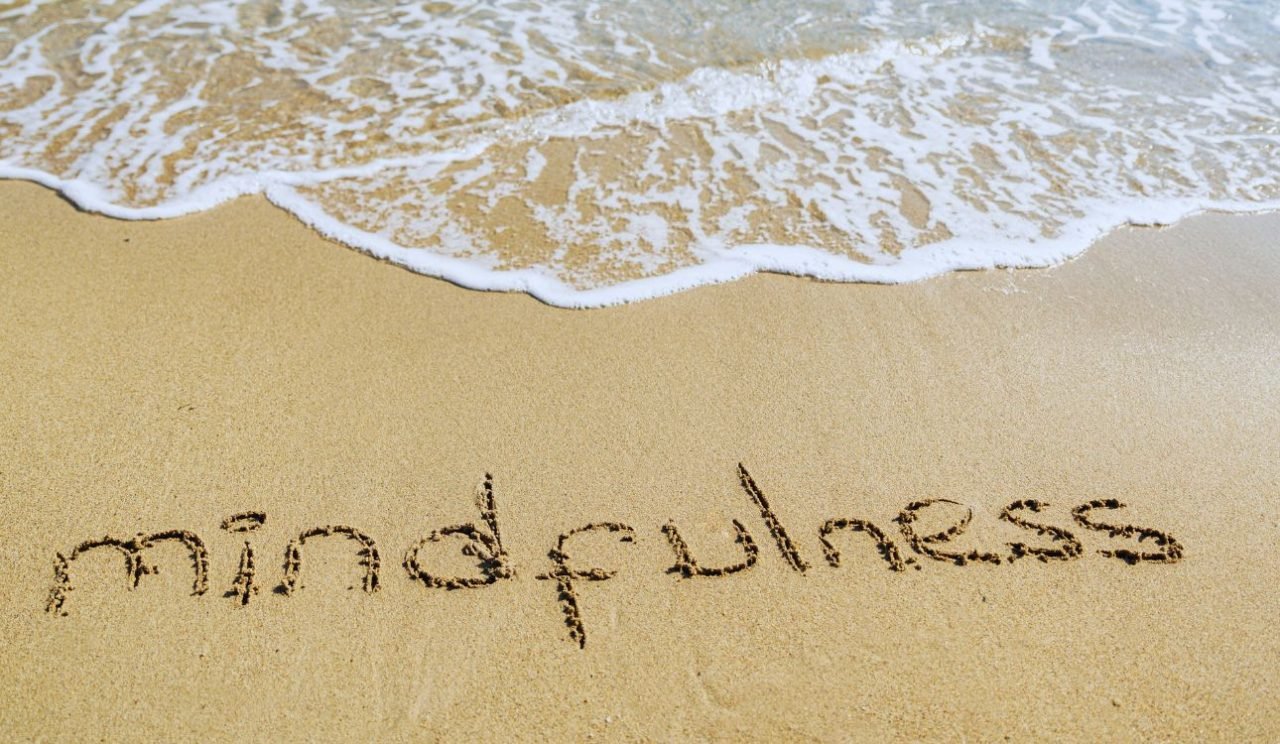
In today’s fast-paced world, students and teachers are juggling stress, distractions, and pressure to perform. One powerful tool gaining ground in classrooms around the world is mindfulness: the practice of paying attention to the present moment without judgment. But how does something as simple as breathing and noticing thoughts actually help in schools? What Is Mindfulness? Mindfulness means focusing on what’s happening right now (your thoughts, body, breath, and surroundings) without reacting or overthinking. It’s being fully present. It is not about zoning out or thinking positively. It is about noticing what’s going on inside and around you, calmly and clearly. Why It Matters for Students Research shows that when students practice mindfulness, even for just a few minutes a day, it can lead to real, measurable benefits: Less Stress and Anxiety: Breathing exercises and meditation help calm the nervous system. Studies have found mindfulness can reduce anxiety and even symptoms of depression in children and teens. Better Focus: Mindfulness trains the brain to concentrate. One study found that just a few minutes of daily breathing exercises helped students perform better in math. Improved Behavior: Practicing mindfulness boosts self-control and emotional regulation. Students are more likely to pause before reacting, solve problems peacefully, and get along better with peers. Academic Gains: Indirectly, these improvements help students stay on task, learn more effectively, and do better in school. Teachers Benefit Too Teaching is one of the most stressful jobs. But when educators practice mindfulness, the benefits are huge: 🌿 Lower Stress and Burnout: Teachers who take mindfulness training report feeling calmer, more energized, and less emotionally drained. 🌿 Stronger Classroom Presence: Mindful teachers are more patient, focused, and responsive. Their classrooms tend to be more positive and productive. 🌿 Better Relationships: Mindfulness helps teachers connect with students, build empathy, and respond thoughtfully to challenges. Easy Mindfulness Practices for the Classroom You do not need incense or hour-long meditations. Just a few minutes a day makes a difference. Here are quick practices teachers and students can try: Breathing Breaks: 2–5 minutes of slow, deep breaths. Focus on the rise and fall of the belly. Body Scan: Gently bring awareness to different parts of the body, noticing sensations. Mindful Listening: Listen silently to a sound (like a bell) until it fades completely. Guided Visualization: Imagine a calm, peaceful place. Picture every detail. Mindful Movement: Slow stretches or yoga-inspired poses that combine breath and movement. These can be done at the start of the day, between lessons, or whenever stress levels rise. Real Results A growing number of studies support the use of mindfulness in schools: Students show improved attention, self-regulation, and academic performance. Teachers report less stress and better classroom management. Programs like MindUP and Inner Explorer have been adopted in thousands of schools globally. Still, success depends on how it is introduced. Quick fixes don’t work. For the best results, schools should train teachers, integrate practices into daily routines, and make mindfulness part of the school culture. A Word of Caution Mindfulness isn’t magic. Some studies (like the UK’s MYRIAD trial) found limited results when mindfulness was taught poorly or practiced inconsistently. It works best when it is voluntary, engaging, and adapted to each age group. Also, mindfulness should complement other support systems and not replace them. It is a valuable tool, not a cure-all. Final Thought In a noisy world, teaching kids and teachers how to pause, breathe, and focus might just be one of the most powerful lessons of all.

Zara Lianne7 May 2025
website-images-6-1280x744.png

6min9760
Mrs. Adebayo, a passionate primary school teacher in Lagos, found herself working long after school hours; grading papers, planning lessons, covering for colleagues, and attending weekend meetings. She loved her job, but something felt off. She was always tired, rarely had time for herself, and slowly began to lose the joy she once had in teaching. Her turning point came when her 8-year-old daughter said, “Mummy, are you a teacher at home too?” That was when she knew something had to change. Like many educators, Ms. Adebayo struggled with saying no. But setting boundaries isn’t a sign of weakness but a bold step toward sustainability, clarity, and self-respect. Why It is Hard for Educators to Say No Teachers are givers by nature. You want to support your students, help your colleagues, and say yes to new ideas. But constantly giving without pausing to care for yourself can lead to burnout, resentment, and exhaustion. You don’t have to say yes to prove your dedication. The Cost of Always Saying Yes When you never say no, you may: Neglect your personal well-being Take on tasks outside your scope Struggle with emotional overload Begin to feel unappreciated or taken for granted Setting limits is not selfish, instead it is smart. How to Set Healthy Boundaries (Without Feeling Guilty) 1. Know Your LimitsBefore you commit to anything, check in with yourself. Do you have the time, energy, and willingness to take it on? 2. Be Honest and KindYou can say no without being rude. Try: “I am honoured you thought of me, but I won’t be able to take this on at the moment.” 3. Create Personal PoliciesSet simple rules, like no checking emails after 6 p.m., or not accepting extra duties on weekends. Communicate these policies clearly and stick to them. 4. Use a Pause ButtonIf you are unsure, buy time with a phrase like: “Let me think about it and get back to you.”This helps avoid impulsive yeses. 5. Prioritize Recovery TimeUse weekends and evenings to recharge. Remember, rest is productive too. Benefits of Saying No When you protect your time and energy, you’ll notice: Greater clarity and peace of mind Stronger personal and professional relationships A renewed love for teaching Better mental and emotional health And most importantly, you model to your students the value of self-respect and personal boundaries. Final Thoughts Saying “no” is one of the most powerful tools an educator can use, not to distance yourself from others, but to protect your passion, purpose, and peace of mind. You teach best when you are at your best. And sometimes, the most professional thing you can say is a kind but firm “No.” CTA Reflect: What’s one area where you have been overextending yourself?Challenge: This week, choose one request to politely decline and protect that time for yourself.Share: If this article spoke to you, share it with a fellow teacher who might need this reminder too.

website-images-2-2-1280x744.png

6min13190
In a world obsessed with schedules, structure, and screen time, there’s a silent revolution waiting to happen: letting kids just play. Not play guided by adult instructions or boxed into apps, but real, messy, imaginative play; the kind that unfolds when children are free to be children. Why Free Play Still Matters Unstructured playtime: where kids make up the rules, build imaginary worlds, and solve their own “kid-sized” problems is more than a pastime. It is a powerful engine for developing innovation, emotional intelligence, and creativity. Children don’t need fancy gadgets or carefully curated activities to grow. They need time. Time to explore without adult intervention. Time to imagine without limits. Time to fail, try again, and figure things out on their own. Research has consistently shown that free play helps boost: Problem-solving abilities Social and emotional development Cognitive flexibility Resilience and independence Play is not a break from learning, it is learning. It’s in the mud kitchens, pirate ship sofa forts, and spontaneous backyard adventures that future creators and changemakers are born. The Creativity Connection Creativity thrives in uncertainty, and what better way to nurture this than through unstructured play? When kids turn cardboard boxes into castles or act out stories with action figures and dolls, they are not wasting time. They are engaging in one of the most effective forms of brain development. This kind of imaginative thinking is exactly what the 21st-century world needs. Today’s employers don’t just want knowledge they also want innovators, flexible thinkers, and problem-solvers. And those skills? They begin in childhood, fueled by moments of spontaneous, rule-free play. But… Are We Losing It? Unfortunately, unstructured play is fading fast. Academic pressures, overscheduled lives, and digital distractions are replacing the playground with the tablet screen. Some studies suggest that kids today spend less than 30 minutes a day in free play—down from hours in previous generations. And it shows. More children are experiencing anxiety, reduced attention spans, and underdeveloped social skills. In trying to prepare children for the future, are we stealing the very tool that would equip them best? What Can We Do? Whether you are a parent, educator, or policymaker, it is time to reclaim play as essential—not optional. Here’s how: Protect downtime in children’s schedules. Don’t fill every moment with activities. Encourage outdoor play—nature is the ultimate playground. Say “yes” to boredom. That’s where creativity is born. Limit screen time, especially in the early years. Be okay with the mess. Real play is loud, wild, and often chaotic but it’s also magic. Final Thought If we want a generation of creators, leaders, and innovators, we must give them back what they have quietly lost (the freedom to play). Because in play, children are not just having fun. They are building the mindset the world needs. Did this resonate with you? Share this with someone raising or teaching the next generation of change-makers.

article-1280x744.jpg

8min24340
“I thought life after secondary school would be fun and freeing. Instead, I felt lost, confused, and unsure of what was next.” Sound familiar? You are not alone. Every year, thousands of Nigerian teens walk out of their secondary school gates, heads full of dreams, hearts full of hope, and then bam, it reality hits. Life after secondary school is rarely what we imagine it to be. It is complex, unpredictable, and in many ways, just the beginning of a whole new learning curve. So let’s talk about it. No filters. No hype. Just the honest truth. 1. Freedom Comes With Pressure Yes, you will probably be free from uniforms, bells, and assembly lines. But that freedom? It comes with choices, and choices come with pressure. Do I go to university or polytechnic? Which course should I choose? Should I wait for JAMB or try something else? What if I don’t get admission this year? What will people say? For many, these questions lead to anxiety, comparison, and self-doubt especially when classmates seem to be “moving forward” faster. Truth: Everyone’s journey is different. Your path doesn’t have to look like theirs. 2. The Gap Year Confusion Let’s talk about “the waiting period”  that stretch of time between graduation and the next step. It might be a few months or even years. And in Nigeria, it’s common due to admission delays, strikes, or financial setbacks. This season can feel like a trap: You’re not in school, you’re not working, you’re not doing “big things.” But it’s also a golden opportunity if used wisely. Learn a skill. Volunteer. Intern somewhere. Start a side hustle. Explore your interests. Invest in you. Truth: A gap year isn’t a setback. It’s a setup, if you use it intentionally. 3. Passion vs Pressure So you love music, fashion, content creation, sports? Great. But Uncle Chuks thinks accounting is “better.” And Dad says, “You better go study medicine.” Sound familiar? Nigerian teens often face the tough choice between passion and parental pressure. It’s not easy navigating this especially when approval and financial support are at stake. But remember: You are the one who has to live your life. Truth: You can respectfully make your case, show results, and create a path that aligns with your strengths even if it is unconventional. 4. Life Skills Matter More Than You Think Life after school reveals something schools rarely teach: how to survive real life. Managing money, staying consistent, making decisions, cooking your own food (hello boarding school pros), dealing with disappointment, showing up when no one’s watching… these become the new curriculum. You begin to realize that street smarts, emotional intelligence, and resilience are just as important as certificates. Truth: Your success isn’t just about grades. It’s also about grit. 5. You are Not Behind Maybe you didn’t get admission yet. Maybe your friends are abroad. Maybe you’re still figuring things out. Maybe you’re tired of being asked, “So what are you doing now?” Take a breath. There is no master clock ticking against your dreams. Life isn’t a race; it’s a journey. Truth: It’s okay not to have it all figured out at 16, 18, or even 25. What matters is that you keep learning, growing, and showing up. So, What Now? If you’re in that in-between space, unsure of what’s next — here’s what you can do: Reflect on what excites you. Not what others expect — what you love. Explore your options: school, vocational training, online courses, internships. Find mentors; people who are doing what you dream of, but be careful to not be exploited. Start small. Big journeys begin with small steps. And most importantly, don’t give up on yourself. Conclusively: Life after secondary school isn’t a straight road. It is a winding path filled with surprises, lessons, and growth. There’s no single formula, no one-size-fits-all success story. But if you stay curious, stay hungry, and stay true to yourself , you will find your way. The world may not hand you a map, but you can build your own compass.

website-images-1-1-1280x744.png

8min10980
– A Deep Dive into Common Financial Mistakes Teachers Make and How They Impact Long-Term Stability. The Price of Financial Illiteracy Among Nigerian Educators In the grand mission of nation-building, teachers are often at the heart of it all: molding minds, nurturing character, and guiding generations. Yet, behind the chalkboard and lesson plans, many Nigerian educators are silently grappling with a persistent, often overlooked crisis: poor financial literacy. Despite their critical role in society, a large percentage of teachers in Nigeria face chronic financial instability. Their struggles are not solely due to low salaries but are also deeply rooted in a lack of financial knowledge, poor planning habits, and limited access to financial education tailored to their realities. Why Financial Literacy Matters for Educators Financial literacy goes beyond knowing how to save or open a bank account. It involves understanding how money works, how to earn, manage, invest, and protect it wisely. For educators, this knowledge is not just helpful, it is essential. Without financial literacy: Teachers fall into cycles of debt and emergency borrowing. Many retire without pensions or sustainable savings. They struggle to model good financial behavior to students. Side hustles often fail due to poor planning or mismanagement. The ripple effect? Professional burnout, stress, low self-worth, and in extreme cases, unethical behavior driven by financial desperation. Common Financial Mistakes Nigerian Teachers Make Living Beyond Their MeansMany teachers feel pressured to keep up appearances in their communities, leading to spending habits that outpace their earnings. Weddings, burials, religious obligations, and social dues often take precedence over savings or investments. Neglecting to Save or Invest EarlyWith little disposable income, saving is often deprioritized. Worse still, many don’t understand the difference between saving and investing. The idea of compound interest, passive income, or emergency funds is foreign to many. Falling Into Loan TrapsTeachers are frequent targets for loan sharks and quick loan apps, often without reading the fine print. Some borrow to meet basic needs, while others fund luxury purchases or financial responsibilities they cannot sustain. Lack of Retirement PlanningFew educators start planning for retirement early. Many believe gratuities or pensions will be enough—until it’s too late. Some even entrust retirement savings to dubious schemes due to lack of knowledge. Poor Record-Keeping and BudgetingWithout personal budgets, income gets mixed with school or side business funds. It becomes hard to separate what is owed, what is profit, and what should be saved. Misguided Side HustlesWhile many teachers turn to entrepreneurship to supplement income, they often dive in without proper planning or financial knowledge resulting in losses that deepen their stress. Why the System Doesn’t Help And What Needs to Change It’s not entirely their fault. The Nigerian educational system does not equip teachers with financial life skills. In many Colleges of Education and universities, personal finance is never taught. Even school systems rarely provide training or resources to help staff grow financially. To change this: Financial literacy should be integrated into teacher training programs. School owners and education stakeholders must offer workshops and sessions on budgeting, savings, and investment. Government and private sector stakeholders should support initiatives for educator financial wellness. Practical Solutions:  What Educators Can Start Doing Today While systemic reform is slow, teachers can start reclaiming control over their financial lives with small, intentional steps: Start Budgeting: Create a simple monthly budget using apps or a notebook. Track income and expenses. Emergency Fund First: Aim to save at least 10% of your monthly income, no matter how small. Avoid Quick Loans: Instead, consider cooperative societies with better rates and terms. Learn About Investing: Explore mutual funds, Agri-tech platforms, or small-scale property investments with reputable firms. Plan for Retirement Early: Don’t wait until your 50s. Open a pension account, and make voluntary contributions if possible. Seek Mentorship: Join communities or follow platforms (like Edupreneur) offering finance tips for educators. Empower the Teacher, Strengthen the Nation Financially empowered teachers are not just better off, they are better educators. They show up focused, confident, and fulfilled. And in doing so, they model responsible behavior for students, families, and the broader society. As we work to improve teacher pay and working conditions in Nigeria, let’s not forget: real empowerment begins with knowledge. And one of the most urgent knowledge gaps we must close is financial literacy.