Category: Refined Living

vaccination-exercise.jpg

2min8530
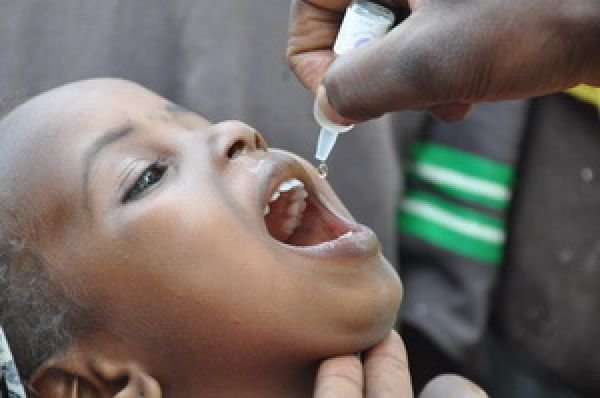
The Lagos State Government is set to launch the Measles-Rubella and Routine Immunisation Campaign on Tuesday. The week-long initiative will run until February 5, 2026, reaching all Local Government Areas and Local Council Development Areas across the state. The campaign, which will be officially flagged off by the wife of the Lagos State Governor, Dr Ibijoke Sanwo-Olu, aligns with national and global immunisation goals and aims to protect children and adolescents from vaccine-preventable diseases. Dr Ibrahim Mustafa, Permanent Secretary of the Lagos State Primary Health Care Board, highlighted the importance of routine immunisation in preventing diseases such as polio, tuberculosis, whooping cough, diphtheria, and cervical cancer. “This integrated campaign is a vital public health intervention targeting measles, rubella, and other preventable diseases,” he said. “Lagos State is committed to ensuring that every eligible child and adolescent is reached, regardless of location or socioeconomic background. The vaccines provided are safe, effective, and completely free.” He added that consistent immunisation helps reduce child morbidity and mortality, boosts school attendance, and supports long-term social and economic development. “Immunisation is one of the most cost-effective public health investments. We call on parents, guardians, community and religious leaders, as well as school authorities, to support this campaign by ensuring children and adolescents receive their vaccines,” Mustafa said. The campaign will be carried out with assistance from key development partners, including the Federal Ministry of Health, National Primary Health Care Development Agency, World Health Organization, United Nations Children’s Fund, and other immunisation partners.

gold-1280x744.png

5min7240
The price of gold has surged past $5,000 an ounce for the first time, extending a historic rally that saw the precious metal climb more than 60% in 2025. The rise comes amid mounting financial and geopolitical uncertainty, including tensions between the US and NATO over Greenland. Market concerns have also been fueled by US President Donald Trump’s trade policies. On Saturday, he warned he could impose a 100% tariff on Canada if it secures a trade deal with China. Gold, along with other precious metals, is often seen as a safe-haven asset, attracting investors during periods of instability. Silver, for example, topped $100 an ounce on Friday, building on its nearly 150% gain last year. Other factors boosting demand include persistent inflation, a weaker US dollar, purchases by central banks, and expectations that the US Federal Reserve may cut interest rates again this year. Global conflicts, including the wars in Ukraine and Gaza, and Washington’s seizure of Venezuelan President Nicolás Maduro, have also contributed to the uptick in gold prices. Part of gold’s enduring appeal lies in its scarcity. Only around 216,265 tonnes have ever been mined, enough to fill three to four Olympic-sized swimming pools. The majority of this has been extracted since 1950 as mining technology advanced and new deposits were discovered. The US Geological Survey estimates that roughly 64,000 tonnes remain in underground reserves, though production is expected to plateau in the coming years. Nicholas Frappell, global head of institutional markets at ABC Refinery, explained: “When you own gold, it’s not tied to someone else’s debt like a bond, or the performance of a company like equities. It’s a strong diversifier in an uncertain world.” Gold had a remarkable year in 2025, posting its largest annual gain since 1979 as investors turned to precious metals. Heightened concerns over Trump’s trade policies and worries about overvalued AI stocks repeatedly pushed gold to new record levels. Susannah Streeter, chief investment strategist at Wealth Club, said gold “seems to know no bounds” amid ongoing political uncertainty, adding that trade tensions with Canada had “unnerved investors” and contributed to the rally. Lower interest rates are also supporting gold’s appeal. When rates fall, returns on investments like government bonds decline, prompting investors to seek alternatives such as gold and silver. The US Federal Reserve is widely expected to reduce its main interest rate twice this year. Ahmad Assiri, research strategist at Pepperstone, noted, “It’s inversely correlated because the opportunity cost of keeping money in bonds is no longer worth it, so investors turn to gold.” Central banks have also been active buyers, adding hundreds of tons of bullion to their reserves, reflecting a broader shift away from reliance on the US dollar. While investment remains the primary driver, gold continues to hold cultural significance. In India, for example, it is traditionally purchased during festivals like Diwali as a symbol of wealth and good fortune. Indian households hold around $3.8 trillion of gold, equivalent to nearly 89% of the country’s GDP. China, the world’s largest consumer of gold, also sees seasonal spikes in demand during celebrations such as Chinese New Year, believed to bring prosperity and luck. Despite the ongoing rally, analysts caution that gold remains sensitive to news events. Frappell warned that “unexpected positive developments in the world could weigh on prices,” highlighting the market’s reactive, news-driven nature.

Russia-Flag-1-1280x853.jpg

5min6340
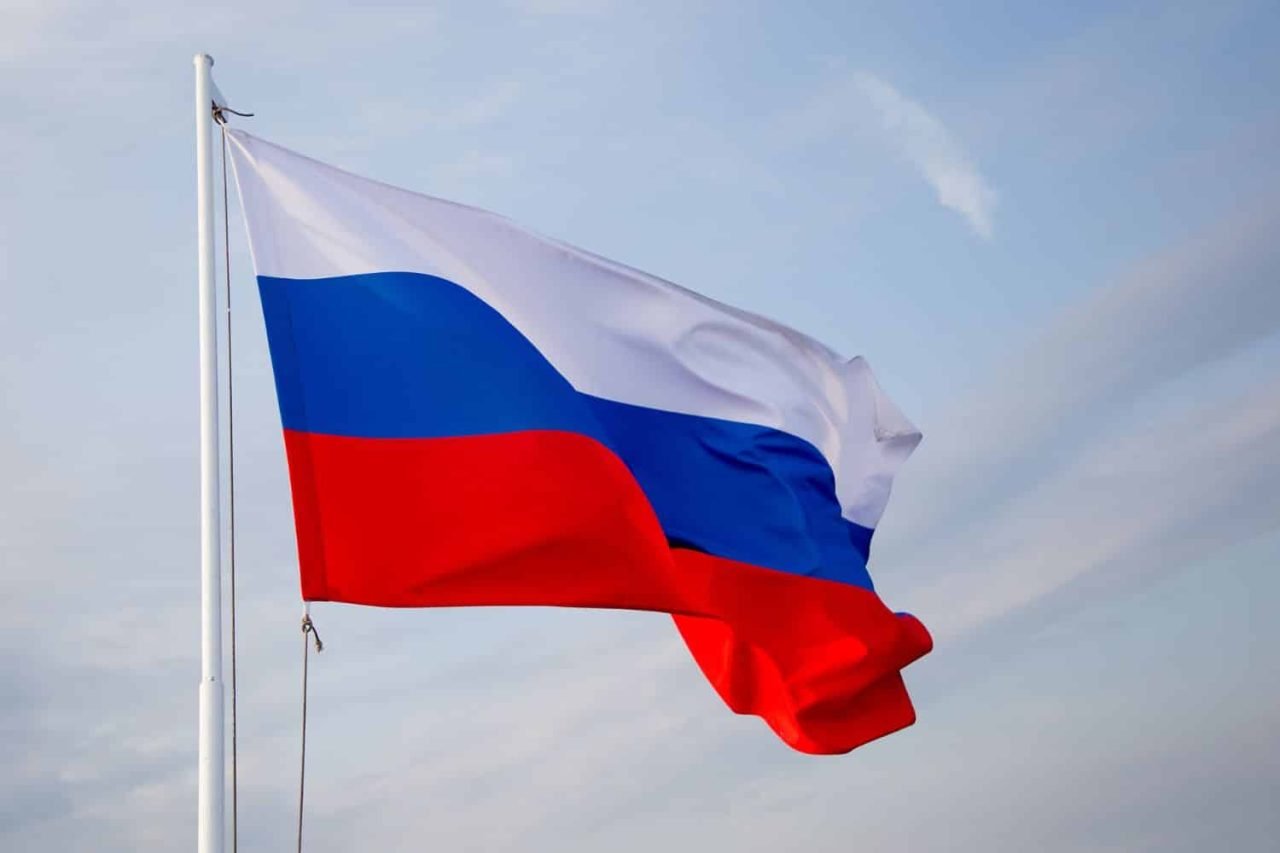
Thousands of files leaked by a whistleblower at Interpol reveal the scale of Russia’s alleged misuse of the international policing agency to target critics abroad. The documents show that Moscow has used Interpol’s wanted notices to seek the arrest of political opponents, business figures, and journalists, claiming they committed crimes. Analysis of the data indicates that over the past decade, Russia has generated more complaints to Interpol’s independent complaints unit than any other country—three times more than Turkey—and that more of Russia’s requests have been overturned than those of any other nation. After Russia’s full-scale invasion of Ukraine, Interpol introduced additional checks on Moscow’s activity to curb potential misuse. However, the leaked files suggest these measures were insufficient, and the whistleblower said some stricter controls were quietly lifted in 2025. Interpol stated that it helps arrest thousands of serious criminals annually and has strengthened safeguards against misuse, acknowledging the serious impact a red notice can have on an individual’s life. A red notice alerts all 196 member countries to locate and detain a person, while a red diffusion is a similar request sent to select countries. Russian businessman Igor Pestrikov, named in a red diffusion after fleeing Russia in June 2022 and seeking asylum in France, described the personal toll: blocked bank accounts, difficulties renting property, and constant stress. For safety, his daughter and ex-wife relocated abroad. Pestrikov had been a major shareholder in privatized metals companies and resisted pressure from Russian ministers to restrict his exports to the domestic market—a decision he says was both ethical and financial. He believes this, along with his Ukrainian wife, led to his companies being nationalized and an investigation into alleged financial crimes. After discovering the red diffusion, Pestrikov challenged it through Interpol’s Commission for the Control of Files (CCF), which ruled the case predominantly political and overturned the request, citing “generic and formulaic” claims from Russia and inadequate explanation of the alleged offenses. The leaked documents show that over 11 years, Russia has been the subject of more complaints than any other country. At least 700 people wanted by Russia approached the CCF, with over 400 having their notices overturned—more than any other nation. British barrister Ben Keith, who has represented clients on Russian red notices, said that Russia is a major source of abusive requests and that Interpol’s measures have often failed to prevent misuse. Lawyer Yuriy Nemets noted that even after extra scrutiny of Russian requests following the Ukraine invasion, critics of the war have continued to be targeted under ordinary criminal charges. The leak also includes thousands of internal Interpol messages showing informal channels used by Moscow to track individuals abroad, circumventing the formal red notice system. Among these is a message regarding journalist Armen Aramyan, who fled Russia after reporting on protests supporting Alexei Navalny. Russia asked authorities in Armenia and Germany for any information on his whereabouts, sidestepping official Interpol procedures. Other messages reveal tracking requests on allies of Navalny and high-profile defectors, even while additional vetting measures were in place. Internal Interpol reports from 2024 and 2025 express “serious concerns” about Russia’s repeated violations, yet the majority of its requests still passed initial checks, and half of complaints received by the CCF were overturned. Attempts to place notices on International Criminal Court judges and prosecutors in 2024 were blocked, but discussions over easing restrictions on Russia continued, apparently in Moscow’s favor. Legal experts agree more must be done to prevent abuse. Ben Keith suggested suspending countries that repeatedly misuse the system, while Pestrikov warned that Russia can “with the push of a button” accuse anyone of a crime, enabling persecution globally.

Tech & Tools Desk26 January 2026
trump.jpeg

5min11250
US President Donald Trump says his administration is “reviewing everything” following the fatal shooting of 37-year-old intensive care nurse Alex Pretti by immigration agents in Minneapolis on Saturday. In comments to the Wall Street Journal, Trump indicated that he would eventually withdraw federal agents from the city but did not specify a timeline. Protests continued in Minneapolis and other cities on Sunday, as Minnesota Governor Tim Walz described the nation as being at an “inflection point.” The details surrounding the incident—the second fatal shooting by federal agents of a US citizen in recent weeks—remain contested, fueling tensions between state and federal officials. The administration has defended the agent involved, with Homeland Security Secretary Kristi Noem claiming Pretti was “brandishing” a firearm. Local authorities dispute this, stating that the gun was legally registered and that Pretti was shot after it was removed. Trump told the Wall Street Journal, when asked whether the agent acted appropriately: “We’re looking, we’re reviewing everything and will come out with a determination.” He added: “I don’t like any shooting. I don’t like it. But I don’t like it when somebody goes into a protest and he’s got a very powerful, fully loaded gun with two magazines loaded up with bullets also. That doesn’t play good either.” Pressure has mounted on the administration from both Democrats and some prominent Republicans, calling for a full investigation. Senator Bill Cassidy urged a joint federal and state inquiry, while Congressman James Comer, an ally of Trump, suggested relocating immigration agents from Minneapolis, citing risks to their safety and the potential for further casualties. Trump reiterated that federal agents had done “a phenomenal job” but said they would eventually leave. Over the weekend, multiple vigils were held for Pretti in Minneapolis. Protesters of all ages rallied under slogans such as “No more Minnesota nice – Minneapolis on strike” and “ICE out now.” Community leaders and residents condemned the actions of federal agents, highlighting Pretti’s status as a lawful gun owner with no criminal record beyond minor traffic violations. The shooting has sparked a nationwide debate over immigration enforcement, the Second Amendment, and federal oversight. While some polls suggest about half of Americans support Trump’s efforts to deport undocumented immigrants, the public remains divided on the methods being used. Business leaders, including CEOs from 3M, Best Buy, and Target, called for de-escalation and cooperation between state and federal authorities to prevent further violence. Minneapolis Police Chief Brian O’Hara said state officers were blocked from accessing the scene by federal agents, complicating investigations. Trump’s administration has defended the operations in Minneapolis as a public safety measure targeting criminals, while critics argue that law-abiding citizens and immigrants with no criminal history are being affected. Pretti’s family condemned the administration’s characterization of him as a “domestic terrorist,” emphasizing that he had no criminal record and urging the public to know the truth about their son. Minnesota officials, including Walz, described the incident as a test of national unity, warning that divisions over the treatment of citizens could have far-reaching consequences. Republican leaders, including Oklahoma Governor Kevin Stitt and Louisiana Senator Bill Cassidy, echoed concerns over accountability and federal tactics. Former Presidents Bill Clinton and Barack Obama also criticized the events, with Clinton describing them as “horrible scenes” that should not occur in America. Meanwhile, Trump demanded cooperation from governors and mayors nationwide and called for an end to sanctuary city policies, blaming them for ongoing conflicts between federal agents and local communities. The latest shooting follows ongoing tensions in Minneapolis between ICE agents and Somali and other immigrant communities, part of a wider federal crackdown on individuals suspected of being in the US illegally.

Ifunanya Okafor26 January 2026
tax.webp

6min3790
A dispute has surfaced between the House of Representatives and its Minority Caucus over an ad hoc committee investigating alleged changes to Nigeria’s tax laws. Afam Ogene, chairman of the Minority Caucus ad hoc committee, warned on Sunday that dismissing the committee’s interim report would encourage impunity and undermine the authority of the National Assembly. His comments followed remarks by House deputy spokesperson Philip Agbese, who reportedly described the report as “overtaken by events” after Certified True Copies of the affected tax laws were released. In a statement issued in Abuja, Ogene said: “While I might ordinarily have ignored the remarks as a personal opinion, Agbese’s position as a principal officer of the House carries the responsibility of safeguarding the integrity of the legislature and democratic processes.” He added, “I am therefore perplexed as to why he has assumed the role of spokesperson for the executive in this matter.” Ogene, who represents Ogbaru Federal Constituency in Anambra State, stressed that the minority caucus committee’s report did not indict the National Assembly or question its authority. Instead, it highlighted “the concerning attempt by perpetrators of the illegal alterations to undermine the legislature’s functional integrity and independence.” He questioned claims that the issue had been resolved, noting that a separate bipartisan committee, chaired by Muktar Betara, is still reviewing the tax acts. “If, as Agbese claims, the alleged alterations have been overtaken by events following the release of Certified True Copies, why is the Betara committee still sitting and has not been dissolved by the House?” Ogene asked. The lawmaker cautioned that overlooking such procedural irregularities could weaken democratic institutions. “Speaking in the manner that Agbese has spoken will only enable unacceptable behaviour that ought to attract the collective upbraid of all lawmakers, irrespective of partisan divide. Democratic institutions are strengthened when accountability is upheld, not when official malfeasance is overlooked,” he said. Ogene expressed confidence in Speaker Abbas Tajudeen’s leadership, adding: “I trust that the Speaker will continue to defend the independence of the legislature and ensure that public interest prevails over political expediency.” Responding to the Minority Caucus, House spokesman Akin Rotimi described the committee’s actions as “procedurally flawed and lacking institutional authority.” “The House recognises the legitimate role of the minority caucus within parliamentary democracy and affirms its right to express dissenting opinions, engage in policy advocacy, and raise public concerns,” Rotimi said. “However, it is necessary to distinguish clearly between political activities and the formal parliamentary processes of the House.” He stressed that, according to the House Standing Orders, only the House acting in plenary or the Speaker can formally constitute ad hoc committees. “No political caucus, whether majority or minority, possesses the procedural authority to establish a committee with parliamentary status,” Rotimi added. Rotimi explained that caucuses serve as platforms for consultation and coordination, without investigative authority, oversight powers, or the ability to summon individuals or request official documents. “Any action taken by a caucus in this regard is non-binding, informal, and without legal or institutional consequence,” he said. He also highlighted that the Betara-led bipartisan committee, appointed in December 2025 to examine multiple purported copies of the tax legislation, remains active and will submit its report to the House upon conclusion. The spokesman noted that the National Assembly has published the official Gazette and issued Certified True Copies of the enacted tax laws, formally disowning any unofficial documents. He warned that the caucus-led committee “only serves to compound public misunderstanding on an issue that has been institutionally resolved and overtaken by events.” “For the avoidance of doubt, only committees constituted by the House in plenary or by the Speaker have parliamentary authority,” Rotimi said. “Members of the public should regard any committee or report not authorised by the House as a political initiative rather than an official action of the Green Chamber.” The disagreement underscores rising tensions over legislative oversight and highlights the need to maintain procedural integrity while addressing allegations of malpractice in Nigeria’s tax legislation process. Analysts note that the dispute reflects the delicate balance between political advocacy by minority lawmakers and formal parliamentary authority.

Tinubu.jpg

2min5840
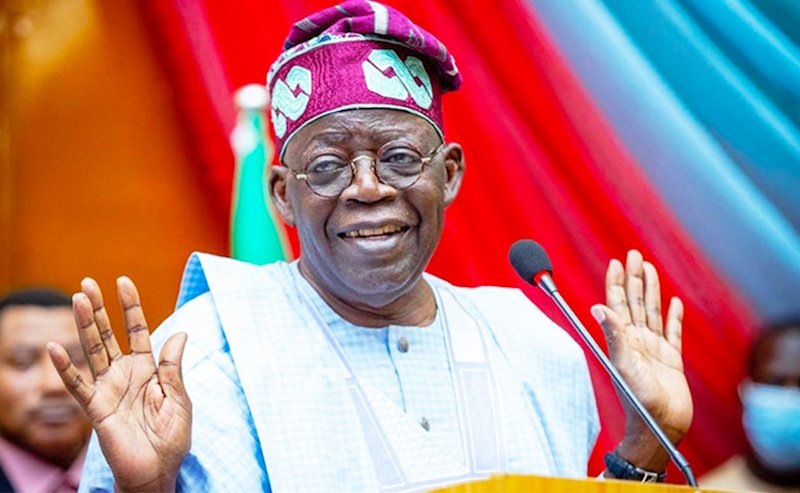
President Bola Tinubu is set to leave Abuja today (Monday) on an official state visit to the Republic of Türkiye. The President’s Special Adviser on Information and Strategy, Bayo Onanuga, disclosed this in a statement issued on Sunday. He said the visit is intended to deepen the longstanding friendly relations between Nigeria and Türkiye, while identifying new opportunities for collaboration in areas such as security, education, social development, innovation, and aviation. The trip also serves as a reciprocal gesture following the state visit to Nigeria by Turkish President Recep Tayyip Erdoğan in October 2021. During the visit, President Tinubu and Turkish officials will hold high-level political and diplomatic talks focused on shared interests in finance, communication, trade, and investment. According to the statement, the programme includes meetings between senior officials of both countries and the signing of memoranda of understanding covering fields such as scientific research, energy, technical cooperation, media and communications, military collaboration, and protocol matters. A business forum will also be held to connect investors from Nigeria and Türkiye and explore mutually beneficial opportunities. Members of the President’s delegation include the Minister of Foreign Affairs, Yusuf Tuggar; the Attorney General and Minister of Justice, Lateef Fagbemi (SAN); the Minister of Defence, Gen. Christopher Musa (retd); and the Chairman of the House Committee on Defence, Jimi Benson. Others on the delegation are the Minister of Women Affairs and Social Development, Imaan Suleiman-Ibrahim; the Minister of Interior, Olubunmi Tunji-Ojo; the Minister of Culture and Creative Economy, Hannatu Musawa; the National Security Adviser, Nuhu Ribadu; and the Director-General of the National Intelligence Agency, Mohammed Mohammed. President Tinubu is expected to return to Nigeria at the end of the visit.

Africas-top-10-biggest-streamers-605x340-1.jpg

4min17170
Nigerian content creators make up the bulk of Africa’s largest live streamers in 2026, highlighting the country’s rising dominance in the continent’s digital entertainment space. Figures from Twitch and Kick indicate that Nigerians occupy most slots in Africa’s top 10 streamers, fueled by high audience engagement, celebrity partnerships, and early acceptance of live streaming as a viable career. This growth reflects a wider shift in Africa’s streaming industry, where live content has expanded beyond gaming into a rapidly growing, multi-million-dollar sector. Although South Africa once led Africa’s streaming scene, the centre of gravity has shifted to West Africa—especially Nigeria—following increased global exposure driven by visits from international streaming stars such as Kai Cenat and IShowSpeed. The 2026 rankings are based on combined followership across Twitch and Kick, capturing evolving platform trends across the continent. While Twitch remains dominant in West and Southern Africa, Kick has gained ground among up-and-coming creators due to its creator-friendly incentives. Using a combined metric offers a more accurate measure of lasting influence, emphasising loyal audiences over short-lived virality. Nigeria features prominently through creators such as Carter Efe, Shank Comics, Enzo (Rynenzo), Peller, Ojo, and Lord Lamba, forming the largest national group among Africa’s top streamers. Carter Efe leads the Nigerian pack with over 560,000 followers, making him the most followed Africa-based streamer on Twitch. His mix of street culture, celebrity conversations, and interactive variety content has connected African pop culture with global streaming audiences. Shank Comics remains a major force, having been the first Nigerian to surpass 100,000 followers on Twitch. His appearance at Kai Cenat’s Streamer University and a $10,000 win from MrBeast boosted his international profile and strengthened Nigeria’s standing in the global streaming community. Gaming-centric streamer Enzo represents a new wave of Nigerian creators, growing his audience through consistency and technical skill rather than viral trends. Peller’s early move to Kick, along with his role as the platform’s first Nigerian brand ambassador, further illustrates how strategic platform choices are reshaping Africa’s streaming ecosystem. Despite Nigeria’s strong showing, the overall continental leader is Morocco’s Ilyas El Maliki. South Africa and Egypt also retain representation among the top 10 through established creators. Africa’s Biggest Streamers in 2026 (So Far):Ilyas El Maliki (Morocco) – 847,000+ followersCarter Efe (Nigeria) – 560,000+ followersShank Comics (Nigeria) – 258,000+ followersEnzo (Nigeria) – 204,000+ followersPeller (Nigeria) – 183,000+ followersRachel Kay (South Africa) – 144,000+ followersOjo (Nigeria) – 66,000+ followersSalma Hassan (Egypt) – 64,000+ followersLord Lamba (Nigeria) – 39,000+ followersAliasV (South Africa) – 34,000+ followers

lagos-flood.jpg

3min8040
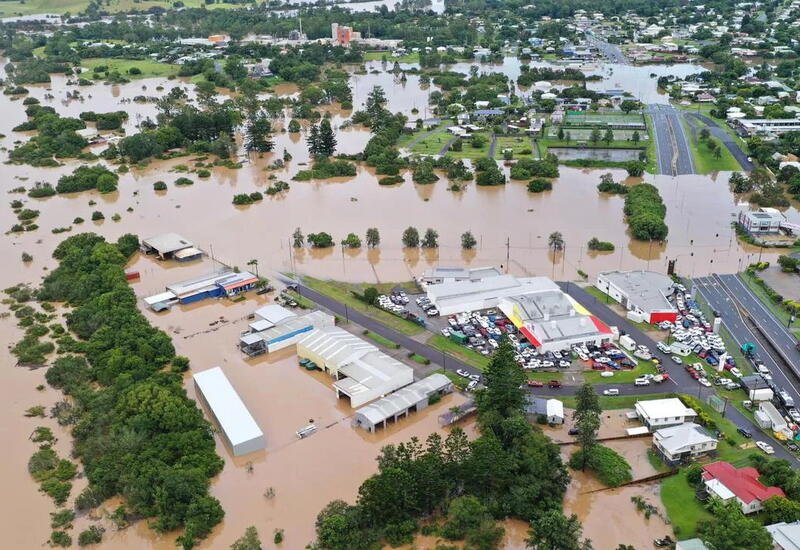
The Lagos State Government has restated its resolve to strengthen and expand durable drainage infrastructure across the state to mitigate flooding. The Commissioner for Environment and Water Resources, Tokunbo Wahab, reaffirmed this commitment while addressing journalists after inspecting several ongoing drainage projects. He noted that the intense rainfall experienced early in the year underscored the realities of climate change and global warming. Wahab explained that the inspection was prompted by whistleblower reports of encroachment along the System 46 drainage corridor, warning that such actions could distort the drainage alignment and have long-term consequences for the Ikota River channel if left unchecked. According to him, the government will continue to intensify public awareness campaigns and infrastructure upgrades to protect lives and property. He added that rainfall had been unusually persistent, stretching from December into January, even as the ministry resumed its routine activities for the year. Wahab disclosed that those responsible for the encroachment had been served stop-work orders and that warning signposts would be installed at the site. He also acknowledged complaints about flooding around the Mobil area in Ikota, recalling that earlier violations along the System 44 drainage alignment were cleared two years ago. He said contractors are currently working to resolve flooding in the area, with sections of the drainage temporarily dammed to allow construction. He added that the contractors had been directed to speed up work, noting that about 800 metres remain to be completed upstream and another 800 metres downstream toward the Ikota River. At Ikate, Wahab revealed that contracts had been awarded for concrete lining of drainage channels and the construction of a pumping station to address flooding challenges. Other locations inspected during the tour included Ogombo Road at the Wetland Sandfilling Site, LSDPC Treasure Estate along Evan Ikoku Road off Coastal Road, Lekki II–Ikota along the System 44 Drainage Channel in Eti-Osa Local Government Area, System 156 along Coastal Road, and the Kusenla Drainage Channel.

Tech & Tools Desk26 January 2026
Trump-and-Tinubu-US-MILLITARY.webp

5min8510
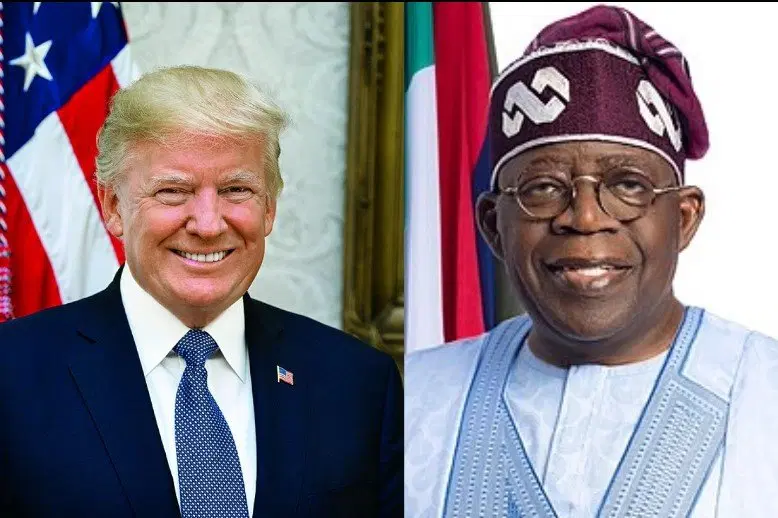
The United States military has stepped up the supply of equipment and intelligence sharing with Nigeria as part of a wider effort to support African forces in tackling militants linked to the Islamic State, according to the deputy commander of US Africa Command (AFRICOM). Lieutenant General John Brennan said the Pentagon is also maintaining communication with the armed forces of Burkina Faso, Niger and Mali, despite those Sahel countries being governed by military juntas. He explained that the expanded cooperation with Nigeria comes amid Washington’s growing concern over jihadist violence and a more assertive US posture toward Islamic State-affiliated groups across Africa. Under the Trump administration, Brennan said the US military has become more aggressive in working with partners to carry out kinetic operations against ISIS-linked threats. “From Somalia to Nigeria, these challenges are interconnected. Our aim is to disrupt these networks and provide partners with the intelligence they need to succeed,” he said. According to him, the focus has been on empowering partner nations by easing restrictions and supplying them with equipment and operational capabilities to improve their effectiveness. The renewed collaboration follows the first US–Nigeria Joint Working Group meeting held in Abuja last week, which came about a month after the US carried out surprise airstrikes on Christmas Day against Islamic State-linked targets in northwest Nigeria. While both countries appear eager to deepen security cooperation, tensions remain over US diplomatic pressure regarding claims of mass killings of Christians in Nigeria. Nigerian authorities and independent analysts have rejected that characterisation, arguing that the country’s conflicts are complex and not solely religious in nature. Religious sensitivity surfaced during the Abuja meeting when a senior US State Department official urged Nigeria to protect Christians, without referencing Muslim victims of violence. Nigeria is almost evenly divided between a largely Muslim north and a largely Christian south, and while many communities coexist peacefully, religious and ethnic identities remain sensitive issues. Brennan clarified that US intelligence support would not be limited to the protection of any single religious group. He said American assistance would focus heavily on intelligence sharing to support Nigerian air operations in both the northwest and the northeast, where Boko Haram and its rival faction, Islamic State West Africa Province (ISWAP), have waged an insurgency since 2009. He described ISWAP as the most concerning militant group currently operating in the region. Recent months have seen increased US intelligence flights over Nigeria, though some analysts question whether air power alone can defeat armed groups that benefit from poverty and weak state presence in rural areas. Brennan said future cooperation would cover extensive intelligence sharing, joint operational methods, and support for Nigeria to acquire additional equipment. The earlier US strikes, he noted, targeted militants linked to Islamic State Sahel Province, a group typically active in neighbouring Niger but feared to be expanding toward coastal West Africa. The effectiveness of the strikes remains unclear, with no independent confirmation of casualties. Nigeria’s information minister recently described the outcome as “still a work in progress.” Beyond Nigeria, Brennan said the US continues to share intelligence with military authorities in Burkina Faso, Mali and Niger, even though formal security cooperation has been reduced following coups that overthrew civilian governments between 2020 and 2023. “We still engage our military counterparts across the Sahel and have shared information to help target key terrorist threats, even if the cooperation is not official,” he said. He also stressed that the US is not seeking to establish new military bases in West Africa following its withdrawal from Niger. Instead, he said Washington’s priority is delivering the right capabilities at the right time, without pursuing long-term basing arrangements in the region.

Ifunanya Okafor26 January 2026
Tinubu-7.jpg

3min5140
It’s not just investors who have been buying up gold. Last year, central banks added hundreds of tons of bullion to their reserves, according to the World Gold Council. “There’s a very clear shift away from the US dollar, which is benefiting gold immensely,” said Kavalis. The start of this year has seen gold continue to rally but Frappell warns the “news-driven” market could also result in a fall in its price. “There’s got to be scope for unexpected news that actually might be positive for the world and not necessarily positive for gold,” he said. But not everybody is buying gold for purely investment reasons. In many cultures, the metal is purchased during festivals or given as gifts at celebrations such as weddings. In India, the annual Diwali festival is believed to be an auspicious occasion to buy precious metals in order to bring on wealth and luck. According to the US investment bank Morgan Stanley, Indian households held $3.8tn of gold, equivalent to 88.8% of the country’s gross domestic product (GDP). Neighbouring China is the world’s largest single consumer market for gold, with many believing that buying it brings good fortune. “We often see a seasonal uptick in demand around Chinese New Year, which we are seeing at the moment to an extent,” said Kavalis, referencing the upcoming Year of the Horse, which begins in February.