Category: Refined Living

Tinubu-Restricts-UNGA-Attendance-to-Authorised-Officials-1-1024x576-1.jpg

5min9470
From diplomatic updates to academic achievements and urgent security developments, Friday’s headlines highlight key events shaping Nigeria today. President Bola Tinubu has approved the posting of three ambassador-designates to France, the United States, and the United Kingdom, while Joaquin Wike, son of FCT Minister Nyesom Wike, celebrated his Master’s degree graduation in London. Security issues remain a priority as the US raises concerns over the abduction of worshippers in Kaduna, the Supreme Court closes the long-running Kudirat Abiola murder case, and the Lagos State Police respond to threats against top schools. Here’s a closer look at the top stories: 1. Tinubu posts three ambassador-designates to France, US, UK President Bola Tinubu has approved the posting of three ambassador-designates to key nations, part of the 68 nominees confirmed by the Senate last December. The appointments include Ambassador Ayodele Oke to France, Colonel Lateef Are to the United States, and Ambassador Amin Dalhatu as High Commissioner-designate to the United Kingdom. The President instructed the Ministry of Foreign Affairs to notify the respective governments in line with standard diplomatic procedures. 2. Wike’s Son Graduates from King’s College London Joaquin Wike, son of FCT Minister Nyesom Wike, earned a Master’s degree in Management and Technology Change from King’s College London. The graduation ceremony was attended by family, including Justice Eberechi Wike, and notable politicians. Senior Special Assistant Lere Olayinka shared highlights, noting the family’s strong academic tradition, including Joaquin’s brother Jordan, who holds a Master of Laws from Queen Mary University, UK. 3. Abductions: US urges action, FG intensifies efforts Security concerns escalated in Kaduna State after gunmen abducted 177 worshippers from three churches in Kurmin Wali, Kajuru Local Government Area. Eleven victims escaped, while 166 remain in captivity. US Under Secretary of State Allison Hooker called for urgent measures to combat violence against religious communities. National Security Adviser Nuhu Ribadu assured that Nigeria is intensifying military operations and investigations, emphasizing that attacks along religious lines are treated as assaults on the state. Survivors, including 27-year-old Maimuna Babangida, recounted harrowing experiences. Eight months pregnant during captivity, she gave birth to a baby boy, Abubakar, while still held. Community groups have urged inclusion of local residents in forest-based security systems to prevent future attacks. 4. Supreme Court closes Kudirat Abiola murder case The Supreme Court concluded the decades-long legal saga by dismissing Lagos State’s attempt to reopen the prosecution of Major Hamza Al-Mustapha (retd) for the assassination of Alhaja Kudirat Abiola. Justice Uwani Aba-Aji faulted the state government for failing to act for nine years, confirming that Lagos State neither filed an appeal notice nor implemented prior orders. The case stems from Al-Mustapha’s 2012 conviction, later overturned by the Court of Appeal in 2013 due to insufficient evidence. 5. Police deploy officers to Lagos schools after attack threats Following threats to schools in Ikeja, the Lagos State Police Command deployed officers to Grange School and Greensprings School (Anthony Campus). Temporary school closures followed WhatsApp messages warning of potential attacks. Commissioner of Police Olohundare Jimoh confirmed that thorough sweeps found no explosives or hazardous devices, and the schools were declared safe. Authorities assured parents and students that investigations are ongoing, highlighting continued collaboration between schools and security agencies.

food-break-down-northh.webp

3min5370
At least one million people in northeast Nigeria could lose access to emergency food and nutrition support unless funding is secured “within weeks,” the World Food Programme (WFP) has warned. In a statement on Thursday, WFP described Nigeria as facing one of the most severe hunger crises in recent memory. As the world’s largest humanitarian organisation, WFP provides lifesaving assistance in emergencies while supporting communities recovering from conflict, disasters, and the impacts of climate change. “The United Nations World Food Programme is raising the alarm as more than one million people in northeast Nigeria risk losing emergency food and nutrition support within weeks unless urgent new funding is received,” the statement said. “Violence is intensifying in the north, and WFP is being forced to cut aid from 1.3 million people down to just 72,000.” “If WFP cannot continue supporting displaced populations in camps, many will be forced to leave in search of survival. They may attempt to migrate or, in extreme cases, join armed groups to provide for themselves and their families,” said WFP Nigeria Country Director David Stevenson. WFP projects that nearly 35 million people could face acute and severe food insecurity during the lean season. In Borno State alone, around 15,000 people are at risk of falling into catastrophic hunger, one step away from famine. “The crisis is unfolding amid renewed violence across the north, devastating rural communities, displacing families, and destroying food reserves. Now is not the time to halt food assistance,” Stevenson added. “Stopping aid would have catastrophic humanitarian, security, and economic consequences for the most vulnerable populations who have fled their homes.” He emphasised that humanitarian interventions remain one of the few stabilising forces preventing mass displacement and broader regional instability. WFP described the current hunger levels as the worst seen in a decade and is urgently seeking $129 million to sustain its operations in northeast Nigeria over the next six months. The agency warned that its programmes could shut down entirely without this funding.

Tech & Tools Desk23 January 2026
DOCTORR.jpeg

6min6200
The President of the Paediatricians Association of Nigeria (PAN), Dr Ekanem Ekure, has criticised the 4.3 per cent health allocation in the 2026 national budget, describing it as a clear sign of insufficient investment in the health and future of Nigerian children. Ekure also called for urgent medical care and comprehensive remediation for victims of the Ogijo lead poisoning crisis linked to recycled battery factories, stressing that children make up the majority of those affected. She argued that the incident should prompt stronger regulatory enforcement and coordinated national action to protect vulnerable children. She made the remarks on Thursday in Abeokuta at the opening of PAN’s 57th Annual General Meeting and Scientific Conference, themed “Achieving SDG-3 and Child Health Care through Innovative Funding Models and Technology-Driven Solutions.” According to her, the theme reflected the urgent need to address Nigeria’s child health challenges and mobilise action from professionals, government, and other stakeholders. Highlighting the country’s ongoing struggles, Ekure said Nigeria continues to face a disproportionate burden of preventable childhood illnesses and high mortality rates. “Despite notable efforts, neonatal mortality remains at 41 per 1,000 live births and under-five mortality at 110 per 1,000. Persistent malnutrition, inadequate immunisation coverage, and unequal access to quality child health services continue to affect millions of children,” she said. On the Ogijo lead poisoning crisis in Ogun State, Ekure acknowledged the closure of the offending factories but emphasised that full remediation, medical intervention, regulatory enforcement, and national protection for affected children remain essential. She also highlighted other threats to children nationwide, including abductions from schools and markets, particularly in northern regions, as well as challenges from poverty, insecurity, climate change, and emerging health risks. She stressed that paediatricians, as daily witnesses to these realities, have a moral responsibility to speak out. Ekure noted that Sustainable Development Goal 3 (SDG-3) aims to ensure healthy lives and promote well-being for all, particularly by ending preventable deaths of newborns and children under five. “While Nigeria’s policies align with this goal, the country remains off track in achieving it,” she said. According to Ekure, achieving SDG-3 by 2030 will require accelerated action, sufficient financing, and innovative approaches beyond traditional methods. She lamented that allocating only 4.3 per cent to health in the 2026 budget — far below the 15 per cent Abuja Declaration target — reflects poor prioritisation of child health. She called for innovative funding strategies, including public-private partnerships, blended financing, and outcome-based funding linked to independently verified results. Ekure also highlighted the role of technology in improving immunisation coverage, disease surveillance, data utilisation, and access to healthcare through telemedicine and digital platforms. Reaffirming PAN’s commitment to translating knowledge into action, Ekure urged the Federal Government to demonstrate strong political will, treating child health as a national development priority rather than a sectoral issue. She also encouraged state governments to increase health sector allocations, with a focus on immunisation, nutrition, primary healthcare, and maternal and child health services. “Investing in child health is a cost-effective way to improve outcomes and drive social and economic development,” she added. Meanwhile, the Minister of State for Health, Dr Isiaq Salako, represented by the Deputy Director of Child Health, Dr Omokore Oluseyi, reiterated the government’s commitment to reducing child mortality. Salako said the National Child Survival Action Plan had been finalised, focusing on interventions such as newborn resuscitation, integrated nutrition services, and community-based management of childhood illnesses. “To support these initiatives, the ministry is digitalising the integrated community management platform to enhance real-time diagnosis, referrals, and data collection,” he said. Salako noted that Nigeria accounts for over 17 per cent of global under-five deaths, with preventable causes including prematurity, pneumonia, malaria, and malnutrition. He called on stakeholders to assist in implementing the plans and addressing operational challenges in newborn care, child nutrition, and digital health. In a keynote lecture, Professor Olugbenga Mokolu, a paediatrics expert at the University of Ilorin and Strategic Adviser to the Ministry of Health on Malaria Elimination, emphasised the critical role of innovative financing and technology deployment in achieving SDG targets, particularly in reducing child mortality.

MENO.avif

7min6910
What began as a personal moment unexpectedly triggered a nationwide discussion. I was flooded with kindness and support — close to 400 comments on LinkedIn, dozens of private messages, and hundreds more responses beneath a widely shared news article. Many messages followed a similar theme: people called me “brave” for speaking openly, or thanked me for helping to normalise experiences like brain fog. At the time, I didn’t feel especially brave — or even particularly normal. But the reaction made one thing painfully clear: there is still deep shame and stigma surrounding the symptoms of perimenopause and menopause, despite the fact that almost half the population will experience it at some point. High-profile figures such as Oprah Winfrey, Halle Berry, Davina McCall and Lorraine Kelly have spoken publicly about menopause and its impact, while Gwyneth Paltrow once called for the topic to be “rebranded.” Awareness has improved, and some practical changes have followed. Menopause screening is set to be included in routine health checks for women over 40 in England, and a new Employment Relations Bill will require UK companies with 250 or more staff to introduce menopause action plans from April 2027, with voluntary adoption beginning earlier. Yet progress remains uneven. A survey of around 1,600 women published by University College London found that more than three-quarters felt poorly informed about menopause. Many also reported that stigma persists, making it difficult to speak openly. One woman in her 60s, a social policy academic, told me she jokes about her “menopausal moments” among female colleagues, but still finds it embarrassing — particularly when she forgets specialist terminology in her field. Hiding symptoms, often referred to as menopause masking, comes at a cost. GP and menopause specialist Fionnuala Barton explains that the mental and emotional energy spent compensating for symptoms can further drain reserves and lower resilience, increasing the risk of burnout. This raises an important question: can masking itself harm women’s wellbeing? The NHS recognises 34 possible menopause symptoms, many of which can be debilitating. One woman who contacted me described how reduced oestrogen led to vaginal dryness so severe that walking became painful. Another said she developed bladder weakness almost overnight, making office work stressful and pushing her towards home working. Others said brain fog left them withdrawing from social situations because following conversations felt impossible. Women shared countless coping strategies — desk fans to manage hot flushes, detailed notes to counter memory lapses, and creative workarounds to stay productive. These stories highlight remarkable resilience, but they also reveal how much effort goes into simply functioning. Journalist and author Fiona Clark says many women experience a journey through confusion, denial, grief and acceptance when menopause symptoms begin. But she warns that masking can delay seeking help, prolonging unnecessary struggle. The workplace can be particularly challenging. Around four million women aged 45 to 55 are currently employed in the UK — the age range when menopause is most common. Professor Jo Brewis of The Open University explains that masking symptoms at work creates what economists call “intensive margin costs,” meaning extra hidden labour and emotional strain. Some women reduce their visibility at work, avoid promotions, or step into lower-paid roles to cope. Others work longer hours to compensate for fatigue or lapses in concentration. Research from The Fawcett Society found that one in ten women aged 40 to 55 left a job because of menopause-related symptoms. Not all experiences are negative, and cultural attitudes play a powerful role. In Japan, menopause is known as “konenki,” a word associated with renewal and energy, often described as a “second spring.” Anthropologist Dr Megan Arnot notes that while stigma still exists in many countries, some cultures frame menopause as a transition into wisdom, leadership and respect. This is true in several Indigenous communities, including Native American, Mayan and Indigenous Australian cultures, where postmenopausal women often gain influence as educators and guides. Anthropology professor Melissa Melby argues that Western narratives focus almost exclusively on problems. Women are typically asked about symptoms and difficulties, rarely about positive changes. This shapes expectations and perceptions. Her time working in Japan left her feeling hopeful about later life stages. Personally, I’m not fully there yet — and if my husband suggested optimism at the wrong moment, it might not go well for him. But perhaps there is value in stepping back from symptom checklists and considering the wider picture. Menopause has also become a booming industry, with supplements, apps, therapies and coaching services filling social media feeds. The global menopause market was valued at over $17bn in 2024 and is expected to exceed $24bn by 2030. Still, products alone are rarely enough. In workplaces, Brewis stresses the need for trained managers who can have sensitive conversations and offer tailored adjustments. Clear policies recognising menopause as a legitimate reason for absence are also crucial. While some women will never want to disclose their menopausal status — and that choice must be respected — effective initiatives can reduce stigma and make openness safer. Ultimately, mindset matters. Anthropologist Margaret Mead once spoke of “post-menopausal zest,” saying more than 70 years ago that few forces are as powerful as a woman in this stage of life. For now, that idea is something many of us cling to. I’m trying to embrace it myself — alongside HRT — and to channel a little “konenki” where I can. What the response to my own experience taught me most, though, is something even more reassuring: I am far from alone.

trump.jpeg

4min5290
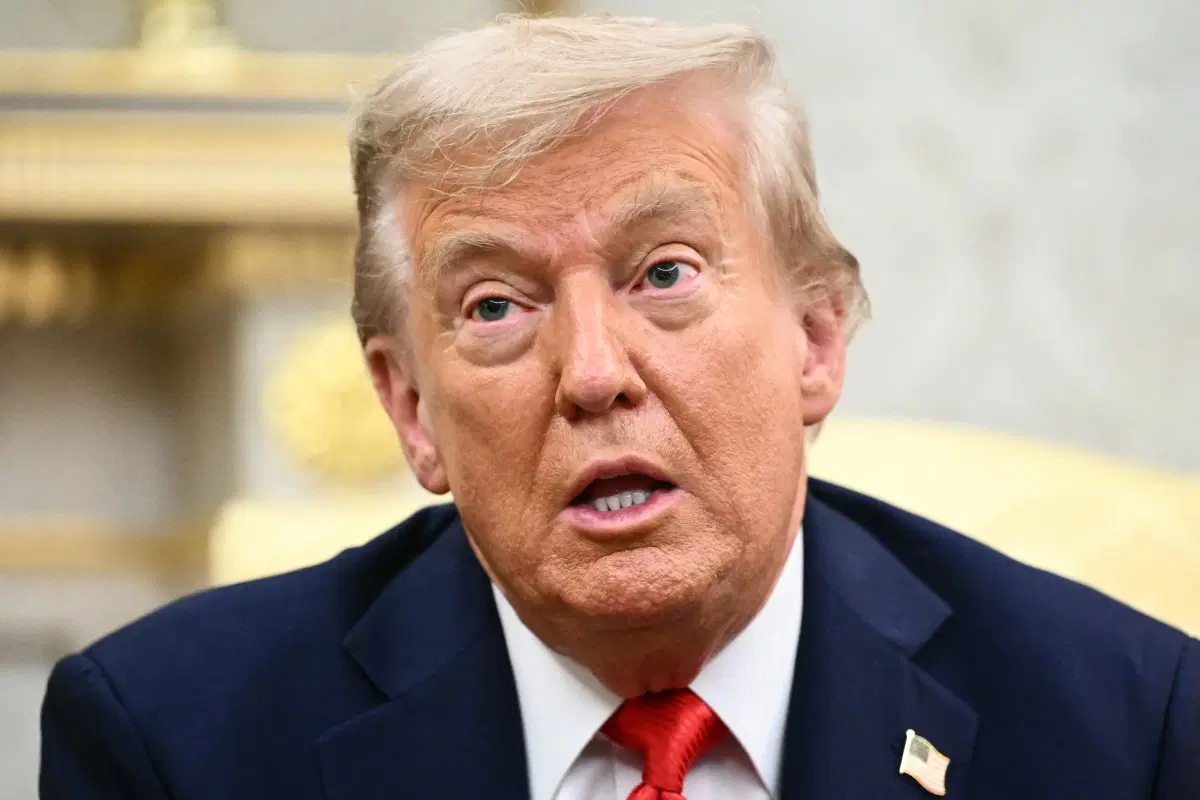
Donald Trump stepped back from his threats over Greenland after the UK firmly defended the Danish territory’s sovereignty, according to David Lammy. The deputy prime minister said the US president had “responded to our concerns” by abandoning earlier suggestions of using military force or trade sanctions to gain control of the island. He said European nations were now back to a position focused on negotiation rather than confrontation. However, Lammy noted that Trump remains keen for the United States to take on a larger role in Arctic security, citing increased Russian activity in the region. Trump withdrew his threat to use force to take Greenland on Wednesday, reversing a stance that had risked severely damaging relations with Denmark and other Nato allies. Shortly afterwards, he also dropped plans to impose a 10% import tax on eight countries, including the UK, that had opposed his position, pointing instead to progress toward a future agreement on Greenland. Prime Minister Sir Keir Starmer did not respond with retaliatory tariffs, despite Trump previously criticising his agreement to transfer sovereignty of the Chagos Islands to Mauritius and arguing that it justified a stronger US presence in Greenland. Starmer later hardened his public stance, telling MPs he would not compromise on Greenland’s right to self-determination. Downing Street credited sustained behind-the-scenes diplomacy for Trump’s decision to withdraw his threats. Lammy, who has close ties to US Vice President JD Vance, said he never believed the US would use military force to annex Greenland. He said he had long argued that such an outcome was never realistic, even before Trump began his second term. He said the shift in Trump’s position followed the UK and its European partners making their commitment to international law and Nato unity “absolutely clear”. Trump, Lammy said, retreated from both the threat of force and the use of tariffs after close allies expressed strong opposition. Despite the public rhetoric, he argued, the US ultimately listened to its partners. Lammy said the UK’s relationship with the US remained special, particularly in defence and security cooperation, but acknowledged that global politics had entered a new phase. He warned that powerful nations were increasingly using pressure and coercion rather than legal frameworks to resolve disputes. He said the international order was undergoing profound change and that the balance of global power had shifted. With the US increasingly focused on Asia, Lammy argued that Europe would need to take on greater leadership within Nato in the decades ahead.

russiaa.avif

5min7000
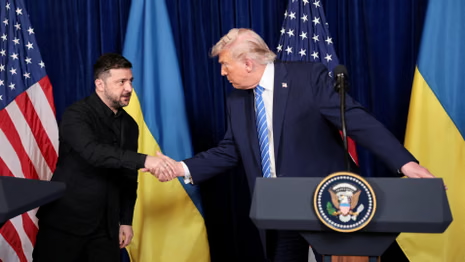
Negotiators from Russia, Ukraine and the United States are set to meet in the United Arab Emirates on Friday, marking what officials say will be the first talks involving all three countries since Russia began its full-scale invasion nearly four years ago. The Kremlin confirmed Russia’s participation following talks in Moscow between President Vladimir Putin and US representatives. Russian officials described those discussions as productive but stressed that any lasting peace agreement would depend on resolving territorial disputes. Speaking at the World Economic Forum in Davos, Ukrainian President Volodymyr Zelensky criticised European partners for what he described as insufficient political resolve in confronting Russia. Present at the Moscow meeting with Putin were three US representatives, including Steve Witkoff and Jared Kushner, the son-in-law of former US President Donald Trump. Kremlin adviser Yuri Ushakov said the Moscow discussions were open, detailed and constructive, but reiterated that a durable settlement would not be possible without agreement on territorial matters. He said Russia would continue pursuing the objectives of what it calls its “special military operation” until those issues were settled, while insisting Moscow remained genuinely interested in a diplomatic outcome. Ushakov also referenced an earlier framework agreed during a summit between Trump and Putin in Alaska last year, saying it remained central to Russia’s position on territorial resolution. Witkoff previously said Russia had indicated openness to allowing the US and European countries to provide Ukraine with strong security guarantees as part of a broader peace deal. After meeting Trump in Davos, Zelensky made clear that the future status of eastern Ukrainian territory remained unresolved ahead of the Abu Dhabi talks. He said land issues were the core obstacle and stressed that Russia, not only Ukraine, would need to make compromises. Among the key disputes is Moscow’s demand that Kyiv relinquish the remaining quarter of the Donetsk region still under Ukrainian control. Zelensky confirmed that senior Ukrainian officials would take part in the Abu Dhabi negotiations, underscoring the importance of the talks. Members of the delegation include national security and defence council chief Rustem Umerov, intelligence head Kyrylo Budanov, senior adviser David Arakhamia, and armed forces chief of staff Andrii Hnatov. Russia’s delegation will be led by General Igor Kostyukov, head of the GRU military intelligence agency. Separately, Russia’s investment envoy Kirill Dmitriev is expected to meet Witkoff to discuss economic matters. Zelensky said last month that a US-backed, 20-point peace plan was close to completion, adding that Ukraine’s position on the Donbas region differed sharply from Russia’s. He has proposed a mutual troop withdrawal of up to 40 kilometres to create an economic zone in the region, provided Russia agrees to the same terms. The US proposal reportedly envisions a demilitarised free economic zone in Ukraine’s industrial heartland in exchange for security guarantees for Kyiv. Zelensky also said he had reached an understanding with Trump on future US security commitments should a deal be finalised, though he noted that any agreement would require approval from both the US Congress and Ukraine’s parliament. The Ukrainian president had initially planned to skip the Davos forum to address the aftermath of Russian strikes on Kyiv’s power infrastructure, which left large parts of the capital without electricity, heating and water during one of the harshest winters of the war. Another unresolved issue remains control of the Zaporizhzhia nuclear power plant, which Russian forces seized in March 2022 and which continues to be a major point of contention in negotiations.

Tech & Tools Desk23 January 2026
Donald-Trump-2.webp

6min5970
Donald Trump’s assertion that Nato forces stayed “a little off the front lines” during the war in Afghanistan has been criticised as disappointing by a UK minister. Health and Social Care Minister Stephen Kinnock said British forces and other allies had consistently stood alongside the United States and played an active role in US-led operations. He stressed that the UK and its partners had made significant sacrifices throughout the conflict. Labour MP Emily Thornberry described Trump’s remarks as an “absolute insult” to the 457 British service personnel who lost their lives, while Liberal Democrat leader Sir Ed Davey questioned how the former president could challenge the sacrifices made by allied troops. The UK joined the US-led intervention in Afghanistan in 2001 after Nato invoked its collective defence clause in response to the 9/11 attacks. Kinnock paid tribute to British soldiers killed in the conflict, describing the armed forces as a symbol of courage, professionalism, and dedication. He said their willingness to risk their lives in defence of the country made Trump’s comments deeply disappointing. Speaking separately, Kinnock said any attempt to diminish the contributions or sacrifices of allied forces was plainly wrong. Conservative MP Ben Obese-Jecty, who served in Afghanistan, said it was troubling to see the sacrifices of British troops and Nato partners dismissed so lightly. Trump made the comments during an interview with Fox News, saying he was uncertain whether Nato allies would support the US in a future crisis. He claimed the alliance had never truly been tested and suggested that while other nations sent troops to Afghanistan, they remained away from the front lines. He also argued that the US had done more for Europe than it had received in return, saying alliances must operate on a reciprocal basis. Reacting to the remarks, Thornberry said they went far beyond a simple error, accusing Trump of disrespecting those who fought and died. She said the UK had always supported the US when called upon and criticised Trump’s leadership style, arguing it undermined both allies and Nato itself. Conservative shadow cabinet member Stuart Andrew also condemned the comments as disgraceful, noting that many service members returned from Iraq and Afghanistan with life-altering injuries. He said the UK-US relationship remained vital for global security. Sir Ed Davey also criticised Trump on social media, highlighting that the former president avoided military service and questioning his right to cast doubt on the sacrifices of others. Dutch Foreign Minister David van Weel rejected Trump’s remarks as false, stating that European troops shed blood alongside American forces in Afghanistan. He said similar claims had already been challenged by Nato Secretary General Mark Rutte and stressed the importance of correcting the record when history is misrepresented. Obese-Jecty said his firsthand experience in Afghanistan showed the reality of the sacrifices made by British soldiers and argued that Trump’s comments did not reflect the views of US military personnel. Labour MP and former RAF officer Calvin Bailey, who served alongside US special forces, said Trump’s account bore no resemblance to the experiences of those who fought in the conflict. He said allied troops were united by shared values rooted in freedom and resistance to tyranny, values that shaped the response to the 9/11 attacks. A defence spokesperson later pointed to remarks by Defence Secretary John Healey, who said allied forces trained, fought, and in some cases died together in Afghanistan, making the ultimate sacrifice. The US-led invasion began in October 2001 with the aim of removing the Taliban, who were accused of sheltering al-Qaeda leaders responsible for the 9/11 attacks. Nato members contributed troops and equipment to the mission. By the time US forces withdrew in 2021, more than 3,500 coalition troops had died, roughly two-thirds of them American. The UK recorded the second-highest number of military fatalities after the US, with 2,461 deaths overall. The US remains the only Nato member to have invoked Article 5, which states that an attack on one alliance member is considered an attack on all.

Ifunanya Okafor23 January 2026
4-5-1280x744.jpg

5min9810
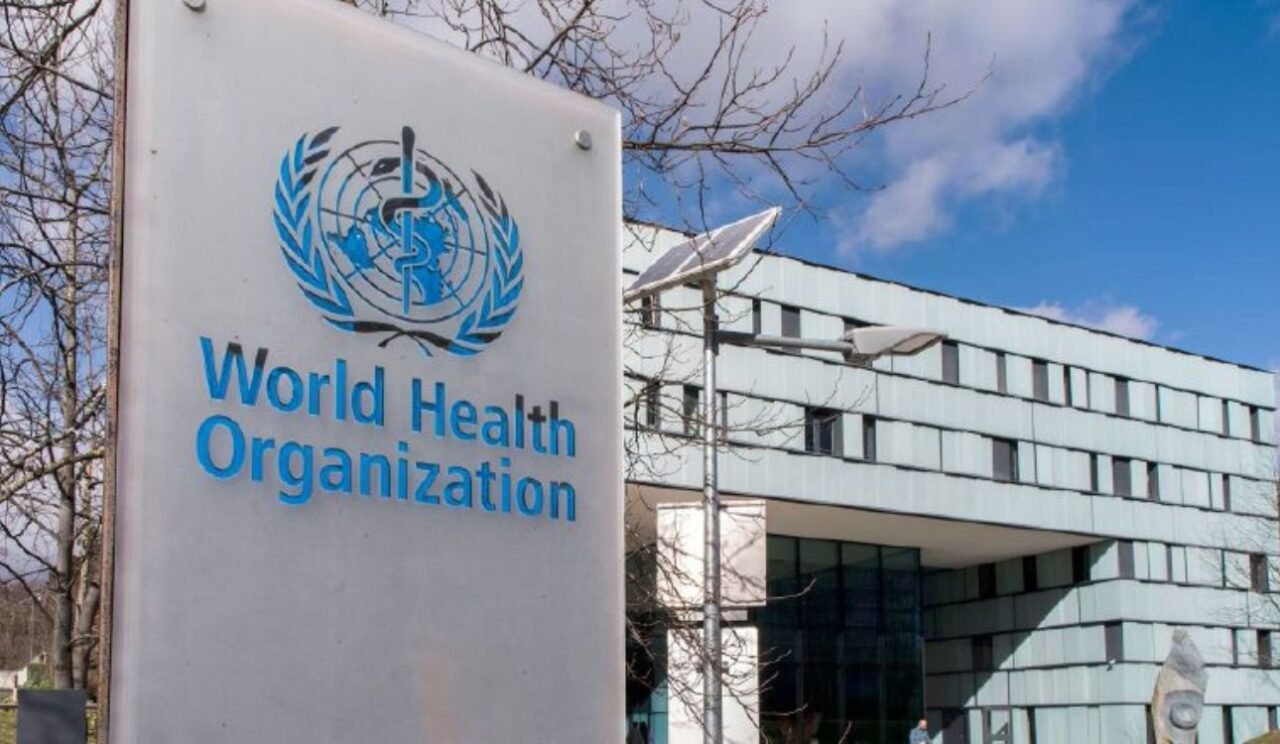
The United States has formally withdrawn from the World Health Organization (WHO), removing one of the UN agency’s largest financial supporters. President Donald Trump initiated the withdrawal by signing an executive order a year ago, accusing the organisation of being overly aligned with China during the Covid-19 pandemic. According to the US Department of Health and Human Services, the decision was based on what it described as the WHO’s poor handling of the pandemic, failure to implement reforms, and susceptibility to political pressure from member states. The WHO has strongly denied these allegations. Its Director-General, Tedros Adhanom Ghebreyesus, described the US exit as a setback not only for the organisation but also for global public health. The agency highlighted its role in tackling polio, HIV/AIDS, maternal deaths, and enforcing international tobacco control agreements. Following the pandemic, WHO members worked on a global pandemic treaty aimed at improving preparedness and response to future outbreaks, including fairer access to vaccines and treatments. The agreement was finalised in April last year by all member states except the United States. Historically, the US has been among the WHO’s biggest contributors. However, it failed to pay its membership dues for 2024 and 2025, triggering widespread job losses within the organisation. While WHO legal advisers argue that the US is still required to settle outstanding payments estimated at about $260m (£193m), Washington has rejected this obligation. US officials confirmed that all government funding for the WHO has been halted, American staff and contractors have been withdrawn from the agency’s headquarters in Geneva and other offices worldwide, and hundreds of collaborative engagements have been suspended or terminated. In a joint statement, US Health Secretary Robert F. Kennedy and Secretary of State Marco Rubio accused the WHO of undermining US contributions and acting against American interests. They claimed the organisation had strayed from its core mission and cited issues including the handling of US symbols at its headquarters. They added that future US involvement with the WHO would be limited solely to completing the withdrawal process and protecting the health of Americans. The health department said the US plans to maintain disease surveillance and information-sharing through direct partnerships with other countries, though it did not specify which nations were involved. Officials also said the US would work with non-governmental and faith-based organisations to continue efforts against diseases such as polio and HIV, but provided no details on existing partnerships. When asked about continued participation in global influenza vaccine development and data sharing, officials said no clear decision had been made. After Trump signed the withdrawal order at the start of his second term, the WHO expressed hope that the US would reconsider, noting that cooperation between the two had saved countless lives and protected populations worldwide. The agency said a reversal would benefit millions of people globally. Pandemic responses in several advanced health systems, including the US and the UK, have since been criticised as delayed and ineffective. Many governments were slow to impose lockdowns, fearing public resistance, a delay that research suggests contributed significantly to the virus’s rapid spread. The US recorded one of the highest Covid-19 death rates, partly due to inconsistent implementation of public health guidance on mask-wearing and social distancing, according to former public health official Drew Altman. In a 2020 medical journal article, Altman criticised the lack of coordinated national leadership, arguing that the response became politicised, with differing approaches across states. He concluded that shortcomings in policy and leadership were central to the country’s pandemic failures. A separate research paper published in the UN’s National Library of Medicine similarly described the federal response under the Trump administration as slow and poorly managed.

CARD-CC-1280x720.jpg

3min5510
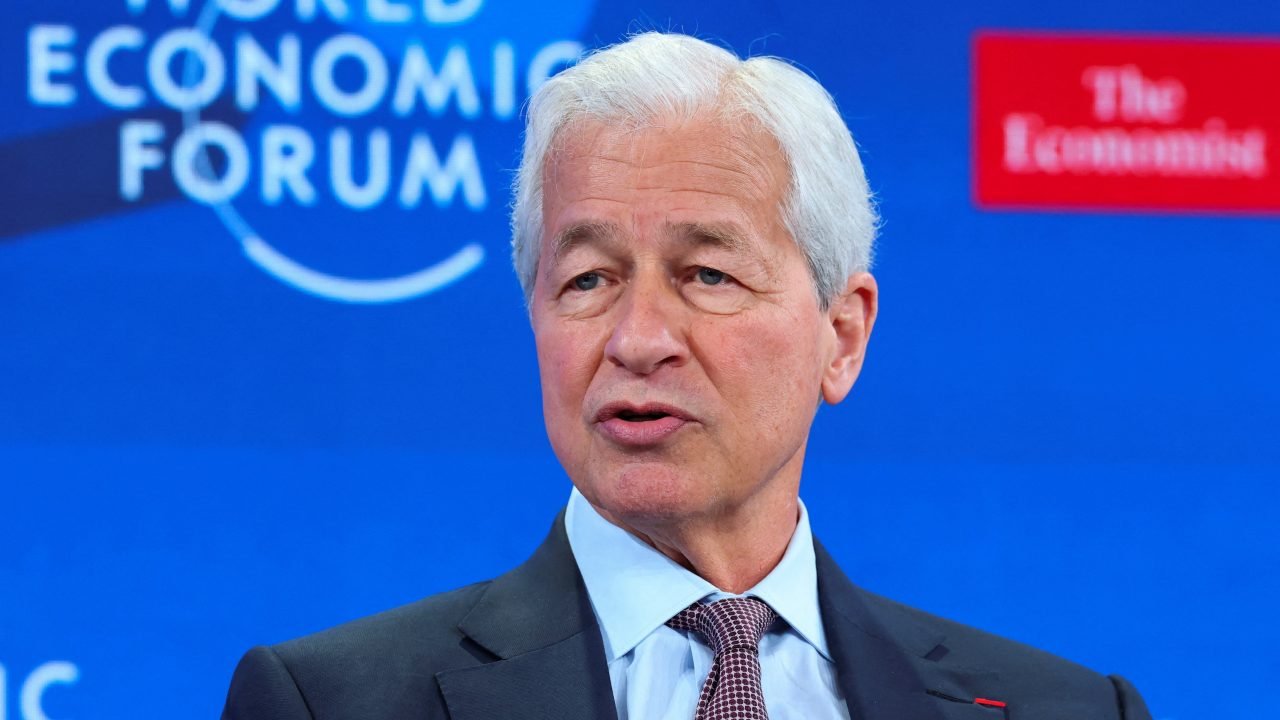
US President Donald Trump’s plan to cap credit card interest rates at 10% has been described as “an economic disaster” by JPMorgan Chase CEO Jamie Dimon. Dimon warned that the proposal would restrict access to credit for most Americans and negatively impact restaurants, retailers, travel companies, schools, and municipalities. Trump suggested on Truth Social that credit card interest rates be limited to 10% for one year starting January 20, 2026. The plan has not yet been implemented, and details on enforcement or legality remain unclear. Speaking at the World Economic Forum in Davos, Dimon said, “It would be an economic disaster… we would survive it, but it would be drastic for the majority of Americans.” He explained that about 80% of Americans rely on credit cards as backup financial resources. In a pointed remark at senators Bernie Sanders and Elizabeth Warren, who have backed interest rate caps, Dimon suggested that if Trump proceeds, the measure should first be tested in Vermont and Massachusetts. He added, “The people affected most won’t be the credit card companies. It will be restaurants, retailers, travel firms, schools, and local governments as people struggle to pay bills.” Other senior JPMorgan executives have also warned that a 10% cap could severely limit credit access and harm consumers, echoing broader criticism of the plan. Trump defended his proposal in a CNBC interview, saying, “I respect credit card companies—they make a lot of money—but they need to give people a break.” US banking associations have argued that such a cap would make credit harder to obtain and could be “devastating” for millions of families and small businesses. Currently, the average US credit card interest rate is around 20%. Trump first outlined the 10% interest rate cap during his 2024 presidential campaign. On January 13, he reiterated it on social media: “Effective January 20, 2026, I am calling for a one-year cap on Credit Card Interest Rates of 10%. The American public will no longer be ‘ripped off’ by credit card companies.” The announcement caused investor concern, leading to drops in shares of American Express, Visa, Mastercard, and Barclays in the UK.

Tech & Tools Desk22 January 2026
US-HOUSEE.webp

3min6790
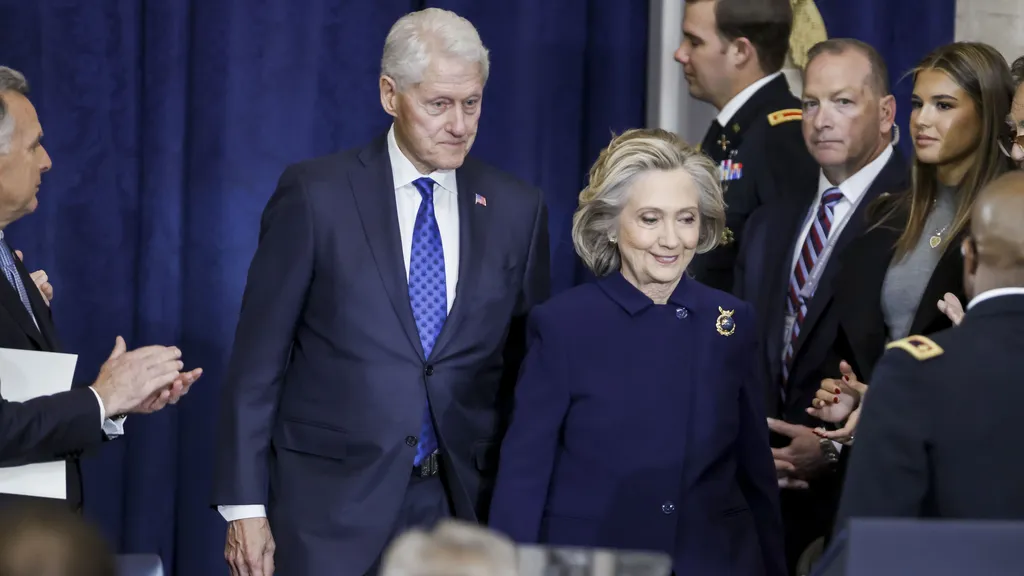
A key US congressional panel has voted to hold former President Bill Clinton and former Secretary of State Hillary Clinton in contempt of Congress for failing to comply with subpoenas related to its investigation of convicted sex offender Jeffrey Epstein. The Republican-led House Oversight Committee approved the measure, with support from several Democrats. The matter will now move to the full House of Representatives for a vote. If approved, it will be referred to the Justice Department. The committee had summoned both Clintons to testify about Epstein, with whom Bill Clinton was photographed in the 1990s and early 2000s. Bill Clinton has never been accused of wrongdoing by Epstein’s survivors and has denied any knowledge of his crimes. The Clintons’ lawyers described the subpoenas as “unenforceable” and said they had already provided all relevant information they possessed. On Wednesday, nine Democrats joined Republicans in voting to hold Bill Clinton in contempt, while three Democrats voted to hold Hillary Clinton in contempt. If the full House votes in favour, the Justice Department could pursue prosecution, a misdemeanor punishable by up to a year in prison and a fine of $100,000. Oversight Committee Chairman James Comer urged the full House to act, saying the vote sends a “clear message” that “no one is above the law, and justice must be applied equally—regardless of position, pedigree, or prestige.” The Clintons argued the subpoenas were politically motivated attempts to embarrass them, directed by former President Donald Trump. In a letter to Comer, their lawyers said the couple had “proactively and voluntarily” communicated with the committee and described the subpoenas as “untethered to a valid legislative purpose, seeking information not pertinent to Congress, and an unprecedented breach of the separation of powers.” Recently released photographs show Bill Clinton with Epstein at the late financier’s estate, including images of Clinton in a pool and in a hot tub. Clinton’s spokesman, Angel Ureña, said the photos are decades old and that Clinton ended his association with Epstein long before his crimes became public. Most of the documents related to the Epstein files have yet to be released. Those that have been made public include redactions, some of which obscure faces and names of individuals under investigation. Millions of documents remain unreleased.