Category: Refined Living

Federal-High-Court.jpg

4min7070
The President of the Court of Appeal, Justice Monica Dongban-Mensem, on Monday presided over a special court sitting in Lagos, announcing that 360 appeals have been scheduled for hearing before 16 panels comprising 48 Justices, as part of efforts to reduce the backlog of cases. The special session, held in Lagos where the Court of Appeal was first established, formed part of activities to mark the court’s 50th anniversary. Justice Dongban-Mensem said the sitting demonstrated the court’s sustained commitment to improving efficiency in the administration of justice by tackling the increasing volume of appeals across its divisions. She noted that Lagos, being Nigeria’s commercial hub, naturally attracts a heavy appellate caseload, making proactive measures necessary. She disclosed that the 48 Justices, drawn from various divisions nationwide, would sit throughout the week in Lagos and at the National Industrial Court to hear the listed appeals. The Court of Appeal President expressed appreciation to the Lagos State Attorney-General’s office for its support in facilitating the exercise, noting that the court’s limited resources would not have been sufficient to accommodate the large number of Justices involved. She also acknowledged the National Industrial Court for providing courtroom and residential facilities. Justice Dongban-Mensem urged lawyers and litigants to ensure their cases were ready for hearing and warned against delays that could undermine the purpose of the special sitting. She recalled a previous exercise where many appeals could not be heard due to lack of preparedness by counsel, despite the resources committed. She stressed that the Lagos sitting was strictly for work, noting that several divisions were operating with fewer Justices during the period due to the deployment to Lagos. She appealed to legal practitioners to take full advantage of the opportunity by complying strictly with procedural rules. The Court of Appeal President also called on lawyers, litigants and the media to help safeguard public confidence in the judiciary, warning that a loss of trust in the justice system could encourage lawlessness. She emphasised that justice delivery depends on evidence and active participation by parties and law enforcement agencies. Addressing journalists, Justice Dongban-Mensem urged accuracy and professionalism in reporting court proceedings, advising the media to seek clarification where necessary to avoid misinformation. In her closing remarks, she called on all stakeholders to uphold integrity and professionalism as the Court of Appeal marks its golden jubilee, stressing that justice must not only be done but be seen to be done. Speaking on behalf of the Bar, Senior Advocate of Nigeria, Ebun-Olu Adegboruwa, described the special sitting as historic and commended the initiative of the Court of Appeal President. He assured the court of the Bar’s cooperation in ensuring the speedy hearing of cases, noting that it served the interests of both lawyers and their clients. Adegboruwa also congratulated the Court of Appeal on its 50th anniversary and highlighted the judiciary’s funding and infrastructure challenges. He said the Bar would continue to work with the judiciary to advocate improved funding and expressed optimism over ongoing efforts to upgrade facilities at the Lagos Division.
abiaa.jpg

2min4940
The Abia State Executive Council has approved the development of housing estates across the state to cater for civil servants and members of the general public. This comes as the Abia State Electricity Regulatory Authority (ASERA) prepares to issue an order to regularise all electricity-related activities within the state. The Commissioner for Information, Prince Kanu, said the Ministry of Housing has already commenced the process for the construction of a Civil Service Commission Pocket Layout Estate in Umuahia, while agreements have been reached with private developers for additional housing projects in other locations. Prince Kanu disclosed this on Monday in Umuahia while briefing journalists on the outcomes of the State Executive Council meeting chaired by Governor Alex Otti. He explained that the housing projects would be executed through a Public-Private Partnership (PPP) arrangement, in line with the governor’s vision to improve the welfare of Abia residents. According to him, the planned estates are designed to provide quality and affordable housing for citizens. He added that discussions with private developers are at an advanced stage for proposed estates at Mbaisii and Mgbarakuma-Ubakala in Umuahia, noting that the ministry is close to signing the necessary agreements to enable developers move to the sites without delay. On the power sector, the commissioner revealed that ASERA is expected to issue a formal order before the end of January to regularise electricity operations across the state. He said this followed the completion of the transfer of regulatory authority from the Nigerian Electricity Regulatory Commission to the state regulator. Prince Kanu explained that the move would enhance the resolution of consumer complaints, strengthen consumer protection, improve service delivery, and ensure a fair balance between electricity operators and consumers in Abia State.

Tech & Tools Desk20 January 2026
Bola-Tinubu.webp

2min4480
Kano State Governor, Abba Kabir Yusuf, has met with President Bola Tinubu at the Presidential Villa in Abuja, where he outlined key priorities of his administration focused on security, infrastructure development, and stronger collaboration with the Federal Government. The details were contained in a statement issued on Tuesday by the governor’s spokesperson, Sunusi Dawakin Tofa. The meeting, which took place on Monday behind closed doors, came amid speculation over the governor’s possible political realignment. However, the statement noted that the engagement was primarily used to brief the President on critical challenges and opportunities facing Kano State, particularly rising insecurity in some local government areas. Governor Yusuf drew the President’s attention to the recent killing of a housewife and her children, underscoring the urgent need for enhanced federal support to strengthen security operations and safeguard lives. He highlighted the contributions of the Kano State Neighbourhood Watch Corps in supporting security agencies and called for closer cooperation with federal security institutions. The governor also discussed Kano’s development plans, with emphasis on major infrastructure projects aimed at boosting economic growth and employment. According to the statement, Yusuf expressed appreciation to President Tinubu for the Federal Government’s intervention on the Wujuwuju Road, describing it as a significant step toward improving connectivity, economic activity, and job creation in the state. He further sought the President’s support to accelerate ongoing and planned federal projects, ensuring Kano derives maximum benefit from federal programmes and investments. In response, President Tinubu assured the governor of the Federal Government’s commitment to partnering with Kano State to address security challenges and promote sustainable development.

James Obasi20 January 2026
ng-bo1.gif

3min7020
The Force Commander of the Multinational Joint Task Force (MNJTF), Maj.-Gen. Saidu Audu, has assured the Borno State Government that Boko Haram and other non-state armed groups operating in the Lake Chad region are nearing defeat. Audu gave the assurance during a courtesy visit to Governor Babagana Zulum in Maiduguri as part of his familiarisation tour following his assumption of office on November 13, 2025. The assurance was contained in a statement issued on Tuesday by the Acting Chief Military Public Information Officer of the MNJTF, Lt.-Col. Ikedichi Oweha. According to Audu, the visit was aimed at engaging the governor as a key stakeholder in the Lake Chad Basin Commission Governors’ Forum and appreciating the Borno State Government for its sustained support of MNJTF operations. He said the task force had developed a comprehensive strategy to confront Boko Haram and other armed groups by taking the fight directly to their enclaves. The MNJTF commander reaffirmed that the force would continue to operate in line with its overarching strategic objectives to restore peace and security across the Lake Chad region. He noted that ongoing operations by MNJTF troops and partner forces showed clear signs that the Boko Haram insurgency and related security challenges were close to being brought to an end. In his response, Governor Zulum congratulated Audu on his appointment and reiterated the state government’s commitment to supporting the MNJTF in the execution of its mandate. He praised the military and other security agencies for their continued efforts, which he said had helped lay the groundwork for peace and development in Borno State. The governor recalled the state’s past logistical and operational support to security agencies, including its contributions to the success of MNJTF operations such as Operation Lake Sanity I and II. Zulum described Audu as a disciplined and proactive officer with high integrity, expressing confidence that his leadership would further strengthen the MNJTF. He urged the force commander to intensify operations in the Lake Chad islands and tumbus, which he identified as ungoverned areas often used by terrorists as hideouts during military pressure. He also called for sustained deployments, particularly on the Nigerian side, to deny insurgents safe havens and freedom of movement. The governor assured the MNJTF of the Borno State Government’s continued support despite competing demands on its limited resources.

Electricity-Subsidy-Q1-2024.jpg

5min5460
Efforts by the Federal Government (FG) to clear debts owed to electricity generation companies (GenCos) are facing mounting challenges, as the sector’s debt surged 62.5% to N6.5 trillion by the end of 2025, up from N4 trillion at the start of the year. In mid-December 2025, the government launched a funding initiative with the issuance of a N590 billion Series 1 Power Sector Bond, part of a plan to raise N1.23 trillion by the end of the first quarter of 2026 to improve liquidity in the sector. Decades of accumulated debt have long hampered investment in critical infrastructure, limiting Nigeria’s power supply. However, concerns have emerged over the bond’s transparency and its ability to effectively address liquidity issues. Data obtained from the industry shows that GenCos received only 35% of invoices for electricity supplied to the national grid, further deepening the liquidity crisis in the Nigerian Electricity Supply Industry (NESI). Between May and October 2025, 25 generation companies issued invoices totaling N1.531 trillion but received just N547.37 billion. The remaining N984.3 billion is expected to be covered by government electricity subsidies. Breakdowns by month revealed similar gaps: in May, N282.14 billion invoiced, N96.40 billion paid; June, N257.26 billion invoiced, N91.36 billion paid; July, N268 billion invoiced, N96.29 billion paid; August, N245.96 billion invoiced, N88.59 billion paid; September, N226.67 billion invoiced, N81.78 billion paid; and October, N251.65 billion invoiced, N92.95 billion paid. The low payments are largely due to the Nigerian Electricity Regulatory Commission’s (NERC) DisCos Remittance Obligation (DRO), introduced in 2024, which requires distribution companies to remit roughly 40% of invoices received from the Nigerian Bulk Electricity Trading (NBET) Plc. The Federal Government funds the gap between cost-reflective tariffs and actual consumer tariffs through subsidies. NERC’s third-quarter 2025 report shows that DisCos collected N570.25 billion of N706.61 billion billed, reflecting an 80.7% collection efficiency. While migration to Band A tariffs helped revenue, widespread blackouts persist. Despite GenCos’ objections over the bond’s structure and payment terms, the FG is moving ahead. An advisory document from the Association of Power Generation Companies (APGC) described parts of the bond as “death warrants” for GenCos, citing risks due to reliance on verbal government assurances and an unrecognized special purpose vehicle (SPV) as the issuer. Questions remain over the viability of proposed funds and the historical underperformance of DisCo collections. Stakeholders attribute the rising debt to the government’s failure to adequately fund electricity subsidies. Chijoke James, Chairman of the Electricity Consumers Association of Nigeria, noted that while consumers are dissatisfied with distribution services, the government must honor its subsidy commitments, as higher tariffs have not translated into better supply. Energy expert Prof. Yemi Oke warned that the subsidy system is unsustainable, with over N4 trillion owed to GenCos and an additional N2 trillion added annually. He stressed that the current approach undermines economic growth and investment. Edu Okeke, Managing Director of Azura Power West Africa, added that GenCos continue to receive only about 38% of their invoices, and without proper payments, new investment will not materialize. He cautioned that even with the proposed bond, debt will keep accumulating if fundamental sector issues are not resolved, noting that another N4 trillion in debt could emerge within a short time. The situation underscores the urgent need for structural reforms and transparent funding mechanisms to stabilize Nigeria’s power sector.

LASSA-FEVER-1.webp

2min4520
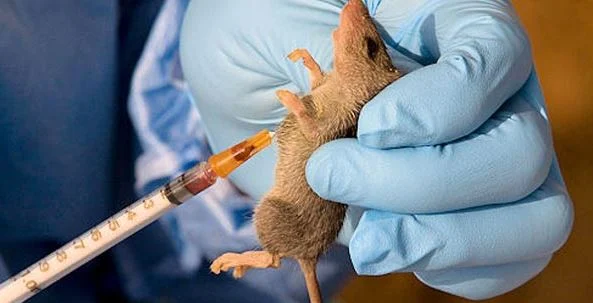
The Benue State Epidemiologist, Dr. Asema Msuega, on Sunday reported seven new suspected cases of Lassa fever in the state. Samples from the individuals have been collected and sent to the laboratory for confirmation, while the state government has activated immediate public health response measures. Dr. Msuega said health authorities are closely monitoring the situation, noting that “samples of the seven suspected cases have been taken for confirmation.” He urged residents to take preventive steps, such as keeping food properly covered and protected from rodents, which are known carriers of the Lassa fever virus. Simple hygiene practices, he added, can significantly reduce the risk of infection. The epidemiologist also highlighted that the Ministry of Health and Human Services has intensified community awareness campaigns across the state to curb the spread of the disease. Efforts focus on rodent control, environmental sanitation, and regular clean-up exercises, with special attention to identified Lassa fever hotspots. Healthcare facilities across Benue have been equipped to handle suspected cases, and health workers have received training to provide appropriate care. Rapid response teams are on standby to manage confirmed cases and prevent further transmission within communities. Dr. Msuega advised residents to report symptoms such as fever, weakness, or unexplained bleeding to the nearest health facility, stressing that early detection is essential for effective treatment and disease control. The emergence of these suspected cases has heightened concern among health authorities and residents in the state.

healthcare-.jpg

4min9580
Nigeria’s healthcare system is in urgent need of reform, as repeated tragedies continue to expose its deep flaws. On January 7, news emerged that renowned author Chimamanda Adichie lost her 21-month-old son, Nkanu, at a Lagos hospital, citing negligence by doctors at Euracare Hospital. Adichie alleged that her son was given too much sedative and denied oxygen during a critical episode, resulting in cardiac arrest—a loss that suspension of the anaesthetist cannot undo. Just days later, another case of medical negligence occurred in Kano State, where Aishatu Umar, a mother of five, died after corrective surgery at Abubakar Imam Urology Hospital. The operation was required because surgeons had left scissors inside her body during a previous procedure, leaving her in pain for four months. Complaints about the health system are widespread. Poorly trained, underpaid, and demotivated doctors, nurses, and health workers are central to the crisis. Following the Adichie incident, Nollywood actress Toyin Lawani accused the same Lagos hospital of complications after a spinal implant costing N100 million. Architect Alfred Ogene has also filed an N800 million lawsuit against R-Jolad Hospital, alleging gross negligence that caused permanent damage to his urinary system and significant personal and financial distress. The problem extends to unregistered and unregulated health facilities, which proliferate due to weak oversight and corruption. Even in high-profile hospitals, misdiagnoses and overworked medical staff—sometimes clocking 100-hour weeks, far above the British Medical Association’s recommended 48 hours—put patients at risk. Patient care is often compromised by the pursuit of revenue. Long wait times, severe doctor shortages (ranging from 0.3 per 1,000 to 1 per 9,000 patients compared to WHO’s recommendation of 1 per 600), and the concentration of doctors in urban areas leave rural communities critically underserved. Strikes by the Joint Health Sector Unions since November 15 have worsened the situation, and disputes over salary suspensions threaten further escalation. Government funding has also fallen short. Despite the Abuja Declaration’s target of 15% of the federal budget for health, the 2026 allocation of N2.48 trillion amounts to roughly N10,400 per citizen per year, or N870 per month—insufficient for a population exceeding 230 million. With public health expenditure below 5% of GDP and over 70% of healthcare costs paid out-of-pocket, Nigerian families face extreme financial strain, driving many into poverty during medical emergencies. Wealthier Nigerians spend an estimated $1.1 billion annually on medical tourism abroad. To revive the sector, health insurance should be extended to the poorest 83 million Nigerians, at an estimated cost of N1.2 trillion annually. States and local governments must strengthen more than 30,000 Primary Health Centres and shift focus toward preventive care. Investment in ambulances and first-aid equipment is critical to avoid situations like former boxing champion Anthony Joshua being transported in a police van after a crash. Improving the welfare and working conditions of health workers is vital to stop the mass exodus of doctors and nurses. Negligence and misdiagnosis must no longer be tolerated, and health professionals found culpable should face strict penalties. Victims should have the means to seek justice, including access to a compensation fund. Initiatives such as the Nigeria Power for Health Program, which aims to provide sustainable electricity to 30% of hospitals by 2027, must be fully implemented. Only a functional, accountable healthcare system can protect lives rather than putting them at risk.

Tech & Tools Desk19 January 2026
Tinubu-and-sanwo-olu-best.jpg

3min7430
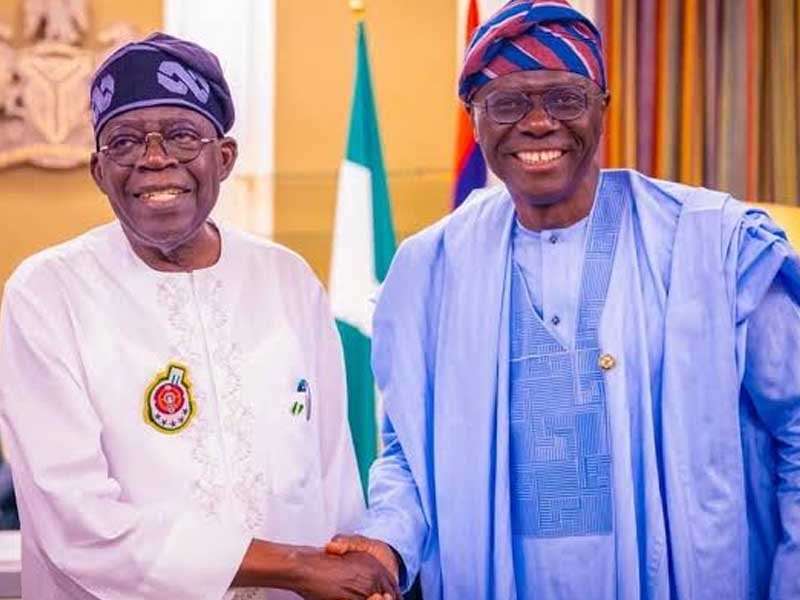
President Bola Tinubu has congratulated Lagos State Governor Babajide Sanwo-Olu on the successful hosting of the ninth edition of the All Africa Music Awards (AFRIMA), one of the continent’s largest gatherings of music stars. Held from January 7 to 11, 2026, in Lagos—designated as the host city by the African Union Commission on April 9, 2025—the event showcased Africa’s top musical talent. In a statement issued by his spokesman, Bayo Onanuga, President Tinubu praised the achievements of Nigerian artists at the grand finale on January 11. The President described the success of Nigerian musicians as evidence of the country’s growing creative industry and global influence. “I commend Lagos State for once again proving its capacity as Africa’s creative and entertainment capital. I congratulate Governor Babajide Sanwo-Olu and his administration for providing a safe, vibrant, and welcoming environment for delegates, artists, and guests from across the continent,” he said. Highlights for Nigerian artists included Rema winning Artiste of the Year, Best Male Artiste in Western Africa, and Best African RnB & Soul; Burna Boy securing Album of the Year; Shallipopi taking Song of the Year and Best African Collaboration with Burna Boy; Phyno winning Best African Hip-Hop; Qing Madi named Most Promising Artiste; and Yemi Alade receiving Best Soundtrack. Chella earned the African Fans’ Favourite, while Kenny Ogungbe and Dayo Adeneye were honoured with the AFRIMA Legendary Award. President Tinubu noted that these accomplishments reflect years of talent, dedication, and consistency. He said Nigerian music has become a powerful voice both across Africa and globally, with platforms like AFRIMA offering opportunities for African artists to compete at the highest level. “I warmly congratulate our outstanding Nigerian artistes for their remarkable achievements at the ninth AFRIMA. Your success not only brings pride to our nation but also highlights the depth of talent, creativity, and hard work in Nigeria’s music industry. You have projected our culture, amplified the voice of our youth, and strengthened our creative identity across the continent and beyond,” the President said. President Tinubu also reiterated his administration’s commitment to youth empowerment and the development of the creative economy, emphasizing the cultural and economic importance of music. “Culture is the soul of a people, and music remains one of Africa’s strongest voices. My government remains dedicated to initiatives that promote our culture, empower creative talents, and grow Nigeria’s creative economy,” he said.

James Obasi19 January 2026
FUBARAS-IMPEACHMENT-ED-4py.jpg

5min9050
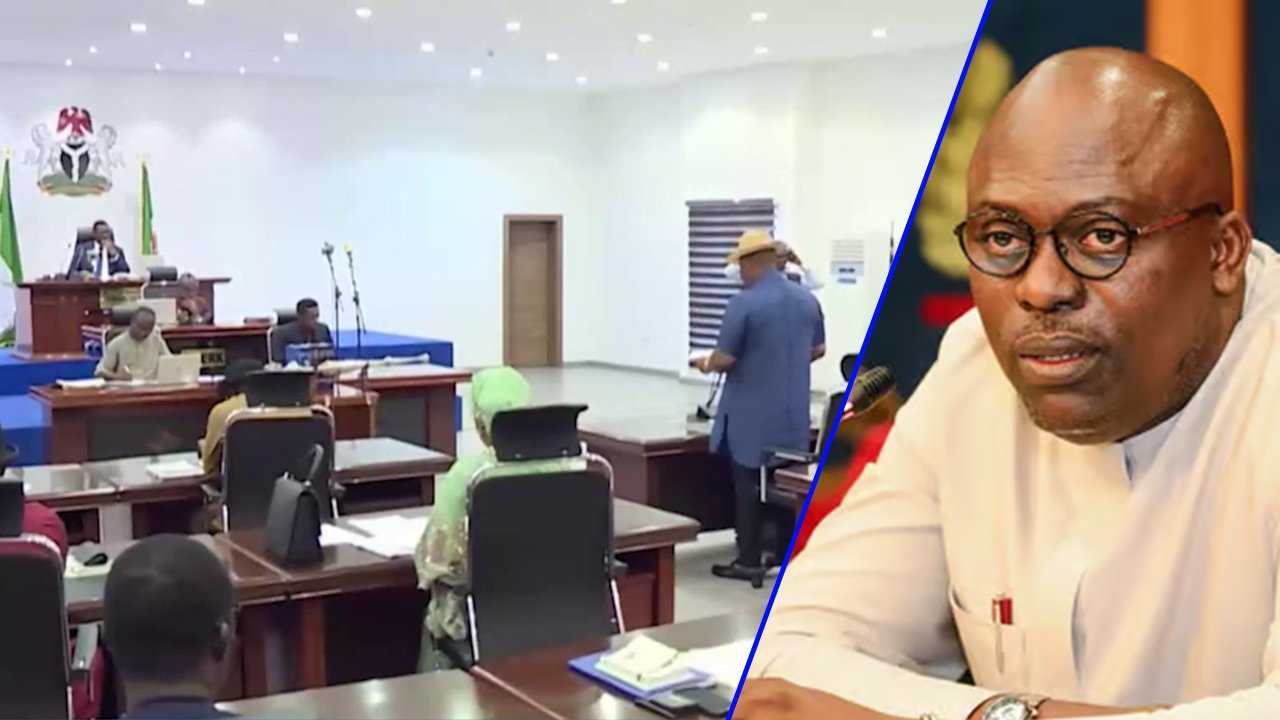
The Ijaw National Congress (INC) has warned that the people of Rivers State oppose the impeachment of Governor Siminalayi Fubara, urging the state Assembly, perceived to be loyal to former governor Nyesom Wike, to abandon the plan. Similarly, the Rivers State Elders and Leaders Council condemned the Martin Amaewhule-led Assembly over ongoing impeachment proceedings targeting Governor Fubara and his deputy, Prof. Ngozi Odu. Both groups argued that the attempt is likely to fail and accused lawmakers of pursuing personal interests under the guise of constitutional process. The INC described the impeachment effort as futile, particularly criticizing lawmakers of Ijaw descent who have publicly supported the move despite the governor being one of their own. In a Sunday interview, INC President Prof. Benjamin Okaba said the actions of certain Assembly members amounted to betrayal. “Yes, I am confident this will ultimately be a futile exercise,” Okaba said. “There is widespread public opposition because this is clearly a vendetta disguised as impeachment. It is not about democracy or development; it is about personal interest over the state’s interest.” He also criticized four lawmakers who initially withdrew from the impeachment process only to reverse their decision within 48 hours, describing the actions as lacking principle. “Some Ijaw members in the House claimed to support the impeachment. They do not speak for the Ijaw people, have not consulted their constituents, and lack Ijaw consciousness,” he added. Okaba further condemned lawmakers for allegedly accepting public funds while pursuing the impeachment. “Some collected vehicles worth N350 million during suspensions, and others benefited similarly. These actions clearly show self-interest,” he said. He accused Assembly Speaker Amaewhule of orchestrating the impeachment to position himself for a future governorship. “The Speaker should compete for office directly, not undermine the system to become governor from the backdoor,” Okaba said. The INC President also defended Deputy Governor Odu, emphasizing that she has done nothing to warrant impeachment. “Even if the governor faltered, what has the deputy done to be included? Such selfishness will set our democracy back years if allowed,” he said. Supporting the INC, Anabs Sara-Igbe of the Rivers State Elders and Leaders Council described the impeachment as embarrassing for both President Bola Tinubu and the people of Rivers State. “The Assembly members are not fighting Fubara—they are fighting Rivers people and trying to stall development,” Sara-Igbe said. He also criticized lawmakers for disregarding the emergency rule imposed in the state and alleged they had already benefited financially during that period. Sara-Igbe further condemned Wike for early political campaigning under the guise of ‘thank you’ visits, calling it disrespectful to the President and the state. Warning of potential destabilization, he said, “The impeachment will fail. As soon as the panel finds the governor not guilty, the matter ends. Rivers people are tired of these tactics.” He cautioned Wike and his supporters that continuing the impeachment could create wider problems in the state, region, and country. “If they persist, they should be prepared, but the process will not succeed,” he said. The warnings from the INC and Rivers elders come amid heightened political tension in the state, where impeachment proceedings have deepened divisions within the House of Assembly and sparked broader debate over governance, accountability, and political ambition.

Bola-Tinubu66.png

5min14490
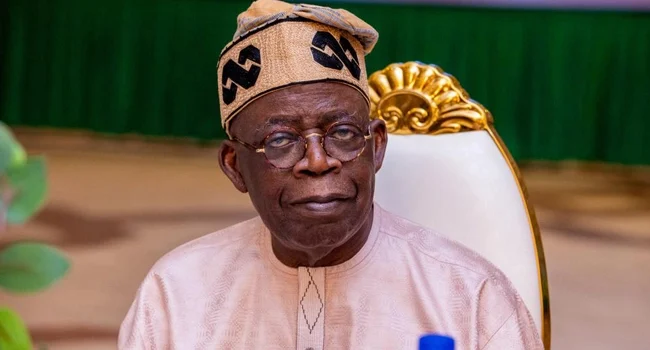
The African Democratic Congress has urged the Federal Government to provide clarity on the Nigeria–United States health cooperation agreement, warning that provisions perceived as faith-based could threaten constitutional principles, transparency, and national sovereignty. In a statement issued on Sunday, the party’s National Publicity Secretary, Bolaji Abdullahi, said the ADC supports foreign assistance and bilateral partnerships aimed at improving Nigeria’s healthcare system. However, he emphasised that such agreements must respect the country’s religious diversity and adhere strictly to constitutional provisions against discrimination. The concern follows the signing, on December 19, of a five-year health cooperation Memorandum of Understanding between Nigeria and the United States, valued at $5.1bn. The agreement is intended to support the America First Global Health Strategy by promoting resilient and accountable health systems through shared responsibility. According to available details, the MoU places notable emphasis on Christian faith-based healthcare providers, acknowledging their role in serving underserved communities. About $200m is reportedly allocated to support 900 Christian clinics and hospitals, strengthen workforce capacity, and expand services for HIV, tuberculosis, malaria, and maternal and child healthcare. Reacting to the development, the ADC cautioned the Federal Government against entering into arrangements that could deepen divisions or conflict with Nigeria’s constitutional commitment to inclusion and national unity. While Abuja has described the agreement as a technical and inclusive framework to improve health security, primary healthcare, and domestic health financing, the party noted that official statements from the United States present the deal in significantly different terms. The ADC argued that the U.S. portrayal introduces religious and identity-based conditions, implying that funding may be restricted to health institutions linked to a specific faith. According to the party, this discrepancy goes beyond communication differences and raises serious questions about transparency, constitutional compliance, and Nigeria’s sovereign authority. It called on the government to clarify which version reflects the actual terms agreed upon and why such disparities exist. Reiterating its support for international assistance, the party stressed that all partnerships must comply with constitutional safeguards that prohibit discrimination based on religion or ethnicity. The ADC referenced Section 42(1) of the Constitution, which bars discrimination on grounds of origin, sex, religion, or political opinion, as well as Sections 15 and 17, which mandate the promotion of national integration, equality, and equal opportunities for all citizens. The party further noted that while the United States is expected to provide about $2bn in grants over five years, Nigeria is reportedly committing nearly $3bn in domestic health funding. It questioned an arrangement in which Nigeria shoulders a larger financial obligation while key decisions, including beneficiary selection and the power to suspend cooperation, appear to lie outside the country. Describing healthcare as a fundamental public good, the ADC warned that introducing identity-based considerations into health financing or security-linked assessments could politicise service delivery, erode public trust, and expose health workers and institutions to unnecessary risk. The party therefore called on the Federal Government to release the full text of the signed MoU, including any annexes or related documents, and to clarify whether the identity-based and security-related elements cited by the United States are part of the agreement Nigeria endorsed. It also insisted that Nigerians deserve a clear explanation of how the agreement aligns with the Constitution and safeguards the country’s sovereign control over public policy decisions.