
Category: Refined Living

Nigerian-Navy-.jpg

3min7040
The Nigerian Navy has urged closer cooperation with the Nigerian Maritime Administration and Safety Agency (NIMASA) in hydrography to further enhance the safety of navigation in the country’s waters. According to a statement on Tuesday by NIMASA’s Deputy Director/Head of Public Relations, Osagie Edward, the Flag Officer Commanding, Western Naval Command, Rear Admiral Abdullahi Mustapha, made the call during a familiarisation visit to NIMASA Headquarters. He also commended the achievements of the Navy-NIMASA partnership over the years. Rear Admiral Mustapha highlighted that “the longstanding and steadfast collaboration between NIMASA and the Nigerian Navy has contributed to the stability currently observed in our maritime domain, reflecting the strength of this partnership.” He noted that improved information sharing, particularly integrating NIMASA’s C4i Centre with the Navy’s Falcon Eye system, would significantly boost maritime security. Mustapha also praised NIMASA for providing platforms under the Deep Blue Project, which are operated by the Navy, stating that these assets have enhanced operational efficiency. He pointed to the two new hydrographic vessels, NNS Lana and NNS Ochuzor, which can precisely locate and assess wrecks, as key to advancing wreck removal operations and raising safety standards in the maritime sector. “It is essential that we maintain and build upon these standards through deeper collaboration with NIMASA,” he added. In response, NIMASA’s Director-General/CEO, Dr Dayo Mobereola, said the enhanced security of Nigeria’s territorial waters is central to President Bola Tinubu’s economic diversification agenda. “The maritime sector is pivotal to the Renewed Hope Agenda and the Federal Government’s diversification policy. NIMASA and the Navy share the responsibility of providing a secure maritime environment, which gives shipping companies the confidence to invest and ensures maritime activities thrive,” Mobereola stated. He also acknowledged the support of the Minister of Marine and Blue Economy, Adegboyega Oyetola, for his consistent commitment to advancing the sector.

custommm.jpeg

2min4540
In a bid to enhance border security and facilitate smooth cross-border trade, the Nigeria Customs Service, Ogun I Area Command, recently organised a joint security engagement. The high-level meeting, held last week at Idiroko, brought together heads of sister security agencies from Nigeria and the Republic of Benin, along with other key stakeholders involved in border management, the command said via its social media channels. Speaking at the forum, Acting Customs Area Controller, Deputy Comptroller Oladapo Afeni, who chairs the Joint Security Forum, emphasised that securing the border is essential for effective trade facilitation and revenue generation. “My goal is to assess the current security situation at the border and address challenges affecting both trade and regional safety,” Afeni said, noting that the participation of Beninese counterparts highlights the importance of bilateral cooperation. He added that discussions included issues such as multiple checkpoints and other obstacles affecting trade flow. Afeni further stressed that while security remains the top priority, efficient cargo movement along border corridors can only be achieved through continued collaboration among all stakeholders. He described the outlook for the New Year as positive and assured that officers and men of the command are committed to surpassing past operational successes. The engagement included interactive sessions where participants identified challenges and proposed solutions aimed at reducing travel time and boosting business activities along the Idiroko border corridor. Ogun I Area Command, headquartered in Idiroko, oversees strategic land border points connecting Nigeria with the Republic of Benin, making it a critical unit for border security, smuggling prevention, and trade regulation in the South-West region.

TotalEnergies-to-curtail-Ebola-Covid.png

1min3460
TotalEnergies EP Nigeria has entered into a Sale and Purchase Agreement with Vaaris for the divestment of its 10 per cent non-operated interest in the Renaissance Joint Venture (JV) licences in Nigeria. The Renaissance JV, formerly known as the SPDC JV, is an unincorporated partnership comprising Nigerian National Petroleum Company Limited (55%), Renaissance Africa Energy Company Ltd (30%, operator), TotalEnergies EP Nigeria (10%), and Agip Energy and Natural Resources Nigeria (5%). The JV holds 18 licences across the Niger Delta. Under the agreement, TotalEnergies will transfer its 10 per cent participating interest, along with all associated rights and obligations, in 15 primarily oil-producing licences. These licences accounted for roughly 16,000 barrels of oil equivalent per day in TotalEnergies’ share in 2025. The company will also assign its 10 per cent participating interest in three gas-focused licences—OML 23, OML 28, and OML 77—to Vaaris, while retaining full economic interest. These gas assets currently supply 50 per cent of Nigeria LNG’s gas output. The transaction is subject to customary conditions, including regulatory approvals, before it is finalized.

Tech & Tools Desk15 January 2026
bank-1.jpg

2min6830
Major US banks reported robust fourth-quarter earnings for 2025, driven by strong growth in loans, a trend analysts say could support continued profitability for lenders. Bank of America saw average loans rise by 8% year-on-year, with net interest income reaching a record $15.9 billion. JPMorgan Chase reported a 9% increase in average loans, reflecting strong lending across both consumer and commercial sectors. “We’ve seen growth across all consumer borrowing categories, but 2025 was largely a commercial lending story,” said Bank of America CFO Alastair Borthwick. “Our clients have continued to invest in a growing economy, which supported our Q4 results.” Analysts at S&P Global Market Intelligence noted that US bank loan growth accelerated to 5.3% year-on-year by the end of 2025 and is expected to continue into 2026, supported by stable macroeconomic conditions and favorable lending trends. Citigroup recorded a 7% rise in average loans in Q4, driven by its markets division and personal banking services, while Wells Fargo posted 12% growth in commercial loans, alongside revenue gains from auto and credit card lending. Wells Fargo CFO Mike Santomassimo highlighted that the pace of loan growth picked up for the first time in several quarters. Bank executives also flagged potential risks from regulatory proposals. Citigroup CFO Mark Mason expressed concerns over a proposed 10% cap on credit card interest rates, cautioning that it could limit credit access and impact the broader economy. He also emphasised the importance of maintaining the Federal Reserve’s independence. Despite strong earnings, the S&P 500 banks index fell about 1% in early trading, reflecting investor caution amid regulatory uncertainty and broader economic considerations. The fourth-quarter results underscore the resilience of US banks, driven by both consumer and commercial lending, and signal optimism for the sector heading into 2026.

James Obasi15 January 2026
shipping.jpg

4min8400
he Sea Empowerment Research Centre (SEREC) has raised concerns over the sharp rise in shipping and ancillary port charges in Nigeria, noting that these increases have far outpaced improvements in service quality and operational efficiency. In a statement on Monday, signed by Head of Research Eugene Nweke, SEREC noted that traditional cost justifications—such as foreign exchange volatility, energy costs, and operational risks—have largely stabilised or moderated, yet charges continue to escalate. The group warned that unchecked increases are inflationary, affecting businesses, consumers, and the nation’s economic competitiveness. “Shipping and ancillary port charges have increased sharply over the years, far exceeding improvements in service quality and efficiency. The cumulative effect of these unchecked charges is inflationary, with direct consequences for businesses, consumers, and national economic competitiveness. These realities underscore the urgent need for reform, transparency, and regulatory oversight within the shipping and port services sector,” the group said. SEREC emphasised that while grievances in the sector are valid, tactics such as street-level shutdowns, blocking business premises, and other disruptive actions undermine the professional image and strategic goals of the maritime industry. The group warned that such approaches expose practitioners to legal, civil, and reputational risks and can undo years of effort to professionalise freight forwarding. “Uncoordinated industrial action creates avoidable collateral damage to cargo interests, importers, and indigenous businesses, distracts from substantive policy issues, and shifts attention to tactics rather than solutions,” it added. The group called for modern industrial advocacy to rely on structured engagement, evidence-based pressure, and institutional channels rather than physical confrontation. SEREC stressed the importance of a professional, data-driven approach to engagement, including cost benchmarking, trend analysis, and regional comparisons. It also urged collective, coordinated action anchored on unified demands, formal petitions, regulatory complaints, arbitration requests, and lawful service withdrawal where necessary, with media engagement focused on education and public understanding rather than sensationalism. SEREC identified a key driver of recurring disputes as a systemic regulatory deficit, noting that the absence of transparent, enforceable oversight of shipping line tariffs and ancillary charges has allowed arbitrary pricing and market abuses. The group called on the Nigerian Shippers Council to assert its statutory mandate firmly and transparently, including establishing tariff review and approval frameworks, enforcing cost disclosures, and consulting stakeholders on adjustments. The centre also lamented the failure of the regulatory architecture to consistently enforce standards, ethics, and orderly conduct. “A credible regulator must promote lawful and civil engagement, sanction practices that undermine industry credibility, and lead advocacy through institutional channels rather than street enforcement,” SEREC said. SEREC called for the immediate suspension of street-style shutdowns and urged the establishment of an industry shipping charges review forum involving regulators and stakeholders. Recommendations include developing a national port cost benchmarking framework, mandatory cost-justification disclosures by shipping lines, strengthened professional regulatory enforcement, and institutionalised dispute resolution mechanisms. SEREC is an independent maritime policy, research, and advocacy organisation focused on Nigeria’s shipping, ports, and logistics sectors, known for conducting evidence-based research and issuing policy recommendations to support regulatory reform and operational improvements in the industry.

gg-ff.jpg

3min9780
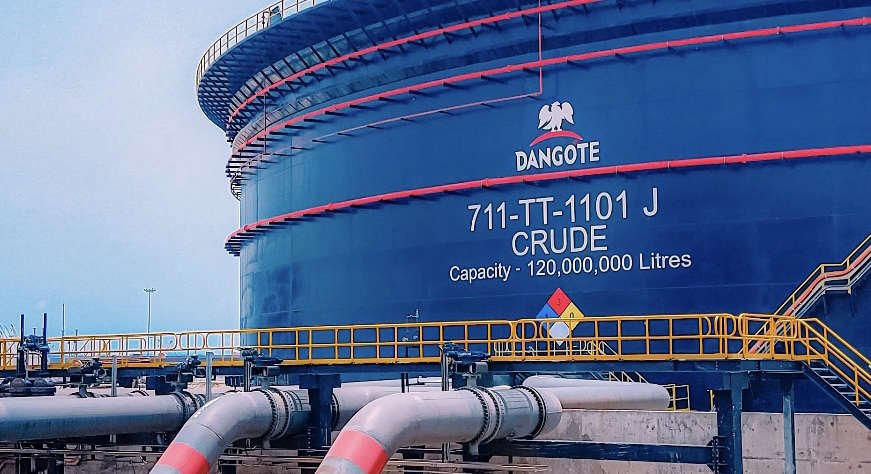
The landing cost of imported premium motor spirit (petrol) has continued to trade above the Dangote refinery’s ex-depot price of N699 per litre. According to the Major Energies Marketers Association of Nigeria (MEMAN), while the Dangote refinery’s gantry price has remained steady at N699 since December, the landing cost for imported petrol has fluctuated between N750 and N780, intensifying competition among importers. In its latest bulletin, MEMAN reported that the landing cost fell slightly to N754.96 from N758 the previous week, while Dangote’s gantry price remained at N699, a difference of about N44 per litre. As a result, many importers are struggling to sell petrol at competitive rates compared with Dangote-backed MRS filling stations. When Aliko Dangote reduced the refinery’s gantry price by N129 in December, the move aimed to ensure consumers paid no more than N740 per litre during the Yuletide and to discourage importation. Dangote explained that while marketers faced losses due to the price reduction, the refinery also incurred significant losses, estimating about N60 billion in November alone after cutting gantry prices by N49. He stressed that the refinery’s $20 billion investment is too large to fail, signalling a long-term strategy to maintain competitiveness against imported petrol. The price war in the petroleum sector intensified over the weekend, with some filling stations dropping pump prices below N739 per litre. Surveyed outlets showed that retailers not supplied by Dangote but seeking competitiveness sold petrol at slightly higher rates—NIPCO at N738, SAO at N735, Akiavic at N737, and AP in Mowe, Ogun State, at N736 per litre. Filling stations now closely monitor competitors’ prices to avoid losing customers, as motorists increasingly flock to outlets offering the lowest rates. Retailers directly supplied by Dangote have successfully matched MRS prices, while some independent stations, such as Heyden, continued to sell petrol at N780 per litre.

PalmPay.jpg

3min8310
Digital bank PalmPay and Premier Cool have unveiled a nationwide consumer promotion offering N100 million in cash rewards, as brands increasingly use incentive-driven campaigns to support household spending amid economic pressures. The campaign, called “10K for 10K”, will reward 10,000 Nigerians with N10,000 each, with winnings instantly credited to PalmPay wallets. Running from 12 January to 11 April 2026, the promotion will feature 111 daily winners over the three-month period. Premier Cool, an antibacterial cooling bar soap under PZ Cussons Africa, said the initiative is aimed at easing financial strain for consumers while boosting brand loyalty. Speaking at the launch in Lagos, Managing Director of PZ Cussons Africa, Oghale Elueni, said, “At a time when many households face financial pressure, this promotion is our way of easing the load and refreshing Nigerians, both emotionally and financially, with a brand they already know and trust.” To participate, consumers must purchase a promo-coded 110-gram pack of Premier Cool (Ultimate or Black variant), scan the QR code on the pack to access the campaign microsite via the PalmPay app, and enter the unique code for an instant draw. Winners receive N10,000 immediately in their PalmPay wallets. New PalmPay users joining the campaign are also eligible for a welcome bonus of up to N5,550, further encouraging adoption of the digital banking platform. Managing Director of PalmPay Nigeria, Chika Nwosu, said the partnership reinforces the fintech’s focus on delivering everyday financial value. “By collaborating with a brand trusted by families for decades, we are strengthening our promise of smarter banking that supports daily living, saving, and financial growth,” Nwosu said. The promotion highlights a growing trend of partnerships between consumer goods companies and fintech platforms, combining physical retail reach with digital payment channels to drive engagement and promote financial inclusion. Premier Cool noted that the campaign leverages its longstanding presence in Nigerian households, linking freshness and hygiene with tangible consumer rewards, while PalmPay continues to expand access to mobile payments, savings, and micro-insurance services nationwide. Both companies confirmed that the promotion is open across Nigeria, with instant payouts designed to ensure transparency and build consumer confidence.

Tech & Tools Desk15 January 2026
ngx.jpg

3min7250
The Nigerian Exchange Limited (NGX) has officially listed 3,156,869,665 additional ordinary shares of United Bank for Africa Plc (UBA) on its Daily Official List, strengthening the bank’s capital base and enhancing liquidity in the Nigerian capital market. The listing follows the successful conclusion of UBA’s recent rights issue, which offered shareholders one new share for every 13 held at N50 per share. With this addition, UBA’s total outstanding shares on NGX have increased from 41,039,305,642 to 44,196,175,307 ordinary shares. The move significantly boosts the bank’s market capitalisation and is expected to improve trading liquidity for its stock. The NGX confirmed the listing in a letter dated 12 January 2026, signed by Godstime Iwenkehai, Head of the Issuer Regulation Department. Iwenkehai stated, “Following the submission of all post-approval documents, United Bank for Africa Plc’s Rights Issue of 3,156,869,665 ordinary shares of 50 kobo each at N50 per share was formally listed on the Daily Official List of Nigerian Exchange Limited on Monday, 12 January 2026.” UBA’s Group Managing Director and Chief Executive Officer, Oliver Alawuba, welcomed the confirmation, describing it as a strong indicator of investor confidence. “The formal listing of our rights issue shares reflects market trust in UBA’s financial strength, governance, and growth strategy. The additional capital will further support our Pan-African and global expansion and enhance our ability to deliver sustainable value to all stakeholders,” he said. The rights issue raised N158 billion for UBA, bringing the bank’s total capital base to N513 billion when combined with the N239 billion raised in November 2024. This ensures that UBA’s qualifying capital comfortably exceeds the N500 billion minimum required by the Central Bank of Nigeria for banks with international authorisation, solidifying its position as one of Nigeria’s leading financial institutions. UBA is a major employer in the African financial sector, with over 25,000 employees serving more than 45 million customers globally. The bank operates in 20 African countries, as well as in the United Kingdom, United States, France, and the United Arab Emirates, offering a wide range of retail, commercial, and institutional banking services.

James Obasi15 January 2026
VAT1.jpg

3min9710
The Federal Government has instructed all banks and fintech operators to collect and remit 7.5 per cent value-added tax (VAT) on selected electronic banking services, effective Monday, January 19, 2026, according to email notifications shared by payment platforms. The VAT will apply to service charges such as mobile money transfers, USSD transaction fees, and card issuance fees. For instance, a N100 transfer fee will attract a 7.5 per cent VAT on the fee itself, not the amount being sent. “From Monday, January 19, 2026, we are required to collect a 7.5 per cent VAT, to be remitted to the Nigerian Revenue Service. This applies to certain banking services including mobile banking fees, USSD transaction charges, and card issuance fees,” stated an email sent to customers by Moniepoint. Other banks and fintechs are expected to issue similar notifications to their customers. Exempt services include interest earned on deposits and savings, meaning tax will not apply to returns on customer accounts. The Nigerian Revenue Service (NRS) has set deadlines to ensure full compliance by commercial banks, microfinance banks, and electronic money operators. Moniepoint emphasised that the VAT collection is a statutory requirement, not a price increase. “Moniepoint is required to collect and remit VAT to the Nigerian Revenue Service,” the company said. The move is part of government efforts to standardise VAT collection on digital financial services and enhance revenue generation amid Nigeria’s growing digital economy. VAT on banking transactions is not entirely new, but the NRS is now enforcing uniform collection rules across all platforms. Customers are assured that the VAT will be clearly itemised on transaction statements. Separately, commercial banks recently informed customers that a N50 stamp duty will be applied on electronic transfers of N10,000 and above, following the new Tax Act provisions. The fee, previously referred to as EMTL, has now been reclassified as stamp duty and applies as a one-off charge on qualifying electronic transfers.

NGX12.webp

2min4040
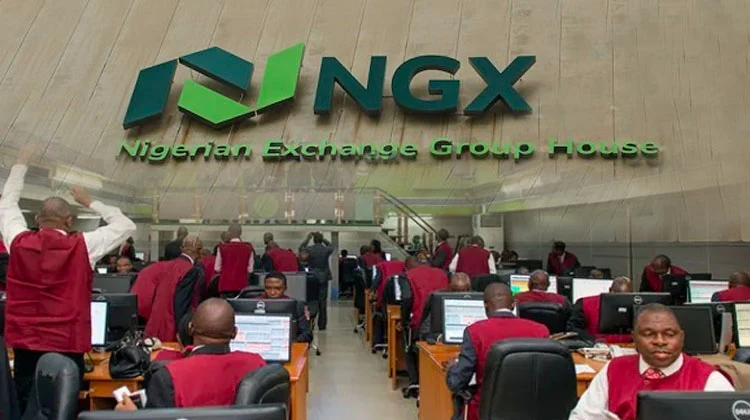
The Nigerian Exchange Regulation (NGX RegCo) has approved the admission of an additional 3.16 billion ordinary shares of United Bank for Africa Plc (UBA) to the Daily Official List of the bourse. In a confirmatory letter dated 12 January, signed by Godstime Iwenkehai, Head of the Issuer Regulation Department at NGX, the listing followed the completion of the bank’s N157.83 billion rights issue. The rights issue involved 3,156,869,665 ordinary shares of 50 kobo each, offered at N50 per share on the basis of one new share for every 13 held. With the listing, UBA’s total outstanding shares on NGX have increased from 41,039,305,642 to 44,196,175,307 ordinary shares of 50 kobo each. UBA’s Group Managing Director/Chief Executive Officer, Oliver Alawuba, welcomed the confirmation, noting that it demonstrates strong investor confidence in the bank’s capitalisation strategy and long-term prospects. “This successful listing highlights market trust in UBA’s financial strength, governance, and growth strategy. The additional capital will support our Pan-African and global expansion while enhancing our ability to deliver sustainable value to all stakeholders,” he said. The rights issue also positions UBA above the Central Bank of Nigeria’s minimum capital requirement for banks with international operations, bringing its combined share capital and share premium comfortably above the regulatory threshold. UBA remains one of Africa’s largest employers in the financial sector, with 25,000 employees serving over 45 million customers across 20 African countries, as well as in the United Kingdom, United States, France, and the United Arab Emirates.