

 Lifestyle & Wellness Desk
Eight OPEC+ Countries to Increase Oil Production in August
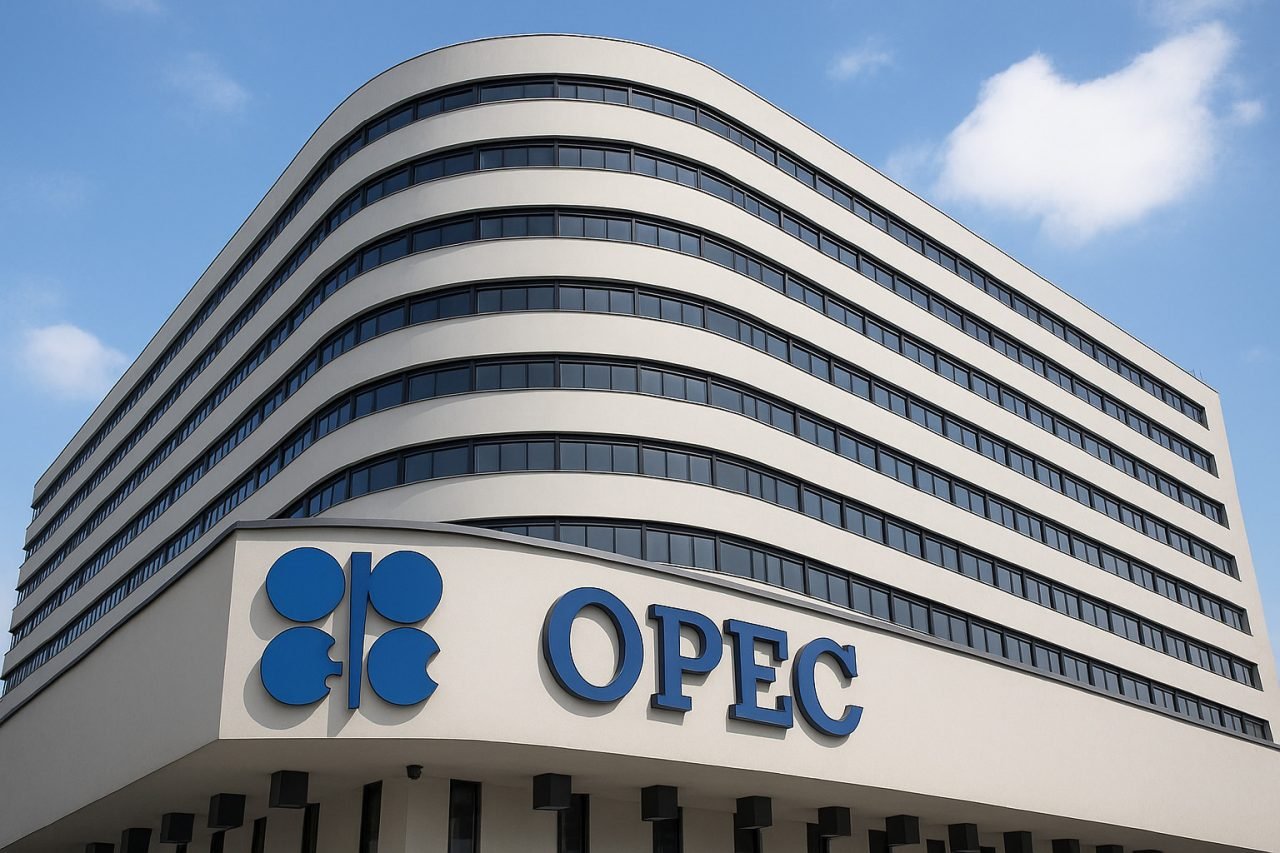
Eight OPEC+ nations have agreed to raise crude oil production by a combined 548,000 barrels per day starting in August, in response to what they describe as steady global economic conditions and healthy market fundamentals.
Among the 12 core members of the Organization of the Petroleum Exporting Countries (OPEC), five Saudi Arabia, Algeria, Iraq, Kuwait, and the United Arab Emirates supported the production increase. They are joined by three non-OPEC allies Russia, Kazakhstan, and Oman in implementing the boost.
Countries such as Iran, Venezuela, Congo, Equatorial Guinea, Gabon, Libya, and Nigeria did not back the output hike.
The planned increase represents roughly 0.5% of global oil production.
This follows an earlier production increase in April, when the group added 411,000 barrels per day. The latest decision aligns with OPEC+’s December 5 agreement to gradually and flexibly reintegrate 2.2 million barrels per day into the market beginning April 1.
However, the group emphasized that these increases are not guaranteed and may be paused or reversed depending on market developments. “This flexibility allows OPEC+ to continue supporting stability in the oil market,” the group stated.
Top Oil Producers
Saudi Arabia is expected to produce 9.8 million barrels per day in August, maintaining its status as the group’s largest producer.
Russia follows closely with 9.3 million barrels per day.
Iraq ranks third with 4.1 million barrels per day.
The United States, not a member of OPEC, produced an average of 13.4 million barrels per day in August 2024, according to the U.S. Energy Information Administration.
Market Outlook
Research firm Global Commodity Insights has projected that global oil supply will exceed demand by 1.25 million barrels per day in the second half of 2024. The additional supply comes as the summer driving season fuels demand for gasoline and energy use spikes due to heat waves in many parts of the world.
Upcoming Decisions
OPEC+ nations will meet again on August 3 to determine production targets for September.
Political Considerations
Analysts, cited by The New York Times, suggest that Saudi Arabia has been keen to raise production levels partly to strengthen ties with U.S. President Donald Trump, who has cultivated a close relationship with both Saudi Arabia and the UAE.
Price Trends
On Friday, August West Texas Intermediate (WTI) crude futures settled at $68.30 per barrel, down 50 cents. Oil prices hit a low of $57.13 on May 13, marking the weakest level since January 2021. Prices peaked at $120.67 in June 2022, with notable fluctuations in between.

