

 Lifestyle & Wellness Desk
Fuel Station Workers Urge IPMAN To Provide Health Insurance
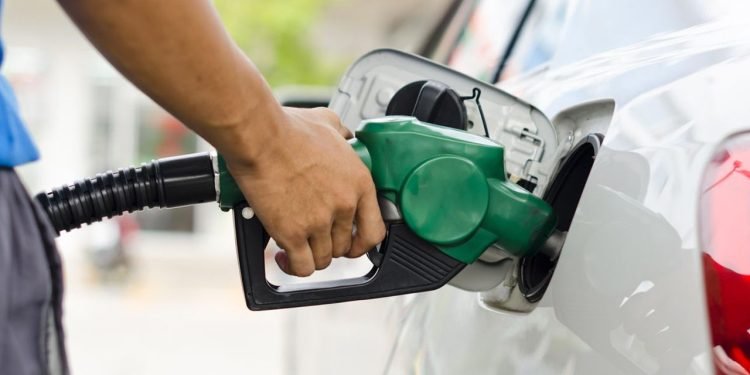
The Independent Petroleum Marketers Association of Nigeria (IPMAN) has been urged to provide health insurance coverage for petrol station employees, including pump attendants, cleaners, security personnel, managers, and other staff across the downstream petroleum sector.
The call comes after the Nigerian National Petroleum Company Limited (NNPCL) recently launched a health insurance scheme for workers at its retail outlets nationwide—a move praised by labour advocates as timely and commendable.
In a statement released on Sunday in Kaduna, Ibrahim Zango, Convener of the Concerned Petrol Station Workers, said IPMAN should adopt a similar initiative to ensure the welfare and well-being of workers employed by independent marketers.
Zango described the NNPCL programme as a benchmark that should be extended across the sector, stressing that the health of workers must be treated as a priority rather than an afterthought.
He noted that petrol station employees face daily health and safety risks, including exposure to toxic fumes, fire hazards, and long working hours, making access to healthcare protection essential.
“These workers deserve adequate protection, whether they are employed by NNPCL outlets or independent marketers. Their lives are equally important, and their contributions keep the sector operational,” Zango said.
He emphasised that health insurance is not a luxury but a fundamental right, especially in an industry with high occupational risks.
“Access to health insurance is a basic necessity that every worker is entitled to. Denying such coverage undermines their productivity and dignity,” he added.
Zango also addressed the leadership structure of the Concerned Petrol Station Workers, clarifying that it was not formed through a formal election process but out of necessity to represent workers facing poor welfare conditions and lack of representation nationwide.
“The circumstances compelled workers to organise and speak with one voice. However, this does not replace the need for properly structured leadership,” he said, highlighting the importance of organised leadership at local, state, and national levels to improve coordination, engagement with stakeholders, and service delivery in the sector.
He further stressed that current economic hardship and rising healthcare costs have worsened the vulnerability of petrol station workers, many of whom earn modest wages.
“Given the harsh economic conditions, workers cannot afford to wait indefinitely for relief. Healthcare costs are rising, and a single illness can wipe out a worker’s entire income,” Zango said.
He therefore called on IPMAN to take immediate, concrete steps to provide health insurance coverage for its members nationwide, noting that proactive action would safeguard lives and ensure a stable, motivated workforce capable of sustaining operations in the downstream petroleum sector.

