

 Lifestyle & Wellness Desk
Lack of Trust Drives Opposition to New Tax Laws — Sanwo-Olu, Olanipekun
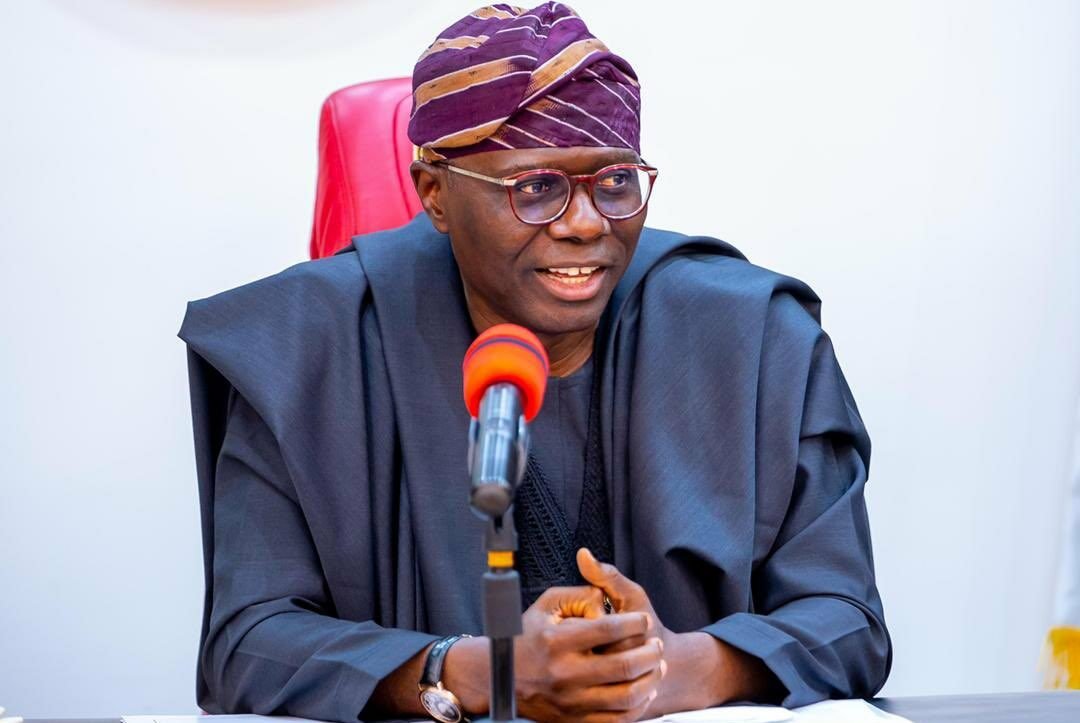
Lagos State Governor Babajide Sanwo-Olu, alongside Chief Wole Olanipekun (SAN) and Prof. Abiola Sanni (SAN), has attributed public resistance to the implementation of Nigeria’s new tax laws to a deep-seated trust deficit between government and citizens, as well as concerns over transparency, accountability, and fiscal centralisation.
The views were expressed on Tuesday at the 2026 Lagos State Professorial Chair in Tax and Fiscal Matters Public Lecture held at the University of Lagos, Akoka. The event brought together policymakers, legal practitioners and academics to deliberate on the theme, “Navigating Nigeria’s Tax Reform: Implications for Fiscal Federalism and State Autonomy.”
Despite calls in some quarters for a delay, President Bola Tinubu has fixed January 1, 2026, for the commencement of the new tax regime, which includes the Nigeria Tax Act 2025, Nigeria Tax Administration Act 2025, Nigeria Revenue Service (Establishment) Act 2025, and the Joint Revenue Board (Establishment) Act 2025.
Governor Sanwo-Olu, speaking at the event, noted that while the tax reforms were necessary to reposition the nation’s economy, their effectiveness would largely depend on restoring public confidence and addressing fears surrounding the management and utilisation of tax revenues. He stressed that without transparency and visible public benefit, compliance would remain low regardless of how technically sound the reforms appeared.
According to him, successful implementation would require strong collaboration among federal, state and local governments, as well as investment in technology, public education on tax obligations and rights, and openness that allows citizens to see the tangible impact of the taxes they pay. He emphasised that an effective tax system must be simple, fair and inclusive, ensuring that everyone—ranging from large corporations to individual entrepreneurs—contributes their fair share.
Represented by the Chairman of the Lagos Inland Revenue Service, Mr Subair Ayodele, the governor said Nigeria had reached a critical economic crossroads after decades of reliance on oil revenue and borrowing, making comprehensive tax reform inevitable.
He observed that Nigeria’s existing tax system had long been complex, narrow and poorly understood, leading to low compliance and overburdening those already within the tax net. This, he said, had constrained government revenue and limited investment in development.
Sanwo-Olu explained that the new tax laws were designed to modernise and simplify the tax framework, eliminate redundant levies, and broaden the tax base to capture digital economy activities and emerging income streams. He stressed that taxation should be seen not as punishment but as a partnership between government and citizens.
He added that Lagos State was supporting the reforms by strengthening tax administration, deploying digital tools, expanding its internally generated revenue base and committing to the prudent and transparent use of public funds.
Chairing the event, the Pro-Chancellor and Chairman of the Governing Council of UNILAG, Chief Wole Olanipekun (SAN), warned that the tax reforms would struggle to gain public acceptance if they were perceived as opaque, unfair or overly centralised. He noted that history had shown that resistance often followed fiscal policies that lacked legitimacy and fairness, citing the 1929 Aba Women’s protest as an example of public backlash against insensitive taxation.
Olanipekun described taxation as central to governance, arguing that no nation could resolve insecurity, rebuild infrastructure or restore public confidence without a stable, fair and credible tax system. He warned that allegations of post-legislative alterations to the tax laws, expanded enforcement powers for the Nigeria Revenue Service, and fears of weakened state fiscal authority had intensified public anxiety.
He cautioned that efficiency must not override consent, questioning whether concentrating fiscal authority at the centre without recalibrating state autonomy could strengthen Nigeria’s federal structure. He called for citizen-focused governance that ensures every naira collected translates into visible improvements in quality of life.
Delivering the public lecture, the Dean of the Faculty of Law, UNILAG, Prof. Abiola Sanni (SAN), said the main challenge facing the tax reforms was not their legality but their credibility. He noted that the disconnect between government and citizens had fuelled fears that tax proceeds might not result in tangible public benefits, particularly at the grassroots level.
Sanni argued that the reforms were heavily focused on federal taxation and called for state-led tax reforms to address multiple taxation and inefficiencies. He pointed out that states currently lacked sufficient authority over key taxes such as personal income tax, stamp duties and capital gains tax, creating a mismatch between responsibility and control.
He also warned that informal taxation by non-state actors in markets and motor parks would persist unless accountability and trust improved. According to him, state-level tax reform was both constitutionally and economically necessary, adding that reforms should prioritise efficient property taxation, estate tax frameworks and a review of consumption taxes.
Sanni criticised the practice of government paying value-added tax on its own contracts, describing it as inefficient and potentially provocative. He further cautioned that provisions allowing deductions from states’ allocations in cases of tax default could trigger conflict if not carefully managed.
While raising concerns, Sanni defended the timing of the reforms, noting that the laws largely protected low-income earners and small businesses. He argued that resistance was mainly coming from higher-income groups, though he acknowledged that charges such as stamp duties on electronic transfers still affected ordinary citizens and required further review.
On education funding, the Lagos State Commissioner for Tertiary Education, Mr Tolani Sule, expressed optimism that the reforms would boost revenue and improve funding for the sector if properly implemented. He said increased revenue, combined with fiscal discipline, would enhance infrastructure, staffing and learning outcomes in tertiary institutions.
The event, hosted by the Vice-Chancellor of UNILAG, Prof. Folasade Ogunsola, concluded with calls for stronger collaboration among the National Assembly, the Federal Ministry of Finance, the Nigeria Revenue Service and state revenue agencies.
Participants agreed that transparency, accountability and visible public value must be prioritised, warning that distrust and fear would remain the greatest obstacles to the success of Nigeria’s tax reform agenda. Plaques were also presented to Sanwo-Olu, Olanipekun and Prof. Sanni at the event.

