

 Lifestyle & Wellness Desk
Nigeria and the UAE Remove Tariffs on More than 13,000 Products.
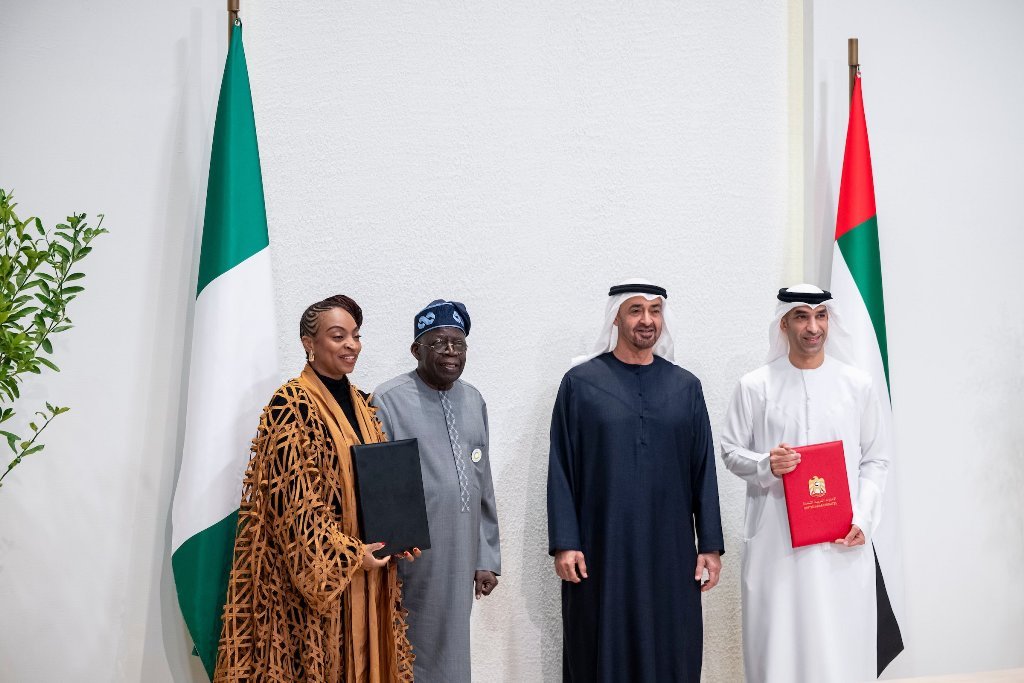
Nigeria and the United Arab Emirates have removed tariffs on more than 13,000 products under a new trade agreement, aimed at expanding market access for Nigerian goods, businesses, and professionals. The Federal Ministry of Industry, Trade, and Investment announced that Nigeria has eliminated tariffs on 6,243 UAE-imported products, while the UAE has removed tariffs on 7,315 Nigerian products. The Comprehensive Economic Partnership Agreement (CEPA), signed in January 2026, is designed to boost non-oil exports, attract investment, and support economic diversification. For Nigeria, tariffs on 3,949 products were removed immediately, with 2,294 products set for phased elimination over five years. The country excluded 123 products from liberalisation. The UAE removed tariffs on 2,805 products immediately, with 1,468 products phased out within three years and 3,042 over five years, while prohibiting 593 products. The CEPA covers agricultural, industrial, and manufactured goods. For example, the UAE will immediately lift tariffs on fish, cereals, oil seeds, fruits, raw hides, cotton, pharmaceuticals, chemicals, and paper products, while phasing out tariffs on cocoa, coffee, machinery, vehicles, and apparel. Nigeria will immediately remove tariffs on mineral fuels, machinery, vehicles, electrical equipment, and iron and steel, while phasing out tariffs on fish, fruits, vegetables, and apparel over five years. The agreement also opens doors for services and investment flows. Nigeria has commitments covering 99 services across 10 sectors, while the UAE covers 108 services across 11 sectors. Nigerian businesses can explore trade opportunities in the UAE and establish corporate entities there under the pact. The Federal Government said the agreement strengthens Nigeria’s position as a preferred destination for investors, accelerates non-oil exports, and aligns with obligations under the World Trade Organization, AfCFTA, and ECOWAS trade frameworks. Relevant agencies, including the Nigeria Customs Service and the Nigerian Export Promotion Council, will work to implement the agreement and support increased trade and investment between the two countries. Exporters and investors have been advised to consult the Ministry of Industry, Trade, and Investment for details on product coverage, rules of origin, and export procedures.

