

 admin
adminPresident-Elect Donald Trump Vows Pardons for Capitol Rioters and Sweeping Changes on Immigration
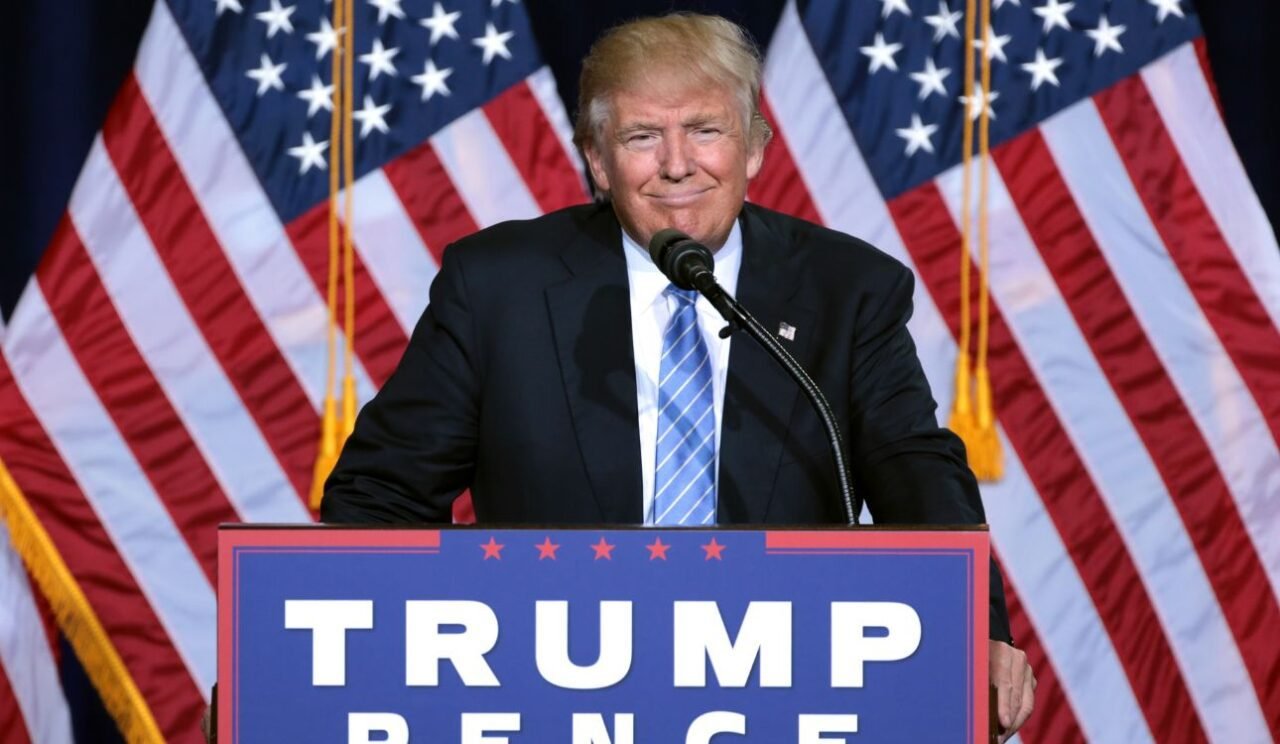
In his first broadcast network interview since securing a historic return to the White House, President-elect Donald Trump outlined a series of bold plans that will shape his administration’s first days in office. Among his most controversial promises: potential pardons for individuals involved in the January 2021 Capitol riot and sweeping changes to U.S. immigration policies.
Speaking on NBC’s Meet the Press, Trump revealed that one of his first actions upon returning to office in January would be to consider pardons for those convicted in connection with the January 6th insurrection. “These people are living in hell,” Trump said, reflecting his ongoing sympathy for the rioters who stormed the U.S. Capitol in an effort to overturn the 2020 presidential election results. The comments come just weeks before Trump’s inauguration on January 20th.
Trump’s remarks on the Capitol rioters are likely to ignite a fresh wave of controversy, given the ongoing debate about accountability for the violent attack on the seat of American democracy. However, the president-elect’s pledge to extend clemency may resonate with his political base, many of whom continue to see the rioters as victims of political persecution.
In the wide-ranging interview, recorded on Friday, Trump also reiterated his commitment to limiting immigration, particularly targeting the automatic granting of U.S. citizenship to children born on American soil. The practice of birthright citizenship stems from the 14th Amendment of the U.S. Constitution, which guarantees citizenship to all persons born in the United States. However, Trump expressed a desire to see it “changed” under his administration, stating, “We’re going to have to get it changed. We may have to go back to the people. But we have to end it.”
This assertion aligns with Trump’s long-standing criticism of birthright citizenship, an issue that has been a cornerstone of his rhetoric surrounding immigration reform. He pledged to push for a legislative overhaul to end automatic citizenship for children born in the U.S. to non-citizen parents.
In contrast, Trump expressed a willingness to work with Democrats on certain immigration issues, particularly those affecting undocumented immigrants brought to the country as children, often referred to as “Dreamers.” “I’ll work with the Democrats on a deal to help those who were brought here as kids,” Trump stated. “But it has to be part of a bigger plan that addresses border security and enforcement.”
The Republican president-elect also reiterated his promise to deport undocumented immigrants, including those with U.S.-born children. Despite acknowledging the emotional toll of separating families, Trump remained steadfast in his approach. “I don’t want to be breaking up families,” he said. “So the only way you don’t break up the family is you keep them together and you have to send them all back.”
Additionally, Trump indicated that he would issue a flurry of executive orders on day one, focusing on issues such as energy policy, the economy, and immigration reform. He also addressed the issue of abortion rights, stating that while he did not plan to impose restrictions on abortion pills, he could not make a firm guarantee, adding, “Well, I commit. I mean… things change.”
As the US braces for his second term, President-elect Trump’s promises signal a return to the aggressive, no-compromise agenda that marked his first presidency. With his inauguration looming, it is clear that Trump’s administration will immediately confront some of the nation’s most contentious political issues, from immigration to civil liberties.
photo credit: Donald trump by Gage Skidmore Creative Commons 3.0 , wikimedial commons

